
The safety and wellbeing of students has never been more complex. Educational institutions face unprecedented challenges in 2026, from digital threats and substance misuse to mental health concerns and behavioural risks. A comprehensive school safeguarding system is no longer a luxury but an essential framework that protects children, supports staff, and ensures regulatory compliance. This article examines the critical components, emerging technologies, and best practices that define effective safeguarding in modern schools.
Understanding the Modern School Safeguarding System
A school safeguarding system encompasses the policies, procedures, technologies, and cultural practices that work together to protect students from harm. Unlike traditional approaches that focused primarily on physical safety, contemporary systems address a wider spectrum of risks including online dangers, substance abuse, radicalisation, and peer-on-peer abuse.
The landscape has evolved dramatically. Schools now contend with vaping epidemics, sophisticated cyberbullying, mental health crises, and the normalisation of harmful behaviours through social media. Each of these challenges requires specific interventions, yet they must function as part of a cohesive whole.
Effective safeguarding operates on three fundamental pillars:
- Prevention through education, policy enforcement, and environmental design
- Detection via monitoring systems, staff vigilance, and reporting mechanisms
- Response including intervention protocols, support services, and incident management
The most successful schools recognise that technology alone cannot solve safeguarding challenges. A robust school safeguarding system integrates human expertise with technological tools, creating layers of protection that address both immediate risks and long-term student development.

Technology's Role in Enhanced Protection
Digital solutions have transformed how schools identify and respond to threats. The comprehensive report on school safety technology reveals that strategic implementation of monitoring systems significantly improves incident detection rates whilst reducing response times.
Modern school safeguarding systems incorporate several technological categories:
Environmental Monitoring Solutions
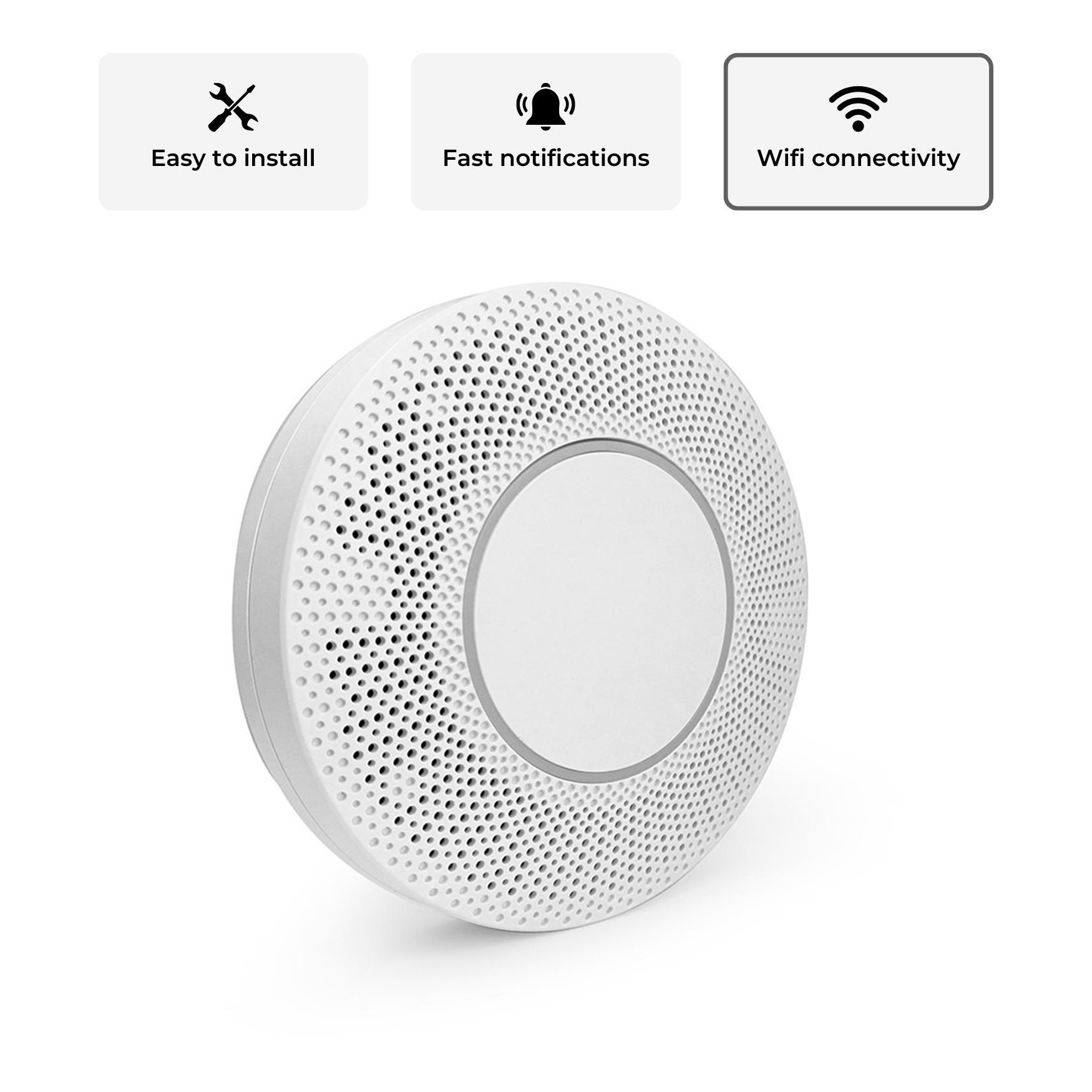
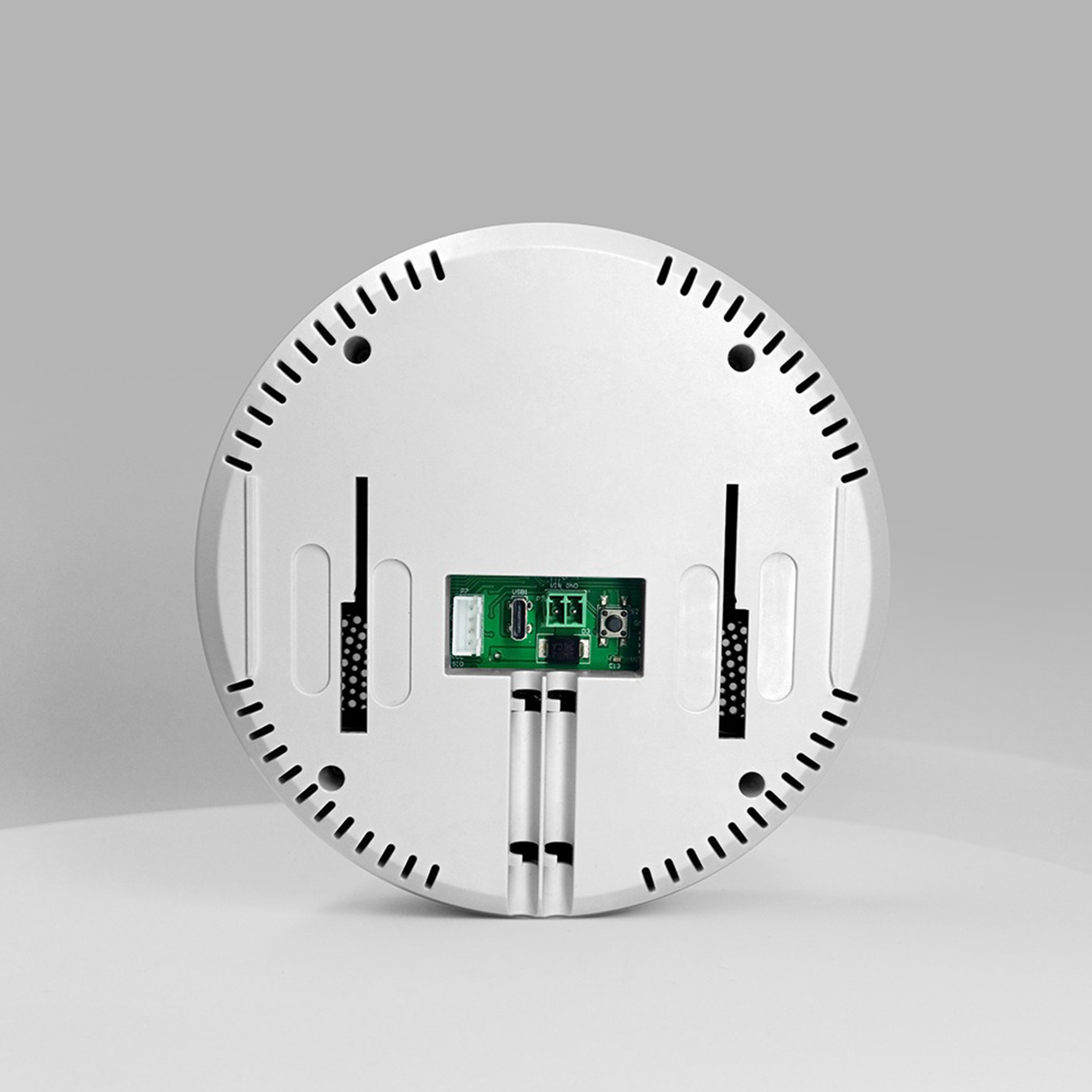
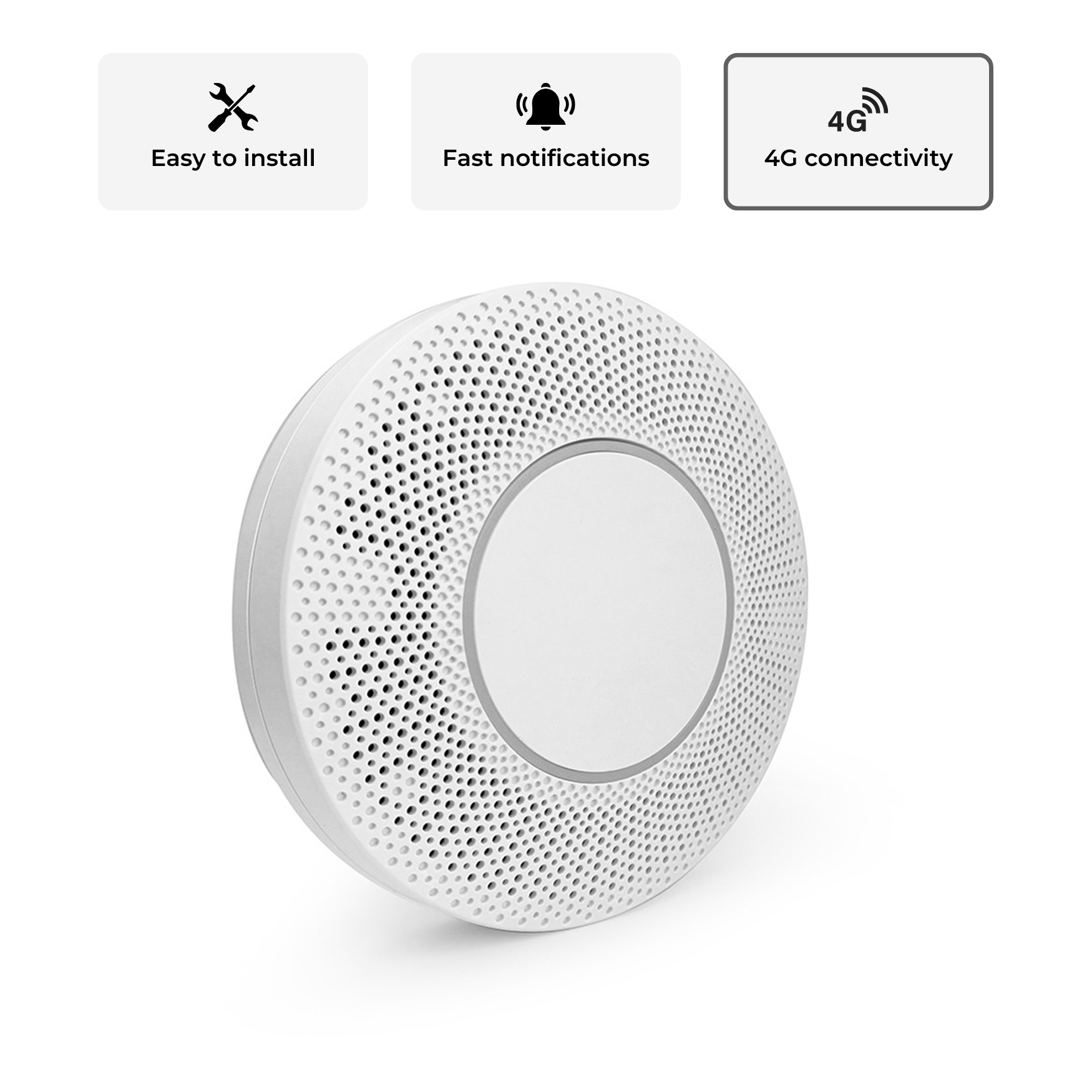
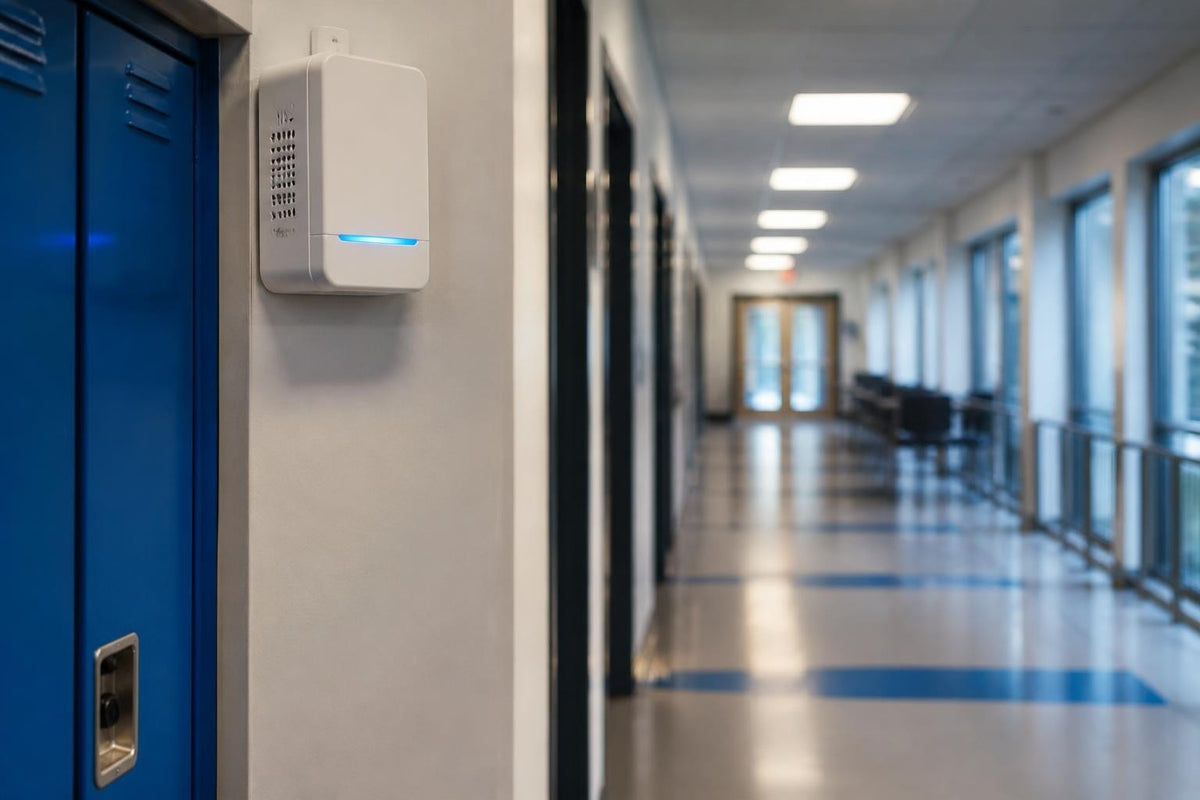
Air quality sensors and vape detection devices have become critical components in combating substance misuse. These systems operate discreetly in toilets, changing rooms, and other unsupervised areas where traditional supervision proves impossible. When integrated properly, they provide real-time alerts that enable staff to intervene before situations escalate.
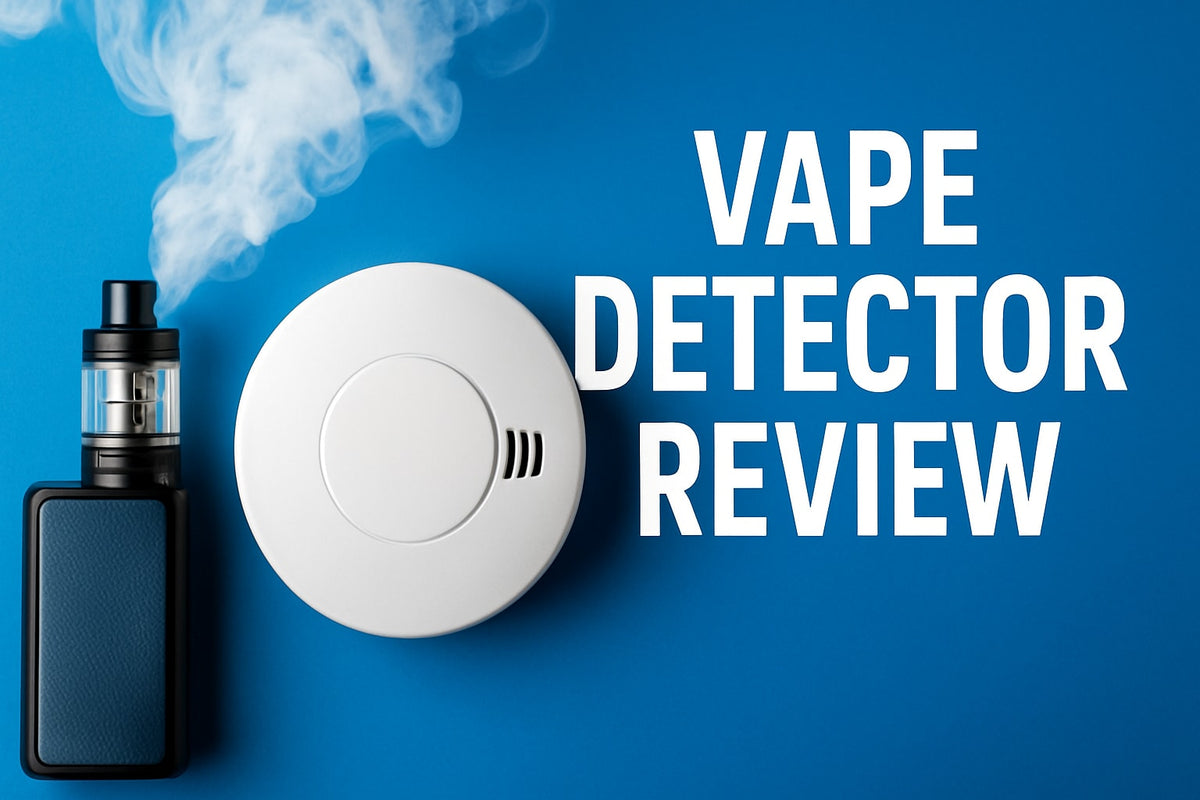
Schools implementing vape detectors for education have reported dramatic reductions in substance-related incidents. The technology doesn't simply detect vaping; advanced systems identify specific chemical signatures associated with THC, cocaine, and other substances that students increasingly conceal in vaping devices.
Digital Safety Platforms
UK schools must comply with filtering and monitoring core standards established by the Department for Education. These requirements mandate appropriate filtering and monitoring systems to protect students online.
| Technology Type | Primary Function | Key Benefits |
|---|---|---|
| Vape Detection | Substance monitoring | Real-time alerts, deterrent effect, data analytics |
| Web Filtering | Online safety | Content blocking, compliance, usage reporting |
| CCTV Systems | Visual monitoring | Evidence gathering, deterrence, incident review |
| Panic Alarms | Emergency response | Immediate assistance, location tracking, audit trails |
The effectiveness of these technologies depends heavily on integration. Isolated systems create data silos and increase administrative burden. A unified school safeguarding system consolidates alerts, tracks patterns, and enables comprehensive oversight through a single dashboard.
Policy Framework and Cultural Integration
Technology provides the tools, but policy creates the framework for their effective deployment. Schools must develop clear, comprehensive safeguarding policies that address both traditional concerns and emerging threats.
Developing Robust Safeguarding Policies
Effective policies balance protection with education. Rather than purely punitive measures, leading schools adopt restorative approaches that help students understand consequences whilst maintaining dignity and support.
Essential policy elements include:
- Clear definitions of prohibited behaviours and substances
- Graduated response protocols matched to incident severity
- Parent communication procedures and involvement pathways
- Staff training requirements and competency frameworks
- Regular review cycles incorporating incident data and emerging trends
Research on mobile phone policies and digital safeguarding incidents demonstrates that well-communicated restrictions significantly reduce problematic behaviours. Schools that engage students in policy development report higher compliance rates and fewer enforcement conflicts.
Training and Staff Preparedness
Even the most sophisticated school safeguarding system fails without properly trained personnel. Staff must recognise warning signs, respond appropriately to alerts, and navigate sensitive conversations with students and parents.
Annual training should cover current threats, legal obligations, technology operation, and trauma-informed approaches. Designating safeguarding leads with specialised expertise ensures consistent application of policies and maintains institutional knowledge as staff change.

Addressing Specific Safeguarding Challenges
The breadth of modern safeguarding demands targeted strategies for distinct threat categories. Each requires specific knowledge, tools, and intervention approaches.
Substance Misuse and Vaping Epidemics
The normalisation of vaping among young people represents one of the most pressing safeguarding concerns in 2026. Students increasingly view vaping as harmless, despite growing evidence of health risks and the prevalence of illicit substances in vaping devices.
A comprehensive approach to tackling vaping in schools combines education, detection, and support services. Students need factual information about health consequences, including emerging research on long-term impacts. Detection systems create accountability whilst data helps schools understand usage patterns and hotspots.
Modern vape detection technology has evolved beyond simple smoke alarms. Advanced sensors identify chemical markers specific to vaping, distinguish between vaping and legitimate aerosols, and provide timestamped evidence for investigations. When students understand that unsupervised spaces are monitored, deterrent effects often exceed actual detection rates.
Schools incorporating dedicated Vape Detection Systems benefit from not only vaping alerts but also detection of aggressive behaviour, unusual sound patterns, and air quality degradation. This multi-purpose functionality maximises return on investment whilst addressing multiple safeguarding concerns through a single technology platform.

Online Safety and Digital Wellbeing
Digital threats evolve continuously as platforms, applications, and youth culture shift. A reactive school safeguarding system quickly becomes obsolete; proactive monitoring of emerging trends proves essential.
Common digital safeguarding concerns include:
- Cyberbullying through messaging apps and social platforms
- Exposure to inappropriate content via unfiltered devices
- Grooming and exploitation through gaming and social networks
- Sharing of self-generated indecent imagery
- Radicalisation through extremist online content
Filtering software provides baseline protection, but educated digital citizenship remains the most sustainable defence. Students who understand online risks, privacy implications, and reporting mechanisms make safer choices independently.
Implementing Behavioural Threat Assessment
Preventing serious incidents requires identifying concerning behaviours before they escalate. Behavioural Threat Assessment and Management (BTAM) best practices emphasise multidisciplinary teams that evaluate threats systematically rather than relying on subjective judgment.
The BTAM Process
A structured approach to threat assessment follows consistent stages:
- Identification through staff observation, peer reporting, or system alerts
- Information gathering from multiple sources including academic records and behavioural history
- Risk evaluation using validated assessment frameworks
- Intervention planning with appropriate support services and monitoring
- Case management through ongoing review and adjustment
This methodology prevents both overreaction to minor incidents and underestimation of genuine threats. Schools implementing formal BTAM frameworks report improved early intervention rates and reduced serious incidents.
Data Privacy and Ethical Considerations
Comprehensive monitoring raises legitimate concerns about student privacy and surveillance culture. A responsible school safeguarding system balances protection with privacy rights, operating transparently within legal frameworks.
Maintaining Ethical Standards
Key principles for ethical safeguarding include:
- Proportionality: Monitoring intensity should match risk level
- Transparency: Students and parents deserve clear communication about what is monitored and why
- Purpose limitation: Data collected for safeguarding should not be repurposed for unrelated objectives
- Data minimisation: Systems should capture only information necessary for protection
- Regular review: Monitoring practices require periodic evaluation to ensure continued necessity
Schools must document the legal basis for monitoring activities, typically relying on legitimate interests or legal obligations under safeguarding legislation. Data protection impact assessments help identify and mitigate privacy risks before implementation.
Multi-Agency Collaboration and External Support
No school operates in isolation. Effective safeguarding requires partnerships with external agencies including local authorities, police, health services, and specialist support organisations.
The Atlanta Comprehensive School Safety Initiative demonstrates how coordinated, district-wide approaches amplify individual school efforts. Shared resources, consistent protocols, and unified data systems create stronger protection networks than fragmented, school-by-school approaches.
| Agency Type | Contribution to Safeguarding | Engagement Model |
|---|---|---|
| Local Authority | Policy guidance, oversight, resources | Regular liaison meetings, annual reviews |
| Police | Serious incident response, prevention programmes | School liaison officers, joint protocols |
| Health Services | Mental health support, substance abuse treatment | Referral pathways, on-site services |
| Social Services | Family support, child protection investigations | Multi-agency safeguarding hubs |
Establishing clear referral pathways ensures students receive appropriate specialist support when school-based interventions prove insufficient. Many serious safeguarding failures occur not from lack of identification but from gaps in inter-agency communication.
Measuring Effectiveness and Continuous Improvement
A school safeguarding system requires ongoing evaluation to ensure it remains fit for purpose. Regular assessment identifies gaps, validates interventions, and demonstrates accountability to stakeholders.
Key Performance Indicators
Meaningful metrics for safeguarding effectiveness include:
- Incident rates across different categories (substance misuse, bullying, online safety)
- Response times from alert to intervention
- Staff confidence levels in recognising and responding to concerns
- Student perception of safety and support accessibility
- Repeat incident rates indicating whether interventions prevent recurrence
- Early intervention statistics showing proactive rather than reactive responses
Quantitative data tells part of the story. Qualitative feedback from students, staff, and parents provides context and identifies issues that numbers alone might miss. Anonymous student surveys often reveal concerns that formal reporting mechanisms fail to capture.
Emerging Trends and Future Considerations
The safeguarding landscape continues evolving as society, technology, and youth culture change. Schools must anticipate emerging threats whilst maintaining core protective principles.
Artificial intelligence and machine learning increasingly enhance threat detection capabilities. Predictive analytics can identify students at elevated risk based on behavioural patterns, enabling proactive support before crises develop. However, these powerful tools demand careful ethical oversight to prevent discrimination and ensure human judgment remains central to decision-making.
Mental health challenges have intensified post-pandemic, requiring schools to expand wellbeing support within their broader school safeguarding system. Trauma-informed approaches that recognise adverse childhood experiences help staff respond compassionately whilst maintaining necessary boundaries.
The increasing sophistication of substances concealed in vaping devices presents ongoing challenges. As regulatory frameworks struggle to keep pace with market innovation, schools must remain vigilant and adapt detection strategies accordingly. Understanding the hidden threat of drugs in vapes helps staff recognise this evolving risk landscape.
Building a Culture of Safeguarding
Technical systems and formal policies provide structure, but culture determines ultimate effectiveness. Schools where safeguarding is embedded in daily practice rather than treated as compliance exercise achieve superior outcomes.
Creating Protective Environments
Cultural elements that strengthen safeguarding include:
- Leadership commitment demonstrated through resource allocation and visible prioritisation
- Open communication channels where students feel safe reporting concerns
- Restorative rather than purely punitive approaches to behavioural issues
- Inclusive practices ensuring vulnerable students receive appropriate support
- Regular community dialogue involving students, parents, and staff in safeguarding development
Students who trust adults will help them navigate difficulties rather than conceal problems until they become crises. Building this trust requires consistency, fairness, and genuine care for student wellbeing beyond academic achievement.
Staff wellbeing also impacts safeguarding effectiveness. Educators managing their own stress and trauma responses provide better support to students facing challenges. A sustainable school safeguarding system includes support structures for staff, recognising the emotional demands of safeguarding work.
Resource Allocation and Strategic Planning
Implementing comprehensive safeguarding requires sustained investment in personnel, technology, training, and infrastructure. Strategic planning ensures resources align with identified priorities and demonstrate value for investment.
Schools should conduct regular risk assessments mapping threats against existing controls. Gaps between current capabilities and identified needs inform budget priorities and development planning. Understanding how to stop vaping at school through evidence-based strategies helps schools allocate resources effectively for maximum impact.
Phased implementation allows schools to build capacity gradually whilst demonstrating early wins that sustain stakeholder support. Starting with high-priority areas such as substance detection in known hotspots creates momentum for broader system development.
Legal Compliance and Regulatory Frameworks
Schools operate within complex legal obligations spanning safeguarding legislation, data protection, health and safety requirements, and duty of care principles. A compliant school safeguarding system addresses all relevant regulatory requirements whilst supporting rather than hindering educational mission.
Recent developments in UK school vaping laws illustrate the evolving regulatory landscape. Headteachers must stay informed about legislative changes and adjust policies accordingly to maintain compliance.
Documentation proves critical during inspections and investigations. Comprehensive records of safeguarding concerns, actions taken, and outcomes demonstrate diligence and support continuous improvement through pattern analysis.
Protecting students in 2026 requires sophisticated, multi-layered approaches that combine technology, policy, training, and culture into cohesive systems. Schools that invest strategically in comprehensive safeguarding frameworks create environments where students can learn, develop, and thrive safely. Whether addressing substance misuse, online threats, or behavioural concerns, the right tools and approaches make measurable differences in student outcomes. Vape Guardian supports educational institutions with advanced detection technology and expert guidance, helping schools build safer environments through reliable monitoring systems and dedicated support. Contact the team today to discover how tailored safeguarding solutions can strengthen protection for your students.




Share:
Washroom Vape Detector: A Complete Guide for 2026
Classroom Air Quality Monitor: Essential Guide for 2026