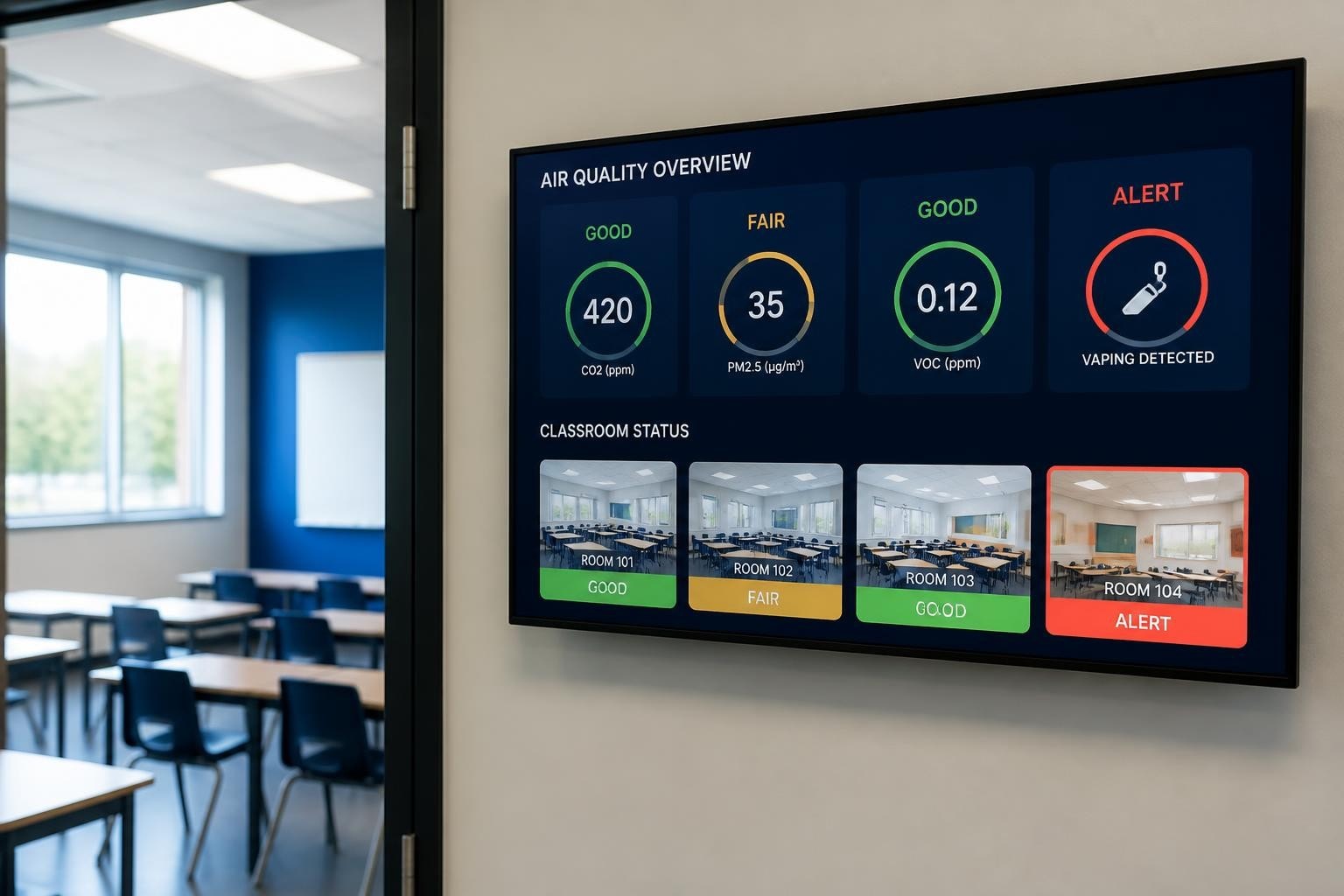
The quality of air within educational environments has emerged as a critical concern for school administrators, teachers, and parents throughout the United Kingdom. A classroom air quality monitor serves as an essential tool for maintaining healthy learning spaces, detecting potential hazards, and ensuring compliance with health and safety regulations. These sophisticated devices measure multiple parameters including carbon dioxide levels, volatile organic compounds, particulate matter, and temperature whilst providing real-time alerts when thresholds are exceeded. With increasing awareness of indoor air pollution and its impact on student performance and wellbeing, the deployment of monitoring technology has become a priority for forward-thinking educational institutions.
Understanding Classroom Air Quality Parameters
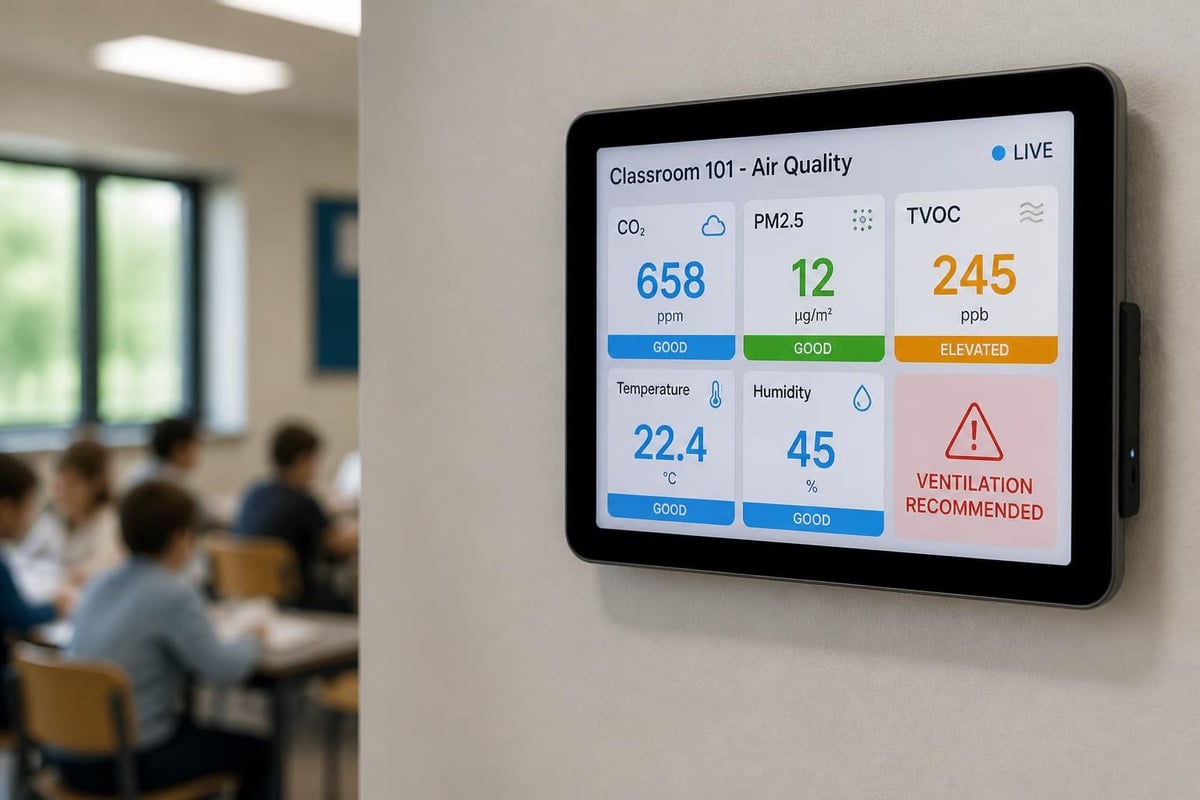
A comprehensive classroom air quality monitor tracks several key environmental factors that directly influence student health and academic performance. The most fundamental measurement is carbon dioxide concentration, which indicates ventilation effectiveness and can signal when fresh air exchange becomes insufficient for the number of occupants present.
Critical Measurements and Their Impact
Different air quality parameters reveal distinct aspects of the classroom environment:
- Carbon Dioxide (CO2): Elevated levels above 1000 ppm correlate with decreased cognitive function, drowsiness, and reduced concentration
- Particulate Matter (PM2.5 and PM10): Fine particles from outdoor pollution, dust, and indoor activities that penetrate deep into lungs
- Volatile Organic Compounds (VOCs): Chemicals released from cleaning products, building materials, and electronic devices
- Temperature and Humidity: Thermal comfort factors affecting student alertness and pathogen transmission
- Vaping Aerosols: Specialized detection of e-cigarette vapour and associated compounds
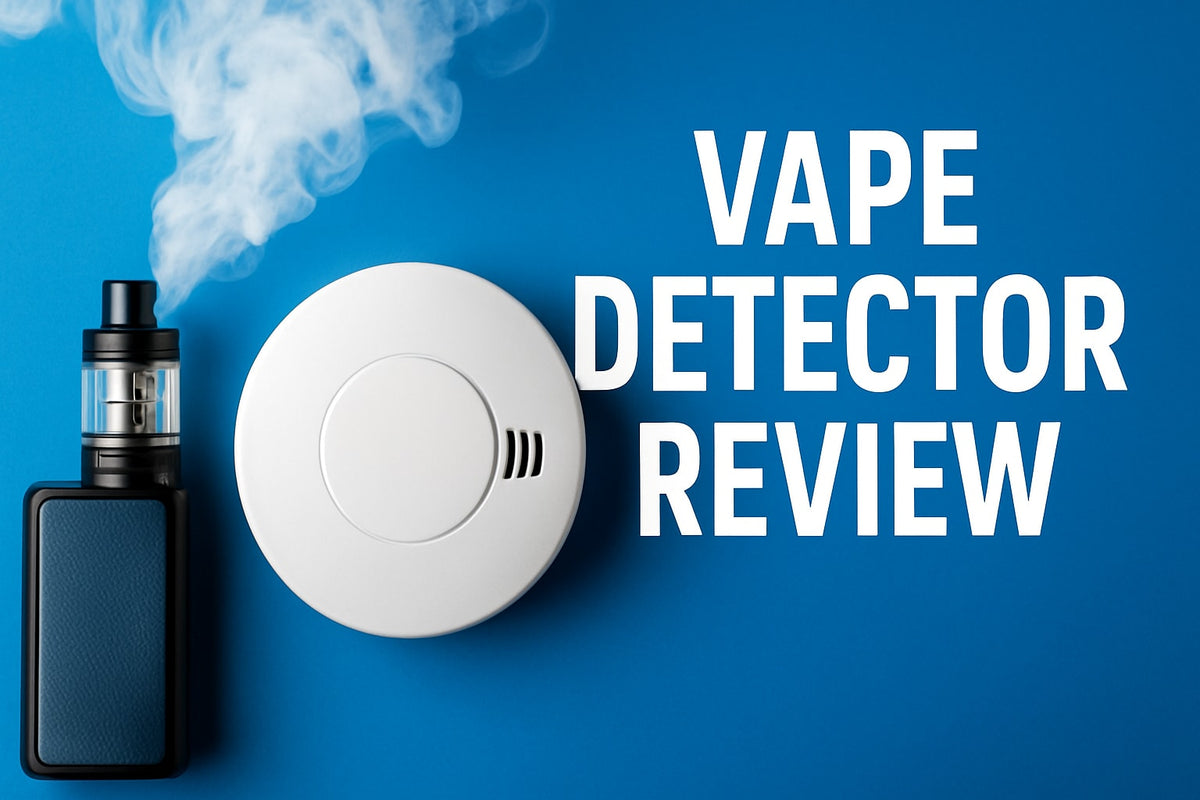
The presence of vaping in educational settings presents a unique challenge that traditional air quality monitors may not adequately address. Modern vape detectors for education incorporate advanced sensors capable of identifying specific chemical signatures associated with e-cigarette use, providing instant notifications to designated staff members.
Research has demonstrated that indoor air quality significantly affects learning outcomes. Studies examining the effectiveness of portable HEPA air cleaners have shown measurable improvements in particulate matter reduction when properly positioned within classroom spaces. The placement and operation of both cleaning devices and monitoring equipment require careful consideration to maximize their effectiveness.
Technologies Behind Modern Air Quality Monitoring
Contemporary classroom air quality monitor systems employ sophisticated sensor arrays and connectivity features that transform raw environmental data into actionable intelligence. The technological foundation determines accuracy, reliability, and the practical utility of the monitoring solution.
Sensor Technologies and Detection Methods
| Measurement Type | Sensor Technology | Detection Range | Response Time |
|---|---|---|---|
| CO2 | Non-Dispersive Infrared (NDIR) | 400-5000 ppm | 30-60 seconds |
| PM2.5/PM10 | Laser Scattering | 0-500 μg/m³ | Real-time |
| VOCs | Metal Oxide Semiconductor | 0-5000 ppb | 1-2 minutes |
| Vaping Detection | Multi-Sensor Array | Threshold-based | 5-15 seconds |
The integration of Internet of Things (IoT) capabilities enables remote monitoring, historical data analysis, and automated alerting systems. This connectivity proves particularly valuable for facility managers overseeing multiple buildings or campuses simultaneously. An IoT-based framework for monitoring classroom quality demonstrates how these systems can integrate environmental data with other educational metrics to provide comprehensive insights into learning conditions.
Advanced systems incorporate machine learning algorithms that distinguish between normal environmental variations and genuine concerns requiring intervention. This intelligence reduces false alarms whilst ensuring that legitimate issues receive immediate attention from appropriate personnel.
Implementation Strategies for Educational Institutions
Deploying a classroom air quality monitor network across an educational facility requires strategic planning, stakeholder engagement, and clear protocols for responding to alerts. Successful implementation balances technical requirements with practical operational considerations.
Planning Your Monitoring Network
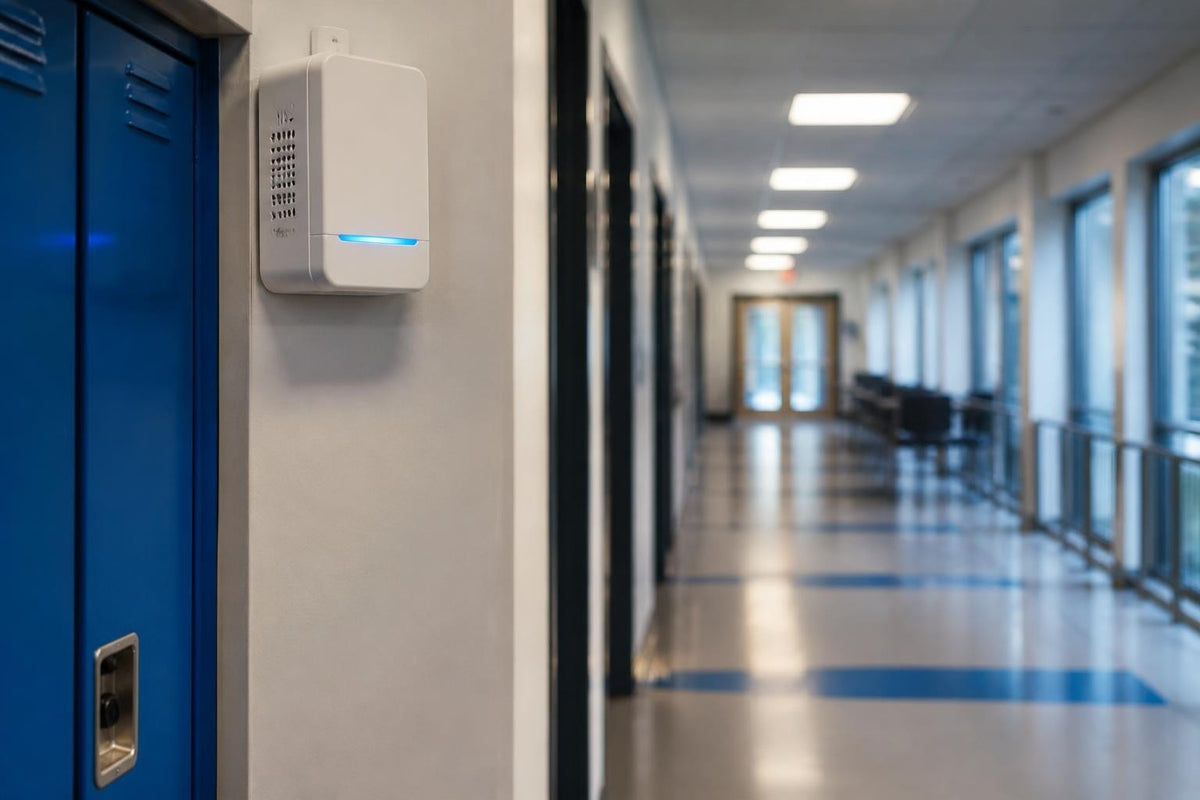
The number and placement of monitors depends on several factors including room size, occupancy levels, ventilation system configuration, and specific concerns such as vaping in washrooms or changing areas. A typical primary school classroom measuring 60 square metres generally requires one comprehensive monitoring unit, whilst larger spaces or those with known air quality challenges may benefit from multiple sensors.
Priority locations for classroom air quality monitor deployment include:
- Standard teaching spaces with high occupancy density
- Science laboratories where chemical use occurs
- Art rooms with potentially hazardous materials
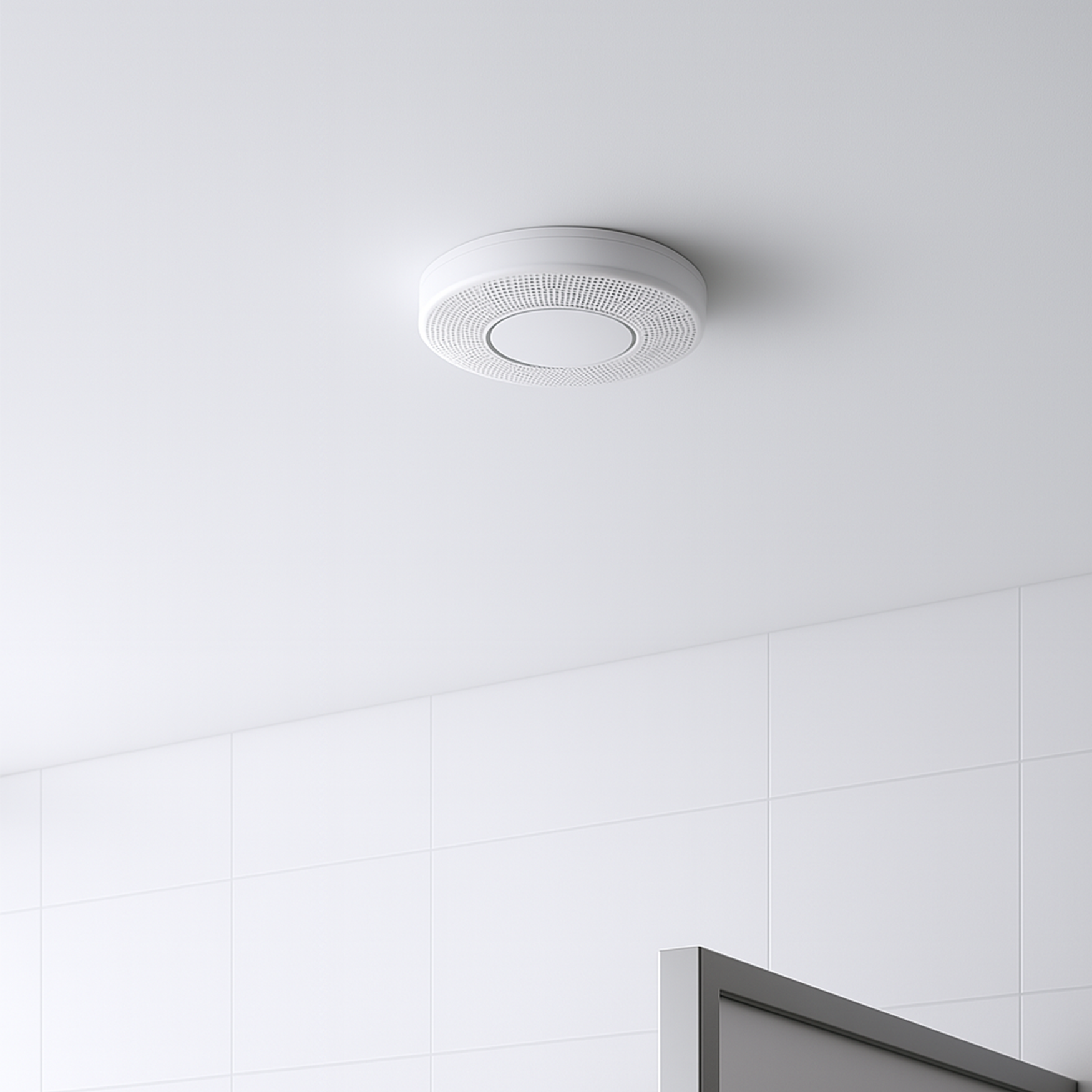
- Washrooms and changing facilities prone to vaping incidents
- Gymnasiums and indoor sports facilities
- Canteens and dining areas
- Staff rooms and administrative offices
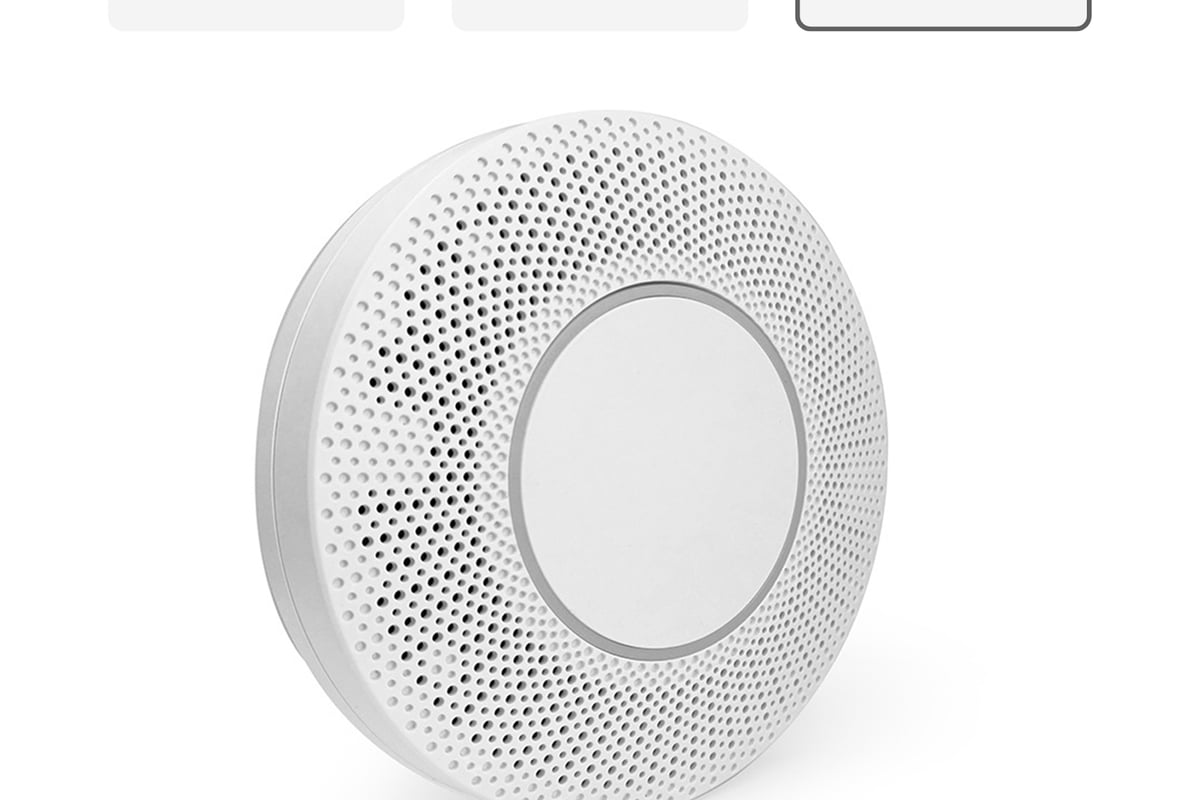
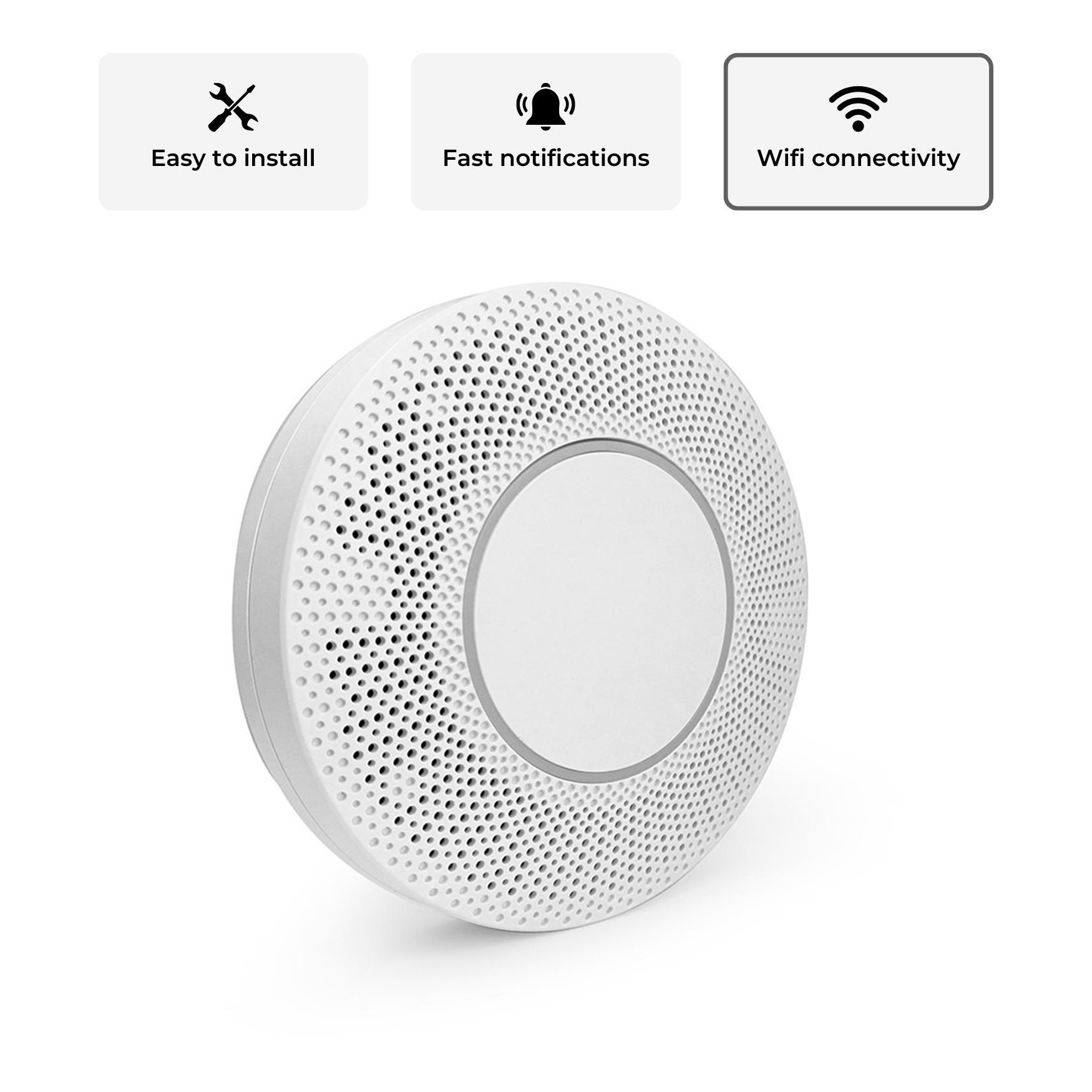
The Vape Detection System combines air quality monitoring with specialized vaping detection capabilities, offering educational institutions a comprehensive solution for maintaining healthy, compliant environments. This technology not only identifies vaping incidents but also monitors broader air quality parameters, providing a complete picture of indoor environmental conditions.
Integration with Existing Infrastructure
Modern classroom air quality monitor systems connect seamlessly with existing building management platforms, security systems, and communication networks. This integration enables automated responses such as adjusting ventilation rates when CO2 levels rise or notifying designated staff members when vaping is detected in monitored areas.
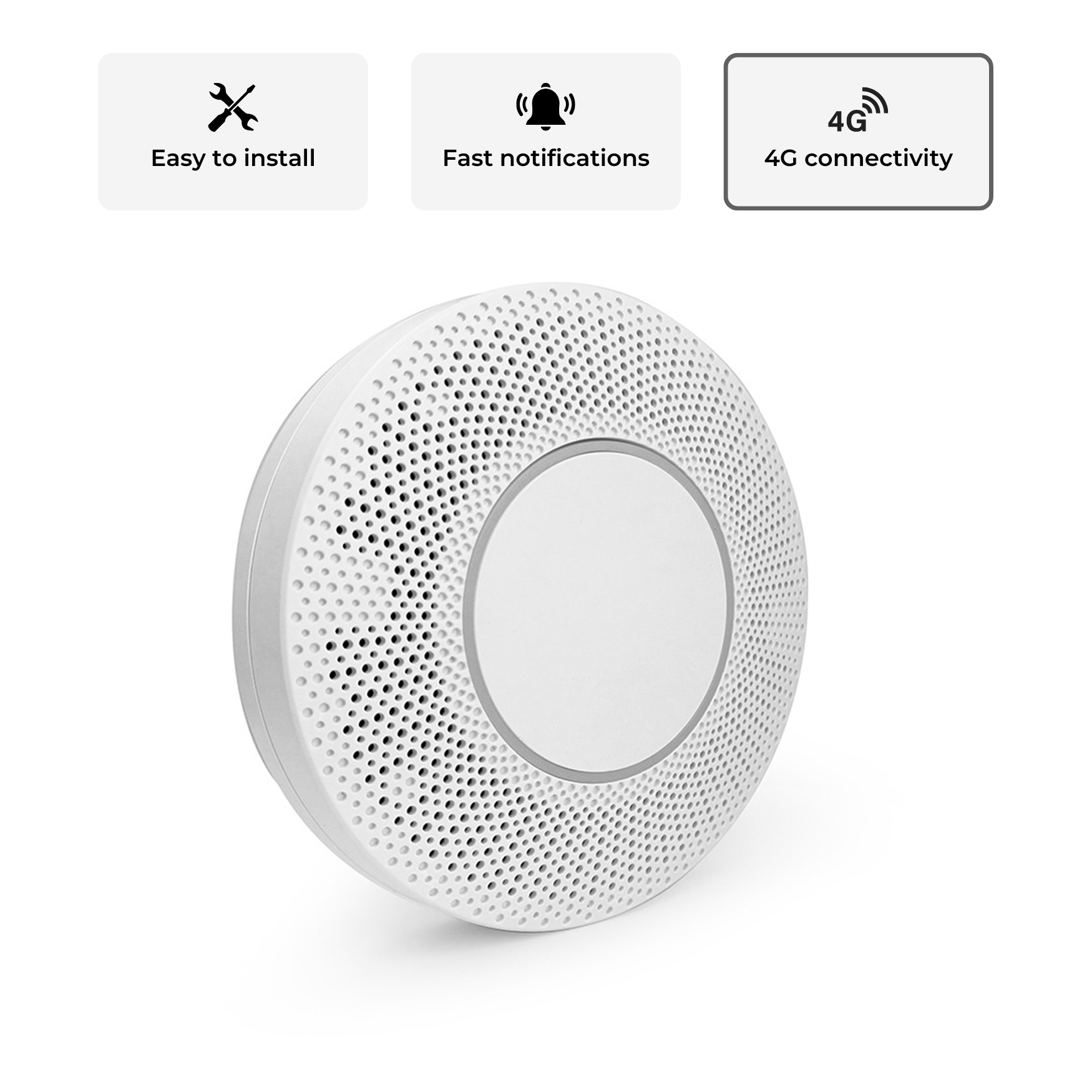
Connectivity options include WiFi, Ethernet, and cellular networks, ensuring reliable data transmission even in buildings with challenging wireless environments. Cloud-based dashboards provide centralized visibility across multiple sites, whilst mobile applications enable on-the-go monitoring for facilities managers and senior leadership teams.
Regulatory Compliance and Health Standards
Educational institutions operate under strict health and safety regulations that increasingly address indoor air quality. A classroom air quality monitor provides documentary evidence of compliance whilst demonstrating duty of care to students, staff, and parents.
UK Standards and Guidelines
The UK Health and Safety Executive provides guidance on workplace air quality that extends to educational settings. Whilst specific mandatory limits vary by contaminant, general recommendations suggest maintaining CO2 levels below 1500 ppm in occupied spaces, with targets of 800-1000 ppm for optimal cognitive function.
| Parameter | Maximum Level | Optimal Range | Health Impact |
|---|---|---|---|
| CO2 | 1500 ppm | 400-1000 ppm | Cognitive decline, fatigue |
| PM2.5 | 35 μg/m³ (24hr) | <12 μg/m³ | Respiratory issues, cardiovascular stress |
| Total VOCs | 500 μg/m³ | <200 μg/m³ | Headaches, irritation, nausea |
| Temperature | 26°C | 18-21°C | Discomfort, reduced concentration |
Beyond general air quality, schools must address specific concerns including vaping, which violates smoke-free legislation and school policies. Implementing effective school anti-vaping solutions requires both detection technology and clear enforcement protocols supported by real-time monitoring data.
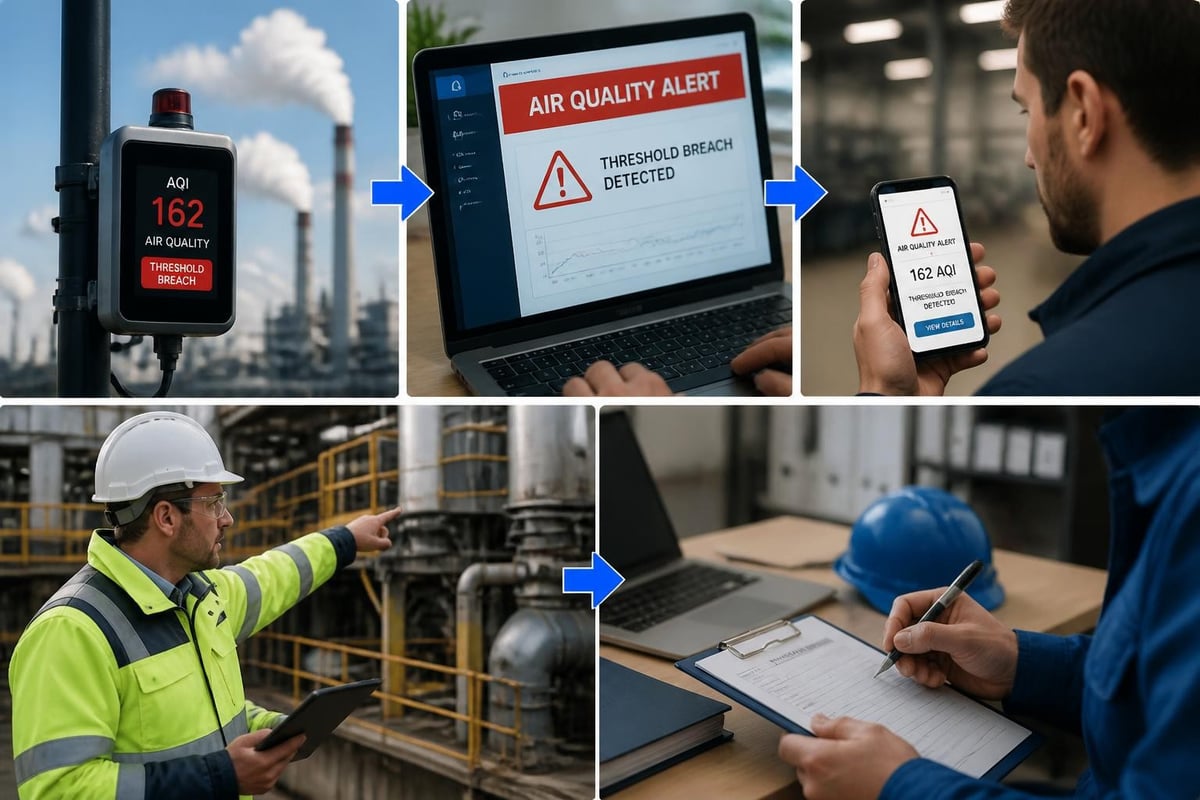
Documentation capabilities within classroom air quality monitor systems prove invaluable during inspections or when responding to parental concerns about environmental conditions. Historical data demonstrates patterns, validates remediation efforts, and supports evidence-based decision making regarding facility improvements.
Addressing Vaping Detection in Educational Settings
The proliferation of vaping among school-age students has created an urgent need for specialized detection capabilities within broader air quality monitoring frameworks. A classroom air quality monitor equipped with vaping detection technology identifies incidents that traditional smoke detectors miss entirely.
Vaping detection relies on identifying specific chemical compounds present in e-cigarette aerosols, including propylene glycol, vegetable glycerin, and various flavouring agents. Unlike conventional smoke, vaping produces minimal visible particulates, requiring sensitive chemical sensors rather than optical detection methods.
Strategic placement of vaping-capable monitors in washrooms, changing rooms, and other areas where students might attempt to vape discreetly creates a powerful deterrent effect. When students know that vaping will trigger immediate alerts to staff members, the behaviour becomes significantly less attractive. Resources on toilet vaping prevention provide detailed strategies for addressing this persistent challenge.
Response Protocols and Student Welfare
Detecting vaping represents only the first step in an effective intervention strategy. Schools must develop clear, proportionate response protocols that prioritize education and support over purely punitive measures. When a classroom air quality monitor detects vaping, the alert should trigger a calibrated response appropriate to the student's circumstances and history.
Effective protocols typically include:
- Immediate investigation by designated staff members
- Private conversation with involved students
- Parental notification and engagement
- Referral to support services for students struggling with nicotine dependence
- Progressive consequences for repeated violations
- Documentation of incidents and interventions
The integration of detection technology with pastoral care systems ensures that vaping incidents become opportunities for education and support rather than simply disciplinary matters. This approach aligns with broader wellbeing objectives whilst maintaining clear boundaries regarding unacceptable behaviour.
Optimizing Ventilation Based on Monitor Data
The data generated by a classroom air quality monitor provides actionable insights for optimizing ventilation strategies, potentially reducing energy costs whilst improving environmental quality. Real-time feedback enables responsive adjustments rather than relying on fixed schedules that may prove inadequate during high-occupancy periods.
Research examining air purifier placement in naturally ventilated classrooms demonstrates that strategic positioning significantly influences effectiveness. Similarly, permanent monitoring equipment should be located away from windows, doors, and direct airflow paths to ensure accurate readings representative of the general room environment.
Demand-Controlled Ventilation Strategies
Advanced building management systems use classroom air quality monitor data to modulate ventilation rates based on actual occupancy and measured parameters. When CO2 levels rise during lessons, the system automatically increases fresh air intake. During unoccupied periods, ventilation reduces to conserve energy whilst maintaining baseline air quality.
This demand-responsive approach delivers multiple benefits:
- Reduced energy consumption compared to constant maximum ventilation
- Improved air quality during peak occupancy periods
- Extended HVAC equipment lifespan through optimized operation
- Quantifiable data supporting sustainability initiatives
- Enhanced thermal comfort through balanced temperature control
Integration between monitoring systems and building controls represents a sophisticated evolution from simple alerting functions. The investment in these capabilities typically generates returns through energy savings within several years whilst simultaneously improving the learning environment.
Data Analytics and Long-Term Insights
Beyond immediate alerting functions, a classroom air quality monitor accumulates valuable historical data that reveals patterns, identifies problem areas, and supports strategic planning for facility improvements. Analytics transform raw measurements into actionable intelligence for educational leadership.
Identifying Patterns and Problem Areas
Long-term data analysis may reveal:
- Specific times when ventilation proves inadequate
- Rooms with persistent air quality challenges requiring investigation
- Seasonal variations affecting indoor environmental quality
- Correlations between air quality metrics and student attendance or performance
- Effectiveness of interventions such as equipment upgrades or policy changes
Sophisticated dashboard interfaces present this information through visualizations including trend graphs, heatmaps, and comparative analyses across different spaces or time periods. These tools support evidence-based decision making regarding facility investments, scheduling adjustments, and policy development.
The ability to demonstrate improving air quality trends provides powerful evidence when communicating with parents, governors, and regulatory authorities about the school's commitment to student wellbeing. Similarly, identifying persistent problems enables targeted interventions rather than broad, potentially inefficient approaches.
Cost Considerations and Return on Investment
Implementing a comprehensive classroom air quality monitor network requires capital investment, yet the returns extend beyond purely financial metrics to encompass student health, academic performance, and institutional reputation.
Investment Components and Budget Planning
| Cost Category | Typical Range (Per Unit) | Considerations |
|---|---|---|
| Hardware (Basic Monitor) | £200-£500 | Sensor quality, features, brand |
| Hardware (Advanced with Vaping Detection) | £500-£1200 | Multi-sensor arrays, connectivity |
| Installation | £50-£150 | Complexity, existing infrastructure |
| Cloud Services/Software | £5-£20/month | Data storage, analytics features |
| Maintenance | £25-£75/year | Sensor calibration, battery replacement |
Whilst upfront costs merit consideration, the best vape detection for schools integrates multiple functions within single devices, potentially reducing overall system costs compared to deploying separate monitors for each parameter.
The return on investment manifests through several channels including reduced absenteeism related to poor air quality, improved academic outcomes in healthier environments, decreased property damage from undetected issues, and enhanced compliance with health and safety obligations. Additionally, demonstrating proactive environmental monitoring strengthens the institution's reputation among prospective families.
Staff Training and System Management
Technology proves effective only when users understand its capabilities, interpret data correctly, and respond appropriately to alerts. Comprehensive training ensures that investment in a classroom air quality monitor network delivers maximum value.
Training Requirements for Different Roles
Different staff members require tailored training reflecting their responsibilities:
Facilities and Maintenance Teams: Technical training covering sensor calibration, connectivity troubleshooting, battery replacement, and integration with building management systems.
Senior Leadership: Strategic overview focusing on data interpretation, trend analysis, policy implications, and communication with stakeholders.
Teaching Staff: Practical guidance on responding to in-class alerts, understanding dashboard indicators, and incorporating air quality awareness into student education.
Safeguarding and Pastoral Teams: Specialized protocols for handling vaping detection alerts, balancing disciplinary and support approaches, and documenting incidents appropriately.
Ongoing support from monitoring system providers ensures that technical questions receive prompt resolution whilst evolving features and capabilities reach users through regular updates and communications. Resources available through Vape Guardian provide comprehensive guidance tailored to educational settings.
Future Developments in Classroom Monitoring
The trajectory of classroom air quality monitor technology points toward increasing sophistication, integration, and predictive capabilities that will further enhance educational environments.
Emerging Technologies and Capabilities
Anticipated developments include:
- Artificial Intelligence Integration: Machine learning algorithms that predict air quality trends based on schedules, weather, and historical patterns
- Expanded Detection Capabilities: Identification of additional compounds including specific drugs or hazardous chemicals
- Biometric Integration: Correlation of environmental data with anonymized health metrics to validate impact on student wellbeing
- Enhanced Connectivity: 5G and next-generation wireless protocols enabling more devices with lower latency
- Sustainability Metrics: Carbon footprint tracking integrated with environmental monitoring for comprehensive sustainability reporting
These advancements will transform classroom air quality monitor systems from reactive alerting tools into proactive environmental management platforms that anticipate issues before they impact students and staff.
The convergence of air quality monitoring with other smart building technologies creates opportunities for comprehensive facility management that optimizes not only environmental conditions but also energy efficiency, security, and space utilization. Educational institutions investing in robust monitoring infrastructure today position themselves to leverage these emerging capabilities as they become available.
Stakeholder Communication and Transparency
Data from a classroom air quality monitor serves not only operational purposes but also communication objectives, demonstrating institutional commitment to student welfare and environmental stewardship.
Building Trust Through Transparency
Progressive educational institutions share appropriate air quality data with stakeholders through:
- Regular reports to governing boards highlighting trends and interventions
- Parent communications explaining monitoring initiatives and results
- Student education incorporating real-time classroom data into science curricula
- Public dashboards displaying current conditions across campus facilities
- Annual sustainability reports documenting environmental performance
This transparency builds trust whilst educating the school community about indoor environmental quality and its importance for health and learning. When parents understand that the institution actively monitors and maintains healthy air quality, confidence in the school's duty of care strengthens significantly.
Conversely, when air quality issues arise, existing monitoring data demonstrates that the institution identified the problem promptly and took appropriate action, rather than remaining unaware until complaints emerged. This proactive stance differentiates leading institutions from those taking reactive approaches to facility management.
Implementing comprehensive air quality monitoring represents a fundamental commitment to creating optimal learning environments where students thrive academically whilst maintaining their health and wellbeing. The integration of specialized detection capabilities for emerging challenges such as vaping ensures that monitoring systems address both traditional environmental concerns and contemporary behavioral issues affecting educational settings. Vape Guardian provides advanced solutions specifically designed for educational institutions, combining robust air quality monitoring with specialized vaping detection technology backed by dedicated UK-based support to help schools create safer, healthier environments for their students and staff.

Share:
School Safeguarding System: A Complete Guide for 2026
Safeguarding Technology for Schools: Complete 2026 Guide