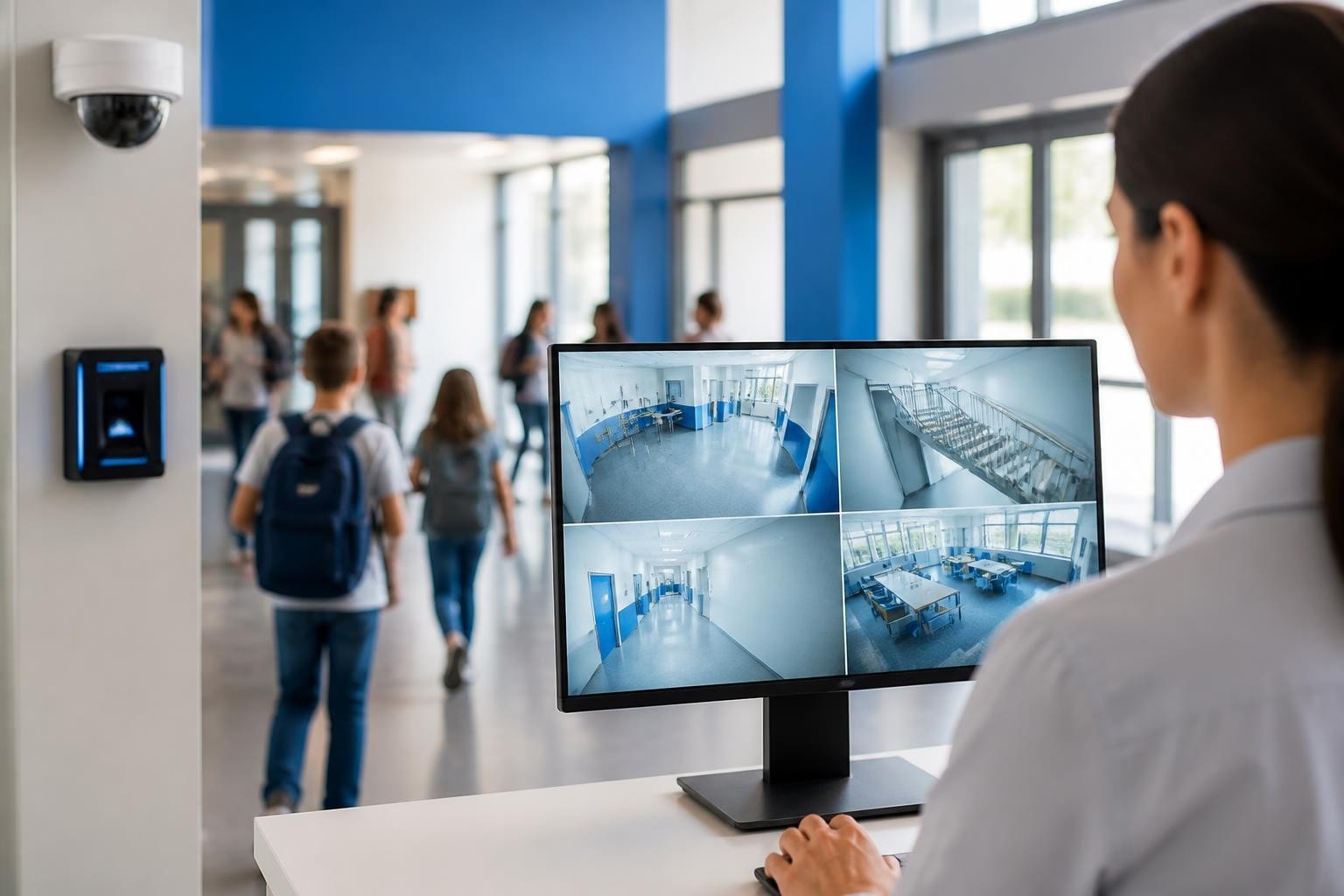
Schools across the United Kingdom face an unprecedented challenge in 2026: protecting students in both physical and digital environments whilst maintaining an atmosphere conducive to learning. Safeguarding technology for schools has evolved from basic internet filters to comprehensive ecosystems that monitor online activity, detect physical threats, and support pastoral care teams. Educational institutions now require sophisticated solutions that balance student safety with privacy considerations, all whilst remaining manageable for overstretched staff. Understanding the landscape of available technologies, their implementation strategies, and their real world effectiveness has become essential for school leaders committed to creating secure learning environments.
Understanding the Modern Safeguarding Landscape
The scope of safeguarding technology for schools extends far beyond traditional concerns about inappropriate content. Today's solutions must address cyberbullying, radicalisation, mental health indicators, substance abuse, and physical security threats simultaneously.
Research into security and privacy teaching standards demonstrates that technological solutions must work alongside educational initiatives to build comprehensive protection frameworks. Schools cannot rely solely on software barriers; they must cultivate digital literacy and critical thinking skills amongst their students.
Key Categories of Safeguarding Technology
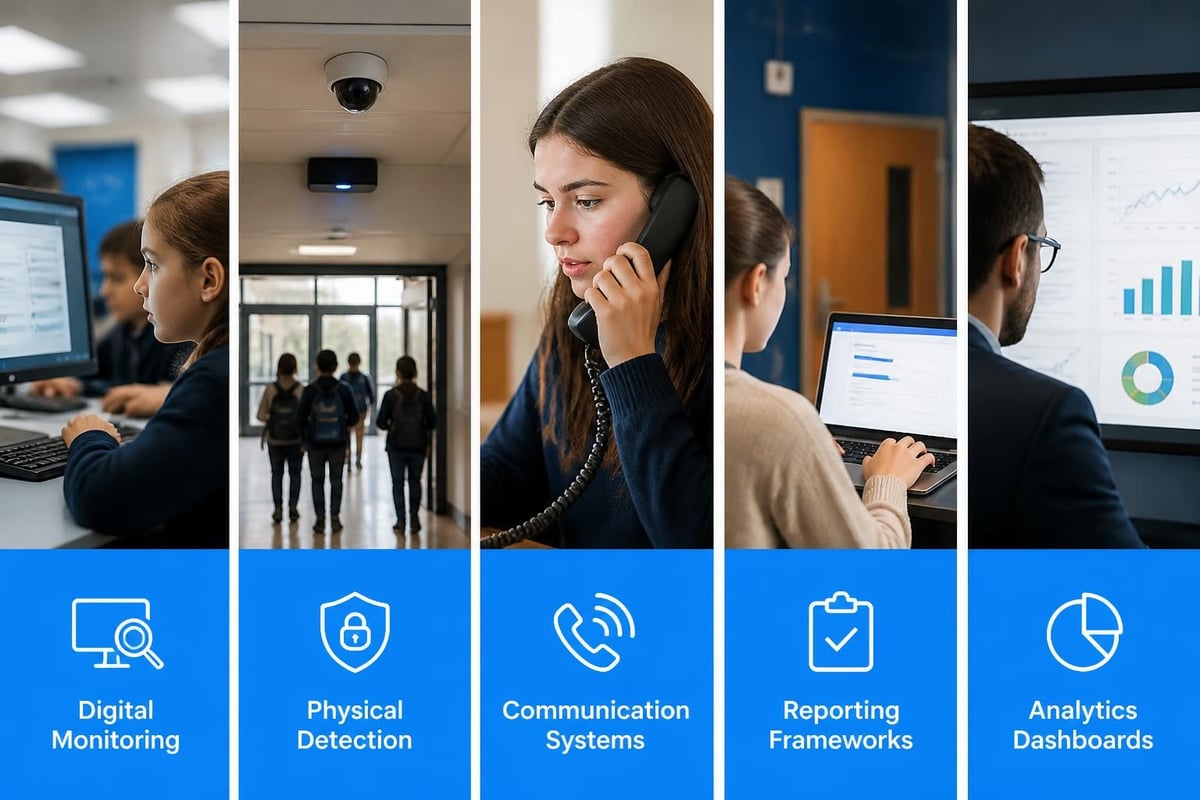
Modern safeguarding systems typically fall into several distinct categories, each addressing specific protection requirements:
- Digital monitoring platforms that analyse online behaviour across school devices
- Physical detection systems identifying vaping, drug use, and antisocial behaviour in vulnerable spaces
- Communication tools facilitating rapid response between students, staff, and external agencies
- Reporting frameworks that document incidents and support compliance obligations
- Analytics dashboards providing oversight and trend identification for leadership teams
The integration of these systems creates a protective net that catches concerns at multiple intervention points. NetSupport DNA's comprehensive safeguarding toolkit exemplifies this holistic approach, combining monitoring with reporting capabilities that support early intervention strategies.
Digital Monitoring and Online Safety
Online safety represents perhaps the most complex aspect of safeguarding technology for schools. Students access the internet through school networks, personal devices, and home connections, creating multiple pathways that require protection.
Classroom.cloud's safeguarding technology monitors student activity in real time, flagging concerning searches, social media interactions, and content creation that may indicate wellbeing issues. These platforms employ artificial intelligence to identify patterns that human observers might miss, providing an additional layer of oversight that complements staff vigilance.
Implementation Considerations for Digital Systems
| Consideration | Impact | Best Practice |
|---|---|---|
| Privacy vs Protection | Student data rights vs safety obligations | Transparent policies with clear communication |
| Alert Fatigue | Staff overwhelmed by notifications | Intelligent filtering with severity rankings |
| Coverage Gaps | Personal devices outside school control | Education programmes alongside technical measures |
| False Positives | Innocent activity flagged incorrectly | Regular review and algorithm refinement |
The challenge of students' interactions with AI chatbots introduces new complexities, as young people increasingly engage with artificial intelligence for homework support, creative projects, and social interaction. Schools must develop protocols that recognise both the educational potential and safeguarding risks of these emerging technologies.
Digital safety tools must extend beyond simple content filtering. Senso's Safeguard Cloud demonstrates sophisticated approaches by monitoring school owned devices for indicators of distress, self harm ideation, or exploitation, alerting designated safeguarding leads to concerns requiring immediate attention.
Physical Safety and Environmental Monitoring
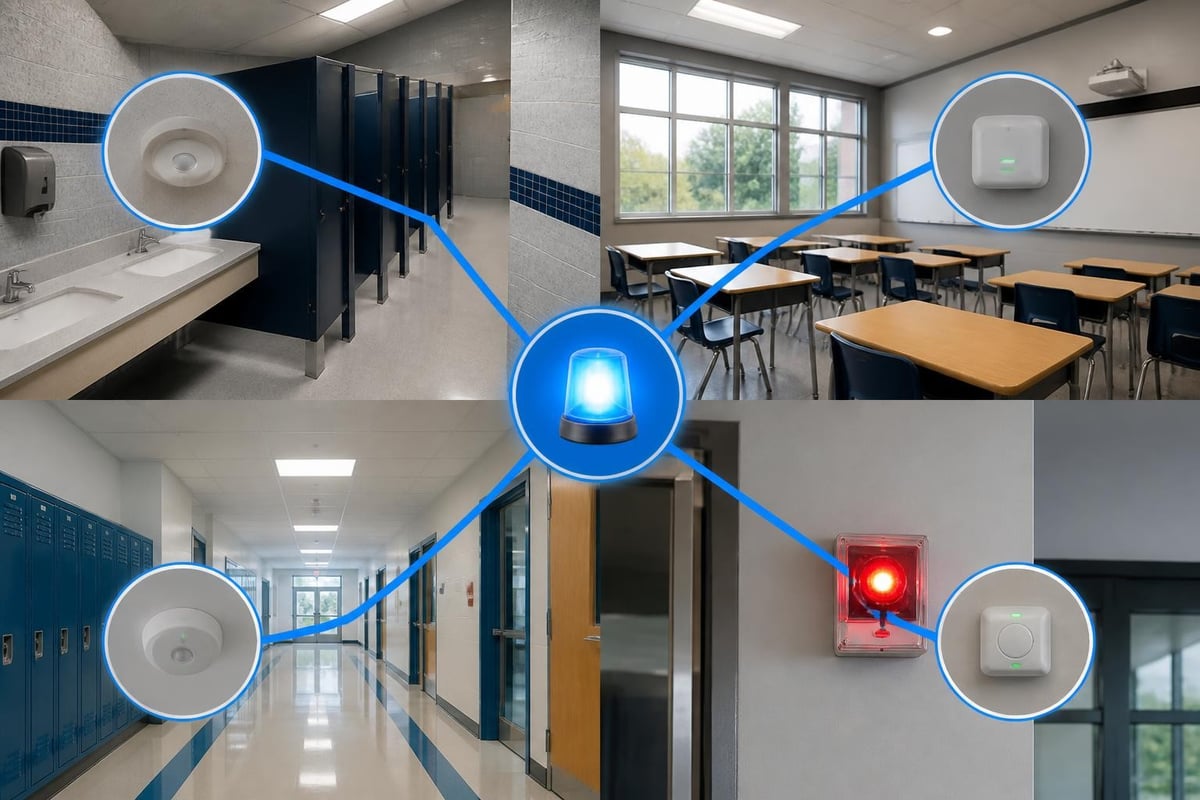
Whilst digital threats capture significant attention, physical safety within school buildings remains paramount. Safeguarding technology for schools increasingly includes sensors and detection systems that identify risks in spaces with limited adult supervision.
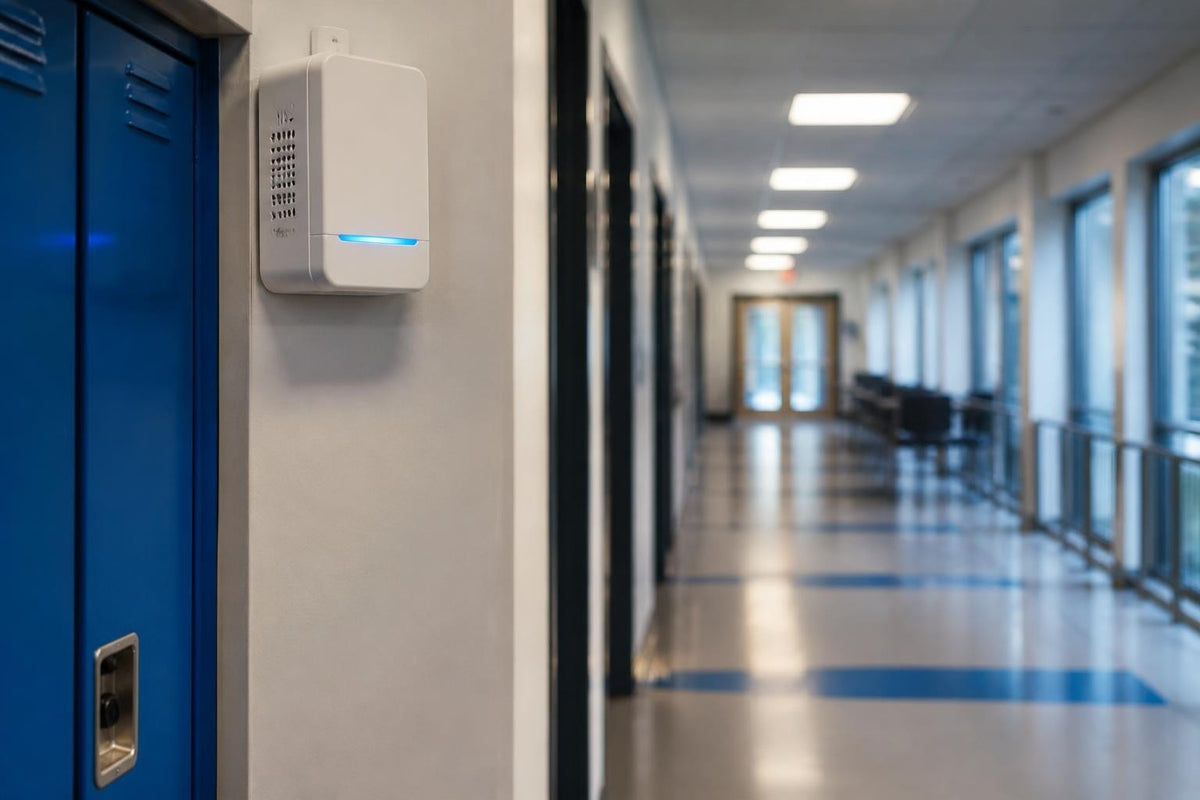
Toilets, changing rooms, and secluded corridors present particular challenges for traditional supervision methods. Advanced detection systems can monitor these spaces for vaping, drug use, and aggressive behaviour without compromising student privacy.
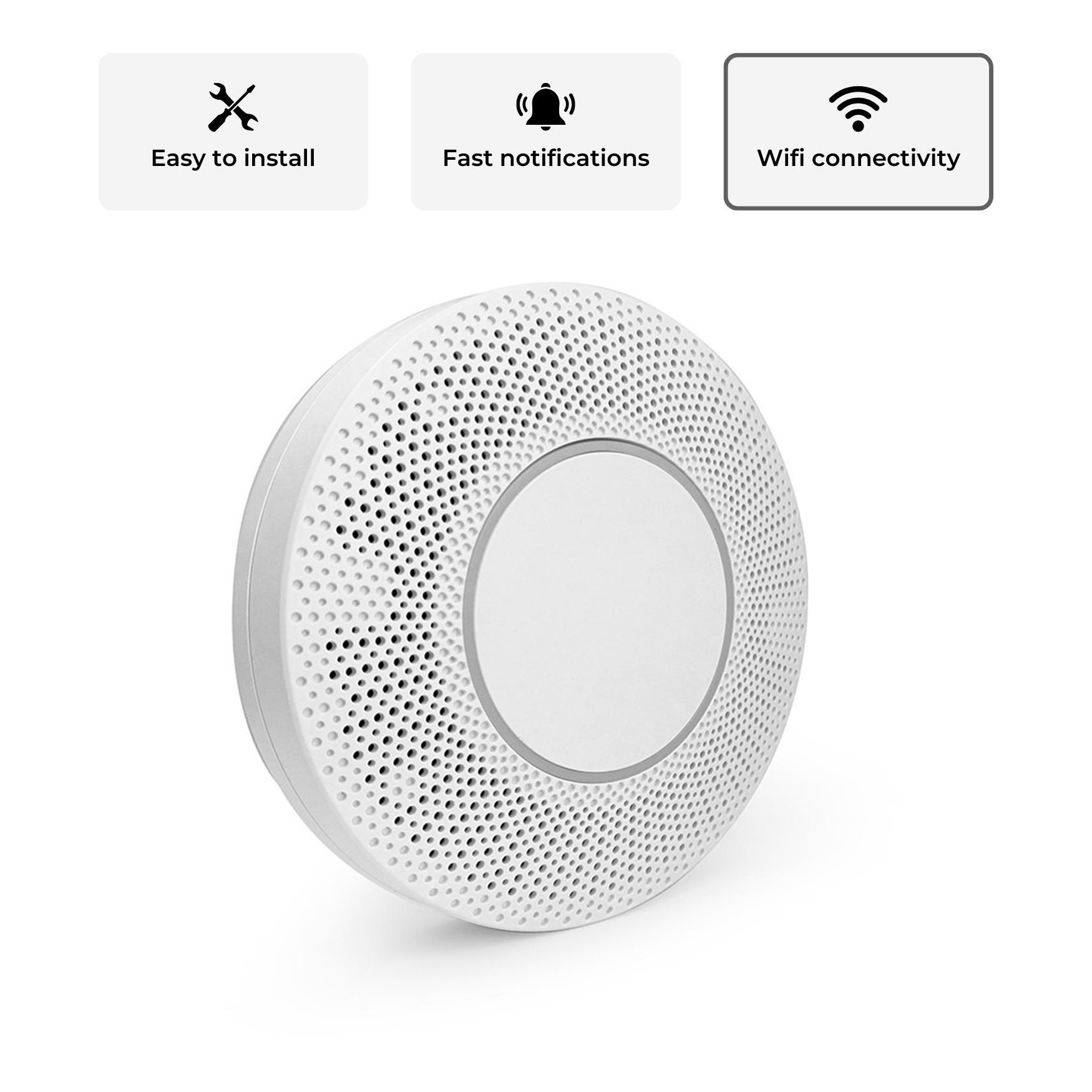
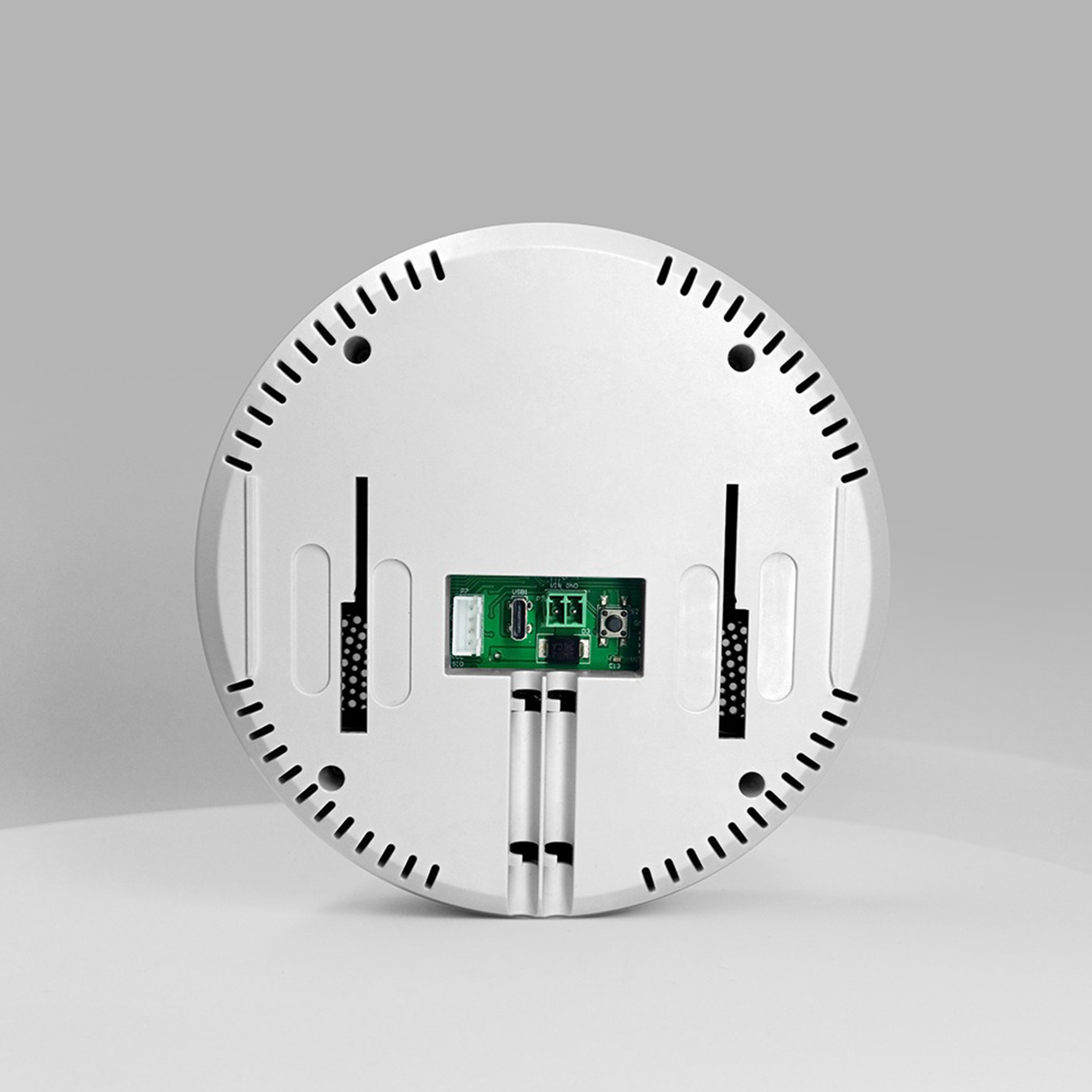
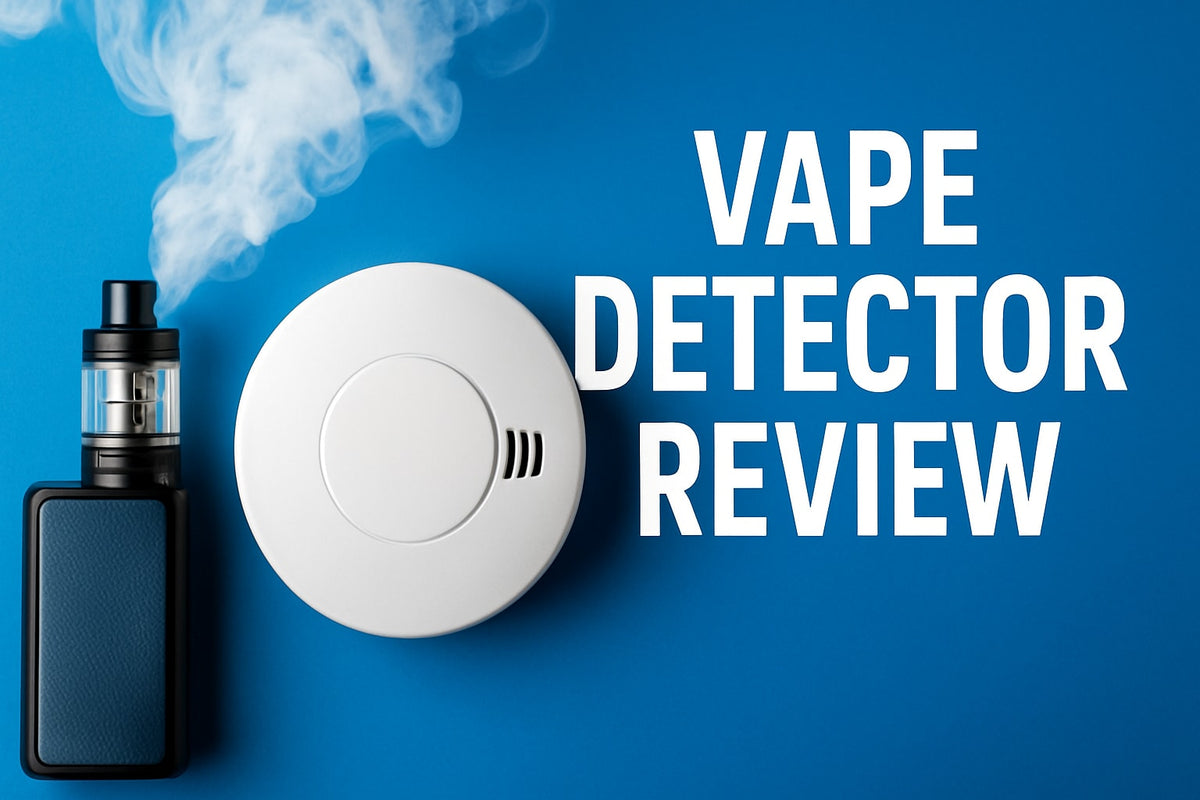
Modern vape detection systems for educational settings employ sophisticated sensors that identify aerosol particles, unusual sounds, and air quality changes indicative of prohibited activities. These systems provide real time alerts to staff, enabling rapid intervention before situations escalate.
The prevalence of vaping amongst secondary school students has grown dramatically, with research showing significant health risks associated with underage nicotine consumption and the gateway effect towards more harmful substances. Schools require reliable detection methods that work without constant human surveillance.
Benefits of Environmental Monitoring Systems
Environmental monitoring extends beyond behaviour detection to support overall building management and health protection:
- Air quality assessment identifying ventilation issues and potential contamination
- Temperature monitoring ensuring comfortable learning conditions
- Occupancy detection supporting emergency response and resource allocation
- Noise level tracking identifying disturbances requiring attention
- Chemical detection alerting staff to hazardous substance presence
These capabilities transform safeguarding technology for schools from reactive alert systems into proactive environmental management platforms that support both safety and educational effectiveness.
Integration and Information Sharing
Effective safeguarding technology for schools depends upon seamless integration between disparate systems and appropriate information sharing amongst authorised personnel. Isolated platforms create data silos that prevent comprehensive understanding of student wellbeing.
STEER Education's 360 degree safeguarding tool demonstrates the value of integration by connecting with existing management information systems like CPOMS, enabling safeguarding teams to view digital concerns alongside pastoral records, attendance patterns, and behavioural incidents. This holistic view reveals connections that might otherwise remain hidden.
The technical infrastructure supporting safeguarding technology for schools must meet rigorous standards. Essential technologies for network protection include firewalls, antivirus software, and intrusion detection systems that protect student data whilst ensuring reliable operation of safety monitoring platforms.
Building an Integrated Safeguarding Ecosystem
Creating truly effective safeguarding systems requires careful planning and stakeholder engagement:
- Audit existing systems to identify capabilities, gaps, and integration opportunities
- Map data flows understanding how information moves between platforms and personnel
- Establish governance frameworks defining access rights, review procedures, and escalation protocols
- Implement technical standards ensuring compatibility and secure data exchange
- Train all stakeholders on system capabilities, limitations, and appropriate responses
- Review and refine through regular evaluation of effectiveness and user feedback
Fastvue's real time internet monitoring integrates with school firewalls to provide comprehensive visibility of online activity, demonstrating how layered security approaches strengthen overall protection whilst simplifying administration through centralised reporting.
Artificial Intelligence and Predictive Analytics
The latest generation of safeguarding technology for schools incorporates artificial intelligence to predict risks before they manifest as serious incidents. These systems analyse patterns across multiple data sources, identifying vulnerable students and emerging threats.
Utropolis's AI powered platform represents this evolution, using machine learning to enhance online safety in UK schools by predicting risks and streamlining safeguarding policies. Such systems can identify students exhibiting early warning signs of mental health crises, radicalisation, or exploitation based on subtle behavioural changes across digital and physical environments.
| AI Application | Capability | Safeguarding Value |
|---|---|---|
| Pattern Recognition | Identifies subtle changes in behaviour | Early intervention before crisis |
| Sentiment Analysis | Assesses emotional tone of communications | Mental health concern detection |
| Risk Scoring | Prioritises alerts by severity and urgency | Efficient resource allocation |
| Trend Analysis | Identifies emerging issues across cohorts | Proactive policy development |
| Predictive Modelling | Forecasts likelihood of incidents | Prevention focused approaches |
The ethical deployment of AI in safeguarding technology for schools requires transparency, accountability, and human oversight. Automated systems should augment rather than replace professional judgment, providing information that empowers pastoral teams to make informed decisions.
Challenges in Technology Enhanced Safeguarding
Research examining sensor based technology integration in classrooms highlights important lessons about authentic and sustained implementation. Technology alone cannot solve safeguarding challenges; it must be embedded within comprehensive frameworks that include policies, training, and cultural commitment to student welfare.
Common implementation challenges include:
- Staff resistance to new systems perceived as surveillance rather than support
- Budget constraints limiting access to comprehensive solutions
- Technical complexity overwhelming schools with limited IT capacity
- Data protection concerns about storing and accessing sensitive student information
- Integration difficulties with legacy systems and incompatible platforms
Successful deployment of safeguarding technology for schools requires addressing these obstacles through stakeholder consultation, phased implementation, ongoing support, and clear communication about purposes and protections.

Practical Implementation Strategies
Moving from concept to operational safeguarding technology for schools demands structured approaches that recognise the unique constraints and requirements of educational environments. Schools cannot simply purchase systems and expect immediate results; they must cultivate the organisational capacity to use technology effectively.
Building Staff Capability
Technology investment must be accompanied by comprehensive staff development:
- Initial training ensuring all relevant personnel understand system capabilities and operation
- Ongoing support providing accessible assistance when questions or issues arise
- Regular updates keeping staff informed about new features, policy changes, and best practices
- Skills development building confidence in data interpretation and appropriate response
- Feedback mechanisms capturing user experience to guide system refinement
The most sophisticated safeguarding technology for schools delivers limited value if staff lack the knowledge or confidence to utilise its capabilities fully. Investment in people must parallel investment in systems.
Engaging Students and Parents
Transparency builds trust and strengthens safeguarding effectiveness. Schools should clearly communicate what monitoring occurs, why it happens, and how it protects students without infringing unnecessarily on privacy.
Student voice initiatives can inform technology deployment, ensuring young people understand protections in place and feel empowered to raise concerns. Parent engagement helps extend safeguarding beyond school hours, creating consistent expectations and responses across contexts.
Modern approaches to preventing toilet vaping demonstrate how targeted technology deployment, combined with education and clear policy communication, creates environments where students make healthier choices whilst schools maintain oversight of vulnerable spaces.
Measuring Effectiveness and Return on Investment
Schools operate under significant budget pressure, requiring clear evidence that safeguarding technology for schools delivers meaningful benefits justifying ongoing costs. Effectiveness measurement must consider both quantitative metrics and qualitative impacts.
Key Performance Indicators
| Metric Category | Example Indicators | Measurement Approach |
|---|---|---|
| Incident Reduction | Vaping detections, cyberbullying reports | Trend analysis over time |
| Response Times | Alert to intervention duration | System logs and incident records |
| Staff Efficiency | Time spent on safeguarding tasks | Workload surveys and time tracking |
| Student Wellbeing | Attendance, exclusions, survey responses | Multiple data source triangulation |
| Compliance | Policy adherence, statutory requirement fulfilment | Audit outcomes and inspection feedback |
Beyond metrics, schools should gather qualitative feedback from safeguarding leads, pastoral teams, and students themselves about perceived safety, confidence in systems, and accessibility of support. The Vape Detection System exemplifies modern solutions that combine hardware and software to deliver comprehensive monitoring of vaping, drug use, and antisocial behaviour, providing schools with actionable intelligence that supports both immediate intervention and strategic planning.

Understanding the true costs and benefits of vape detectors requires looking beyond purchase prices to consider installation, maintenance, staff time, and the value of prevented incidents. Comprehensive systems that detect multiple threats simultaneously offer better value than single purpose solutions.
Future Developments in School Safeguarding
The trajectory of safeguarding technology for schools points towards increasingly intelligent, integrated, and unobtrusive systems that protect students whilst minimising disruption to learning. Emerging technologies promise enhanced capabilities across all safeguarding domains.
Developments on the horizon include:
- Wearable technology providing panic buttons and location tracking for vulnerable students
- Biometric systems controlling access to sensitive areas without requiring cards or codes
- Advanced analytics identifying complex multi factor risks through big data analysis
- Augmented reality training preparing staff for emergency scenarios through immersive simulation
- Blockchain verification ensuring secure, auditable records of safeguarding actions and decisions
The challenge for school leaders lies in discerning genuinely useful innovations from technological solutions seeking problems. Not every new development deserves adoption; schools must evaluate technologies against clearly defined needs and ensure alignment with educational values.
Balancing Innovation and Privacy
As safeguarding technology for schools becomes more powerful, privacy considerations grow more complex. The 2026 regulatory environment demands careful attention to data protection, requiring schools to demonstrate both necessity and proportionality in their monitoring activities.
Best practice involves:
- Privacy impact assessments before deploying new systems
- Data minimisation collecting only information genuinely needed
- Purpose limitation using data solely for stated safeguarding objectives
- Secure storage protecting sensitive information from unauthorised access
- Regular audits ensuring ongoing compliance with evolving regulations
Schools must remain vigilant against function creep, where systems deployed for legitimate safeguarding purposes gradually expand into broader surveillance that undermines the trust essential to effective education.
Creating Sustainable Safeguarding Frameworks
Long term success with safeguarding technology for schools requires sustainable frameworks that evolve alongside changing threats and technological capabilities. One off implementations quickly become obsolete; schools need continuous improvement approaches.
Sustainable frameworks incorporate:
- Regular technology reviews assessing system performance and emerging alternatives
- Policy updates ensuring procedures reflect current capabilities and requirements
- Budget planning allocating resources for maintenance, upgrades, and replacement
- Partnership development engaging with suppliers, other schools, and safeguarding experts
- Evidence collection documenting outcomes to inform future decision making
Schools benefit from sharing experiences and learning from peers. Regional networks and professional associations provide opportunities to discuss implementation challenges, compare system performance, and collectively influence supplier development priorities.
The growing recognition of underage vaping as a crisis requiring robust responses demonstrates how emerging threats demand technology enabled solutions that traditional supervision methods cannot deliver effectively.
Governance and Accountability
Effective deployment of safeguarding technology for schools demands clear governance structures defining responsibilities, decision making authority, and accountability mechanisms. Technology empowers safeguarding teams, but ultimate responsibility remains with designated safeguarding leads and school leadership.
Governance frameworks should specify:
- Who accesses which systems with role based permissions aligned to responsibilities
- How alerts are triaged with clear escalation protocols for different concern types
- When information is shared balancing confidentiality with need to know principles
- Where data is stored ensuring compliance with retention requirements and security standards
- Why particular technologies were chosen documenting decision making rationale
Regular governance reviews ensure frameworks remain fit for purpose as technology capabilities expand and safeguarding landscapes shift. Schools should maintain audit trails demonstrating appropriate system use and timely responses to identified concerns.
Creating comprehensive vape free policies using structured templates illustrates how technology deployment must be embedded within broader policy frameworks that set clear expectations, consequences, and support pathways.
Safeguarding technology for schools has matured into an essential component of comprehensive student protection strategies, combining digital monitoring, physical detection, and predictive analytics to identify and address risks across multiple domains. Schools in 2026 have access to sophisticated tools that previous generations of educators could scarcely imagine, but technology alone cannot create safe learning environments without skilled implementation, clear policies, and organisational commitment to student welfare. Vape Guardian supports schools throughout the United Kingdom with advanced detection systems that monitor vaping, drug use, and antisocial behaviour in real time, providing the actionable intelligence safeguarding teams need to protect students whilst maintaining focus on education. Explore how our solutions can strengthen your school's safeguarding framework today.



Share:
Classroom Air Quality Monitor: Essential Guide for 2026
Facility Management Vape Detector: Complete Guide 2026