
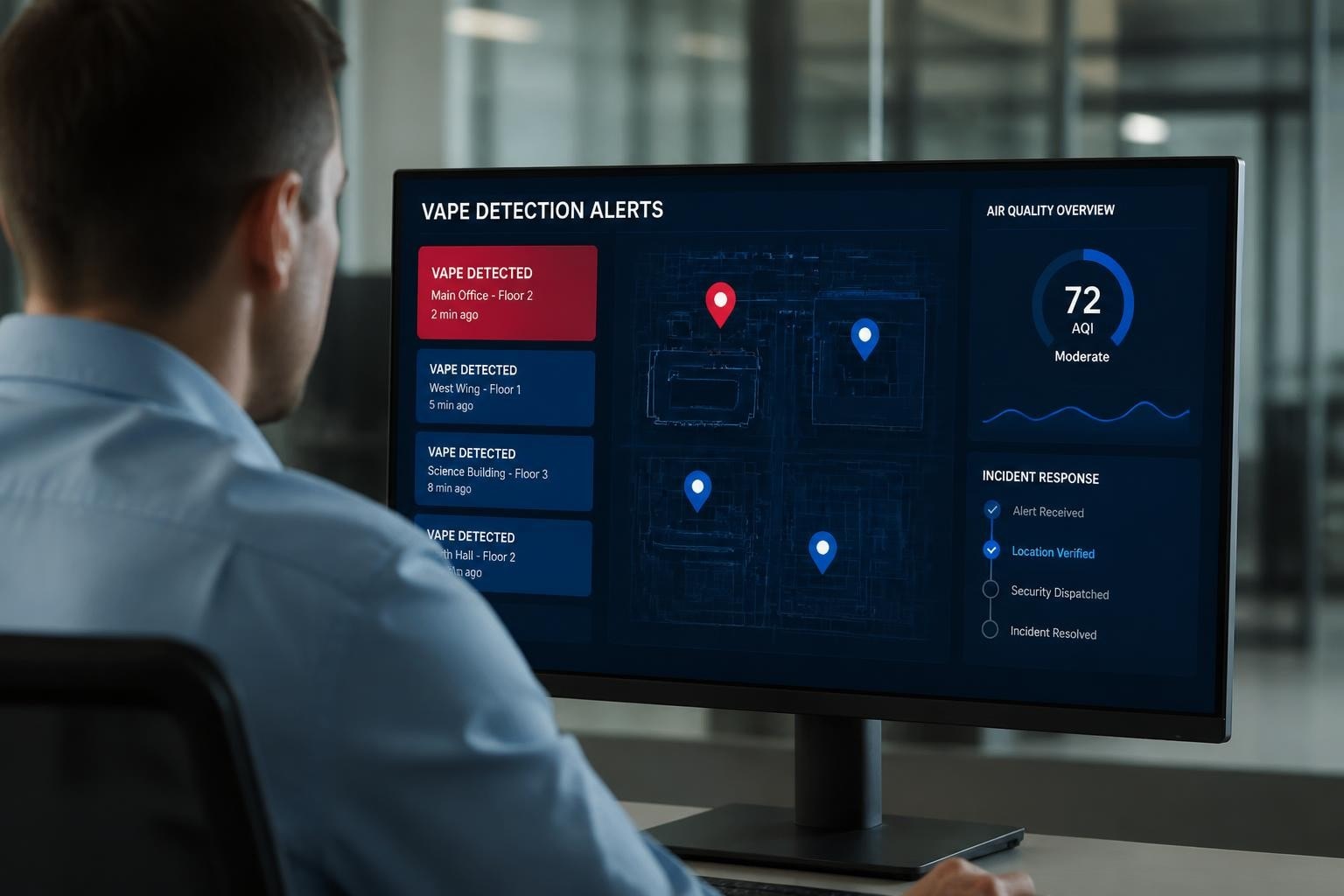
Facility managers across the United Kingdom face mounting pressure to maintain safe, compliant environments whilst addressing emerging challenges like vaping in prohibited spaces. The rise of e-cigarette use in schools, offices, leisure centres, and commercial buildings has created a need for sophisticated monitoring solutions. A facility management vape detector serves as a critical tool for protecting indoor air quality, supporting health and safety policies, and ensuring regulatory compliance. These advanced sensors offer real-time detection capabilities that integrate seamlessly with existing building management systems, providing immediate alerts when vaping or other prohibited activities occur.
Understanding Facility Management Vape Detection Technology
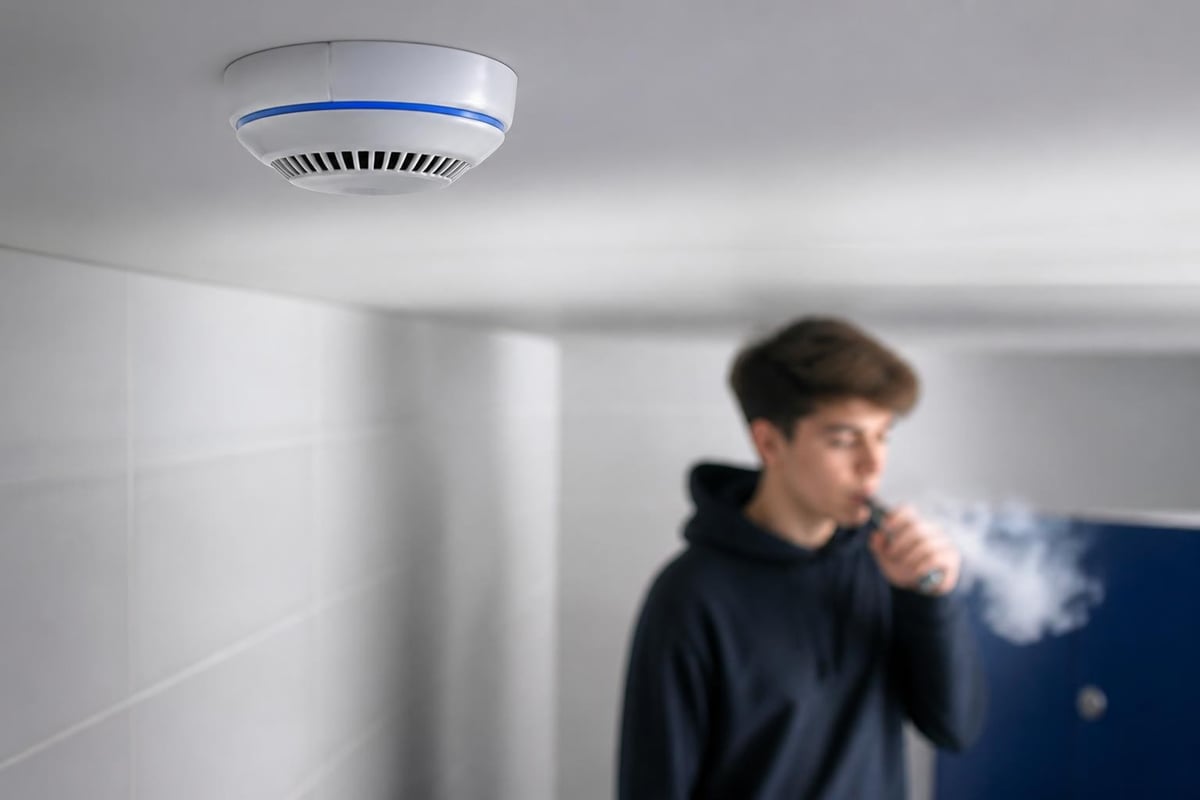
Modern vape detection systems employ sophisticated sensor technology to identify chemical signatures associated with e-cigarette aerosols. Unlike traditional smoke detectors that rely on particulate matter alone, a facility management vape detector uses advanced algorithms to distinguish between ordinary water vapour, steam, and the specific compounds found in vaping products.
These systems typically incorporate multiple detection methods. Particulate sensors measure microscopic particles in the air, whilst chemical sensors identify volatile organic compounds common in vaping liquids. When combined, these technologies create a comprehensive monitoring solution that minimises false positives whilst maintaining high sensitivity.
Key detection capabilities include:
- Recognition of propylene glycol and vegetable glycerin aerosols
- Identification of tetrahydrocannabinol (THC) compounds
- Detection of traditional tobacco smoke
- Monitoring of air quality indicators including carbon dioxide levels
The technology behind these devices continues to evolve, incorporating IoT data infrastructure for indoor environment sensing that enables sophisticated pattern recognition and predictive analytics.
Installation Considerations for Different Facility Types
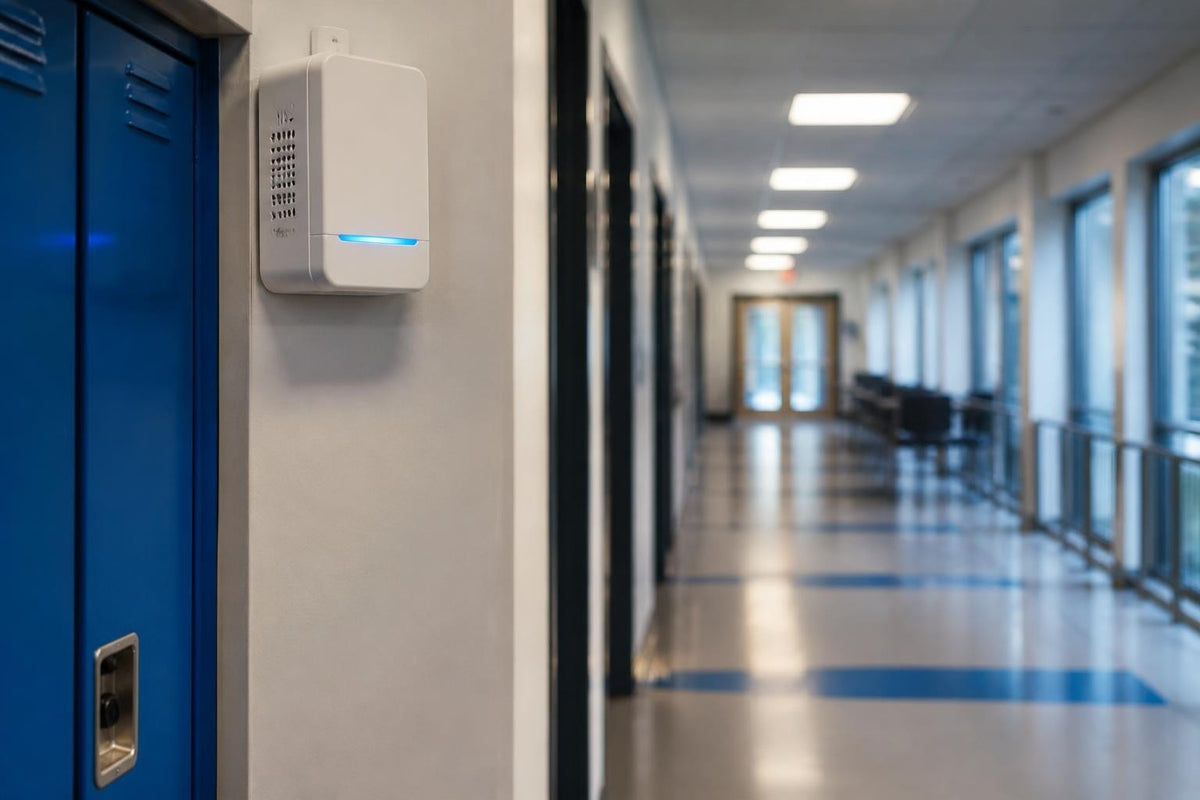
Deploying a facility management vape detector requires strategic planning based on building layout, occupancy patterns, and risk areas. Educational institutions often prioritise toilet facilities, changing rooms, and enclosed corridors where students might attempt to vape undetected. Corporate offices typically focus on restrooms, stairwells, and storage areas.
Leisure facilities present unique challenges due to varying humidity levels and temperature fluctuations. Swimming pool changing rooms, gymnasium spaces, and entertainment venues require sensors with enhanced environmental tolerance. The warehouse and large space applications demonstrate how detection systems adapt to diverse facility requirements.
| Facility Type | Priority Locations | Special Considerations |
|---|---|---|
| Schools | Toilets, changing rooms, enclosed corridors | Student privacy, durability against tampering |
| Offices | Restrooms, stairwells, meeting rooms | Professional aesthetics, minimal disruption |
| Leisure Centres | Changing facilities, entertainment spaces | Humidity resistance, high traffic tolerance |
| Aviation | Toilets, lounges, restricted areas | Regulatory compliance, rapid response protocols |
Integration with Building Management Systems
A comprehensive facility management vape detector solution extends beyond standalone sensors. Modern systems integrate with existing building infrastructure, creating a cohesive monitoring environment that enhances operational efficiency.
Integration points typically include:
- Access control systems for correlating detection events with entry records
- Video management platforms for visual verification (whilst maintaining privacy in sensitive areas)
- Mass notification systems for immediate alert distribution
- Facilities management software for work order generation and maintenance tracking
- Energy management systems for coordinated ventilation responses
The DCDB comprehensive monitoring system approach illustrates how integrated data from multiple sources creates actionable intelligence for facility managers. When a facility management vape detector triggers an alert, the system can automatically increase ventilation in the affected zone, notify relevant personnel, and log the incident for compliance reporting.
Real-Time Alert Protocols and Response
Effective detection means nothing without swift, appropriate response. Modern vape detection systems support multiple alert methodologies to ensure the right people receive notifications immediately. Email, SMS, mobile app notifications, and desktop alerts provide redundant communication channels.
Response protocols vary by facility type and organisational policies. Schools might route alerts to designated safeguarding leads and on-duty staff members. Real-time detection systems integrated with mass notification capabilities enable coordinated responses across large campuses or multi-building facilities.
Alert escalation proves particularly valuable when initial notifications go unacknowledged. A tiered system might send immediate alerts to nearby staff, followed by supervisory notifications if the situation persists, and finally executive alerts for unresolved incidents.

Air Quality Monitoring Beyond Vape Detection
Whilst vaping detection remains the primary focus, leading systems provide comprehensive environmental monitoring. A facility management vape detector often includes sensors for carbon dioxide, particulate matter, humidity, temperature, and total volatile organic compounds.
These additional capabilities support broader facility management objectives. CO2 monitoring in enclosed spaces helps optimise ventilation and identify overcrowding situations. Humidity tracking prevents mould growth and maintains comfort levels. Temperature monitoring supports HVAC efficiency and occupant wellbeing.
Environmental metrics tracked:
- Carbon dioxide (CO2): Indicates ventilation effectiveness and occupancy levels
- PM2.5 and PM10: Measures airborne particulate matter affecting respiratory health
- Total VOCs: Identifies chemical pollutants from various sources
- Temperature and humidity: Ensures comfort and prevents environmental damage
- Sound levels: Some systems detect unusual noise indicating conflicts or emergencies
This holistic approach transforms a facility management vape detector from a single-purpose device into a comprehensive environmental monitoring solution that justifies investment through multiple value streams.
Privacy and Compliance Considerations
Privacy concerns naturally arise when installing monitoring devices in sensitive areas like toilets and changing rooms. Reputable vape detection systems address these concerns through careful design choices. Sensors do not include cameras or microphones in privacy-sensitive models, relying exclusively on air quality measurements and sound level detection.
The privacy-focused detection solutions for bathrooms and locker rooms demonstrate how technology can enhance safety without compromising individual privacy. By focusing on environmental data rather than personal identification, these systems maintain dignity whilst protecting health.
Compliance with data protection regulations, particularly the UK GDPR, requires careful consideration of what data is collected, how it's stored, and who can access it. Facility managers should document legitimate interests, implement data minimisation practices, and establish clear retention policies.
Legal Frameworks and Policy Development
Deploying a facility management vape detector requires supporting policies that define acceptable use, consequences for violations, and procedures for handling alerts. Educational institutions must balance disciplinary measures with educational approaches, particularly given vaping's addictive nature.
Employment law considerations affect workplace deployments. Whilst employers have legitimate interests in maintaining smoke-free environments and protecting health, policies should be clearly communicated, consistently applied, and proportionate to the risks addressed.
| Policy Element | Key Considerations | Documentation Required |
|---|---|---|
| Acceptable Use | Define prohibited activities, covered areas | Staff handbook, student policies |
| Detection Response | Procedures for alert handling, investigation | Response protocols, training records |
| Consequences | Disciplinary measures, support resources | Disciplinary policy, support referrals |
| Data Protection | Retention periods, access controls | Privacy notices, DPIA outcomes |
Advanced Features and Emerging Capabilities
The facility management vape detector market continues to evolve with increasingly sophisticated features. Artificial intelligence and machine learning enable systems to distinguish between genuine threats and innocuous activities with growing accuracy.
Pattern recognition identifies repeat offenders and high-risk times, enabling preventive interventions. Predictive analytics forecast likely incidents based on historical data, environmental conditions, and occupancy patterns. Some systems detect loitering, aggressive behaviour, or unusual sound patterns that might indicate bullying or conflicts.
Health and safety sensors detecting multiple threat types illustrate the trend towards multifunctional devices that justify investment through diverse protective capabilities. Beyond vaping, these systems identify THC use, traditional smoking, excessive noise, and even aggressive language in some implementations.
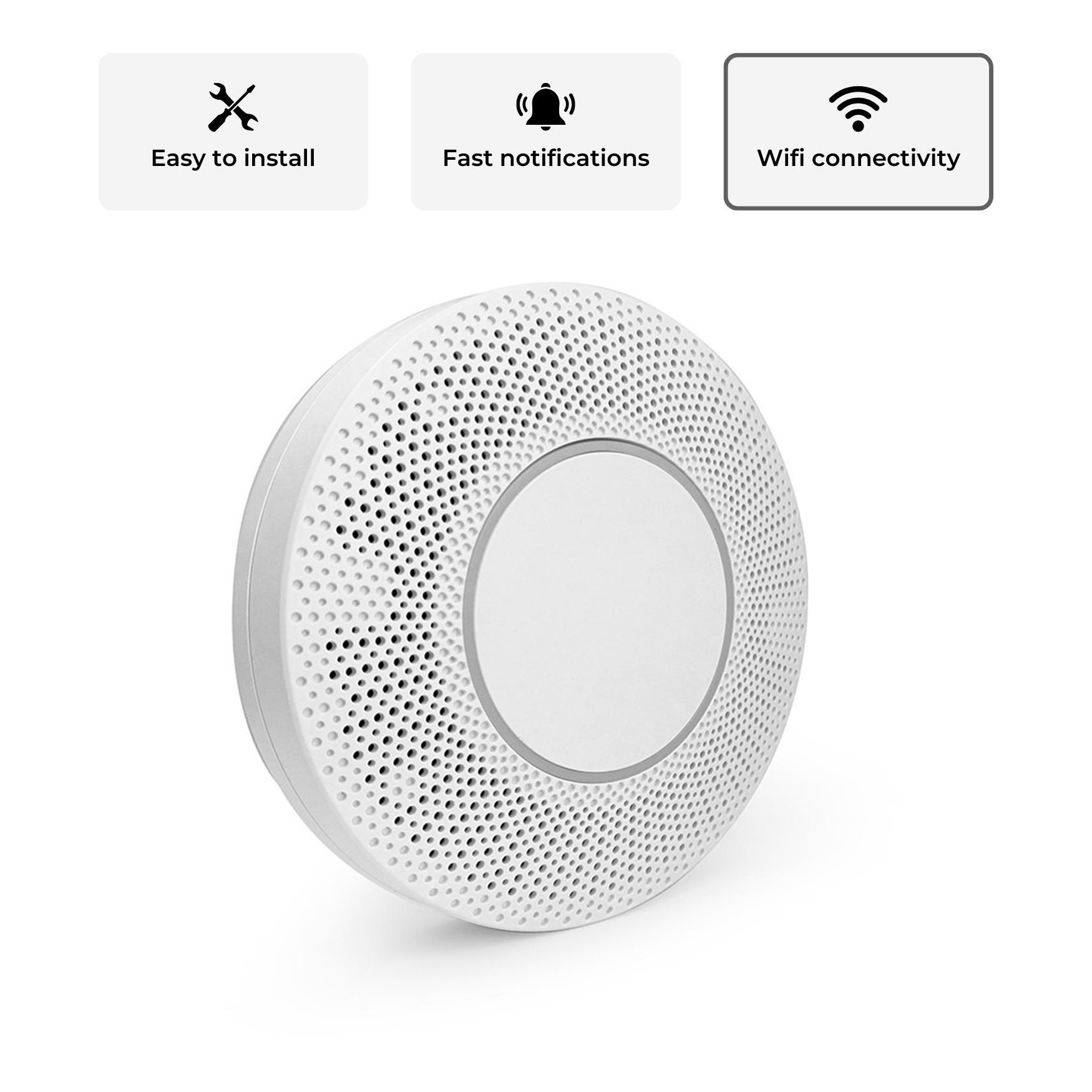
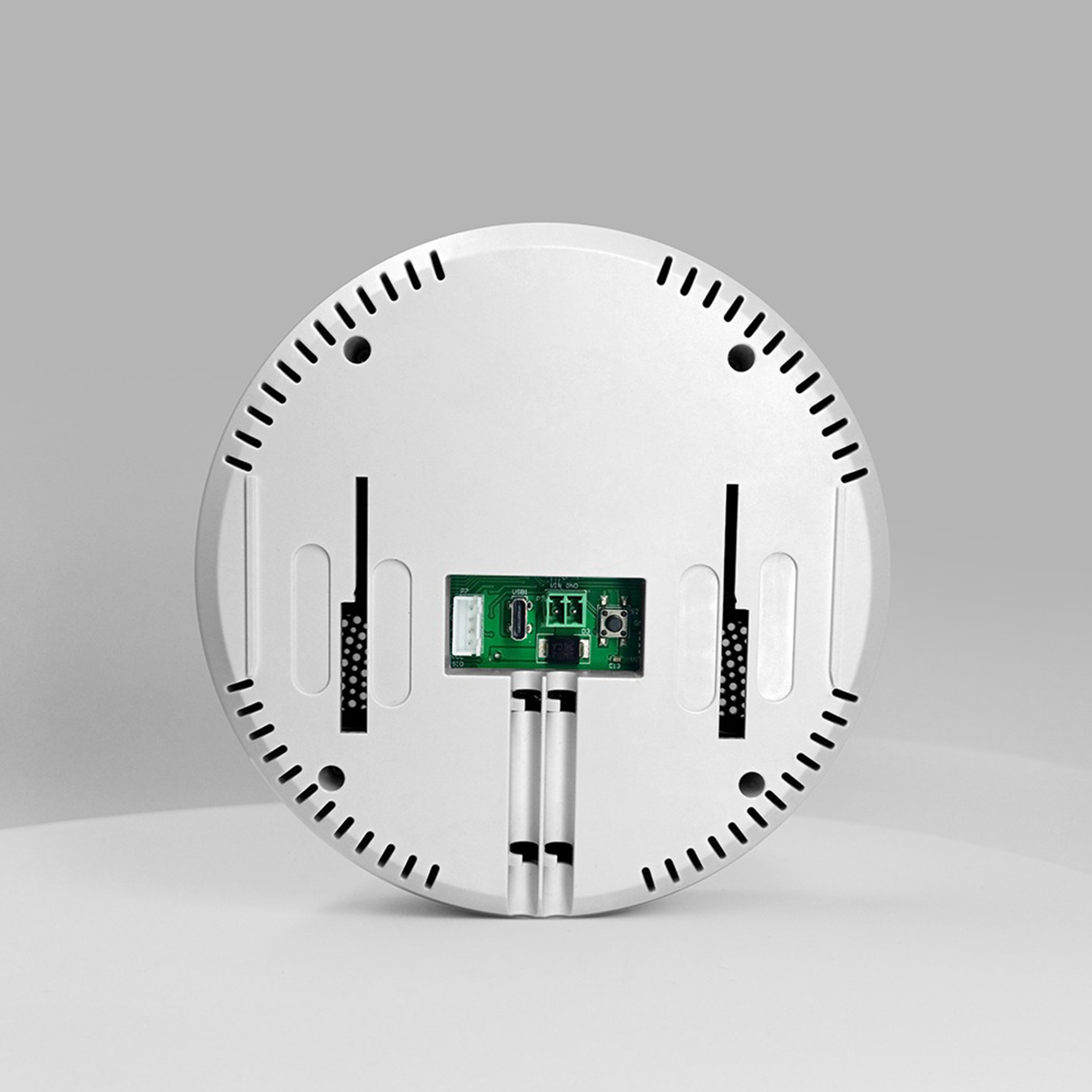
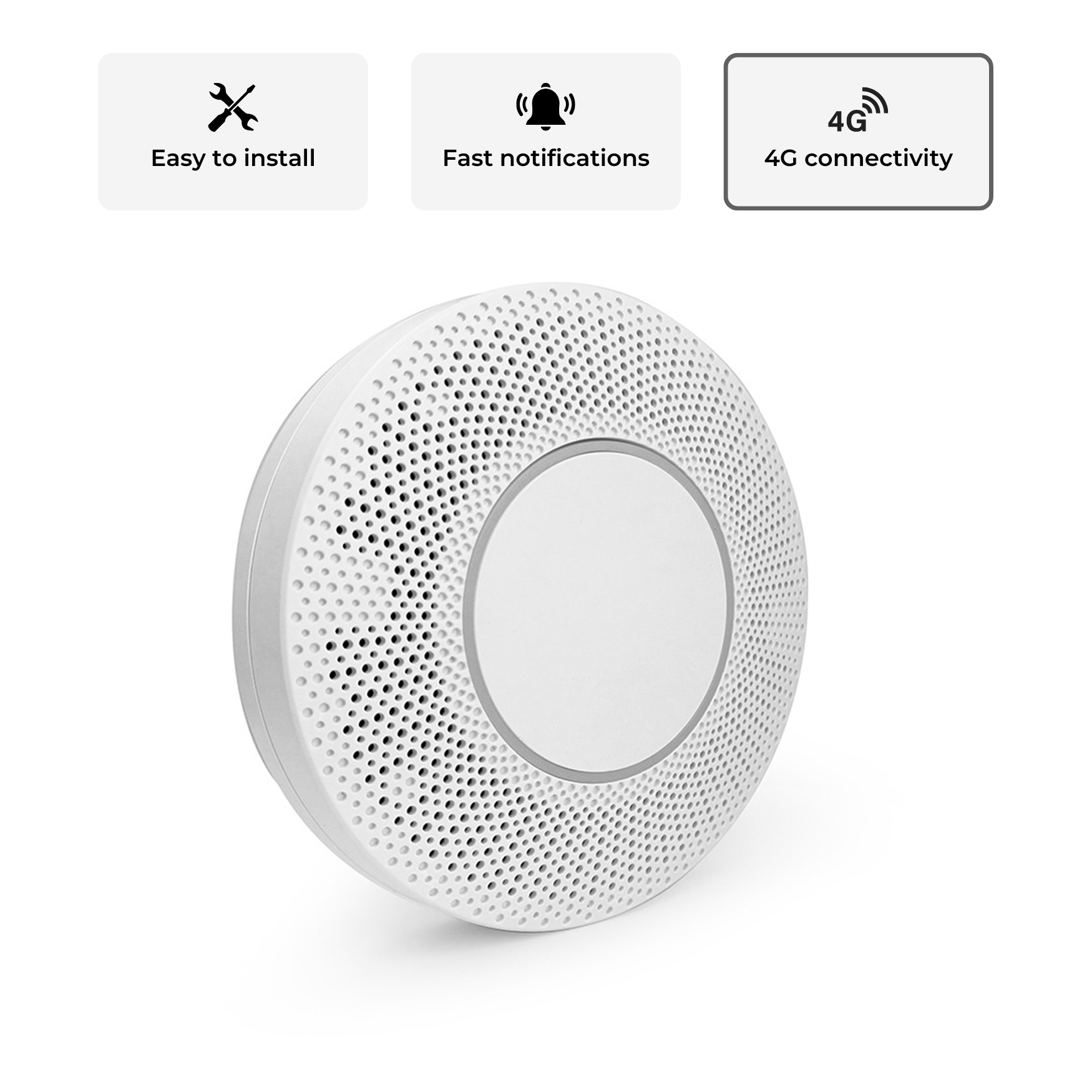
Battery life and connectivity options continue improving. Extended battery life and flexible connectivity reduce maintenance requirements and support deployment in locations where power access proves challenging. Cellular connectivity options eliminate dependence on facility Wi-Fi networks, which may be unreliable in certain areas.
Maintenance and Reliability Considerations
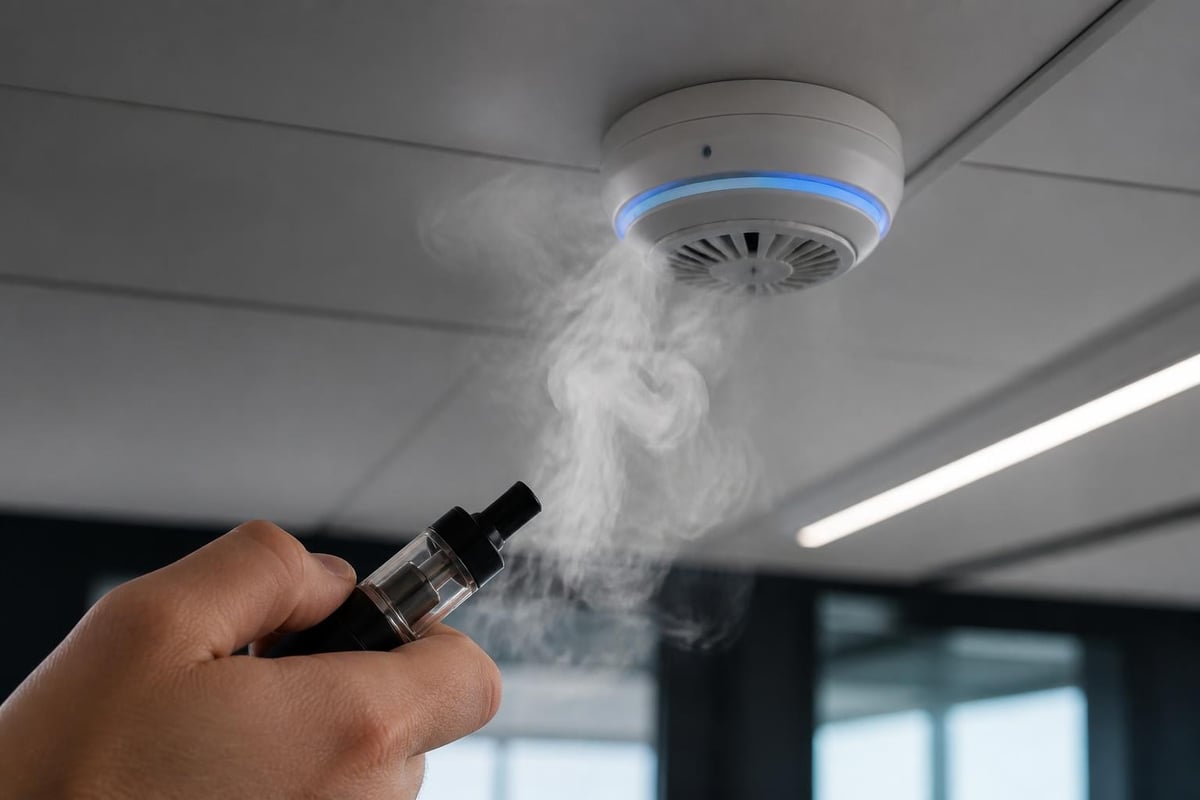
Like any facility management equipment, vape detectors require regular maintenance to ensure continued effectiveness. Sensor calibration, firmware updates, and physical cleaning form essential maintenance routines. Neglected devices may produce false positives, miss genuine incidents, or fail entirely.
Self-diagnostic capabilities and tampering detection represent important reliability features. Systems that monitor their own health status alert facility managers to maintenance needs before failures occur. Tamper alerts notify staff when devices are covered, disabled, or physically damaged.
Establishing maintenance schedules aligned with manufacturer recommendations prevents performance degradation. Quarterly sensor checks, annual calibrations, and immediate response to system alerts maintain optimal performance.
Maintenance checklist:
- Monthly visual inspections for physical damage or tampering
- Quarterly sensor cleaning and functional testing
- Biannual firmware updates and security patches
- Annual professional calibration and comprehensive system testing
- Continuous monitoring of self-diagnostic alerts and connectivity status
Sector-Specific Applications and Case Studies
Educational facilities represent the largest market segment for vape detection technology. Schools combat rising e-cigarette use amongst students whilst protecting those with respiratory sensitivities from secondhand exposure. Vape detectors specifically designed for educational environments address unique requirements including enhanced durability and integration with safeguarding protocols.
Secondary schools particularly benefit from comprehensive detection coverage. Toilet vaping prevention strategies demonstrate how strategic sensor placement combined with educational interventions reduces incidents whilst supporting students struggling with nicotine addiction.
Corporate offices deploy facility management vape detector systems to maintain smoke-free workplaces, support employee health initiatives, and comply with health and safety regulations. Open-plan offices, hot-desking environments, and modern workplace designs create enforcement challenges that technology helps address discretely.
Leisure and retail environments face unique challenges. High visitor turnover, diverse populations, and public-facing responsibilities require robust yet unintrusive monitoring. Leisure and retail applications showcase how detection systems support brand reputation whilst protecting patrons and staff.
Aviation facilities deploy vape detectors to address critical safety concerns. Aircraft toilets, airport lounges, and restricted areas require monitoring that supports zero-tolerance policies whilst maintaining passenger privacy. The consequences of in-flight vaping incidents justify investment in comprehensive detection capabilities.
Cost-Benefit Analysis and Return on Investment
Evaluating facility management vape detector investments requires examining both direct costs and broader benefits. Initial hardware costs vary based on capabilities, coverage area, and integration requirements. Subscription services for cloud management, software updates, and technical support represent ongoing expenses.
Direct benefits include reduced cleaning costs from vaping residue, decreased fire risks, improved air quality reducing health complaints, and enhanced compliance reducing regulatory penalties. Indirect benefits prove harder to quantify but carry significant value: improved staff and student wellbeing, enhanced reputation, reduced insurance premiums, and demonstrated duty of care.
| Cost Category | Typical Range | Frequency |
|---|---|---|
| Hardware (per unit) | £200-£800 | One-time |
| Installation | £50-£200 per unit | One-time |
| Subscription services | £5-£25 per unit monthly | Recurring |
| Maintenance | £50-£150 per unit | Annual |
Schools report measurable reductions in vaping incidents following detector installation, typically seeing 40-70% decreases within the first year. These improvements support healthier environments and allow staff to focus on educational rather than enforcement activities.
Implementation Planning and Rollout Strategies
Successful facility management vape detector deployment requires careful planning beyond simply purchasing and installing devices. Stakeholder engagement, policy development, communication strategies, and training programmes contribute to effective implementation.
Beginning with pilot programmes in high-priority areas allows organisations to refine procedures before full-scale deployment. Gathering feedback from staff responsible for responding to alerts identifies process improvements and training needs.
Implementation phases:
- Assessment: Identify priority areas, evaluate existing infrastructure, determine integration requirements
- Planning: Develop policies, create response protocols, design communication strategies
- Pilot deployment: Install sensors in limited areas, test alert procedures, gather feedback
- Training: Educate staff on response protocols, system capabilities, privacy considerations
- Full rollout: Complete installation, launch communication campaigns, establish monitoring routines
- Continuous improvement: Review incident data, refine policies, optimise sensor placement
Communication proves critical to success. Transparent discussions about why detection is necessary, how the technology works, and what happens when violations occur build trust and compliance. For schools, engaging parents and governors ensures community support.
The Vape Detection System combines sophisticated hardware with intuitive software, enabling facility managers to monitor multiple locations through a unified dashboard. This integrated approach simplifies deployment whilst providing the flexibility to scale as needs evolve.

Technical Specifications and Selection Criteria
Choosing the right facility management vape detector requires evaluating technical specifications against operational requirements. Detection sensitivity, response time, environmental tolerance, power requirements, and connectivity options vary significantly across products.
Sensitivity settings should balance detection effectiveness against false positive rates. Overly sensitive systems generate nuisance alerts that undermine staff confidence, whilst insufficient sensitivity allows violations to go undetected. Quality systems offer adjustable sensitivity with guidance on appropriate settings for different environments.
Response time between detection and alert delivery affects intervention effectiveness. Systems providing alerts within 10-15 seconds enable rapid response, whilst delays of several minutes reduce deterrent value and allow violators to leave the area.
Multifaceted detection capabilities including loitering and aggression monitoring demonstrate how advanced systems serve broader security and safety objectives beyond vaping detection alone. When evaluating options, facility managers should consider which additional capabilities align with their specific challenges and priorities.
Environmental specifications determine where sensors can be reliably deployed. Operating temperature ranges, humidity tolerance, and protection ratings (IP ratings) affect suitability for challenging locations like pool changing rooms or outdoor covered areas.
Power and Connectivity Options
Power delivery methods significantly impact installation costs and flexibility. Hardwired systems require electrical work but eliminate battery maintenance. Battery-powered units offer installation flexibility but require replacement or recharging schedules. Hybrid approaches using Power over Ethernet (PoE) simplify installation whilst maintaining reliability.
Connectivity options include Wi-Fi, cellular, hardwired Ethernet, and mesh networking. Wi-Fi proves cost-effective but may struggle in locations with poor signal or network congestion. Cellular connectivity ensures independence from facility networks but incurs ongoing data costs. Hardwired Ethernet offers maximum reliability in locations where cabling proves feasible.
Staff Training and Response Protocols
Technology effectiveness depends on human response. Comprehensive training ensures staff understand how to interpret alerts, verify incidents, and implement appropriate interventions. Training should cover system operation, privacy considerations, de-escalation techniques, and documentation requirements.
Role-specific training addresses different responsibilities. Front-line staff need rapid response skills and conflict management techniques. Supervisors require investigation and documentation capabilities. Facility managers need comprehensive understanding of system configuration, maintenance procedures, and data analysis tools.
Response protocols should define clear procedures for different alert types and situations. Immediate response to active alerts, investigation of suspicious patterns, and regular review of incident data create a comprehensive approach to managing vaping and related issues.
Training programme elements:
- System overview and detection capabilities
- Privacy considerations and legal frameworks
- Alert interpretation and verification procedures
- Appropriate intervention techniques
- Documentation and reporting requirements
- Escalation protocols for difficult situations
- Maintenance and troubleshooting basics
Regular refresher training maintains effectiveness as staff turnover occurs and system capabilities evolve. Incorporating lessons learned from actual incidents improves response quality and identifies opportunities for procedure refinement.
Future Trends in Vape Detection Technology
The facility management vape detector market continues evolving rapidly. Emerging trends include enhanced AI capabilities, integration with building automation systems, improved power efficiency, and expanded detection capabilities addressing new substances and threats.
Artificial intelligence advances enable more sophisticated pattern recognition, reducing false positives whilst identifying subtle indicators that simpler systems miss. Machine learning algorithms trained on vast datasets distinguish between similar chemical signatures with growing precision.
Integration with broader smart building initiatives positions vape detection as one component within comprehensive environmental monitoring and building automation frameworks. Unified platforms managing lighting, HVAC, security, and air quality create efficiency gains and enhanced occupant experiences.
Miniaturisation and improved power efficiency expand deployment possibilities. Smaller, less conspicuous sensors integrate more seamlessly into architectural designs whilst extended battery life reduces maintenance requirements. Solar-powered options may eventually support outdoor or remote installations.
Expanded detection portfolios address emerging substances and evolving use patterns. As new vaping products enter markets and usage behaviours change, detection systems adapt to identify novel chemical signatures. The same sensors might eventually detect other airborne health threats, creating additional value streams justifying investment.
Measuring Success and Continuous Improvement
Deploying a facility management vape detector represents the beginning rather than the conclusion of improving safety and compliance. Ongoing measurement and refinement maximise effectiveness and return on investment.
Key performance indicators might include incident frequency, response times, recurrence rates, air quality metrics, and stakeholder satisfaction. Tracking these metrics over time reveals trends, identifies problematic areas, and demonstrates programme effectiveness to leadership and governance bodies.
Regular review of detection data identifies patterns informing preventive strategies. If incidents cluster at specific times, targeted supervision or educational interventions during those periods may reduce violations. Location patterns might reveal design issues creating attractive nuisance areas that could be modified.
Stakeholder feedback provides qualitative insights complementing quantitative data. Staff surveys assess whether alert volumes seem reasonable, response protocols prove practical, and training adequately prepares them. Student or employee feedback reveals whether detection presence serves as an effective deterrent and whether policies seem fair.
Continuous improvement cycles incorporate lessons learned into updated procedures, additional training, or system configuration changes. This iterative approach ensures the facility management vape detector programme remains effective as circumstances evolve and new challenges emerge.
Facility management vape detector technology provides essential capabilities for maintaining safe, compliant environments across diverse settings, from educational institutions to corporate offices and leisure facilities. By combining sophisticated detection capabilities with integrated alert systems and comprehensive air quality monitoring, these solutions address immediate safety concerns whilst supporting broader environmental management objectives. For organisations seeking reliable, UK-based vape detection solutions backed by dedicated support, Vape Guardian delivers advanced technology designed specifically for British facilities, helping create healthier spaces through intelligent monitoring and real-time response capabilities.


Share:
Safeguarding Technology for Schools: Complete 2026 Guide
Secondary School Vape Detector: Complete 2026 Guide