
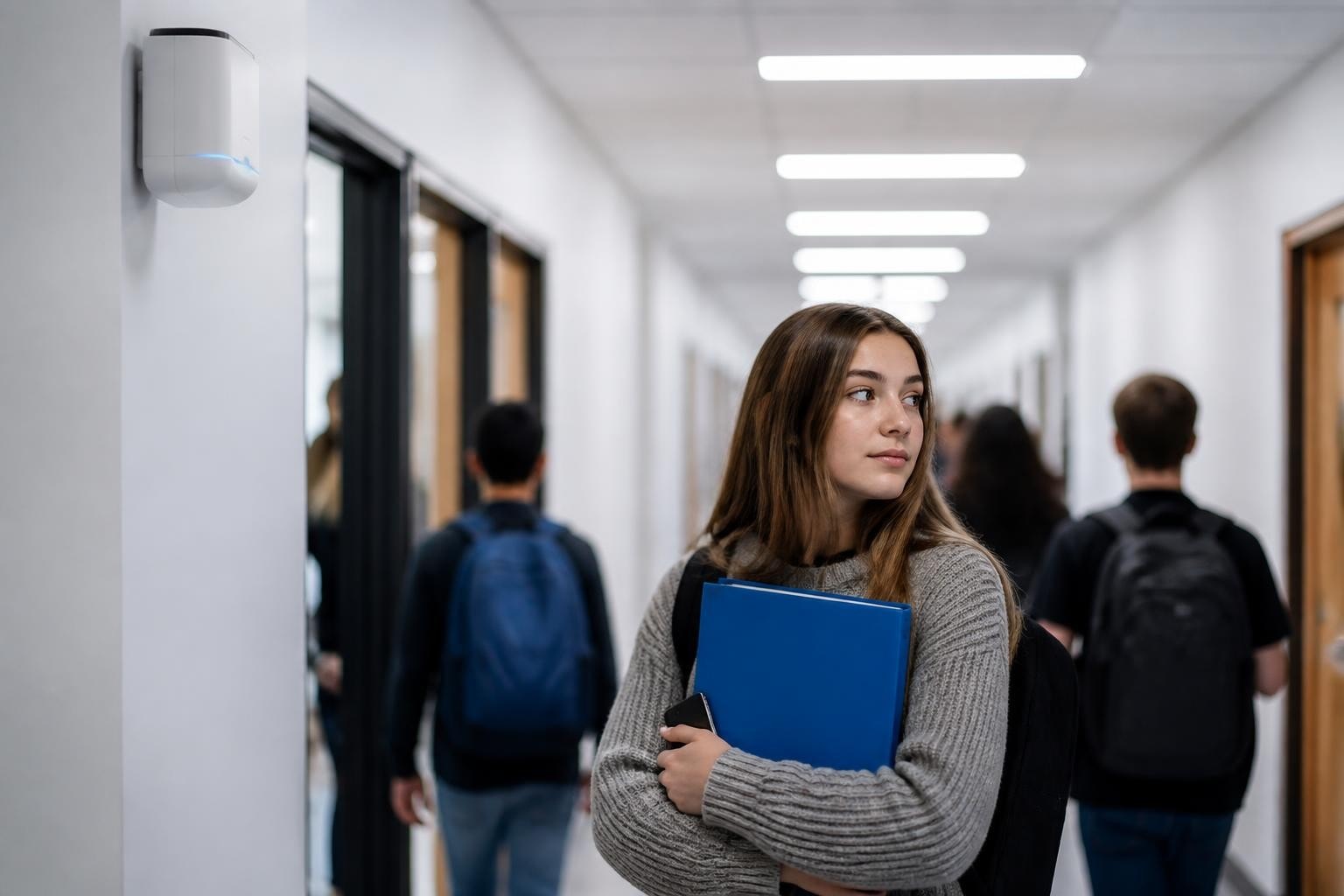
Vaping amongst secondary school students has become one of the most pressing challenges facing educational institutions across the United Kingdom in 2026. The rise in underage vaping has prompted schools to seek effective technological solutions that can detect incidents whilst maintaining a safe, healthy learning environment. A secondary school vape detector offers a proactive approach to addressing this crisis, providing real-time monitoring and immediate alerts when vaping occurs in areas such as toilets, changing rooms, and corridors where traditional supervision proves difficult.
The Growing Need for Vape Detection in Secondary Schools
The prevalence of vaping in UK secondary schools has reached alarming levels. Recent statistics indicate that nearly one in five students aged 11 to 17 have experimented with e-cigarettes, with many developing regular usage patterns. This trend has significant implications for student health, academic performance, and school culture.
Traditional methods of monitoring student behaviour have proven insufficient in addressing covert vaping. Students often retreat to toilets and secluded areas where staff supervision is limited or inappropriate. This creates enforcement challenges that leave schools struggling to maintain their no-vaping policies effectively.
Research demonstrates the effectiveness of school-based interventions in reducing e-cigarette use amongst adolescents. A secondary school vape detector forms a crucial component of these intervention strategies, providing the technological foundation for comprehensive anti-vaping programmes.
Health and Safety Concerns
The health implications of youth vaping extend beyond immediate physical effects. Nicotine exposure during adolescence can harm brain development, affecting attention, learning, and impulse control. Secondary exposure to vape aerosols also raises concerns about air quality in enclosed school spaces.
Schools have a duty of care to protect students from these risks. By implementing detection technology, institutions demonstrate their commitment to student wellbeing whilst creating an environment conducive to learning and development.
How Secondary School Vape Detectors Work
Modern vape detection systems employ sophisticated sensor technology designed specifically for educational environments. These devices use multiple detection methods to identify vaping incidents with high accuracy whilst minimising false positives.
Detection Technologies
Particulate Matter Sensing Vape detectors measure changes in air quality by monitoring particulate matter concentrations. When someone vapes, the device detects the sudden increase in PM2.5 and PM10 particles characteristic of e-cigarette aerosols.
Chemical Signatures Advanced sensors identify specific chemical compounds found in vape liquids and aerosols. This targeted approach distinguishes vaping from other activities that might generate airborne particles, such as applying deodorant or opening windows.
Sound Recognition Some systems incorporate acoustic sensors that detect the characteristic sounds of vaping devices, including the inhalation noise and vapour release. This additional layer enhances detection reliability.
| Detection Method | Accuracy | Response Time | False Positive Rate |
|---|---|---|---|
| Particulate Sensing | 95-98% | 2-5 seconds | Low |
| Chemical Analysis | 97-99% | 3-7 seconds | Very Low |
| Sound Recognition | 85-90% | Instant | Moderate |
| Multi-Sensor Combined | 99%+ | 2-4 seconds | Minimal |
The Vape Detection System combines these technologies to provide comprehensive monitoring that goes beyond simple vaping detection, also identifying drug use and anti-social behaviour through advanced sensor arrays and intelligent alert systems.

Strategic Placement and Installation Considerations
Effective implementation of a secondary school vape detector requires careful planning regarding placement, coverage, and integration with existing infrastructure. Schools must balance comprehensive monitoring with privacy concerns and practical installation requirements.
High-Risk Areas
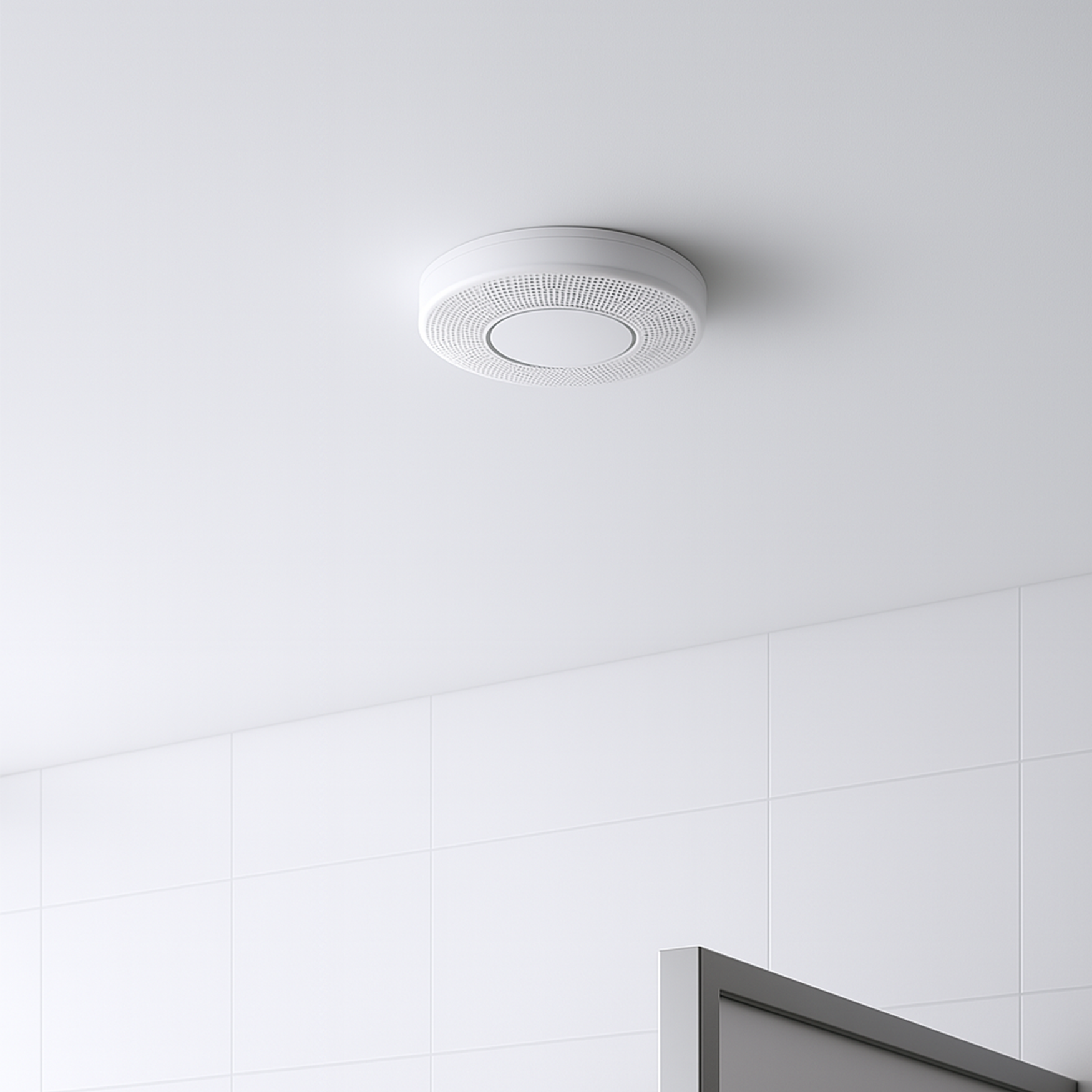
Toilets and Washrooms These spaces represent the primary concern for most secondary schools. Students perceive these areas as private, making them attractive locations for prohibited activities. Installing detectors in toilet facilities addresses this vulnerability whilst respecting privacy boundaries since the devices monitor air quality rather than using cameras.
You can learn more about toilet vaping prevention strategies and how detection technology forms part of a comprehensive approach.
Changing Rooms and Locker Areas Similar to toilets, changing facilities offer perceived privacy that students may exploit. Detector placement in these spaces provides coverage without compromising legitimate privacy expectations.
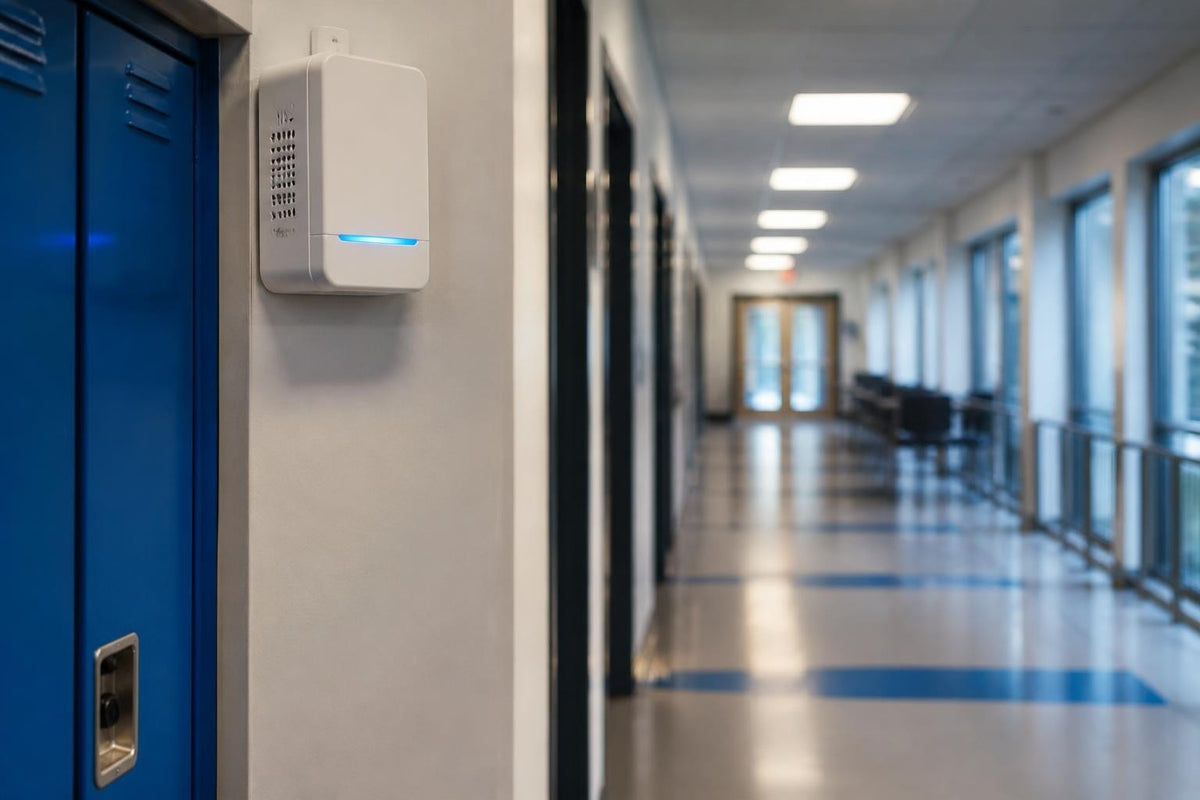
Corridors and Stairwells Less supervised areas throughout the school building benefit from monitoring, particularly corners, alcoves, and areas between classrooms where students congregate during breaks.
Installation Requirements
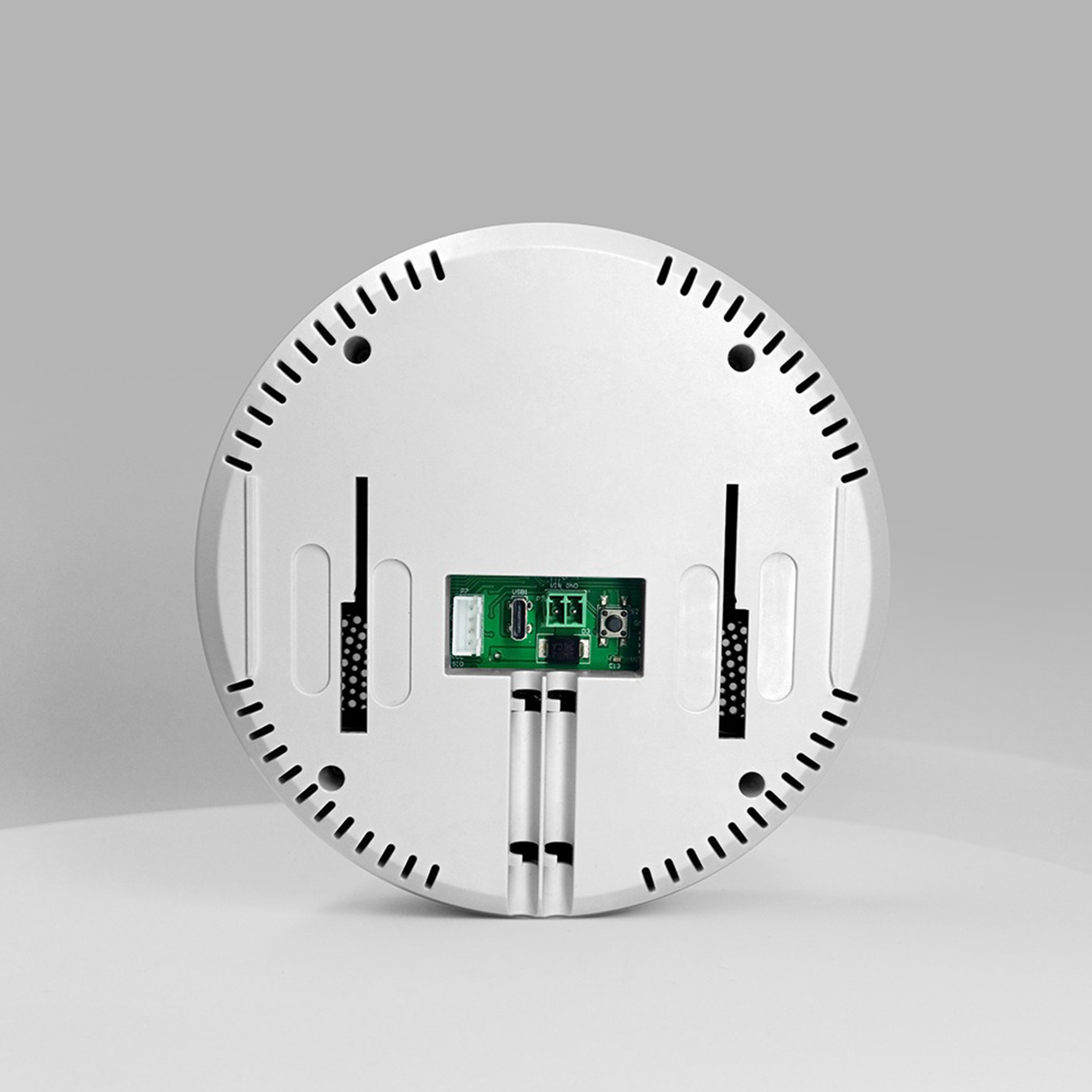
- Power Supply Assessment: Determine whether wired or battery-powered units suit each location
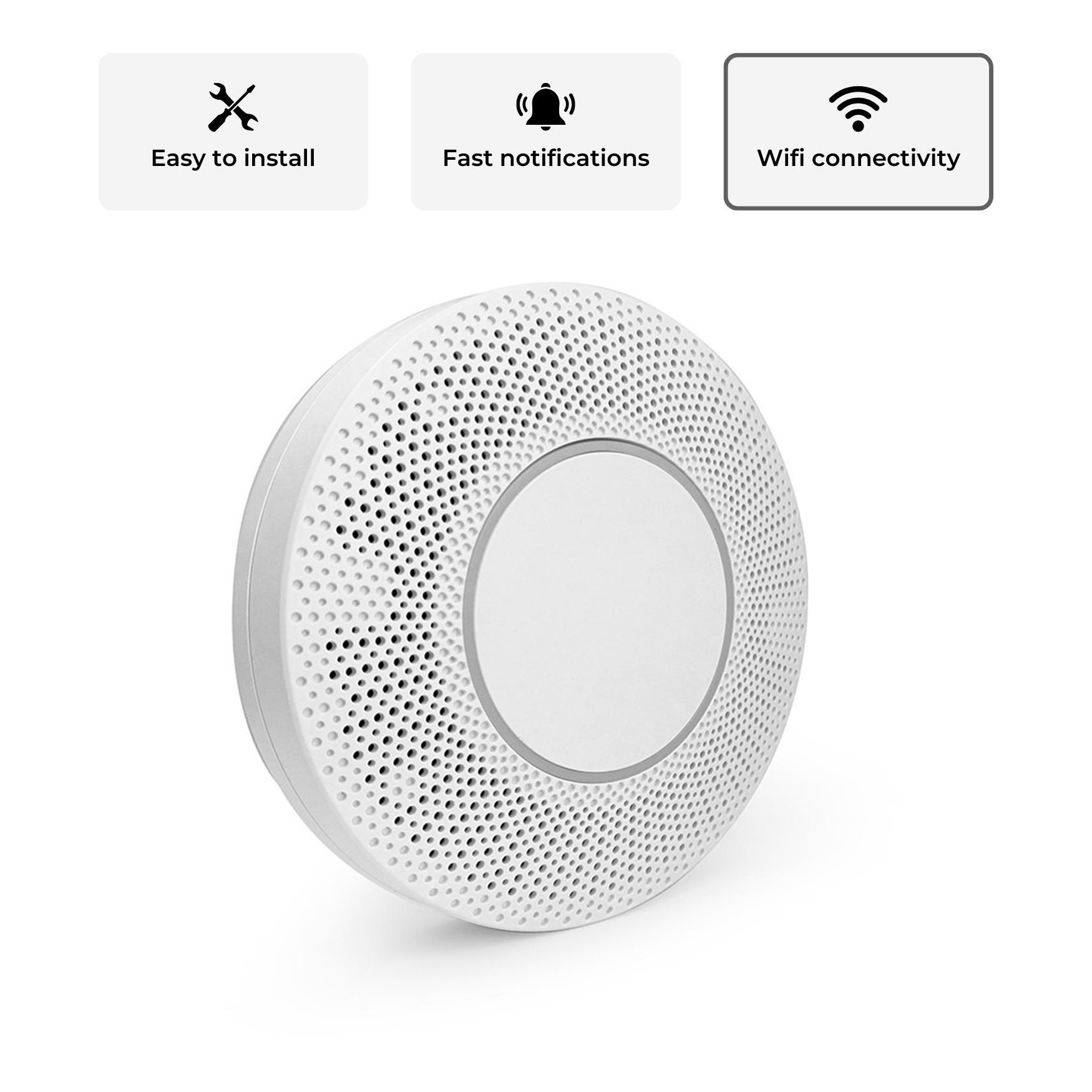
- Network Connectivity: Ensure reliable Wi-Fi or ethernet connectivity for real-time alerts
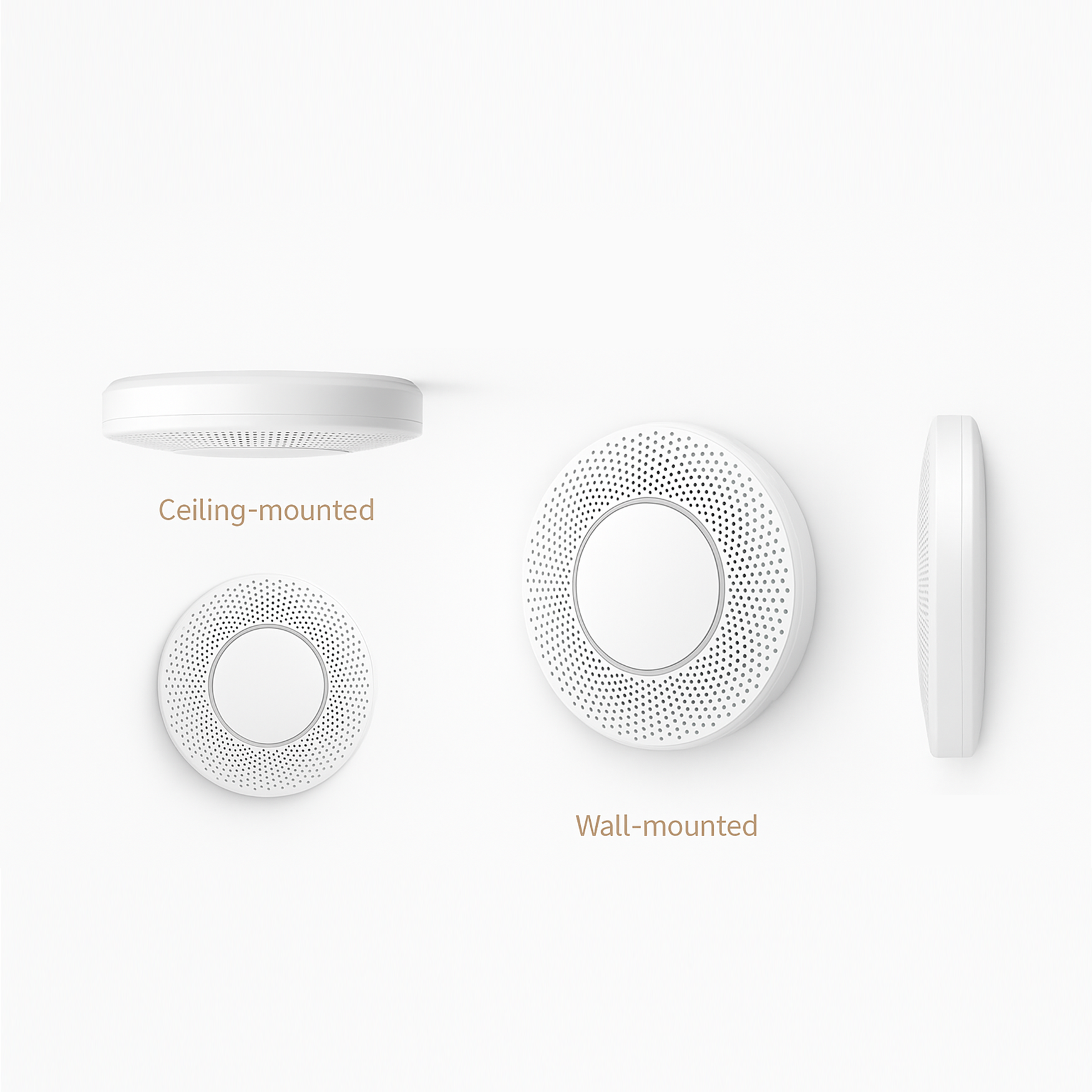
- Mounting Height: Install at appropriate heights to maximise air sampling efficiency
- Coverage Calculation: Plan detector spacing based on room dimensions and ventilation patterns
- Integration Planning: Connect detection systems with existing school management platforms
Alert Systems and Response Protocols
A secondary school vape detector proves most effective when coupled with clear response protocols and efficient alert systems. Real-time notifications enable staff to intervene promptly, reinforcing policy enforcement and deterring future incidents.
Alert Delivery Methods
- Mobile Push Notifications: Instant alerts to designated staff smartphones
- Email Notifications: Detailed incident reports sent to administrators
- Dashboard Displays: Central monitoring screens in staff offices
- SMS Messages: Text alerts for critical or after-hours incidents
- Integration with PA Systems: Optional announcement capabilities for serious situations
Schools should designate specific staff members to receive alerts based on time of day, location, and incident severity. This tiered approach ensures appropriate response without overwhelming personnel.
Creating Effective Response Procedures
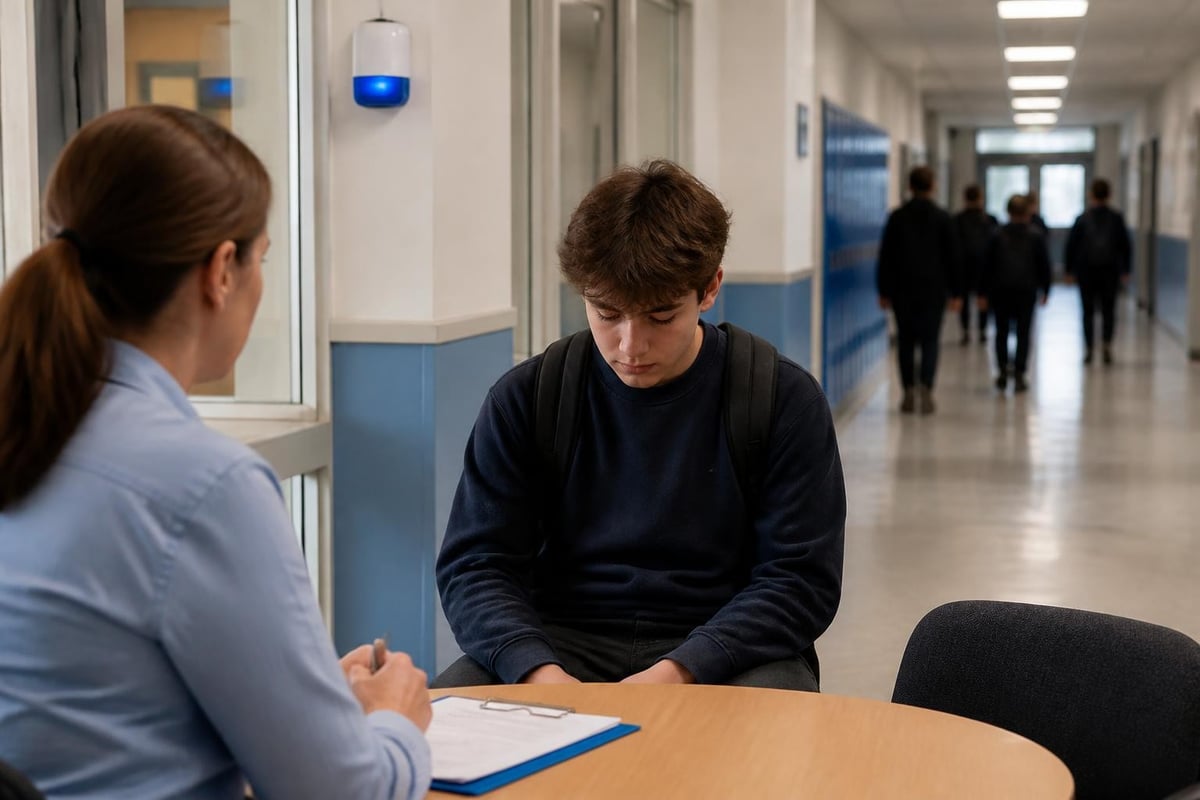
Response protocols should outline clear steps that staff follow upon receiving a vaping alert. These procedures balance immediate intervention with educational opportunities and support services.
Immediate Response Steps: Staff should attend the location promptly but calmly, avoiding confrontational approaches that might escalate situations. Documentation of incidents creates records useful for identifying patterns and repeat offenders.
Educational Interventions: First-time incidents often warrant educational conversations rather than punitive measures alone. Discussing health risks and school policies whilst offering support resources proves more effective for behaviour change.
Understanding how to stop vaping at school through proven intervention strategies helps schools develop comprehensive response frameworks.
Integration with School Policies and Legal Compliance
Implementing a secondary school vape detector forms just one element of a broader anti-vaping strategy. The technology must align with school policies, legal requirements, and safeguarding responsibilities.
Policy Development
Schools should establish clear, written policies addressing vaping that outline:
Prohibited Behaviours Explicitly define what constitutes vaping violations, including possession of devices, actual vaping, and distribution to other students.
Consequences Framework Develop graduated consequences that escalate with repeated violations whilst maintaining proportionality and educational focus.
Support Services Integrate referral pathways to cessation support, counselling services, and parent engagement programmes.
The importance of creating a vape-free policy cannot be overstated, as it provides the foundation for effective detector deployment.
Legal and Regulatory Considerations
Schools must navigate various legal requirements when implementing detection technology. Privacy laws, safeguarding regulations, and employment legislation all intersect with vape detection systems.
| Legal Area | Key Requirements | Compliance Steps |
|---|---|---|
| Data Protection | GDPR compliance for incident records | Secure storage, limited retention periods |
| Student Privacy | Respect for personal dignity | Avoid invasive monitoring methods |
| Safeguarding | Duty of care obligations | Integrated support referral systems |
| Employment Law | Staff monitoring boundaries | Clear policies on staff area coverage |
Familiarity with UK school vaping laws in 2026 ensures schools maintain compliance whilst protecting student welfare.
Cost Considerations and Return on Investment
Budget constraints represent a significant concern for many schools considering vape detection technology. Understanding the true costs and potential returns helps administrators make informed decisions about implementation.
Initial Investment Components
Hardware Costs Quality sensors typically range from £300 to £800 per unit depending on features and capabilities. Multi-sensor systems with advanced detection methods occupy the higher end of this spectrum.
Installation Expenses Professional installation may add £100 to £200 per unit, though schools with technical staff might reduce these costs through internal resources.
Software and Monitoring Subscription services for cloud-based monitoring, alert management, and reporting typically cost £50 to £150 per sensor annually.
Calculating Return on Investment
Schools should evaluate detector investments against both tangible and intangible benefits:
Direct Cost Savings: Reduced property damage from vaping incidents, decreased cleaning requirements for vape residue, and lower maintenance costs for ventilation systems affected by regular vaping.
Indirect Benefits: Improved air quality supporting better student health outcomes, enhanced learning environments free from disruption, and reduced staff time spent on vaping-related disciplinary matters.
A detailed vape detector cost breakdown and ROI calculator helps schools assess the financial implications comprehensively.
Effectiveness and Evidence Base
Schools rightfully question whether a secondary school vape detector delivers on promises of reduced vaping incidents and improved student behaviour. Research and practical implementation data provide insights into effectiveness.
Measurable Outcomes
Schools implementing comprehensive vape detection systems report significant reductions in vaping incidents within the first academic term. The combination of technological detection and clear consequences creates a deterrent effect that extends beyond monitored areas.
Typical Results:
- 60-75% reduction in detected vaping incidents within six months
- Decreased repeat offences amongst students who receive educational interventions
- Improved staff confidence in policy enforcement capabilities
- Enhanced parent satisfaction with school safety measures
Addressing Common Questions
Many stakeholders question specific aspects of detector functionality. Evidence on whether vape detectors work in bathrooms demonstrates that properly installed systems maintain effectiveness even in challenging environments with ventilation and humidity variables.
The devices prove particularly valuable for identifying patterns rather than simply catching individual incidents. Data analytics reveal peak vaping times, high-risk locations, and potentially at-risk student populations who might benefit from targeted support interventions.
Beyond Vaping: Additional Monitoring Capabilities
Modern secondary school vape detectors offer capabilities extending beyond simple vaping detection. These multifunctional systems provide comprehensive environmental monitoring that supports broader school safety and wellness objectives.
Air Quality Monitoring
Sensors track various air quality parameters including carbon dioxide levels, volatile organic compounds, temperature, and humidity. This data supports optimal learning environments and helps identify potential health hazards.
Schools can explore CO2 monitoring in classrooms to understand how integrated air quality tracking enhances educational outcomes.
Anti-Social Behaviour Detection
Sound and Disturbance Monitoring Acoustic sensors detect unusual noise levels, shouting, and other disturbances indicative of bullying, fighting, or other concerning behaviours.
Occupancy Detection Systems identify unusual occupancy patterns that might indicate unauthorised gatherings, students skipping lessons, or potential safety concerns.
Drug Detection Capabilities
Advanced sensors identify chemical signatures associated with substances beyond vaping products, including cannabis and other drugs. This expanded detection capability addresses the concerning trend of hidden drugs in vapes that puts students at additional risk.
Staff Training and Change Management
Successfully implementing a secondary school vape detector requires more than installing hardware. Staff training, clear communication, and effective change management ensure the technology delivers intended benefits.
Training Requirements
Technical Training Staff responsible for system management need comprehensive training on:
- Device operation and maintenance
- Alert interpretation and response protocols
- Data analysis and reporting functions
- Troubleshooting common issues
- Privacy and data protection compliance
Response Training All staff should receive guidance on:
- Appropriate intervention techniques
- Documentation requirements
- Escalation procedures
- Student support referral pathways
- Legal and safeguarding considerations
Communicating with Stakeholders
Transparent communication with students, parents, and staff builds support for detection systems and reinforces their role in student protection rather than punishment.
Student Communication Schools should explain the purpose of detectors, emphasising health protection and creating fair learning environments. This approach fosters understanding rather than resentment.
Parent Engagement Informing parents about detection technology demonstrates school commitment to student welfare whilst inviting partnership in addressing vaping behaviour.
Maintaining and Optimising Detection Systems
Long-term effectiveness of a secondary school vape detector depends on proper maintenance, regular calibration, and continuous optimisation based on performance data.
Maintenance Schedules
- Weekly: Visual inspections for physical damage or tampering
- Monthly: Sensor cleaning and functionality testing
- Quarterly: Calibration checks and software updates
- Annually: Comprehensive system review and hardware assessment
Performance Optimisation
Schools should regularly analyse detection data to identify optimisation opportunities:
False Positive Analysis Investigating false alerts helps refine sensor settings and placement to reduce unnecessary notifications whilst maintaining detection sensitivity.
Coverage Gaps Incident patterns may reveal areas requiring additional coverage or adjusted sensor positioning.
Response Efficiency Alert response times and intervention outcomes provide insights into protocol effectiveness and staff training needs.
Resources on best vape detection for schools offer comparative information helping institutions optimise their systems as technology evolves.
Future Developments in Vape Detection Technology
The field of vape detection continues evolving rapidly, with emerging technologies promising enhanced capabilities, improved accuracy, and broader applications. Understanding these trends helps schools make future-proof investment decisions.
Artificial Intelligence Integration
Machine learning algorithms increasingly enhance detection systems by:
- Learning building-specific patterns to reduce false positives
- Predicting high-risk times and locations for targeted monitoring
- Identifying individual vaping signatures for improved accuracy
- Automating response recommendations based on historical data
Enhanced Chemical Detection
Next-generation sensors will identify increasingly specific chemical compounds, enabling detection of:
- Different vaping product types
- Potentially harmful additives and contaminants
- THC and other controlled substances in vape form
- Emerging synthetic compounds
Internet of Things Integration
Detection systems will integrate more seamlessly with broader school infrastructure, connecting with:
- Building management systems for automated ventilation responses
- Access control systems for correlated behaviour analysis
- Learning management platforms for holistic student support
- Parent communication systems for immediate notifications
Implementing a secondary school vape detector represents a significant step towards creating healthier, safer educational environments in 2026. By combining advanced technology with clear policies, staff training, and student support services, schools can effectively address the vaping crisis whilst maintaining focus on education and student wellbeing. Vape Guardian provides comprehensive vape detection solutions specifically designed for UK educational institutions, offering advanced sensors, real-time monitoring, and dedicated support to help schools protect students and maintain compliance with emerging regulations.


Share:
Facility Management Vape Detector: Complete Guide 2026
4G Vape Detector Technology: Complete UK Guide 2026