
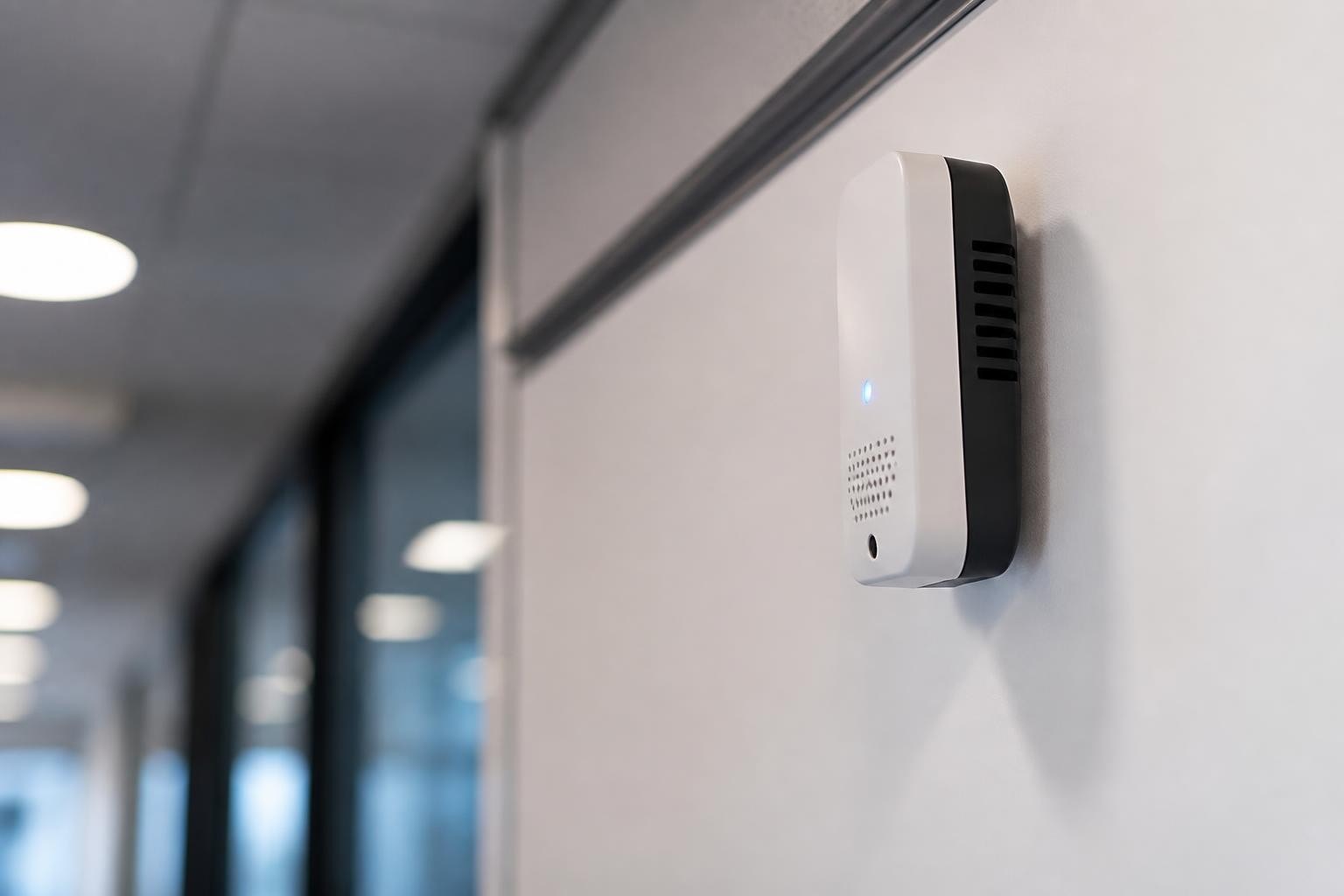
Modern vaping detection has evolved significantly over the past few years, with wireless connectivity transforming how organisations monitor and respond to vaping incidents. The 4g vape detector represents a major advancement in this technology, offering facilities managers and administrators the ability to monitor multiple locations without the constraints of traditional wired networks. These sophisticated systems combine sensitive particulate detection with cellular connectivity, creating a comprehensive solution that works even in environments where WiFi infrastructure is limited or non-existent. As vaping continues to present challenges in schools, offices, and leisure facilities across the UK, understanding how these wireless detection systems function has become essential for decision-makers seeking reliable monitoring solutions.
Understanding 4G Connectivity in Vape Detection
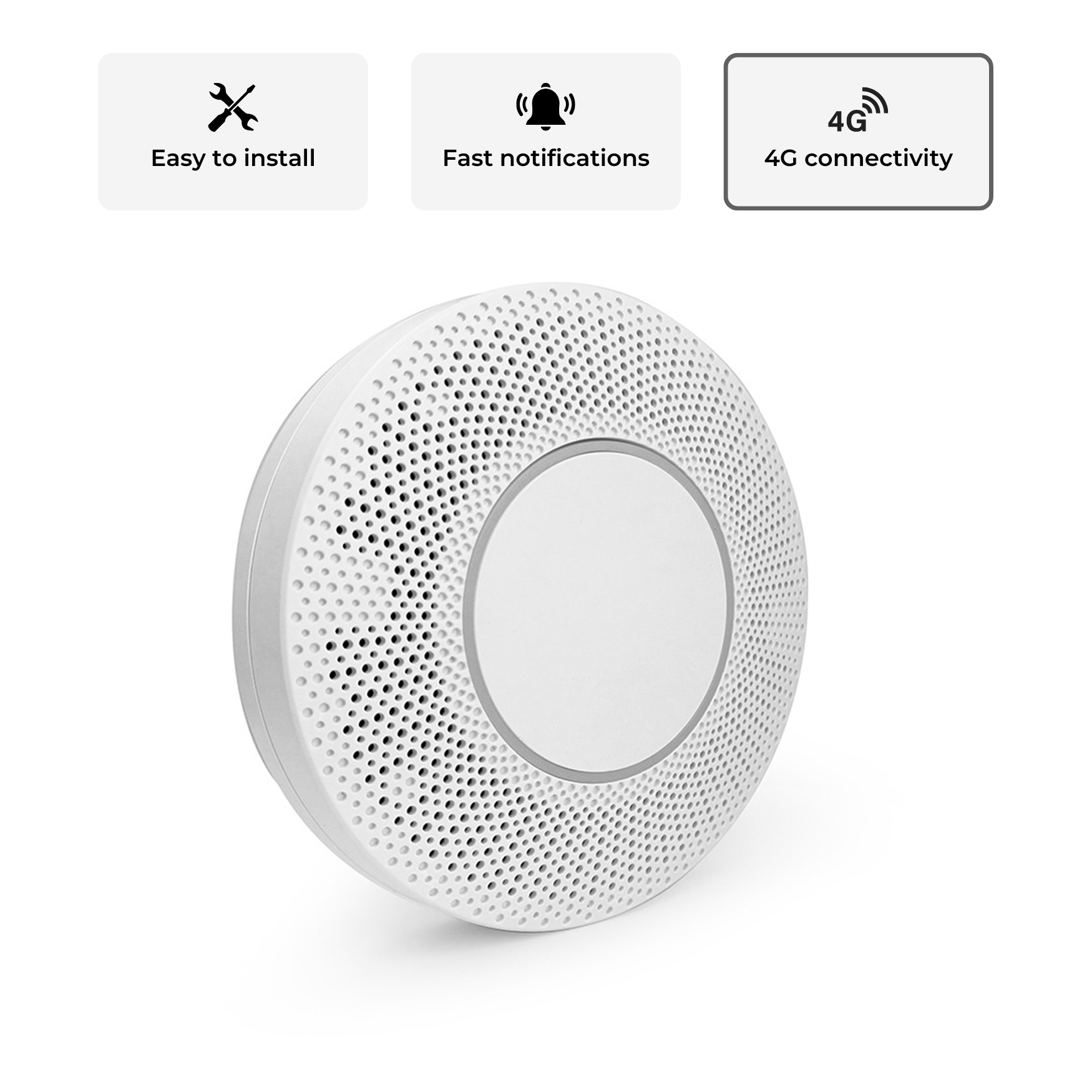
The integration of 4G cellular technology into vape detection systems addresses one of the most significant limitations of earlier monitoring devices. Traditional detectors relied entirely on existing WiFi networks, which often proved problematic in buildings with dead zones, weak signals, or restricted network access. A 4g vape detector eliminates these constraints by connecting directly to cellular networks, ensuring consistent communication regardless of local infrastructure limitations.
How Cellular Networks Enable Detection Systems
Cellular connectivity provides several distinct advantages for vape monitoring applications. When a 4g vape detector identifies vaping activity, it transmits alert data through the mobile network to designated administrators within seconds. This independent communication pathway ensures that notifications reach the appropriate personnel even during network outages or infrastructure failures that might disable WiFi systems.
The technology behind these systems relies on SIM cards embedded within the detection hardware. These cards connect to 4G LTE networks operated by major carriers, creating a dedicated communication channel that functions separately from the facility's internet infrastructure. This separation provides enhanced reliability and security, as the detection system operates on an isolated network path.

Key benefits of cellular connectivity include:
- No dependence on existing WiFi infrastructure
- Consistent coverage across large or complex building layouts
- Simplified installation without network configuration requirements
- Enhanced security through isolated communication channels
- Reduced IT department involvement in deployment
Network Requirements and Coverage Considerations
Implementing a 4g vape detector system requires adequate cellular coverage within the installation location. Most UK facilities benefit from strong 4G coverage from major network providers, but certain areas may experience signal limitations. Basement locations, reinforced concrete structures, and rural facilities might require signal strength assessment before deployment.
Modern detection systems often support multiple carriers, allowing organisations to select the provider offering optimal coverage in their specific location. This flexibility ensures reliable communication even in challenging environments. Some advanced systems include signal strength indicators that help installation teams identify optimal mounting positions for maximum connectivity.
Detection Technology Behind 4G Systems
While cellular connectivity represents a crucial component, the core functionality of a 4g vape detector centres on its ability to accurately identify vaping activity. These systems employ sophisticated sensor arrays that monitor air quality parameters, detecting the specific chemical signatures associated with e-cigarette aerosols. Understanding how vape detectors work requires examining both the particulate detection mechanisms and the data processing algorithms.
Sensor Technology and Detection Methods
Contemporary vape detectors utilise multiple sensor types to achieve high accuracy whilst minimising false positives. Particulate sensors measure microscopic particles suspended in the air, identifying the size ranges characteristic of vaping aerosols. These sensors distinguish between vaping emissions and other airborne particles such as dust or steam by analysing particle diameter distributions.
Chemical sensors complement particulate detection by identifying specific volatile organic compounds present in vape emissions. Propylene glycol and vegetable glycerin, the primary ingredients in most e-liquids, create distinctive chemical signatures that sensors can recognise. This multi-layered approach significantly improves detection accuracy compared to single-sensor systems.
| Sensor Type | Detection Method | Primary Use | Accuracy Rate |
|---|---|---|---|
| Particulate | PM2.5 measurement | Aerosol detection | 92-96% |
| Chemical | VOC identification | Substance analysis | 88-94% |
| Combined | Multi-factor analysis | Comprehensive monitoring | 96-99% |
The Vape Detection System from Vape Guardian employs this comprehensive multi-sensor approach, combining particulate and chemical detection with advanced algorithms to identify vaping activity whilst filtering out common environmental factors that might trigger false alerts.

Processing and Alert Generation
When sensors detect conditions consistent with vaping activity, onboard processors analyse the data against established thresholds and patterns. This analysis occurs within milliseconds, allowing the 4g vape detector to distinguish between actual vaping incidents and environmental variations. Machine learning algorithms continuously refine detection parameters based on historical data, improving accuracy over time.
Once the system confirms a vaping incident, it generates alerts transmitted via the 4G connection to designated recipients. Alert formats typically include:
- Timestamp of detection
- Specific sensor location identifier
- Confidence level based on sensor readings
- Photographic or video evidence (if equipped)
- Historical data for the location
Installation and Deployment Strategies
Deploying a 4g vape detector system requires careful planning to maximise coverage whilst optimising cost efficiency. The wireless nature of these systems simplifies installation compared to wired alternatives, but strategic placement remains crucial for effective monitoring. Many organisations benefit from consulting with specialists in vape detection for schools and other facilities to develop comprehensive deployment plans.
Optimal Placement Locations
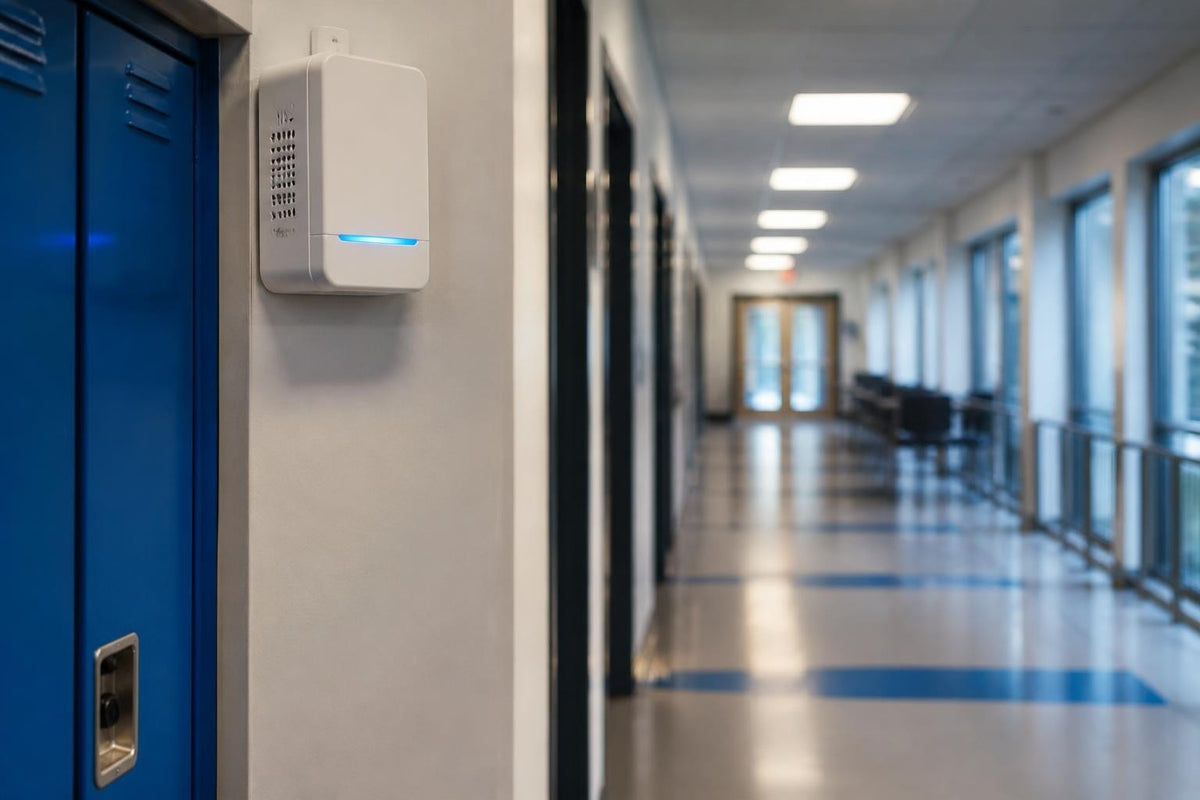
High-risk areas warrant priority when positioning detection devices. Toilets represent the most common vaping locations in schools and workplaces, making them essential monitoring points. Changing rooms, stairwells, and isolated corridors also frequently host vaping activity. A typical secondary school might deploy 8 to 15 units to achieve comprehensive coverage, whilst office buildings vary based on layout and employee density.
Priority installation locations include:
- Toilets and washroom facilities
- Changing rooms and locker areas
- Stairwells and emergency exits
- Outdoor sheltered areas
- Maintenance rooms and storage spaces
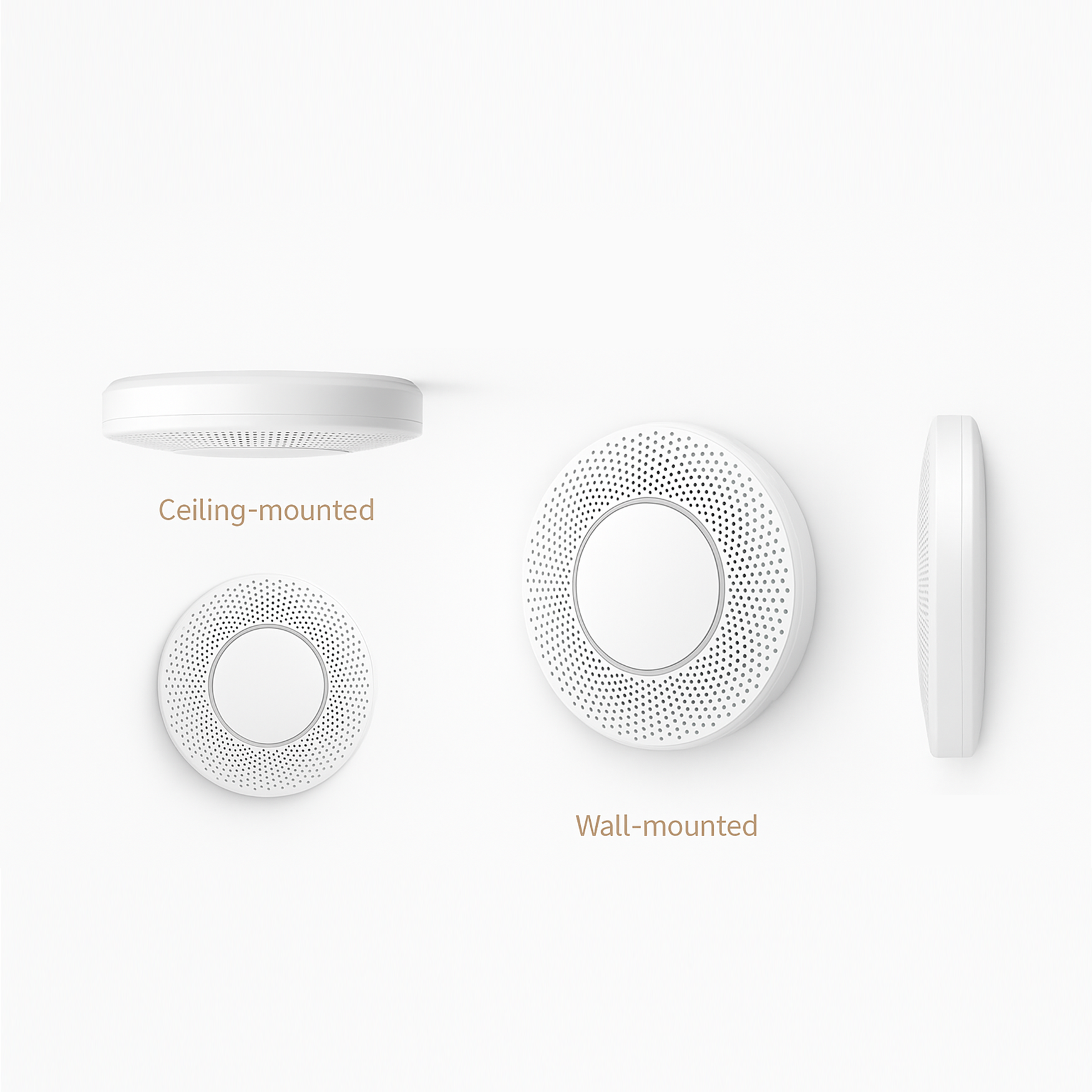
Mounting height affects both detection effectiveness and physical security. Installing units at ceiling level provides optimal air sampling whilst reducing tampering risks. The 4g vape detector's wireless connectivity eliminates the need for network cable routing, allowing installation teams to position units based purely on detection requirements rather than infrastructure constraints.
Installation Process and Configuration
The installation process for cellular-enabled detection systems proves considerably simpler than WiFi-dependent alternatives. Technicians mount the device, activate the embedded SIM card, and configure alert settings through a web-based dashboard or mobile application. No network credentials or firewall configurations are required, significantly reducing IT department involvement.
Power requirements vary by model. Some systems operate on standard mains power, whilst others utilise Power over Ethernet or battery backup systems. The independent nature of 4G connectivity means that even during power disruptions, many devices can continue transmitting alerts using backup power sources.
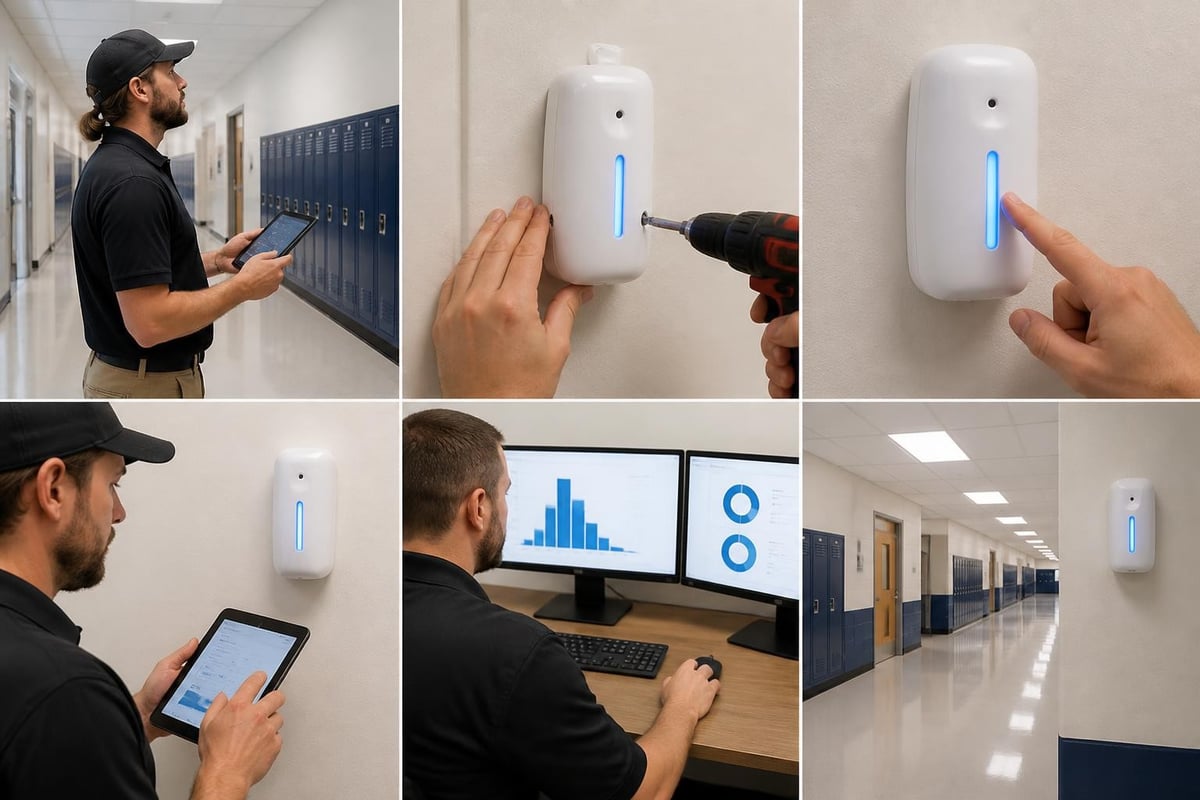
Configuration involves establishing alert recipients, setting sensitivity thresholds, and defining response protocols. Administrators typically access these settings through secure web portals or dedicated mobile applications. The network and connectivity options available for modern detection systems provide flexibility in how organisations manage their monitoring infrastructure.
Real-Time Monitoring and Alert Management
The primary advantage of a 4g vape detector lies in its ability to deliver immediate notifications when incidents occur. This real-time capability enables swift intervention, potentially catching individuals in the act and demonstrating clear consequences for policy violations. Effective alert management requires establishing clear response protocols that balance rapid intervention with practical operational constraints.
Alert Delivery Methods
Modern detection systems support multiple notification channels to ensure alerts reach appropriate personnel regardless of their location or availability. SMS messages provide the most immediate delivery method, arriving on mobile devices within seconds of detection. Email alerts suit situations where documentation and detailed reporting are priorities. Push notifications through dedicated mobile applications offer a middle ground, combining immediacy with rich data presentation.
Sophisticated systems allow tiered alert routing based on time of day, incident frequency, or location. For example, alerts during school hours might route to designated safeguarding staff, whilst evening detections notify security personnel. This intelligent routing ensures the right people receive information when they can respond most effectively.
Response Protocols and Documentation
Establishing clear response procedures maximises the deterrent effect of detection systems. Staff receiving alerts should understand exactly what actions to take, who to notify, and how to document incidents. Many organisations implement protocols that include:
- Immediate attendance at the identified location
- Documentation of individuals present
- Collection of any physical evidence
- Recording incident details in centralised systems
- Follow-up actions based on school or workplace policies
The 4g vape detector systems automatically log all detection events, creating an audit trail that supports policy enforcement and identifies patterns over time. This historical data proves invaluable when addressing repeated violations or evaluating the effectiveness of intervention strategies. Administrators can access this information through secure dashboards, generating reports that inform decision-making and policy development.
Integration with Broader Safety Systems
Advanced facilities increasingly view vape detection as one component within comprehensive safety monitoring ecosystems. A 4g vape detector can integrate with other environmental sensors, security systems, and building management platforms to provide holistic oversight. This integration creates synergies that enhance overall safety whilst streamlining administrative workflows.
Multi-Function Monitoring Capabilities
Many contemporary detection devices monitor multiple environmental parameters beyond vaping. Air quality sensors track carbon dioxide levels, temperature, humidity, and other factors affecting occupant comfort and health. Some systems incorporate sound level monitoring to detect shouting, bullying, or other anti-social behaviours. This multi-function capability maximises return on investment by addressing several monitoring needs through a single device.
The ability to detect drugs and anti-social behaviour alongside vaping makes these systems particularly valuable in educational settings. Schools implementing vape detectors for education often discover that the mere presence of monitoring technology deters various policy violations beyond just vaping.
| Monitoring Function | Detection Method | Alert Type | Common Applications |
|---|---|---|---|
| Vaping | Particulate + VOC | Immediate SMS | Schools, offices, leisure |
| Air quality | CO2 + temperature | Threshold alert | Classrooms, meeting rooms |
| Sound anomalies | Decibel monitoring | Real-time notification | Toilets, changing rooms |
| Occupancy | Motion sensors | Scheduled reports | Space utilisation analysis |
Data Analytics and Pattern Recognition
The continuous monitoring enabled by cellular connectivity generates substantial data about facility usage patterns and incident trends. Analytics platforms process this information to identify high-risk times, locations, and conditions. For instance, data might reveal that vaping incidents spike during specific break periods or in particular toilets, informing targeted intervention strategies.
Machine learning algorithms can detect subtle patterns invisible to human observers. These systems might identify correlations between environmental conditions and incident rates, or flag unusual activity patterns that warrant investigation. Over time, this analytical capability transforms detection systems from reactive tools into proactive safety resources.
Compliance and Privacy Considerations
Deploying a 4g vape detector system requires careful attention to data protection regulations and privacy expectations. Whilst these devices serve legitimate safety purposes, organisations must implement them in ways that respect individual privacy whilst maintaining effective monitoring capabilities. Understanding the regulatory landscape helps organisations deploy detection technology confidently and compliantly.
UK Data Protection Requirements
The UK General Data Protection Regulation governs how organisations collect, store, and utilise data from monitoring systems. Vape detectors that record audio or video face particular scrutiny, as these capabilities could capture personal information beyond what's necessary for detection purposes. Many organisations opt for detection systems that identify incidents without recording conversations or capturing identifying images.
Transparency represents a fundamental GDPR principle. Organisations must clearly communicate their use of detection technology through signage and policy documents. Privacy impact assessments help identify and mitigate potential risks before deployment. Consulting with data protection officers ensures that monitoring practices align with legal requirements whilst achieving safety objectives.
Balancing Detection with Privacy Rights
The design of modern vape detectors reflects privacy considerations. Unlike security cameras, these devices typically don't capture personally identifiable information during normal operation. They detect environmental conditions and substances rather than recording individuals. This approach provides effective monitoring whilst respecting privacy expectations.
Some advanced systems include privacy-preserving features such as audio analysis that detects shouting or distress without recording actual conversations. Image sensors might capture only silhouettes or motion patterns rather than identifying faces. These technological approaches enable comprehensive monitoring within appropriate privacy boundaries.
Cost Considerations and Return on Investment
Implementing a 4g vape detector system requires financial investment that organisations must justify through tangible benefits. Understanding the total cost of ownership and measuring return on investment helps decision-makers evaluate detection technology against alternative approaches to managing vaping. The analysis extends beyond hardware costs to include installation, ongoing service fees, and the value of prevented incidents.
Initial and Ongoing Costs
Hardware costs for cellular-enabled detection systems typically range from £300 to £800 per unit, depending on features and capabilities. Installation expenses vary based on facility complexity and whether organisations use internal staff or external contractors. The wireless nature of 4G systems generally reduces installation costs compared to wired alternatives.
Ongoing expenses include cellular data plans, which typically cost £5 to £15 per month per device. Cloud-based monitoring platforms may charge subscription fees for data storage, analytics, and support services. These recurring costs should factor into total ownership calculations when comparing detection systems.
Typical cost breakdown for a 10-unit installation:
- Hardware: £4,000 to £6,000
- Installation: £800 to £1,500
- Annual connectivity: £600 to £1,800
- Platform subscription: £500 to £1,200 annually
- Maintenance: £200 to £400 annually
Measuring Value and Impact
Quantifying the return on investment requires identifying both tangible and intangible benefits. Reduced vaping incidents, improved air quality, and enhanced compliance with smoke-free policies provide measurable value. Schools often track metrics such as toilet vandalism reduction, decreased fire alarm activations, and improved student health outcomes.
The deterrent effect of visible monitoring technology often exceeds the direct detection capabilities. Students and employees aware that toilet vaping prevention systems are active frequently modify behaviour even before experiencing detection. This preventive value compounds over time as cultural norms shift towards compliance.
Future Developments in Detection Technology
The field of vape detection continues evolving rapidly as sensor technology advances and artificial intelligence capabilities expand. The 4g vape detector of 2026 represents a significant improvement over earlier generations, but ongoing development promises even more sophisticated capabilities. Understanding emerging trends helps organisations make forward-looking investment decisions that accommodate future enhancements.
5G Integration and Enhanced Connectivity
As 5G networks expand across the UK, detection systems will increasingly leverage this next-generation connectivity. The higher bandwidth and lower latency of 5G enable richer data transmission, including high-resolution images and real-time video feeds when appropriate. Enhanced network capacity supports more frequent sensor readings and faster alert delivery.
The evolution towards 5G will occur gradually as network infrastructure expands. Many detection systems designed today incorporate upgrade paths that allow future migration to 5G connectivity without replacing entire installations. This forward compatibility protects organisational investments whilst positioning systems to leverage emerging capabilities.
Artificial Intelligence and Predictive Analytics
Machine learning algorithms already play important roles in reducing false positives and identifying patterns. Future systems will employ more sophisticated AI to predict high-risk situations before they occur. By analysing historical data alongside environmental conditions, schedules, and other contextual factors, predictive systems might alert administrators to elevated risk periods warranting increased supervision.

Natural language processing may enable voice-activated controls and conversational interfaces for managing detection systems. Computer vision advances could allow visual confirmation of incidents whilst preserving privacy through automated anonymisation. These technological developments will enhance detection accuracy whilst streamlining administrative workflows.
Environmental Sustainability Improvements
Growing environmental awareness drives demand for more sustainable monitoring solutions. Future 4g vape detector systems may incorporate solar panels or kinetic energy harvesting to reduce power consumption. Longer-lasting batteries, recyclable materials, and energy-efficient sensors will minimise environmental impact whilst reducing operating costs.
Manufacturers increasingly focus on device longevity and upgradability to reduce electronic waste. Modular designs allow component replacement rather than entire unit disposal when sensors or connectivity modules become outdated. This approach aligns with circular economy principles whilst providing organisations with better long-term value.
Selecting the Right Detection System
Choosing an appropriate 4g vape detector requires evaluating numerous factors including facility characteristics, budget constraints, and specific monitoring objectives. The diversity of available systems means organisations can find solutions matching their precise requirements, but this variety also complicates decision-making. A structured evaluation process helps identify optimal systems whilst avoiding costly missteps.
Essential Features and Capabilities
Certain capabilities prove essential across most applications. Multi-sensor detection combining particulate and chemical analysis provides superior accuracy compared to single-sensor systems. Cellular connectivity ensures reliable communication, but the ability to also connect via WiFi offers flexibility for locations with strong network infrastructure. Battery backup maintains operation during power disruptions.
Consider whether the system needs to monitor parameters beyond vaping. If air quality tracking or sound monitoring provide value, selecting multi-function devices eliminates the need for separate systems. Scalability matters for organisations anticipating future expansion. Systems supporting easy addition of new units without infrastructure changes accommodate growth efficiently.
Vendor Evaluation Criteria
The detection system represents only part of the solution. Vendor support, software platforms, and ongoing service quality significantly impact long-term satisfaction. Evaluate vendors based on their experience in your specific sector, whether education, corporate, or leisure. Companies like Vape Guardian specialising in UK facilities understand local regulatory requirements and usage patterns.
Key vendor evaluation factors:
- Proven track record in your facility type
- Responsive technical support availability
- Software platform usability and features
- Training and implementation assistance
- Hardware reliability and warranty terms
- Data security and privacy protections
Request demonstrations or trial installations before committing to large-scale deployments. Observing systems in actual operating conditions reveals practical considerations that specifications alone cannot convey. Speaking with existing customers provides insights into real-world performance and vendor responsiveness.
The 4g vape detector represents a powerful tool for organisations committed to maintaining safe, compliant environments in schools, offices, and leisure facilities. By combining sensitive detection technology with reliable cellular connectivity, these systems provide comprehensive monitoring without the limitations of traditional WiFi-dependent devices. Vape Guardian offers advanced detection solutions specifically designed for UK facilities, with expert support to help you select, install, and optimise the right system for your specific needs.



Share:
Secondary School Vape Detector: Complete 2026 Guide
Wireless Vape Detector: Complete Guide for UK Institutions