
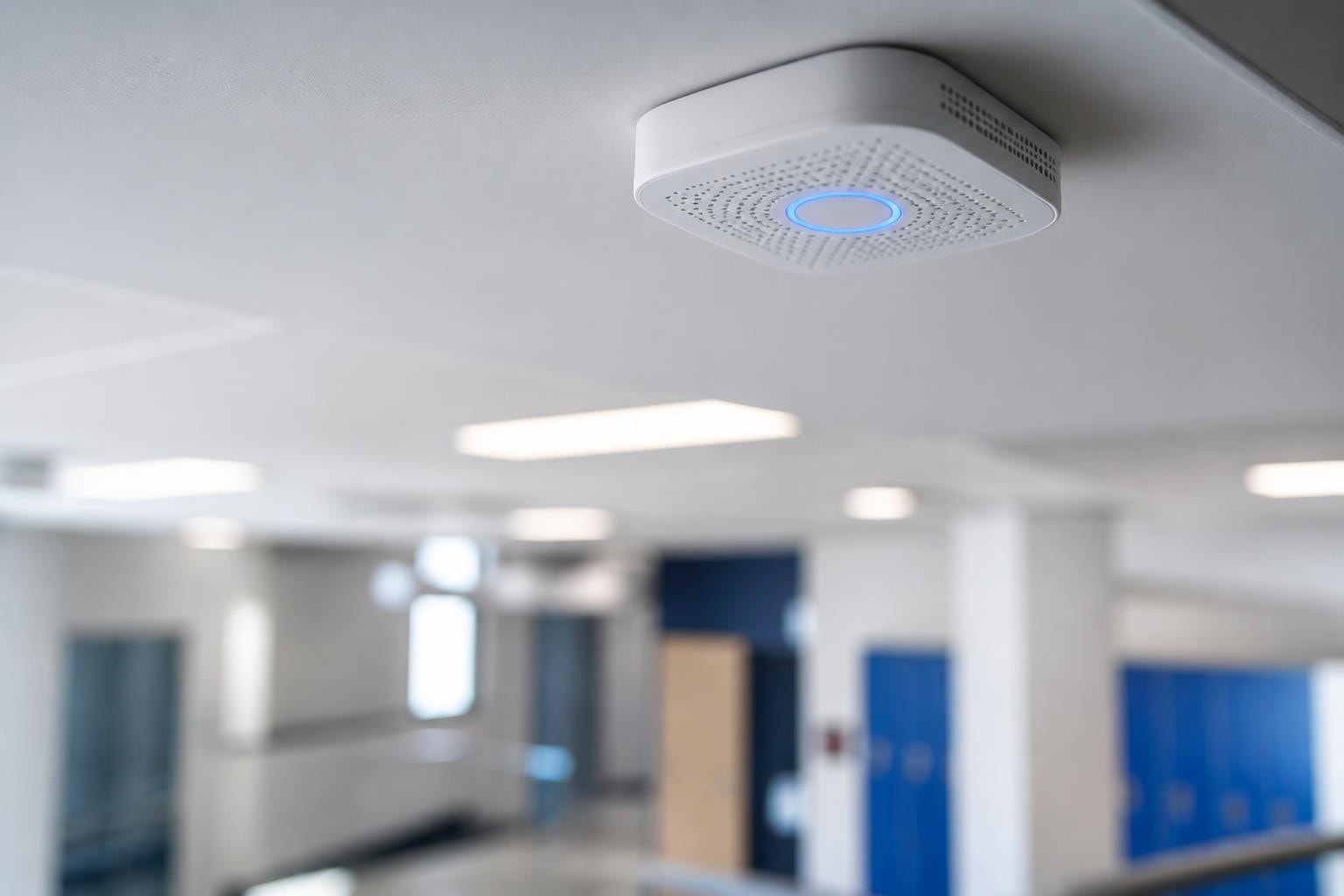
Modern institutions face a persistent challenge: detecting vaping activity in spaces where traditional supervision proves difficult. The emergence of wireless vape detection technology has transformed how schools, offices, and public facilities approach this issue, offering sophisticated monitoring capabilities without invasive measures. These advanced sensors provide real-time alerts, comprehensive data analysis, and seamless integration with existing safety systems, making them an essential tool for safeguarding health and maintaining compliance with vaping policies across the UK.
Understanding Wireless Vape Detection Technology
A wireless vape detector functions as an intelligent environmental sensor that identifies specific chemical compounds and particulate matter associated with vaping devices. Unlike basic smoke detectors, these sophisticated systems analyse air composition continuously, distinguishing between harmless aerosols and substances indicative of vaping activity. Research into wireless detection technologies has informed the development of sensors capable of identifying minute changes in air quality, enabling precise monitoring without false alarms.
The technology relies on multiple sensor types working in tandem. Particulate matter sensors detect the fine particles present in vapour clouds, whilst chemical sensors identify specific compounds found in e-liquids. Temperature and humidity sensors provide contextual data, helping to eliminate false positives caused by environmental conditions. This multi-layered approach ensures accuracy whilst minimising disruption to normal activities.
Key detection methods include:
- Laser-based particulate matter sensing for PM2.5 and PM10 levels
- Chemical compound identification through advanced air quality sensors
- Sound detection capabilities for identifying the characteristic sounds of vaping devices
- Machine learning algorithms that improve accuracy over time
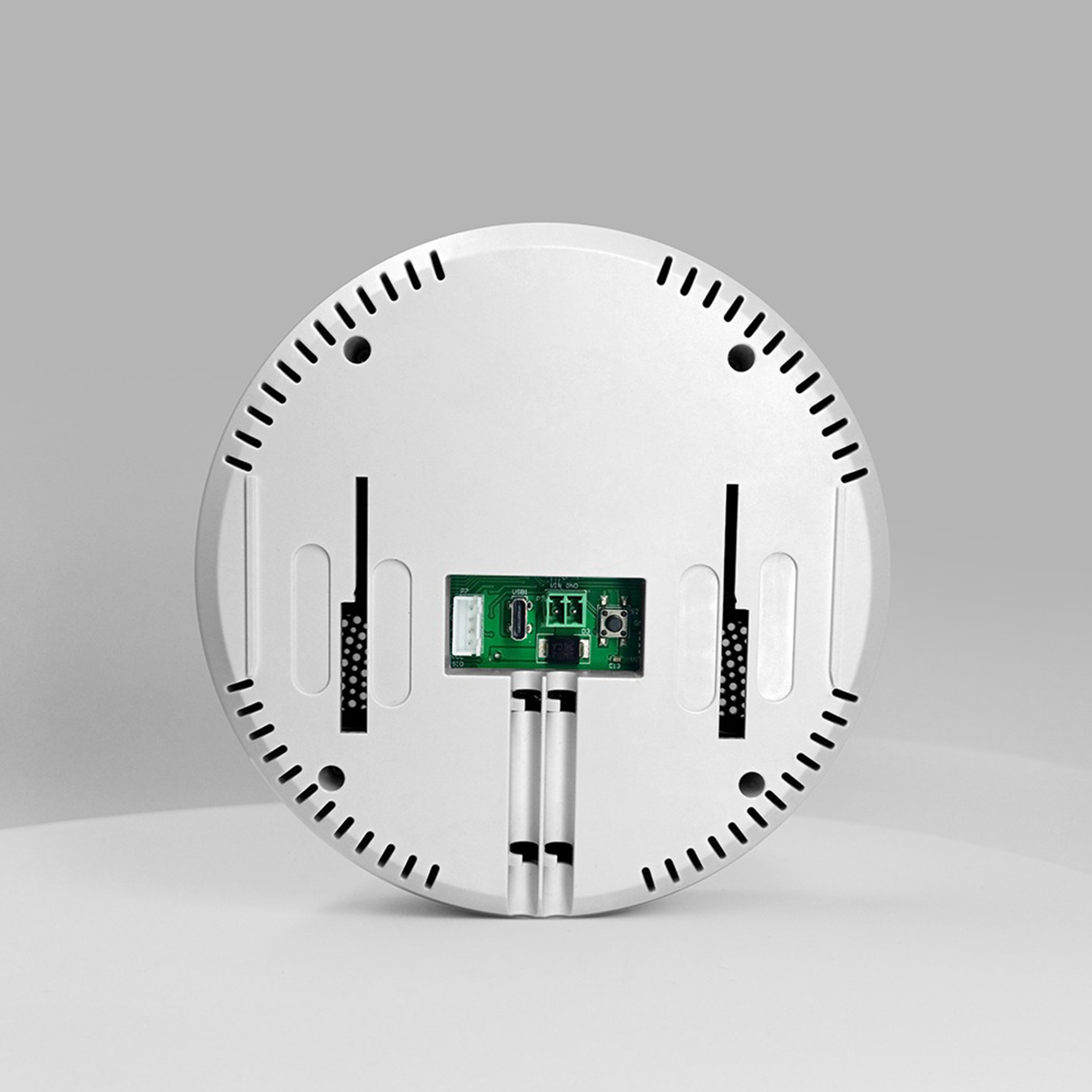
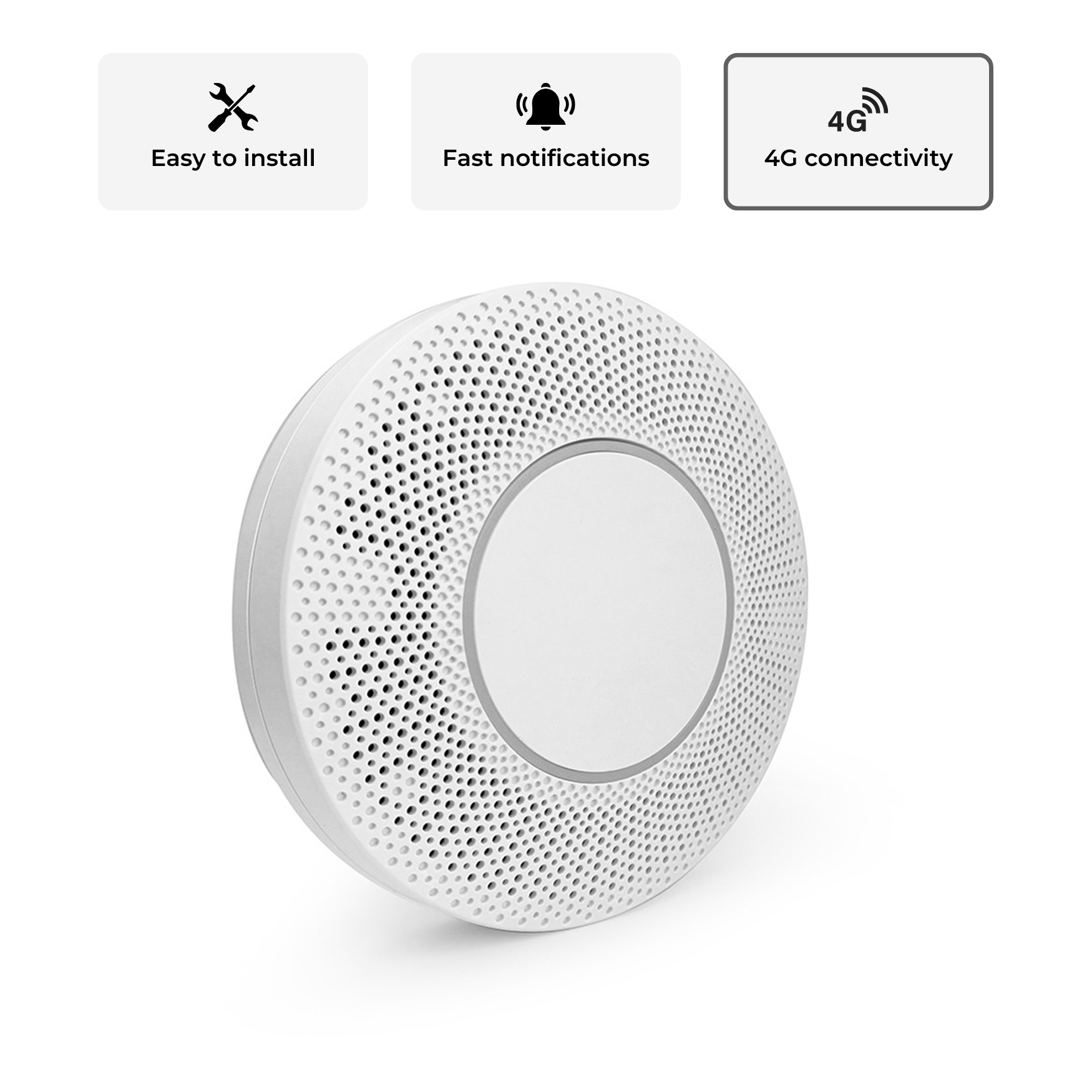
The wireless connectivity aspect represents a crucial advancement. Traditional wired systems required extensive infrastructure modifications, making installation costly and disruptive. Modern wireless vape detectors communicate via WiFi or cellular networks, transmitting data instantly to central monitoring platforms whilst operating on battery power or standard electrical connections.
Installation Flexibility and Coverage
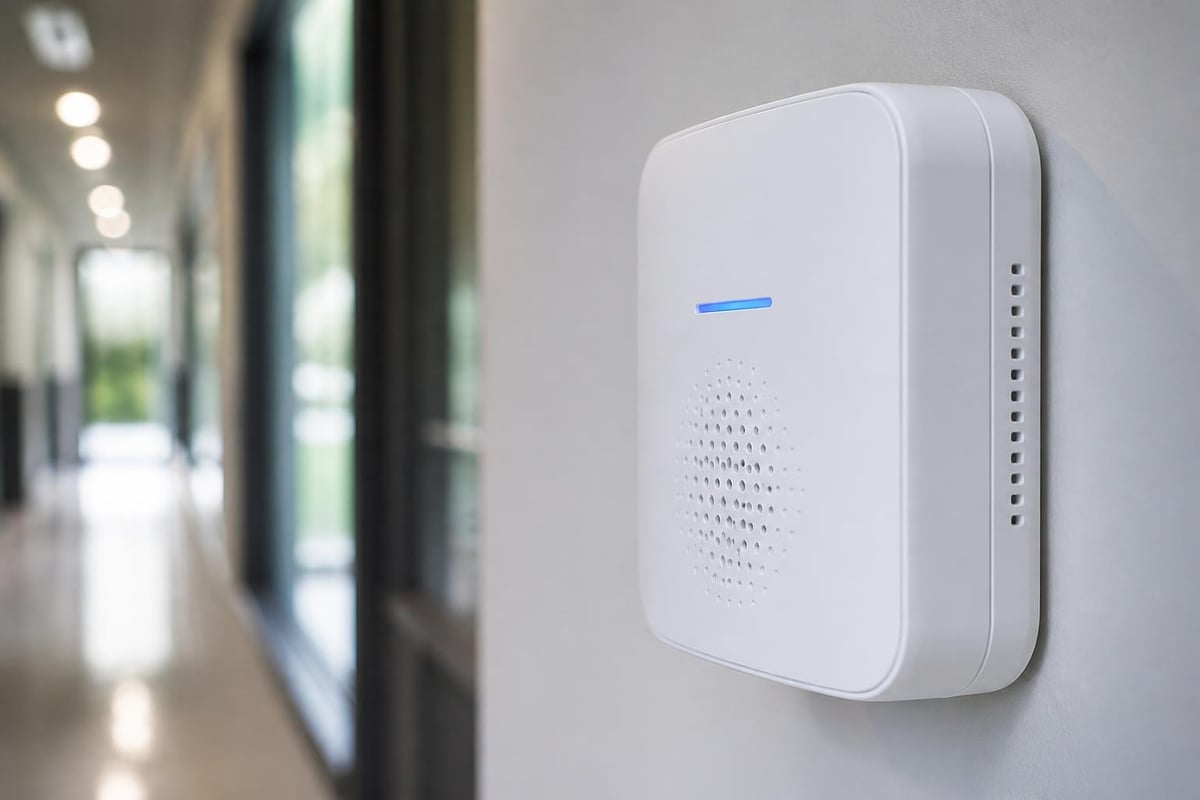
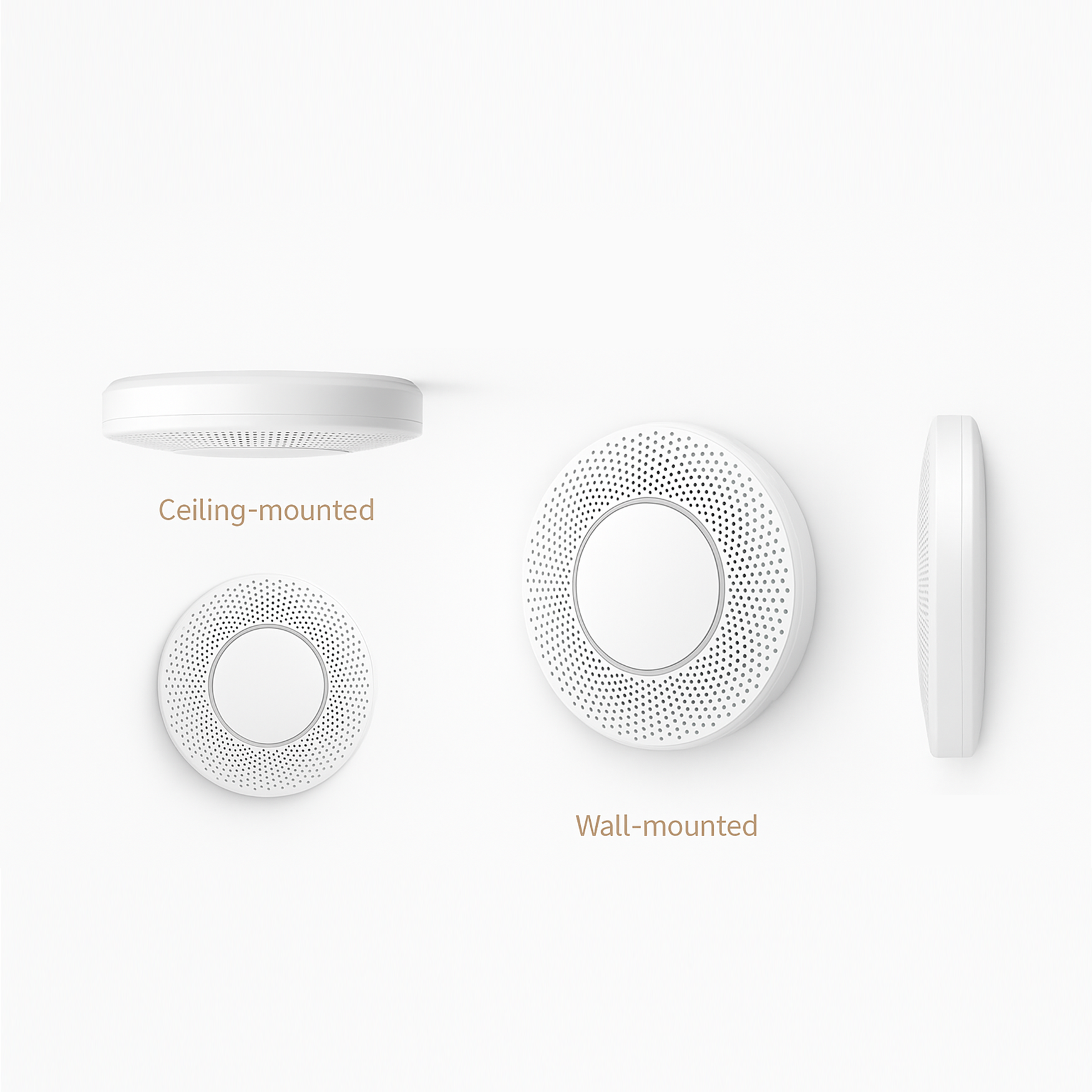
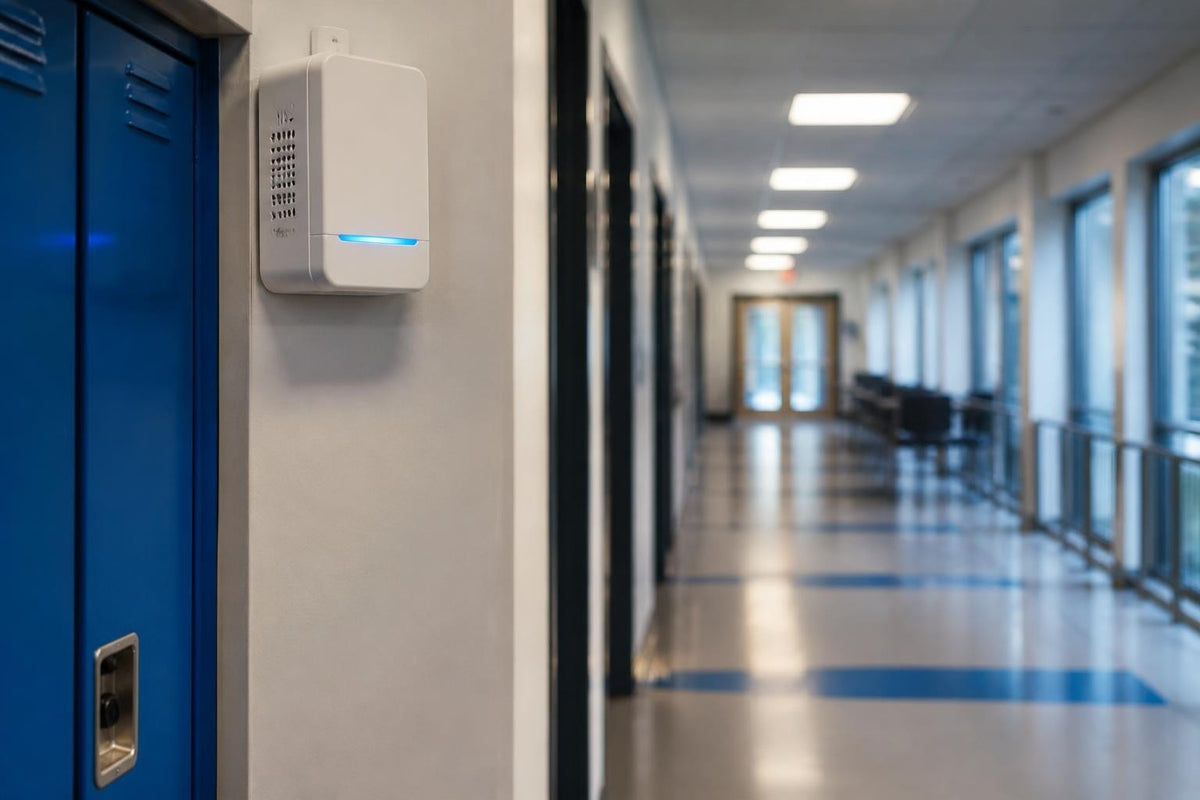
Wireless capabilities fundamentally change deployment strategies. Facilities can position sensors in optimal locations without worrying about cable runs or network drops. Bathrooms, changing rooms, stairwells, and other high-risk areas become easily monitored, even when they lack existing network infrastructure. This flexibility proves particularly valuable in historic buildings where structural modifications present challenges.
Coverage patterns vary based on sensor specifications and environmental factors. A single wireless vape detector typically monitors spaces between 100 and 200 square metres effectively, though optimal performance depends on ventilation rates, ceiling height, and room geometry. Understanding how vape detectors work helps facilities plan appropriate sensor density for comprehensive coverage.
| Installation Factor | Wired Systems | Wireless Systems |
|---|---|---|
| Setup Time | 2-4 hours per unit | 30-60 minutes per unit |
| Infrastructure Required | Network cabling, power points | WiFi access only |
| Flexibility | Limited to planned locations | Relocatable as needed |
| Maintenance Access | Requires technical expertise | Simple battery replacement |
Benefits for Educational Settings
Schools face unique pressures regarding vaping prevention. Young people increasingly experiment with vaping devices, often in concealed locations where staff supervision proves impractical. The wireless vape detector addresses this challenge by providing continuous monitoring without privacy concerns, as these sensors detect substances rather than capturing images or recording conversations.
Implementation in educational facilities demonstrates measurable results. Schools report significant reductions in vaping incidents following installation, with deterrent effects often surpassing detection capabilities. Students recognise that previously unmonitored spaces now have oversight, changing behaviour patterns even before disciplinary measures become necessary. Vape detectors designed for educational environments specifically address the needs of schools whilst maintaining appropriate privacy boundaries.
Real-Time Alert Systems
The true power of wireless technology emerges in alert capabilities. When a sensor detects vaping activity, designated staff members receive instant notifications via smartphone applications, email, or integrated management systems. This immediate response capability enables intervention whilst incidents remain in progress, rather than discovering evidence after the fact.
Alert customisation options include:
- Escalation protocols based on time of day or incident frequency
- Integration with existing security and building management systems
- Silent alerts that avoid alerting students to sensor activation
- Detailed reporting for pattern analysis and policy enforcement
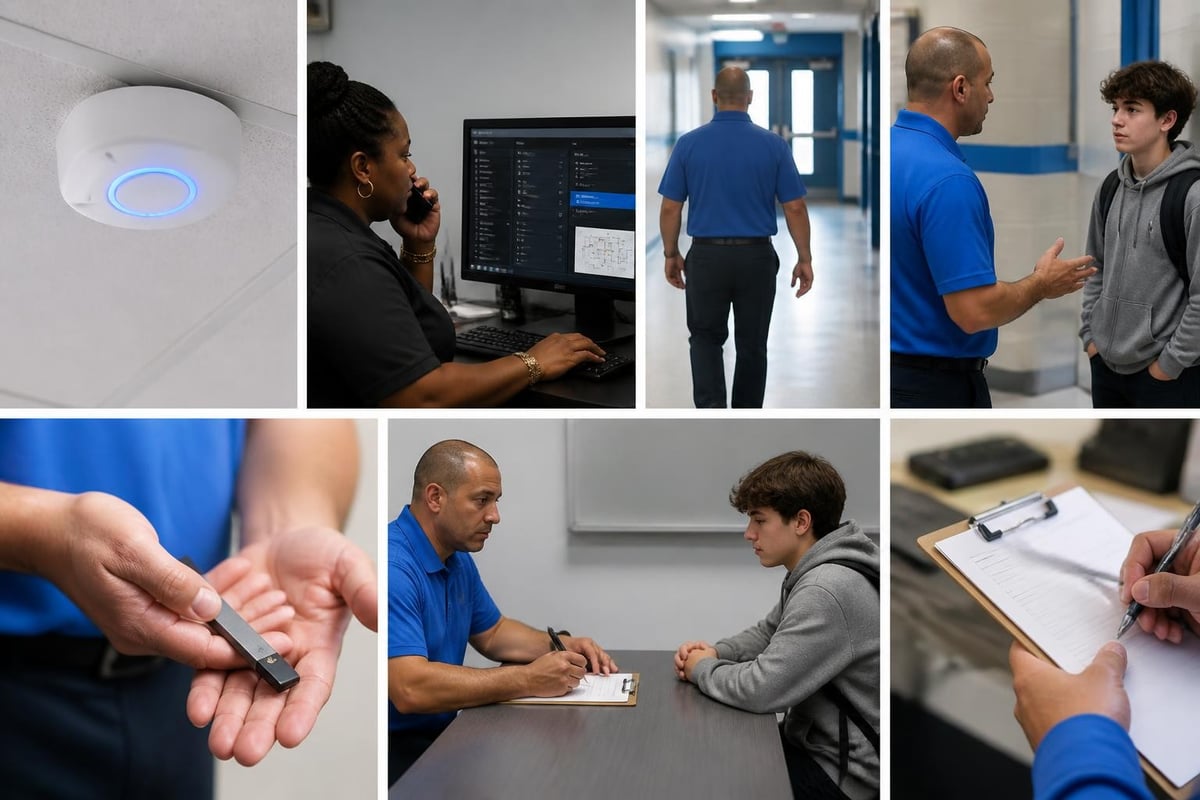
Response protocols matter as much as detection capabilities. Effective systems incorporate clear procedures for staff receiving alerts, balancing rapid intervention with appropriate investigation. Schools implementing wireless vape detectors alongside comprehensive anti-vaping policies achieve better outcomes than those relying solely on technology.
Workplace Applications and Compliance
Business environments present distinct challenges requiring tailored approaches. Whilst educational settings focus on deterrence and discipline, workplaces must balance employee privacy with health and safety obligations. The wireless vape detector serves compliance needs without creating an atmosphere of surveillance, detecting substances rather than monitoring individuals.
Industries with stringent air quality requirements particularly benefit from continuous monitoring. Manufacturing facilities handling sensitive materials, healthcare environments maintaining sterile conditions, and hospitality venues ensuring guest comfort all rely on accurate air quality data. These sensors provide verification that ventilation systems perform adequately whilst identifying localised contamination sources.
Legal compliance represents another driver. UK regulations increasingly restrict indoor vaping, placing obligations on employers and property managers to maintain vape-free environments. Documented monitoring demonstrates due diligence, protecting organisations from potential liability whilst supporting enforcement efforts. Creating vape-free workplace policies becomes more straightforward with reliable detection systems providing evidence of compliance.
Integration With Building Management Systems
Modern wireless vape detectors function as components within broader facility management ecosystems. Application programming interfaces enable data sharing with HVAC controls, security platforms, and occupancy management systems. This integration creates opportunities for automated responses, such as increasing ventilation rates when elevated particulate levels are detected.
The technology employed by advanced vape detection systems extends beyond simple vaping alerts. These sensors simultaneously monitor temperature, humidity, air quality indices, and occupancy patterns, providing comprehensive environmental data that informs facility optimisation. A single device serves multiple functions, improving return on investment whilst reducing equipment proliferation.

| Feature | Standalone Detectors | Integrated Systems |
|---|---|---|
| Data Accessibility | Device-specific apps | Centralised dashboard |
| Automation Capabilities | Manual response only | Automated HVAC adjustments |
| Historical Analysis | Limited storage | Comprehensive archives |
| Scalability | Individual unit management | Fleet management tools |
Technical Specifications and Performance Factors
Understanding technical parameters helps organisations select appropriate wireless vape detector solutions. Sensitivity settings determine detection thresholds, balancing comprehensive monitoring against false positive risks. Highly sensitive configurations catch minimal vaping activity but may trigger from aerosol cleaning products or personal care items. Calibrated settings specific to vaping signatures optimise accuracy.
Detection methods vary between manufacturers, with some prioritising particulate matter detection whilst others emphasise chemical compound identification. The most effective systems combine multiple approaches, cross-referencing data streams to confirm vaping activity before issuing alerts. This multi-factor verification substantially reduces false alarms that undermine user confidence.
Battery life considerations affect maintenance requirements. Devices operating on replaceable batteries typically function for 12 to 24 months before requiring service, whilst units with rechargeable batteries need attention every three to six months. Hybrid systems combining battery backup with hardwired power offer reliability advantages, maintaining operation during power interruptions.
Critical specifications to evaluate:
- Detection range and sensitivity thresholds
- Wireless protocol compatibility (WiFi 2.4GHz, 5GHz, cellular)
- Power options and expected operational lifespan
- Alert delivery methods and customisation flexibility
- Environmental operating ranges for temperature and humidity
- Tamper detection and physical security features
Sensor Calibration and Maintenance
Maintaining accuracy requires periodic calibration and sensor verification. Environmental factors gradually affect sensor performance, necessitating recalibration intervals typically ranging from six to twelve months. Some wireless vape detectors include self-calibration routines that maintain accuracy without manual intervention, whilst others require professional service visits.
Dust accumulation represents the primary maintenance concern. Particulate sensors exposed to high dust levels experience reduced sensitivity and potential false readings. Regular cleaning schedules, typically quarterly in standard environments, preserve performance. Facilities with elevated dust levels may require monthly attention, whilst clean office environments often function reliably with semi-annual maintenance.
Cost Considerations and Return on Investment
Financial analysis extends beyond initial purchase prices. A comprehensive wireless vape detector implementation includes hardware costs, installation labour, ongoing monitoring service fees, and maintenance expenses. Typical educational installations range from £150 to £400 per sensor, with quantity discounts available for larger deployments. Understanding complete cost structures enables accurate budgeting and realistic expectations.
Return on investment calculations should incorporate both direct savings and indirect benefits. Schools reducing vaping incidents experience fewer disciplinary proceedings, decreased cleaning requirements, and improved student health outcomes. Workplaces benefit from enhanced air quality, reduced HVAC maintenance, and demonstrable compliance with health regulations. These factors contribute to ROI that extends beyond simple cost recovery.
Subscription models versus outright purchases present different financial profiles. Monthly service agreements typically include hardware provision, monitoring platform access, software updates, and technical support. Upfront purchases require larger initial investments but eliminate ongoing fees, making them cost-effective for long-term deployments. Organisations should model both approaches against expected usage periods.
Funding and Budget Planning
Educational institutions often access dedicated funding streams for health and safety improvements. Government grants, safeguarding budgets, and facility improvement allocations may cover wireless vape detector installations. Presenting proposals that emphasise comprehensive benefits, including air quality monitoring and environmental data collection, strengthens funding applications beyond singular anti-vaping arguments.
Phased implementation strategies distribute costs across budget cycles whilst demonstrating value. Initial installations in highest-risk areas generate data supporting broader deployment. Success metrics documenting incident reductions, policy compliance improvements, and stakeholder satisfaction justify expansion investments. This approach proves particularly effective in resource-constrained environments.
| Cost Component | Typical Range | Frequency |
|---|---|---|
| Hardware per unit | £150 - £400 | One-time |
| Installation labour | £50 - £150 per unit | One-time |
| Monitoring platform | £5 - £20 per unit/month | Ongoing |
| Annual maintenance | £30 - £80 per unit | Yearly |
| Calibration service | £40 - £100 per unit | Every 12 months |
Privacy Considerations and Ethical Implementation
Deploying monitoring technology requires careful attention to privacy expectations and legal obligations. Unlike cameras that capture identifiable information, wireless vape detectors monitor environmental conditions without recording personal data. This distinction proves crucial for deployment in sensitive areas like bathrooms where traditional surveillance would violate privacy rights.
Transparency in implementation builds trust and acceptance. Communicating clearly about sensor capabilities, what they detect, and how alerts are used prevents misunderstandings and resistance. Schools should inform students and parents about detection systems as components of broader health and safety initiatives. Workplaces benefit from employee consultation during planning phases, addressing concerns before installation.
Data protection regulations apply to information collected through monitoring systems. Whilst environmental readings themselves rarely constitute personal data, incident logs linking detections to specific individuals require appropriate handling under UK GDPR. Organisations must establish clear policies governing data retention, access permissions, and usage limitations that comply with legal requirements whilst serving legitimate safety interests.
Balancing Monitoring and Autonomy
Effective wireless vape detector programmes emphasise education and support alongside enforcement. Technology identifies when policies are violated, but addressing underlying behaviours requires comprehensive approaches. Schools pairing detection with vaping prevention education achieve better long-term outcomes than those relying solely on punitive measures.
Workplace implementations should consider employee assistance programmes and cessation support. Identifying vaping activity creates opportunities for intervention conversations, offering resources to employees seeking to quit. This supportive approach maintains compliance objectives whilst demonstrating genuine concern for employee wellbeing, fostering better relationships than purely disciplinary responses.
Future Developments in Detection Technology
Wireless vape detector capabilities continue advancing as sensor technologies improve and artificial intelligence applications expand. Machine learning algorithms analyse patterns across multiple sensors, identifying anomalies that single-point detection might miss. Research into wireless physical-layer identification suggests future systems may identify specific device types, distinguishing between authorised medical inhalers and prohibited vaping devices.
Integration with broader smart building ecosystems represents another development trajectory. As facilities adopt comprehensive IoT platforms, vaping detection becomes one data stream among many informing building operations. Correlating vaping incidents with occupancy patterns, ventilation performance, and environmental conditions enables more sophisticated facility management and targeted intervention strategies.
Miniaturisation trends promise more discreet sensors requiring less frequent maintenance. Emerging battery technologies extend operational periods whilst reducing environmental impact. Solar-powered options suit facilities with appropriate lighting conditions, eliminating battery replacement entirely. These advances reduce total cost of ownership whilst improving aesthetic integration.
Emerging capabilities include:
- Enhanced chemical fingerprinting identifying specific substance types
- Predictive analytics forecasting high-risk times and locations
- Automated evidence collection supporting disciplinary procedures
- Integration with access control systems for targeted interventions
- Environmental health monitoring beyond vaping detection
Regulatory Evolution and Technology Response
Vaping regulations continue evolving as authorities respond to public health concerns. Changes to UK vaping laws create new compliance obligations for institutions, driving wireless vape detector adoption. Technology providers adapt systems to meet emerging requirements, ensuring deployed solutions remain compliant as standards change.
International standards organisations are developing testing protocols and performance benchmarks for vaping detection systems. These standards will help purchasers evaluate competing products objectively, whilst giving manufacturers clear targets for development efforts. Certification programmes based on standardised testing will provide confidence that systems perform as advertised.
Implementation Best Practices
Successful wireless vape detector programmes begin with clear objectives and stakeholder engagement. Organisations should define what they hope to achieve, whether complete elimination of vaping activity, compliance documentation, or behavioural change over time. These objectives shape deployment strategies, alert protocols, and success metrics.
Site surveys identify optimal sensor locations based on risk assessment, architectural features, and coverage requirements. Understanding bathroom-specific challenges proves particularly important, as these spaces present unique ventilation patterns and privacy considerations. Professional installation ensures proper positioning, secure mounting, and reliable network connectivity.
Implementation steps:
- Conduct risk assessment identifying priority monitoring areas
- Engage stakeholders including staff, students, or employees
- Select appropriate hardware based on environmental conditions
- Develop response protocols and train relevant personnel
- Install sensors according to manufacturer specifications
- Configure alert systems and test functionality
- Communicate programme details to affected populations
- Monitor performance and refine protocols based on results
Training and Response Protocols
Personnel receiving alerts require clear guidance on appropriate responses. Protocols should address immediate actions, investigation procedures, evidence documentation, and escalation pathways. Regular training ensures staff confidence when responding to incidents, whilst periodic reviews identify process improvements based on operational experience.
Different incident types warrant varied responses. First-time detections might trigger warnings and educational conversations, whilst repeated violations in specific locations suggest persistent problems requiring enhanced measures. Flexible protocols accommodate contextual factors whilst maintaining consistency in enforcement. Documentation practices should balance thoroughness with efficiency, capturing necessary information without creating excessive administrative burdens.
Wireless vape detector technology provides institutions with powerful tools for maintaining healthy environments and enforcing vaping policies effectively. By combining sophisticated sensing capabilities with convenient wireless connectivity, these systems offer comprehensive monitoring without invasive surveillance or extensive infrastructure requirements. Whether protecting students in educational settings, ensuring workplace compliance, or maintaining air quality in public spaces, wireless detection delivers measurable value through immediate alerts, detailed analytics, and reliable performance. Vape Guardian specialises in advanced vaping detection solutions tailored to UK institutions, offering expert guidance, professional installation support, and ongoing service that ensures your investment delivers lasting protection and peace of mind for your community.



Share:
4G Vape Detector Technology: Complete UK Guide 2026
Vape Detector UK: Complete Guide for 2026