
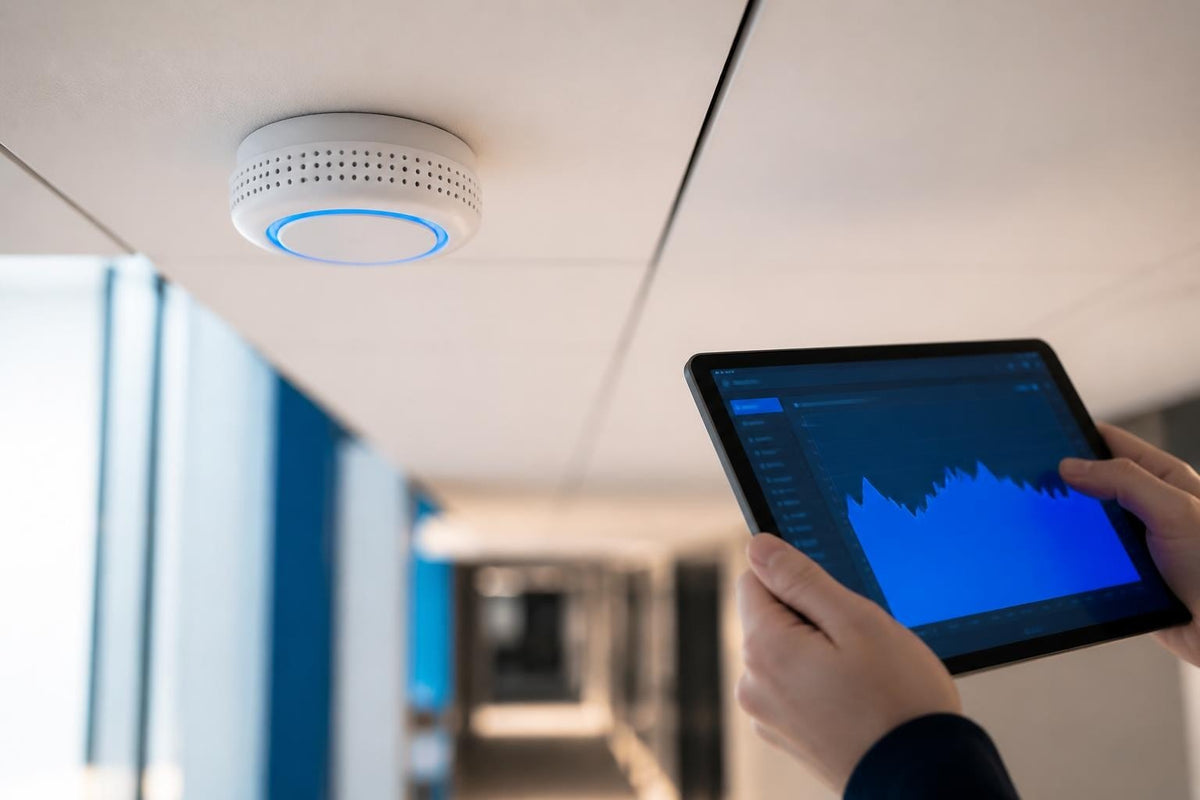
Modern safety challenges require modern solutions. The rise of vaping in schools, workplaces, and public facilities has created an urgent need for effective detection methods that don't compromise privacy or require constant manual monitoring. Cloud based vape detector technology has emerged as the definitive answer, offering organisations the ability to monitor multiple locations simultaneously whilst receiving instant notifications when vaping incidents occur. These sophisticated systems combine advanced sensor technology with internet connectivity to deliver comprehensive protection that adapts to the unique requirements of any environment.
Understanding Cloud Based Vape Detection Technology
A cloud based vape detector operates fundamentally differently from traditional standalone devices. Rather than functioning as an isolated unit, these systems connect directly to internet infrastructure, transmitting data to secure cloud servers where sophisticated algorithms process information and trigger appropriate responses.
The core technology relies on multiple sensor types working in concert. Particulate matter sensors detect the microscopic particles released during vaping, whilst chemical sensors identify specific compounds found in e-liquid vapour. When these sensors detect predetermined thresholds, the system immediately uploads this data to the cloud platform where administrators receive real-time notifications.
Key Components of Cloud Infrastructure
The cloud architecture supporting these detection systems consists of several essential layers:
- Edge devices: Physical sensors installed in monitored locations
- Secure transmission protocols: Encrypted data pathways between sensors and servers
- Cloud processing engines: Sophisticated algorithms that analyse incoming data
- User interface dashboards: Web-based platforms for monitoring and configuration
- Alert distribution systems: Multiple notification channels including email, SMS, and mobile apps
What distinguishes cloud based systems from traditional approaches is their ability to scale effortlessly. Adding new sensors doesn't require complex infrastructure changes or expensive on-site servers. Each device simply connects to the existing cloud platform, instantly expanding your monitoring capabilities.

Advantages Over Traditional Detection Methods
Traditional vape detection often relied on visual monitoring or manual inspections, both labour-intensive and ineffective. The shift to cloud based vape detector systems has revolutionised how organisations approach this challenge.
Real-Time Response Capabilities
Cloud connectivity enables instant awareness. The moment a sensor detects vaping activity, designated staff members receive notifications within seconds. This immediate alerting allows for swift intervention, often catching incidents as they occur rather than discovering them hours or days later.
Centralised Management Benefits
Managing multiple locations becomes remarkably straightforward with cloud based systems. A facilities manager overseeing fifty buildings can monitor every sensor from a single dashboard, adjusting sensitivity levels, reviewing historical data, and generating compliance reports without visiting each site individually.
| Feature | Traditional Detectors | Cloud Based Systems |
|---|---|---|
| Real-time alerts | Limited | Instant across multiple channels |
| Remote management | Requires site visits | Accessible anywhere with internet |
| Data analytics | Minimal | Comprehensive historical trends |
| Scalability | Difficult and expensive | Add devices seamlessly |
| Maintenance updates | Manual firmware updates | Automatic over-the-air updates |
The advanced environmental monitoring capabilities of modern cloud based vape detector systems extend beyond simple detection, often incorporating air quality measurements and other environmental parameters.
Deployment Scenarios Across Different Sectors
Different environments present unique challenges that cloud based vape detector technology addresses with remarkable versatility.
Educational Institutions
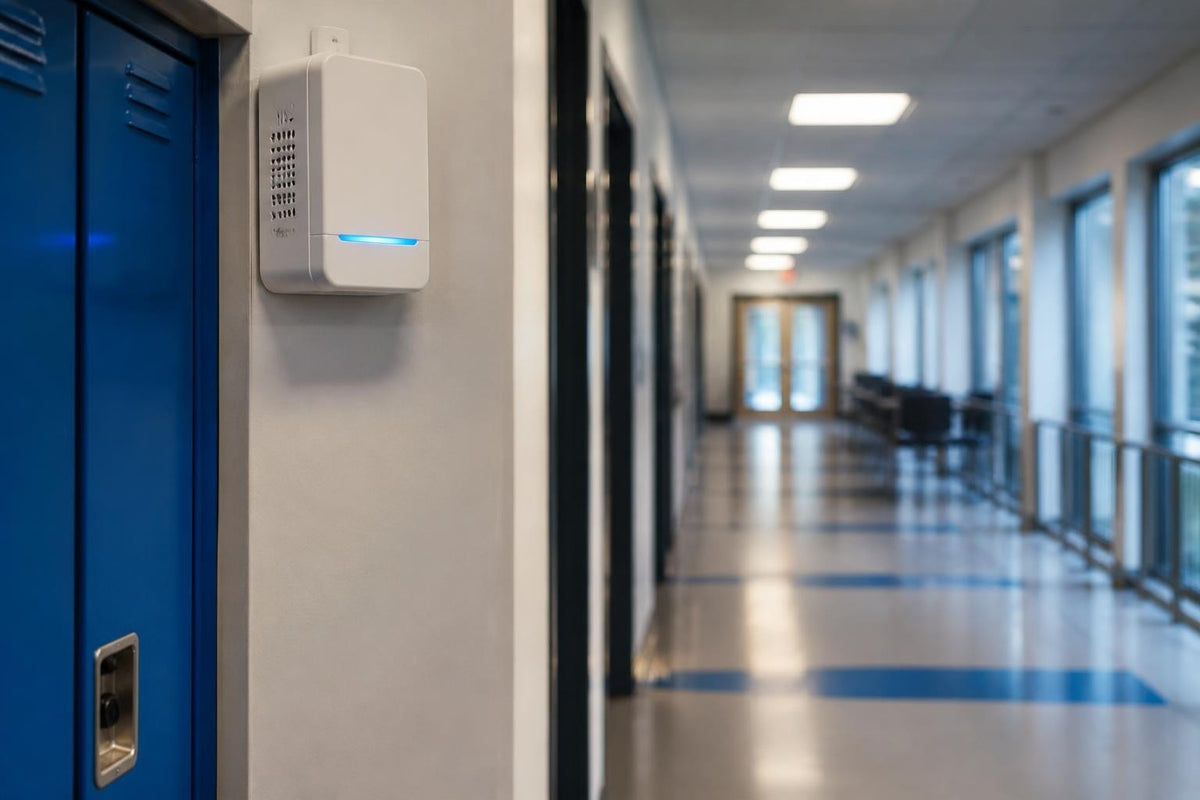
Schools face particular pressure to combat teenage vaping. Bathrooms, changing rooms, and other private areas where traditional surveillance cameras cannot operate become problematic hotspots. Cloud based sensors provide coverage in these sensitive locations whilst respecting privacy, as they detect chemical signatures rather than capturing visual imagery.
The school anti-vaping solutions demonstrate how educational settings benefit from both deterrence and early intervention capabilities. When students know detection systems are present, vaping incidents often decrease significantly. For those who do attempt to vape, immediate staff notification allows for prompt counselling and support rather than delayed disciplinary action.
Corporate Workplaces
Office environments increasingly require vape-free policies to maintain air quality and support employees with respiratory sensitivities. Cloud based detection systems allow property managers to monitor multiple floors or buildings simultaneously, ensuring compliance without dedicating staff to constant patrols.
Understanding how vape detectors work reveals why they're particularly suitable for professional environments where discretion and reliability are paramount. The systems operate silently, maintaining a professional atmosphere whilst providing robust protection.

Leisure and Retail Spaces
Entertainment venues, shopping centres, and hospitality businesses must balance customer experience with health and safety compliance. A cloud based vape detector provides unobtrusive monitoring that doesn't impact the guest experience whilst ensuring facilities remain compliant with no-vaping policies.
The flexibility of leisure and retail applications showcases how these systems adapt to environments with varying footfall patterns and occupancy levels.
Technical Implementation and Integration
Successful deployment of a cloud based vape detector system requires careful planning around several technical considerations.
Network Requirements
Cloud based systems demand reliable internet connectivity. Most modern sensors support multiple connection methods:
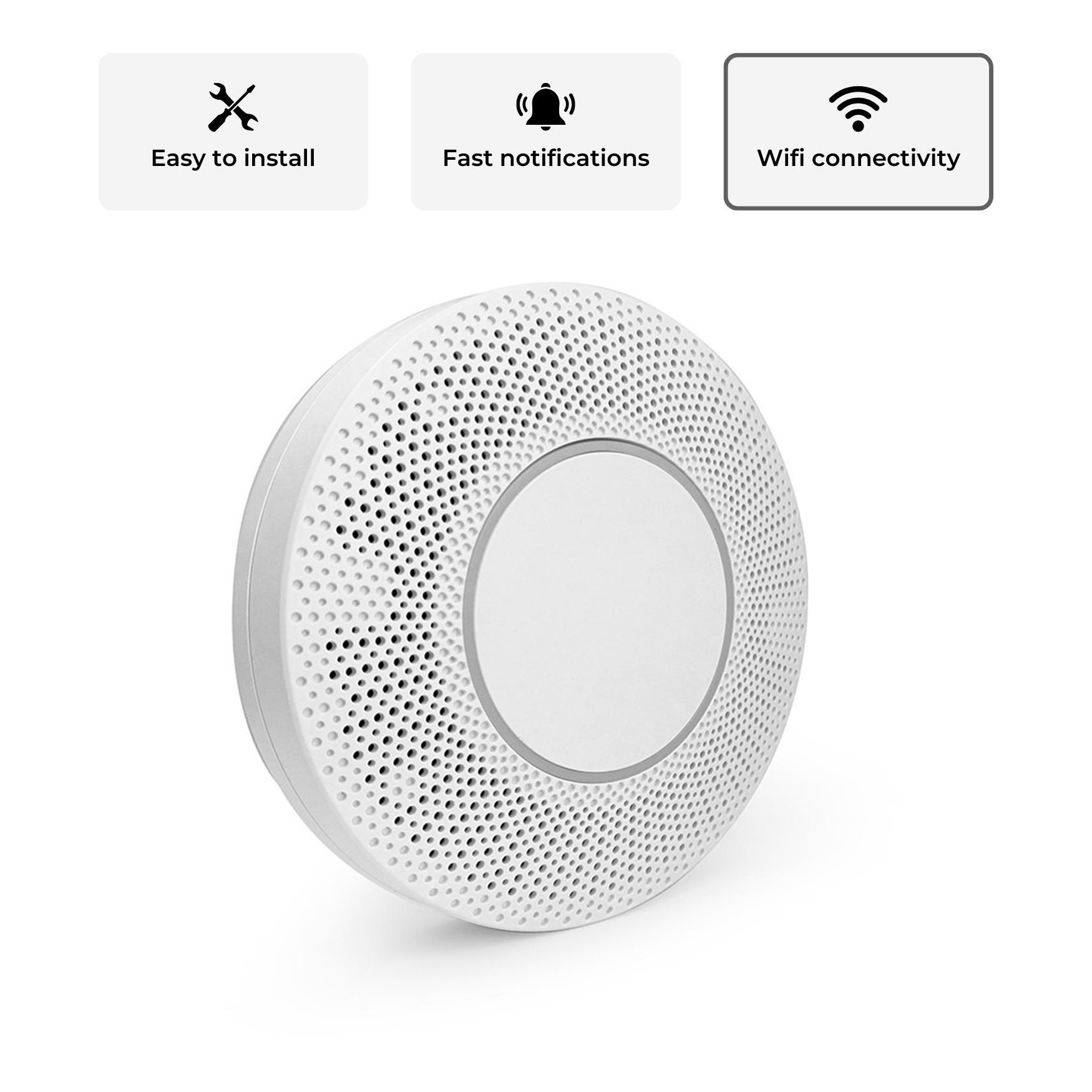
- Wi-Fi connectivity: Integrates with existing wireless infrastructure
- Ethernet connections: Provides stable, high-speed data transmission
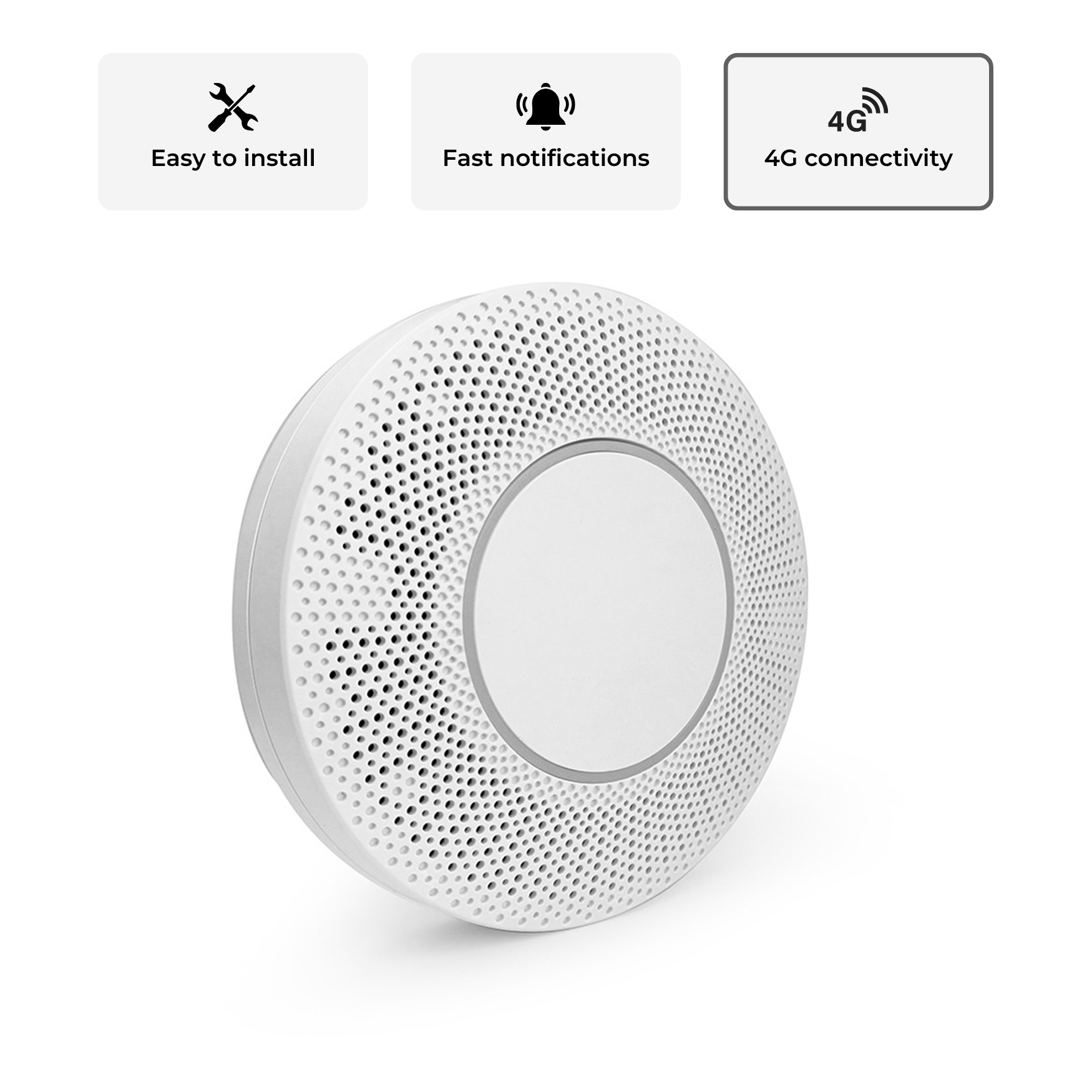
- 4G/5G cellular: Ensures functionality in locations without traditional network access
- Hybrid failover: Automatically switches between connection types for maximum uptime
The importance of robust network and connectivity cannot be overstated. A sensor without reliable internet access loses its primary advantage over standalone devices.
Integration with Existing Systems
Modern cloud platforms offer extensive integration capabilities. Many organisations connect their vape detection systems with:
- Building management systems for coordinated environmental control
- Access control platforms to correlate detection events with entry records
- Incident management software for streamlined response workflows
- Analytics platforms for comprehensive facility usage insights
Centralised cloud control systems demonstrate how vape detection becomes one component of a broader environmental safety strategy.
Data Analytics and Reporting Capabilities
The true power of cloud based vape detector systems lies not just in detection but in the insights they provide through data accumulation and analysis.
Pattern Recognition and Trend Analysis
Over time, cloud platforms accumulate substantial datasets revealing patterns invisible to manual observation. Administrators can identify:
- Peak incident times: Discovering when vaping most commonly occurs
- Location hotspots: Identifying specific areas requiring additional attention
- Seasonal variations: Recognising how incidents fluctuate throughout the year
- Intervention effectiveness: Measuring whether policy changes reduce incidents
This analytical capability transforms reactive detection into proactive prevention. When data reveals that vaping incidents spike during specific periods, organisations can deploy additional resources or enhanced communication during those times.
Compliance Documentation
For educational institutions and regulated businesses, demonstrating compliance efforts is essential. Cloud platforms automatically generate detailed reports showing:
| Report Type | Information Included | Frequency Options |
|---|---|---|
| Incident summaries | Detection events, locations, timestamps | Daily, weekly, monthly |
| Response metrics | Alert delivery times, acknowledgement rates | As needed |
| Environmental trends | Air quality measurements, historical comparisons | Quarterly, annual |
| System health | Sensor status, connectivity uptime, maintenance needs | Real-time dashboards |
These comprehensive records provide irrefutable evidence of due diligence, protecting organisations during audits or investigations.
Privacy Considerations and Compliance
Implementing any monitoring system raises legitimate privacy questions that responsible organisations must address thoughtfully.
Privacy by Design
Quality cloud based vape detector systems respect privacy through their fundamental design. Unlike cameras that capture identifiable imagery, these sensors detect only chemical signatures and environmental conditions. They identify what is occurring, not who is responsible, allowing for policy enforcement without invasive surveillance.
The HALO Smart Sensor approach exemplifies privacy-conscious detection, providing accurate incident identification without microphones or cameras that could compromise personal privacy.
Data Protection and Security
Cloud platforms handling detection data must implement robust security measures:
- End-to-end encryption for all data transmission
- Secure authentication protocols with multi-factor options
- Regular security audits and penetration testing
- Compliance with GDPR and other data protection regulations
- Clear data retention policies and automated deletion schedules
Organisations deploying these systems should verify that providers maintain appropriate certifications and demonstrate transparent security practices.

Advanced Features Distinguishing Premium Systems
As cloud based vape detector technology matures, premium systems incorporate increasingly sophisticated capabilities that deliver exceptional value.
Multi-Hazard Detection
Leading systems detect far more than vaping alone. The same sensor array often identifies:
- Traditional cigarette smoke
- Cannabis and THC vapour
- Excessive noise levels indicating altercations
- Abnormal temperature fluctuations
- Poor air quality from various sources
- Tamper attempts on the device itself
This comprehensive monitoring transforms a single-purpose vape detector into a versatile safety tool protecting against multiple threats simultaneously. The Vape Detection System exemplifies this multi-threat approach, detecting vaping, drug use, and anti-social behaviour through a single integrated platform.

Machine Learning Enhancement
Artificial intelligence capabilities allow modern systems to continuously improve accuracy. Machine learning algorithms analyse thousands of detection events, learning to distinguish between actual vaping incidents and false positives caused by aerosols, cleaning products, or other environmental factors.
This intelligent refinement means newer cloud based vape detector installations become more accurate over time, requiring less manual adjustment and generating fewer nuisance alerts that can lead to staff complacency.
Customisable Alert Protocols
Different situations demand different responses. Advanced cloud platforms allow administrators to create sophisticated alert rules:
- Escalation pathways: Initial alerts to on-site staff, then supervisors if unacknowledged
- Location-specific protocols: Different response procedures for bathrooms versus common areas
- Time-based variations: Adjusted sensitivity during high-traffic periods
- Severity thresholds: Minor alerts for borderline detections, urgent notifications for clear violations
- Integration triggers: Automatic actions like locking doors or activating additional recording devices
This flexibility ensures that response procedures match organisational culture and operational requirements rather than forcing organisations to adapt to rigid system limitations.
Installation and Setup Considerations
Successful cloud based vape detector implementation begins with thoughtful planning and proper installation.
Optimal Sensor Placement
Strategic positioning maximises detection effectiveness whilst minimising unnecessary alerts. Best practices include:
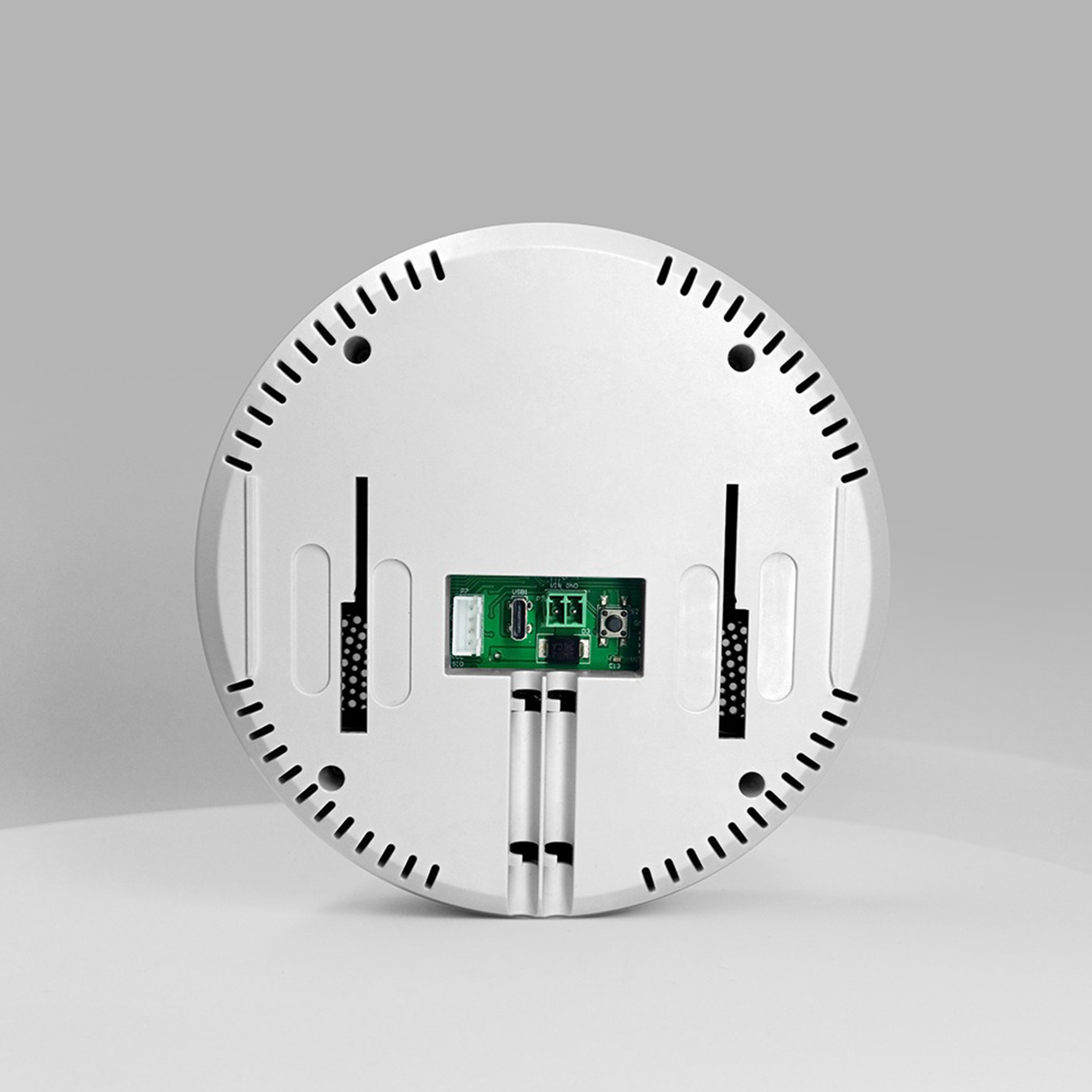
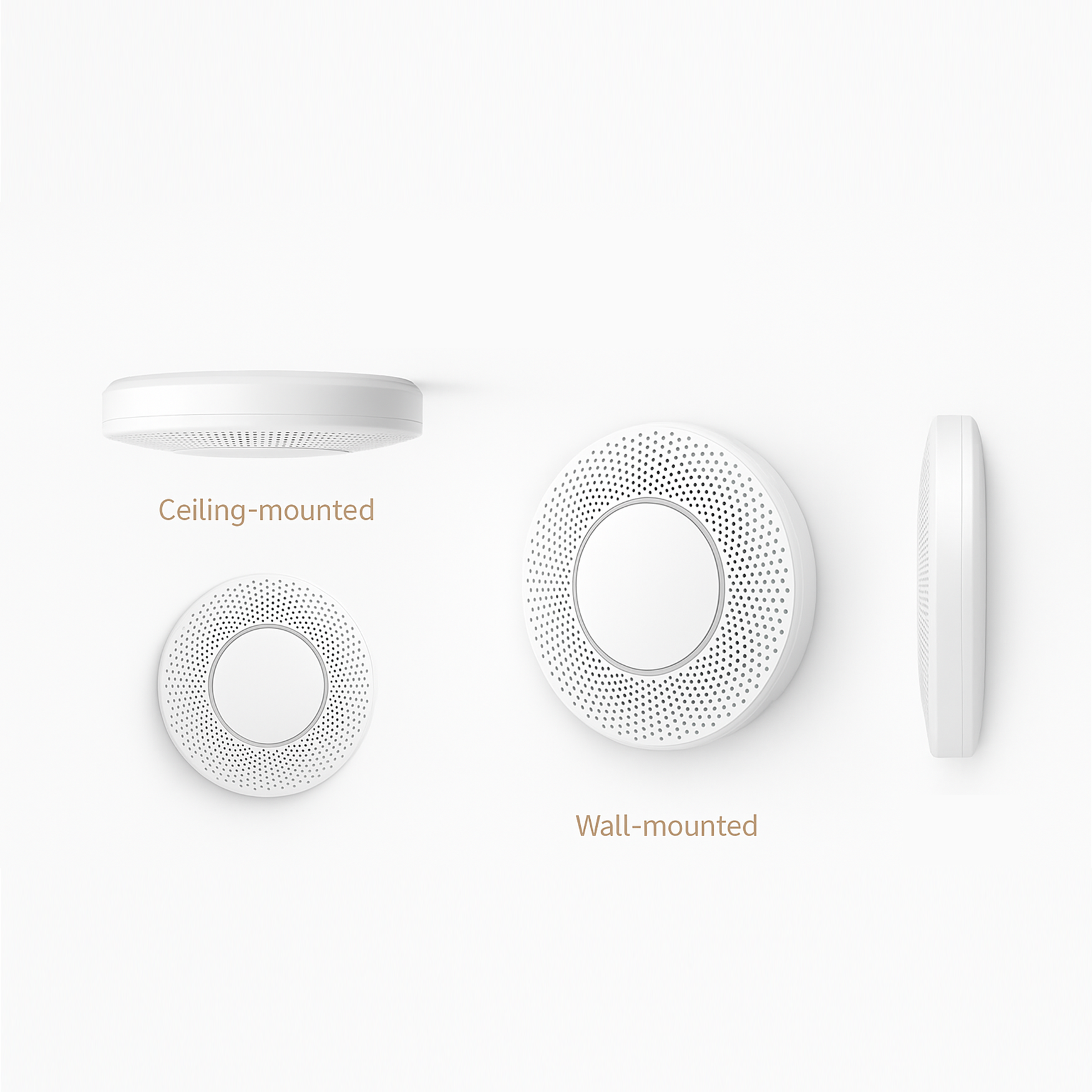
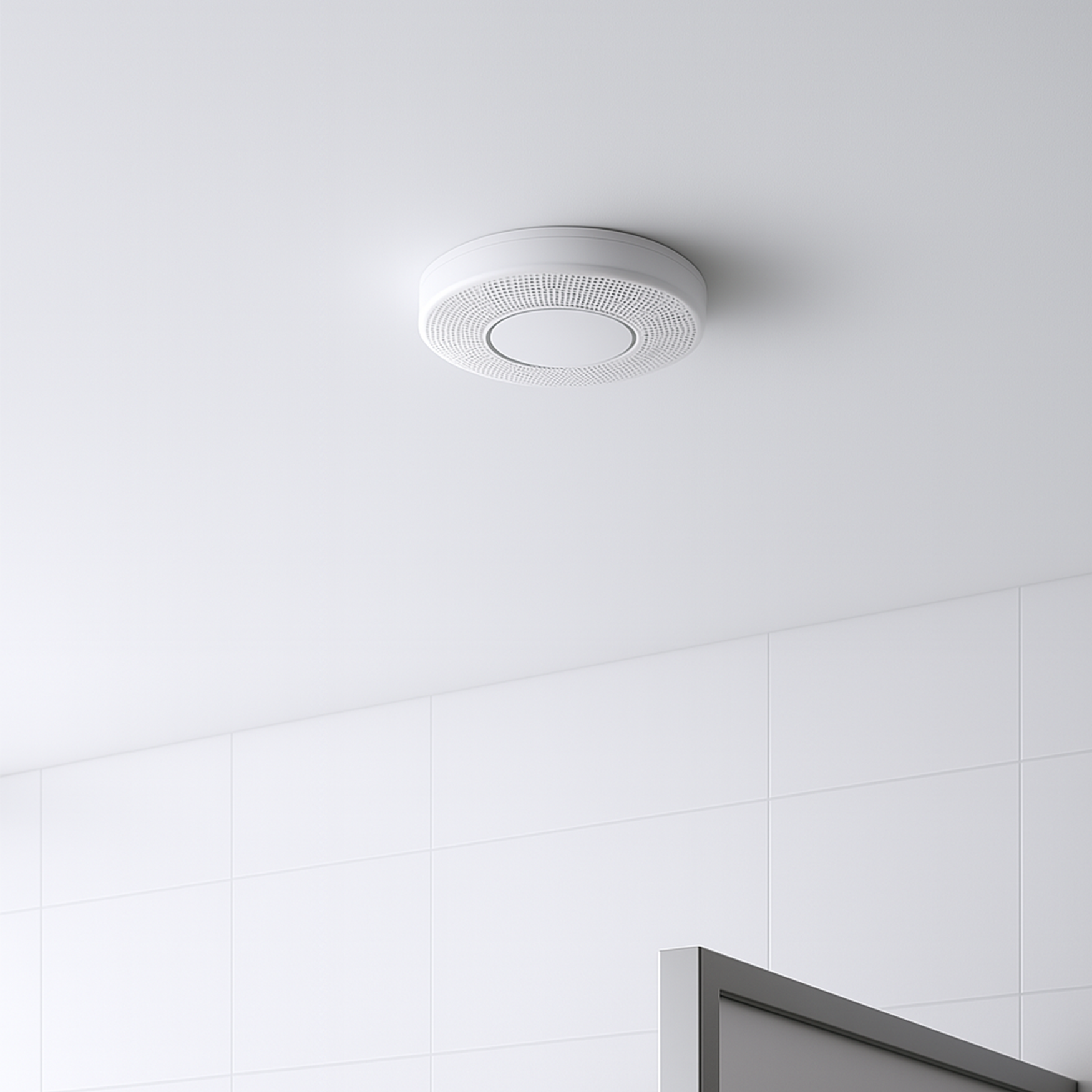
- Height recommendations: Most sensors perform optimally when mounted on ceilings where vapour naturally rises
- Coverage areas: Understanding each sensor's effective range to avoid gaps or excessive overlap
- Airflow awareness: Considering ventilation patterns that might disperse vapour before detection
- Privacy zones: Respecting areas where monitoring would be inappropriate or illegal
Consultation with experienced installers ensures sensors are positioned to maximise detection probability whilst respecting practical constraints.
Configuration and Calibration
Initial system setup requires careful attention to sensitivity levels. Overly sensitive configurations generate excessive false positives, whilst insufficient sensitivity allows incidents to go undetected. Quality cloud platforms offer:
- Guided calibration processes
- Environmental baseline establishment
- Test mode functionality for validation
- Remote adjustment capabilities
- Manufacturer support during initial commissioning
The sensor setup process should be documented thoroughly, establishing baseline configurations that can be referenced if issues arise later.
Ongoing Maintenance and System Health
Cloud connectivity transforms maintenance from a burden into a streamlined process.
Remote Diagnostics
Cloud platforms continuously monitor sensor health, detecting issues before they impact detection capabilities:
- Battery levels in wireless sensors
- Connectivity strength and stability
- Sensor calibration drift
- Environmental condition anomalies
- Software version currency
Administrators receive proactive alerts when maintenance needs arise, allowing scheduled interventions rather than reactive emergency repairs.
Automatic Updates
One of the most valuable aspects of cloud based systems is seamless software enhancement. When manufacturers develop improved detection algorithms, fix bugs, or add new features, updates deploy automatically to all connected sensors without requiring site visits or manual intervention.
This ensures that every installation benefits from the latest technological advances, maintaining peak performance throughout the system's operational life.
Cost Considerations and Return on Investment
Understanding the financial implications of cloud based vape detector systems requires examining both direct costs and broader value delivered.
Investment Components
Comprehensive budgeting should account for:
- Hardware costs: Initial sensor purchase prices
- Subscription fees: Ongoing cloud platform access charges
- Installation expenses: Professional mounting and configuration services
- Network infrastructure: Any required connectivity upgrades
- Training investment: Staff education on system operation
Whilst cloud based systems may require higher initial investment than basic standalone detectors, the total cost of ownership often proves lower when considering maintenance efficiencies, scalability advantages, and enhanced effectiveness.
Value Delivered
Financial return extends beyond simple cost recovery. Organisations implementing cloud based vape detector systems often realise:
- Reduced incident rates: Deterrence effect from known monitoring presence
- Compliance assurance: Avoiding fines or legal liability from inadequate policies
- Staff efficiency: Eliminating manual monitoring patrols
- Data-driven improvements: Insights enabling targeted policy enhancements
- Reputation protection: Demonstrating proactive safety commitment to stakeholders
Case studies from various sectors demonstrate measurable improvements in safety metrics following cloud based detection system deployment.
Future Developments in Cloud Based Detection
The trajectory of vape detection technology points towards increasingly sophisticated and integrated solutions.
Emerging Capabilities
Research into vaping deposition markers may enable detection of residual vaping traces even after the act itself has concluded, providing additional evidence of policy violations.
Integration with occupancy tracking could correlate vaping incidents with approximate numbers of occupants, helping identify whether isolated individuals or groups are responsible for violations.
Enhanced chemical analysis may soon distinguish between different e-liquid compositions, potentially identifying specific substances of concern like THC or synthetic compounds.
Standardisation and Regulation
As cloud based vape detector adoption increases, industry standards are emerging around detection accuracy, data security, and privacy protection. Organisations should prioritise systems from manufacturers committed to compliance with evolving standards and regulations.
The technology continues advancing rapidly, with manufacturers regularly introducing innovations that improve detection accuracy, reduce false positives, and expand monitoring capabilities beyond vaping alone. Cloud connectivity ensures existing installations can benefit from these advances through simple software updates rather than requiring hardware replacement.
Cloud based vape detector systems represent the most effective approach to monitoring vaping activity across educational, commercial, and leisure environments whilst respecting privacy and enabling data-driven policy improvements. By combining sophisticated sensor technology with the accessibility and scalability of cloud platforms, these systems deliver comprehensive protection that adapts to each organisation's unique requirements. Vape Guardian provides advanced detection solutions specifically designed for UK schools, offices, and public spaces, offering real-time alerts and comprehensive monitoring that creates safer environments whilst supporting compliance efforts through reliable technology and dedicated customer support.


Share:
School Air Quality Sensor: Essential Guide 2026
Vape Detector Review Guide: Expert Insights for 2026