
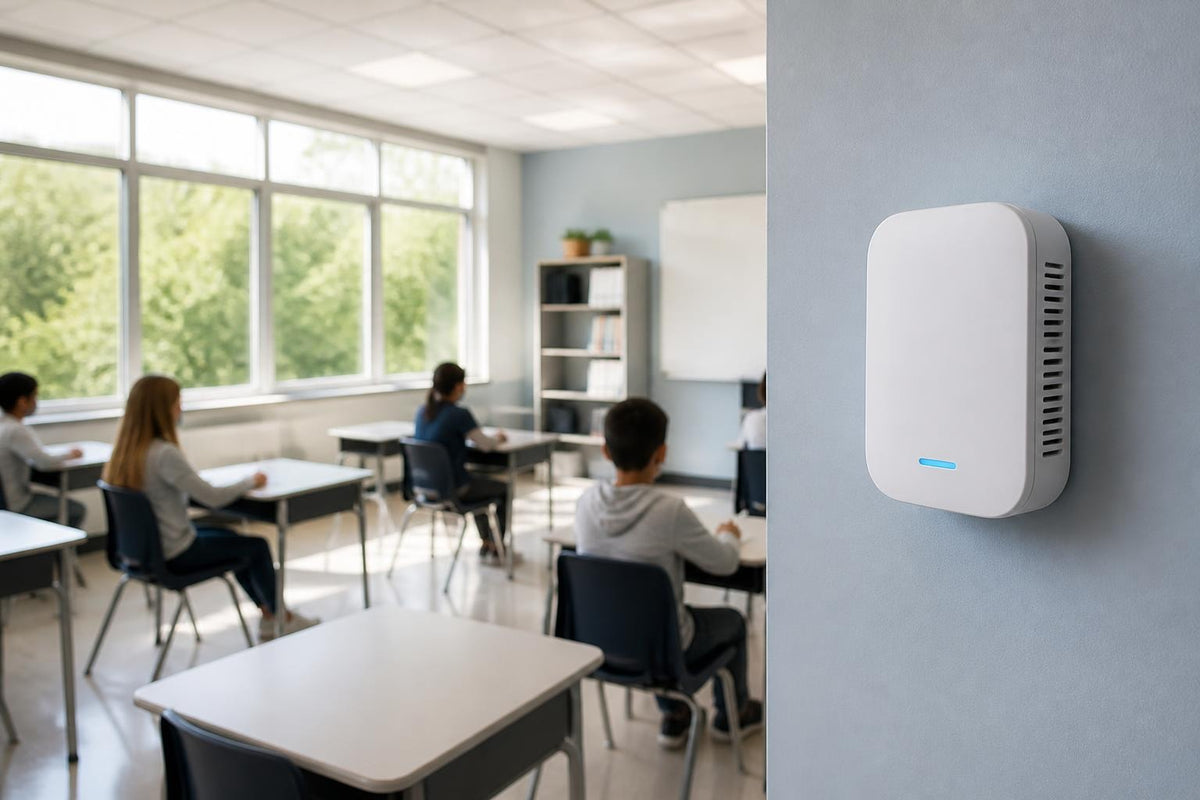
Indoor air quality in educational settings has become a paramount concern for school administrators, safeguarding leads, and property managers across the United Kingdom. With students spending approximately six hours daily in classrooms, the quality of air they breathe directly impacts their health, concentration, and academic performance. A school air quality sensor provides real-time monitoring capabilities that enable educational institutions to identify and address air quality issues before they affect student wellbeing. These sophisticated devices measure various pollutants, temperature, humidity, and emerging threats such as vaping aerosols, creating a comprehensive picture of the indoor environment.
Understanding School Air Quality Monitoring Technology
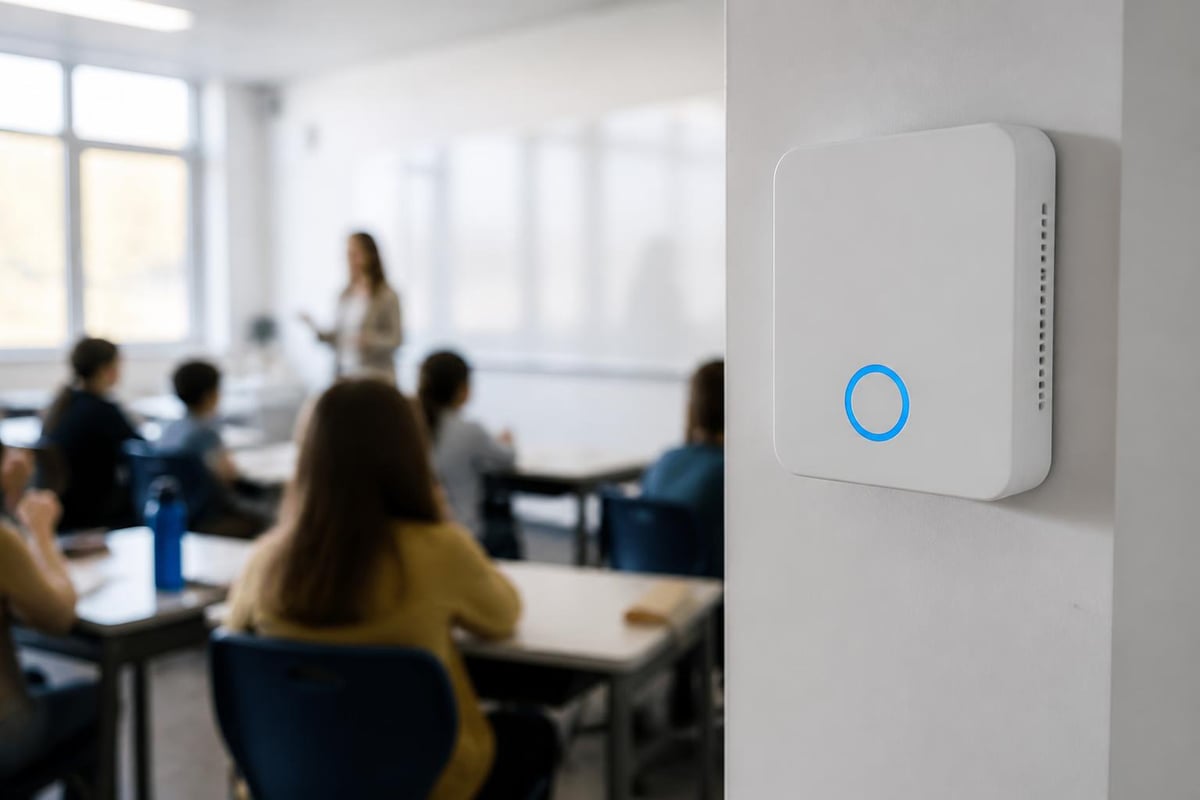
Modern school air quality sensor technology has evolved significantly beyond simple ventilation assessments. Today's sensors employ multiple detection methods to identify a broad spectrum of airborne contaminants and environmental conditions.
Key Parameters Measured by Air Quality Sensors
A comprehensive school air quality sensor monitors several critical parameters simultaneously. Carbon dioxide (CO2) serves as a primary indicator of ventilation effectiveness, with elevated levels often signalling insufficient fresh air circulation. When CO2 concentrations exceed 1,000 parts per million, students may experience reduced cognitive function and increased drowsiness.
Particulate matter (PM2.5 and PM10) represents tiny airborne particles that can penetrate deep into respiratory systems. Sources include outdoor pollution infiltration, cleaning activities, and construction work near school premises. Research from the University of Birmingham examining indoor air pollution demonstrates how classroom sensors reveal student exposure patterns throughout the school day.
Volatile organic compounds (VOCs) emanate from cleaning products, building materials, furniture, and increasingly from vaping devices. A school air quality sensor capable of VOC detection alerts administrators to potentially harmful chemical concentrations before they accumulate to dangerous levels.
Sensor Types and Detection Methods
Different sensor technologies offer varying capabilities and price points:
| Sensor Type | Detection Method | Typical Applications | Response Time |
|---|---|---|---|
| Electrochemical | Chemical reactions | CO, NO2, VOCs | 30-60 seconds |
| Optical/Laser | Light scattering | Particulate matter | Real-time |
| NDIR (Non-Dispersive Infrared) | Infrared absorption | CO2 monitoring | 1-2 minutes |
| Metal Oxide Semiconductor | Resistance changes | VOCs, smoke, vape aerosols | 10-30 seconds |
Schools implementing comprehensive monitoring programmes often deploy multiple sensor types to capture the full spectrum of air quality parameters.
Strategic Placement and Installation Considerations
Effective monitoring depends not merely on sensor quality but on strategic positioning throughout school premises. The EPA's guide to siting and installing air sensors provides foundational principles applicable to educational environments.
Priority Installation Locations
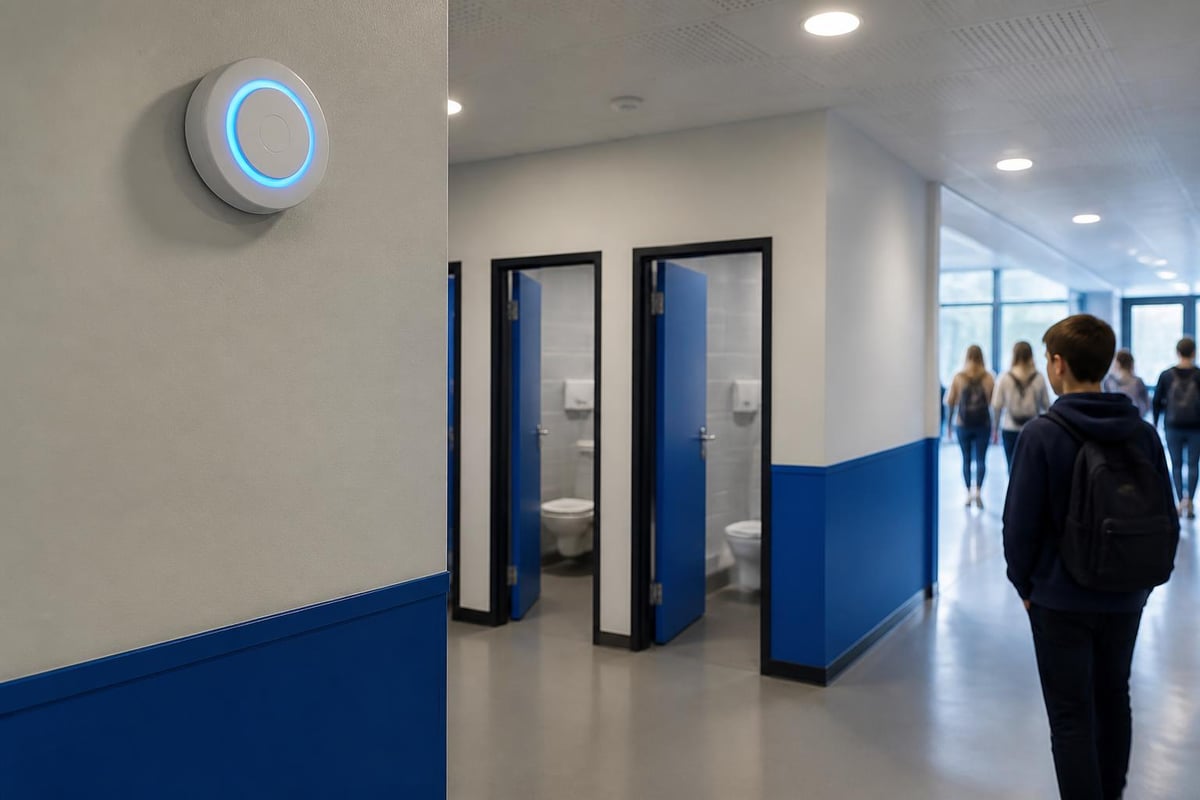
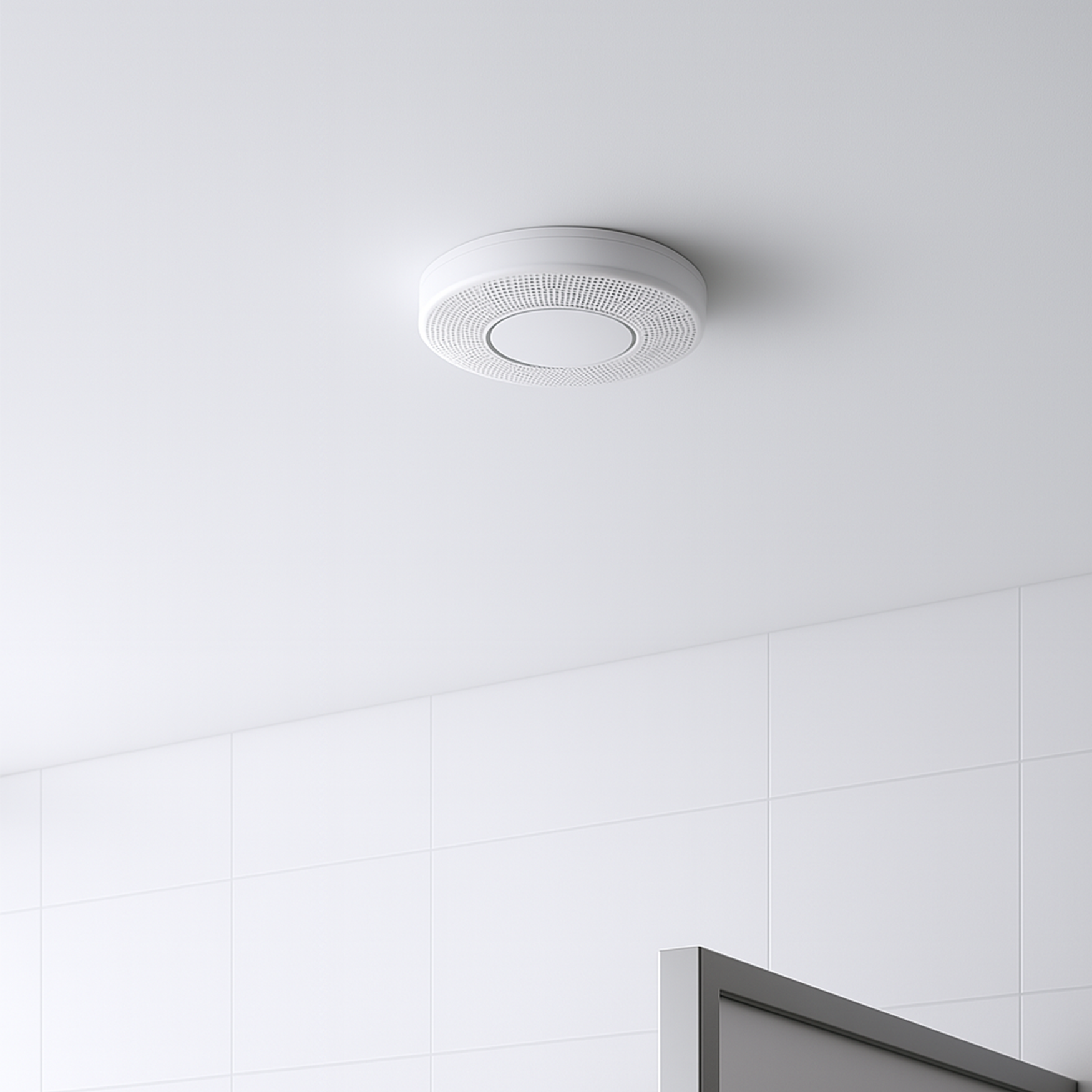
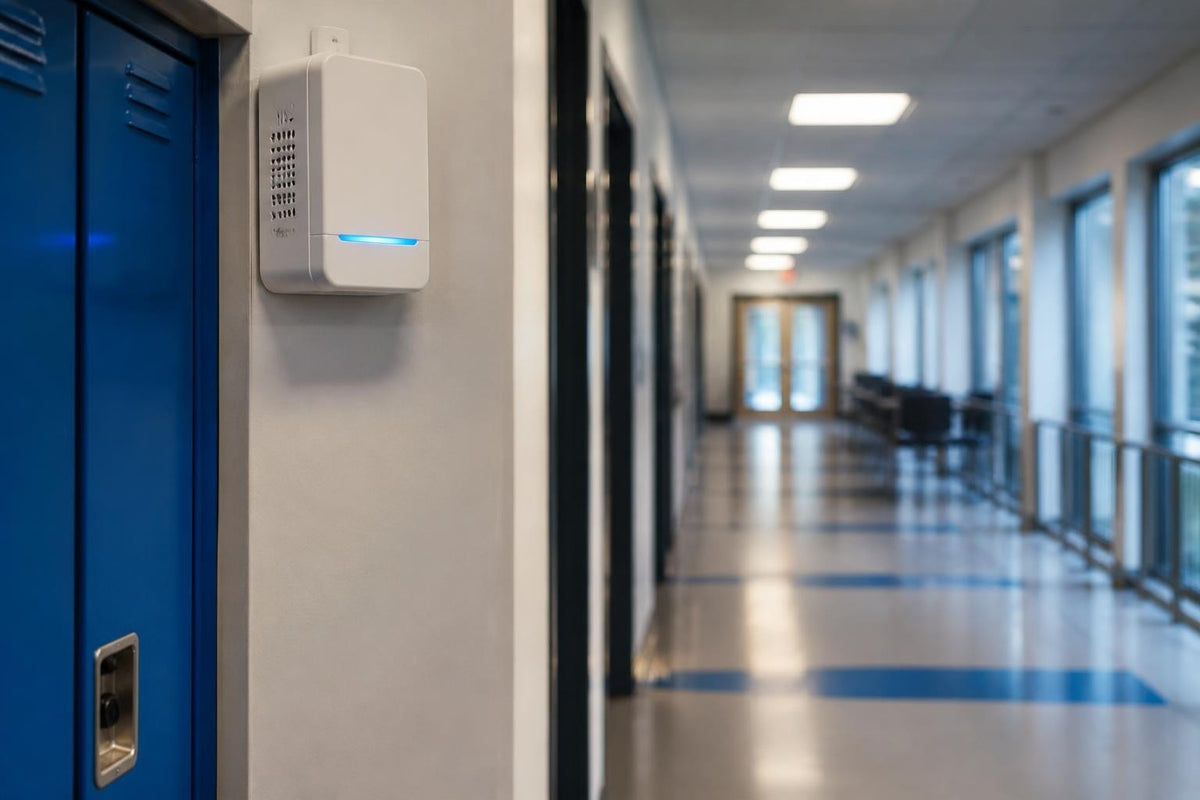
Toilets and changing rooms represent the highest priority areas for school air quality sensor deployment. These enclosed spaces with limited ventilation frequently become hotspots for vaping activity and require continuous monitoring. Sensors placed in these locations detect vape aerosols, elevated humidity from poor ventilation, and other air quality concerns.
Classrooms and assembly halls benefit from CO2 monitoring to ensure adequate ventilation during high occupancy periods. Installing sensors in representative classrooms across different building zones provides administrators with actionable data about ventilation system performance.
Science laboratories, art studios, and design technology workshops require specialized monitoring due to chemical usage and particulate generation. A school air quality sensor in these environments protects students from elevated exposure during practical lessons.
Installation Best Practices
Proper sensor placement maximizes detection accuracy whilst minimizing false alarms:
- Mount sensors at breathing height (approximately 1.2 to 1.8 metres) for accurate human exposure assessment
- Position devices away from windows, doors, and ventilation outlets to avoid measurement skewing
- Ensure sensors remain accessible for maintenance whilst being tamper-resistant
- Install units where airflow patterns represent typical room conditions
- Consider connectivity requirements and power supply availability during planning
Schools should consult the EPA's reference guide for indoor air quality in schools when developing comprehensive monitoring strategies.
Addressing Emerging Threats: Vaping Detection in Schools
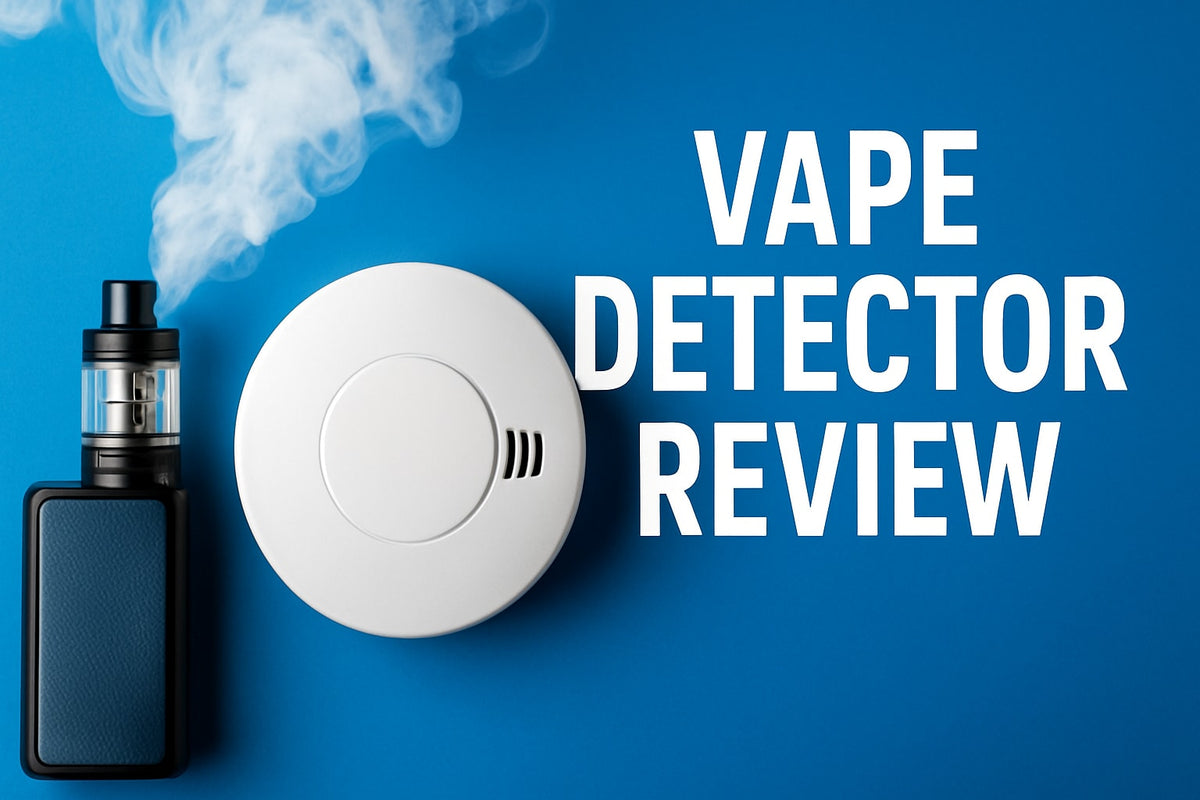
The proliferation of vaping amongst secondary school students has created a new dimension to air quality monitoring. Traditional air quality sensors may detect some vaping byproducts through VOC measurements, but specialized detection capabilities provide more reliable identification.
Why Standard Air Quality Sensors Miss Vaping Activity
Conventional school air quality sensor systems focus primarily on environmental comfort and general pollutants. Vape aerosols, however, dissipate rapidly and may not trigger standard VOC thresholds calibrated for building materials or cleaning products. Schools require sensors specifically designed to recognize the unique chemical signatures of vaping devices.
Modern vaping detection technology integrates multiple sensor types to identify characteristic patterns associated with e-cigarette use. These systems distinguish between vaping aerosols and other VOC sources, reducing false alarms whilst maintaining high detection sensitivity.
Combining Air Quality and Behavioural Monitoring
Advanced monitoring solutions extend beyond air quality to include acoustic detection and motion sensing. This multi-modal approach addresses not only vaping but also other concerning behaviours including drug use and anti-social conduct in unsupervised areas.
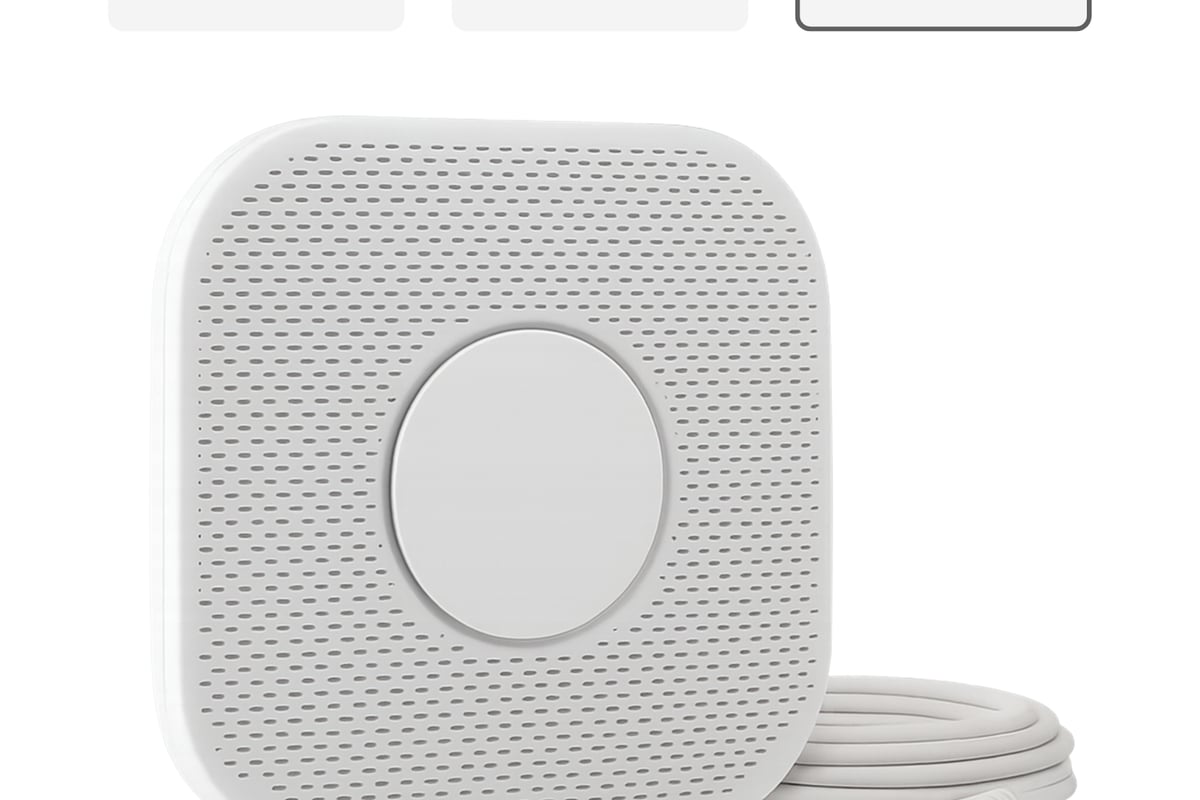
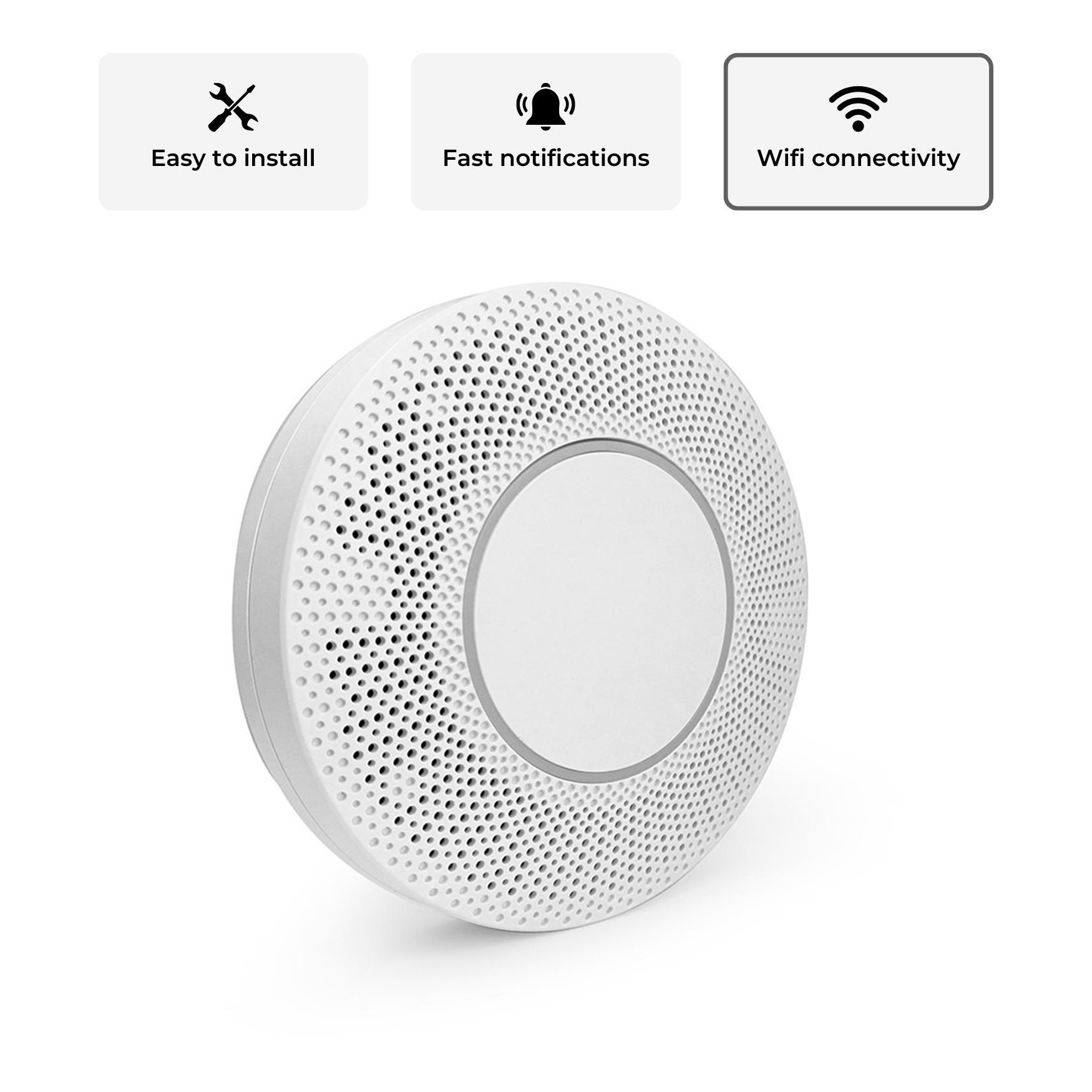
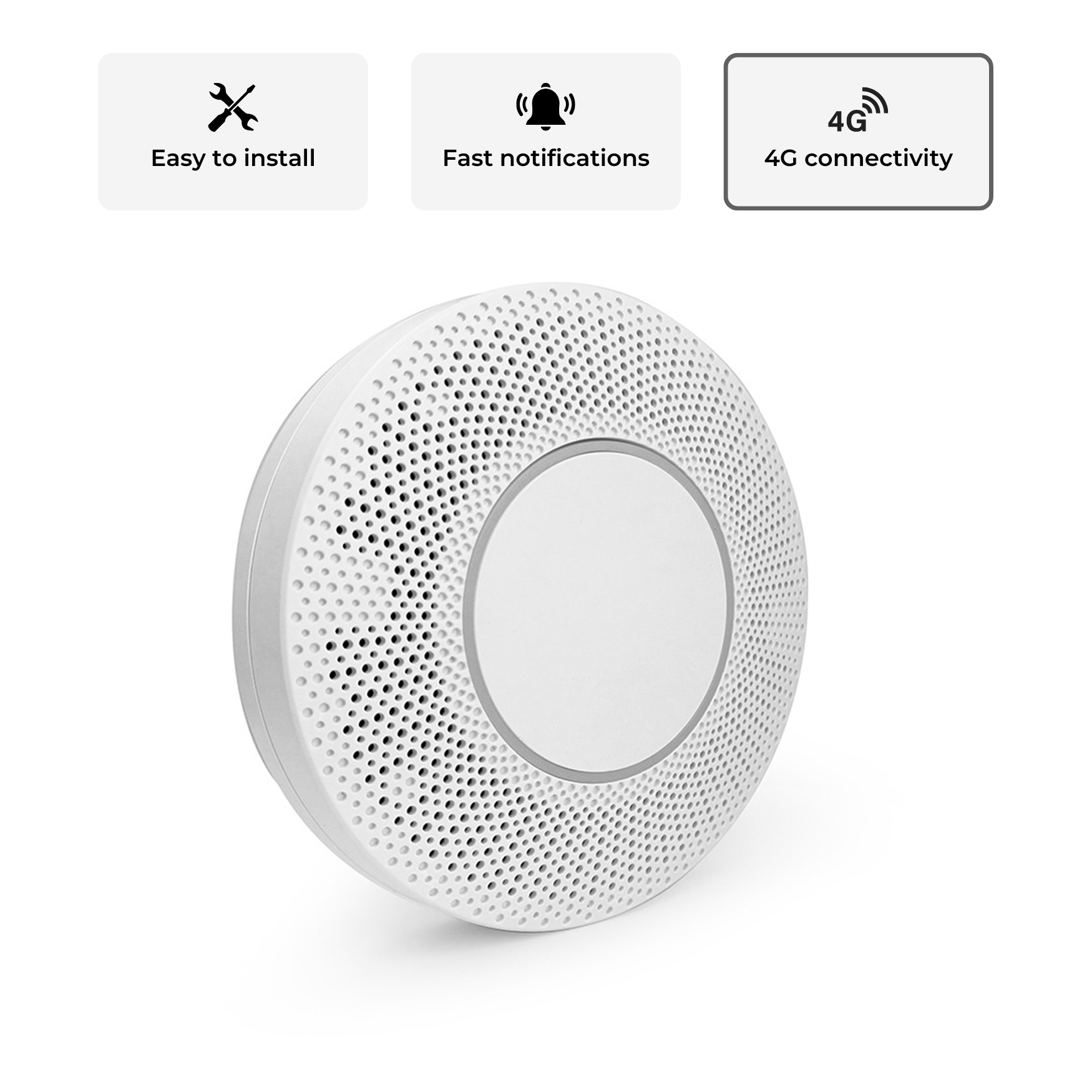
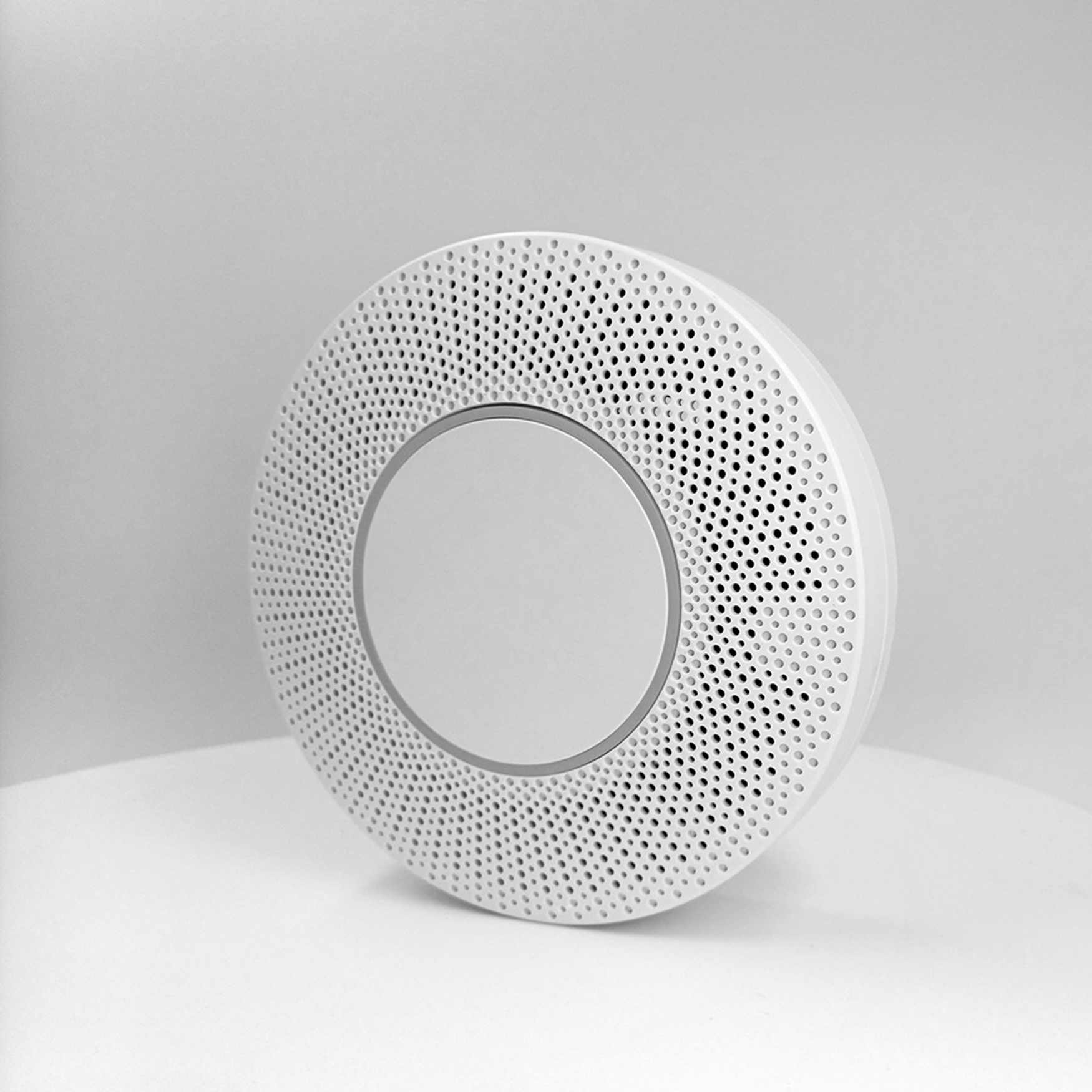
The Vape Detection System represents a comprehensive approach that monitors air quality parameters whilst simultaneously detecting vape substances and alerting staff in real time. This integration ensures schools maintain both healthy air quality and behavioural standards within a single monitoring infrastructure.
Data Management and Alert Protocols
Deploying school air quality sensor technology generates substantial data streams requiring systematic management and response protocols. Educational institutions must balance comprehensive monitoring with practical action pathways.
Real-Time Alerting and Response Systems
Effective monitoring systems provide immediate notifications when air quality parameters exceed predetermined thresholds. Alert protocols should specify:
- Threshold levels for each monitored parameter based on health guidelines and regulatory requirements
- Recipient lists identifying which staff members receive alerts for different sensor locations and violation types
- Response procedures outlining immediate actions required upon receiving different alert categories
- Escalation pathways defining when incidents require senior leadership involvement or external support
- Documentation requirements ensuring all incidents receive proper recording and follow-up
Schools utilizing vape detectors for education benefit from purpose-built alert systems designed specifically for educational workflows and staff responsibilities.
Data Analysis for Long-Term Improvement
Beyond immediate incident response, aggregated air quality data reveals patterns and opportunities for environmental improvement:
- Temporal trends showing how air quality varies throughout the school day, week, and term
- Location comparisons identifying buildings or rooms with persistent air quality challenges
- Ventilation system performance enabling maintenance teams to optimize HVAC settings and schedules
- Correlation analysis linking air quality metrics with student attendance, illness reports, or academic performance
| Analysis Type | Actionable Insights | Implementation Timeframe |
|---|---|---|
| Daily summaries | Identify immediate issues requiring attention | 24 hours |
| Weekly reports | Recognize recurring patterns in specific locations | 1-2 weeks |
| Monthly trends | Evaluate ventilation system performance | 1 month |
| Seasonal comparisons | Plan preventative maintenance and adjustments | Quarterly |
Regulatory Compliance and Health Standards
Educational institutions operate within frameworks of health and safety regulations that increasingly recognize indoor air quality importance. A school air quality sensor supports compliance efforts whilst demonstrating duty of care obligations.
Current UK Guidance and Standards
Whilst the United Kingdom lacks mandatory air quality standards specific to schools, several authoritative guidelines inform best practice. The Department for Education emphasizes adequate ventilation, and local authorities increasingly recommend monitoring to verify compliance.
Building Bulletin 101 provides ventilation guidance for school buildings, specifying minimum fresh air rates and CO2 concentration limits. Schools implementing continuous monitoring can demonstrate adherence to these recommendations through documented evidence rather than periodic spot checks.
Health Protection and Safeguarding Responsibilities
School air quality sensor deployment aligns with broader safeguarding duties. Poor air quality contributes to respiratory conditions, allergic reactions, and reduced concentration, directly impacting student welfare and educational outcomes.
Designated safeguarding leads increasingly recognize air quality monitoring as a component of comprehensive student protection strategies. Vaping detection, in particular, supports safeguarding objectives by identifying substance use in real time, enabling prompt intervention and support.
Practical Implementation Strategies for Schools
Successful school air quality sensor programmes require thoughtful planning, stakeholder engagement, and phased deployment strategies. Schools benefit from approaching implementation systematically rather than attempting comprehensive coverage immediately.
Phased Deployment Approach
Educational institutions with limited budgets should prioritize high-risk, high-impact locations initially:
Phase One: Critical Areas
- Toilets and changing rooms (vaping and air quality concerns)
- Rooms with persistent ventilation complaints
- Spaces housing vulnerable student populations
Phase Two: High Occupancy Spaces
- Main assembly halls and dining facilities
- Large classrooms and lecture theatres
- Libraries and study areas
Phase Three: Comprehensive Coverage
- Remaining classrooms and specialist teaching spaces
- Administrative offices and staff areas
- Storage rooms and ancillary spaces
This staged approach allows schools to develop expertise, refine alert protocols, and demonstrate value before expanding sensor networks.
Stakeholder Communication and Training
Effective implementation requires communicating monitoring purposes and capabilities to various stakeholders. Teachers need training on interpreting alerts and implementing response procedures. Students benefit from understanding how monitoring supports their health and safety rather than simply enforcing rules.
Parents increasingly expect schools to maintain healthy learning environments, and demonstrating active air quality monitoring through school communications builds confidence in institutional commitment to student welfare.
The vaping education hub for schools provides resources supporting staff understanding of both monitoring technology and appropriate intervention approaches when vaping incidents occur.

Integration with Building Management Systems
Modern educational facilities increasingly incorporate school air quality sensor data into broader building management systems (BMS). This integration enables automated responses and optimizes energy efficiency whilst maintaining healthy indoor environments.
Automated Ventilation Control
Advanced integration allows air quality sensors to trigger ventilation system adjustments automatically. When CO2 levels exceed thresholds, the BMS increases fresh air intake rates. Conversely, when air quality parameters remain optimal, ventilation operates at reduced levels, conserving energy.
Benefits of BMS integration include:
- Reduced energy consumption through demand-controlled ventilation
- Consistent air quality maintenance without manual intervention
- Comprehensive environmental data collection for facility management
- Remote monitoring capabilities for multi-site educational trusts
Data Consolidation and Reporting
Integrating school air quality sensor outputs with existing building management platforms creates unified dashboards for facilities teams. Property managers access temperature, humidity, air quality, occupancy, and energy consumption data through single interfaces.
This consolidation proves particularly valuable for multi-academy trusts managing multiple school sites, enabling consistent standards and comparative analysis across their educational estate.
Financial Considerations and Return on Investment
Implementing comprehensive air quality monitoring represents a significant investment requiring justification through demonstrated benefits and returns. Schools should consider both direct costs and broader value propositions when evaluating sensor deployments.
Cost Components
| Cost Category | Typical Range (per sensor) | Frequency | Notes |
|---|---|---|---|
| Hardware purchase | £200-£800 | One-time | Varies by capabilities |
| Installation | £50-£200 | One-time | Depends on connectivity requirements |
| Cloud platform subscription | £5-£20 | Monthly | Per sensor data management |
| Maintenance and calibration | £50-£150 | Annual | Ensures continued accuracy |
Schools should request detailed quotations including all ongoing costs to accurately assess total ownership expenses over expected sensor lifespans (typically five to seven years).
Quantifiable Benefits
The Department of Energy guidelines on indoor air quality monitoring emphasize measurable benefits including reduced absenteeism, improved academic performance, and decreased maintenance costs through proactive system management.
Documented returns on school air quality sensor investments include:
- Reduced student and staff sick leave attributed to improved indoor environments
- Lower heating and cooling costs through optimized ventilation control
- Decreased deep cleaning requirements due to continuous air quality maintenance
- Avoided costs from reactive repairs identified through predictive maintenance
- Enhanced parental satisfaction and school reputation
Schools addressing vaping through specialized detection report additional benefits including reduced property damage from fire alarm activations and decreased staff time managing vaping incidents through more efficient identification and intervention.
Selecting the Right Solution for Your School
The market offers numerous school air quality sensor options ranging from basic single-parameter monitors to comprehensive multi-modal detection systems. Educational institutions should evaluate solutions against specific requirements and institutional priorities.
Essential Selection Criteria
Measurement parameters: Verify sensors monitor pollutants relevant to your specific concerns. Schools prioritizing general environmental quality require different specifications than those primarily addressing behavioural issues such as vaping.
Accuracy and reliability: Request third-party testing documentation and compliance with relevant standards. Sensors providing inaccurate readings create false confidence or unnecessary alarm fatigue.
Connectivity options: Consider whether wireless, wired, or cellular connectivity best suits your infrastructure. Schools with robust Wi-Fi coverage across premises may prefer network-connected devices, whilst those with connectivity limitations might require cellular-enabled sensors.
Data platform capabilities: Evaluate reporting interfaces, alert customization options, and historical data access. User-friendly platforms with role-based access prove most valuable for schools with multiple stakeholders requiring different information levels.
Support and maintenance: UK-based suppliers offering local technical support and clear maintenance procedures provide significant advantages over international providers with limited regional presence. Vape Guardian's commitment to dedicated customer support exemplifies the service levels schools should expect.
Questions to Ask Potential Suppliers
- What calibration procedures ensure continued accuracy, and who performs them?
- How does the system handle network connectivity interruptions?
- What data retention periods apply, and are historical comparisons available?
- Can alert thresholds be customized for different locations and times?
- What training and ongoing support do you provide to school staff?
- Are firmware updates included, and how are they deployed?
- What warranty coverage applies to hardware and software components?
Future Developments in School Air Quality Monitoring
The school air quality sensor industry continues evolving with emerging technologies promising enhanced capabilities and integration opportunities. Educational institutions investing in monitoring infrastructure should consider future-proofing strategies ensuring systems remain relevant as technologies advance.
Artificial Intelligence and Predictive Analytics
Machine learning algorithms increasingly analyze air quality data patterns to predict issues before they occur. These systems recognize typical daily and seasonal variations, flagging anomalies requiring investigation even when absolute thresholds remain unbreached.
Predictive maintenance applications identify gradual ventilation system degradation, scheduling interventions before complete failures occur. This proactive approach minimizes disruption to educational activities and controls maintenance costs.
Enhanced Integration Capabilities
Future school air quality sensor deployments will likely integrate with attendance systems, learning management platforms, and student information systems. These connections enable sophisticated analyses correlating environmental conditions with educational outcomes and student wellbeing indicators.
Emerging standards for building data interoperability facilitate easier integration between previously isolated systems, creating comprehensive school management ecosystems where air quality represents one component within holistic environmental and educational monitoring.
Miniaturization and Cost Reduction
Ongoing technological advancement continues reducing sensor sizes and costs whilst improving accuracy and reliability. This democratization of monitoring technology enables even budget-constrained schools to implement comprehensive coverage previously affordable only to well-funded institutions.
Portable personal air quality monitors may complement fixed installations, allowing students to carry devices throughout the school day and contribute to crowd-sourced environmental mapping of school premises.
School air quality sensor technology provides educational institutions with powerful tools for protecting student health, optimizing learning environments, and addressing emerging challenges such as vaping in schools. By implementing strategic monitoring programmes that combine environmental measurements with behavioural detection capabilities, schools create safer, healthier spaces that support both academic achievement and student wellbeing. Vape Guardian delivers advanced air quality monitoring and vaping detection solutions specifically designed for educational environments, offering UK-based schools reliable technology backed by dedicated support to address today's complex indoor air quality challenges.

Share:
Commercial Air Quality Monitor: Complete 2026 Guide
Cloud Based Vape Detector: Complete Guide 2026