
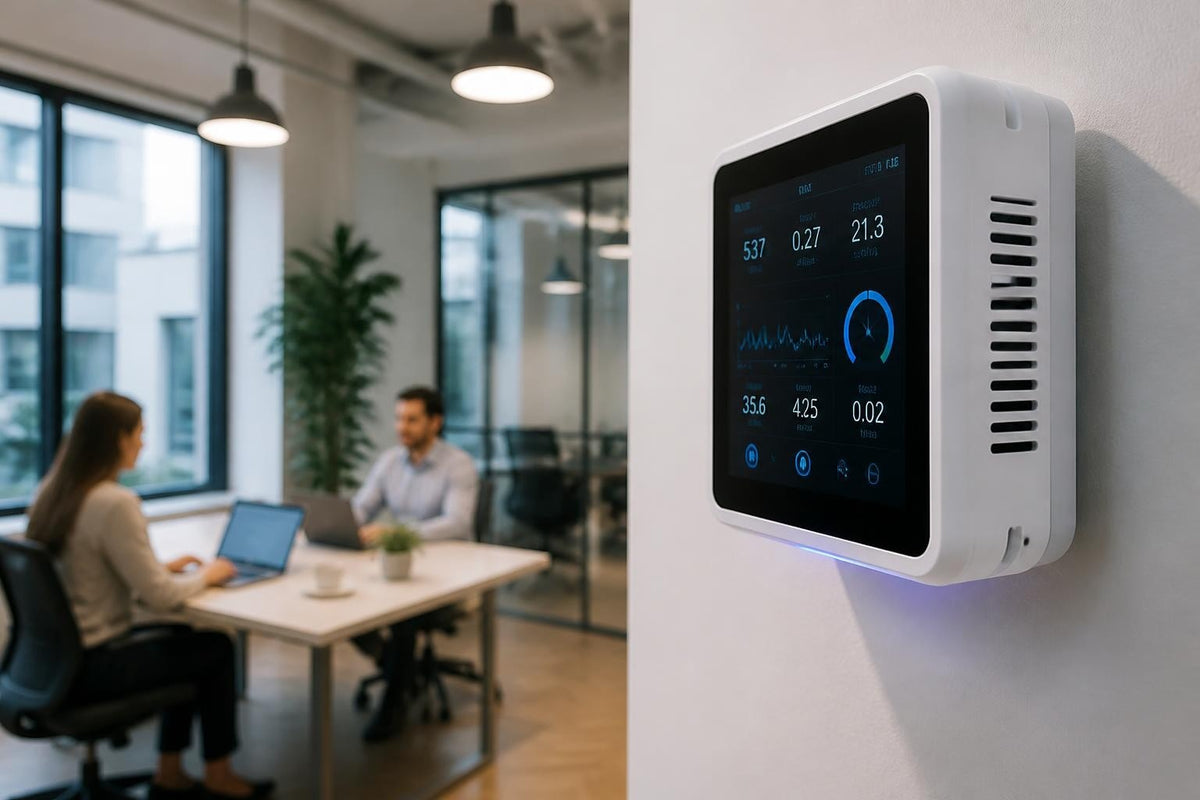
Indoor air quality has become a critical concern for businesses, schools, and public facilities across the United Kingdom in 2026. A commercial air quality monitor serves as an essential tool for detecting harmful pollutants, ensuring regulatory compliance, and protecting occupant health. Unlike residential devices, commercial systems offer enhanced sensitivity, multi-pollutant detection capabilities, and integration with building management systems to deliver actionable insights in real time.
Understanding Commercial Air Quality Monitoring Technology
A commercial air quality monitor differs fundamentally from consumer grade alternatives through its sophisticated sensor arrays and professional features. These devices measure multiple environmental parameters simultaneously, providing comprehensive data that facilities managers and health and safety officers rely upon for decision making.
Modern commercial monitoring systems detect particulate matter (PM2.5 and PM10), volatile organic compounds (VOCs), carbon dioxide, carbon monoxide, nitrogen dioxide, and other airborne contaminants. Advanced air emissions monitoring plays a vital role in understanding indoor environmental quality and supporting regulatory frameworks.
Core Components of Professional Monitoring Systems
The technology behind commercial air quality monitors incorporates multiple sensor types working in concert. Laser scattering technology detects particulate matter by measuring how particles interact with light beams. Electrochemical sensors identify specific gases through chemical reactions that generate measurable electrical signals. Metal oxide semiconductor sensors respond to VOCs and other organic compounds.
Key technical specifications include:
- Measurement range and detection limits for each pollutant
- Response time and data logging frequency
- Calibration requirements and drift characteristics
- Operating temperature and humidity ranges
- Power consumption and connectivity options
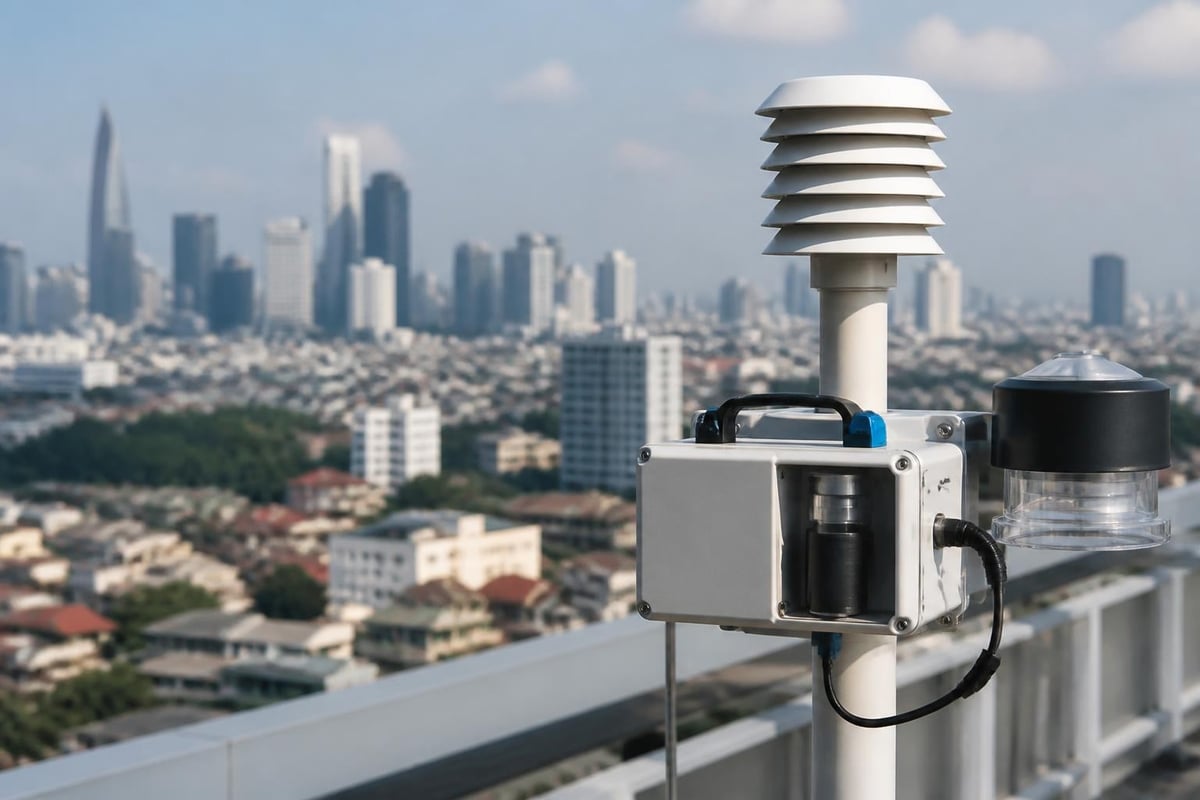
Integration capabilities represent another distinguishing feature. Professional systems connect with building automation platforms, alert notification systems, and cloud based analytics dashboards. This connectivity transforms raw sensor data into actionable intelligence for facility management.
Pollutants Detected by Commercial Air Quality Monitors
Understanding which contaminants pose risks in commercial environments guides proper monitor selection. Different facilities face distinct air quality challenges based on occupancy patterns, activities, and ventilation systems.
Particulate Matter and Aerosols
Fine particulate matter represents one of the most concerning indoor pollutants. PM2.5 particles penetrate deep into respiratory systems, whilst PM10 affects the upper airways. Commercial environments generate particles from various sources: office equipment, cleaning activities, construction dust, and outdoor infiltration.
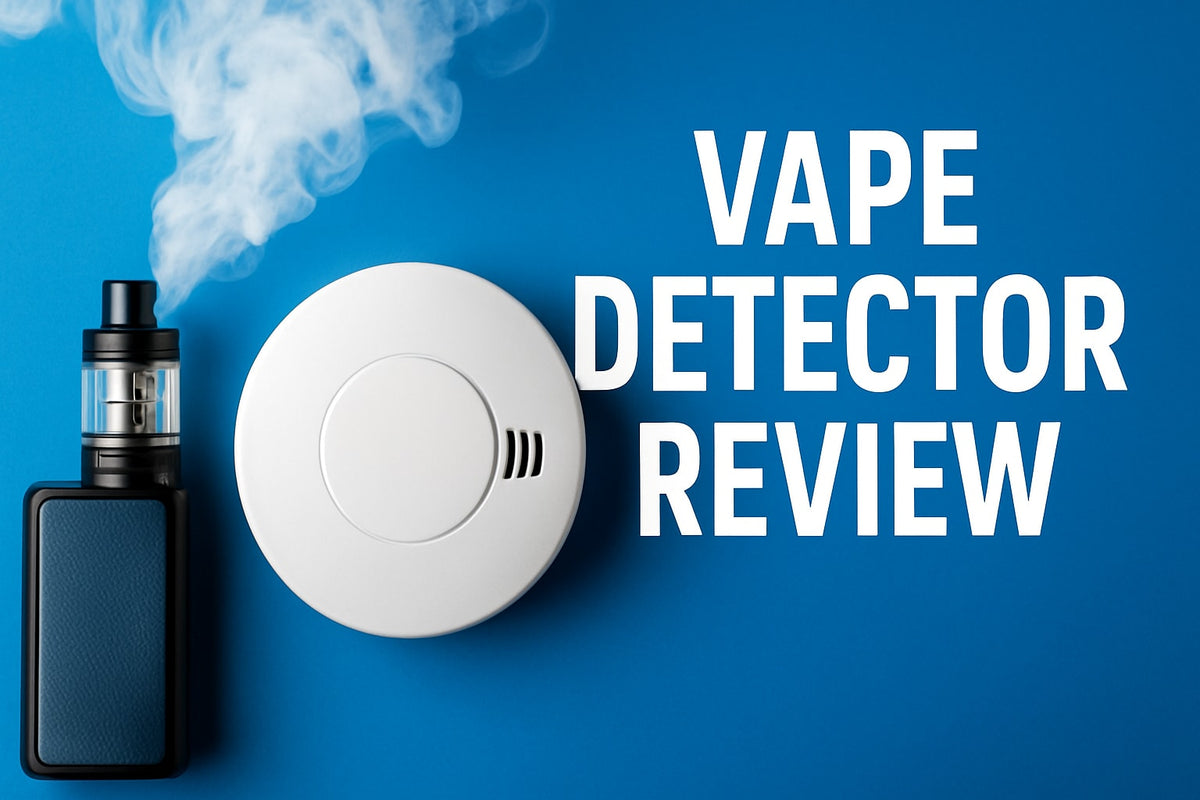
Vaping has emerged as a significant source of indoor aerosols in many facilities. Vape detection technology has become increasingly sophisticated at identifying these specific aerosol signatures, which differ from other particulate sources.
| Pollutant Type | Size Range | Primary Sources | Health Impact |
|---|---|---|---|
| PM2.5 | 2.5 micrometres or less | Combustion, vaping, outdoor infiltration | Respiratory, cardiovascular |
| PM10 | 10 micrometres or less | Dust, pollen, mould spores | Upper airway irritation |
| VOCs | Molecular | Cleaning products, furnishings, paints | Headaches, organ damage |
| CO2 | Molecular | Human respiration, combustion | Cognitive impairment |
Chemical Contaminants and Gases
Volatile organic compounds encompass hundreds of different chemicals released from building materials, furnishings, cleaning products, and personal care items. Formaldehyde, benzene, and toluene represent particularly concerning VOCs with established health risks.
Carbon dioxide, whilst not toxic at typical indoor concentrations, serves as an excellent proxy for ventilation effectiveness. Elevated CO2 levels indicate insufficient fresh air supply, which correlates with increased transmission of airborne pathogens and reduced cognitive performance. Research into CO2 monitoring in classrooms demonstrates significant impacts on learning outcomes.
Carbon monoxide detection remains critical in facilities with combustion appliances or attached parking structures. This colourless, odourless gas can reach dangerous concentrations without proper ventilation and monitoring.
Applications Across Commercial Sectors
Different industries implement commercial air quality monitors to address sector specific challenges and regulatory requirements. The versatility of modern systems allows customisation for diverse operational contexts.
Educational Facilities
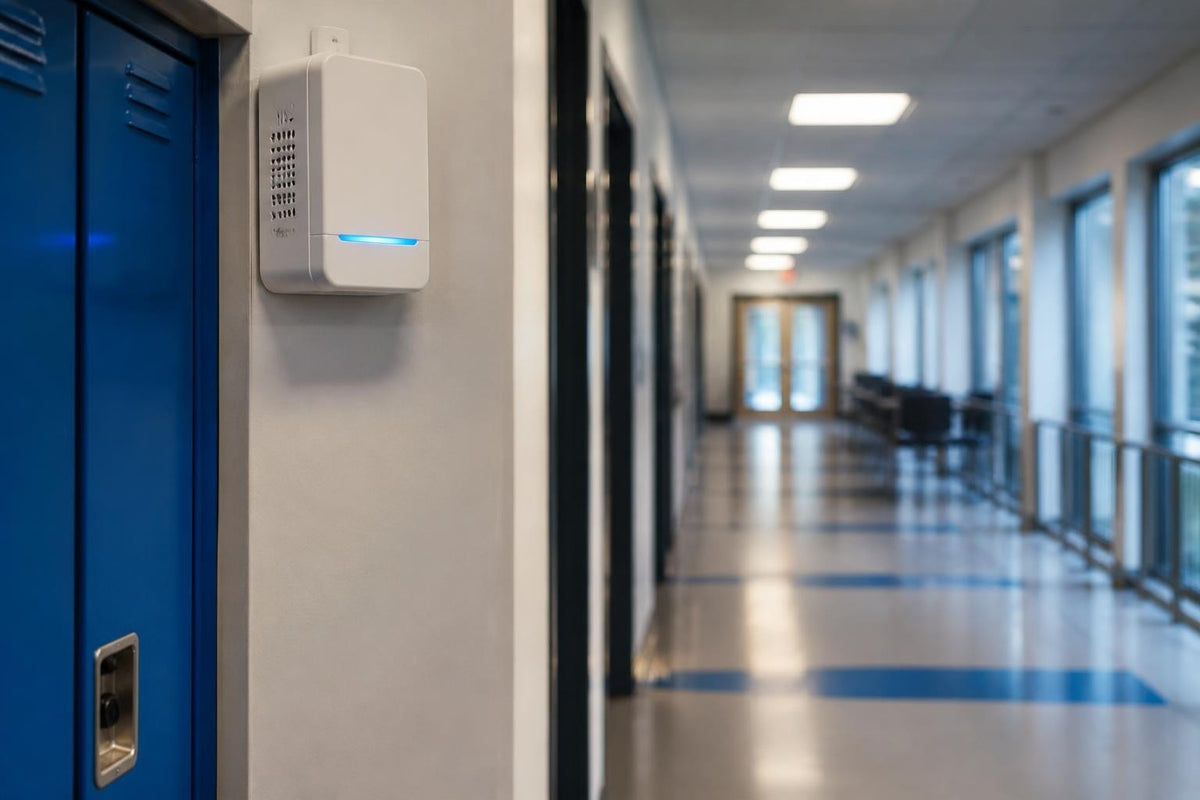
Schools face unique air quality challenges from high occupant density, varied activities, and the vulnerability of young populations to air pollution. A commercial air quality monitor in educational settings tracks classroom ventilation, identifies mould growth conditions, and detects prohibited substances.
Toilet vaping prevention has become a priority for secondary schools across the UK, where students often attempt to use e-cigarettes in washrooms away from direct supervision. Specialised detection systems identify vaping aerosols and alert staff immediately.
Educational monitoring priorities:
- CO2 levels for ventilation assessment
- Particulate matter from outdoor pollution
- VOCs from art supplies and cleaning products
- Mould spore detection in older buildings
- Vaping and smoking detection in unsupervised areas
Office and Commercial Buildings
Corporate environments prioritise employee wellbeing and productivity, both directly influenced by indoor air quality. Modern office buildings with sealed windows rely entirely on mechanical ventilation, making continuous monitoring essential for identifying system failures or inadequate fresh air supply.
Managing air quality through ambient monitoring provides frameworks applicable to commercial indoor environments, emphasising the importance of systematic measurement and response protocols.

Healthcare and Care Facilities
Hospitals, clinics, and care homes require stringent air quality control to protect vulnerable populations. These facilities monitor for pathogens, sterilisation chemical residues, and maintain positive or negative pressure zones depending on specific room functions.
A commercial air quality monitor in healthcare settings often includes additional parameters such as relative humidity (critical for infection control) and specific chemical agents used in medical procedures.
Selecting the Right Commercial Air Quality Monitor
Choosing appropriate monitoring equipment requires careful assessment of facility needs, budget constraints, and technical capabilities. The market offers solutions ranging from basic single parameter devices to comprehensive multi sensor platforms.
Critical Selection Criteria
Accuracy and reliability form the foundation of effective air quality monitoring. Professional grade sensors undergo rigorous calibration and testing to ensure measurements meet regulatory standards and scientific requirements. Questions about air sensors address common concerns regarding sensor performance and data quality.
Consider these factors during evaluation:
- Pollutant coverage: Which specific contaminants require monitoring?
- Data management: Cloud storage, local logging, or hybrid approaches?
- Alert mechanisms: Email, SMS, audible alarms, or integration with security systems?
- Maintenance requirements: Calibration frequency, sensor replacement schedules, cleaning protocols
- Scalability: Single room monitoring or whole building networks?
Integration with Existing Systems
Modern commercial air quality monitors excel when integrated with building management systems (BMS) and heating, ventilation, and air conditioning (HVAC) controls. This integration enables automated responses to air quality events, such as increasing ventilation rates when CO2 rises or activating filtration systems during poor outdoor air quality episodes.
For facilities concerned about vaping and anti-social behaviour, vape detection systems offer specialised capabilities beyond general air quality monitoring. These systems identify specific chemical signatures associated with e-cigarettes and alert designated personnel immediately.
| Feature | Basic Monitor | Advanced Monitor | Integrated System |
|---|---|---|---|
| Pollutant Detection | 1-3 parameters | 5-10 parameters | Comprehensive suite |
| Data Access | Local display only | Cloud dashboard | BMS integration |
| Alert Options | Visual indicator | Email/SMS | Automated HVAC response |
| Cost Range | £200-£500 | £800-£2,000 | £3,000-£10,000+ |
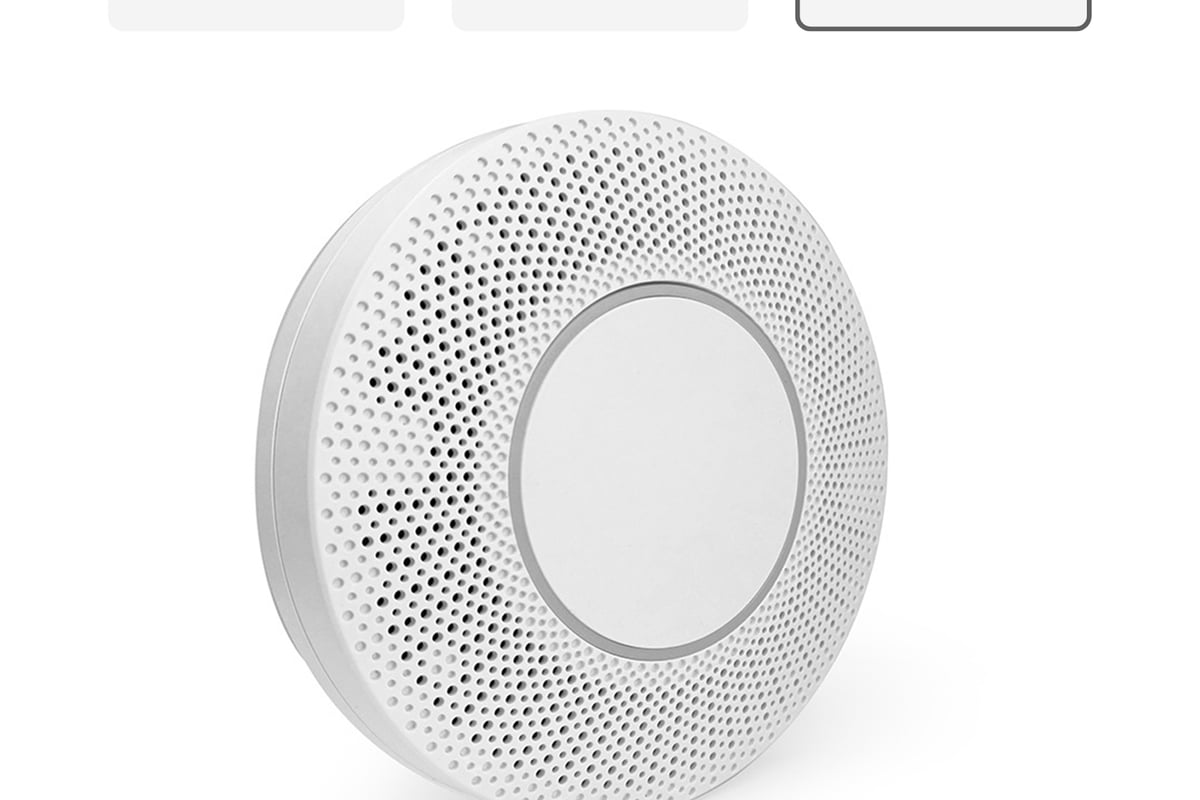
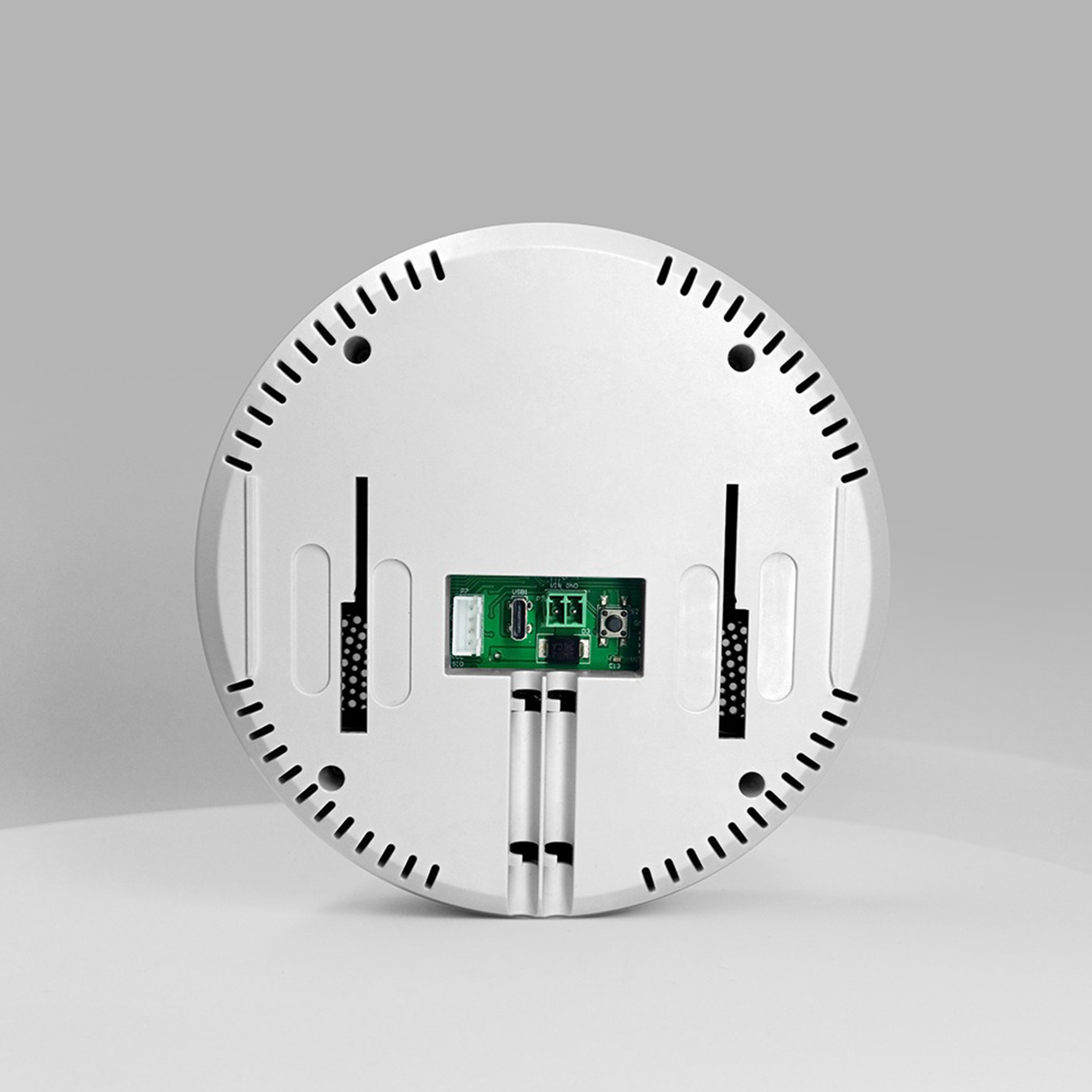
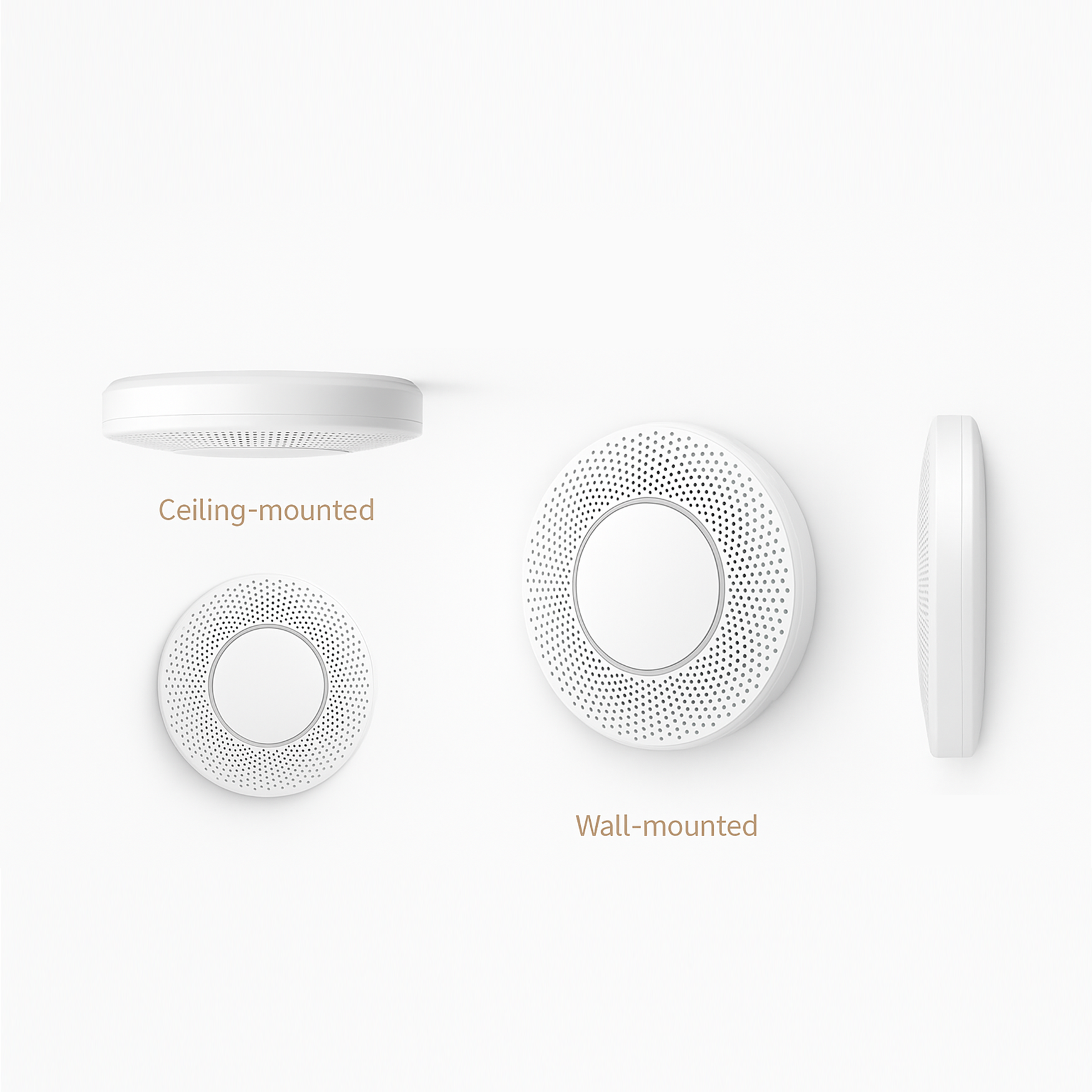
The Vape Detection System from Vape Guardian represents a specialised solution for facilities prioritising detection of vaping, drug use, and anti-social behaviour alongside comprehensive air quality monitoring. This integrated approach addresses multiple safety concerns through a single hardware platform with real-time alerting capabilities.
Implementation Best Practices
Successful deployment of commercial air quality monitoring extends beyond purchasing equipment. Strategic placement, regular maintenance, and staff training determine whether systems deliver meaningful value.
Strategic Monitor Placement
Sensor location dramatically affects measurement accuracy and relevance. Position monitors away from windows, doors, and HVAC vents to avoid unrepresentative readings from localised air currents. Install devices at breathing height (1.2 to 1.8 metres) where occupants actually experience indoor air quality.
Placement recommendations by space type:
- Open plan offices: One monitor per 200-300 square metres
- Classrooms: Central location away from windows and doors
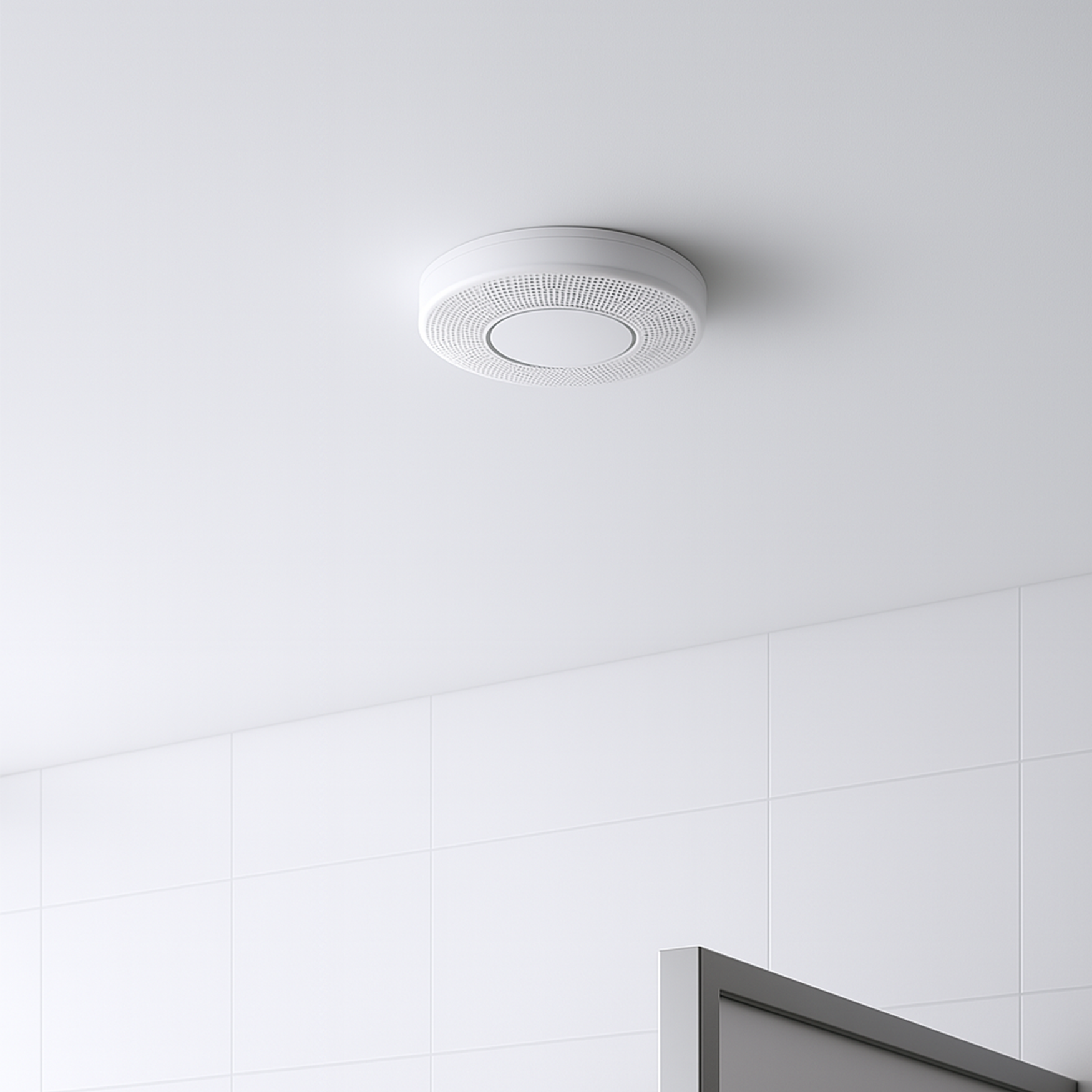
- Washrooms: Near ceiling level for vapour detection
- Reception areas: Account for outdoor air infiltration
- Meeting rooms: Monitor CO2 buildup during occupied periods
Calibration and Maintenance Protocols
Commercial air quality monitors require periodic calibration to maintain accuracy. Electrochemical sensors typically need replacement every 12 to 24 months, whilst optical particle counters require cleaning and verification. Establish maintenance schedules based on manufacturer recommendations and actual usage patterns.
Documentation proves essential for regulatory compliance and performance tracking. Maintain records of calibration dates, sensor replacements, alert events, and any corrective actions taken in response to air quality excursions.
Data Interpretation and Response Strategies
Collecting air quality data provides limited value without proper interpretation and responsive action. Understanding measurement context, establishing appropriate thresholds, and implementing effective response protocols transform monitoring from passive observation to active environmental management.
Establishing Baseline Conditions
Before implementing response protocols, facilities must understand their normal air quality patterns. Monitor continuously for at least two weeks across different operational conditions to establish baseline readings. This baseline data reveals daily patterns, identifies problematic areas, and provides context for interpreting future measurements.
Seasonal variations affect indoor air quality significantly. Summer months often bring higher outdoor pollutant infiltration, whilst winter heating systems may elevate VOC concentrations from reduced ventilation rates.
Threshold Setting and Alert Configuration
A commercial air quality monitor becomes most valuable when configured with appropriate alert thresholds. These thresholds should reflect health based guidelines, regulatory requirements, and facility specific goals.
Consumer Reports' guidance on indoor air quality monitors emphasises the importance of understanding what measurement values mean for occupant health and comfort.
| Parameter | Good | Acceptable | Poor | Action Required |
|---|---|---|---|---|
| CO2 | <800 ppm | 800-1000 ppm | 1000-1500 ppm | >1500 ppm |
| PM2.5 | <12 µg/m³ | 12-35 µg/m³ | 35-55 µg/m³ | >55 µg/m³ |
| VOCs | <220 ppb | 220-660 ppb | 660-2200 ppb | >2200 ppb |
| Humidity | 30-50% | 25-30%, 50-60% | 20-25%, 60-70% | <20%, >70% |
Emerging Technologies and Future Developments
The commercial air quality monitoring sector continues advancing rapidly, incorporating artificial intelligence, improved sensor technologies, and novel detection methods. Understanding these developments helps organisations plan for future monitoring needs.
Artificial Intelligence and Predictive Analytics
Machine learning algorithms now analyse historical air quality data to predict future conditions and identify subtle patterns invisible to human observers. These systems learn building specific characteristics, recognise precursors to air quality events, and suggest preventive actions before problems develop.
Predictive maintenance represents another AI application, forecasting when HVAC filters require replacement or when ventilation systems approach capacity limits based on air quality trends rather than arbitrary time intervals.
Advanced Sensor Technologies
Research into holographic air quality monitoring demonstrates innovative approaches using digital holography and deep learning to detect and characterise particles with unprecedented detail. Whilst currently in research phases, such technologies may eventually offer commercial applications for specialised monitoring requirements.
Low cost outdoor air quality monitoring advances continue improving sensor accuracy whilst reducing costs, potentially expanding commercial monitoring accessibility for smaller organisations with limited budgets.
Integration with Building Health Frameworks
Commercial air quality monitors increasingly contribute to comprehensive building health certifications such as WELL Building Standard and BREEAM. These frameworks recognise that air quality monitoring demonstrates commitment to occupant wellbeing and supports evidence based environmental management.
Regulatory Compliance and Documentation
Commercial facilities across various sectors face regulatory requirements concerning indoor air quality. A commercial air quality monitor provides objective evidence of compliance and supports due diligence in health and safety obligations.
UK Regulatory Framework
The Health and Safety at Work Act 1974 establishes employer duties to ensure workplace air quality supports employee health. The Workplace (Health, Safety and Welfare) Regulations 1992 specifically address ventilation requirements, stating that enclosed workplaces must have sufficient fresh or purified air.
Managing air quality through monitoring programmes provides technical guidance applicable across jurisdictions, emphasising systematic approaches to air quality assessment and management.
Documentation requirements include:
- Regular monitoring records with date, time, location, and measurements
- Calibration certificates for monitoring equipment
- Investigation reports for any air quality excursions
- Corrective action records and verification of effectiveness
- Staff training documentation on air quality protocols
Industry Specific Standards
Educational facilities must consider Department for Education guidance on school premises, which addresses ventilation and indoor environmental quality. Healthcare facilities adhere to NHS Health Technical Memoranda providing detailed specifications for ventilation and air quality in different clinical areas.
Understanding school vaping laws in 2026 helps educational institutions navigate their specific compliance obligations regarding substance detection and student safety.
Cost Considerations and Return on Investment
Implementing commercial air quality monitoring requires upfront investment and ongoing operational costs. However, the financial benefits from improved health outcomes, enhanced productivity, and reduced liability often exceed these expenses.
Total Cost of Ownership
Beyond initial hardware purchase, consider installation costs, calibration services, sensor replacements, data management platforms, and staff training. A comprehensive commercial air quality monitor system for a medium sized building might require £5,000 to £15,000 initially, with annual operating costs of £1,000 to £3,000.
Cost components:
- Hardware and sensors
- Installation and commissioning
- Software licenses and cloud services
- Calibration and maintenance
- Staff training and management time
- Integration with existing systems
Quantifiable Benefits
Improved indoor air quality reduces sick building syndrome symptoms, decreases absenteeism, and enhances cognitive performance. Studies consistently demonstrate that better ventilation and air quality improve worker productivity by 5 to 15 percent, easily justifying monitoring system costs through enhanced output alone.
Risk mitigation provides another financial benefit. Documented air quality monitoring demonstrates due diligence, potentially reducing liability exposure and insurance premiums. For schools, reducing vaping incidents through detection systems addresses both health concerns and disciplinary resource allocation.
Commercial air quality monitoring has evolved from a niche concern to an essential component of responsible facility management in 2026. Selecting appropriate monitoring technology, implementing strategic deployment, and responding effectively to air quality data protects occupant health whilst supporting regulatory compliance and operational efficiency. For organisations seeking comprehensive solutions that address both general air quality and specific challenges like vaping detection, Vape Guardian offers advanced monitoring systems with real time alerting capabilities designed for UK schools, offices, and public facilities committed to creating safer, healthier indoor environments.

Share:
Vapor Smoke Detector Guide: Essential Insights for 2026
School Air Quality Sensor: Essential Guide 2026