
Did you know that UK schools reported a 30 percent increase in vaping-related incidents last year? As vaping evolves and spreads, the need for reliable vapor smoke detector solutions becomes urgent in 2025. Organisations and individuals are now facing new safety and compliance challenges that require advanced detection technology.
This guide gives practical insights to help you understand, choose, and install the right vapor smoke detector for your environment. With vaping trends shifting, laws tightening, and innovations accelerating, staying informed is vital.
We will cover the latest detection technology, the regulatory landscape, how to select the best device, installation tips, and future trends. Ready to protect your space and ensure compliance? Read on for actionable guidance.
Understanding Vapor Smoke Detection Technology
Vapor smoke detection technology is rapidly evolving to address the challenges posed by vaping in modern environments. As vaping products become more sophisticated, so too must the systems designed to detect them. This section explores what a vapor smoke detector is, how it functions, the latest advances in technology, practical applications, ongoing challenges, and the current market landscape.
What Is a Vapor Smoke Detector?
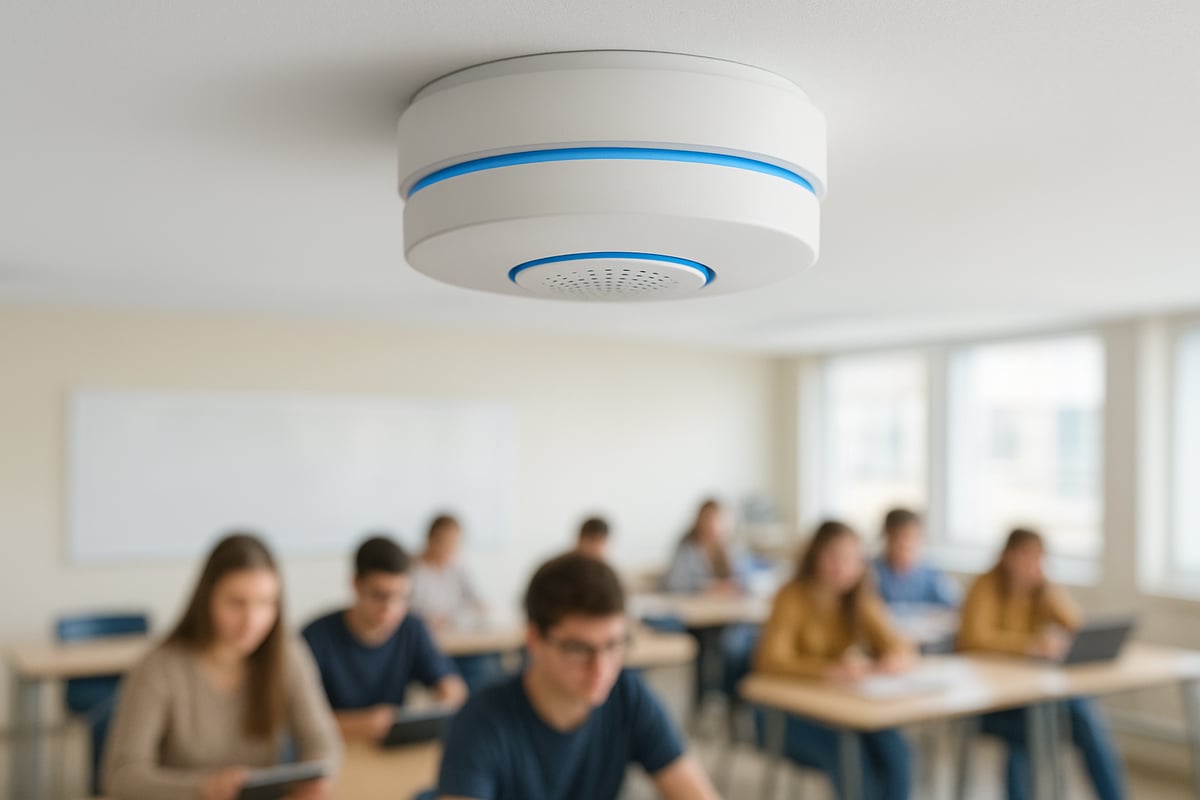
A vapor smoke detector is a specialised device designed to identify airborne particles and chemicals produced by e-cigarettes, vape pens, and similar devices. Unlike traditional smoke detectors that respond to combustion particles from fire, a vapor smoke detector is engineered to sense the unique signatures of vape aerosols.
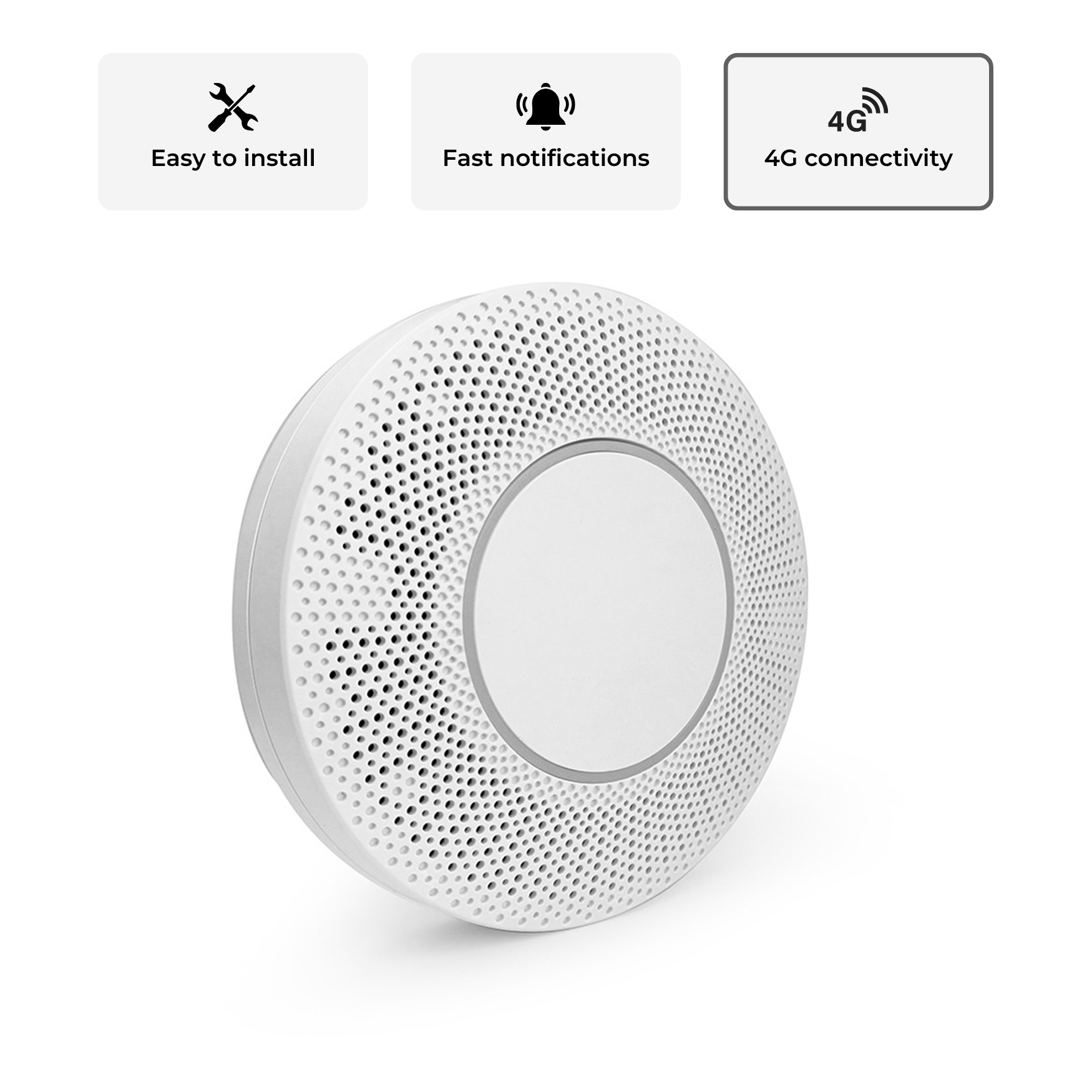
These detectors are commonly installed in schools, offices, healthcare settings, and public spaces where vaping is restricted. Key components include advanced sensors, onboard processors, and wireless communication modules. Together, these elements allow the vapor smoke detector to quickly and accurately detect vaping incidents in real time.
How Vapor Smoke Detectors Work
Vapor smoke detectors use a combination of sensor technologies to identify the presence of vape aerosols, nicotine, THC, and related substances. Core sensor types include particulate sensors that measure fine airborne particles, chemical sensors for volatile organic compounds, and AI-enhanced modules that analyse detection patterns.
When a vapor smoke detector senses an anomaly, it triggers real time alerts through facility management systems or dedicated apps, allowing for swift intervention. For a deeper dive into these underlying technologies, see Vape Detection Technology Explained.
Advances in Detection Technology for 2025
The year 2025 brings significant advances in vapor smoke detector innovation. AI and machine learning algorithms now enable detectors to distinguish between vaping aerosols and harmless substances, reducing false positives. Multi sensor systems can monitor air quality comprehensively, capturing data on particulates, chemicals, and even environmental factors.
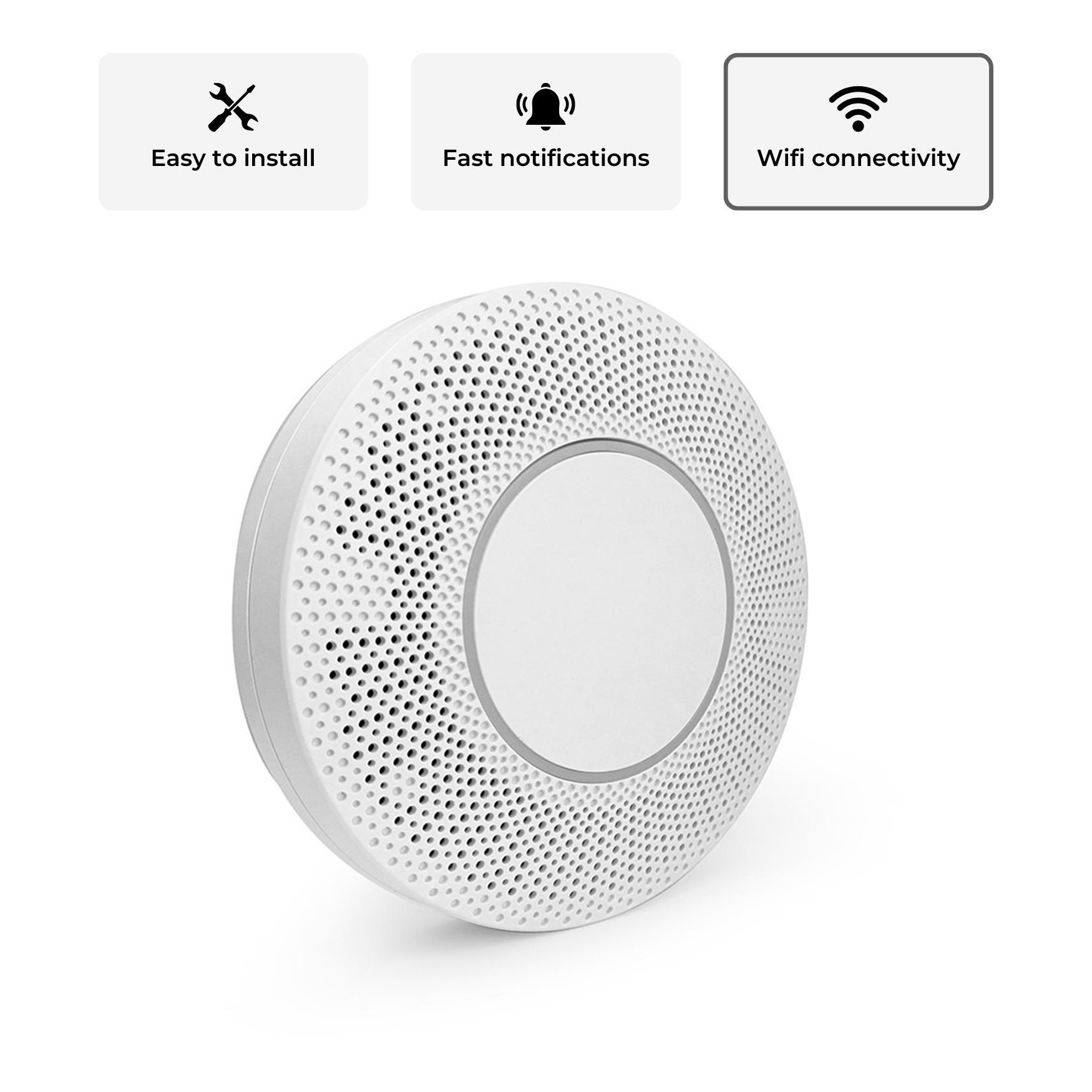
New hardware features include compact designs, enhanced wireless connectivity, and robust analytics dashboards. Software improvements offer adaptive calibration, ensuring each vapor smoke detector stays accurate as vaping products evolve. These innovations make detection more reliable and easier to manage in diverse settings.
Practical Applications and Use Cases
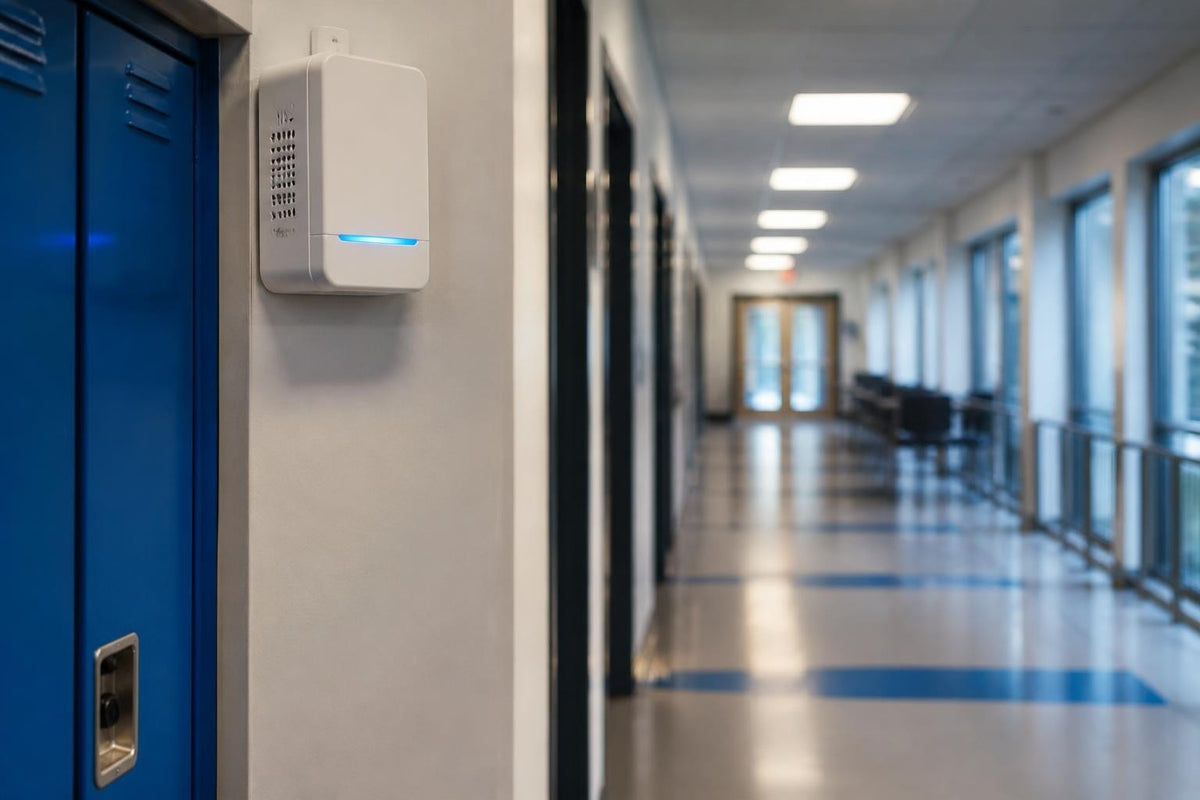
Vapor smoke detector deployment is expanding across multiple sectors. In schools, these devices help safeguard students by identifying and reducing vaping incidents. Offices and healthcare facilities use vapor smoke detectors to maintain air quality and comply with regulations.
Recent case studies show a marked increase in vaping incidents, prompting higher demand for robust detection. For example, schools deploying vapor smoke detectors have reported significant reductions in unauthorised vaping, supporting a safer environment and improved compliance with local policies.
Challenges and Limitations
Despite their benefits, vapor smoke detectors face several challenges. False alarms can occur if the device is not properly calibrated or if environmental factors like high humidity interfere with sensor readings. Regular calibration and adaptive algorithms help minimise these issues.
Privacy is another concern, as monitoring air quality may raise questions about data protection and legal compliance. Organisations must ensure that vapor smoke detector data is handled transparently and in accordance with privacy regulations. Environmental conditions such as airflow and temperature can also impact performance, requiring tailored installation strategies.
Market Overview and Key Players
The vapor smoke detector market is experiencing rapid growth, with schools, offices, and public venues driving adoption. Leading manufacturers offer solutions that combine high sensitivity, real time alerts, and easy integration with existing systems.
Market research indicates a strong upward trend, with analysts forecasting continued expansion as vaping regulations tighten. Adoption rates vary by sector, with educational institutions leading the way due to increased policy enforcement. Key players are investing in research and development to deliver more accurate and user friendly vapor smoke detector technologies.
Regulatory and Compliance Considerations in 2025
Understanding the regulatory environment surrounding vapor smoke detector systems is essential in 2025. New rules, evolving sector requirements, and increasing expectations for compliance are transforming how organisations approach vaping detection. Staying ahead of these changes is vital for both safety and legal peace of mind.
Evolving Legislation on Vaping and Smoke Detection
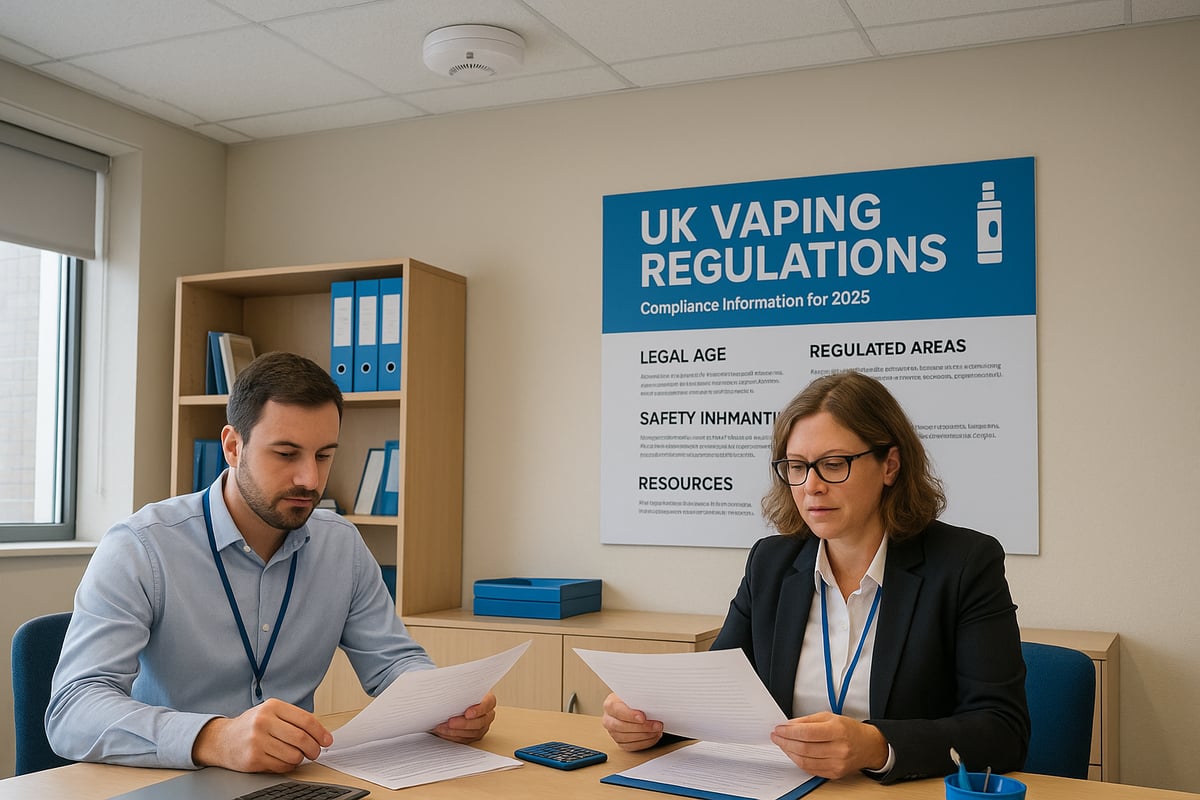
Vaping legislation has changed dramatically in the UK and globally over the past year. The introduction of the Tobacco and Vapes Bill, coupled with the ban on single use vapes from June 2025, has made compliance a pressing issue for many organisations. New requirements now affect where and how vaping is monitored, especially in shared and educational spaces.
For education leaders, the UK School Vaping Laws 2025 provide essential guidance on what must be in place. Staying informed on these changes is key to ensuring your vapor smoke detector policies remain up to date and effective.
Compliance Requirements for Different Sectors
Each sector faces unique compliance challenges when it comes to vapor smoke detector implementation. Schools must prioritise safeguarding, following Ofsted guidance and duty of care requirements. Many now require detectors in toilets, corridors, and other unsupervised areas.
Workplaces need to meet health and safety mandates, ensuring a safe environment for all staff and visitors. This includes clear policies on vaping and the use of vapor smoke detector technology to monitor compliance. Public venues such as leisure centres and hospitals must adhere to local air quality standards and often face stricter enforcement measures.
Certification and Standards for Vapor Smoke Detectors
Selecting a compliant vapor smoke detector involves checking for current certifications and standards. In the UK, look for devices tested to BS EN standards and carrying the CE mark. These certifications confirm that the equipment meets essential health, safety, and environmental protection criteria.
Procurement teams should request certification documentation when sourcing detectors. This step not only supports regulatory compliance but also satisfies insurance requirements and may protect against liability in the event of an incident.
Enforcement and Penalties
Regulatory bodies are increasingly proactive in enforcing vaping legislation. Non compliance can result in substantial penalties, including fines and public naming of offending institutions. In 2024, several schools and businesses faced enforcement actions for failing to install or properly maintain vapor smoke detector systems.
Penalties vary depending on the sector and severity of non compliance. Schools may face additional scrutiny from Ofsted, while employers risk legal action from staff or the public if health and safety standards are breached.
Preparing for Regulatory Changes in 2025
The regulatory landscape for vapor smoke detector systems will continue to shift. Anticipated updates include stricter installation requirements, expanded coverage in public spaces, and tighter data privacy rules. Organisations should review policies regularly, ensuring they align with the latest guidance and prepare for future adjustments.
Proactive strategies include investing in upgradable detection technology, training staff on compliance, and subscribing to regulatory updates. By taking these steps, organisations can future proof their vapor smoke detector investments and maintain a strong compliance posture.
Selecting the Right Vapor Smoke Detector
Choosing the right vapor smoke detector is a crucial step in securing your environment against modern vaping risks. With a growing array of devices on the market, understanding what to look for can make all the difference. This section offers a structured approach to help you assess, compare, and select the best solution for your needs.
Criteria for Choosing a Detector
The first step in selecting a vapor smoke detector is to evaluate its sensitivity and detection capabilities. Look for devices that can accurately identify vape aerosols and distinguish between nicotine, THC, and other substances. Sensitivity is vital for both early detection and avoiding unnecessary disruptions.
Key considerations include:
- Detection accuracy across multiple substances
- Real-time alerting features for rapid response
- Proven track record in environments similar to yours
A robust vapor smoke detector should offer reliable performance and clear alerts, ensuring safety without frequent false alarms.
Installation Environment and Coverage
The effectiveness of a vapor smoke detector depends significantly on the installation environment. Assess the room size, typical airflow patterns, and potential obstructions such as partitions or large furniture. These factors influence the number of detectors required and their optimal placement.
For larger or complex spaces, consider multi-zone and networked detection systems. These solutions provide comprehensive coverage and enable monitoring across different areas from a central dashboard. Careful planning ensures every high-risk zone is protected.
Integration with Existing Systems
Seamless integration with your current infrastructure is essential when introducing a vapor smoke detector. Compatibility with building management systems, security platforms, and alerting software enhances efficiency and situational awareness.
Many modern detectors offer remote monitoring and instant notifications via mobile apps or email. This integration streamlines incident response and allows facilities teams to track trends and adjust strategies as needed.
Cost Considerations and ROI
When evaluating a vapor smoke detector, it is important to balance upfront investment with long-term value. Consider device cost, installation, maintenance, and expected lifespan. Data shows that investing in reliable detection can yield significant savings by reducing incidents and associated disruptions.
For a detailed breakdown and ROI calculator, the Cost and ROI of Vape Detectors guide provides insights tailored to schools and organisations, supporting informed decision making.
User Experience and Support
A user-friendly vapor smoke detector simplifies day-to-day management. Prioritise devices with intuitive controls, clear notifications, and straightforward reporting features. Comprehensive training resources and responsive customer support contribute to smooth implementation.
Look for providers offering regular system updates and accessible help channels. This ensures your vapor smoke detector remains effective as technology and vaping trends evolve.
Vape Guardian: Advanced Vaping Detection Solutions
Vape Guardian stands out in the market for its high-accuracy, real-time vapor smoke detector technology. Their proprietary sensors and AI-powered analytics are designed to reduce incidents by up to 94 percent, as reported in customer environments.
With dedicated UK-based support, Vape Guardian offers education-focused resources and a risk-free trial option. Their solutions are suitable for schools, offices, and public venues seeking reliable, future-proof protection.
Installation and Maintenance Best Practices
Proper installation and maintenance are crucial to the reliability and effectiveness of any vapor smoke detector. By following a structured approach, you can ensure optimal coverage, rapid detection, and ongoing compliance with evolving safety standards. Each step below highlights best practices that support long term safety and system performance.
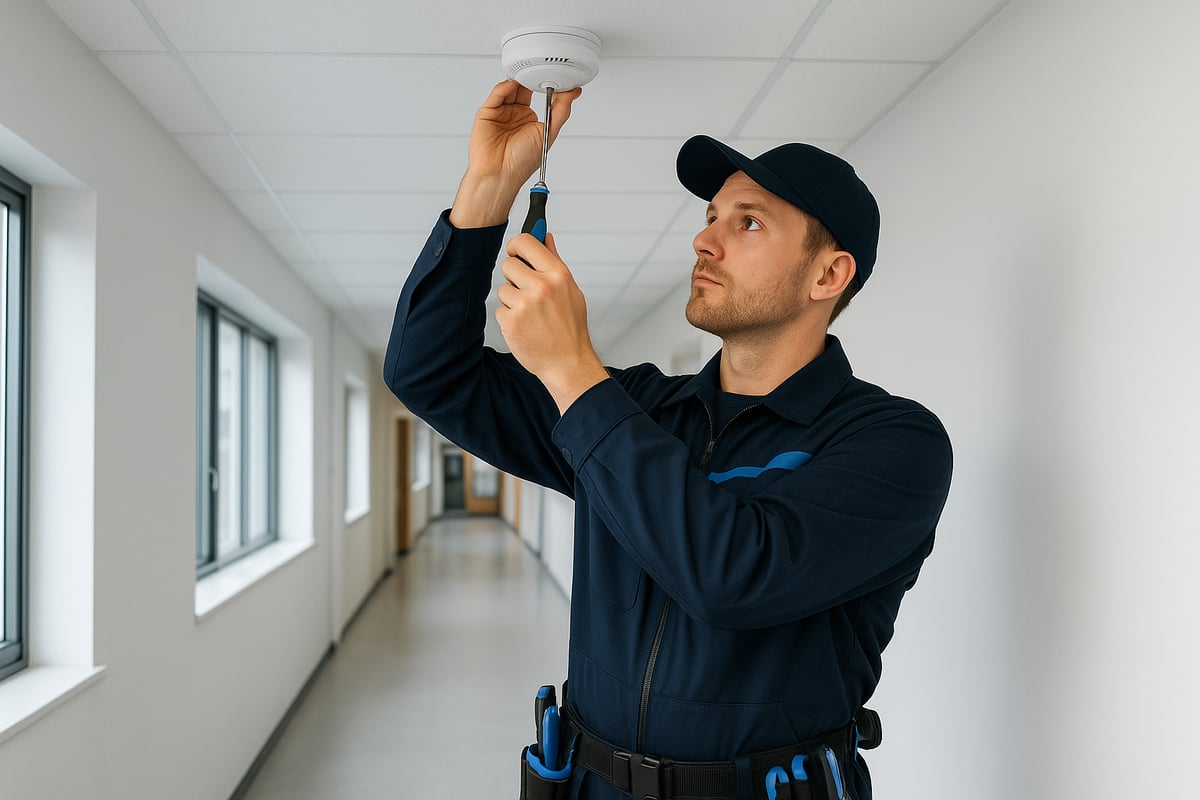
Step 1: Site Assessment and Planning
Begin by conducting a thorough assessment of your facility. Identify high risk areas where vaping incidents are most likely, such as bathrooms, corridors, and shared spaces. Consider factors like occupancy patterns, airflow, and potential obstructions that could impact the performance of your vapor smoke detector.
Map out each zone to determine the number and placement of devices required. Review building layouts and consult with facility managers to gather insights on previous incidents or problem areas. A well planned assessment ensures your vapor smoke detector system is tailored to your unique environment.
Step 2: Device Placement and Setup
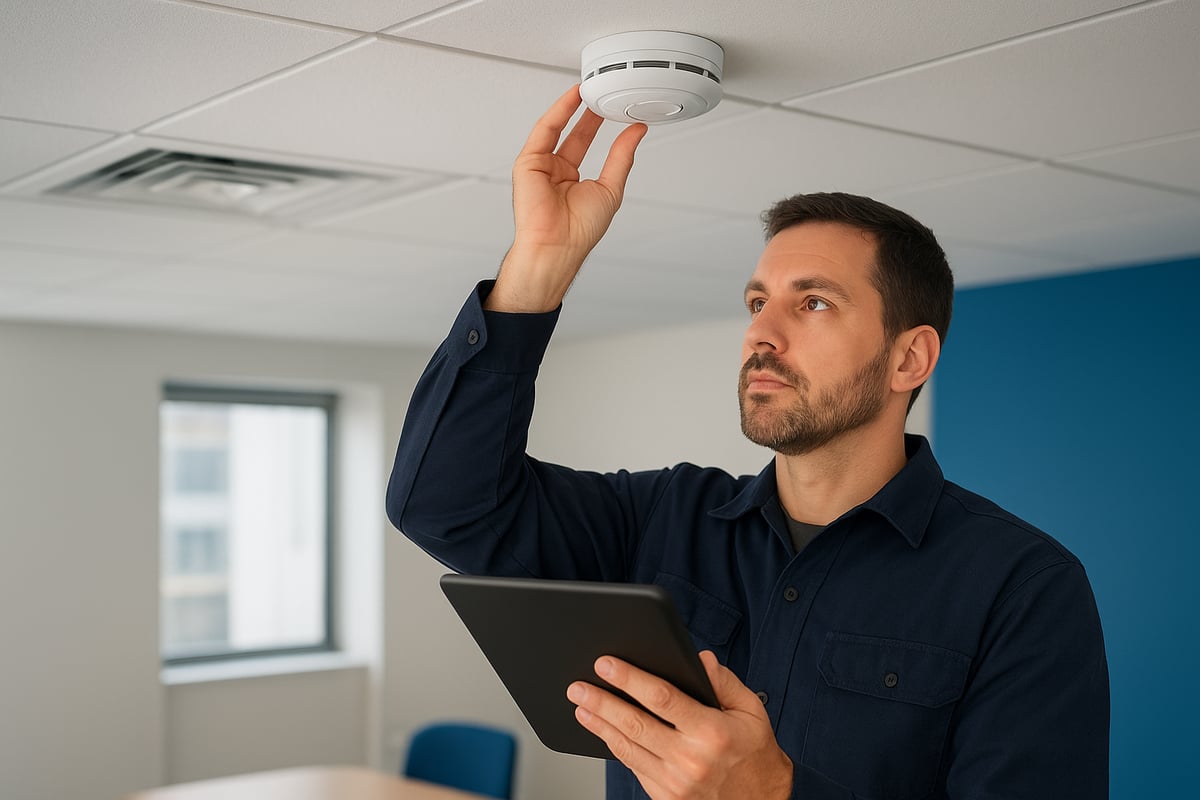
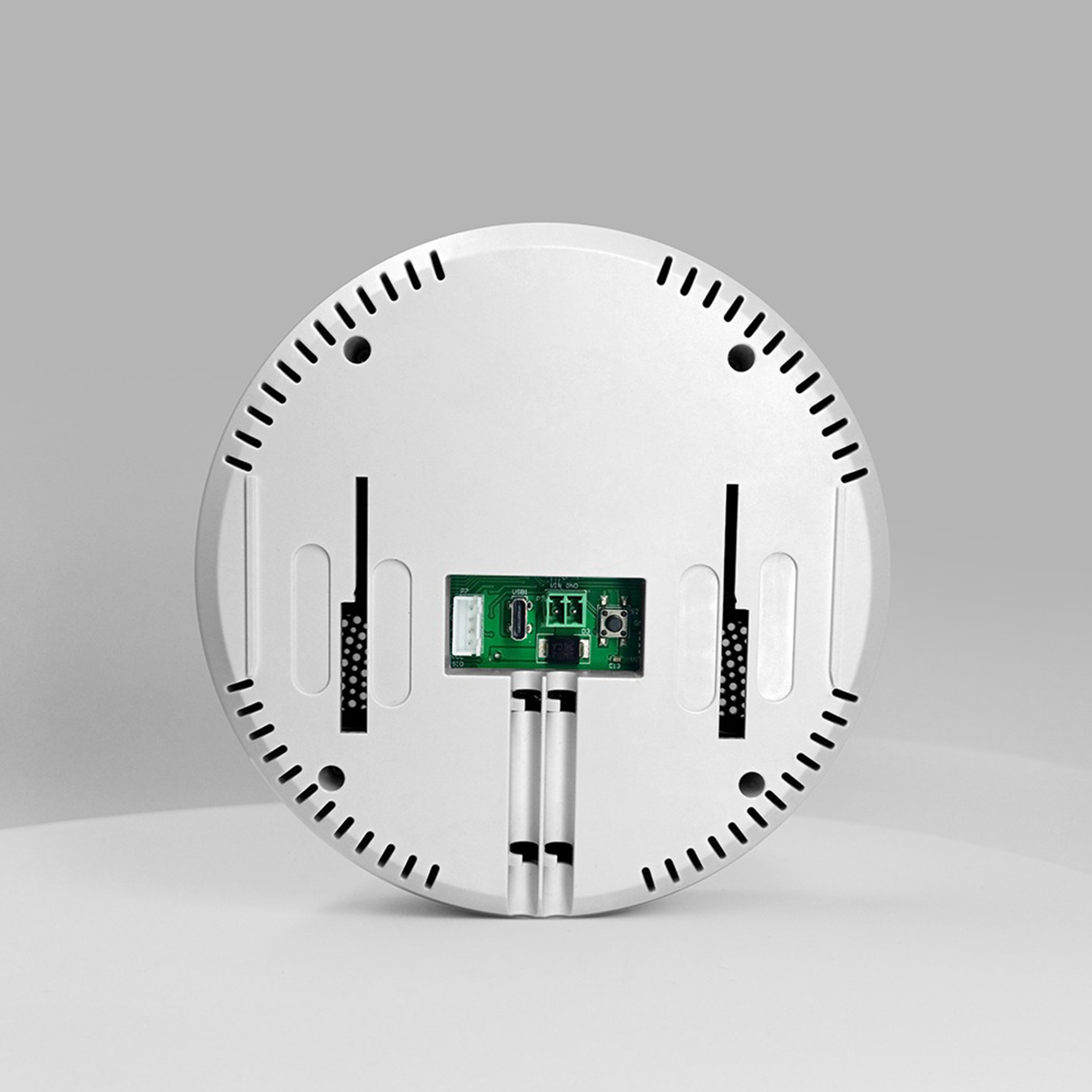
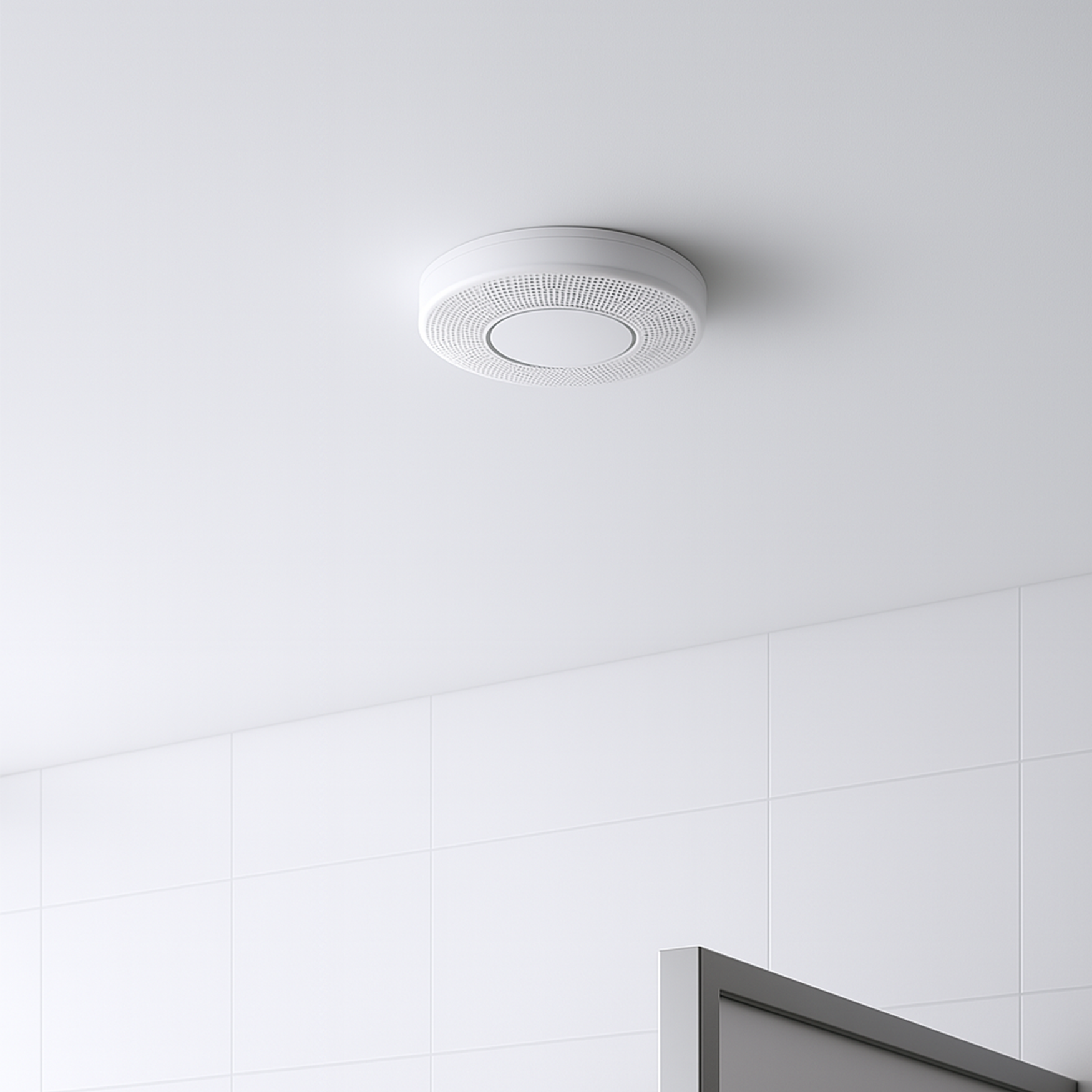
The correct positioning of each vapor smoke detector is essential for reliable operation. Mount detectors on ceilings or high on walls away from vents or direct airflow to prevent diluted readings. Ensure each device has access to stable power and secure network connectivity.
For larger rooms or open plan areas, use multiple detectors to guarantee full coverage. Document device locations and test their reach with simulated vaping incidents. Proper setup limits blind spots and maximises the effectiveness of your vapor smoke detector network.
Step 3: System Integration and Configuration
Integrating your vapor smoke detector with existing building management and security systems improves responsiveness. Connect the detectors to centralised alert platforms, mobile apps, or facility dashboards for real time notifications.
Customise detection thresholds based on room size and typical occupancy. Set up escalation protocols so that alerts reach the right personnel instantly. Regularly review and update configuration settings to adapt your vapor smoke detector system to changes in your environment.
Step 4: Staff Training and Response Protocols
Equip staff with clear guidance on how to respond to alerts from the vapor smoke detector. Establish detailed incident protocols covering investigation, communication, and documentation. Regular training sessions keep everyone informed about device operation and evolving best practices.
For comprehensive advice on incident handling, see Best Practices for Handling Vaping Alerts, which offers step by step guidance for schools and workplaces. Well trained staff are pivotal to maximising the impact of your vapor smoke detector strategy.
Step 5: Ongoing Maintenance and Performance Monitoring
Routine maintenance safeguards the reliability of your vapor smoke detector. Schedule regular cleaning to avoid dust build up, and calibrate sensors to maintain accuracy. Stay up to date with firmware upgrades and software patches provided by your supplier.
Use analytics tools to monitor incident data and identify trends. Adjust your deployment strategy as needed to address emerging risks or changes in building use. Proactive maintenance ensures your vapor smoke detector remains a dependable safeguard for years to come.
Addressing Common Challenges and Concerns
Effective deployment of a vapor smoke detector system is not without its challenges. Addressing these concerns head-on ensures the technology delivers reliable safety, respects privacy, and achieves measurable results.
Managing False Alarms and Sensitivity Issues
False alarms can disrupt daily operations and erode trust in a vapor smoke detector system. Common causes include environmental factors like dust, aerosols from cleaning products, or improper calibration. Facilities should regularly calibrate detectors and use adaptive algorithms that distinguish between different airborne particles.
Best practice involves:
- Scheduling routine calibration checks
- Using multi-sensor technology for higher accuracy
- Training staff to identify non-vape triggers
A well-maintained vapor smoke detector minimises false positives, ensuring alerts are meaningful. This improves response times and maintains confidence in the detection system.
Ensuring Privacy and Data Protection
With any monitoring technology, privacy must be a priority. Vapor smoke detector systems often collect data such as time, location, and frequency of incidents. It is crucial that this information is handled in line with data protection laws and organisational policies.
Key steps include:
- Limiting access to detection data
- Informing staff and users about monitoring
- Anonymising incident logs where possible
Organisations should also review guidance like the UK vaping regulations 2025, which outline compliance requirements for monitoring and reporting in public spaces. Transparent communication fosters trust and ensures ethical use of vapor smoke detector technology.
Responding to Detected Incidents
A vapor smoke detector is only as effective as the response it triggers. Clear protocols help staff act quickly and appropriately when an incident is detected. This includes notifying the right personnel, documenting the event, and following up with those involved.
Recommended steps:
- Establish a notification chain for incidents
- Maintain incident records for compliance audits
- Provide support for those affected
Understanding legal obligations is also vital. The Tobacco and Vapes Bill 2025 highlights evolving responsibilities for institutions, making it essential to align response protocols with current regulations.
Overcoming Resistance and Building Awareness
Introducing vapor smoke detector systems may meet resistance from staff, students, or the public. Concerns often centre on privacy, perceived surveillance, or misunderstanding the technology’s purpose. Proactive engagement, education, and clear communication are key.
Strategies to build support:
- Host information sessions to explain benefits
- Share success stories and incident reduction data
- Address misconceptions through Q and A sessions
Building awareness about the positive impact of vapor smoke detector systems creates a culture of safety and shared responsibility.
Measuring Success and Continuous Improvement
Continual assessment ensures a vapor smoke detector system remains effective and relevant. Key performance indicators (KPIs) like incident reduction, response times, and false alarm rates provide measurable insights.
To drive improvement:
- Review analytics dashboards regularly
- Gather feedback from users and stakeholders
- Adjust detection thresholds and protocols as needed
A commitment to ongoing evaluation ensures the vapor smoke detector adapts to changing needs and maintains its role as a critical safety tool.
Future Trends in Vapor Smoke Detection
The vapor smoke detector industry is on the cusp of significant transformation as we look ahead to 2025. Rapid advances in technology, evolving regulations, and growing public health concerns are driving change. Facilities that embrace these trends will be better positioned to protect their communities and comply with new standards.
AI and Machine Learning Innovations
AI and machine learning are revolutionising the vapor smoke detector space. Algorithms now analyse airborne particles and chemical signatures with greater precision. Self-learning systems adjust to the presence of new vape products, minimising false alarms and improving reliability. Predictive analytics are emerging, enabling facilities to identify patterns and intervene before incidents escalate.
These smart detectors adapt to changing environments and user behaviour. As vaping devices evolve, so too does the capability of each vapor smoke detector, ensuring ongoing protection. Facilities can leverage real-time data to inform policies and reduce manual oversight.
Multi-Function Environmental Monitoring
A growing trend is the integration of vapor smoke detector features with other building safety systems. Modern detectors are not single-purpose devices. Many now combine air quality, occupancy, and noise monitoring in one platform, offering comprehensive environmental visibility.
This holistic approach benefits schools, offices, and public venues. Operators receive a unified dashboard, simplifying management and improving incident response. By investing in a vapor smoke detector that supports multi-functionality, organisations future-proof their safety infrastructure while streamlining maintenance.
Regulatory Shifts and Societal Attitudes
Regulation of vaping in the UK and globally is tightening, directly affecting the demand for advanced vapor smoke detector solutions. New policies, such as those detailed in the E-cigarette regulation October 2025, address everything from advertising to product standards and public usage.
Public attitudes are shifting as awareness grows around youth vaping and environmental impacts. Organisations are expected to demonstrate proactive risk management. Selecting a compliant vapor smoke detector is now a legal and reputational necessity, not just a best practice.
Customisation and User-Centric Design
Personalisation is a key future trend for vapor smoke detector systems. Facilities require flexible alerting, customisable dashboards, and adaptable detection thresholds. These features empower users to tailor devices to their unique environments.
User-centric design minimises disruption and encourages acceptance among staff and occupants. As vapor smoke detector interfaces become more intuitive, training requirements decrease and operational efficiency increases. The shift towards custom solutions is set to accelerate as user expectations rise.
Global Market Expansion and Adoption
The vapor smoke detector market is expanding rapidly beyond the UK, with international adoption surging across education, healthcare, and corporate sectors. Large-scale deployments are underway in schools and workplaces, driven by rising vaping rates and stricter regulations.
Manufacturers are developing region-specific solutions to meet diverse compliance needs. As adoption grows, economies of scale are reducing costs and making vapor smoke detector technology accessible to more organisations worldwide. This global trend is expected to continue, fuelled by ongoing innovation and policy harmonisation.
The Role of Detection in Public Health Initiatives
Vapor smoke detector technology is playing an increasing role in public health strategies. Facilities are collaborating with health agencies and educational bodies to reduce youth vaping and create safer environments. The Government crackdown on single-use vapes highlights the intersection of detection technology and policy action.
By deploying a vapor smoke detector, organisations support early intervention and data-driven prevention programmes. These efforts contribute to healthier, more compliant communities. As public health priorities evolve, detection will remain a cornerstone of effective risk management.
As we've explored, staying ahead of evolving vaping trends and regulatory requirements is essential for safeguarding your environment in 2025. Whether you're managing a school, office, or leisure space, understanding how advanced vapor smoke detectors work and how to select the right solution empowers you to create a safer, compliant setting for everyone. If you want to see exactly how this technology operates and how it can be tailored to your needs, you can learn more about how it works. Let’s take the next step towards a safer, vape-free environment together.



Share:
Vaping on Aircraft: Rules, Risks & Enforcement in 2026
Commercial Air Quality Monitor: Complete 2026 Guide