
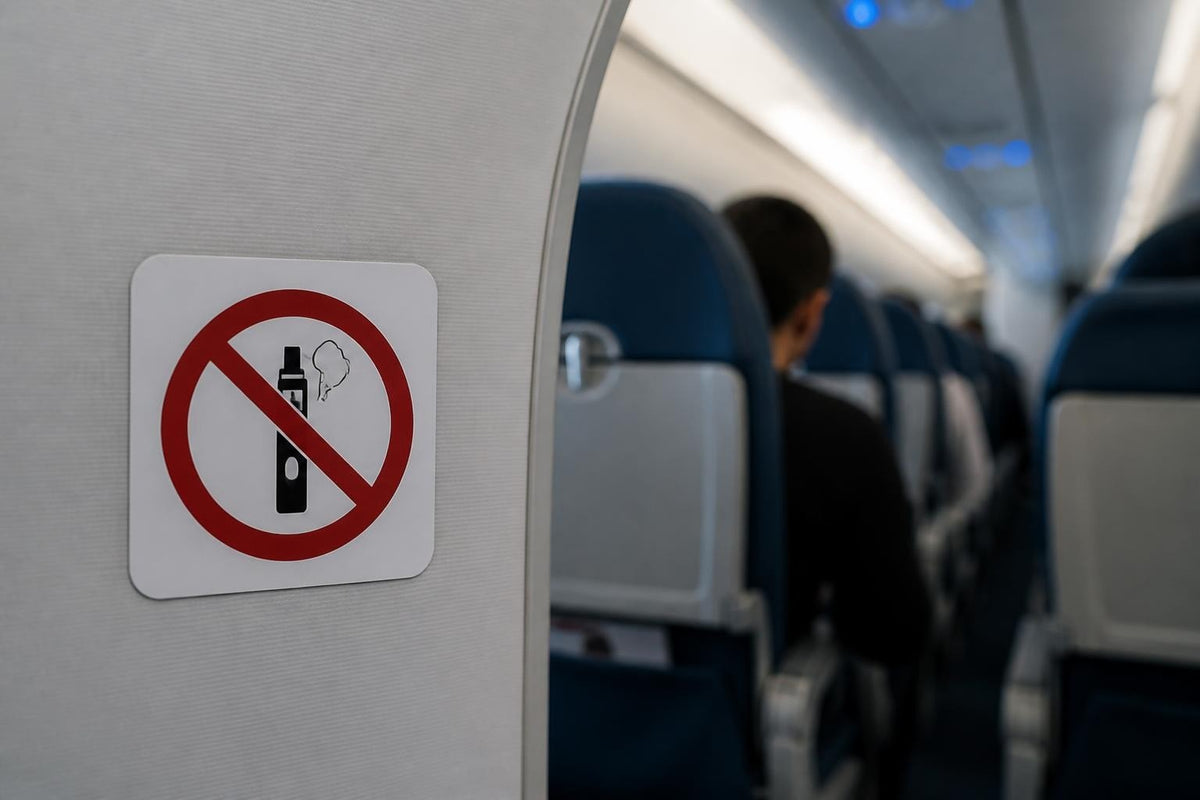
The question of vaping on aircraft has become increasingly pressing as electronic cigarette use has grown worldwide. Despite the widespread perception that vaping is less harmful than traditional smoking, aviation authorities have implemented strict prohibitions against the practice aboard commercial flights. These regulations stem from safety concerns, passenger comfort, and the unique environmental challenges posed by aircraft cabins. Understanding why vaping on aircraft is banned, the legal framework supporting these rules, and the enforcement mechanisms in place is essential for airlines, airport operators, and anyone seeking to maintain compliant, safe travel environments.
Why Vaping on Aircraft Is Prohibited
Aviation regulators worldwide have determined that vaping on aircraft presents multiple safety and health risks that justify an absolute ban. The primary concern centres on the lithium ion batteries that power most electronic cigarettes and vaping devices. These batteries have been linked to fire incidents when damaged, overheated, or improperly handled. In the confined space of an aircraft cabin, a battery fire poses severe risks to passengers and crew alike.
Beyond battery safety, the aerosol produced by vaping devices introduces particulates and chemical compounds into the cabin atmosphere. Aircraft cabins operate as sealed environments with carefully controlled air circulation systems. Unlike ground level buildings where vapour can dissipate naturally, the cabin air quality in aircraft is maintained through sophisticated filtration and recirculation systems that were not designed to handle vaping aerosol.
The Federal Aviation Administration has published clear guidance on carrying e-cigarettes and vaping devices, stipulating that passengers may transport these items in carry on baggage only. Crucially, the FAA prohibits any charging or use of these devices whilst aboard the aircraft.
International Regulatory Framework
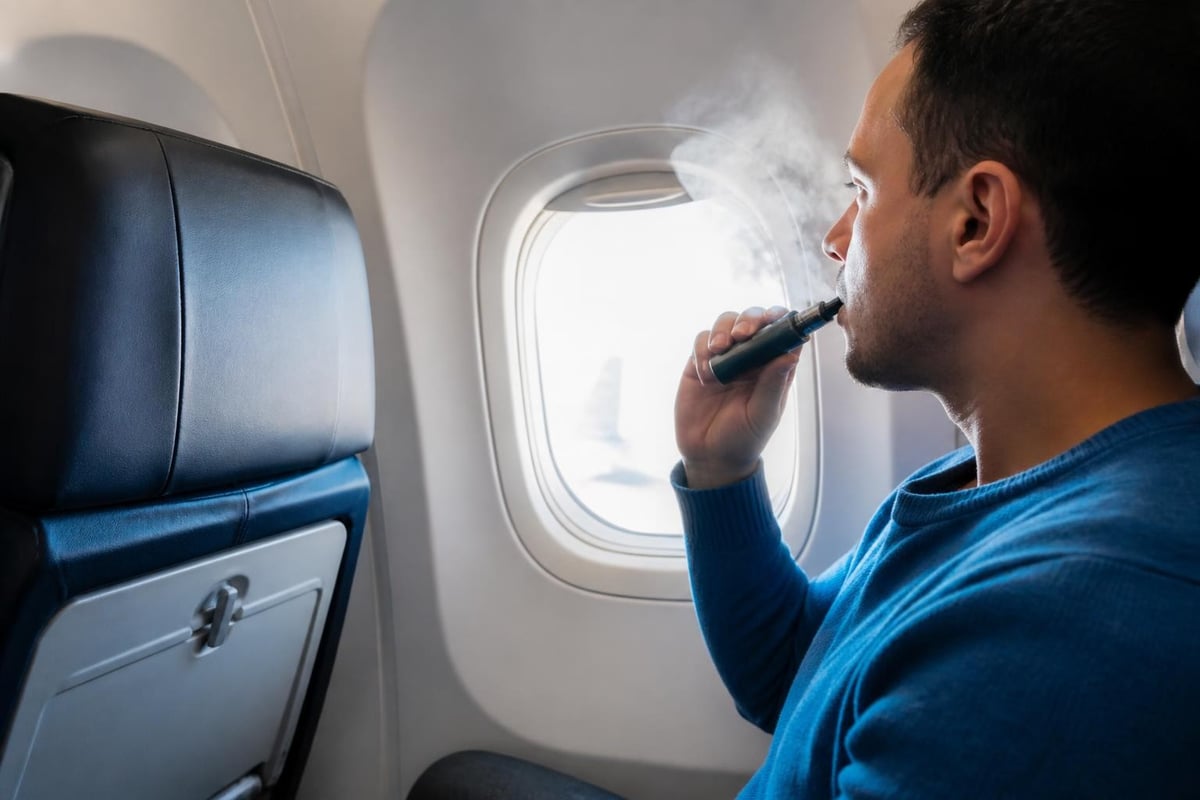
The prohibition on vaping on aircraft is not limited to a single jurisdiction. The International Civil Aviation Organization (ICAO) has established guidelines that many nations have adopted. ICAO's technical instructions explicitly prohibit the stowing of electronic cigarettes in checked baggage and ban recharging devices in aircraft cabins, recognising the fire hazard posed by these battery powered products.
The regulatory approach reflects a precautionary principle. Even though incidents remain relatively rare, the potential consequences of a lithium battery fire at 35,000 feet are severe enough to warrant strict preventive measures. Airlines operating international routes must comply with these regulations regardless of their home country's domestic vaping laws.
Legal Penalties and Enforcement Challenges
Passengers who vape on aircraft face significant legal consequences. In the United Kingdom and many other jurisdictions, vaping on commercial flights is treated similarly to traditional smoking, with penalties including substantial fines and potential criminal charges. Airlines typically include vaping prohibitions in their terms and conditions, allowing them to refuse future travel to violators.
The enforcement challenge lies in detection. Traditional smoke detectors in aircraft lavatories are designed to detect combustion particles from tobacco smoke. Many modern vaping devices produce aerosol that may not reliably trigger these older detection systems. This gap has led some passengers to mistakenly believe they can vape undetected.
Key penalties for vaping on aircraft include:
- Fines ranging from £500 to £5,000 depending on jurisdiction
- Removal from the flight if detected before departure
- Permanent ban from the airline
- Criminal prosecution in severe cases
- Liability for costs if the aircraft must divert due to a vaping incident
Airlines have responded to detection challenges by increasing crew training and passenger education. Flight attendants are now briefed on recognising the distinctive sweet odours associated with many vaping liquids and the visual cues of passengers attempting to conceal vaping activity.
The Role of Advanced Detection Technology
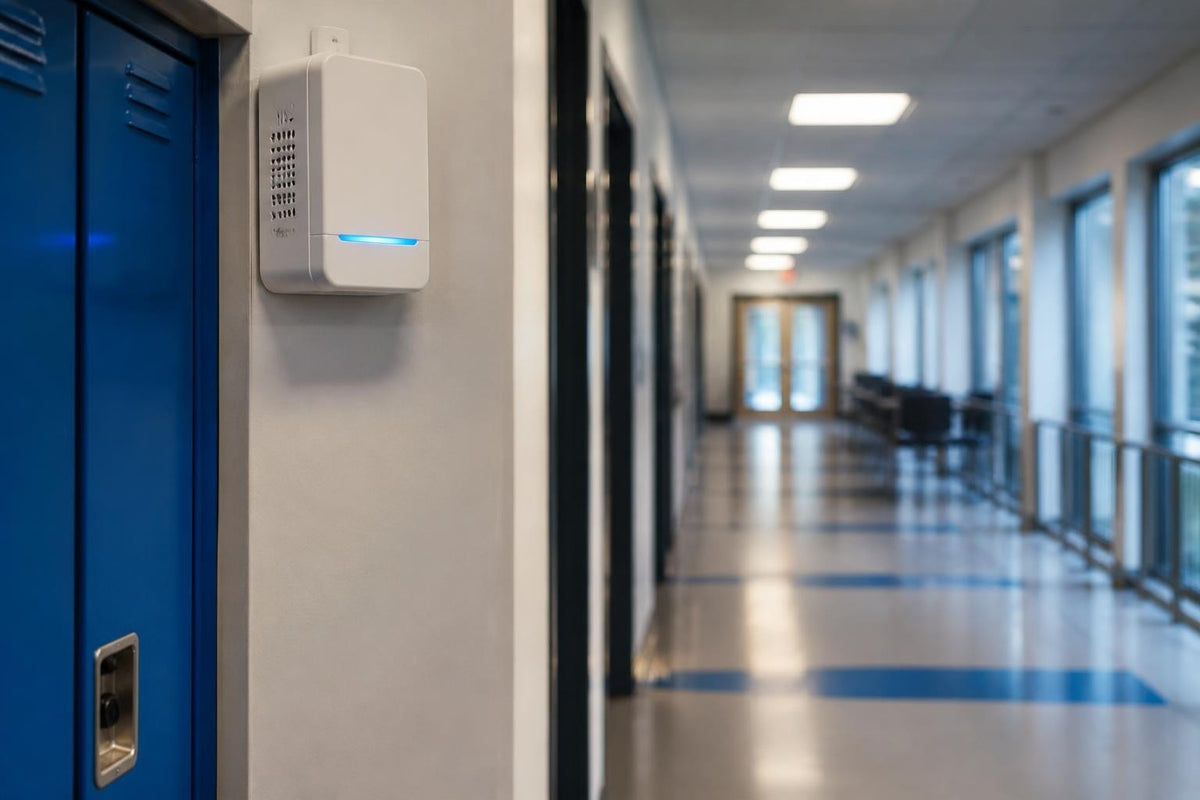
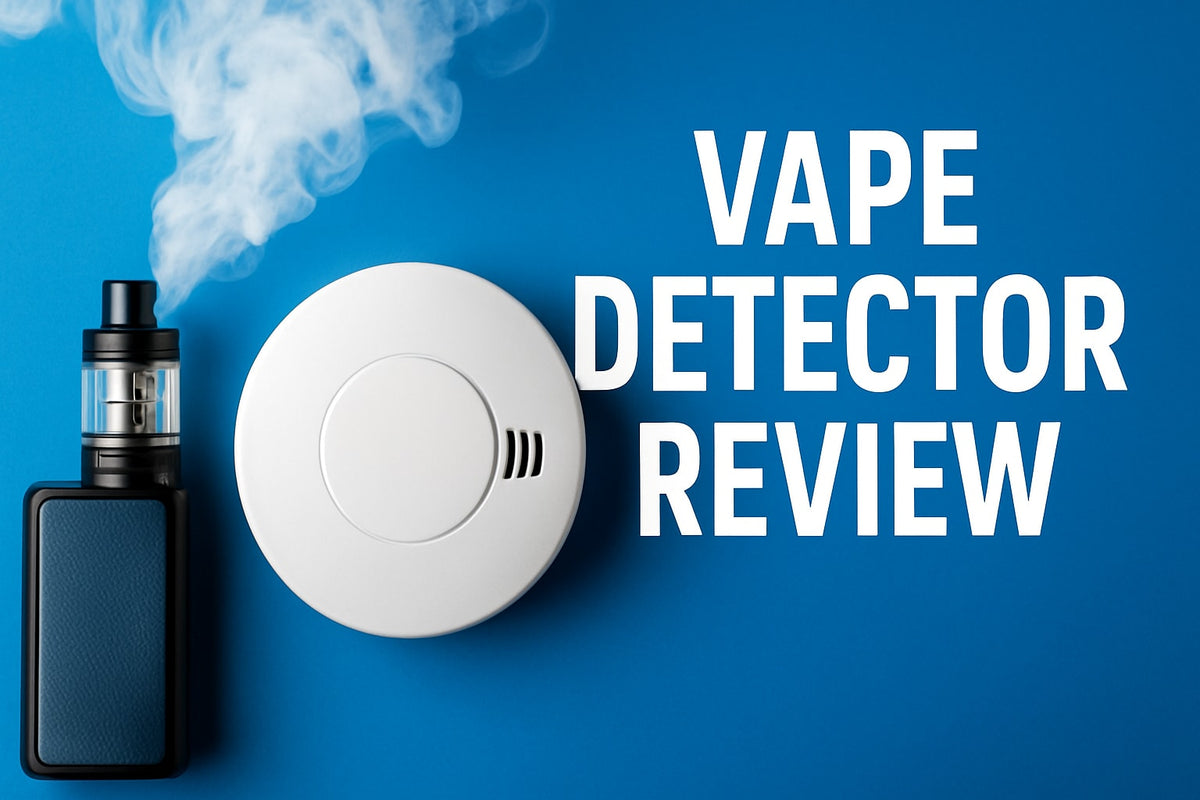
The limitations of traditional smoke detectors have created demand for more sophisticated solutions. Modern vape detection systems utilise sensor arrays capable of identifying the specific chemical signatures of vaping aerosol, distinguishing it from other airborne substances. Whilst such technology has been widely deployed in schools and commercial buildings, its adaptation for aviation presents unique challenges.
Aircraft operators considering enhanced detection capabilities must account for weight, power consumption, maintenance requirements, and certification standards. The Vape Detection System technology used in ground based facilities offers valuable insights into how sensor based monitoring can identify vaping incidents in real time, though aviation specific adaptations require rigorous testing and regulatory approval.

Health and Safety Implications
The health concerns surrounding vaping on aircraft extend beyond the individual user. Secondhand exposure to vaping aerosol in enclosed spaces raises questions about respiratory irritation, allergic reactions, and the transmission of volatile organic compounds to nearby passengers. The World Health Organization has documented the risks associated with e-cigarette aerosol, noting that it contains nicotine and other potentially harmful substances.
Passengers with respiratory conditions, children, and pregnant women may be particularly vulnerable to exposure. Even if vaping aerosol contains fewer toxic compounds than traditional tobacco smoke, any introduction of unnecessary particulates into a sealed cabin environment conflicts with the duty of care airlines owe to all passengers.
| Health Concern | Impact in Aircraft Cabin | Mitigation |
|---|---|---|
| Respiratory irritation | Heightened by pressurised environment | Absolute vaping ban |
| Allergic reactions | Limited escape options for sensitive passengers | Detection and enforcement |
| Nicotine exposure | Affects non-users including children | Crew intervention |
| Chemical particulates | Accumulate in recirculated air | Air filtration systems |
The physiological effects of cabin pressure and reduced oxygen levels may also interact unpredictably with nicotine consumption. Whilst research on this specific interaction remains limited, aviation medicine specialists generally advise against introducing any non-essential substances into the body during flight.
Battery Safety and Fire Prevention
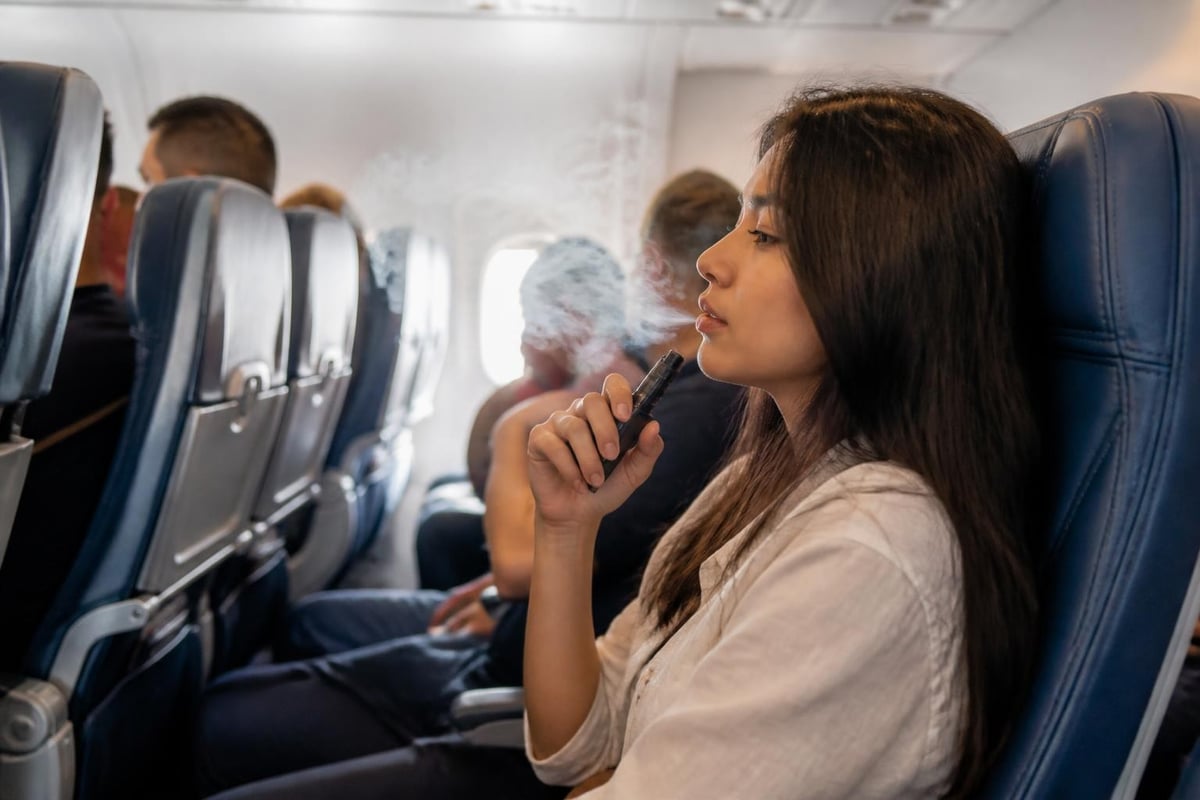
The fire risk associated with lithium ion batteries remains the most critical safety concern regarding vaping on aircraft. Incidents of battery fires in electronic devices have prompted airlines and regulators to develop comprehensive handling protocols. The FAA's guidance on airline passengers and batteries provides detailed information on capacity limits and proper handling procedures.
Battery safety protocols include:
- Carrying devices in cabin baggage only (never checked luggage)
- Protecting battery terminals from short circuits
- Storing spare batteries in original packaging or protective cases
- Never charging devices aboard the aircraft
- Immediately reporting any device that becomes hot, produces odour, or shows other signs of failure
The prohibition on charging devices during flight addresses the increased fire risk when batteries are actively receiving current. Even though modern devices include safety circuits, the combination of altitude, cabin pressure, and limited firefighting resources makes any battery related incident far more serious than the same event would be on the ground.
Airlines train crew members in battery fire response procedures, including the use of containment bags designed to isolate burning lithium batteries. These measures acknowledge that despite prohibition, incidents can occur due to device malfunction or passenger non-compliance.
Passenger Education and Compliance
Achieving compliance with vaping prohibitions requires clear communication beginning before passengers board. Airlines have incorporated vaping information into booking confirmations, pre-flight emails, gate announcements, and safety briefings. Despite these efforts, awareness gaps persist.
Many passengers remain unaware that the prohibition extends to all forms of electronic cigarettes, including products marketed as "smokeless" or "vapourless." Others mistakenly believe that vaping in aircraft lavatories is permissible because they have seen similar behaviour go unpunished on previous flights. This normalisation of non-compliance undermines safety culture and creates enforcement challenges.
Educational initiatives should emphasise not merely the rules but the underlying safety rationale. When passengers understand that vaping on aircraft creates genuine risks rather than representing arbitrary restrictions, compliance typically improves. Airlines can leverage the same communication channels used for other safety information to reinforce these messages.
Cultural Variations and International Travel
The global nature of commercial aviation means that passengers from jurisdictions with varying vaping regulations travel on the same aircraft. Some countries have implemented comprehensive public vaping bans, whilst others maintain more permissive approaches. This regulatory patchwork can create confusion for international travellers.
Airlines must establish uniform policies that comply with the most restrictive applicable regulations. A flight from London to Dubai, for instance, must satisfy UK aviation rules, international conventions, and UAE regulations. In practice, this means that the strictest prohibition applies throughout the journey, regardless of passengers' origin or destination familiarity with local vaping laws.
The UK vaping laws provide context for how domestic regulations interact with aviation requirements. Whilst ground level vaping may be permitted in designated areas within the UK, these permissions do not extend to aircraft registered in Britain or operating in British airspace.
Industry Response and Future Developments
Airlines, aircraft manufacturers, and regulatory bodies continue to refine their approaches to preventing vaping on aircraft. Industry working groups examine incident data, passenger behaviour patterns, and emerging technologies to improve detection and deterrence.
Some carriers have implemented graduated penalty systems that distinguish between first time inadvertent violations and deliberate, repeated offences. This nuanced approach aims to maintain safety whilst acknowledging that some passengers may genuinely misunderstand the rules. However, enforcement remains challenging given the difficulty of proving intent in individual cases.
| Enforcement Approach | Advantages | Challenges |
|---|---|---|
| Crew observation | Immediate intervention possible | Relies on chance detection |
| Passenger reporting | Leverages multiple observers | May create confrontations |
| Enhanced detection systems | Objective, consistent monitoring | Requires certification for aviation use |
| Pre-flight education | Prevents violations proactively | Cannot guarantee compliance |
The Federal Register documentation of the US smoking and e-cigarette prohibition provides legal and regulatory background on how these rules were developed and implemented. Understanding this regulatory history helps contextualise ongoing policy evolution.
Operational Impacts on Airlines
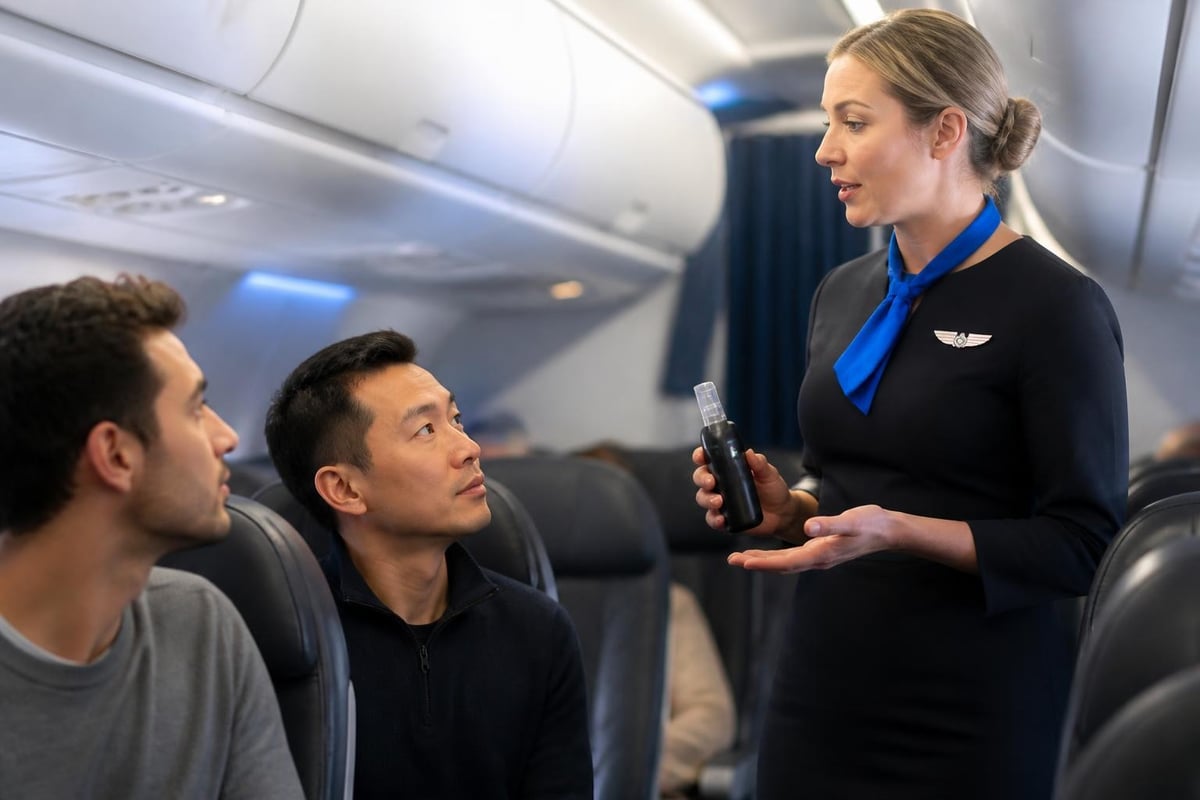
Beyond safety and regulatory compliance, vaping on aircraft creates operational challenges for airlines. Incidents requiring flight diversions due to suspected fires generate enormous costs, including fuel consumption, crew overtime, passenger compensation, and airport fees. Even minor incidents that do not require diversion still demand crew time for documentation and potential law enforcement involvement upon landing.
The reputational risks associated with inadequate enforcement cannot be overlooked. Social media amplifies passenger experiences, and videos of individuals vaping on flights can quickly attract negative attention. Airlines must balance firm enforcement with customer service considerations, particularly when dealing with passengers who claim ignorance of the rules.
Maintenance implications also factor into operational considerations. Vaping residue can accumulate on aircraft surfaces and within air handling systems over time, potentially affecting sensitive equipment. Whilst the impact is less severe than traditional tobacco smoke residue, it nonetheless represents an unnecessary maintenance burden.
Cross-Industry Applications of Detection Technology
The challenges airlines face with vaping detection mirror those encountered by schools, universities, and commercial buildings. Detection technology developed for educational environments has proven effective at identifying vaping incidents in toilets, changing rooms, and other areas where visual monitoring is inappropriate.
These ground based systems offer valuable lessons for aviation applications. Schools tackling vaping have demonstrated that sensor based detection combined with clear policies and appropriate responses can significantly reduce violation rates. The same principles apply in aviation, though the technical requirements differ substantially.
The integration of vape detection for bathrooms in schools and commercial facilities shows how targeted monitoring in high risk areas can deter prohibited behaviour without infringing on privacy in other spaces. Aircraft lavatories represent analogous high risk zones where enhanced detection capabilities would be most beneficial.
Looking Ahead: Policy and Technology Convergence
As vaping technology evolves, so too must the regulatory and enforcement frameworks governing its prohibition on aircraft. Emerging products claim to produce minimal visible aerosol or utilise alternative delivery mechanisms that challenge existing detection methods. Regulators and airlines must remain adaptive to these developments whilst maintaining core safety principles.
The convergence of improved detection technology, data analytics, and artificial intelligence offers promise for more effective enforcement. Systems that can identify vaping incidents in real time and alert crew immediately would significantly enhance safety and deterrence. However, such systems must satisfy stringent aviation certification requirements before widespread deployment becomes feasible.
Passenger behaviour research suggests that visible deterrents and swift, consistent consequences prove most effective at maintaining compliance. Airlines investing in both technology and human factors training position themselves to address vaping violations more effectively than those relying solely on traditional approaches.
The broader context of vape free business environments demonstrates that comprehensive policies supported by appropriate technology can create compliant, safe spaces across various settings. Aviation simply represents one of the most challenging environments in which to implement such policies due to the unique constraints of the aircraft cabin.
The prohibition on vaping on aircraft reflects a careful balance of safety imperatives, health considerations, and practical enforcement realities. As vaping continues to evolve and passenger awareness improves, airlines and regulators must maintain vigilance whilst adapting their approaches to emerging challenges. For organisations seeking to maintain vape free environments in any setting, including aviation facilities and terminals, Vape Guardian provides advanced detection solutions that identify vaping incidents in real time, supporting compliance efforts and creating safer spaces for all.







Share:
Vaping in Colleges: The Hidden Challenge and Solutions
Vapor Smoke Detector Guide: Essential Insights for 2026