

Managing vaping incidents across multiple locations presents unique challenges for organisations responsible for hundreds or thousands of square metres of space. A multi site vape detection system offers centralised monitoring, consistent policy enforcement, and scalable solutions that adapt to diverse environments. Whether you oversee educational campuses, corporate offices, or leisure facilities, understanding how these systems work and their implementation best practices can transform your approach to creating safer, healthier spaces.
Understanding Multi Site Vape Detection Architecture
A multi site vape detection system consists of interconnected sensors deployed across various locations, all feeding data to a centralised management platform. Unlike standalone detectors that operate independently, these systems provide unified oversight of vaping incidents, air quality concerns, and antisocial behaviour patterns across your entire estate.
The architecture typically includes three core components: sensors positioned strategically throughout each site, a cloud based management platform for data aggregation and analysis, and alert systems that notify designated personnel in real time. This integrated approach enables organisations to maintain consistent standards regardless of geographic distribution.

Modern solutions leverage advanced particulate sensors that detect aerosol signatures specific to vaping devices. These sensors can distinguish between vaping emissions and other environmental factors such as steam from showers or cooking vapours. Understanding the accuracy of vape detection technology becomes critical when deploying across multiple sites with varying environmental conditions.
Centralised Monitoring Capabilities
The management platform serves as the nerve centre for your multi site vape detection system. Administrators gain a comprehensive view of all locations through a single interface, eliminating the need to check individual sites separately.
Key features include:
- Real time incident tracking across all monitored locations
- Historical data analysis revealing patterns and trends
- Customisable alert routing based on site, severity, or time of day
- User permission controls allowing site specific or organisation wide access
- Integration capabilities with existing security and building management systems
This centralised approach proves particularly valuable for organisations managing vape detection across educational settings, where multiple buildings or campuses require coordinated oversight.
Deployment Strategies for Multiple Locations
Successful implementation of a multi site vape detection system requires careful planning and phased deployment. Organisations must balance comprehensive coverage with budget constraints whilst ensuring each location receives appropriate protection based on its specific risk profile.
Site Assessment and Prioritisation
Begin by conducting thorough assessments of each location within your estate. Identify high risk areas such as toilets, changing rooms, stairwells, and other enclosed spaces where vaping incidents commonly occur. Document environmental factors that might affect sensor performance, including ventilation systems, ambient humidity levels, and typical occupancy patterns.
Priority mapping helps allocate resources effectively:
- Tier One Sites: Locations with highest incident rates or regulatory scrutiny requiring immediate coverage
- Tier Two Sites: Moderate risk areas where vaping poses concern but less immediate threat
- Tier Three Sites: Lower risk locations that benefit from coverage but can wait for later deployment phases
This staged approach allows organisations to demonstrate value quickly whilst building towards comprehensive coverage. Many facilities discover that addressing high priority areas first creates momentum and supports business cases for expanding the multi site vape detection system to additional locations.
| Deployment Phase | Timeline | Coverage Target | Budget Allocation |
|---|---|---|---|
| Phase 1 | Months 1-3 | High risk areas, 30% coverage | 40% |
| Phase 2 | Months 4-6 | Medium risk expansion, 60% coverage | 35% |
| Phase 3 | Months 7-12 | Comprehensive coverage, 90%+ | 25% |
Network Infrastructure Considerations
Your multi site vape detection system's effectiveness depends heavily on reliable network connectivity. Sensors must communicate consistently with the central platform to deliver real time alerts and maintain continuous monitoring.
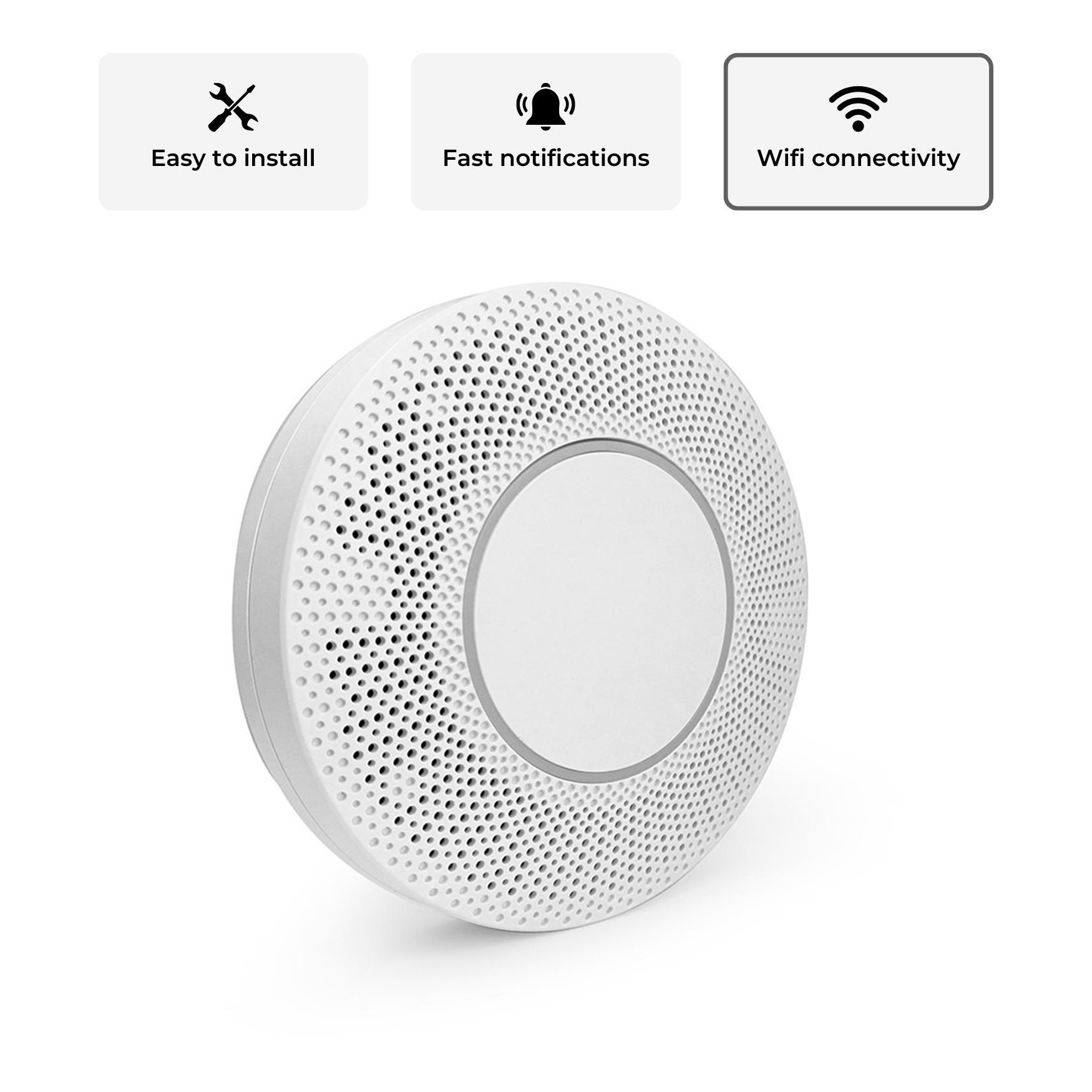
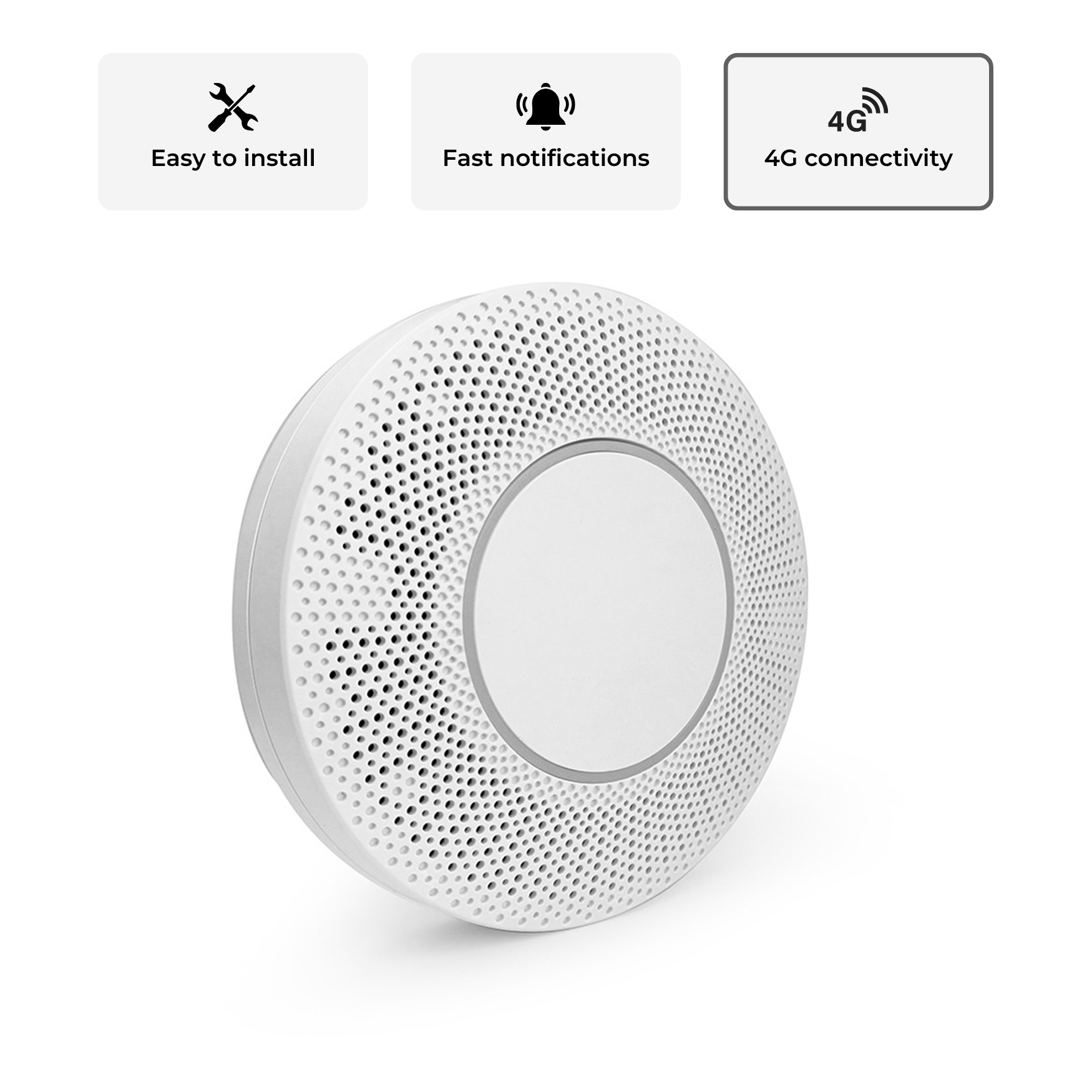
Evaluate existing network infrastructure at each location. Some sites may offer robust WiFi coverage suitable for connecting sensors, whilst others might require alternative connectivity solutions such as 4G cellular connections. Hybrid approaches often work best, using wired or WiFi connections where available and cellular backup for locations with limited infrastructure.
Security considerations cannot be overlooked. Ensure your network supports encrypted communications between sensors and the management platform. Segregate vape detection traffic from other network operations where possible, particularly in environments handling sensitive information.

Integration with Existing Systems and Workflows
A multi site vape detection system delivers maximum value when integrated seamlessly with your organisation's existing security infrastructure and operational workflows. Standalone systems create information silos and increase administrative burden, whilst integrated solutions enhance situational awareness and streamline response protocols.
Security System Integration
Modern vape detectors can interface with video management systems, access control platforms, and building automation systems. When a sensor detects vaping activity, it can trigger specific camera views, log the incident with timestamps, and even activate ventilation systems to clear contaminated air more quickly.
Advanced integration capabilities allow your multi site vape detection system to become part of a comprehensive safety ecosystem. For instance, sensors detecting multiple alerts in quick succession might automatically restrict access to affected areas whilst security personnel investigate.
Benefits of integrated systems include:
- Correlated incident data providing complete context for investigations
- Automated response workflows reducing manual intervention requirements
- Unified reporting across security, health, and safety functions
- Enhanced forensic capabilities for policy enforcement
Organisations managing office environments particularly benefit from integration with HVAC systems, ensuring air quality remains optimal across all locations.
Alert Routing and Escalation Protocols
Effective alert management separates successful deployments from systems that generate alarm fatigue. Your multi site vape detection system should support sophisticated routing rules that deliver notifications to appropriate personnel based on location, time, and severity.
Configure escalation protocols that account for different scenarios. A single vaping incident might notify on site supervisors, whilst repeated incidents in the same location could escalate to senior management. After hours alerts might route to security teams rather than facilities staff.
Consider these alert routing strategies:
- Geographic routing sending alerts to personnel responsible for specific sites or buildings
- Role based routing ensuring appropriate staff members receive relevant notifications
- Time based routing adjusting recipient lists for different shifts or operational periods
- Severity based routing escalating persistent or multiple simultaneous incidents
The Vape Detection System from Vape Guardian offers comprehensive alert customisation, enabling organisations to fine tune notification protocols that match their operational requirements and staffing structures perfectly.

Managing Data Across Multiple Locations
Data generated by a multi site vape detection system provides valuable insights extending far beyond simple incident notification. Properly analysed, this information reveals patterns, supports policy development, and demonstrates return on investment to stakeholders.
Analytics and Reporting Capabilities
Centralised platforms aggregate data from all sensors, enabling comparative analysis across locations. Identify which sites experience highest incident rates, which times of day present greatest risk, and whether seasonal patterns emerge. This intelligence informs resource allocation decisions and targeted intervention strategies.
Comprehensive reporting supports various stakeholder needs:
| Report Type | Audience | Key Metrics | Frequency |
|---|---|---|---|
| Incident Summary | Site Managers | Alert counts, response times, resolution status | Daily |
| Trend Analysis | Senior Leadership | Month over month changes, site comparisons | Monthly |
| Compliance Documentation | Regulatory Bodies | Coverage areas, system uptime, incident logs | Quarterly |
| ROI Assessment | Finance Teams | Incident reduction, policy compliance improvement | Annually |
Advanced systems offer customisable dashboards where different user groups access relevant data without overwhelming them with unnecessary details. Schools implementing vape detection might share sanitised reports with governors whilst maintaining detailed operational data for designated safeguarding leads.
Privacy and Data Protection Compliance
Operating a multi site vape detection system involves collecting and processing data that may have privacy implications. Whilst the sensors detect environmental conditions rather than identifying individuals, incident logs often include timestamps and locations that could indirectly identify people.
Ensure your deployment complies with data protection regulations including GDPR for UK based organisations. Document what data you collect, how long you retain it, who accesses it, and for what purposes. Implement appropriate security measures protecting data both in transit and at rest.
Transparency builds trust. Communicate clearly with building occupants about the presence of vape detection systems, their purpose, and how data is used. Many organisations find that visible notification of monitoring actually deters vaping behaviour, enhancing the system's preventative value.
Scaling Considerations and Growth Planning
A properly designed multi site vape detection system accommodates growth without requiring complete redesign. Whether adding new buildings, expanding coverage within existing sites, or incorporating additional sensor types, your platform should scale seamlessly.
Adding New Sites to Your Network
Cloud based management platforms typically support unlimited site additions without infrastructure constraints. Adding a new location involves deploying sensors, connecting them to your network, and configuring alert routing within the management interface.
Standardise your deployment approach across sites to streamline expansion:
- Develop site survey templates capturing essential environmental and infrastructure information
- Create installation checklists ensuring consistent setup procedures
- Establish configuration baselines that new sensors inherit automatically
- Document lessons learned from each deployment to improve future rollouts
Organisations pursuing global vape detection strategies benefit from platforms supporting multiple currencies, languages, and time zones whilst maintaining centralised oversight.
Future Proofing Your Investment
Technology evolves rapidly, and your multi site vape detection system should accommodate emerging capabilities without requiring wholesale replacement. Look for platforms with open APIs enabling custom integrations, regular firmware updates adding new features, and vendor roadmaps aligned with your organisation's strategic direction.
Consider sensors capable of detecting multiple environmental factors beyond vaping. Multi sensor solutions monitoring air quality, sound levels, and other conditions provide additional value whilst leveraging your existing infrastructure investment.
Budget for ongoing costs including:
- Subscription fees for cloud platform access and data storage
- Sensor maintenance, calibration, and eventual replacement
- Network connectivity charges particularly for cellular connected devices
- Training for new staff members joining your organisation
- System upgrades and feature enhancements
Vendor Selection and Procurement Strategies
Choosing the right partner for your multi site vape detection system significantly impacts long term success. Evaluate vendors based on technical capabilities, support quality, and commercial terms that align with your organisation's needs.
Key Vendor Evaluation Criteria
Technical specifications matter, but equally important are factors like implementation support, ongoing customer service, and vendor stability. A sophisticated system proves worthless if the supplier cannot provide timely assistance when issues arise.
Request demonstrations using scenarios matching your specific deployment context. Generic product showcases reveal less than targeted walkthroughs addressing your unique requirements. Ask vendors to explain how their multi site vape detection system handles situations relevant to your environment, whether that involves leisure and retail settings or specialised applications like aviation facilities.
Essential evaluation criteria include:
- Scalability: Can the platform grow with your organisation without architectural limitations?
- Integration capabilities: Does the system connect with your existing security and building management infrastructure?
- Support availability: What hours does technical support operate, and through what channels?
- Update frequency: How often does the vendor release improvements and security patches?
- Data ownership: Who controls your incident data, and can you export it if changing vendors?
Commercial Models and Total Cost of Ownership
Multi site vape detection systems typically involve a combination of upfront hardware costs and recurring subscription fees for platform access and support. Understanding total cost of ownership over the system's expected lifespan enables accurate budget planning and ROI calculations.
Some vendors offer flexible subscription models that spread costs over time, reducing initial capital requirements. Others provide financing options or leasing arrangements suited to different procurement preferences.
Compare proposals on an equivalent basis:
| Cost Component | Year 1 | Years 2-5 | Total 5 Year Cost |
|---|---|---|---|
| Hardware (sensors, accessories) | £15,000 | £3,000 | £27,000 |
| Software subscriptions | £6,000 | £24,000 | £30,000 |
| Installation and setup | £4,000 | £0 | £4,000 |
| Training and support | £2,000 | £4,000 | £6,000 |
| Network connectivity | £1,500 | £6,000 | £7,500 |
| Total | £28,500 | £37,000 | £74,500 |
Request detailed cost breakdowns including any fees for additional users, data storage beyond base allocations, or premium support tiers. Hidden costs discovered after contract signing create budget headaches and undermine stakeholder confidence.
Staff Training and Change Management
Technology alone cannot ensure successful multi site vape detection system implementation. Staff must understand how to use the system effectively, interpret alerts appropriately, and respond to incidents consistently across all locations.
Developing Training Programmes
Create role specific training addressing different user groups' needs. Security personnel require different knowledge than facilities managers or senior administrators. Site level staff need detailed operational training, whilst executive users might focus on reporting and analytics capabilities.
Effective training programmes cover:
- System overview explaining how sensors work and what they detect
- Alert interpretation distinguishing genuine incidents from false positives
- Response protocols outlining steps when alerts occur
- Reporting procedures for documenting incidents and outcomes
- Troubleshooting basics enabling staff to resolve common issues independently
Supplement initial training with ongoing education as the system evolves. When adding new sites or features, ensure relevant personnel understand changes and can leverage new capabilities effectively. Many organisations find that quarterly refresher sessions help maintain competency and address questions arising from real world use.
Building Organisational Buy In
Successful multi site vape detection system deployments require support from stakeholders across the organisation. Technical staff appreciate reliability and integration capabilities, whilst finance teams focus on cost effectiveness and ROI. Building occupants want assurance that monitoring respects privacy whilst creating safer environments.
Communicate the system's benefits in terms relevant to each audience. Share success stories demonstrating incident reduction, highlight improved air quality metrics, and showcase compliance achievements. Transparency about capabilities and limitations builds trust and realistic expectations.
Best practices for handling vaping alerts emphasise consistent, proportionate responses that reinforce organisational policies without creating adversarial relationships with building occupants.
Measuring Success and Continuous Improvement
Deploying a multi site vape detection system represents significant investment in creating safer, healthier environments. Demonstrating tangible returns justifies ongoing funding and supports expansion to additional locations or enhanced capabilities.
Establishing Key Performance Indicators
Define clear metrics measuring system effectiveness and organisational impact. KPIs should align with objectives that motivated the initial deployment, whether reducing vaping incidents, improving air quality, or supporting regulatory compliance.
Common performance indicators include:
- Incident reduction rate: Percentage decrease in confirmed vaping events over time
- Response time: Average duration between alert generation and staff response
- Detection accuracy: Ratio of valid alerts to false positives
- System uptime: Percentage of time sensors remain operational and connected
- Coverage completeness: Proportion of targeted areas with active monitoring
Track these metrics consistently across all sites within your multi site vape detection system. Comparative analysis reveals which locations achieve best results and where additional attention might improve outcomes.
Optimising System Performance
Use data gathered through your multi site vape detection system to refine deployment strategies and operational protocols. If certain sensors generate excessive false positives, investigate environmental factors that might require sensitivity adjustments. When response times lag at specific sites, consider whether alert routing needs modification or additional staff training.
Regular system reviews ensure you extract maximum value from your investment. Quarterly assessments examining incident trends, system performance, and user feedback identify improvement opportunities and inform strategic decisions about expansion or enhancement.
Organisations implementing comprehensive vape detection programmes across multiple facilities report significant improvements in both incident detection and preventative deterrence as building occupants recognise the organisation's commitment to maintaining healthy environments.
Multi site vape detection systems provide scalable, centrally managed solutions for organisations committed to creating safer environments across diverse locations. By understanding deployment strategies, integration opportunities, and success measurement approaches, you can implement technology that delivers measurable results whilst supporting compliance and wellbeing objectives. Vape Guardian specialises in advanced vaping detection and air quality monitoring solutions designed for schools, offices, and leisure facilities throughout the UK, offering reliable sensors, real time alerts, and dedicated support to help organisations reduce vaping incidents and maintain healthier spaces.





Share:
Anti Vaping System for Schools: Complete Guide 2026
Vaping in School Toilets: A Growing Crisis