

The vaping epidemic in schools has escalated dramatically over recent years, with students as young as 11 using e-cigarettes and vaping devices in toilets, changing rooms, and other secluded areas. This concerning trend has prompted educational institutions across the UK to seek innovative solutions that protect student health and maintain compliance with safeguarding regulations. An anti vaping system for schools provides a technologically advanced approach to detecting vaping incidents in real time, enabling staff to intervene promptly and create safer learning environments for all students.
Understanding the Scale of Vaping in Schools
Recent statistics paint a troubling picture of youth vaping prevalence. Research shows that thousands of secondary school pupils regularly use vaping devices, often concealing them in backpacks, pockets, or even modified stationery items. The rise of Juuling and similar compact devices has made detection increasingly challenging for traditional monitoring methods.
The health implications extend far beyond nicotine addiction. Young people who vape face risks including respiratory problems, cardiovascular concerns, and potential gateway pathways to other substance use. Schools bear significant responsibility for protecting students during their time on campus, making effective detection systems essential.
Why Traditional Methods Fall Short
Walking patrols and visual inspections simply cannot provide comprehensive coverage. Students have become remarkably adept at identifying surveillance gaps, timing their vaping sessions between rounds, and using lookouts to avoid detection. Staff members cannot be everywhere simultaneously, and privacy concerns limit direct bathroom monitoring.
Key limitations of conventional approaches:
- Insufficient coverage of all potential vaping locations
- Delayed response times allowing students to dispose of evidence
- Resource intensive requiring dedicated staff time
- Privacy and dignity concerns in sensitive areas
- Inconsistent enforcement creating perception of unfairness

How Anti Vaping Systems Work
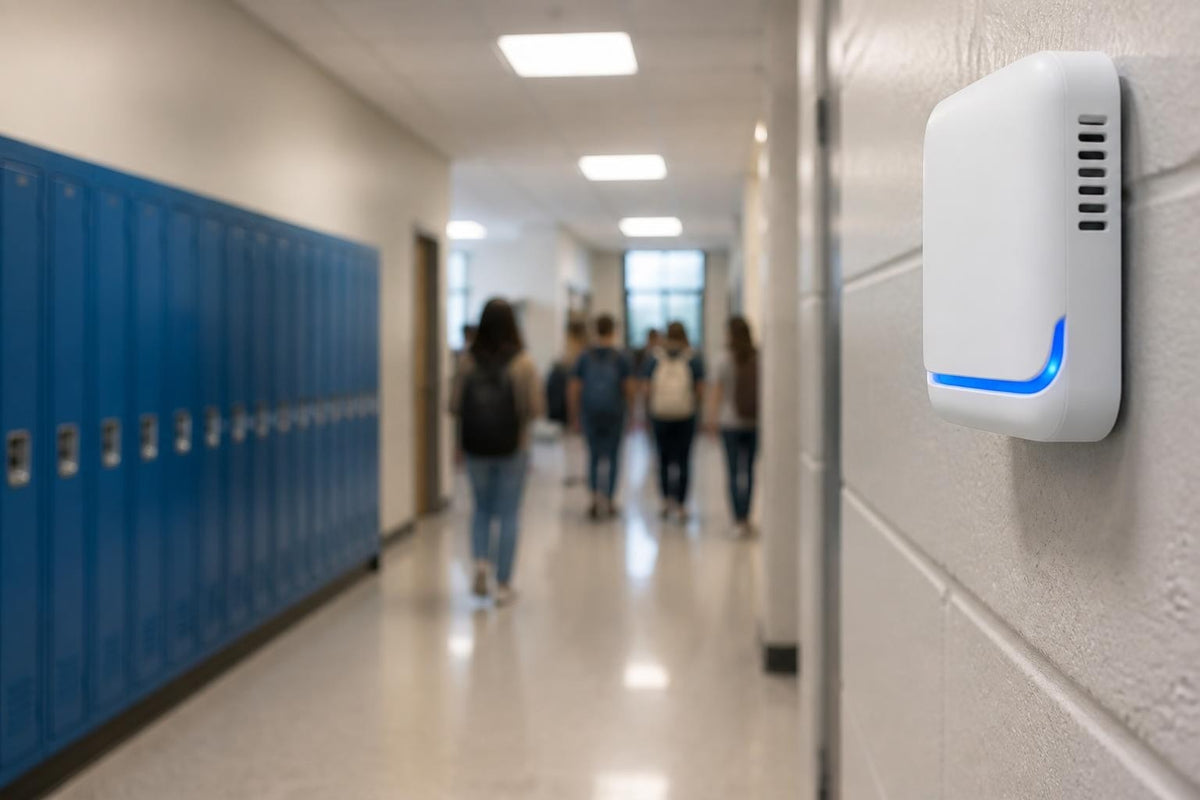
An anti vaping system for schools employs sophisticated sensors that continuously monitor air quality and detect specific chemical signatures associated with vaping products. These devices analyse particulate matter, volatile organic compounds, and other airborne substances that indicate vaping activity.
When a sensor detects vaping, it immediately transmits alerts to designated staff members via mobile applications, email notifications, or integrated management platforms. This enables rapid response whilst incidents are still occurring, dramatically improving intervention effectiveness compared to after the fact discoveries.
Technical Components and Capabilities
Modern vape detection solutions integrate multiple sensing technologies to minimise false positives whilst maintaining high sensitivity. Beyond vaping detection, many systems also identify other concerning behaviours including aggressive shouting, drug use indicators, and tampering attempts.
| Feature | Capability | Benefit |
|---|---|---|
| Multi-sensor array | Detects vapour, THC, and airborne chemicals | Comprehensive substance monitoring |
| Noise detection | Identifies loud disturbances and bullying | Enhanced student safety |
| Tamper alerts | Reports physical interference attempts | Maintains system integrity |
| Real-time notifications | Instant staff alerts via multiple channels | Immediate response capability |
The best vape detectors and sensors combine accuracy with user friendly interfaces, allowing schools to monitor multiple locations from centralised dashboards whilst maintaining detailed incident logs for disciplinary and compliance purposes.
Strategic Placement for Maximum Effectiveness
Proper sensor positioning is crucial for an anti vaping system for schools to achieve optimal results. Toilets remain the primary vaping location, accounting for approximately 70% of incidents, making them the highest priority installation sites. Changing rooms, storage cupboards, and secluded stairwells also warrant coverage.
Schools should conduct thorough assessments of their premises, consulting with students, staff, and maintenance personnel to identify all potential vaping hotspots. Understanding how vape detection systems support school safety helps administrators make informed decisions about coverage requirements and budgetary allocations.
Installation Considerations
- Assess current vaping patterns through incident reports and staff observations
- Map high risk areas including toilets, changing facilities, and blind spots
- Determine coverage density based on room size and ventilation systems
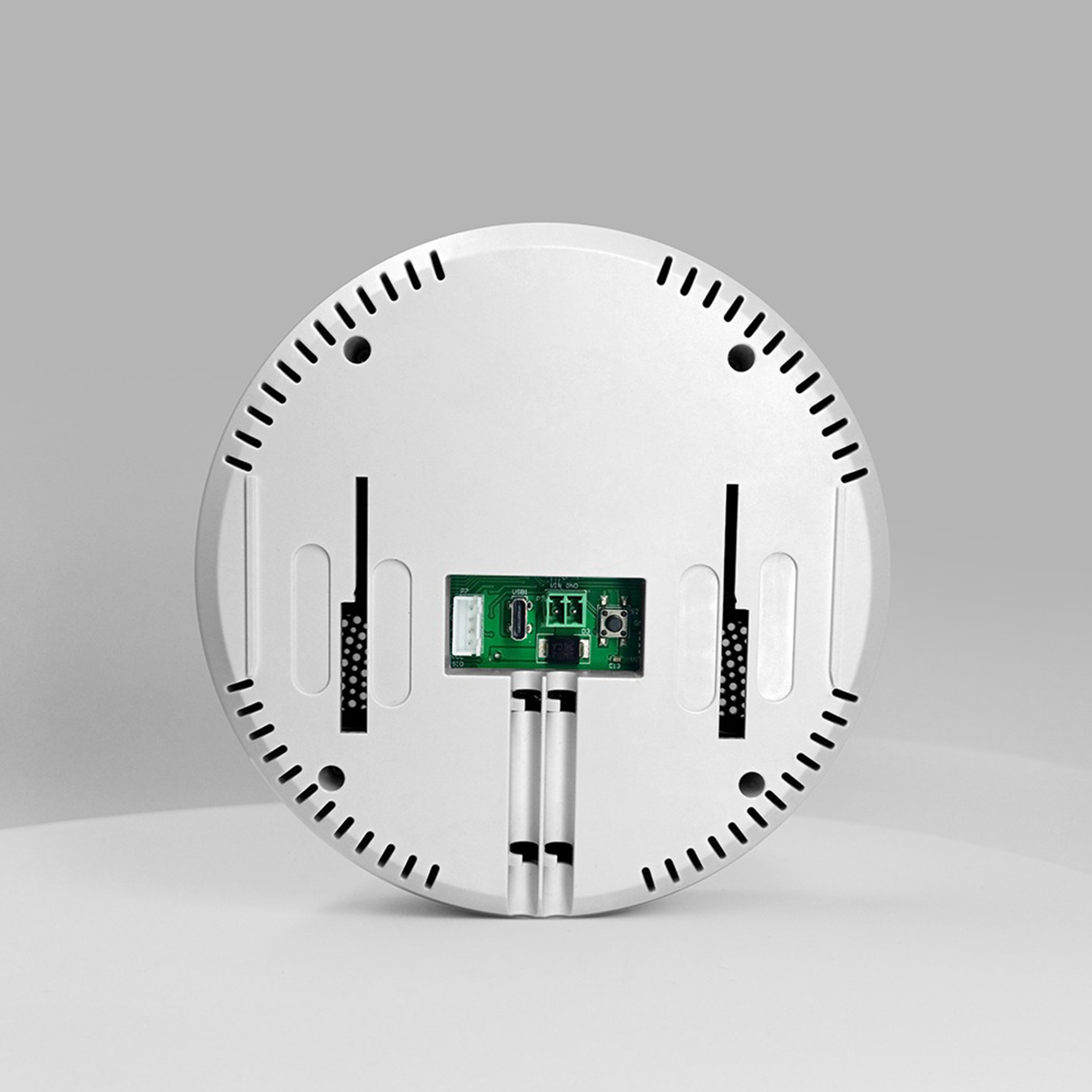
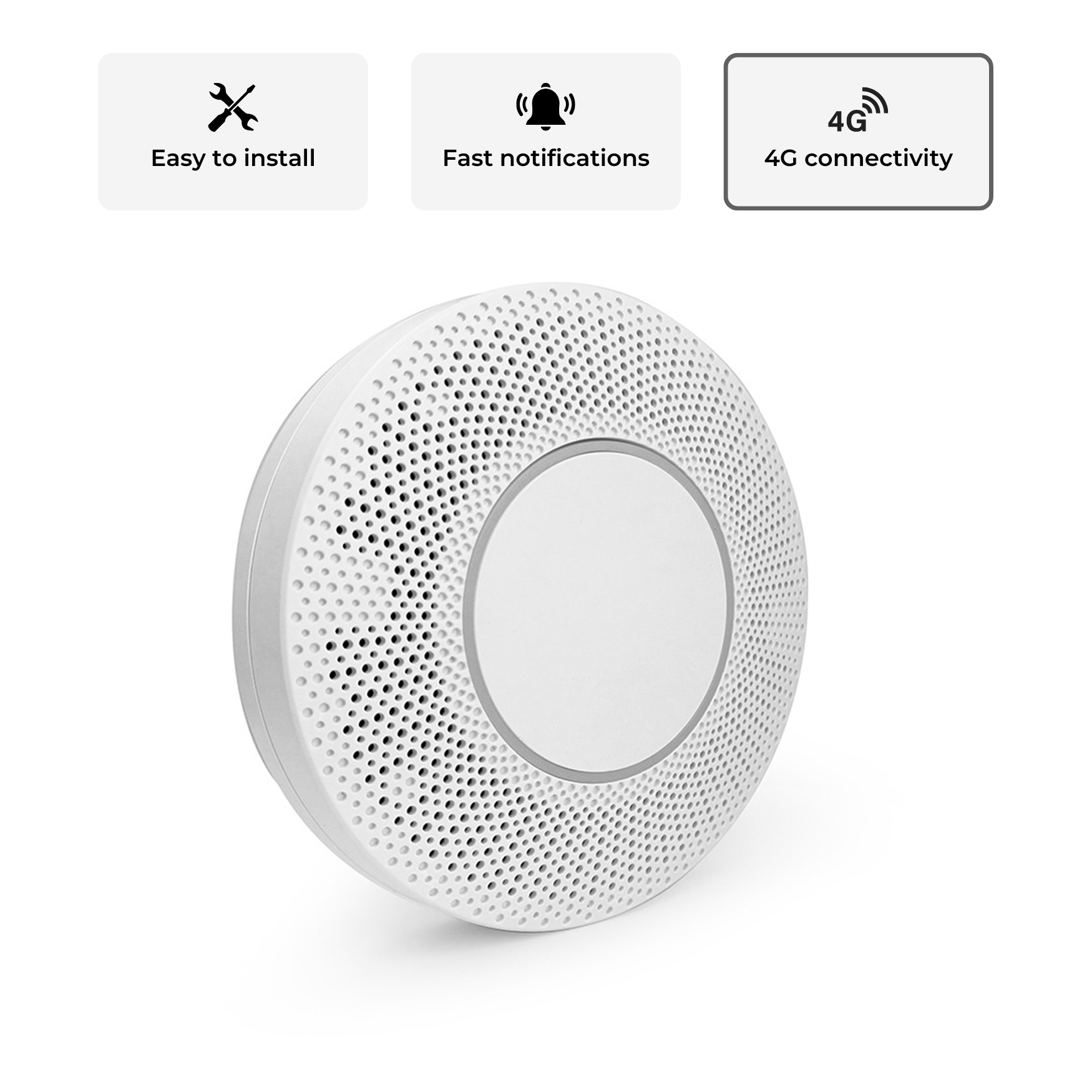
- Plan power and connectivity requirements for each sensor location
- Schedule installation during holidays or low activity periods
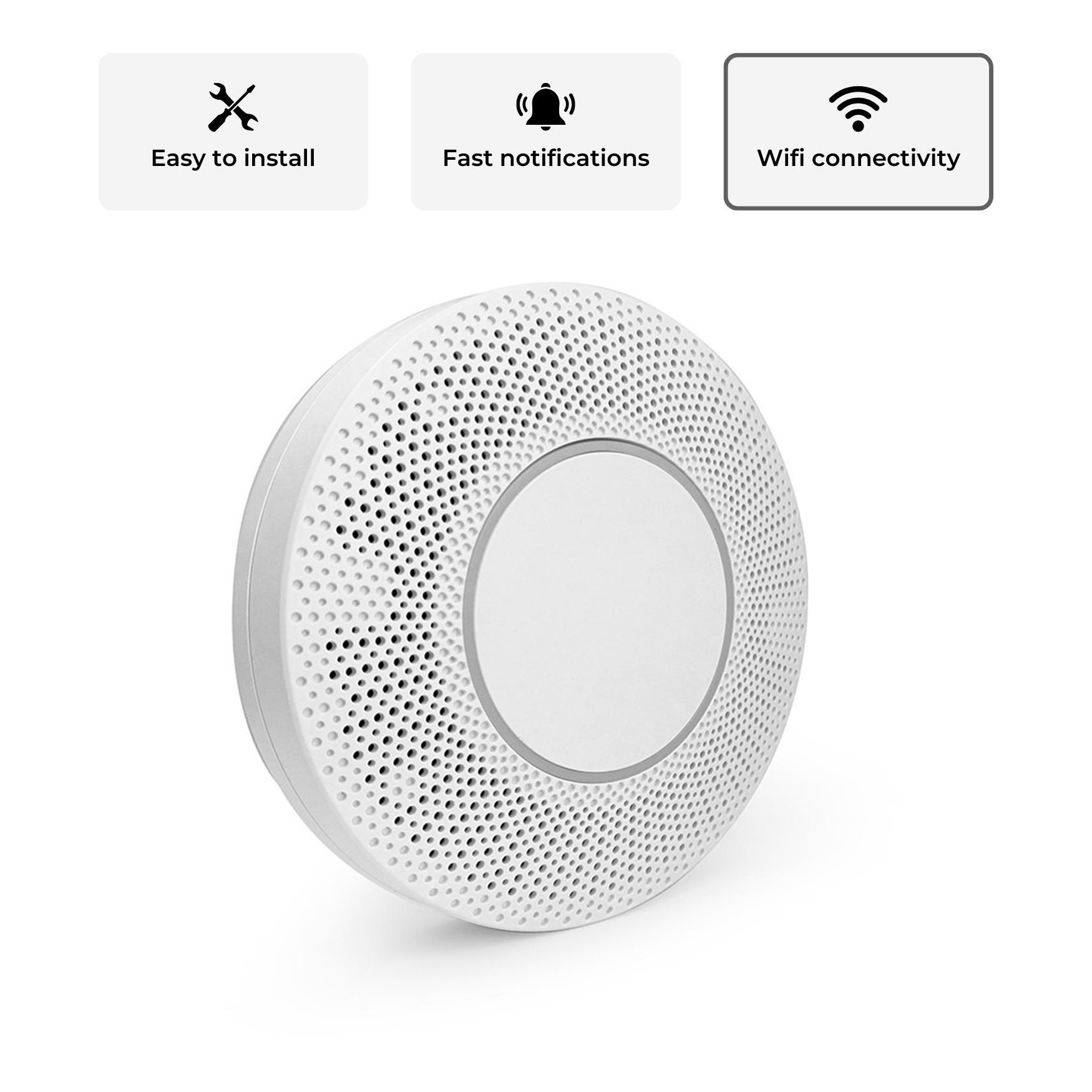
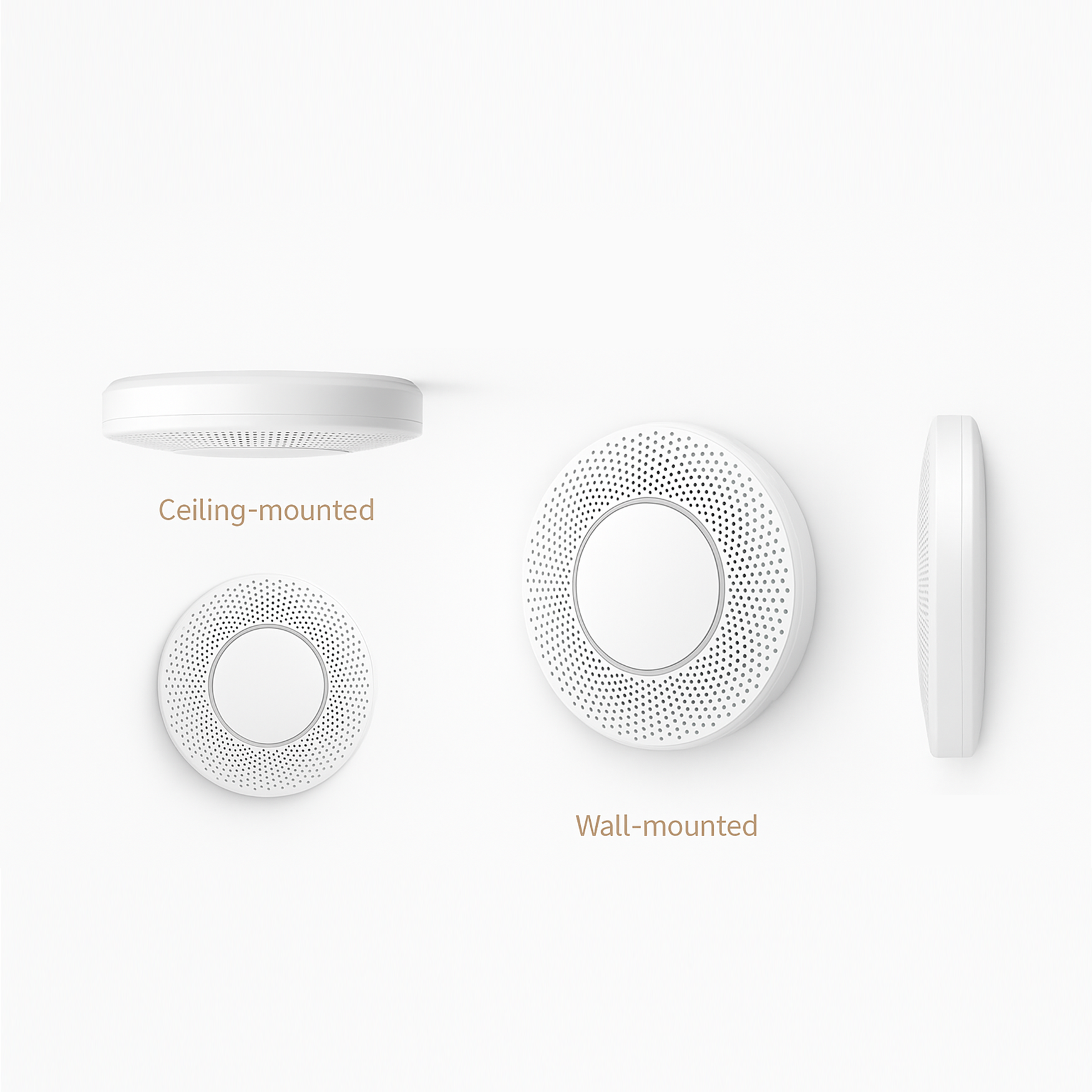
Sensors should be mounted securely at appropriate heights, typically on ceilings or high walls where they cannot be easily tampered with but remain accessible for maintenance. Proper WiFi connectivity or alternative network solutions ensure reliable data transmission to monitoring platforms.
Implementation Best Practices
Successfully deploying an anti vaping system for schools requires more than simply installing hardware. A comprehensive implementation strategy addresses technical, procedural, and cultural elements to maximise system effectiveness and student acceptance.
Communication with stakeholders proves essential. Parents deserve transparency about monitoring measures and their safeguarding purposes. Students respond better when they understand the health rationale rather than perceiving systems as purely punitive. Staff require thorough training on response protocols and alert management.
Building a Complete Framework
Policy development must include:
- Clear consequences for vaping violations
- Graduated response systems balancing discipline with support
- Procedures for parent notification and involvement
- Support pathways for students struggling with addiction
- Regular policy reviews incorporating system data insights
Schools implementing vape detectors for education should integrate them within broader wellbeing initiatives rather than treating them as standalone enforcement tools. This holistic approach addresses root causes whilst the technology provides detection capabilities.

Compliance and Privacy Considerations
Surveillance technology in schools raises legitimate privacy questions that administrators must address proactively. An anti vaping system for schools operates differently from visual surveillance, detecting only airborne substances and sounds without recording images or personally identifiable information.
Data protection regulations including GDPR require schools to conduct privacy impact assessments, clearly document data handling procedures, and ensure systems collect only necessary information. Transparency with parents and students about what data is collected and how it is used builds trust and reduces resistance.
Legal and Regulatory Alignment
Schools must ensure their anti vaping measures align with broader safeguarding obligations under the Children Act, health and safety legislation, and education sector specific requirements. Detailed guidance for school vape detection systems helps institutions navigate these complex requirements whilst maintaining effective protection.
Regular audits of system usage, data storage, and access controls demonstrate accountability and identify potential improvement areas. Governing bodies should receive periodic reports on system effectiveness, incident trends, and compliance status.
Measuring System Effectiveness
Quantifying the impact of an anti vaping system for schools enables continuous improvement and justifies ongoing investment. Schools should establish baseline metrics before installation, then track changes across multiple dimensions to assess comprehensive programme effectiveness.
Key performance indicators include:
- Total vaping incidents detected monthly
- Response times from alert to staff intervention
- Repeat offender rates and behaviour change patterns
- Student survey responses regarding vaping prevalence
- Air quality measurements in monitored spaces
- Disciplinary action outcomes and support service engagement
| Metric | Before System | After 6 Months | After 12 Months |
|---|---|---|---|
| Reported incidents | 15/month | 42/month | 28/month |
| Average response time | 15+ minutes | 2 minutes | 90 seconds |
| Students reporting vaping as common | 68% | 54% | 39% |
The initial spike in detected incidents typically reflects improved detection rather than increased vaping, with numbers declining as deterrent effects take hold. Schools strengthening their anti vaping efforts have documented significant reductions in both actual vaping and student perception of vaping prevalence over 12 to 18 month periods.
Financial Considerations and Return on Investment
Budget constraints represent a significant concern for many schools considering an anti vaping system for schools. However, comprehensive cost analysis must account for the substantial expenses associated with vaping incidents under traditional approaches, including staff time for investigations, disciplinary proceedings, parent meetings, and potential health related liabilities.
System costs vary based on coverage requirements, chosen technology platforms, and ongoing monitoring service fees. Schools typically invest between £200 and £500 per sensor, with additional costs for cloud platforms, alert services, and technical support packages.
Budgeting for Complete Solutions
Effective financial planning addresses not only initial hardware acquisition but also installation expenses, staff training time, ongoing maintenance, and periodic system upgrades. Many schools find that spreading implementation across multiple budget years makes investment more manageable whilst still achieving meaningful coverage.
Grant opportunities and safeguarding focused funding streams may support anti vaping initiatives. Multi academy trusts can often negotiate volume pricing and share monitoring infrastructure across member schools, reducing per site costs significantly.
Integrating Detection with Student Support
Technology alone cannot solve complex behavioural and health issues. The most successful implementations of an anti vaping system for schools combine detection capabilities with comprehensive student support frameworks addressing addiction, peer pressure, and underlying wellbeing concerns.
When systems identify repeat offenders, schools should offer cessation support rather than relying solely on punishment. Partnerships with local health services, specialised counselling providers, and substance misuse programmes create pathways for students genuinely struggling with nicotine addiction.
Creating Positive Intervention Pathways
- Initial detection triggers immediate staff response to stop current incident
- First offence combines disciplinary consequence with educational intervention
- Repeated incidents initiate formal support plan with counselling access
- Persistent cases involve parents, external support services, and individualised interventions
- Success monitoring tracks progress and adjusts support as needed
The Vape Detection System provides schools with the real time intelligence needed to identify students requiring support whilst maintaining the safe environments that all pupils deserve. Advanced sensors detect not only vaping but also other concerning behaviours, creating comprehensive safety monitoring that protects vulnerable young people.

Staff Training and Response Protocols
Even the most sophisticated anti vaping system for schools delivers limited value without properly trained staff who understand response procedures and can intervene effectively. Comprehensive training programmes ensure all relevant personnel can interpret alerts, respond appropriately, and document incidents correctly.
Different staff roles require tailored training. Designated safeguarding leads need deep understanding of system capabilities and data interpretation. Teaching staff require clear protocols for responding to alerts during lessons. Site managers must understand technical maintenance requirements and troubleshooting procedures.
Developing Response Excellence
Effective training programmes cover:
- Alert interpretation and triage procedures
- Immediate response steps maintaining student dignity
- Evidence collection and documentation standards
- De escalation techniques for confrontational situations
- Referral pathways to support services
- Data privacy and confidentiality requirements
Regular refresher sessions and scenario based exercises maintain response quality over time. Schools should establish clear escalation procedures so staff know when to involve senior leaders, parents, or external agencies based on incident severity and student circumstances.
Addressing Student Concerns and Building Buy In
Student resistance represents a common implementation challenge. Young people may view an anti vaping system for schools as invasive surveillance or unfair monitoring. Proactive engagement addressing these concerns creates more positive reception and better outcomes.
Schools should communicate openly about system purposes, emphasising health protection rather than punishment. Student voice opportunities allow young people to express concerns and contribute to policy development, increasing ownership and reducing antagonism. Some institutions successfully involve student councils in developing support programmes for peers struggling with vaping.
Communication Strategies That Work
Transparent messaging acknowledges that most students do not vape whilst explaining why protecting everyone's health justifies monitoring measures. Highlighting the serious health risks, particularly for developing adolescent brains and respiratory systems, provides compelling rationale that students can understand and often accept.
Schools can point to broader global vape detection initiatives demonstrating that these systems represent widespread best practice rather than exceptional measures. When students understand that schools genuinely prioritise their wellbeing over simple rule enforcement, acceptance typically improves significantly.
Future Developments in Detection Technology
The field of vape detection continues evolving rapidly, with emerging technologies promising even greater accuracy, expanded capabilities, and improved integration with broader school safety systems. Artificial intelligence and machine learning algorithms increasingly enable systems to distinguish between different substance types and reduce false positive rates.
Next generation systems may integrate with building management platforms, automatically adjusting ventilation in response to detected substances. Enhanced analytics could identify usage patterns, predict high risk periods, and enable proactive interventions before incidents occur. Miniaturisation may allow more discreet sensor deployment whilst maintaining comprehensive coverage.
Emerging capabilities include:
- Chemical fingerprinting identifying specific vaping product brands
- Predictive analytics forecasting likely incident times and locations
- Integration with student information systems for pattern analysis
- Automated reporting to governing bodies and regulatory authorities
- Enhanced multi substance detection including new psychoactive substances
Schools investing in an anti vaping system for schools should consider upgrade pathways and platform flexibility to accommodate these advancing capabilities without requiring complete system replacement.
Case Studies and Real World Results
Educational institutions implementing comprehensive vape detection programmes report impressive outcomes. One secondary academy in the Midlands documented a 61% reduction in vaping related disciplinary incidents within nine months of installation, whilst student surveys showed decreased perception of vaping as normal behaviour.
A multi academy trust covering seven schools implemented coordinated monitoring across all sites, achieving consistent enforcement and enabling trust wide data analysis. This approach identified previously unrecognised patterns, including correlation between vaping incidents and particular weekdays, informing targeted intervention timing.
Schools examining case studies find valuable insights for their own implementations, learning from both successes and challenges encountered by similar institutions. These real world examples demonstrate that an anti vaping system for schools delivers measurable improvements when properly integrated within comprehensive safeguarding frameworks.
Parental Engagement and Communication
Parents represent crucial partners in addressing youth vaping. Schools should communicate proactively about anti vaping measures, explaining both the health concerns driving these initiatives and how detection systems function. Transparent communication builds parental support and enlists families as allies in behaviour change efforts.
When students are identified through system alerts, schools must balance appropriate parent notification with student dignity and privacy. Clear policies establishing when and how parents are contacted, what information is shared, and what support is offered create consistency and fairness in family engagement.
Building Home School Partnerships
Effective parental communication includes educational resources about vaping risks, guidance on identifying signs of use at home, and information about support services available to families. Some schools host parent information evenings featuring health professionals discussing youth vaping trends and intervention strategies.
Handling vaping alerts effectively requires sensitivity to family circumstances and cultural contexts whilst maintaining firm boundaries around unacceptable behaviour. Schools supporting parents through these challenges strengthen relationships and improve long term outcomes for students.
Maintenance and System Longevity
An anti vaping system for schools represents a multi year investment requiring ongoing maintenance to sustain performance. Regular sensor calibration ensures continued accuracy, whilst firmware updates deliver improved algorithms and expanded detection capabilities. Schools should establish clear maintenance schedules and assign responsibility for system oversight.
Technical issues require prompt resolution to maintain comprehensive coverage. Having identified support contacts, understanding troubleshooting procedures, and maintaining spare units for critical locations minimises disruption when problems occur. Service level agreements with suppliers clarify response times and support availability.
Essential maintenance activities include:
- Monthly sensor functionality verification
- Quarterly calibration and sensitivity testing
- Annual comprehensive system audits
- Regular software and firmware updates
- Battery replacement for wireless units
- Cleaning and physical inspection routines
Proper maintenance extends system lifespan and protects initial investment value. Schools should budget for these ongoing requirements alongside initial acquisition costs when planning implementations.
An anti vaping system for schools provides essential protection for student health and wellbeing in an era where youth vaping presents serious and growing risks. By combining advanced detection technology with comprehensive support frameworks and transparent communication, schools create environments where all students can learn and develop without exposure to harmful substances. Vape Guardian offers proven detection solutions specifically designed for educational settings, delivering real time alerts that enable swift intervention whilst supporting your broader safeguarding objectives with reliable technology and dedicated support throughout implementation and beyond.




Share:
Best Vape Detector for Schools: 2026 Buyer's Guide
Multi Site Vape Detection System: Complete Guide 2026