
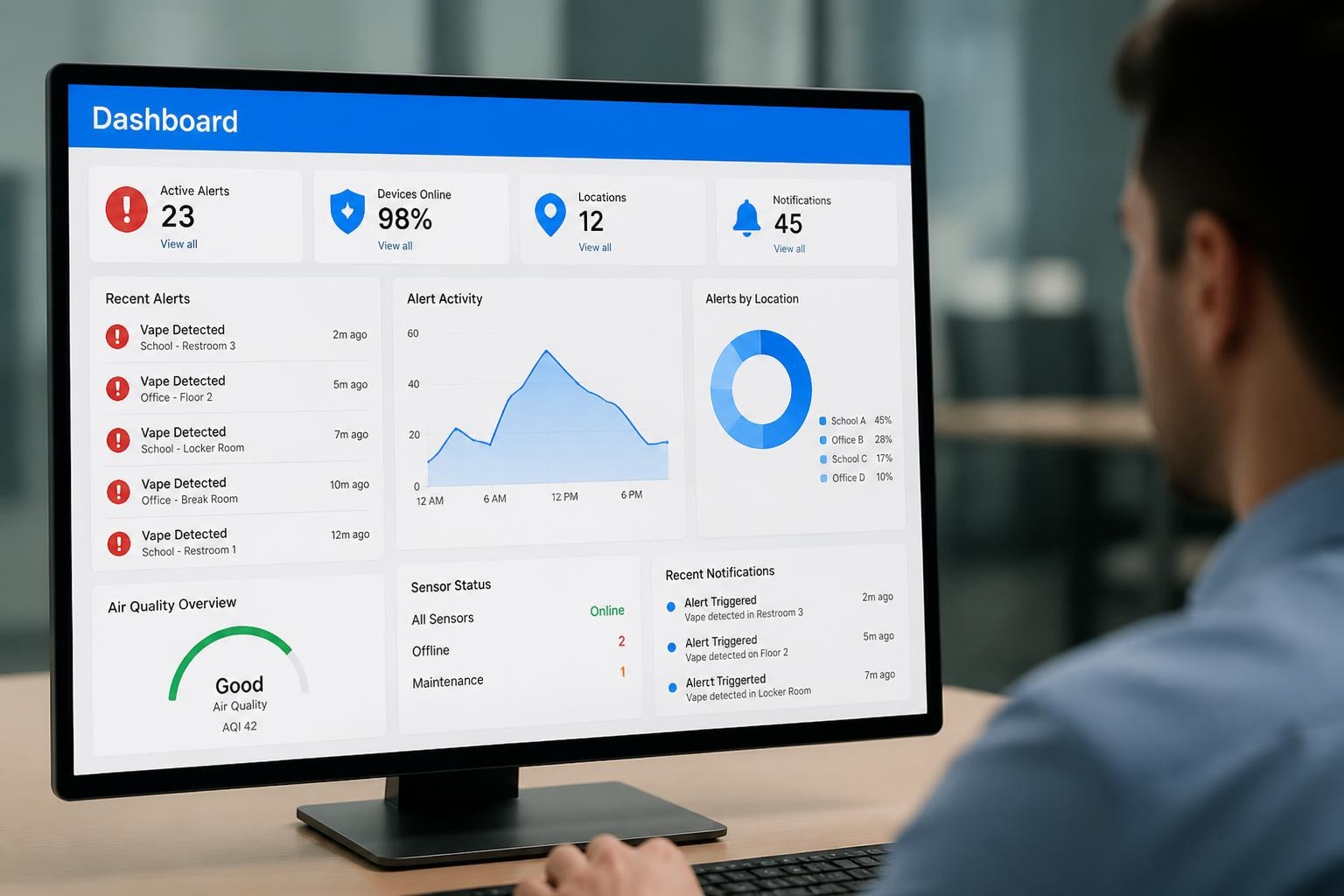
Modern vaping detection technology has evolved far beyond simple alarms and standalone sensors. Today's systems integrate sophisticated hardware with powerful web-based dashboards that provide comprehensive monitoring, instant notifications, and actionable insights. A vape detector with dashboard offers administrators and facility managers unprecedented control over their environments, transforming how organisations respond to vaping incidents whilst building safer spaces for students, employees, and visitors. These integrated solutions combine advanced sensor technology with intuitive software platforms that centralise data, streamline responses, and support evidence-based decision making across educational institutions, corporate offices, leisure facilities, and transport hubs throughout the United Kingdom.
Understanding Vape Detection Dashboard Technology
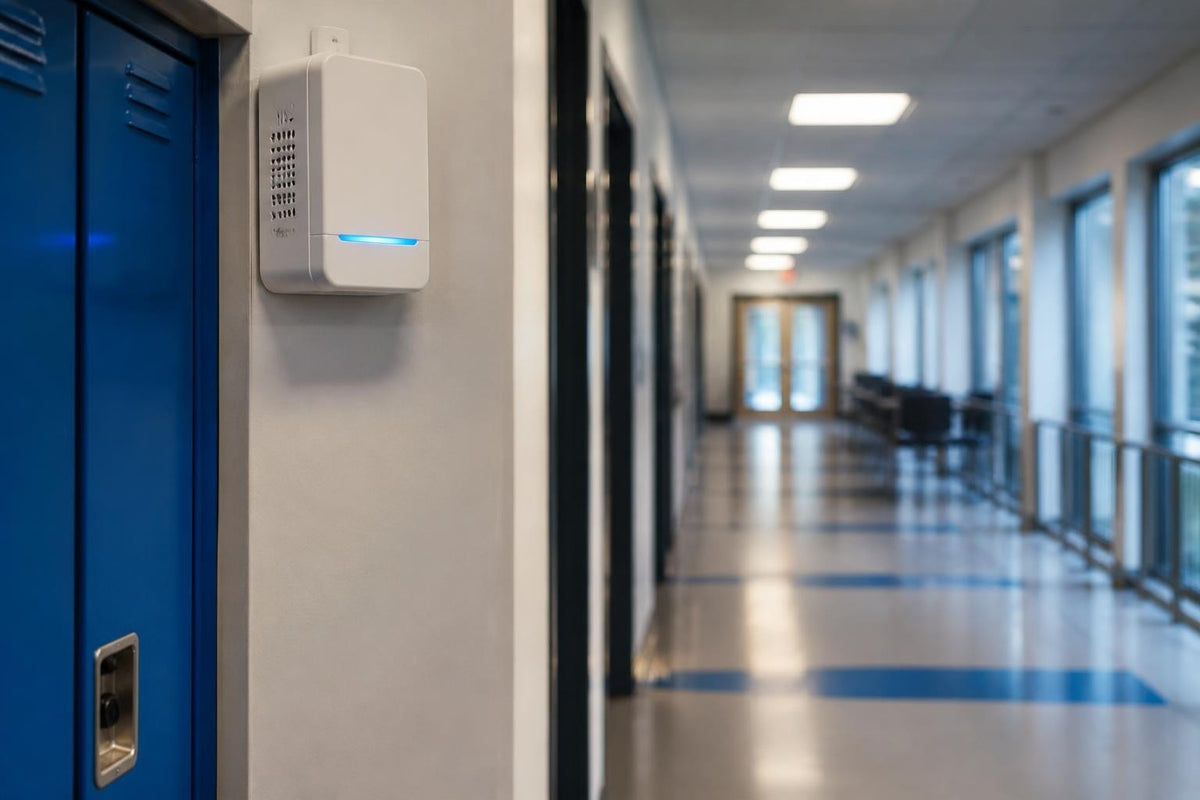
A vape detector with dashboard represents a complete ecosystem where hardware sensors communicate continuously with cloud-based software platforms. The physical detection units employ multiple sensing technologies to identify chemical markers present in exhaled vape emissions, whilst the dashboard serves as the command centre for monitoring, managing, and analysing all detection events across single or multiple locations.
These dashboards provide far more than basic alert notifications. They function as comprehensive management platforms that aggregate data from numerous sensors, present information in digestible formats, and enable customised response protocols tailored to specific organisational needs.
Core Dashboard Components
Modern vape detection dashboards incorporate several essential elements that work together to create a cohesive monitoring solution:
- Real-time alert systems that push notifications via email, SMS, or mobile applications
- Device management interfaces for configuring sensors, adjusting sensitivity levels, and monitoring operational status
- Historical data analytics displaying trends, patterns, and incident frequencies over time
- User access controls allowing different permission levels for administrators, security staff, and facility managers
- Reporting tools generating compliance documentation and performance summaries
- Multi-location mapping providing visual representations of sensor placements and incident locations
The integration between detection hardware and dashboard software creates a feedback loop where sensor data informs administrative decisions, which in turn refine detection parameters and response strategies.
Real-Time Monitoring and Alert Management
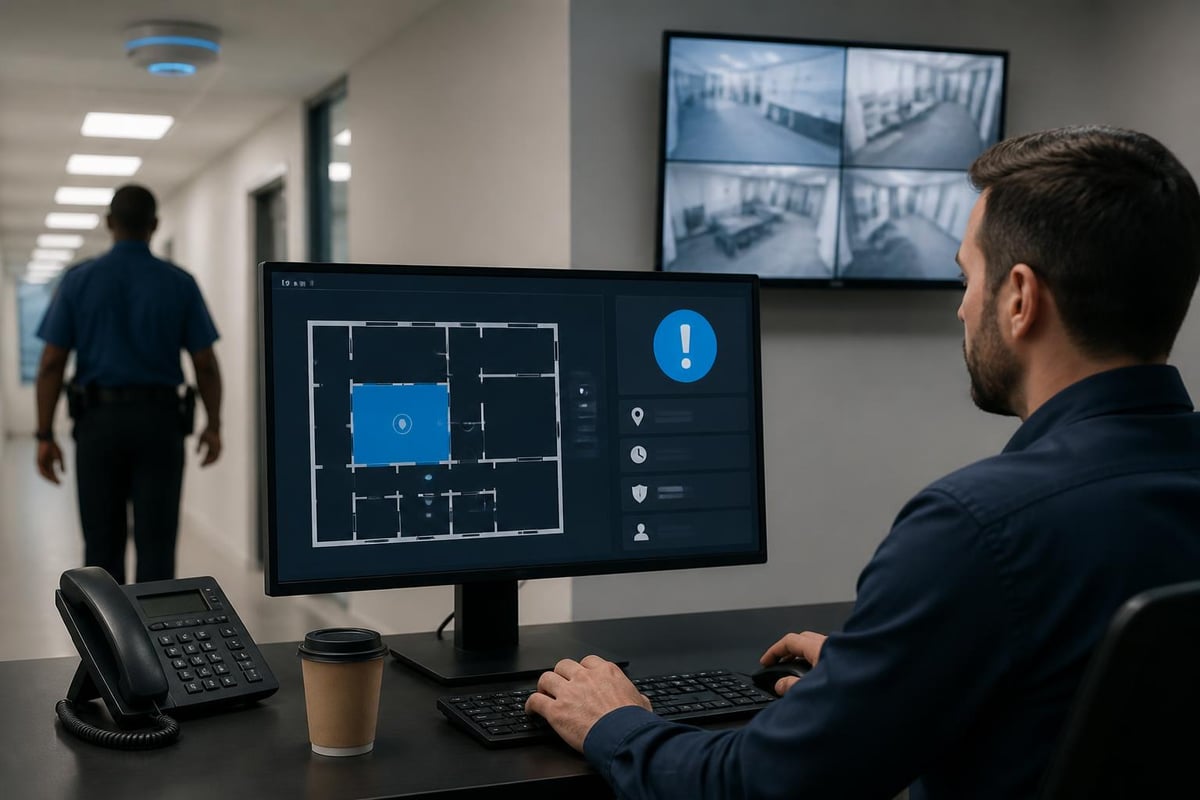
The primary advantage of deploying a vape detector with dashboard lies in the immediate visibility it provides across entire facilities. Rather than relying on sporadic inspections or reactive responses to complaints, administrators gain continuous awareness of environmental conditions in monitored spaces.
When a sensor detects vaping activity, the dashboard instantly displays the alert alongside critical contextual information. This includes the precise sensor location, timestamp, detection confidence level, and any associated environmental data such as air quality measurements or sound anomalies.
Customisable Notification Protocols
Different organisations require different response approaches. Educational institutions may prioritise rapid pastoral intervention, whilst commercial facilities focus on compliance documentation and pattern identification.
Effective dashboards allow administrators to configure notification rules based on:
- Alert severity levels determining which incidents require immediate attention versus routine logging
- Time-based routing directing notifications to appropriate personnel based on shift patterns or operational hours
- Escalation procedures automatically elevating unacknowledged alerts to senior staff after defined intervals
- Location-specific protocols applying different response strategies to various areas within a facility
- Recipient groups ensuring relevant stakeholders receive appropriate information without overwhelming staff with unnecessary alerts
This flexibility ensures that vape detection systems integrate seamlessly with existing operational frameworks rather than creating additional administrative burdens.
Data Analytics and Trend Identification
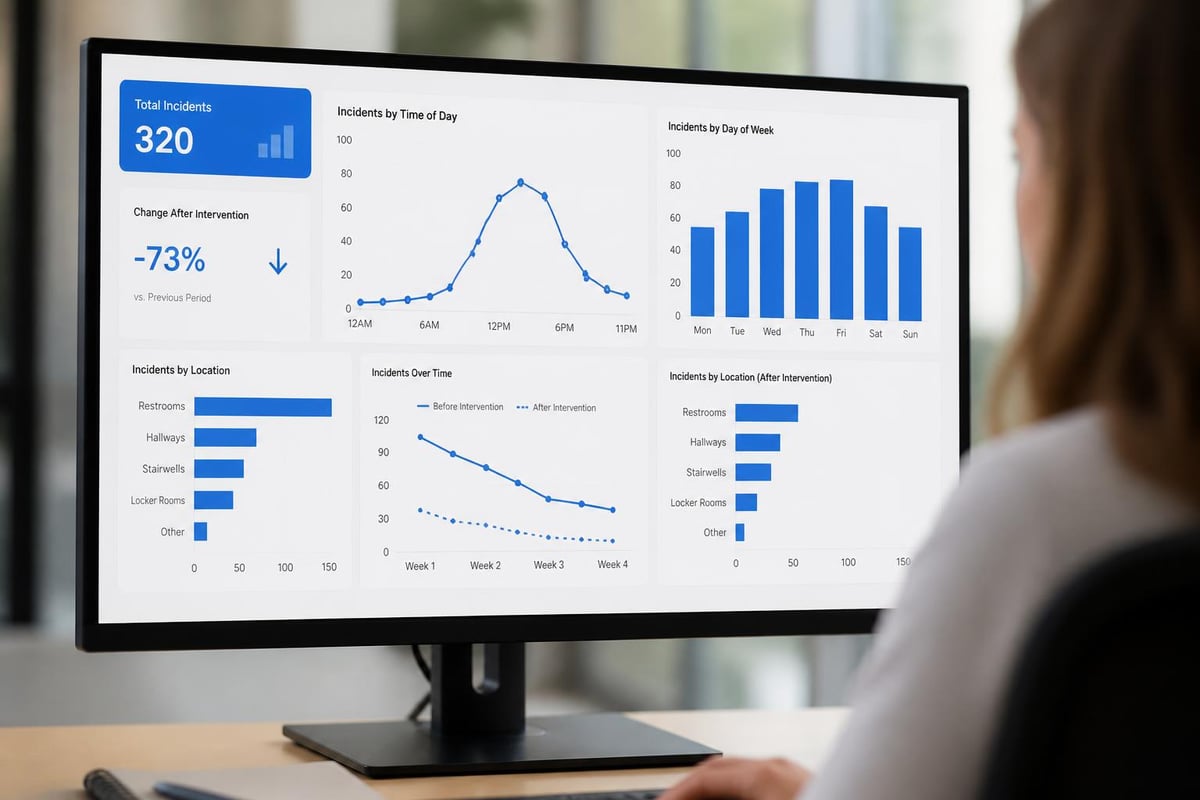
Beyond immediate incident response, a vape detector with dashboard provides invaluable longitudinal data that reveals patterns invisible to traditional monitoring approaches. The HALO Smart Sensor's dashboard features exemplify how modern systems transform raw detection events into strategic insights.
Analytics capabilities enable organisations to identify hotspots where vaping occurs most frequently, determine peak incident times, and correlate environmental factors with detection events. This information guides evidence-based interventions, resource allocation decisions, and policy development.
| Analytics Feature | Practical Application | Strategic Value |
|---|---|---|
| Temporal patterns | Identify peak vaping times | Schedule supervision during high-risk periods |
| Location heatmaps | Pinpoint problem areas | Target physical modifications or increased monitoring |
| Detection frequency trends | Track intervention effectiveness | Quantify policy impact and justify resources |
| Multi-sensor correlation | Understand incident context | Distinguish isolated events from systemic issues |
| Comparative analytics | Benchmark across locations | Share best practices between sites |
These analytical tools transform vape detection from a reactive security measure into a proactive environmental management strategy. Administrators can demonstrate compliance, justify investments, and continuously refine their approaches based on objective data rather than anecdotal observations.
Multi-Location Management Capabilities
Organisations operating across multiple buildings, campuses, or sites face particular challenges coordinating detection efforts. A centralised vape detector with dashboard addresses these complexities by consolidating information from distributed sensors into a single interface.
Scalable Architecture
Modern dashboard platforms support deployments ranging from single-room installations to networks spanning hundreds of sensors across multiple postcodes. The web-based administration tools provided by sophisticated systems enable consistent policy application whilst accommodating site-specific requirements.
For multi-academy trusts, corporate organisations with regional offices, or leisure operators managing multiple venues, centralised dashboards provide:
- Unified visibility across all monitored locations from a single login
- Standardised reporting ensuring consistent compliance documentation
- Cross-site benchmarking identifying high and low performing locations
- Centralised configuration maintaining consistent detection standards
- Role-based access allowing site managers local control whilst providing executive oversight
- Aggregated analytics revealing organisation-wide trends and opportunities
This scalability ensures that vape detection solutions grow alongside organisations without requiring fundamental system redesigns or platform migrations.
Integration with Existing Security Infrastructure
A vape detector with dashboard rarely operates in isolation. Most organisations already employ various security, communication, and facility management systems. The value of detection technology multiplies when it integrates seamlessly with these existing platforms.
Leading dashboard solutions offer application programming interfaces and webhook capabilities that connect vape detection with video management systems, access control platforms, student information databases, and communication tools. This interoperability creates comprehensive security ecosystems where different technologies complement and enhance one another.
Practical Integration Examples
Schools might configure their systems to automatically log vaping incidents within student management databases, triggering pastoral workflows whilst maintaining confidential records. The operational principles of integrated detection systems demonstrate how various technologies work together to create safer environments.
Corporate facilities can link detection alerts with building management systems, automatically adjusting ventilation in affected areas whilst notifying security personnel and logging compliance documentation. Leisure venues might integrate detection with customer communication platforms, discretely addressing incidents without disrupting broader operations.
These integrations transform standalone detection into comprehensive environmental monitoring that supports wider organisational objectives beyond simply identifying vaping incidents.
User Experience and Interface Design
Even the most sophisticated vape detector with dashboard provides limited value if administrators struggle to navigate interfaces or interpret data. Successful implementations prioritise intuitive design, clear information hierarchy, and accessible functionality that enables staff to focus on response rather than system operation.
Effective dashboards employ familiar design patterns, logical navigation structures, and contextual help resources. They present critical information prominently whilst providing detailed data through progressive disclosure. Mobile-responsive designs ensure that administrators can monitor systems and respond to alerts regardless of location or device.
Dashboard Accessibility Features
Modern systems accommodate diverse user needs and technical proficiency levels through:
- Customisable home screens displaying personally relevant information
- Guided workflows walking users through common tasks step by step
- In-app tutorials providing context-sensitive assistance
- Simplified and advanced views serving both casual users and power users
- Multilingual support accommodating international organisations or diverse workforces
This attention to user experience reduces training requirements, minimises operational errors, and ensures that detection systems deliver value from day one rather than requiring lengthy familiarisation periods.
Compliance Documentation and Reporting
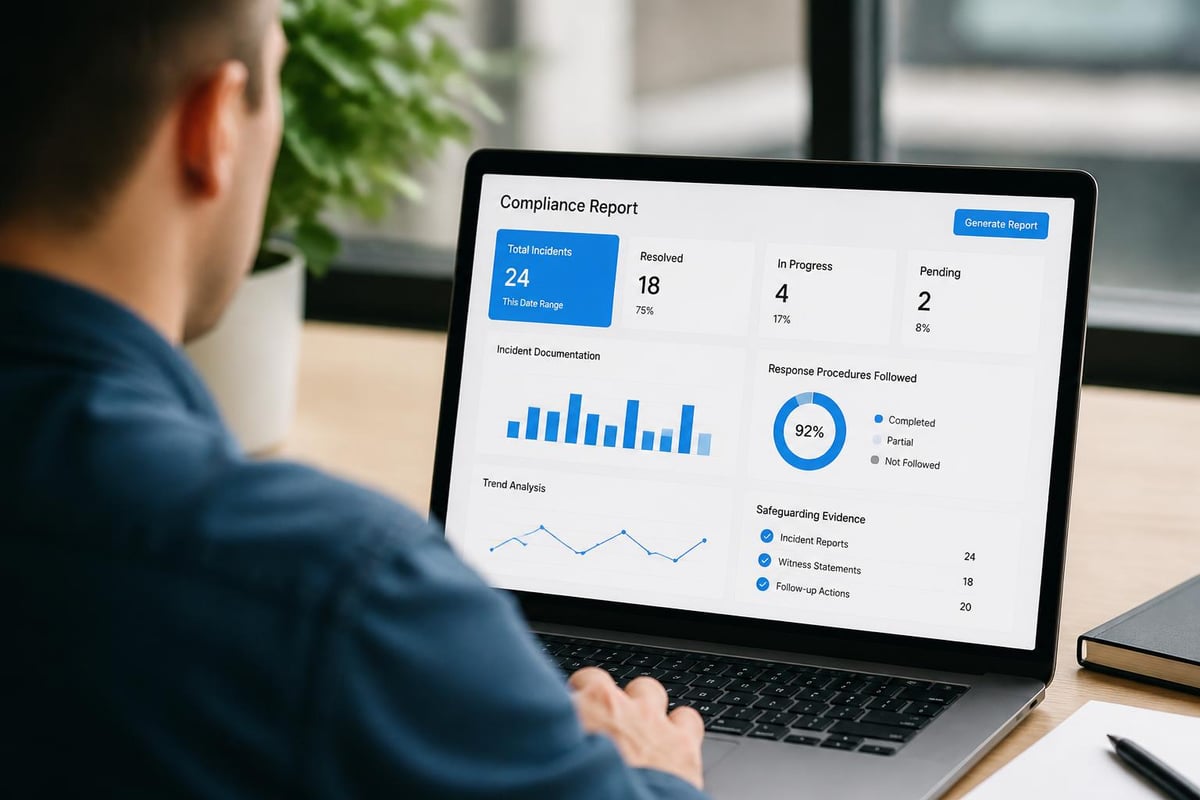
Organisations increasingly face regulatory requirements, safeguarding obligations, and insurance stipulations demanding documented evidence of environmental monitoring and incident response. A vape detector with dashboard automatically generates the records necessary to demonstrate compliance whilst reducing administrative overhead.
Comprehensive reporting capabilities enable administrators to produce detailed incident logs, summary statistics, trend analyses, and compliance certificates tailored to specific stakeholder needs. Designated safeguarding leads, facilities managers, and governance boards each require different information at different levels of detail.
Effective dashboards facilitate one-click report generation for common requirements whilst providing customisation tools for unique reporting needs. Automated scheduling ensures that stakeholders receive regular updates without manual intervention, maintaining awareness whilst freeing administrators to focus on incident response rather than documentation production.
| Report Type | Primary Audience | Key Contents |
|---|---|---|
| Daily incident summary | Facility managers | Alert count, locations, response times |
| Weekly trend analysis | Department heads | Pattern identification, intervention effectiveness |
| Monthly compliance report | Governance boards | Policy adherence, statistical summaries, recommendations |
| Annual strategic review | Senior leadership | Longitudinal trends, ROI analysis, strategic planning |
| Ad-hoc incident reports | Legal or insurance | Detailed event documentation, response evidence |
These reporting capabilities transform raw sensor data into strategic intelligence that informs decision making at all organisational levels.
Advanced Features and Emerging Capabilities
The vape detector with dashboard landscape continues evolving as manufacturers incorporate artificial intelligence, machine learning, and expanded environmental monitoring capabilities. Modern systems increasingly detect not only vaping but also drug use and antisocial behaviour through acoustic analysis, air quality assessment, and pattern recognition.
Intelligent Alert Filtering
False positives represent a persistent challenge in environmental monitoring. Advanced dashboards employ machine learning algorithms that analyse detection patterns, environmental contexts, and historical data to distinguish genuine vaping incidents from benign events that trigger sensors.
These intelligent systems learn from administrator feedback, gradually refining detection parameters and reducing unnecessary alerts. The HALO Smart Sensor's capabilities demonstrate how sophisticated algorithms enhance detection accuracy whilst minimising disruption.
Predictive analytics represent another frontier, where systems identify conditions correlated with increased vaping likelihood and proactively alert administrators to potential incidents before they occur. Whilst still emerging, these capabilities promise to shift detection from purely reactive monitoring toward preventive intervention.
Implementation and Configuration Best Practices
Deploying a vape detector with dashboard requires thoughtful planning to maximise effectiveness and user adoption. Successful implementations begin with clear objective definition, stakeholder engagement, and realistic expectation setting.
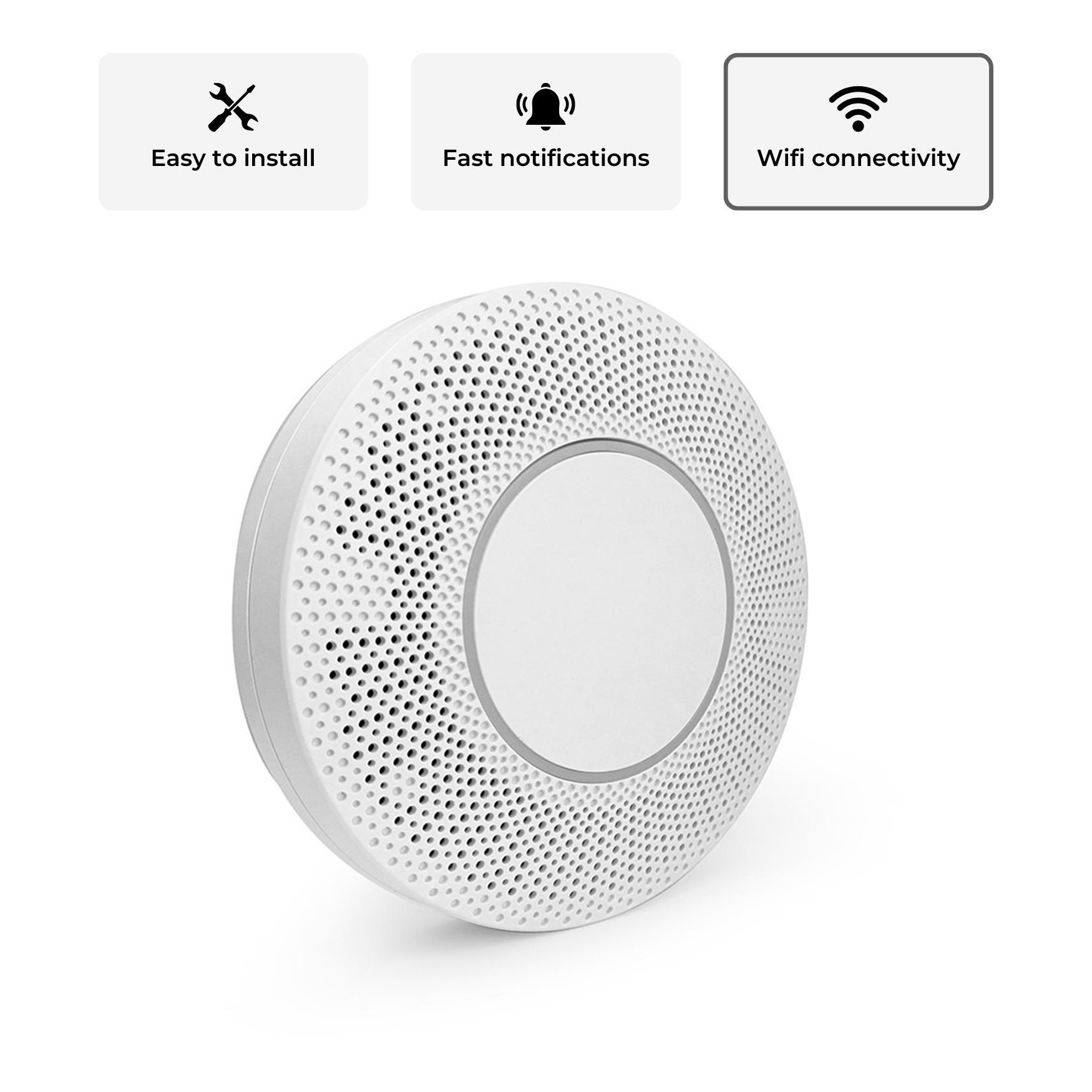
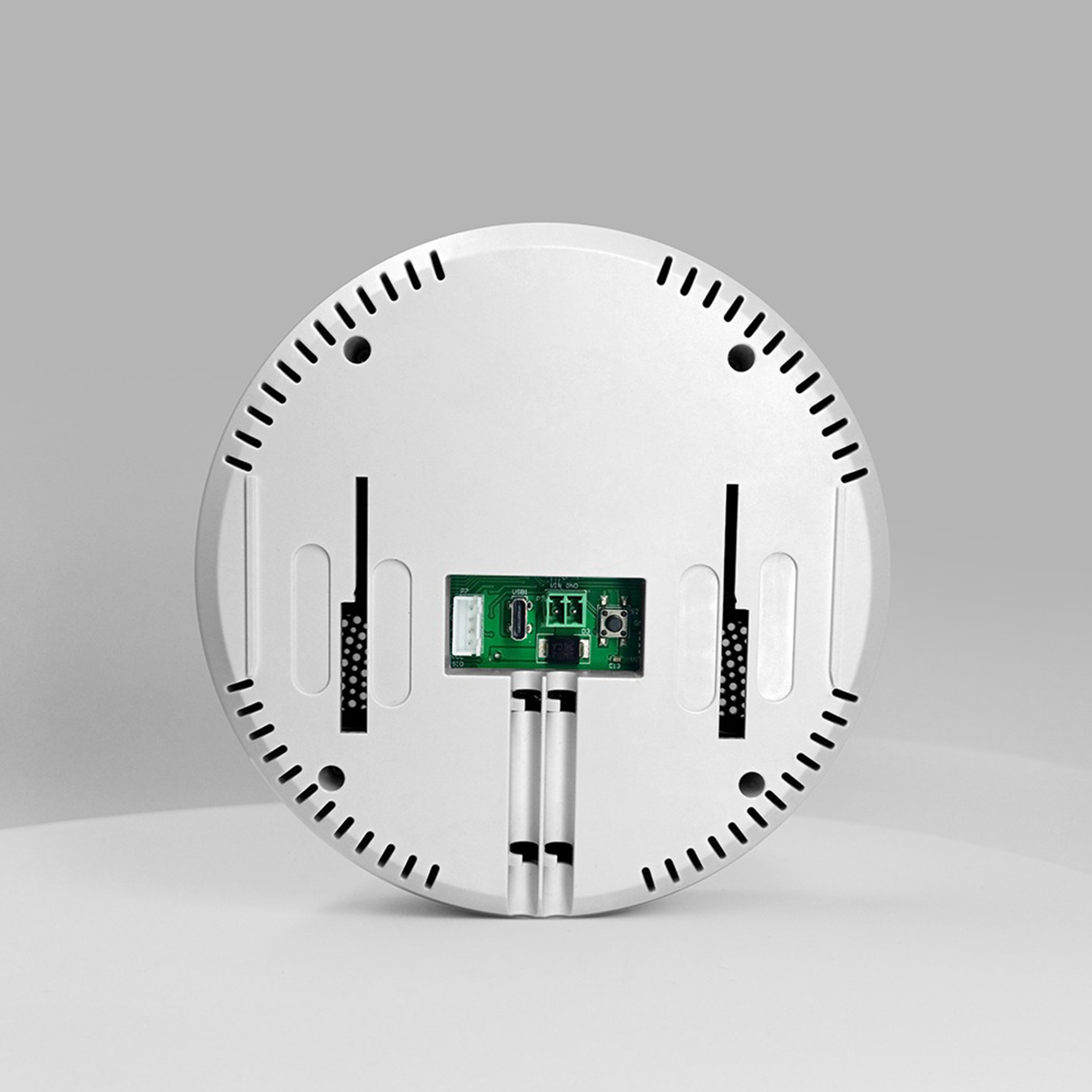
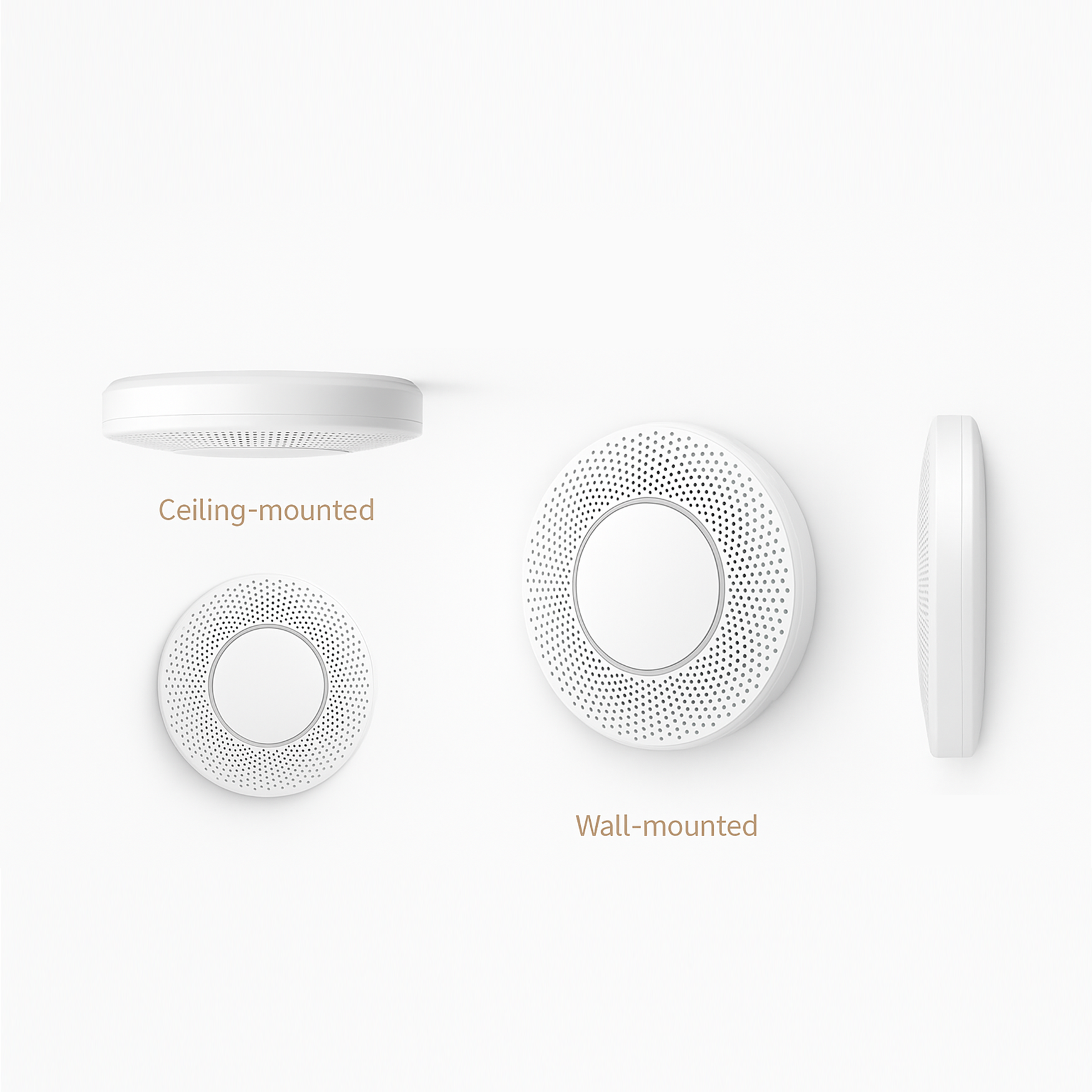
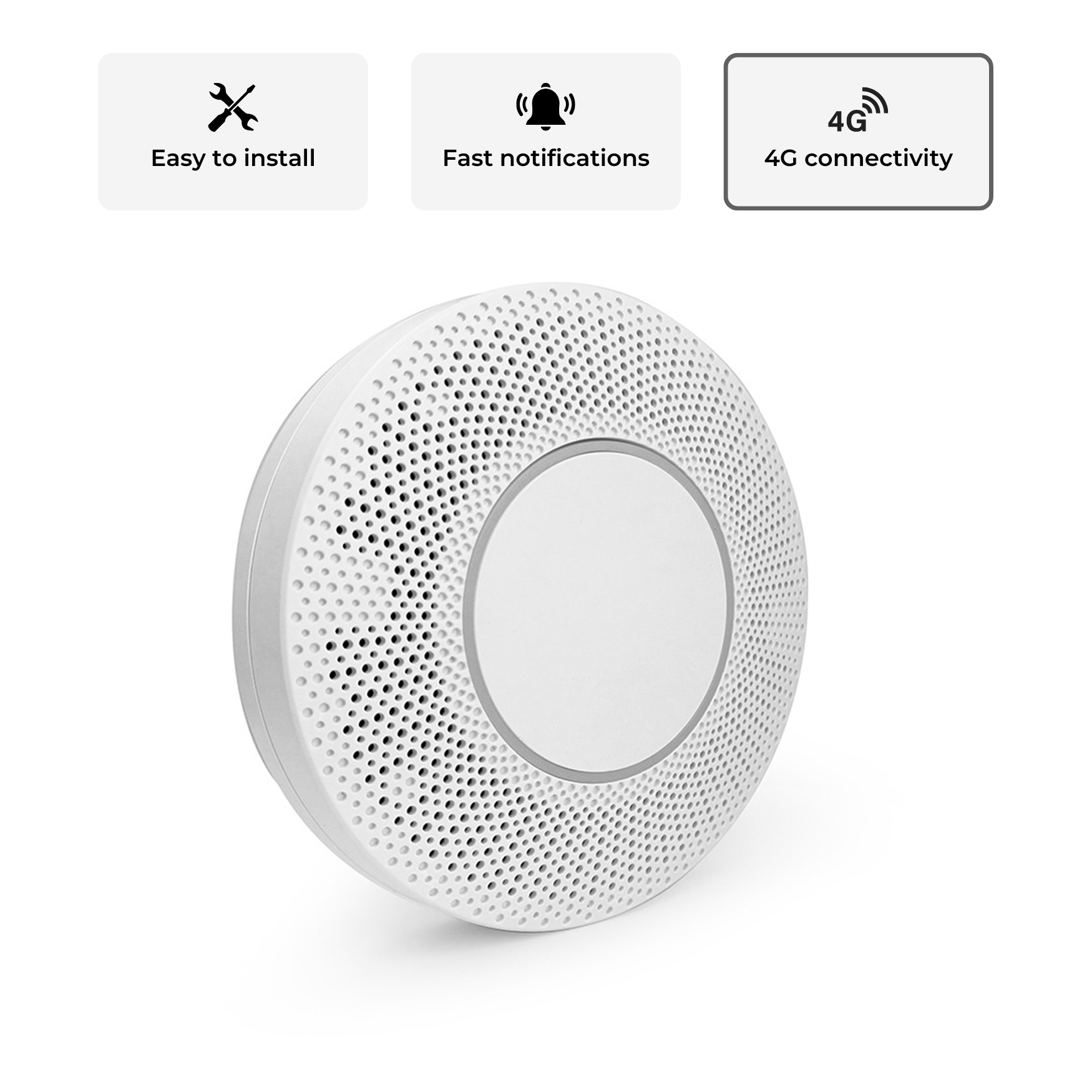
Organisations should map their facilities to identify optimal sensor placements that provide comprehensive coverage without excessive redundancy. The installation essentials and connectivity considerations significantly impact system performance and maintenance requirements.
Configuration Strategies
Initial configuration should balance sensitivity with operational practicality. Overly sensitive settings generate excessive false positives that erode user confidence, whilst insufficiently sensitive configurations miss genuine incidents. Most manufacturers recommend starting with moderate sensitivity settings and adjusting based on operational experience.
Alert routing requires careful consideration of organisational structures, staff availability, and response capabilities. Effective configurations ensure that notifications reach personnel capable of appropriate intervention without overwhelming individuals or creating alert fatigue.
Training represents a critical but often underestimated implementation component. Staff across various roles require different levels of system familiarity, from basic alert response to comprehensive dashboard administration.
Privacy Considerations and Ethical Implementation
Whilst vape detectors with dashboards provide powerful monitoring capabilities, organisations must balance safety objectives with privacy rights and ethical considerations. Transparent policies, appropriate data handling, and proportionate responses establish trust whilst maintaining effectiveness.
Modern systems typically detect environmental conditions rather than identifying individuals, avoiding the privacy concerns associated with video surveillance. However, organisations should clearly communicate monitoring policies, explain detection purposes, and establish fair response protocols that prioritise education and support over purely punitive measures.
Dashboard access controls prevent unauthorised viewing of sensitive data, whilst audit trails document who accessed what information when. These features support both operational security and accountability.
The chemical composition of exhaled vape emissions helps organisations understand what their systems detect and ensures that monitoring focuses on legitimate safety concerns rather than broader behavioural surveillance.
Cost Considerations and Return on Investment
A vape detector with dashboard represents a significant investment requiring justification through tangible benefits. Organisations should evaluate total cost of ownership including hardware, software subscriptions, installation, training, and ongoing maintenance against expected returns.
Financial benefits include reduced cleaning costs from vape residue, decreased facility damage, lower insurance premiums through demonstrated risk management, and avoided regulatory penalties. Less quantifiable returns encompass improved student wellbeing, enhanced workplace safety, protected brand reputation, and strengthened community confidence.
Investment Analysis Framework
Organisations can structure ROI analysis around several key metrics:
- Incident reduction measuring decreased vaping frequency following system deployment
- Response efficiency quantifying faster incident identification and resolution
- Resource optimisation demonstrating more effective staff allocation based on data insights
- Compliance assurance valuing risk mitigation through documented monitoring
- Operational savings calculating reduced costs from targeted interventions versus blanket approaches
Most organisations report positive returns within 12 to 24 months of deployment, particularly when systems support broader environmental monitoring beyond vaping detection alone.
Selecting the Right Dashboard Platform
Not all vape detectors with dashboards offer equivalent capabilities. Organisations evaluating solutions should assess platforms against specific operational requirements, technical constraints, and strategic objectives.
Critical evaluation criteria include scalability to support anticipated growth, integration capabilities with existing systems, customisation options for unique workflows, reporting flexibility, mobile accessibility, and ongoing vendor support quality. The Vape Detection System exemplifies how integrated hardware and software solutions address these requirements whilst providing dedicated customer support throughout deployment and operation.
Organisations should request demonstration access to evaluate dashboard usability firsthand, review case studies from similar institutions, and verify claimed capabilities through pilot deployments before committing to full-scale implementation. Understanding connectivity and network requirements ensures technical compatibility with existing infrastructure.
Ongoing Optimisation and System Evolution
Deploying a vape detector with dashboard marks the beginning rather than the conclusion of environmental monitoring enhancement. Organisations maximise investment returns through continuous optimisation based on operational experience, evolving requirements, and emerging capabilities.
Regular review of alert patterns, response effectiveness, and user feedback identifies opportunities for configuration refinement. Dashboard analytics reveal underutilised features, highlight training gaps, and suggest workflow improvements that increase efficiency.
Manufacturers regularly release software updates introducing new capabilities, enhancing existing features, and addressing identified issues. Organisations should establish processes for evaluating and implementing updates that deliver operational benefits whilst maintaining system stability.
Periodic stakeholder consultations ensure that detection systems continue serving organisational objectives as priorities evolve. What begins as a vaping detection initiative may expand into comprehensive environmental monitoring supporting wider health, safety, and wellbeing strategies.
Effective vape detection demands more than standalone sensors; it requires integrated systems that transform raw alerts into actionable intelligence through sophisticated dashboard platforms. These solutions provide the real-time visibility, analytical depth, and operational control necessary for creating genuinely safer environments whilst supporting compliance and strategic decision making. Vape Guardian delivers advanced detection technology with comprehensive dashboard capabilities specifically designed for UK schools, offices, and leisure facilities, combining reliable sensors with dedicated support to help organisations reduce vaping incidents whilst building healthier environments for everyone.



Share:
Alternative to Triton Vape Detector: Top Options 2026
Academy Vape Detection System: Complete Guide 2026