
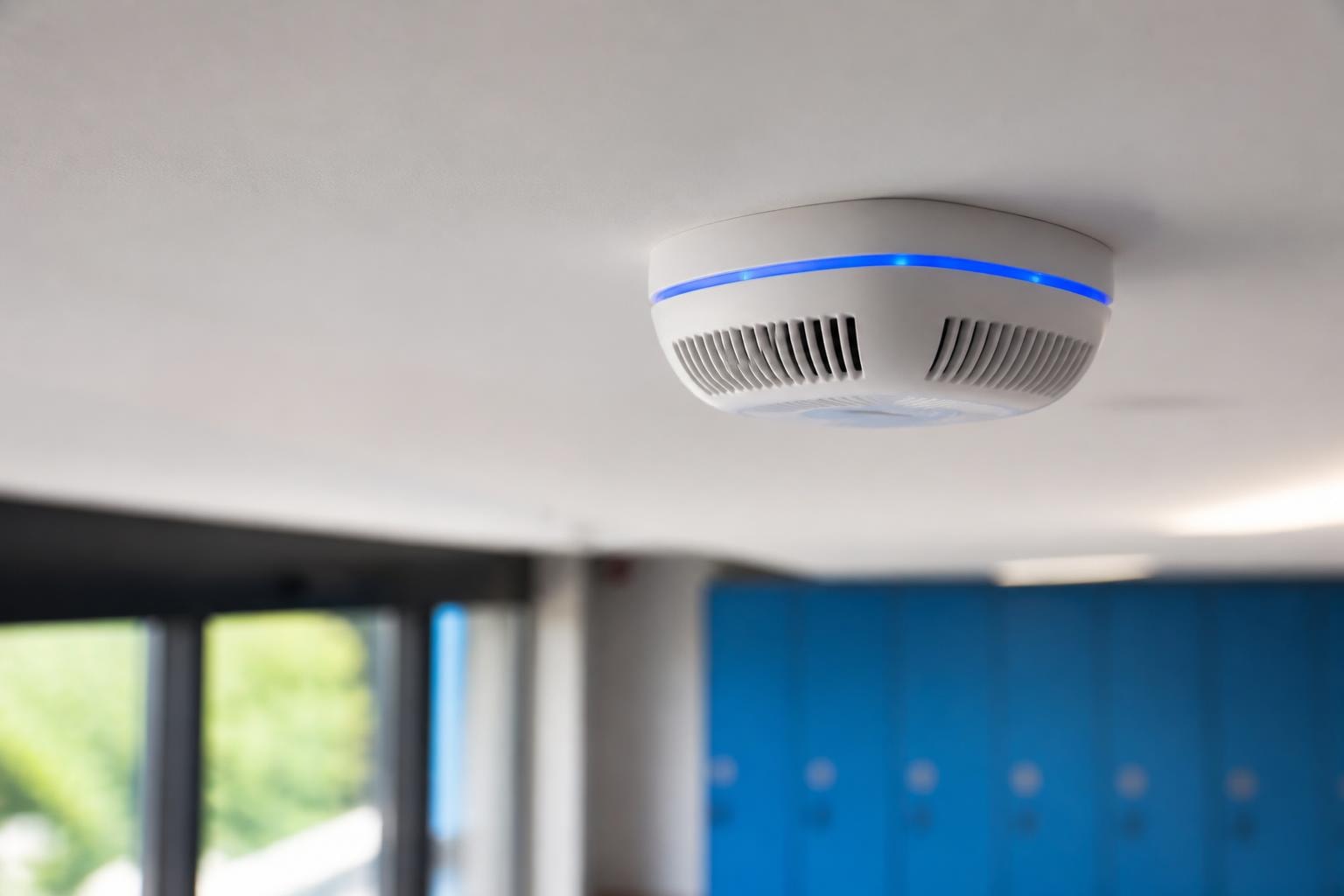
Finding a reliable alternative to Triton vape detector has become a priority for organisations across the UK seeking robust vaping detection solutions. With the vaping landscape evolving rapidly in 2026, facilities managers, headteachers, and property owners require systems that offer comprehensive detection capabilities, reliable alerts, and seamless integration with existing infrastructure. The market now offers diverse options that match or exceed the capabilities of traditional solutions, providing enhanced air quality monitoring, drug detection, and anti-social behaviour prevention. Understanding the available alternatives empowers decision makers to select systems that align with their specific operational needs, budget constraints, and compliance requirements.
Understanding Modern Vape Detection Requirements
The demand for effective vaping detection technology has intensified as organisations recognise the health and safety implications of indoor vaping. Modern systems must address multiple challenges simultaneously, from identifying specific chemical signatures to distinguishing between vaping events and false positives caused by aerosol sprays or cleaning products.
Contemporary detection solutions extend beyond simple vape identification. Advanced vape detection systems now incorporate multi-sensor arrays that monitor air quality parameters, detect THC and other substances, and identify behavioural patterns associated with rule violations. This comprehensive approach ensures facilities maintain safe environments whilst gathering actionable data for compliance reporting.
Key Features to Evaluate
When searching for an alternative to Triton vape detector, organisations should assess several critical capabilities:
- Multi-threat detection: Systems that identify vaping, THC, and aggressive behaviour patterns
- Real-time alerting: Instant notifications delivered to designated personnel via mobile applications or email
- Air quality monitoring: Continuous tracking of particulate matter, volatile organic compounds, and environmental conditions
- Integration capabilities: Compatibility with existing security systems, building management platforms, and reporting tools
- False positive management: Advanced algorithms that distinguish between genuine vaping events and benign aerosol sources
The technology landscape has matured significantly, with manufacturers developing sophisticated sensor combinations that improve detection accuracy whilst reducing false alarms. These advancements make current alternatives considerably more reliable than earlier generation systems.
Leading Alternative Solutions Available Today
The market offers several compelling alternatives, each with distinct advantages suited to different environments and operational priorities. Understanding these options enables informed decision making based on specific organisational requirements rather than relying solely on brand recognition.
Comprehensive Detection Platforms
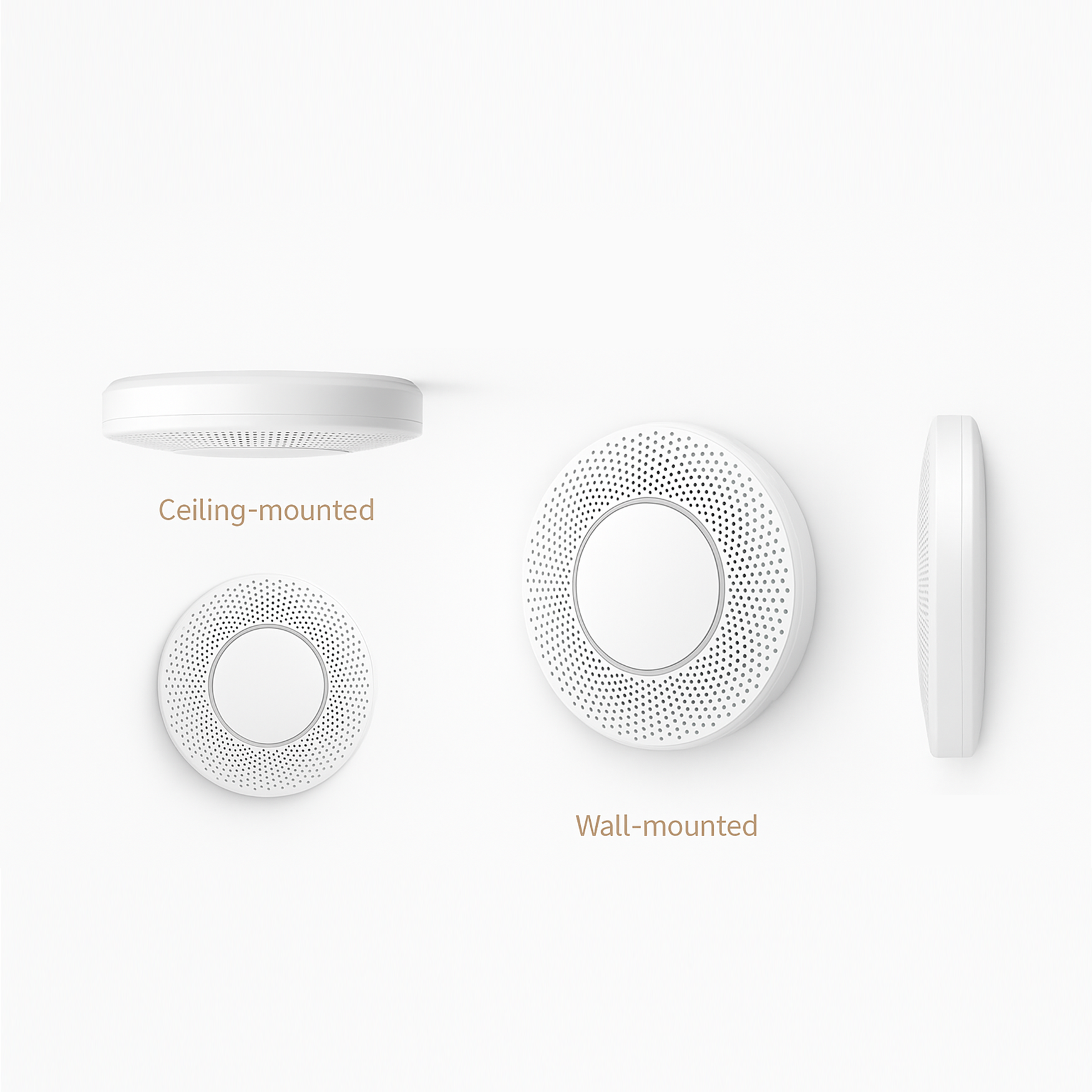
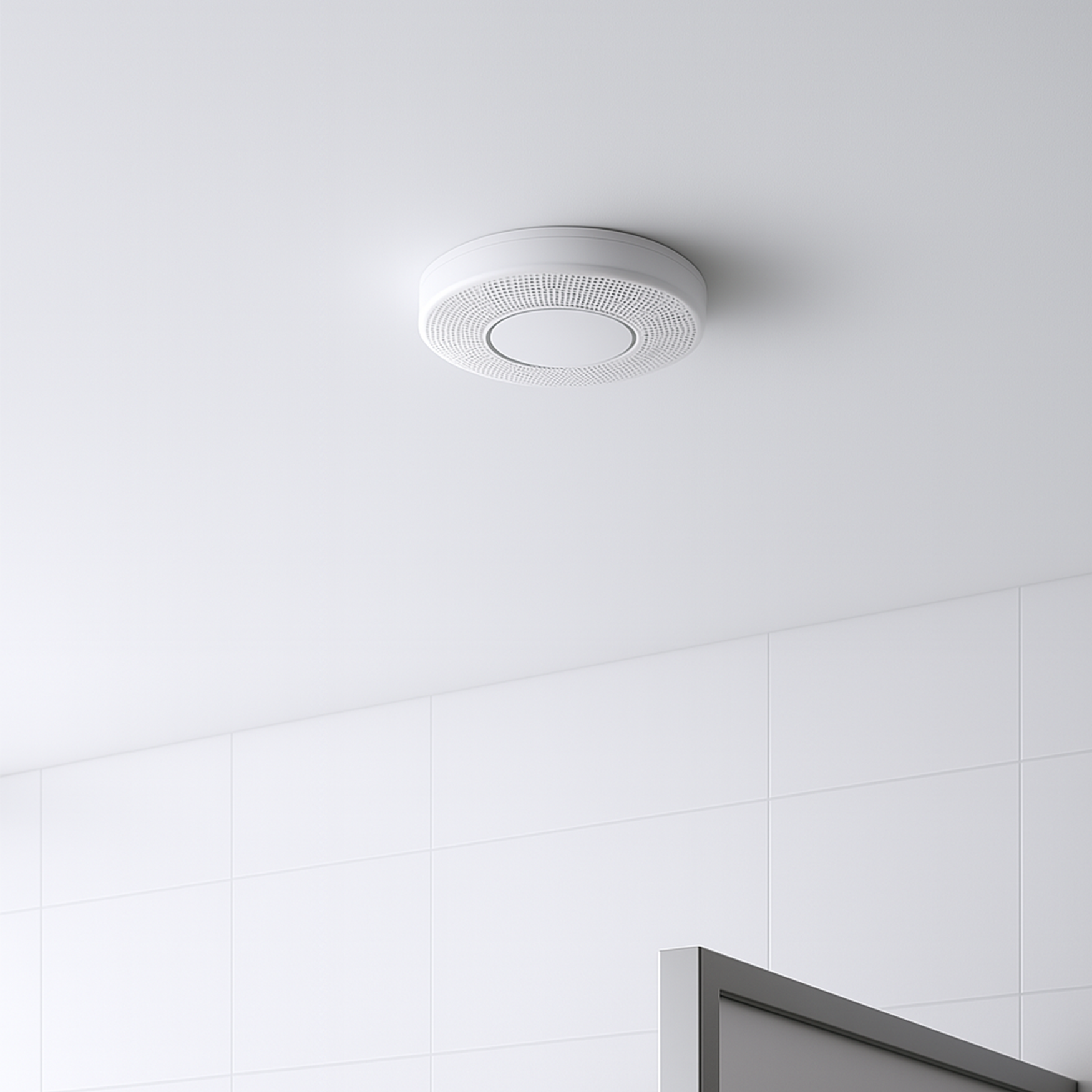
Modern platforms combine hardware sensors with cloud-based analytics to deliver complete monitoring solutions. These systems typically feature wall-mounted sensors that continuously sample air quality and detect anomalies indicating vaping activity. The data streams to centralised dashboards where administrators can configure alerts, review historical trends, and generate compliance reports.
FlySense represents one established option, offering real-time sensor readings and air quality monitoring alongside vaping detection capabilities. Their system focuses on educational environments, providing features specifically designed for school administrators and safeguarding teams.
| Feature Category | Entry-Level Systems | Mid-Range Solutions | Enterprise Platforms |
|---|---|---|---|
| Detection Types | Vape only | Vape + basic air quality | Vape, THC, behaviour, full air quality |
| Alert Methods | Email only | Email + SMS | Email, SMS, app, API integration |
| Reporting | Basic logs | Standard reports | Customisable dashboards + analytics |
| Integration | Standalone | Limited API | Full platform integration |
| Price Range | £200-400 per sensor | £400-700 per sensor | £700+ per sensor |
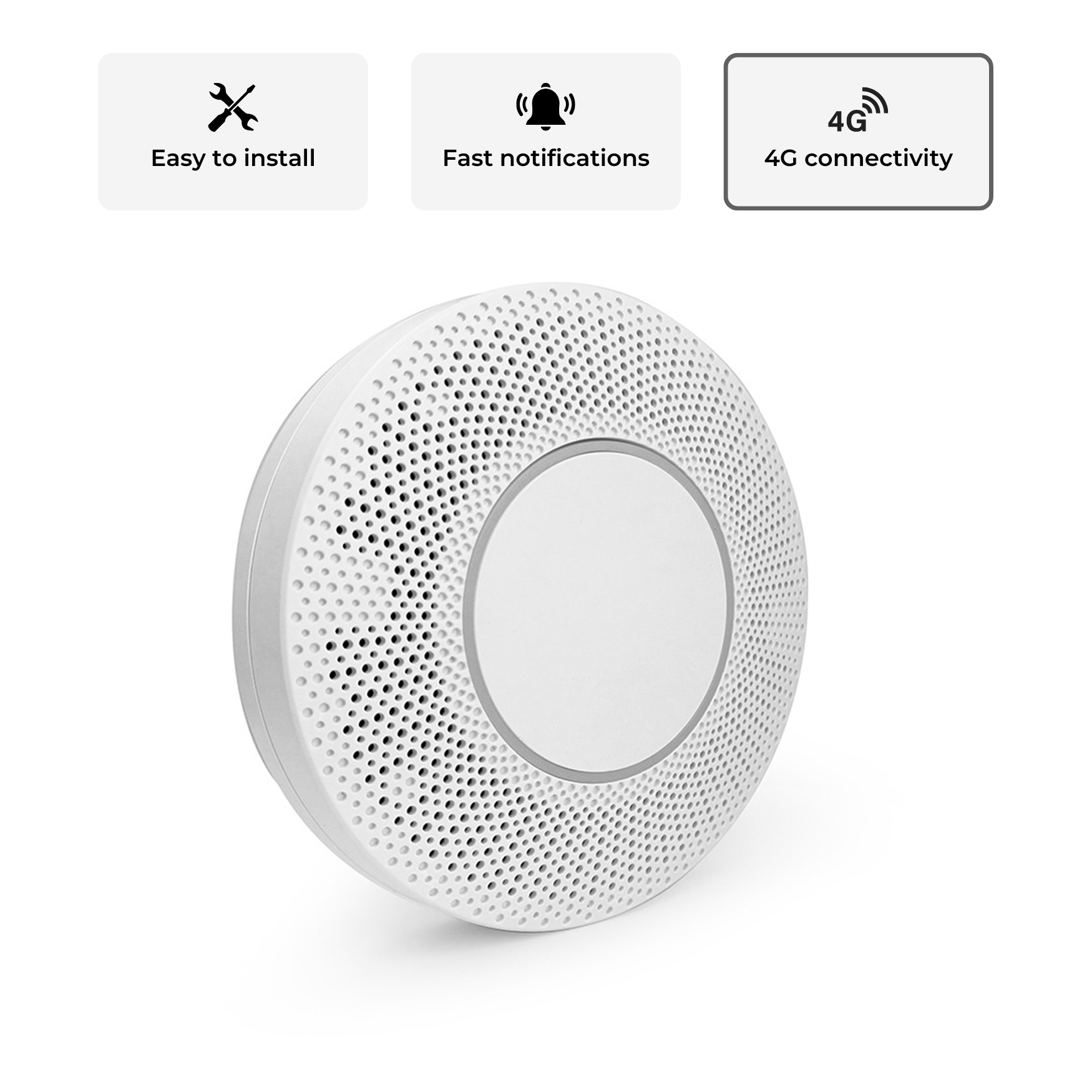
The Vape Detection System from Vape Guardian offers comprehensive monitoring that extends beyond basic vaping detection to include drug identification and anti-social behaviour alerts. This UK-based solution provides real-time notifications through dedicated mobile applications, enabling swift response to incidents across schools, offices, and leisure facilities. The system's multi-threat approach makes it particularly valuable for organisations requiring holistic safety monitoring rather than single-purpose detection.

Specialised Educational Solutions
Schools face unique challenges requiring solutions tailored to safeguarding requirements and pastoral care frameworks. An effective alternative to Triton vape detector for educational settings must integrate with existing safeguarding protocols whilst providing age-appropriate intervention opportunities.
Detection systems designed for schools typically include features such as discreet sensor placement, silent alerting to prevent disruption, and reporting formats aligned with behaviour management systems. These platforms often incorporate educational resources to support prevention programmes alongside enforcement capabilities.
The most effective educational deployments combine technology with policy frameworks. Best practices for vape detection emphasise strategic sensor placement in high-risk areas such as toilets, changing rooms, and concealed spaces where students might attempt to vape undetected.
Technical Specifications That Matter
Selecting an alternative to Triton vape detector requires understanding the underlying technologies that determine system performance. Different sensor types offer varying capabilities, and the optimal combination depends on environmental factors and detection priorities.
Sensor Technologies Explained
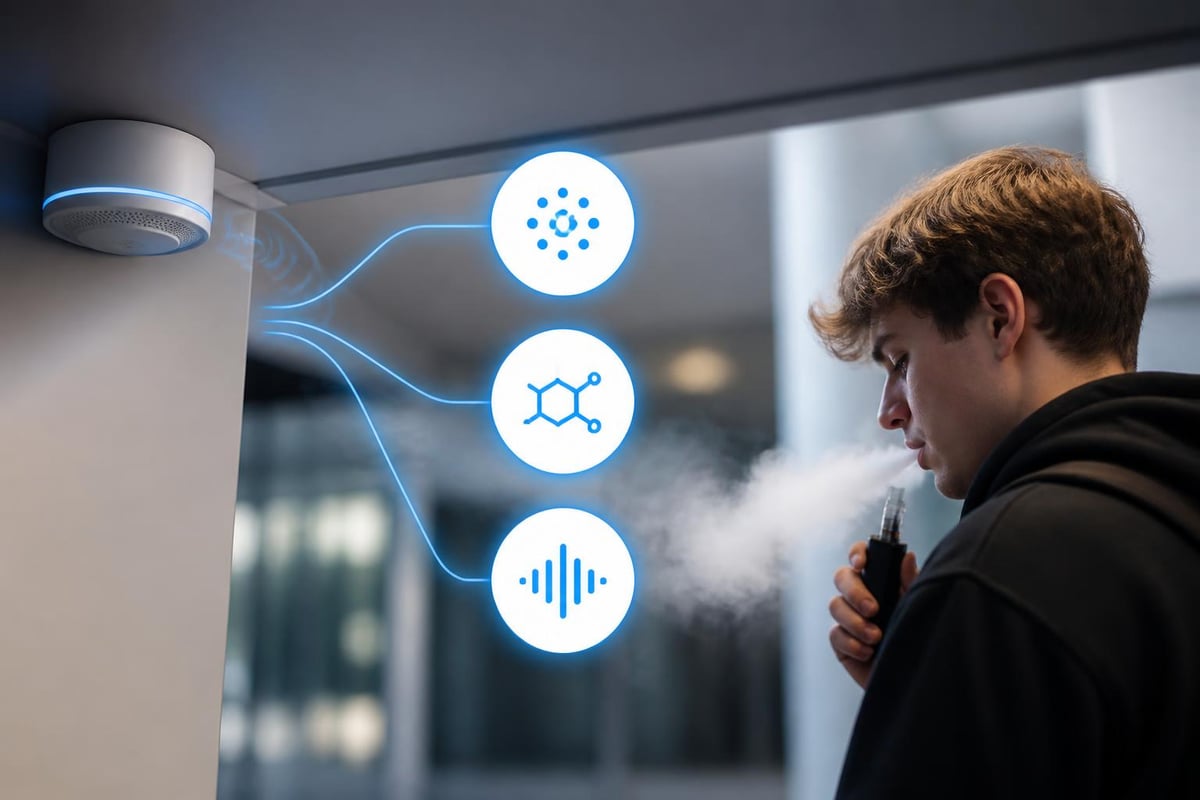
Modern vape detectors employ multiple sensing methodologies to achieve reliable detection:
- Particulate Matter Sensors: Measure fine particles released during vaping, typically identifying particles in the PM2.5 and PM10 size ranges
- Volatile Organic Compound (VOC) Sensors: Detect chemical signatures specific to vaping liquids and aerosols
- Chemical Sensors: Identify specific compounds including nicotine, THC, and flavouring agents
- Sound Analysis: Recognise acoustic patterns associated with vaping devices and aggressive behaviour
- Air Quality Monitors: Track baseline environmental conditions to establish normal parameters and identify deviations
The effectiveness of these technologies varies by environment. Particulate and sensor-based detectors function differently, with particulate sensors offering broader detection but potentially higher false positive rates, whilst chemical sensors provide greater specificity at potentially higher costs.
Environmental Considerations
Installation environment significantly impacts detector performance. High-humidity areas like shower facilities may trigger moisture-sensitive sensors, whilst spaces with poor ventilation might accumulate background particulates that affect baseline readings.
Organizations should evaluate:
- Mounting height and airflow patterns affecting vapour dispersal
- Background noise levels that might interfere with acoustic detection
- Existing air quality challenges from cleaning products or industrial processes
- Temperature fluctuations that affect sensor calibration
- WiFi coverage and network infrastructure for connectivity

Deployment and Integration Strategies
Successfully implementing an alternative to Triton vape detector extends beyond purchasing hardware. Effective deployment requires strategic planning, stakeholder engagement, and integration with existing operational workflows.
Installation Best Practices
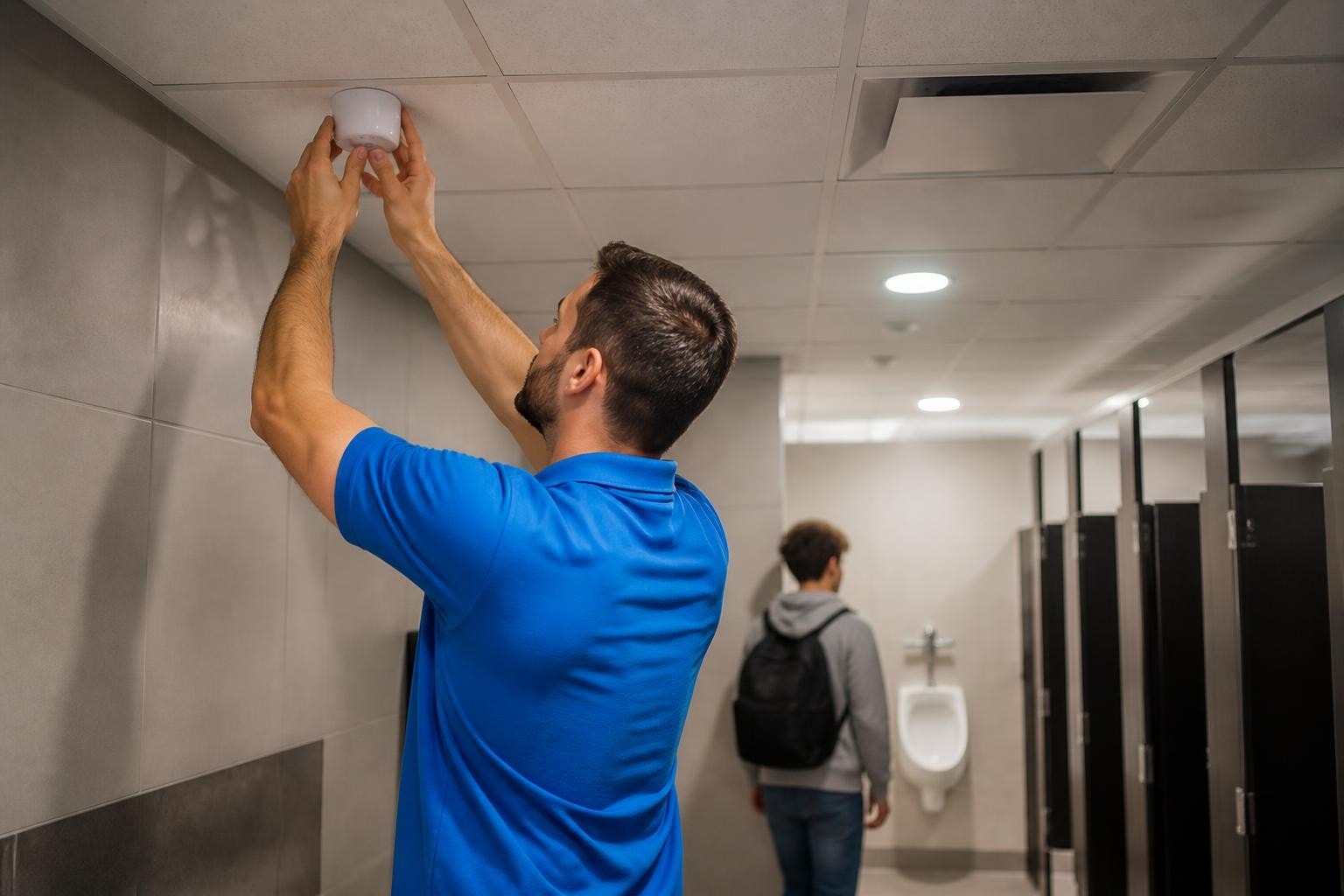
Optimal sensor placement maximises detection probability whilst minimising false alerts. Deployment considerations include understanding how vapour disperses in enclosed spaces and identifying locations where individuals feel emboldened to violate policies.
High-priority installation locations include:
- Toilet cubicles and washroom facilities
- Changing rooms and locker areas
- Stairwells and concealed corridors
- Storage rooms and maintenance spaces
- Vehicle parking structures
Installations should avoid areas with excessive environmental interference. Spaces near kitchen facilities, science laboratories, or areas with frequent aerosol use require careful sensor configuration to prevent false positives.
Alert Configuration and Response Protocols
Detection technology only proves valuable when paired with effective response procedures. Organizations must establish clear protocols defining who receives alerts, expected response times, and appropriate intervention strategies.
The most successful implementations at schools involve multi-tiered response frameworks. Initial alerts might notify on-site security or facilities staff for immediate investigation, whilst persistent violations trigger escalation to safeguarding leads or senior leadership teams.
| Alert Priority | Response Time | Notification Recipients | Typical Actions |
|---|---|---|---|
| Low (single detection) | 15-30 minutes | Facilities team | General awareness, monitor for patterns |
| Medium (repeat location) | 5-15 minutes | Security + safeguarding | Investigation, verbal warning |
| High (multiple simultaneous) | Immediate | Security + leadership | Direct intervention, incident recording |
| Critical (with aggression indicators) | Immediate | Security + emergency contacts | Immediate attendance, potential emergency services |
Cost Analysis and Return on Investment
Budget considerations significantly influence technology selection. An alternative to Triton vape detector must deliver measurable value justifying the initial investment and ongoing operational costs.
Total Cost of Ownership
Beyond purchase price, organisations should evaluate:
- Hardware costs: Sensor units, mounting brackets, and installation materials
- Installation expenses: Professional installation versus internal deployment
- Subscription fees: Cloud platform access, data storage, and software updates
- Maintenance requirements: Sensor calibration, battery replacement, and warranty coverage
- Training costs: Staff education on system operation and response protocols
Entry-level systems may appear attractive based on hardware pricing alone, but limited functionality and higher false positive rates often result in greater operational burden and reduced effectiveness. Mid-range and enterprise solutions typically offer better long-term value through superior accuracy and comprehensive feature sets.
Measuring Success and Impact
Quantifying detector effectiveness helps justify investment and guide system optimisation. Understanding how vape detectors work enables organisations to establish meaningful performance metrics aligned with policy objectives.
Key performance indicators include:
- Detection rate: Percentage of actual vaping incidents identified
- False positive rate: Frequency of alerts not corresponding to genuine violations
- Response time: Average duration between alert and staff intervention
- Incident trends: Changes in vaping frequency following system deployment
- Compliance improvement: Reduction in policy violations over time
Organizations implementing comprehensive detection systems typically observe 60-80% reductions in vaping incidents within the first term of operation, demonstrating significant return on investment through improved compliance and reduced health risks.
Making the Final Selection Decision
Choosing the right alternative to Triton vape detector requires balancing technical capabilities, budget constraints, and organisational priorities. No single solution suits every application, making careful evaluation essential.
Vendor Evaluation Criteria
Prospective buyers should assess potential suppliers across multiple dimensions:
- Technical expertise: Demonstrated understanding of detection technologies and deployment challenges
- Customer support: Availability of UK-based assistance, response times, and technical guidance
- Product roadmap: Commitment to ongoing development and feature enhancement
- Installation support: Training resources, setup assistance, and troubleshooting capabilities
- Compliance knowledge: Understanding of relevant regulations and safeguarding requirements
UK-based suppliers often provide advantages for organisations prioritising local support and rapid response to technical issues. Vape Guardian's approach emphasises dedicated customer support alongside reliable technology, ensuring organisations receive comprehensive assistance throughout deployment and operation.
Trial Deployments and Proof of Concept
Many suppliers offer evaluation programmes enabling organisations to test systems before full deployment. These trials provide invaluable insights into real-world performance, integration challenges, and staff acceptance.
Effective trials should run for minimum 4-6 weeks across representative environments. This duration allows systems to establish baseline readings, enables testing across different occupancy patterns, and provides sufficient data to assess detection accuracy and false positive rates.
Sector-Specific Considerations
Different sectors face unique vaping challenges requiring tailored solutions. An effective alternative to Triton vape detector for schools may differ significantly from optimal systems for offices or leisure facilities.
Educational Environments
Schools face particular challenges balancing detection with pastoral care and safeguarding responsibilities. Systems must support educational interventions alongside enforcement, providing data that informs prevention programmes rather than solely punitive responses.
The most effective educational deployments incorporate features such as:
- Discreet sensor designs reducing vandalism risks
- Silent alerting preventing classroom disruption
- Detailed reporting supporting behaviour pattern analysis
- Integration with existing safeguarding systems
- Educational resources supporting prevention initiatives
Corporate and Office Settings
Office environments require detection systems that respect employee privacy whilst enforcing workplace policies. Solutions must integrate with building management systems, provide professional alerting mechanisms, and support HR compliance requirements.
Corporate deployments often prioritise air quality monitoring alongside vaping detection, positioning systems as wellness initiatives rather than purely enforcement tools. This framing improves employee acceptance and supports broader workplace health objectives.
Leisure and Retail Applications
Leisure facilities including gyms, cinemas, and shopping centres face high footfall and diverse user populations. Detection systems must operate reliably in varied conditions whilst minimising disruption to customer experience.
These environments benefit from systems offering:
- Rapid detection enabling prompt staff intervention
- Discrete alerting preventing customer disturbance
- Robust construction withstanding demanding environments
- Integration with existing security infrastructure
- Reporting supporting insurance and liability requirements

Future Trends in Vaping Detection Technology
The vape detection landscape continues evolving as manufacturers incorporate emerging technologies and respond to changing regulatory environments. Understanding anticipated developments helps organisations select systems with longevity and upgrade potential.
Artificial Intelligence and Machine Learning
Advanced systems increasingly employ AI algorithms to improve detection accuracy and reduce false positives. Machine learning approaches enable systems to learn from historical data, refining detection parameters based on specific environmental conditions and usage patterns.
These intelligent systems adapt to individual facility characteristics, distinguishing between legitimate air quality variations and actual policy violations with increasing precision over time. The result is dramatically reduced false positive rates and improved confidence in alert validity.
Integration with Broader Safety Ecosystems
Modern detection systems increasingly function as components within comprehensive safety platforms. Integration with video surveillance, access control, and emergency notification systems creates unified security ecosystems providing holistic threat awareness.
This convergence enables correlated event analysis, where vaping detection triggers video review, access logs are cross-referenced with incident locations, and patterns emerge revealing systematic violations requiring policy intervention rather than individual disciplinary action.
Enhanced Substance Detection Capabilities
As vaping devices evolve, detection systems must identify new substances and formulations. Next-generation sensors will detect broader chemical signatures, identifying emerging psychoactive substances and distinguishing between nicotine, THC, and other compounds with greater specificity.
This enhanced capability proves particularly valuable for educational and healthcare settings where different substances require distinct intervention protocols and safeguarding responses.
Procurement Process and Implementation Timeline
Successfully deploying an alternative to Triton vape detector requires structured procurement and phased implementation. Rushed deployments often result in suboptimal sensor placement, inadequate staff training, and poor integration with existing workflows.
Recommended Implementation Phases
Phase 1: Requirements Definition (2-4 weeks)
- Identify high-risk locations requiring monitoring
- Define detection priorities and alert requirements
- Assess network infrastructure and connectivity options
- Establish budget parameters and approval processes
Phase 2: Vendor Evaluation (3-6 weeks)
- Request detailed product specifications and pricing
- Conduct supplier demonstrations and technical discussions
- Review customer references and case studies
- Evaluate trial or proof-of-concept opportunities
Phase 3: Pilot Deployment (6-8 weeks)
- Install sensors in representative locations
- Configure alert protocols and recipient lists
- Train staff on system operation and response procedures
- Monitor performance and gather stakeholder feedback
Phase 4: Full Rollout (8-12 weeks)
- Expand deployment across remaining priority locations
- Refine alert configurations based on pilot learnings
- Implement reporting procedures and review cycles
- Establish ongoing maintenance and support arrangements
This phased approach minimises disruption, enables learning from early deployments, and ensures systems deliver intended value before substantial investment.
Training and Change Management
Technology alone cannot solve vaping challenges. Effective implementations include comprehensive training ensuring staff understand system capabilities, know how to respond to alerts, and can interpret reporting data to inform policy decisions.
Training programmes should address multiple stakeholder groups, from facilities teams managing day-to-day operations to senior leadership interpreting trends and evaluating policy effectiveness. Role-specific guidance ensures each team member understands their responsibilities within the broader detection and response framework.
Selecting an alternative to Triton vape detector requires careful consideration of technical capabilities, deployment environments, and organisational objectives. The market offers diverse solutions ranging from basic detection systems to comprehensive platforms monitoring multiple threats whilst providing detailed analytics and seamless integration capabilities. Vape Guardian delivers advanced detection technology specifically designed for UK organisations seeking reliable, comprehensive solutions backed by dedicated local support. Their systems detect vaping, drugs, and anti-social behaviour across educational, commercial, and leisure environments, providing the real-time alerts and detailed reporting needed to maintain safe, compliant spaces. Explore how Vape Guardian can enhance your facility's safety programme today.



Share:
Vape Detector with False Alert Filter: Complete Guide
Vape Detector with Dashboard: Complete Guide for 2026