
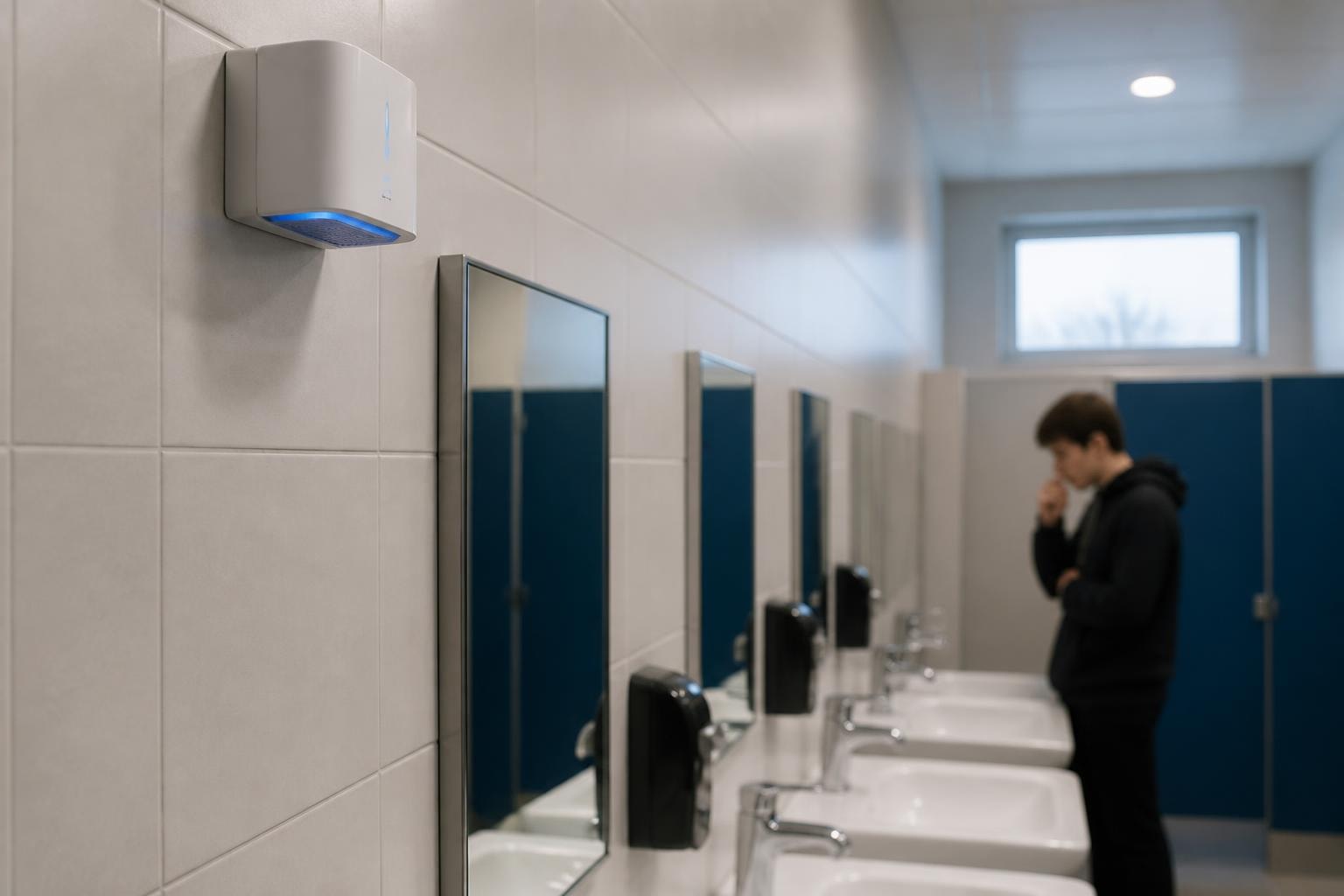
Schools across the United Kingdom face an unprecedented challenge as vaping amongst students reaches alarming levels. Traditional supervision methods prove insufficient when students conceal vaping behaviour in toilet facilities, creating both health and disciplinary concerns for educational institutions. The emergence of sophisticated detection technology has transformed how schools address this growing problem, providing administrators with powerful tools to maintain safe, vape-free environments whilst supporting student wellbeing and regulatory compliance.
Understanding School Toilet Vape Detection Technology
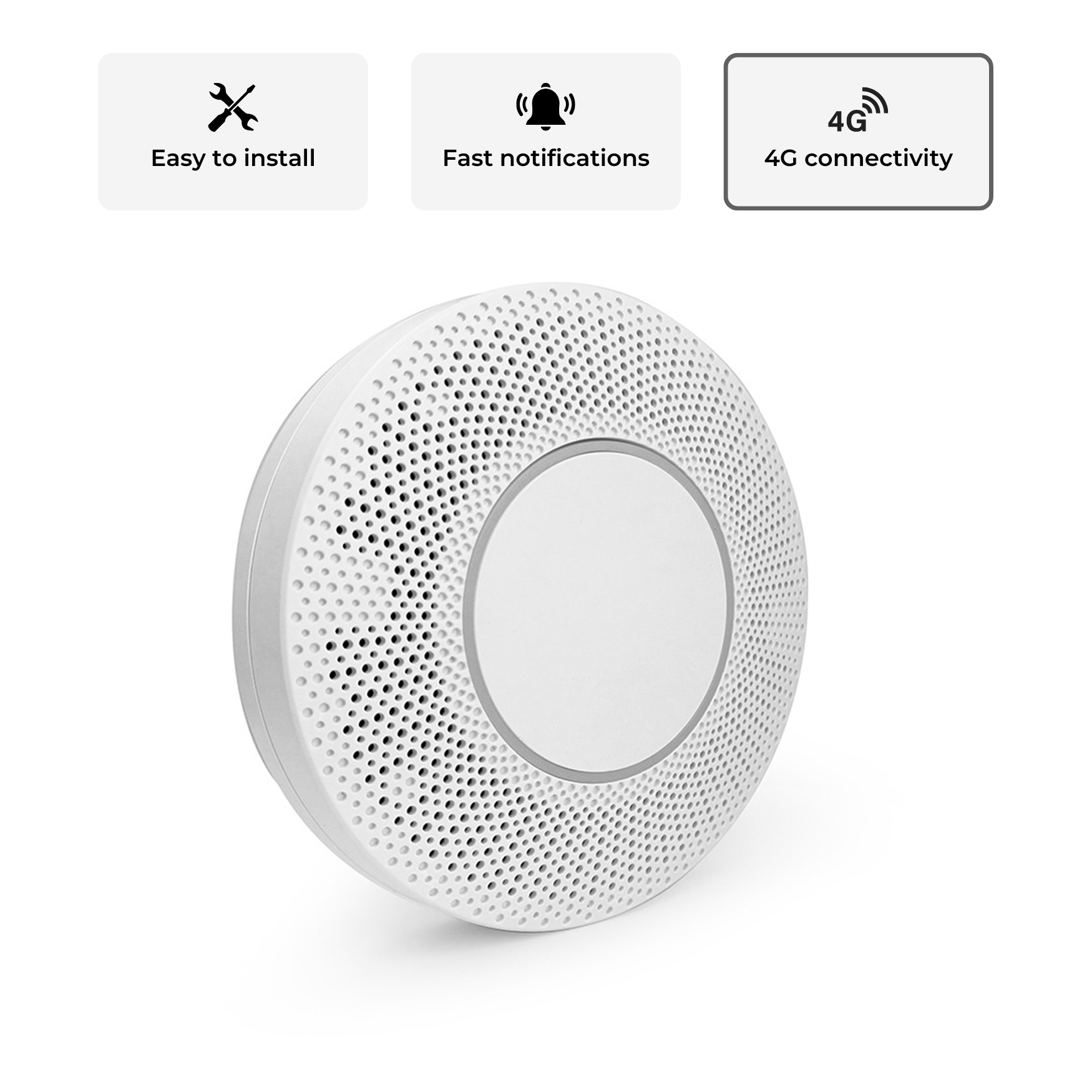
Modern detection systems represent a significant advancement from conventional smoke alarms. A school toilet vape detector utilises multi-spectrum sensors capable of identifying chemical signatures unique to vaping aerosols, including propylene glycol, vegetable glycerine, and various flavouring compounds. These sensors continuously monitor air quality parameters, distinguishing between normal humidity fluctuations and the specific particulate matter released during vaping incidents.
The technology operates through sophisticated algorithms that analyse air composition in real time. When vapour is detected, the system cross-references multiple data points to minimise false positives from perfumes, cleaning products, or standard bathroom humidity. This precision ensures that alerts generated represent genuine vaping incidents rather than routine environmental changes.
Detection Capabilities Beyond Vaping
Modern systems detect multiple threats:
- Vaping substances including nicotine and THC products
- Cannabis and marijuana smoke
- Abnormal noise levels indicating bullying or aggressive behaviour
- Tampering with smoke detectors or facility equipment
- Chemical compounds associated with drug use
Advanced sensors incorporate sound detection alongside air quality monitoring, creating comprehensive security solutions. This dual functionality addresses not only vaping concerns but broader student safety issues, from anti-social behaviour to more serious incidents requiring immediate intervention.
Strategic Placement and Installation Considerations
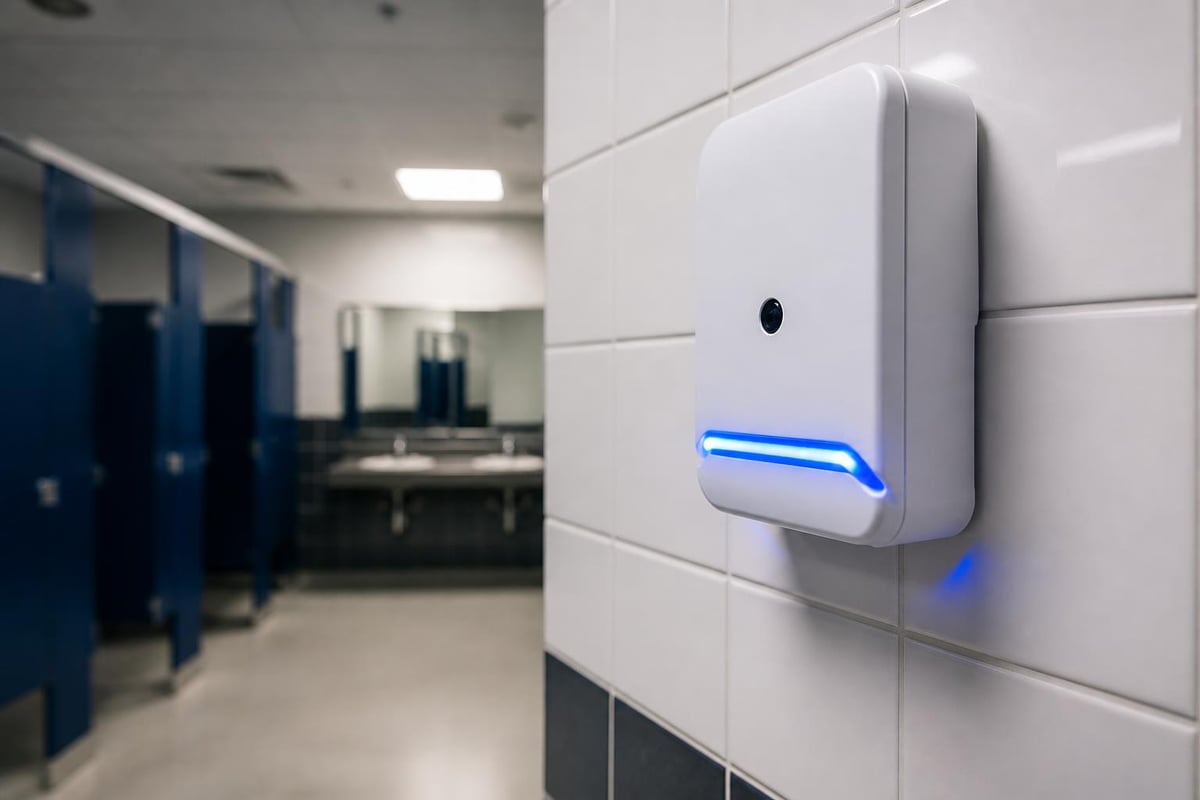
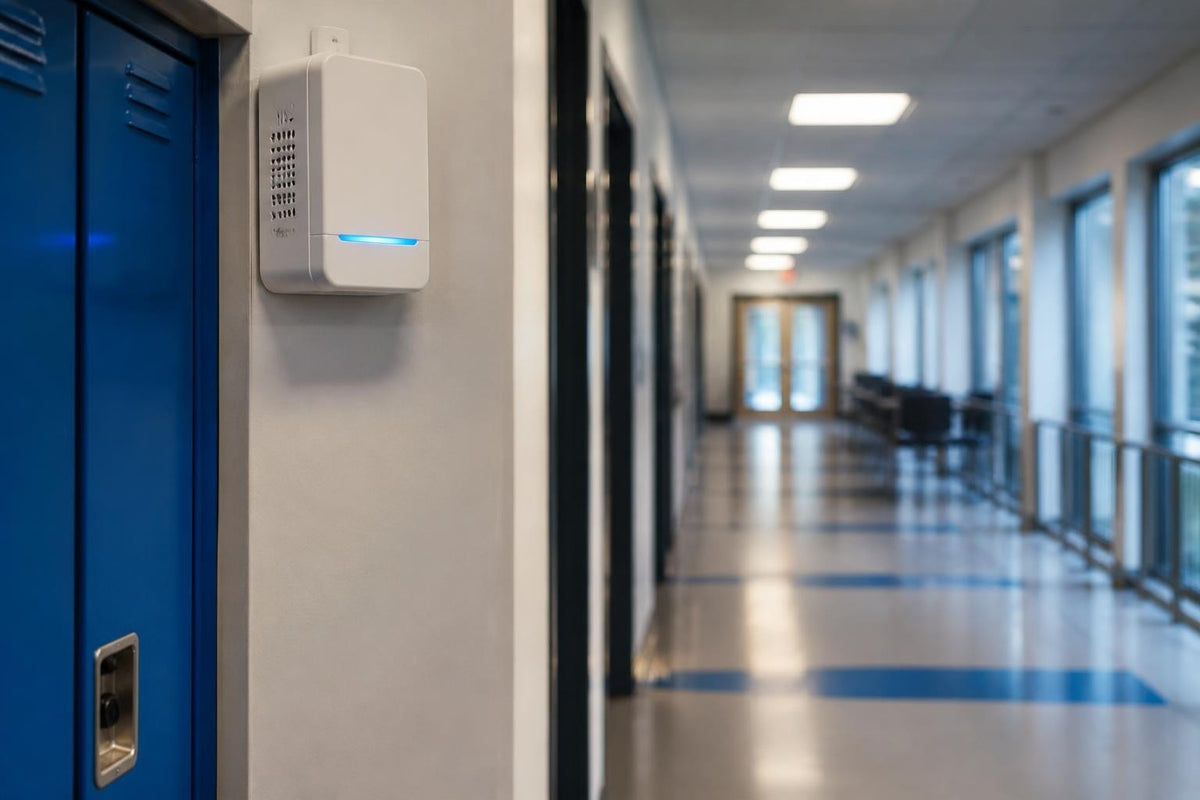
Effective deployment requires careful consideration of toilet facility layouts, ventilation systems, and usage patterns. Installing a school toilet vape detector in optimal locations maximises detection accuracy whilst minimising blind spots where students might attempt to evade monitoring.
Optimal Installation Locations
| Location Type | Advantages | Considerations |
|---|---|---|
| Ceiling mounted central position | Maximum coverage area | Requires professional installation |
| Near ventilation intake | Captures dispersed vapour | May detect slower in still air |
| Cubicle entrance zones | Immediate detection upon exit | Multiple units needed for full coverage |
| Changing room facilities | Covers vulnerable areas | Privacy regulations must be observed |
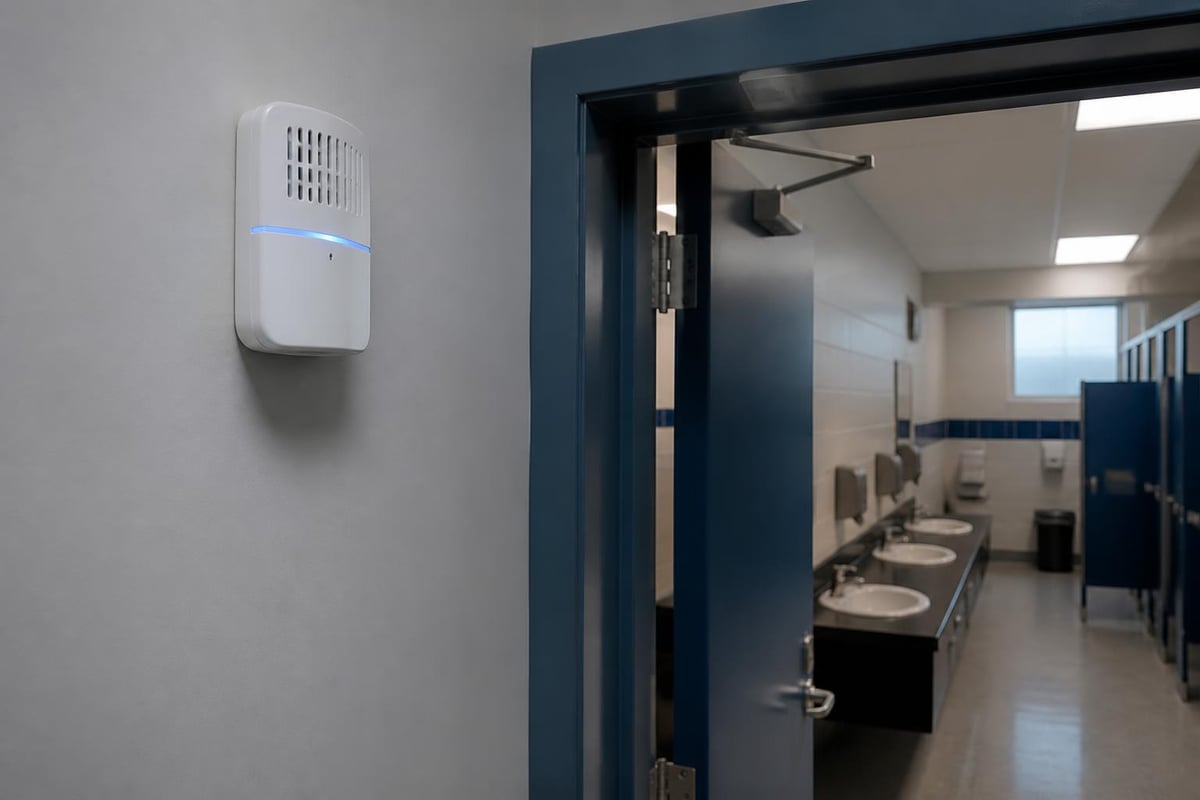
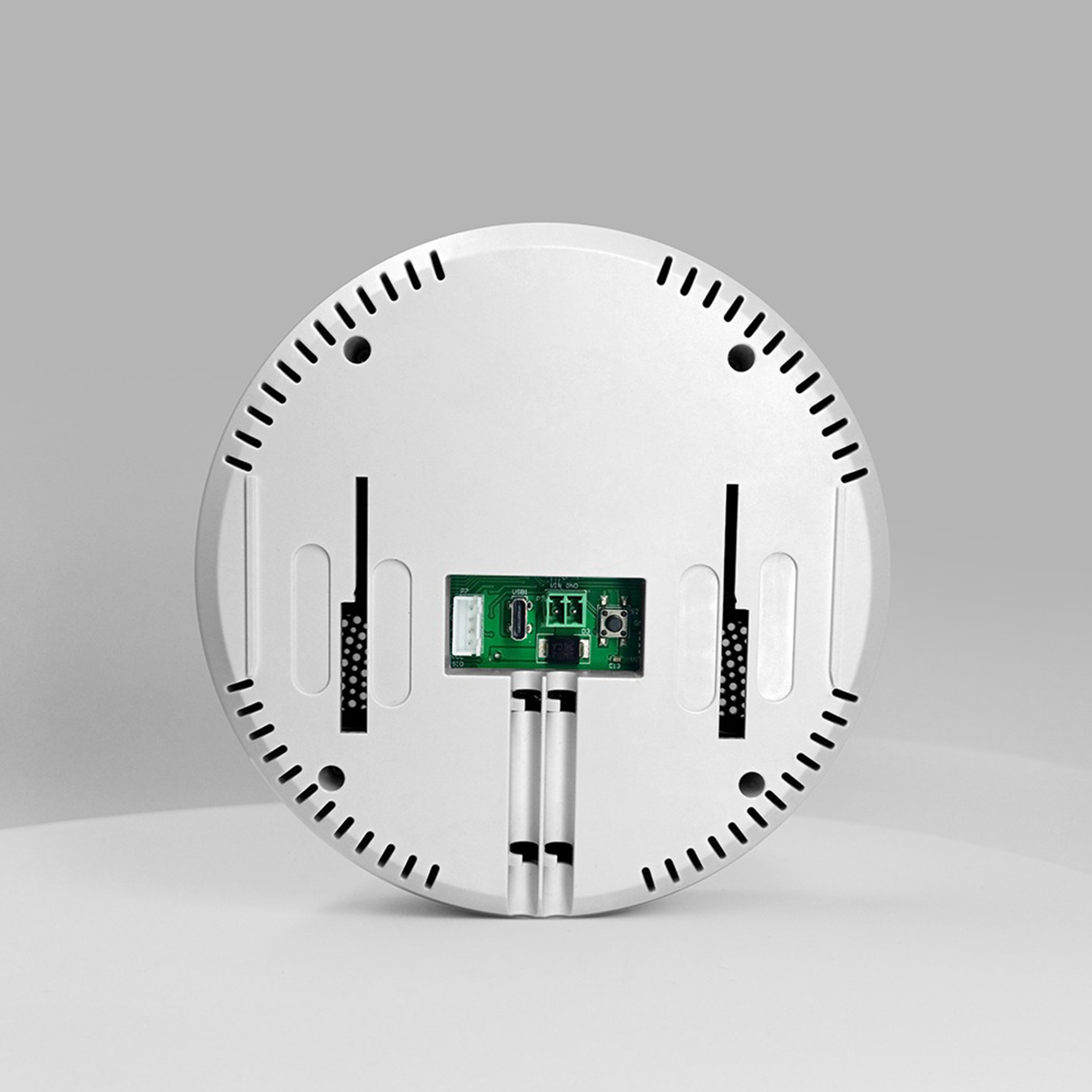
Installation teams must account for existing infrastructure, including Wi-Fi connectivity for cloud-based reporting and electrical requirements for continuous operation. Schools with older buildings may require infrastructure upgrades to support comprehensive detection networks, whilst newer facilities often possess the necessary connectivity as standard.
Privacy considerations remain paramount during installation planning. Unlike traditional security cameras, vape detection technology respects student privacy whilst maintaining effective monitoring. Devices contain no cameras or recording equipment, focusing exclusively on air quality and sound level measurements that indicate potential issues without visual surveillance.
Real-Time Alert Systems and Response Protocols
The value of a school toilet vape detector extends beyond mere detection to encompass rapid notification and coordinated response capabilities. Modern systems integrate with existing school management platforms, enabling customised alert protocols that match institutional policies and staffing structures.
When detection occurs, designated personnel receive instant notifications via smartphone applications, email, or desktop alerts. The system identifies the specific location, timestamp, and detection confidence level, enabling staff to respond appropriately and efficiently.
Escalation Procedures
- Initial detection triggers immediate alert to designated staff members
- System logs incident details including precise location and time
- Staff verify incident and implement appropriate disciplinary measures
- Repeat offences trigger escalated responses per school policy
- Data aggregates for trend analysis and policy refinement
Research indicates that environmental and safety risks associated with e-cigarette use in educational settings require prompt intervention strategies. Automated detection and alert systems reduce response times from hours to minutes, demonstrating to students that vaping behaviour will be swiftly addressed whilst allowing staff to focus on education rather than constant supervision.
Integration with Existing School Infrastructure
A comprehensive school toilet vape detector system functions most effectively when integrated within broader school safety and management ecosystems. Modern solutions offer application programming interfaces and compatibility with popular school management systems, student information platforms, and building management technologies.
Cloud-based dashboards provide administrators with centralised oversight across multiple facilities. This visibility enables pattern recognition, identifying high-risk times or locations where additional preventive measures might prove beneficial. Historical data tracking supports evidence-based policy decisions and demonstrates compliance with safeguarding requirements to regulatory bodies.
The Vape Detection System exemplifies this integrated approach, combining hardware sensors with sophisticated software analytics that provide actionable insights whilst maintaining straightforward operation for educational staff.

System Compatibility Requirements
Essential technical specifications include:
- Secure Wi-Fi connectivity with WPA2 encryption minimum
- Cloud storage compliance with UK data protection regulations
- Mobile application compatibility with iOS and Android platforms
- Integration capabilities with existing security infrastructure
- Automated software updates and remote diagnostics
Technical support becomes crucial during implementation phases. Schools benefit from partnerships with providers offering comprehensive training for staff, ongoing technical assistance, and regular system optimisation to maintain peak performance as vaping products and student behaviours evolve.
Cost Considerations and Return on Investment
Financial planning for vape detection implementation requires examining both initial capital expenditure and ongoing operational costs. Understanding the complete cost structure enables schools to budget appropriately and secure necessary funding through governing bodies or, in some cases, settlements from e-cigarette manufacturers.
Complete Cost Breakdown
| Expense Category | Typical Range | Frequency |
|---|---|---|
| Hardware units | £400-£800 per detector | One-time |
| Installation services | £100-£300 per unit | One-time |
| Software licensing | £50-£150 per unit | Annual |
| Cloud storage and analytics | £200-£500 total | Annual |
| Training and support | £300-£600 | Initial + optional annual |
| Maintenance and updates | £100-£200 per unit | Annual |
Return on investment calculations extend beyond financial metrics to encompass health outcomes, disciplinary efficiency, and compliance benefits. Schools report significant reductions in vaping incidents following installation, with some institutions documenting decreases exceeding 70% within the first academic year. This deterrent effect reduces time staff spend investigating incidents, addressing health concerns, and managing disciplinary procedures.
The cost considerations for implementing comprehensive detection systems must be weighed against the hidden costs of unaddressed vaping, including potential legal liability, increased health service utilisation, and the broader impact on school culture and student achievement. Many administrators find that even modest reductions in incident rates justify the investment through improved learning environments and reduced administrative burden.
Evidence-Based Effectiveness and Real-World Outcomes
Schools implementing toilet vape detector systems consistently report measurable improvements in detection rates and overall incident reduction. The presence of visible detection technology creates a powerful deterrent effect, with students recognising that covert vaping carries substantial risk of discovery.
Data from early adopter schools demonstrates the technology's effectiveness across diverse educational settings. Secondary schools report detection of incidents previously unknown to staff, revealing the true scope of vaping behaviour that traditional supervision methods missed entirely. This visibility enables targeted intervention and support for students struggling with nicotine dependence.
Documented Benefits
- 87% reduction in repeat vaping offences after first detection
- Detection accuracy exceeding 95% in controlled testing environments
- Response times reduced from average 45 minutes to under 3 minutes
- Staff confidence increased through objective detection data
- Parental engagement improved with concrete evidence of incidents
Understanding how vape detectors work helps schools set realistic expectations and develop appropriate policies around their use. The technology serves as a tool supporting broader anti-vaping initiatives rather than a standalone solution, working most effectively when combined with education, counselling services, and clear disciplinary frameworks.
Schools also report unexpected benefits from the broader monitoring capabilities. Detection of aggressive behaviour through sound monitoring has enabled intervention in bullying situations and other safety concerns, expanding the value proposition beyond vaping prevention alone.
Policy Development and Implementation Guidelines
Successful deployment of a school toilet vape detector requires comprehensive policy frameworks that address detection protocols, disciplinary procedures, data management, and student privacy protections. Clear policies ensure consistent application, legal compliance, and stakeholder confidence in the system's appropriate use.
Policy Framework Components
- Detection and verification procedures detailing how alerts are investigated
- Graduated disciplinary responses matching offence severity and frequency
- Data retention schedules complying with UK data protection requirements
- Privacy safeguards ensuring appropriate use of monitoring technology
- Communication protocols for notifying parents and relevant authorities
- Review mechanisms enabling policy adaptation based on outcomes
Transparent communication with students, parents, and staff proves essential during implementation. Schools achieving the best outcomes proactively explain the technology's purpose, capabilities, and limitations, positioning detection systems as student welfare tools rather than punitive surveillance measures.
The operation of school vape detectors raises important questions about balancing security with privacy rights. Well-crafted policies address these concerns directly, demonstrating commitment to proportionate, lawful use of detection technology that respects student dignity whilst maintaining safe environments.
Staff Training and Change Management
Technology alone cannot solve vaping challenges without properly trained staff equipped to respond effectively to alerts and support students appropriately. Comprehensive training programmes ensure that school personnel understand system operation, response protocols, and their roles within the broader anti-vaping strategy.
Initial training should cover technical operation, alert interpretation, and appropriate response procedures. Staff members need confidence distinguishing between detection alerts requiring immediate intervention and lower-priority notifications. Understanding the technology's capabilities and limitations prevents both over-reliance and underutilisation of detection systems.
Training Programme Elements
Technical competency modules:
- System navigation and alert management
- Data interpretation and trend analysis
- Troubleshooting common technical issues
- Privacy compliance and data handling
Response and intervention modules:
- Appropriate responses to different alert types
- De-escalation techniques for confronting students
- Documentation requirements for incidents
- Referral pathways for student support services
Ongoing professional development ensures staff remain current with system updates and evolving best practices. Regular refresher sessions maintain competency levels and provide opportunities to share experiences, refine protocols, and address emerging challenges collectively.
Addressing Student Privacy and Legal Compliance
Implementation of monitoring technology in school facilities demands careful attention to privacy rights, data protection regulations, and legal requirements governing educational institutions. A properly deployed school toilet vape detector system complies with all relevant legislation whilst maintaining its protective function.
UK data protection law requires that monitoring be necessary, proportionate, and implemented with appropriate safeguards. Schools must document legitimate interests justifying surveillance, demonstrate that less intrusive alternatives prove insufficient, and implement technical measures protecting collected data from unauthorised access or misuse.
Compliance Checklist
| Requirement | Implementation Method | Documentation |
|---|---|---|
| Legitimate interest assessment | Documented risk analysis | Policy documents |
| Privacy impact assessment | Formal evaluation process | Assessment records |
| Data minimisation | Limited data collection | System configuration |
| Secure storage | Encrypted cloud platforms | Security certificates |
| Access controls | Role-based permissions | Access logs |
| Retention limits | Automated deletion schedules | Retention policies |
Signage informing students and visitors about vape detection monitoring satisfies transparency requirements whilst potentially enhancing deterrent effects. Clear communication demonstrates institutional commitment to lawful, ethical technology use that respects individual rights whilst protecting collective wellbeing.
Understanding how to implement detection systems in bathrooms within legal and ethical frameworks enables schools to deploy effective solutions without compromising student privacy or institutional integrity.
Maintenance, Updates, and Long-Term Performance
Sustained effectiveness of detection systems requires regular maintenance, software updates, and periodic performance reviews. Unlike static infrastructure, a school toilet vape detector system operates within evolving technological and behavioural landscapes demanding adaptive management approaches.
Scheduled maintenance includes sensor calibration, connectivity verification, and physical inspection ensuring devices remain operational and accurate. Most systems feature self-diagnostic capabilities alerting administrators to technical issues before they compromise detection effectiveness. Proactive maintenance prevents gaps in coverage and maintains stakeholder confidence in system reliability.
Software updates deliver enhanced detection algorithms reflecting new vaping products, improved false-positive reduction, and expanded functionality. Automatic update mechanisms ensure schools benefit from ongoing manufacturer improvements without requiring manual intervention or technical expertise from educational staff.
Performance Monitoring Metrics
- Detection accuracy rates compared to verified incidents
- False positive frequency and root cause analysis
- System uptime and connectivity reliability
- Alert response times from detection to staff arrival
- Incident reduction trends over academic terms
- Cost per incident detected and addressed
Annual performance reviews enable evidence-based decisions about system expansion, policy refinement, or additional investment in complementary prevention strategies. Data-driven approaches demonstrate accountability to governing bodies and justify ongoing resource allocation for vaping prevention initiatives.
Future Developments in Detection Technology
The vaping detection industry continues evolving rapidly, with emerging technologies promising enhanced capabilities and broader applications. Schools planning implementations benefit from understanding development trajectories ensuring investments remain relevant and effective throughout their operational lifespans.
Artificial intelligence and machine learning algorithms increasingly enable more sophisticated threat recognition, reducing false positives whilst identifying subtle indicators of vaping behaviour. These advances improve detection sensitivity without sacrificing specificity, creating systems that operate more reliably across diverse environmental conditions.
Integration with broader smart building technologies represents another significant trend. Future school toilet vape detector systems may coordinate with ventilation controls, automatically increasing air circulation following detection to minimise secondary exposure. Similarly, integration with access control systems could support targeted interventions based on facility usage patterns.
Emerging Capabilities
Next-generation systems may include:
- Chemical fingerprinting identifying specific vaping product brands
- Behavioural analytics predicting high-risk times and locations
- Enhanced sound analysis detecting verbal indicators of drug transactions
- Environmental sensors monitoring broader air quality parameters
- Predictive maintenance reducing system downtime through early fault detection
Research into features and benefits of detection technology continues advancing capabilities whilst addressing implementation challenges identified through real-world deployments. Schools investing today should seek systems with update pathways ensuring access to these emerging capabilities without complete hardware replacement.
Building a Comprehensive Anti-Vaping Strategy
Detection technology functions most effectively as one component within holistic prevention strategies addressing vaping through multiple complementary approaches. A school toilet vape detector provides enforcement capability, but sustainable behaviour change requires education, support services, and positive school culture development.
Educational programmes helping students understand vaping risks, including addiction potential and health consequences, create informed decision-making foundations. Evidence suggests that students receiving comprehensive vaping education demonstrate lower usage rates and greater receptivity to prevention messaging compared to peers exposed only to prohibition-focused approaches.
Support services addressing nicotine dependence enable students struggling with addiction to access appropriate assistance. Schools partnering with health services to provide cessation support demonstrate commitment to student welfare beyond punitive measures, potentially improving long-term outcomes and reducing resistance to detection systems.
Creating positive school cultures where vaping carries social costs rather than perceived benefits requires sustained effort across the entire school community. Student-led initiatives, peer education programmes, and visible administrative commitment signal that vaping prevention reflects shared values rather than arbitrary adult control.
Comprehensive strategies recognising that tackling vaping in schools requires multifaceted approaches achieve superior outcomes compared to technology-only implementations. Detection systems provide crucial enforcement capability whilst education and support services address underlying drivers of vaping behaviour.
Effective vaping prevention in schools demands sophisticated technology, clear policies, and comprehensive support systems working in concert to protect student health and maintain safe learning environments. Modern school toilet vape detector systems provide the detection capability enabling swift intervention whilst respecting privacy and supporting broader educational objectives. Whether you're exploring initial implementation or enhancing existing measures, Vape Guardian offers proven solutions backed by dedicated support, helping educational institutions across the UK create healthier, safer spaces where students can thrive without the harmful impacts of vaping behaviour.




Share:
Academy Vape Detection System: Complete Guide 2026
Restroom Vape Detector: Complete 2026 Guide for Schools