
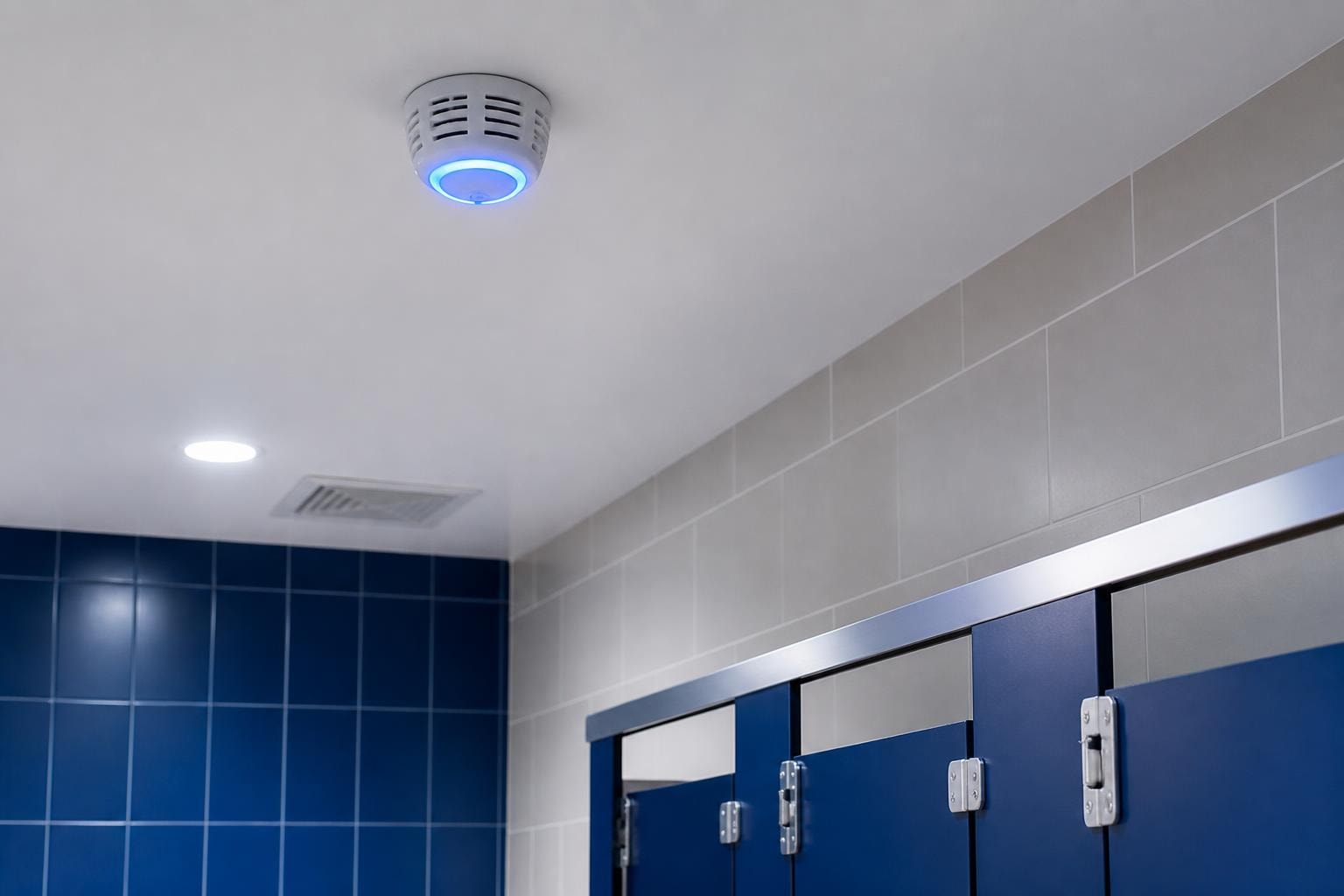
Vaping in school restrooms has become one of the most persistent challenges facing educational institutions across the United Kingdom and beyond. Traditional supervision methods prove ineffective in these private spaces, leaving administrators searching for reliable solutions. A restroom vape detector offers a technological approach to this problem, providing real-time monitoring without compromising student privacy. As we progress through 2026, these detection systems have evolved significantly, incorporating advanced sensor technology that identifies not only vaping aerosols but also other concerning substances and behaviours.
Understanding Restroom Vape Detector Technology
Modern detection systems operate through sophisticated air quality sensors that analyse particulate matter and chemical signatures in enclosed environments. Unlike traditional smoke detectors that respond primarily to combustion particles, a restroom vape detector specifically identifies the unique aerosol compounds produced by electronic cigarettes and vaping devices.
These sensors measure multiple environmental factors simultaneously:
- Particulate concentration levels in the air
- Chemical composition of detected aerosols
- Air quality index changes indicating vaping activity
- Sound anomalies that might suggest anti-social behaviour
- Temperature and humidity variations associated with vaping
The technology behind these systems has advanced considerably since their introduction. Early versions struggled with false positives from aerosol deodorants or air fresheners. Current generation devices employ machine learning algorithms that distinguish between harmless products and actual vaping incidents with remarkable accuracy.
Detection Accuracy and Reliability
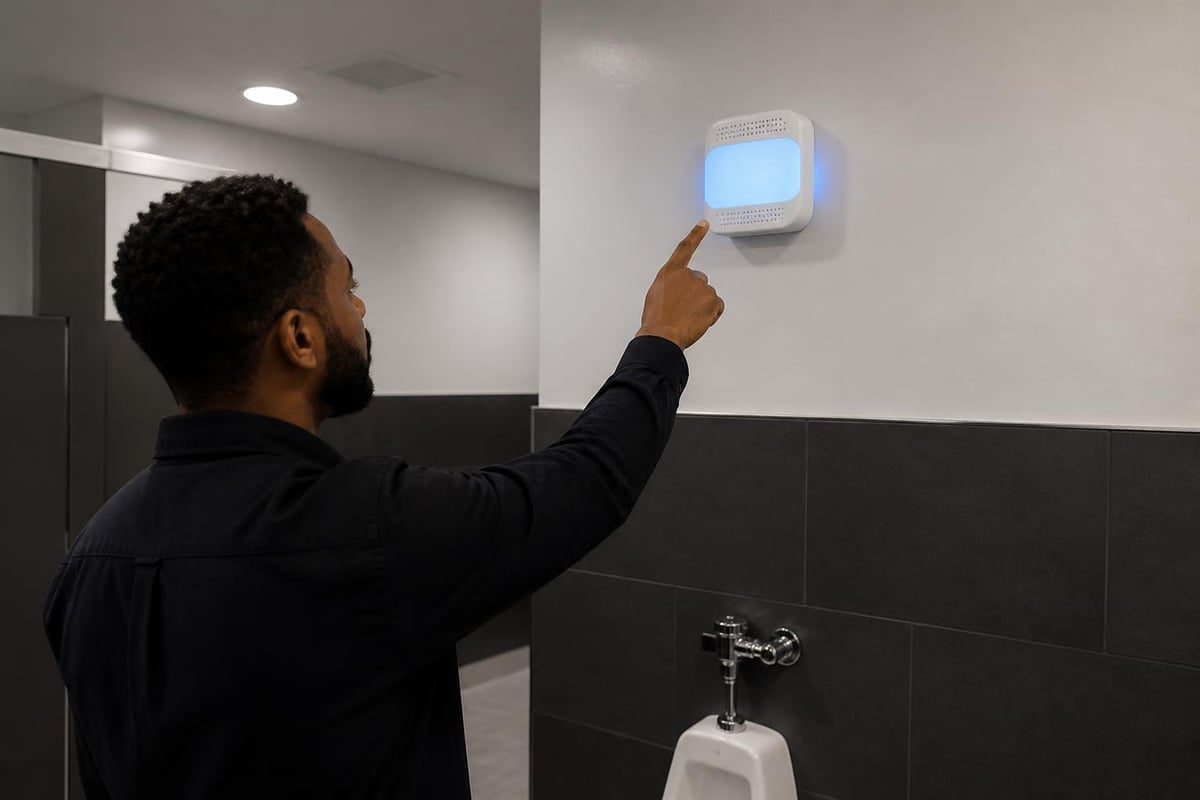
Schools implementing these systems report detection accuracy rates exceeding 95% when properly calibrated. The key lies in understanding the specific chemical markers that differentiate vaping aerosols from other airborne particles. Research into aerosol generation in public restrooms provides valuable context for understanding how these particles behave in confined spaces.
A properly configured restroom vape detector can identify vaping activity within seconds of occurrence. The system then transmits alerts to designated staff members through mobile applications or centralised monitoring dashboards. This immediate notification capability transforms the response time from minutes or hours to near-instantaneous action.
Implementation Strategies for Educational Settings
Installing detection systems in school restrooms requires careful planning that balances effectiveness with privacy considerations. Successful implementations begin with a comprehensive assessment of facility layout, student population size, and existing infrastructure capabilities.
Site Assessment and Planning
Before installation, facilities managers should evaluate several critical factors:
- Restroom locations requiring coverage based on incident reports
- Network connectivity availability for real-time alerts
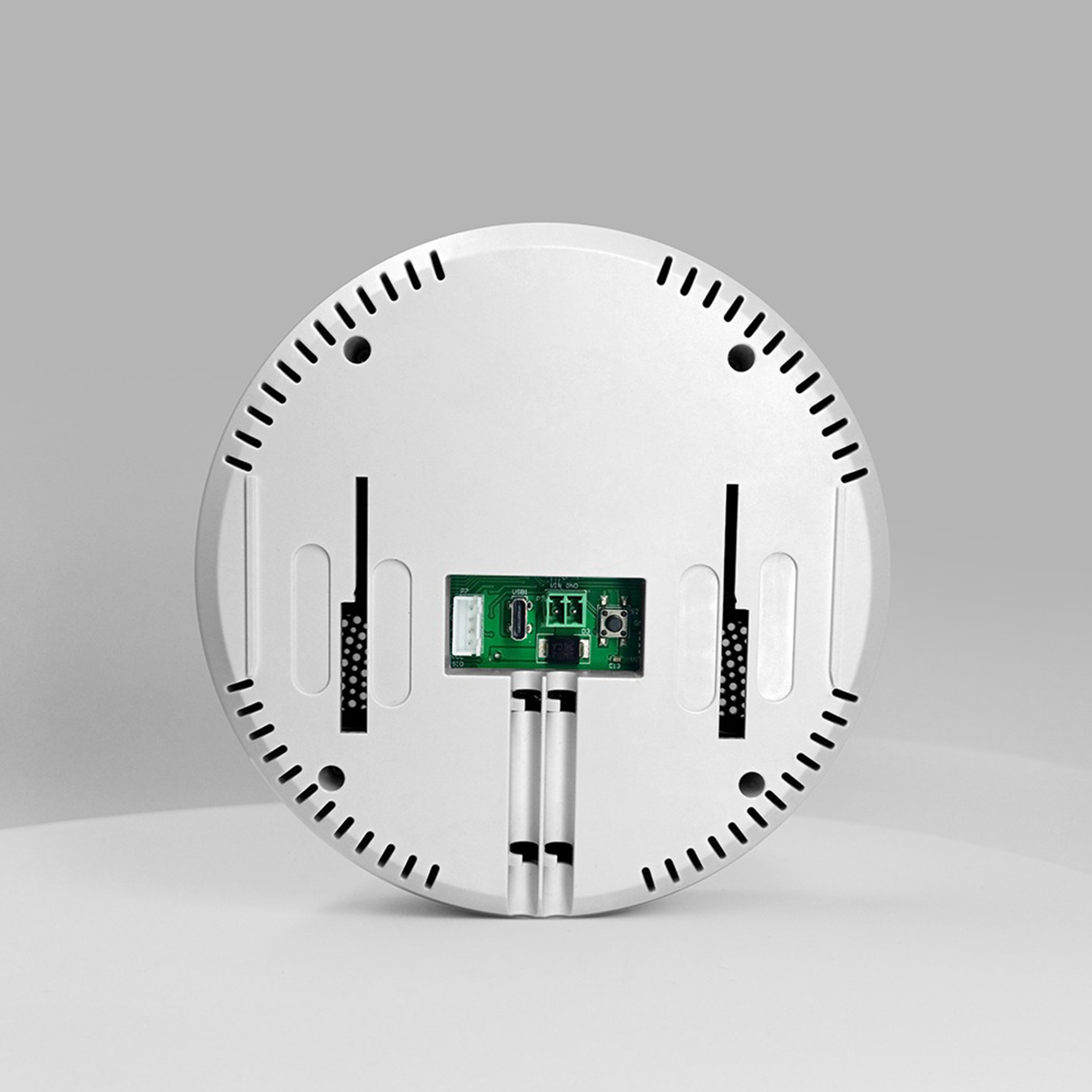
- Electrical infrastructure supporting sensor operation
- Mounting positions that maximise detection coverage
- Staff notification protocols ensuring rapid response
Schools like those in Miami-Dade County have demonstrated successful large-scale deployments. Their experience shows that strategic placement in high-traffic restrooms yields the best results whilst containing costs.
| Implementation Phase | Timeline | Key Activities |
|---|---|---|
| Assessment | 1-2 weeks | Facility survey, needs analysis, budget approval |
| Installation | 2-4 weeks | Sensor mounting, network configuration, system testing |
| Training | 1 week | Staff instruction, protocol development, alert management |
| Monitoring | Ongoing | Performance tracking, calibration adjustment, incident response |
Privacy and Compliance Considerations
Installing a restroom vape detector raises legitimate privacy questions that must be addressed proactively. Unlike cameras, these sensors do not capture images or identify individuals. They solely monitor air quality and environmental conditions.
Transparency with students and parents proves essential. Clear communication about what the sensors detect, how data is used, and why the measure is necessary helps build community support. Many institutions publish frequently asked questions addressing these concerns directly.
Effectiveness in Real-World Applications
Evidence from schools implementing detection systems shows measurable reductions in vaping incidents. Reports from educational institutions indicate that the mere presence of sensors creates a deterrent effect, with some schools reporting up to 60% decreases in restroom vaping within the first semester of deployment.
The effectiveness extends beyond simple detection. These systems contribute to broader health and safety initiatives by monitoring overall air quality. Some advanced sensors can identify concerning substances beyond vaping products, including markers for drug use or air quality issues that might require maintenance attention.
Measuring Success and ROI
Educational institutions evaluate restroom vape detector effectiveness through multiple metrics:
- Incident reduction rates comparing pre-installation and post-installation periods
- Response time improvements for addressing vaping incidents
- Student health outcomes related to reduced secondhand exposure
- Administrative time savings from more efficient incident management
- Compliance improvements with smoke-free facility policies
Schools investing in comprehensive systems like the Vape Detection System find that the return on investment manifests not only in reduced incidents but also in improved overall facility management capabilities. These systems provide valuable data about facility usage patterns and air quality trends that inform broader operational decisions.

Technical Specifications and Requirements
Understanding the technical requirements for restroom vape detector systems helps facilities managers make informed purchasing decisions. Modern sensors operate on standard electrical systems, typically requiring 110-240V power supplies with low ongoing energy consumption.
Network Connectivity Options
Detection systems offer multiple connectivity solutions:
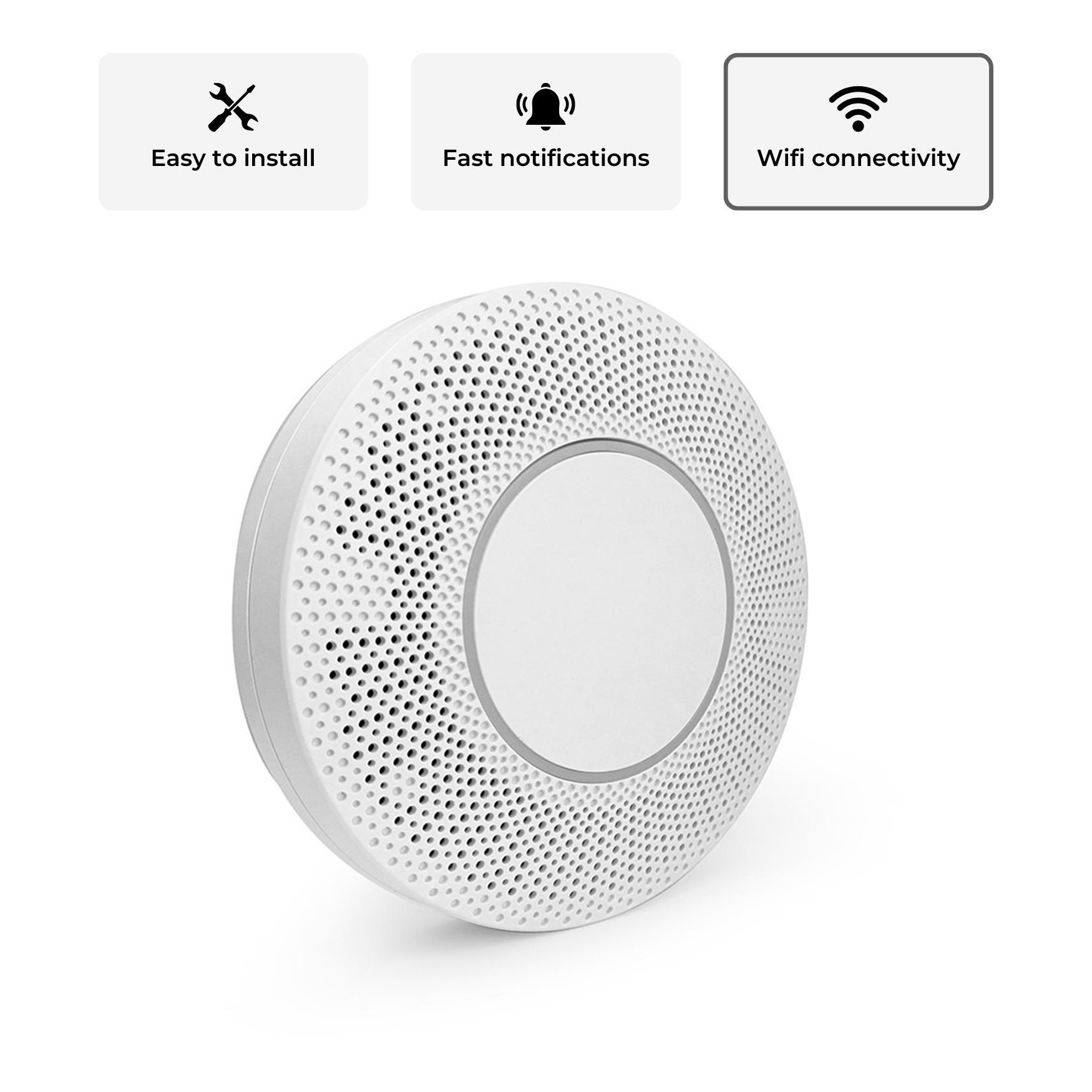
- Wi-Fi integration for facilities with robust wireless infrastructure
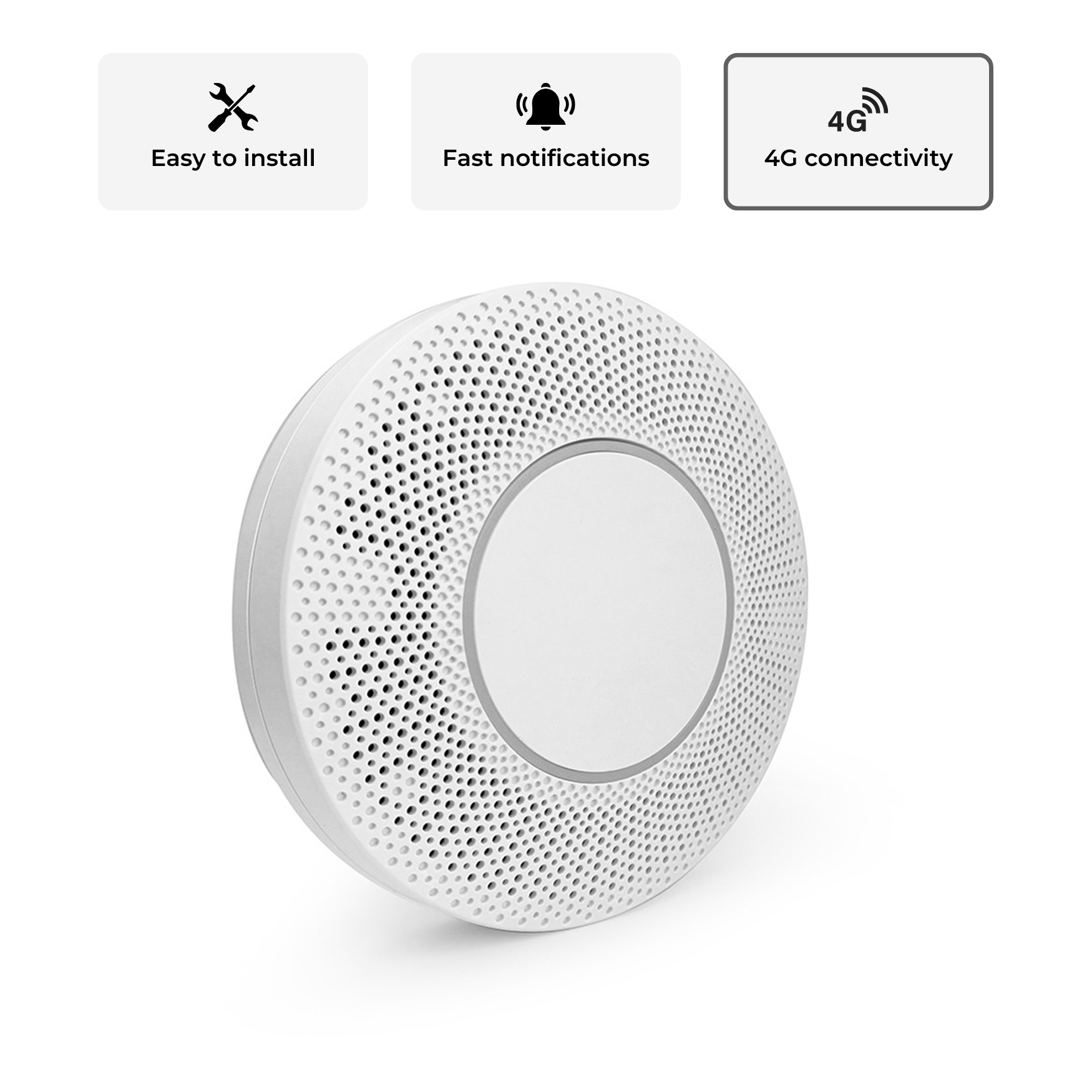
- 4G cellular connections for locations without reliable network access
- Ethernet hardwiring providing maximum stability and security
- Hybrid configurations combining multiple connection methods for redundancy
The choice depends on existing infrastructure and reliability requirements. Schools with comprehensive Wi-Fi coverage often prefer wireless integration, whilst facilities with connectivity challenges benefit from cellular-enabled sensors.
Sensor Placement Best Practices
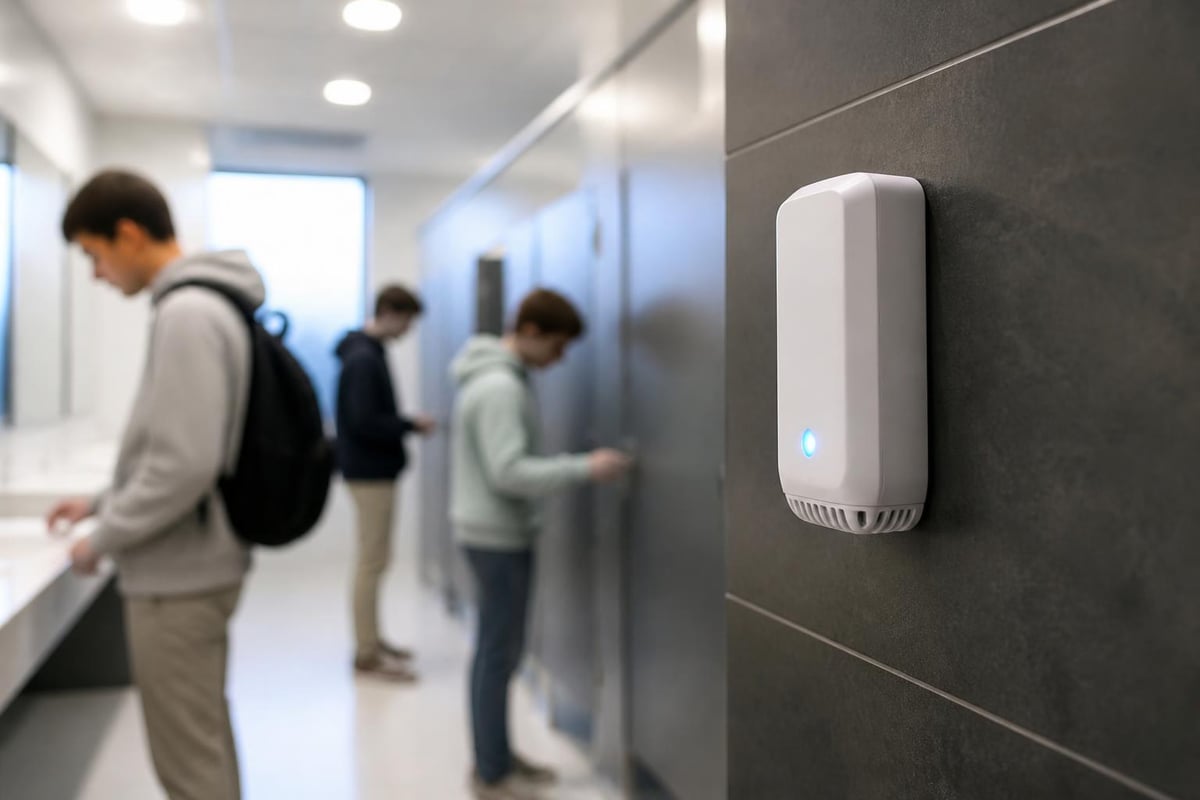
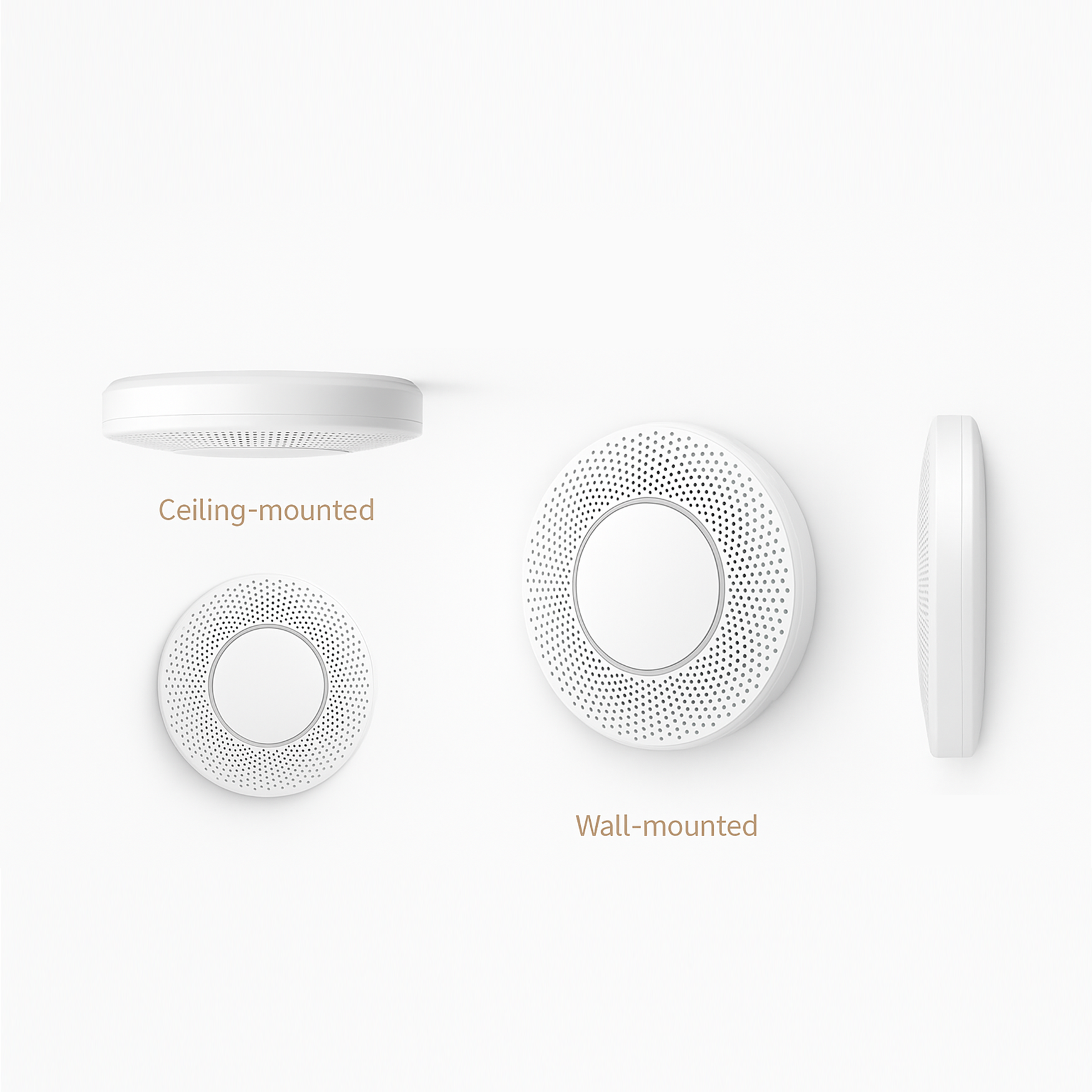
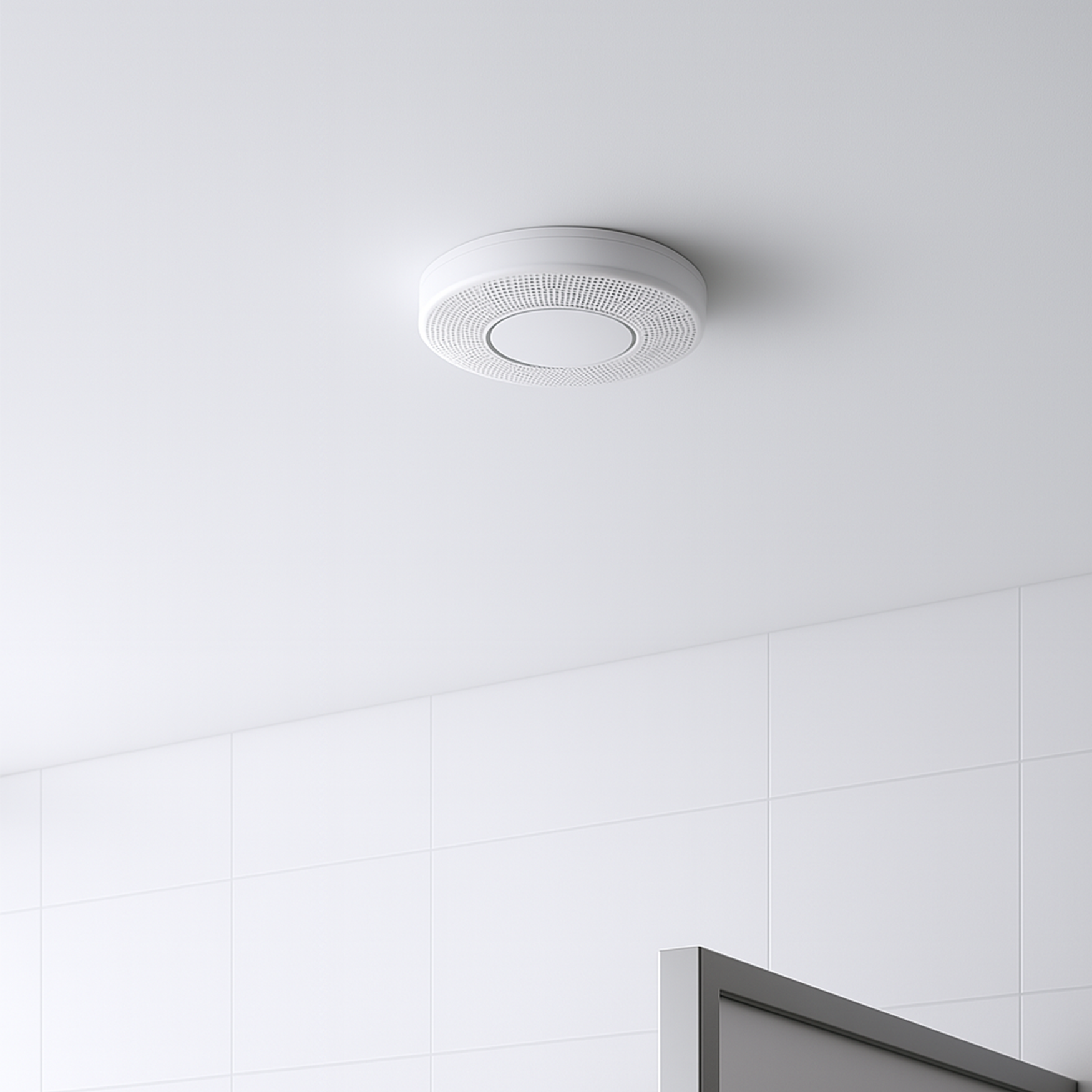
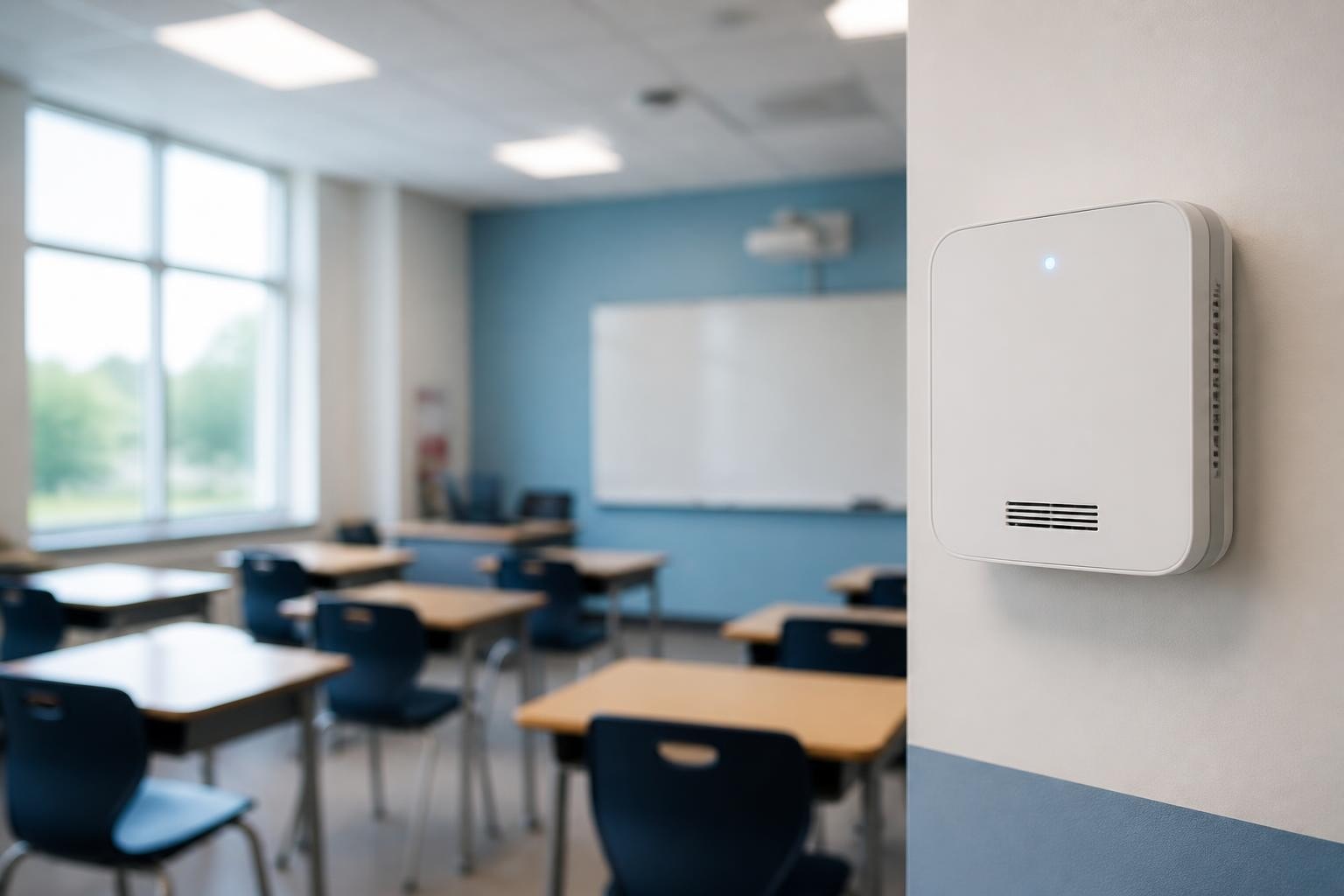
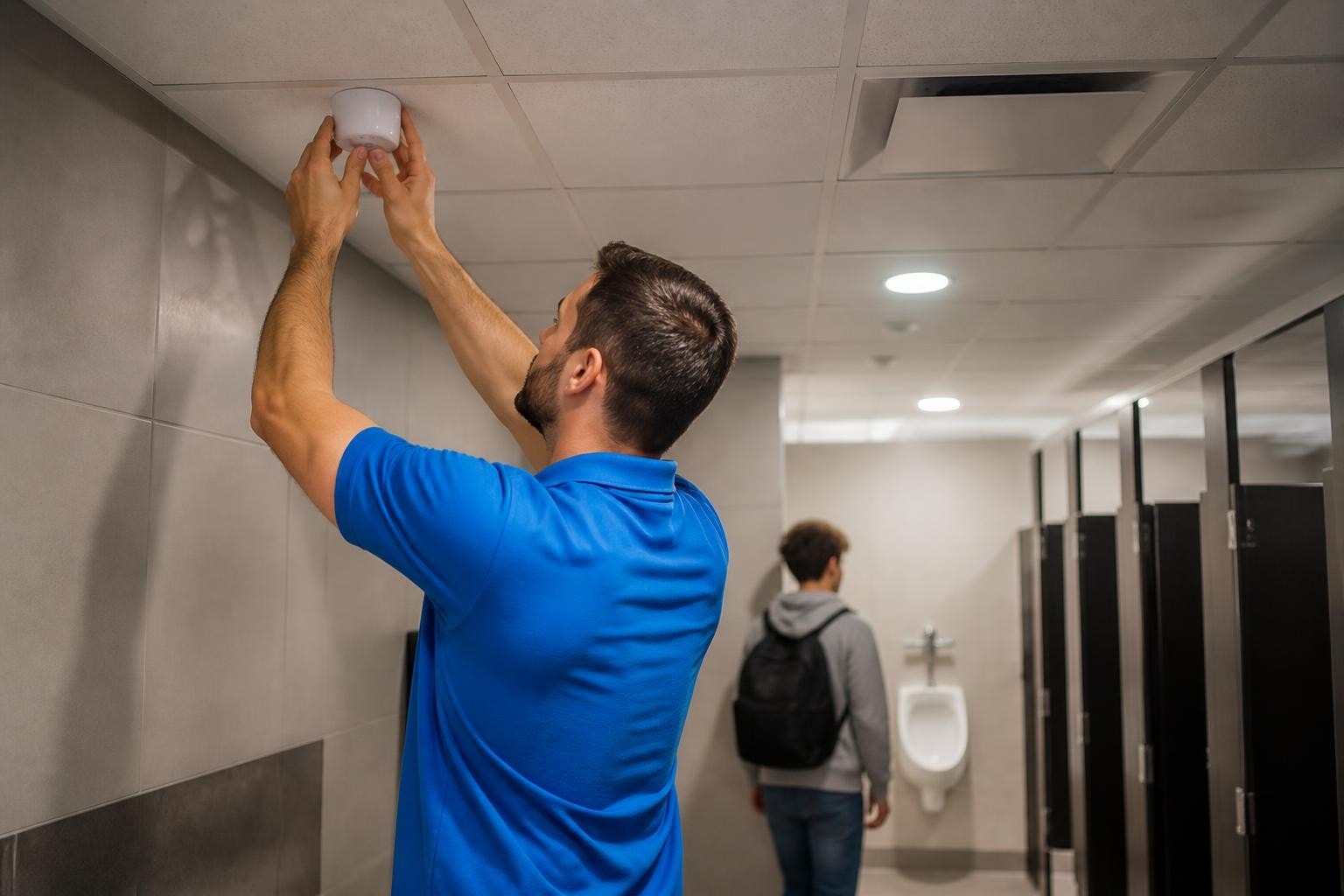
Optimal sensor positioning maximises detection coverage whilst minimising blind spots. Installation guidelines recommend mounting sensors on ceilings or high walls, away from ventilation grilles that might disperse aerosols before detection.
A single restroom vape detector typically covers spaces up to 12 square metres effectively. Larger facilities require multiple sensors strategically positioned to ensure comprehensive coverage. Corner placement often provides superior detection compared to central mounting, as aerosols tend to accumulate in less-ventilated areas.
Integration with Broader Safety Systems
Forward-thinking institutions incorporate vape detection into comprehensive safety and monitoring frameworks. These integrated approaches leverage existing infrastructure whilst providing multiple layers of protection for students and staff.
Multi-Function Monitoring Capabilities
Advanced restroom vape detector systems serve multiple purposes beyond vaping identification:
- Air quality monitoring for general facility management
- Sound detection identifying potential bullying or altercations
- Environmental tracking for HVAC system optimisation
- Occupancy sensing supporting facility usage analytics
- Emergency alerting for serious incidents requiring immediate response
This multi-functional approach increases the value proposition considerably. Rather than single-purpose devices, institutions invest in comprehensive monitoring solutions that address various facility management challenges simultaneously.
| Feature | Basic Systems | Advanced Systems | Enterprise Solutions |
|---|---|---|---|
| Vape Detection | Yes | Yes | Yes |
| Air Quality Monitoring | Limited | Yes | Yes |
| Sound Analysis | No | Yes | Yes |
| Remote Management | Basic | Advanced | Comprehensive |
| Data Analytics | Minimal | Moderate | Extensive |
| Integration Capabilities | Limited | Good | Excellent |
Alert Management and Response Protocols
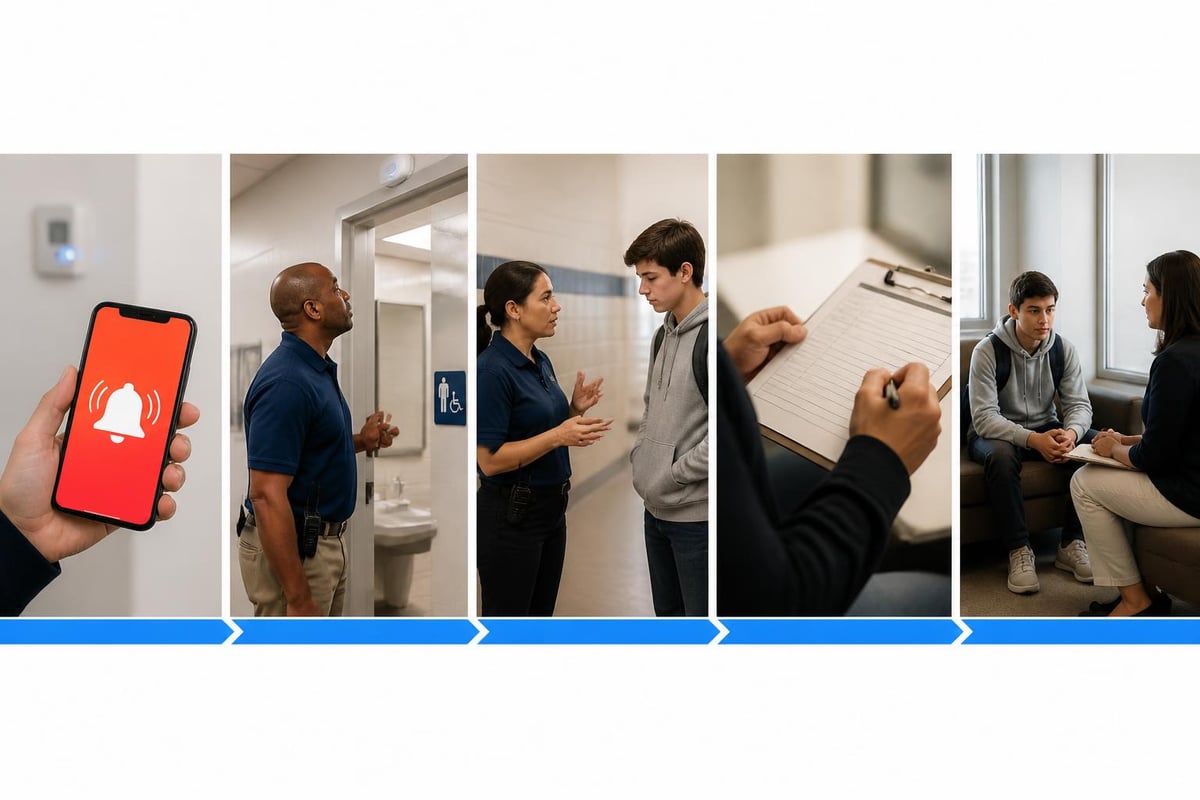
Effective use of a restroom vape detector requires well-defined response protocols. Alerts must reach appropriate staff members immediately, and those individuals need clear guidance on proper response procedures.
Schools developing best practices for handling vaping alerts find that structured protocols improve outcomes significantly. These protocols typically include verification steps, documentation requirements, and follow-up procedures that ensure consistent, appropriate responses to detected incidents.
Cost Considerations and Budget Planning
Financial planning for restroom vape detector implementation involves both initial capital expenditure and ongoing operational costs. Understanding the complete cost structure helps administrators make informed budget decisions and secure necessary funding.
Initial Investment Components
The upfront costs typically include:
- Hardware purchase for sensors and supporting equipment
- Installation expenses including electrical and network work
- Software licensing for monitoring platforms and alert systems
- Training costs for staff education and protocol development
- Infrastructure upgrades if existing systems require enhancement
Pricing varies considerably based on system sophistication and scale. Educational institutions should budget between £300 and £800 per sensor for quality systems, with installation adding approximately 20-30% to hardware costs.
Ongoing Operational Expenses
Beyond initial investment, schools must plan for recurring costs:
- Annual software subscription fees
- Sensor calibration and maintenance
- Network connectivity charges (for cellular systems)
- Staff training updates
- System upgrades and expansions
However, these costs often prove modest compared to the benefits. Schools report that reduced damage from smoking-related incidents and improved facility conditions offset much of the operational expense.
Addressing Common Concerns and Misconceptions
Despite proven effectiveness, restroom vape detector systems sometimes face resistance from various stakeholders. Understanding and addressing these concerns proactively facilitates smoother implementation.
Privacy and Surveillance Worries
Perhaps the most common concern involves privacy implications. Critics worry about surveillance overreach or data collection that might identify individual students. Modern systems address these concerns through design choices that prioritise detection over identification.
Quality systems do not record audio continuously, capture images, or track individuals. They simply monitor environmental conditions and alert staff when anomalies occur. This distinction proves crucial when discussing implementation with parents and student advocacy groups.
Effectiveness Doubts
Some sceptics question whether technological solutions effectively address behavioural problems. Research and real-world implementations provide compelling evidence. Studies examining vape detector effectiveness demonstrate measurable improvements in compliance and reductions in vaping incidents.
The deterrent effect proves particularly significant. Students aware of monitoring systems choose alternative locations or, ideally, reconsider vaping altogether. Combined with educational initiatives and support services, detection systems contribute meaningfully to comprehensive vaping prevention strategies.
Beyond Schools: Other Applications
Whilst educational settings represent the primary market for restroom vape detector technology, other sectors increasingly recognise its value. Offices, leisure facilities, and retail environments face similar challenges maintaining smoke-free and vape-free policies in private spaces.
Workplace Implementation
Forward-thinking employers install detection systems to support wellness initiatives and maintain healthy work environments. Office applications often focus on maintaining air quality standards and supporting employees attempting to quit vaping by removing workplace temptations.
The legal landscape surrounding workplace vaping continues evolving. Employers must balance accommodation with health and safety responsibilities. Detection systems provide objective data supporting policy enforcement whilst avoiding confrontational monitoring approaches.
Leisure and Retail Environments
Venues including gyms, cinemas, and shopping centres increasingly deploy restroom vape detector systems. These businesses face unique challenges balancing customer experience with policy compliance. Discrete monitoring provides enforcement capability without intrusive security presence.
Leisure and retail applications often emphasise customer service aspects. Rather than punitive approaches, venues use detection data to educate patrons about policies and maintain pleasant environments for all visitors.
Future Developments in Detection Technology
The vape detection industry continues evolving rapidly, with 2026 bringing several significant technological advances. Understanding emerging trends helps organisations make future-proof investment decisions.
Artificial Intelligence Integration
Next-generation systems incorporate sophisticated AI algorithms that improve detection accuracy whilst reducing false positives. Machine learning models trained on millions of data points distinguish between vaping aerosols and harmless substances with unprecedented precision.
These intelligent systems also predict potential issues before they escalate. By analysing usage patterns and environmental trends, AI-enhanced detectors identify locations and times with elevated risk, enabling proactive interventions.
Enhanced Multi-Hazard Detection
Future restroom vape detector systems will likely identify broader ranges of concerning substances and situations. Research into detection technologies for public restrooms suggests potential applications extending far beyond vaping detection.
Integration with building management systems creates comprehensive environmental monitoring that optimises air quality, identifies maintenance needs, and supports overall facility health. This holistic approach transforms simple detection devices into sophisticated facility management tools.
Regulatory Considerations and Compliance
Organisations implementing detection systems must navigate various regulatory frameworks governing workplace monitoring, student privacy, and data protection. Understanding these requirements ensures compliant implementation that withstands legal scrutiny.
Data Protection and GDPR Compliance
UK organisations must ensure restroom vape detector deployments comply with General Data Protection Regulation requirements. Fortunately, properly configured systems collect minimal personal data. Environmental readings and alert timestamps typically fall outside GDPR scope when not linked to identifiable individuals.
However, organisations should document data handling procedures, establish retention policies, and maintain transparency about monitoring activities. Clear privacy policies and stakeholder communication demonstrate compliance commitment and build trust.
Educational Sector Specific Requirements
Schools face additional considerations under safeguarding regulations and educational oversight frameworks. Detection systems must support student welfare whilst respecting rights and dignity. Designated safeguarding leads play crucial roles in ensuring implementations balance safety with appropriate protections.
Documentation proving that systems serve legitimate educational and safety purposes, employ proportionate measures, and include appropriate oversight mechanisms helps schools demonstrate compliance with regulatory expectations.
Implementing a restroom vape detector represents a significant step towards creating safer, healthier environments in schools, workplaces, and public facilities. The technology has matured considerably, offering reliable detection with minimal privacy intrusion whilst supporting broader facility management objectives. Whether you manage an educational institution, office building, or leisure facility, advanced detection solutions can transform your approach to maintaining smoke-free and vape-free policies. Vape Guardian provides comprehensive vape detection systems designed specifically for UK organisations, combining cutting-edge sensor technology with dedicated support to help you create safer spaces for students, employees, and visitors alike.

Share:
School Toilet Vape Detector: Complete 2026 Guide
School THC Detector: Protecting Students in 2026