
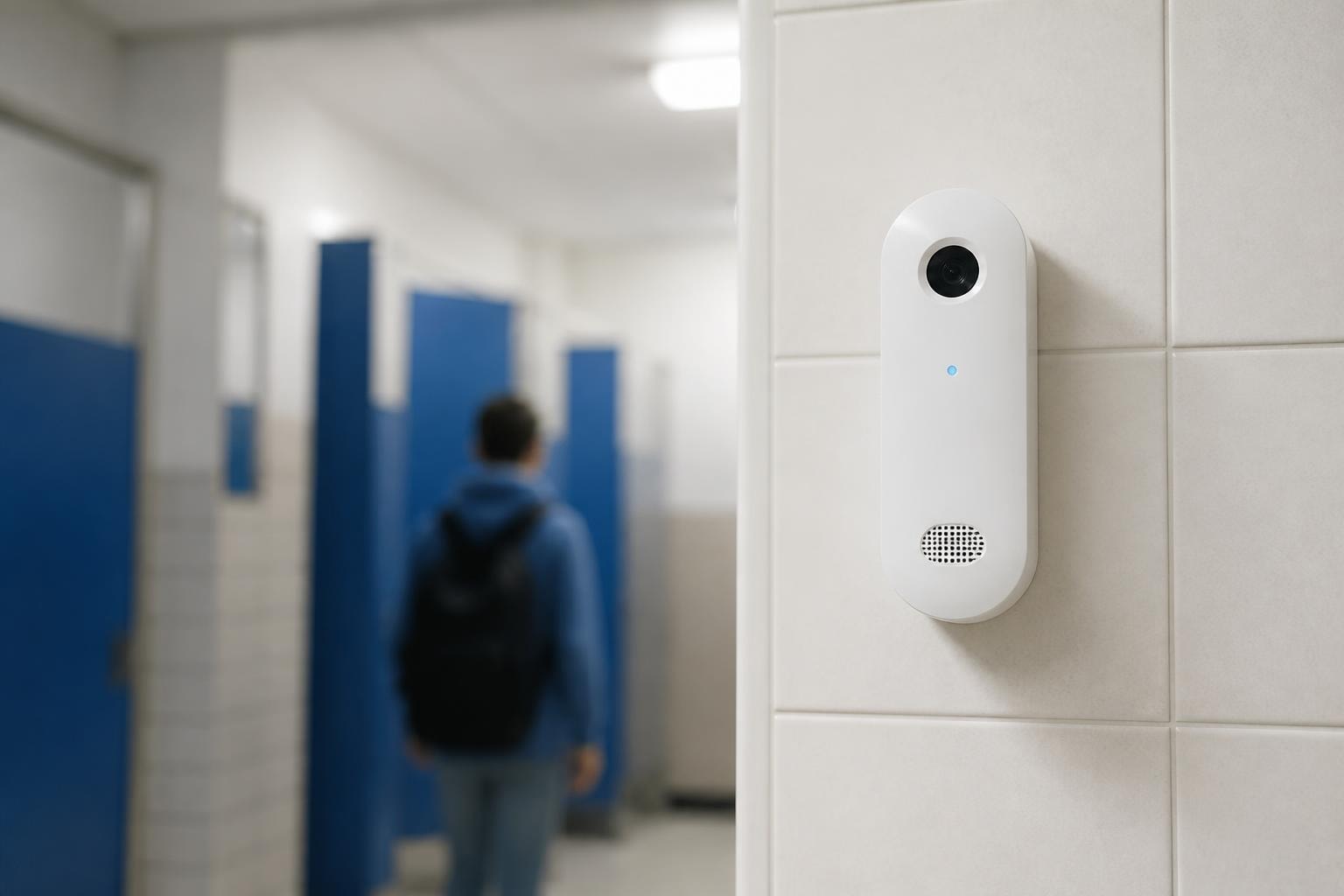
The landscape of student substance use has evolved dramatically over the past decade, with tetrahydrocannabinol (THC) products becoming increasingly sophisticated and harder to detect. As cannabis legalisation progresses in various jurisdictions and vaping devices become more discreet, educational institutions face mounting pressure to identify and address THC consumption on their premises. A school THC detector represents a critical component of modern safeguarding strategies, enabling staff to respond swiftly to incidents whilst maintaining a supportive environment for students who may need intervention and assistance.
Understanding THC Detection Challenges in Educational Settings
Educational institutions across the United Kingdom confront unique obstacles when attempting to identify cannabis use amongst students. Traditional methods of detection relied heavily on visual observation and distinctive odours, yet modern THC products have rendered these approaches largely obsolete.
Vaping devices designed for THC consumption produce minimal visible vapour and often lack the characteristic cannabis smell that staff might recognise. Many products incorporate flavourings that mask telltale scents, whilst the devices themselves resemble everyday items such as USB drives or pens. This evolution in consumption methods means that students can potentially use THC products in toilets, changing rooms, or other semi-private spaces without immediate detection.
The Scale of THC Use Among Adolescents
Research indicates that THC use among adolescents presents significant challenges for schools, with detection difficulties compounding the problem. Students often perceive vaping as less harmful than traditional smoking, leading to increased experimentation with both nicotine and THC products.
The consequences of undetected THC use extend beyond immediate health concerns:
- Academic performance decline through impaired concentration and memory
- Altered brain development in adolescents whose neurological systems remain in crucial growth phases
- Mental health complications including anxiety and depression
- Gateway behaviour potentially leading to use of other substances
- Disrupted learning environment affecting both users and their peers
Data from the CDC highlights the prevalence of e-cigarette use among students, with a notable portion of these devices being used for THC consumption rather than nicotine alone.
How School THC Detectors Function
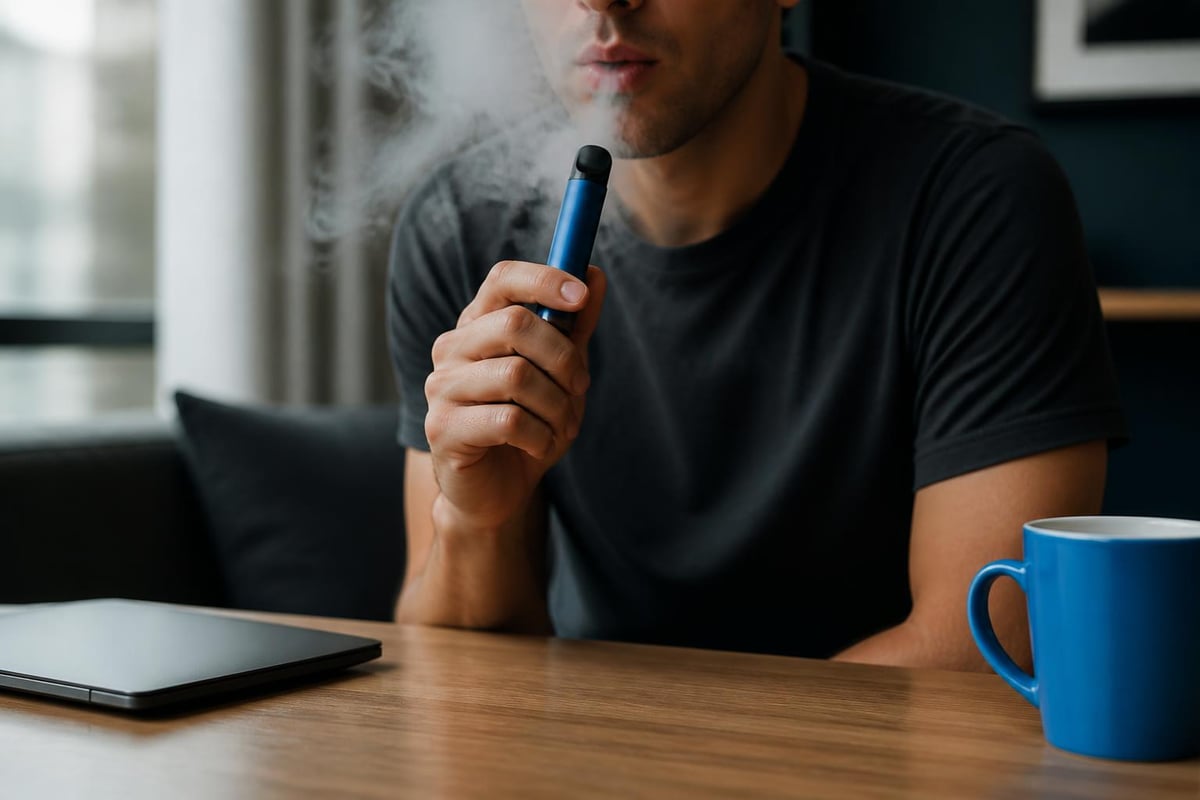
A school THC detector operates through sophisticated sensor technology that identifies specific chemical signatures associated with cannabis products. Unlike basic smoke detectors, these advanced systems analyse air quality in real time, detecting particulates and compounds released during THC vaping.
Modern detection systems employ multiple sensing mechanisms working in concert. Particulate sensors identify the fine particles released when THC oil is vaporised, whilst chemical sensors detect specific volatile organic compounds (VOCs) associated with cannabis products. This dual approach minimises false positives whilst ensuring genuine incidents trigger appropriate alerts.
Technical Components of Detection Systems
The architecture of effective THC detection comprises several integrated elements that work together to provide comprehensive monitoring:
| Component | Function | Benefit |
|---|---|---|
| Air Quality Sensors | Monitor baseline environmental conditions | Establish normal parameters for accurate anomaly detection |
| Chemical Detection | Identify THC-specific compounds | Distinguish cannabis from other substances |
| Alert System | Immediate notification to designated staff | Enable rapid response to incidents |
| Data Logging | Record incidents with timestamps | Support pattern analysis and intervention planning |
| Integration Capability | Connect with existing security infrastructure | Streamline monitoring across facilities |
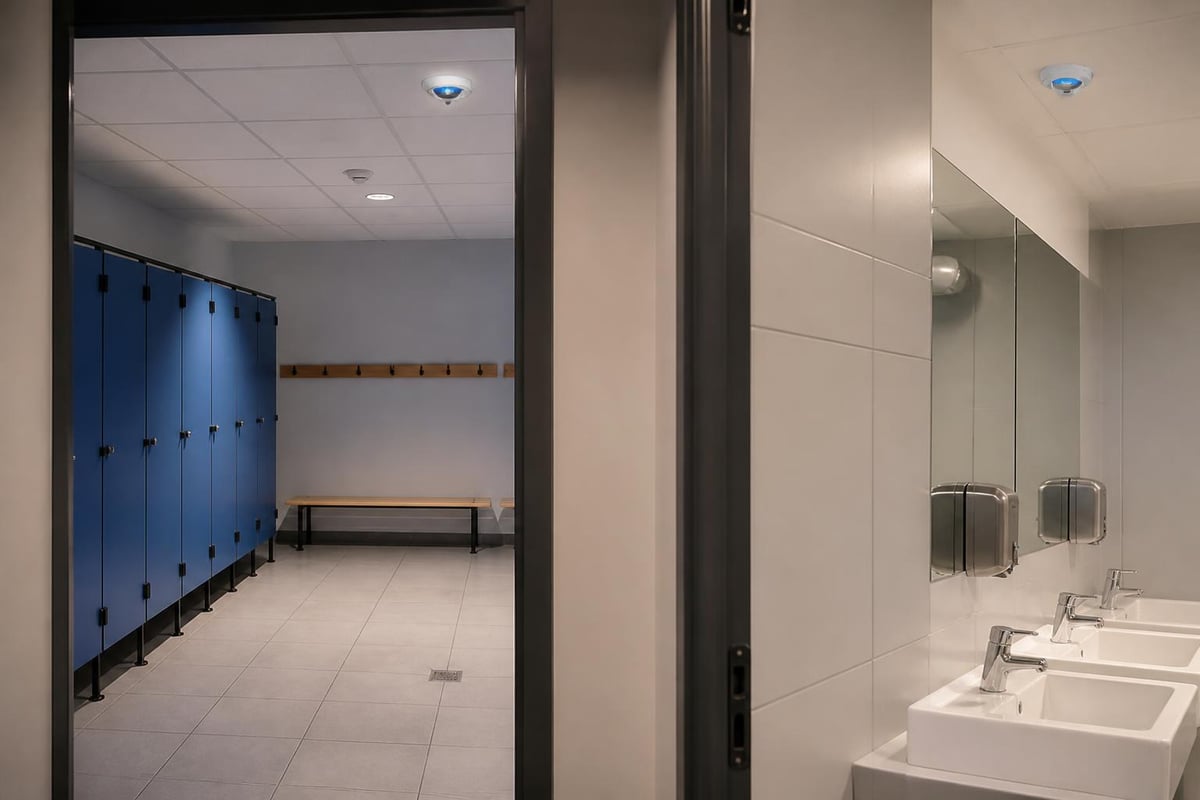
Installation typically focuses on areas where students have relative privacy, particularly toilets and changing facilities. These locations present the highest risk for substance use whilst offering students a false sense of security from observation.
Real-Time Alerting and Response Protocols
When a school THC detector identifies suspicious activity, it transmits immediate alerts to designated staff members via mobile applications or central monitoring systems. This instant notification enables swift intervention, potentially catching students in the act or immediately thereafter.
The speed of response proves crucial for several reasons. Immediate intervention demonstrates to students that detection systems function effectively, creating a deterrent effect. Quick action also allows staff to provide support to students who may be experiencing difficulties that contribute to substance use.
Schools implementing vape detection technology for education benefit from sophisticated alert management that prevents notification fatigue whilst ensuring critical incidents receive appropriate attention.
Implementing THC Detection in School Environments
Successful deployment of a school THC detector requires careful planning that balances technological capabilities with educational objectives and student welfare considerations. Implementation extends far beyond simply installing hardware, encompassing policy development, staff training, and student communication.
Strategic Placement Considerations
Determining optimal sensor locations demands thorough assessment of facility layouts and student movement patterns. Schools must identify high-risk areas whilst respecting student privacy in accordance with legal requirements and ethical standards.
Priority installation zones typically include:
- Student toilet facilities where privacy creates opportunities for substance use
- Changing rooms associated with physical education and sports activities
- Secluded corridors or stairwells with limited natural surveillance
- Storage areas or maintenance spaces accessible to students
- External covered areas such as bike sheds or covered walkways
Each location requires individual assessment to determine appropriate sensor sensitivity and alert thresholds. High-traffic areas may necessitate adjusted parameters to account for legitimate air quality fluctuations from cleaning products or other sources.
Policy Framework Development
Before activating any school THC detector, institutions must establish clear policies governing system use, data handling, and response protocols. This framework should align with existing safeguarding policies whilst addressing the specific capabilities and limitations of detection technology.
Key policy elements include:
- Purpose statement articulating why detection systems support educational and welfare objectives
- Privacy protections explaining how student rights are respected throughout the process
- Response procedures detailing staff actions following positive detections
- Data retention specifying how long incident records are maintained
- Parental communication outlining when and how families are informed
Transparency proves essential for building community trust. Schools should communicate openly with students, parents, and governors about detection capabilities, ensuring all stakeholders understand both the technology's role and its limitations.
Benefits Beyond THC Detection
Whilst identifying cannabis use represents the primary objective, comprehensive detection systems offer additional advantages that enhance overall school safety and wellbeing initiatives. Modern sensors typically monitor multiple environmental factors simultaneously, creating opportunities for broader applications.
Multi-Substance Detection Capabilities
Advanced systems don't limit themselves to THC identification. They can detect various substances that students might attempt to use on school premises, including traditional nicotine vaping products, alcohol vapour, and other volatile compounds associated with substance misuse.
This comprehensive approach provides schools with a more complete picture of potential substance use patterns. Real vape detection technology encompasses multiple substance signatures, offering versatile protection that adapts to emerging trends in student behaviour.
The Vape Detection System combines THC detection with broader environmental monitoring, identifying not only substance use but also potential anti-social behaviour through sound anomaly detection, creating a comprehensive safeguarding tool.

Environmental Monitoring Applications
Beyond substance detection, these systems provide valuable air quality data that supports healthy learning environments. Sensors track carbon dioxide levels, humidity, temperature, and other factors affecting student comfort and concentration.
Poor air quality correlates with reduced academic performance and increased illness transmission. By monitoring these parameters continuously, schools can identify ventilation issues, adjust HVAC systems proactively, and create optimal conditions for learning.
| Monitoring Parameter | Educational Benefit | Health Benefit |
|---|---|---|
| CO₂ Levels | Improved concentration and cognitive function | Reduced headaches and fatigue |
| Humidity | Better comfort during lessons | Lower respiratory illness transmission |
| Temperature | Optimal learning conditions | Prevention of heat-related issues |
| Air Particulates | Identification of pollution sources | Reduced asthma triggers |
This dual functionality justifies investment by delivering value beyond substance detection alone, supporting broader institutional objectives around student health and academic achievement.
Training Staff for Effective Response
Technology alone cannot solve substance use challenges. The effectiveness of any school THC detector depends critically on how staff respond to alerts and engage with students following incidents. Comprehensive training ensures that detection capabilities translate into meaningful interventions.
Developing Response Protocols
When an alert occurs, staff must know precisely what actions to take. Response protocols should balance firm enforcement of school rules with compassionate support for students who may be struggling with substance dependence or underlying issues driving their behaviour.
Effective procedures typically involve:
- Immediate verification by designated staff members responding to the alert location
- Discreet intervention that respects student dignity whilst addressing the incident
- Documentation recording relevant details for safeguarding records
- Assessment determining whether the incident reflects experimentation or deeper concerns
- Appropriate consequences aligned with school behaviour policies
- Support provision connecting students with counselling or other resources
Staff training should emphasise that detection represents an opportunity for intervention, not merely punishment. Many students using THC face challenges including peer pressure, family difficulties, mental health struggles, or academic stress.
Coordinating Multi-Disciplinary Support
Responding effectively to THC use often requires collaboration across various roles within educational institutions. Designated safeguarding leads, pastoral care staff, senior leadership teams, and external partners all play important parts in supporting affected students.
Senior leadership teams must champion both the technology implementation and the supportive ethos surrounding its use. Their visible commitment ensures that detection serves educational rather than purely punitive purposes.
Integration with Broader Safeguarding Strategies
A school THC detector functions most effectively when embedded within comprehensive safeguarding frameworks rather than operating as an isolated intervention. Detection technology should complement education, support services, and community engagement efforts.
Educational Prevention Programmes
Whilst detection identifies existing substance use, prevention education aims to reduce initiation. Schools should deliver age-appropriate lessons about THC effects, legal implications, and healthier coping strategies for stress and peer pressure.
Effective prevention programmes share several characteristics:
- Evidence-based content grounded in research about adolescent development and substance use
- Interactive delivery engaging students actively rather than through passive lectures
- Peer involvement utilising student voices and experiences
- Parent engagement extending education into family contexts
- Ongoing reinforcement repeating key messages throughout students' school careers
Detection data can inform prevention efforts by revealing patterns in substance use, helping schools target interventions toward high-risk groups or times.
Supporting Students Who Use THC
When detection identifies students using cannabis, schools face a critical juncture. The response can either drive students toward help or push them toward more secretive, dangerous behaviour. Support-focused approaches yield better long-term outcomes than purely punitive measures.
Student support might include:
- Individual counselling addressing underlying issues contributing to substance use
- Family meetings involving parents in understanding and addressing behaviour
- Referral to specialist services for students showing signs of dependence
- Monitoring and check-ins to track progress and prevent relapse
- Reintegration support helping students reconnect with positive school activities
This balanced approach recognises that whilst THC use violates school policies and potentially breaks laws, students remain young people requiring guidance and support through challenges.
Addressing Privacy and Ethical Considerations
Implementing any school THC detector raises legitimate questions about student privacy, surveillance ethics, and the balance between safety and autonomy. Educational institutions must navigate these concerns thoughtfully, ensuring detection systems respect fundamental rights whilst protecting student wellbeing.
Legal Compliance Requirements
Schools operate within strict legal frameworks governing student monitoring and data protection. Any detection system must comply with the General Data Protection Regulation (GDPR), the Children's Code, and other relevant legislation protecting young people's privacy rights.
Key compliance considerations include:
- Lawful basis establishing legitimate interest or other appropriate grounds for processing
- Proportionality ensuring detection methods are necessary and not excessive
- Transparency clearly informing students and families about monitoring practices
- Data minimisation collecting only information essential for safeguarding purposes
- Security measures protecting incident data from unauthorised access or disclosure
Schools should conduct Data Protection Impact Assessments before deploying detection systems, identifying and mitigating privacy risks systematically.
Balancing Safety and Trust
Surveillance can undermine the trusting relationships essential for effective education and pastoral care. Students who feel constantly monitored may become less likely to seek help from staff when facing difficulties.
Mitigating this risk requires transparent communication about why detection systems exist and how they support rather than punish students. Framing detection as a safeguarding tool rather than a disciplinary measure helps maintain positive school culture.
Schools should also provide spaces where students can discuss concerns about privacy, substance use, and related topics without fear of immediate consequences, ensuring detection systems complement rather than replace supportive relationships.
Evaluating Detection System Effectiveness
Once implemented, schools must assess whether their school THC detector achieves intended objectives. Evaluation should examine both technical performance and broader impacts on student behaviour, school culture, and safeguarding outcomes.
Metrics for Success Measurement
Defining clear success metrics before implementation enables meaningful evaluation. Schools might track various indicators depending on their specific goals and contexts.
Quantitative measures could include:
| Metric | Measurement Method | Target Outcome |
|---|---|---|
| Detection accuracy | Comparison of alerts to confirmed incidents | High correlation between alerts and verified use |
| Response times | Time stamps from alert to staff arrival | Consistent responses within defined timeframes |
| Incident frequency | Number of confirmed THC detections over time | Declining trend indicating deterrent effect |
| Student surveys | Anonymous questionnaires about substance use | Reduced self-reported cannabis consumption |
| Support engagement | Students accessing help following incidents | Increasing proportion receiving interventions |
Qualitative evaluation proves equally important. Staff interviews, student focus groups, and parent feedback reveal whether detection systems affect school culture positively or create unintended negative consequences.
Adapting Based on Evidence
Evaluation should drive continuous improvement rather than simply documenting outcomes. Schools might adjust sensor sensitivity, refine alert protocols, enhance staff training, or modify response procedures based on evidence gathered through systematic monitoring.
Regular review cycles ensure detection systems evolve alongside changing student behaviour, technological advances, and emerging best practices. Best practice guidance helps schools optimise their approaches based on sector-wide learning.
Future Developments in School Detection Technology
The field of substance detection continues advancing rapidly, with emerging technologies promising even more sophisticated capabilities for identifying THC and other substances in educational settings. Understanding likely developments helps schools prepare for future opportunities and challenges.
Artificial Intelligence Integration
Machine learning algorithms increasingly enhance detection accuracy by analysing patterns in sensor data over time. These systems learn to distinguish genuine incidents from environmental fluctuations or benign activities that might trigger simpler sensors.
AI-powered detection offers several advantages:
- Reduced false positives through sophisticated pattern recognition
- Predictive capabilities identifying high-risk times or locations before incidents occur
- Adaptive sensitivity automatically adjusting thresholds based on environmental conditions
- Anomaly detection flagging unusual patterns that merit investigation
- Integration insights correlating detection data with other school information systems
As these technologies mature, schools will access increasingly powerful tools for understanding and addressing substance use patterns.
Enhanced Chemical Specificity
Current detection systems identify broad categories of substances based on their chemical signatures. Future sensors may distinguish between specific THC products, identifying whether students use high-potency concentrates, lower-potency flower, or particular formulations.
This granular information could inform more targeted interventions, recognising that different products pose varying risks and may indicate different levels of use or dependence. Schools could tailor their responses accordingly, providing appropriate support matched to individual circumstances.
Cost Considerations and Return on Investment
Budget constraints affect every school decision, making the financial aspects of implementing a school THC detector an important consideration. Understanding both initial costs and ongoing expenses helps institutions make informed choices about detection technology.
Initial Investment Requirements
Establishing comprehensive detection coverage requires investment across several categories. Hardware costs vary depending on the number of sensors needed, with pricing influenced by facility size, layout complexity, and desired coverage density.
Beyond hardware, schools must budget for:
- Professional installation ensuring optimal sensor placement and network connectivity
- System configuration tailored to specific institutional needs and policies
- Staff training developing competencies for system management and incident response
- Policy development creating frameworks governing detection system use
- Communication materials informing stakeholders about implementation
Whilst these upfront costs may appear substantial, they represent long-term investments in student safety and institutional compliance with safeguarding obligations.
Ongoing Operational Costs
After initial deployment, schools incur recurring expenses for system maintenance, software subscriptions, and sensor calibration. These costs remain relatively modest compared to initial investment but require budget allocation nonetheless.
The return on investment extends beyond financial calculations to encompass improved student outcomes, reduced substance-related incidents, enhanced safeguarding compliance, and strengthened institutional reputation for prioritising student welfare.
Many multi-academy trusts find that coordinated implementation across multiple schools reduces per-site costs through economies of scale whilst standardising safeguarding approaches across their networks.
A school THC detector represents a vital tool for modern educational institutions committed to protecting student wellbeing whilst maintaining environments conducive to learning and development. By combining advanced detection capabilities with compassionate support frameworks, schools can address substance use effectively whilst respecting student dignity and privacy. Vape Guardian provides comprehensive detection solutions specifically designed for educational settings, helping schools across the United Kingdom identify THC and other substances whilst supporting broader safeguarding objectives through integrated monitoring and responsive support systems.



Share:
Restroom Vape Detector: Complete 2026 Guide for Schools
Washroom Monitoring Sensor Technology for Safer Facilities