
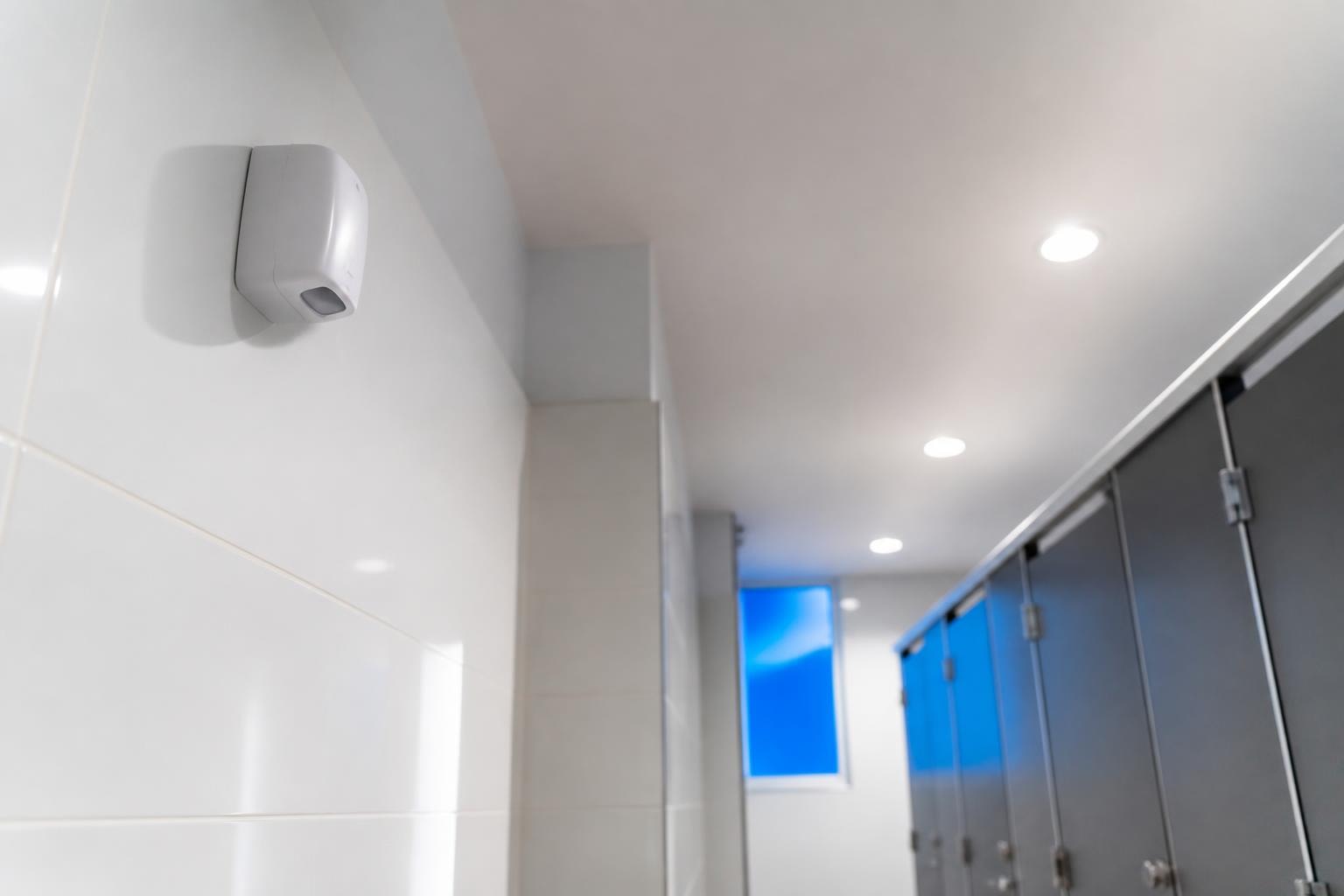
Washrooms have evolved from purely functional spaces into areas requiring sophisticated monitoring and management. Modern facilities face multiple challenges, from ensuring hygiene standards to detecting anti-social behaviour and emergency situations. A washroom monitoring sensor provides real-time data and alerts that help facility managers maintain safer, cleaner environments whilst respecting user privacy. These intelligent systems now incorporate various detection capabilities, transforming how organisations approach bathroom safety and maintenance.
Understanding Washroom Monitoring Sensor Technology
The technology behind washroom monitoring sensors combines multiple detection methods to provide comprehensive oversight of bathroom facilities. These systems utilise environmental sensors, motion detection, air quality analysis, and occupancy tracking to gather actionable intelligence.
Advanced washroom monitoring sensor units detect changes in air composition, temperature, humidity, and volatile organic compounds. This multi-layered approach enables facilities to identify various incidents, from vaping and smoking to more serious concerns like drug use. The sensors operate continuously, providing round-the-clock surveillance without invasive cameras or recording devices.
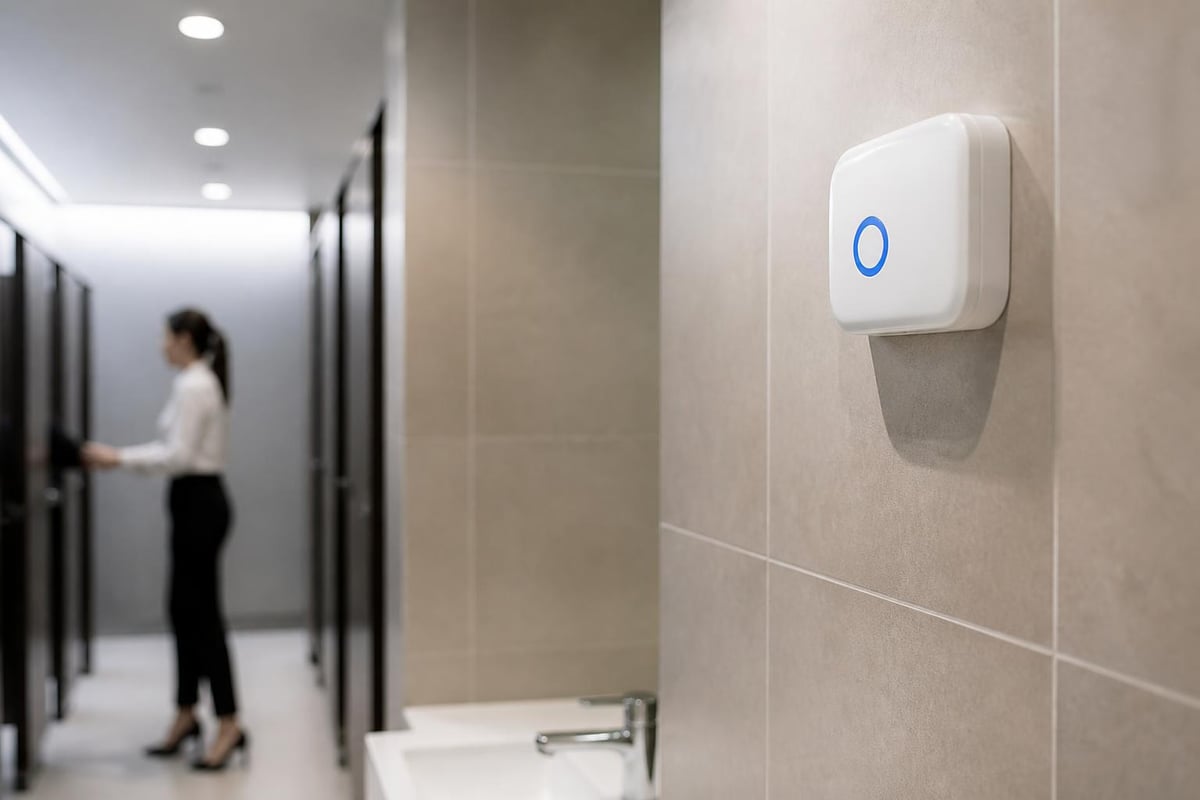
Privacy remains paramount in these implementations. Unlike traditional surveillance methods, modern washroom sensor solutions focus on environmental data rather than visual monitoring. This approach delivers safety benefits whilst maintaining dignity and compliance with privacy regulations.
Key Detection Capabilities
Washroom monitoring sensors excel at identifying specific substances and behaviours. The most sophisticated systems can differentiate between normal bathroom activities and concerning incidents.
Primary detection functions include:
- Vaping and e-cigarette vapour identification
- Traditional tobacco smoke recognition
- Chemical compound analysis for drug detection
- Unusual occupancy patterns suggesting anti-social behaviour
- Emergency situations requiring immediate response
The technology behind these capabilities relies on sophisticated algorithms that analyse air samples multiple times per minute. When the washroom monitoring sensor detects anomalies, it triggers alerts through connected software platforms, enabling rapid intervention.
Applications Across Different Sectors
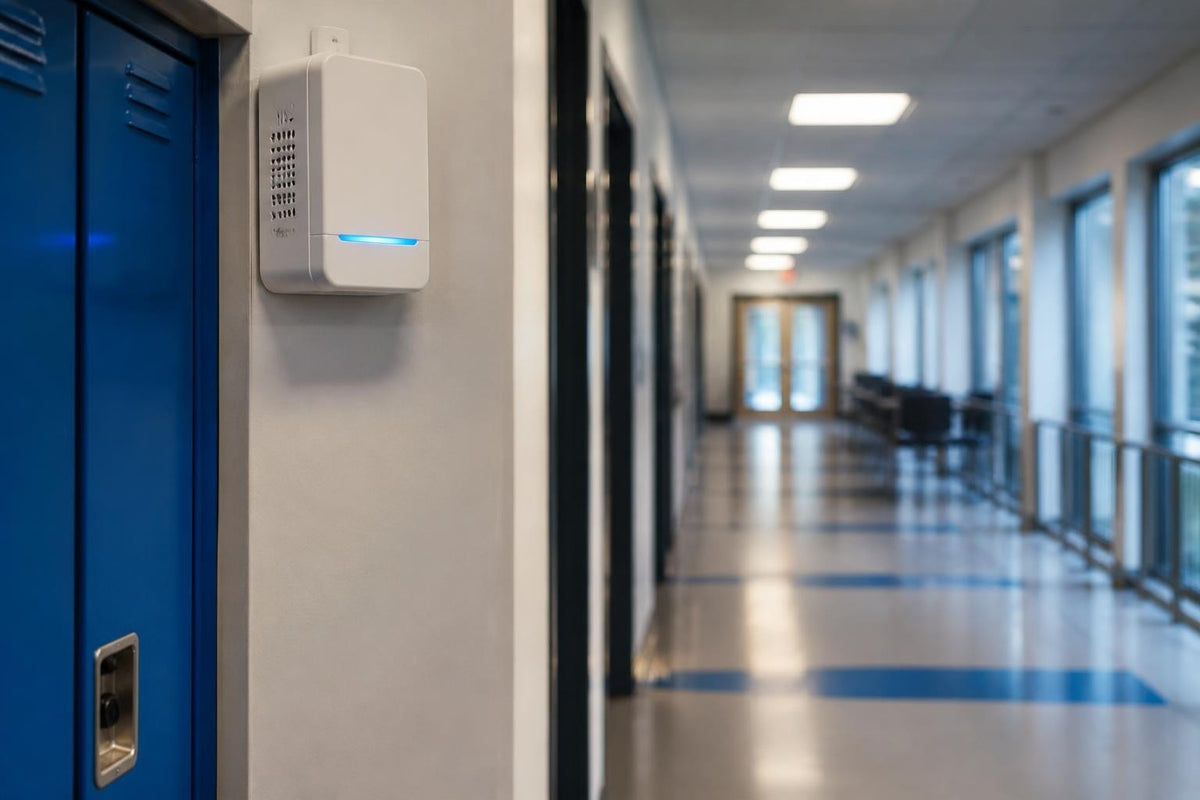
Educational institutions represent one of the primary markets for washroom monitoring sensor technology. Schools and universities face persistent challenges with students vaping in bathrooms, creating enforcement difficulties and health concerns.
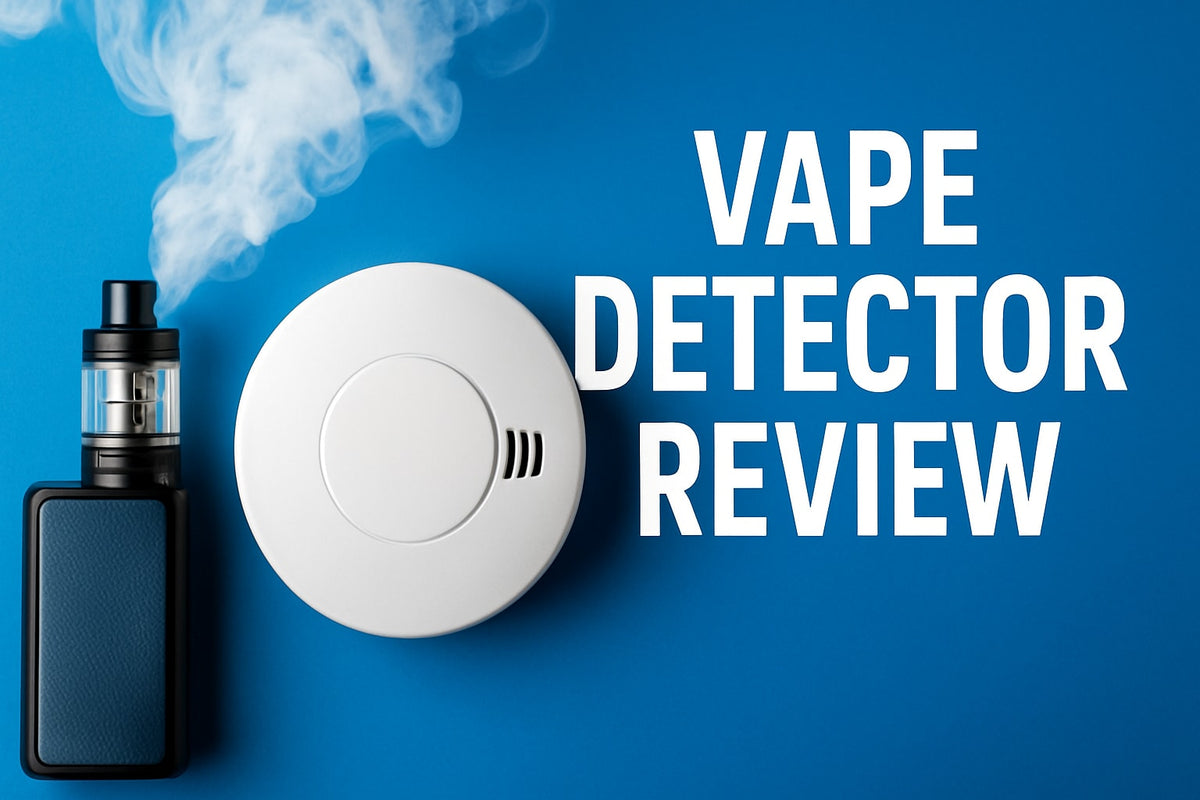
Vape detectors for education settings have become increasingly sophisticated, addressing both detection accuracy and false alarm reduction. These systems help schools maintain compliant environments whilst supporting student wellbeing initiatives.
Corporate and Office Environments
Workplace bathrooms require different monitoring approaches compared to educational settings. Office facilities benefit from washroom monitoring sensors that track occupancy, manage cleaning schedules, and ensure air quality standards.
Businesses implementing washroom occupancy sensors report significant improvements in operational efficiency. The data gathered helps facility teams optimise cleaning rotations, reduce unnecessary maintenance visits, and improve employee satisfaction.
| Sector | Primary Use Cases | Key Benefits |
|---|---|---|
| Education | Vaping detection, anti-social behaviour monitoring | Student safety, policy enforcement, incident documentation |
| Corporate Offices | Occupancy tracking, air quality management | Operational efficiency, employee wellbeing, cost reduction |
| Leisure Facilities | Emergency detection, usage patterns | Customer safety, maintenance optimisation, resource allocation |
| Healthcare | Hygiene compliance, patient safety | Infection control, emergency response, regulatory compliance |
The leisure and retail sector presents unique requirements for washroom monitoring. Public facilities experience high traffic volumes and diverse user groups, making comprehensive monitoring essential. Leisure and retail applications benefit from sensors that balance safety monitoring with customer experience enhancement.
Implementation and Technical Considerations
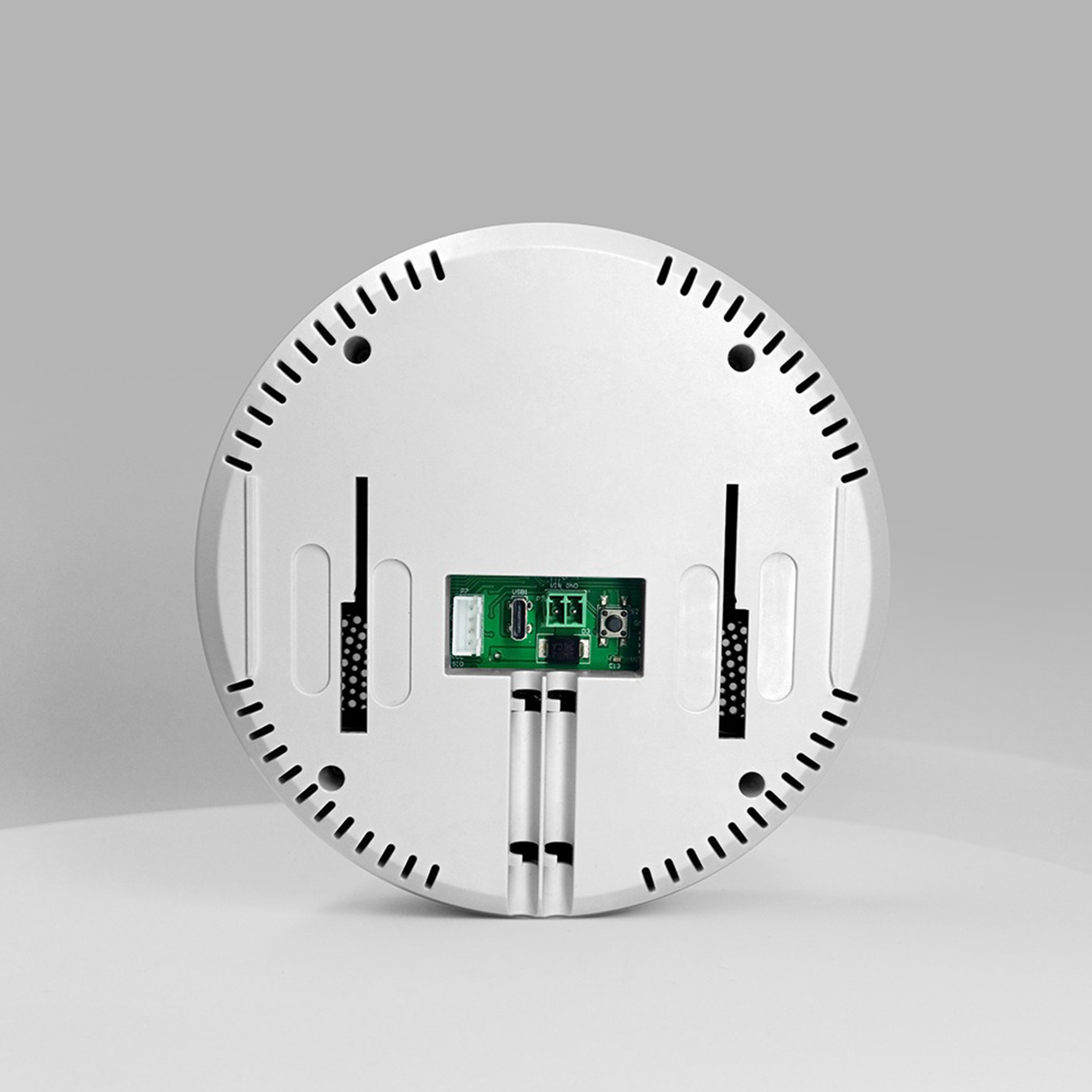
Installing a washroom monitoring sensor system requires careful planning and consideration of several technical factors. Network connectivity, power supply, placement locations, and integration with existing systems all influence deployment success.
Most modern sensors support multiple connectivity options, including WiFi, ethernet, and cellular networks. This flexibility ensures reliable data transmission regardless of facility infrastructure. Understanding network and connectivity requirements helps organisations choose appropriate solutions for their specific circumstances.
Placement and Coverage Strategies
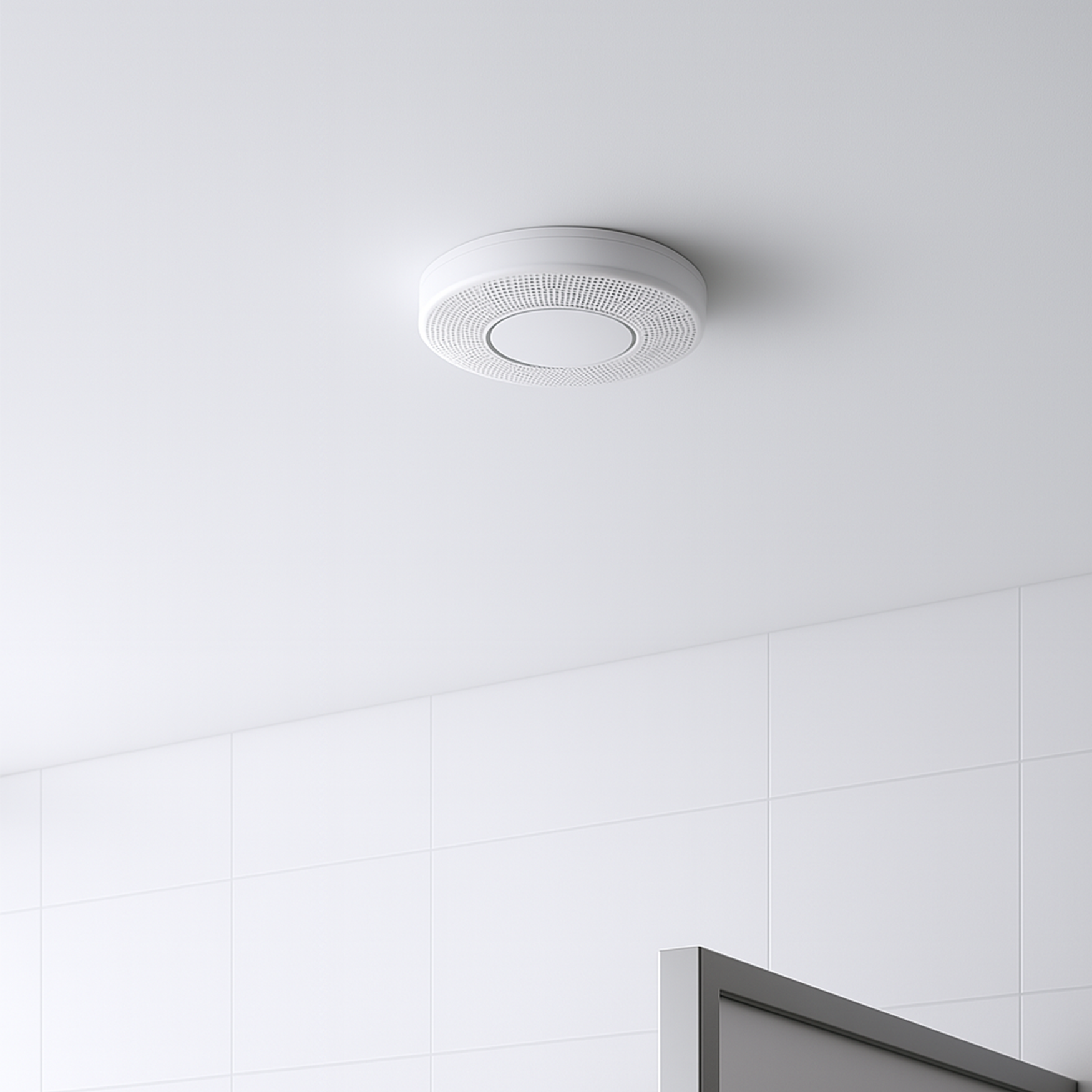
Strategic sensor placement maximises detection effectiveness whilst minimising false alarms. Washroom monitoring sensor units perform best when positioned away from direct airflow from ventilation systems but within range of typical usage areas.
Optimal placement considerations:
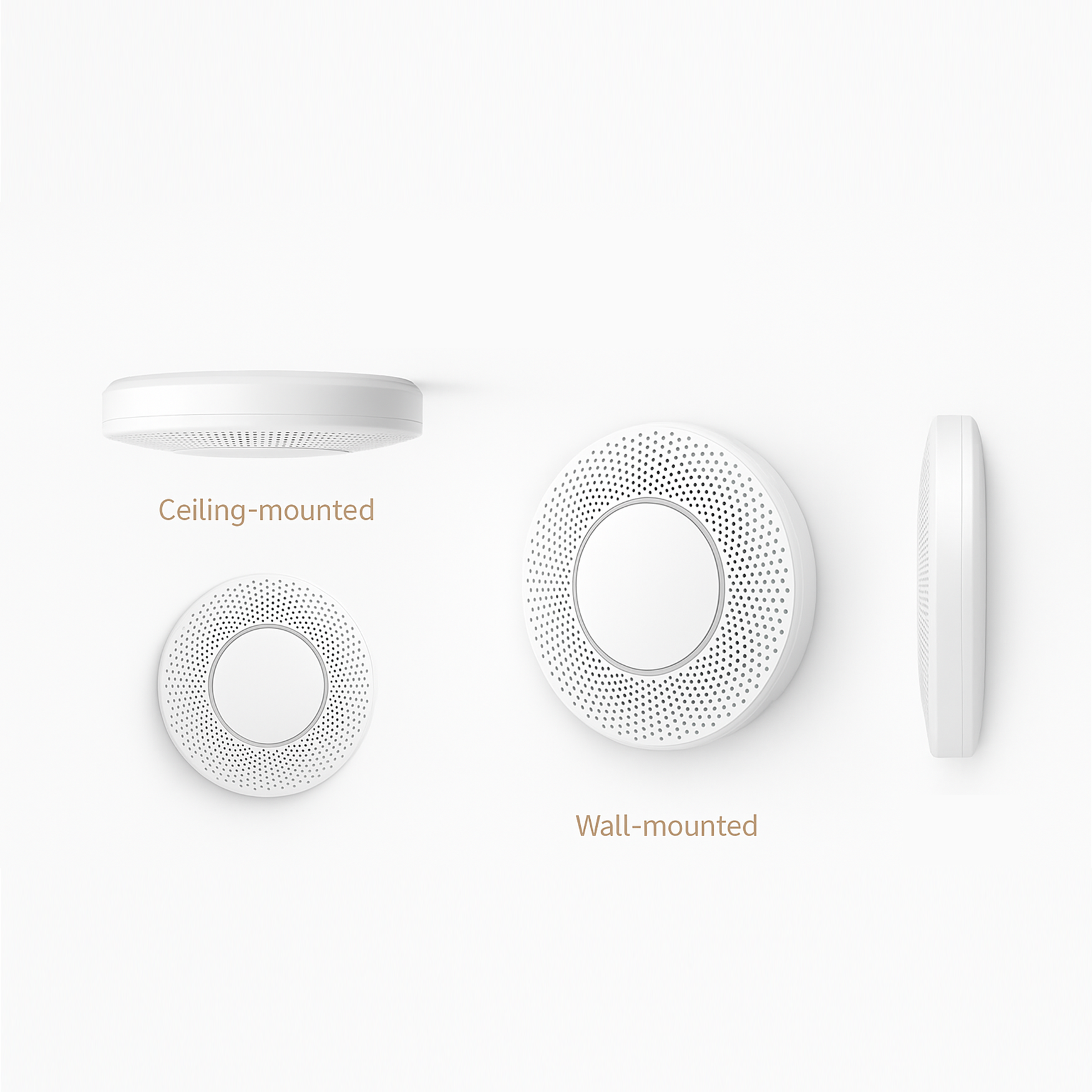
- Mount sensors on ceilings or high walls for comprehensive air sampling
- Avoid locations directly above hand dryers or ventilation outlets
- Ensure sensors cover all cubicle areas without blind spots
- Position units to account for bathroom layout and traffic flow
- Consider maintenance accessibility for periodic calibration
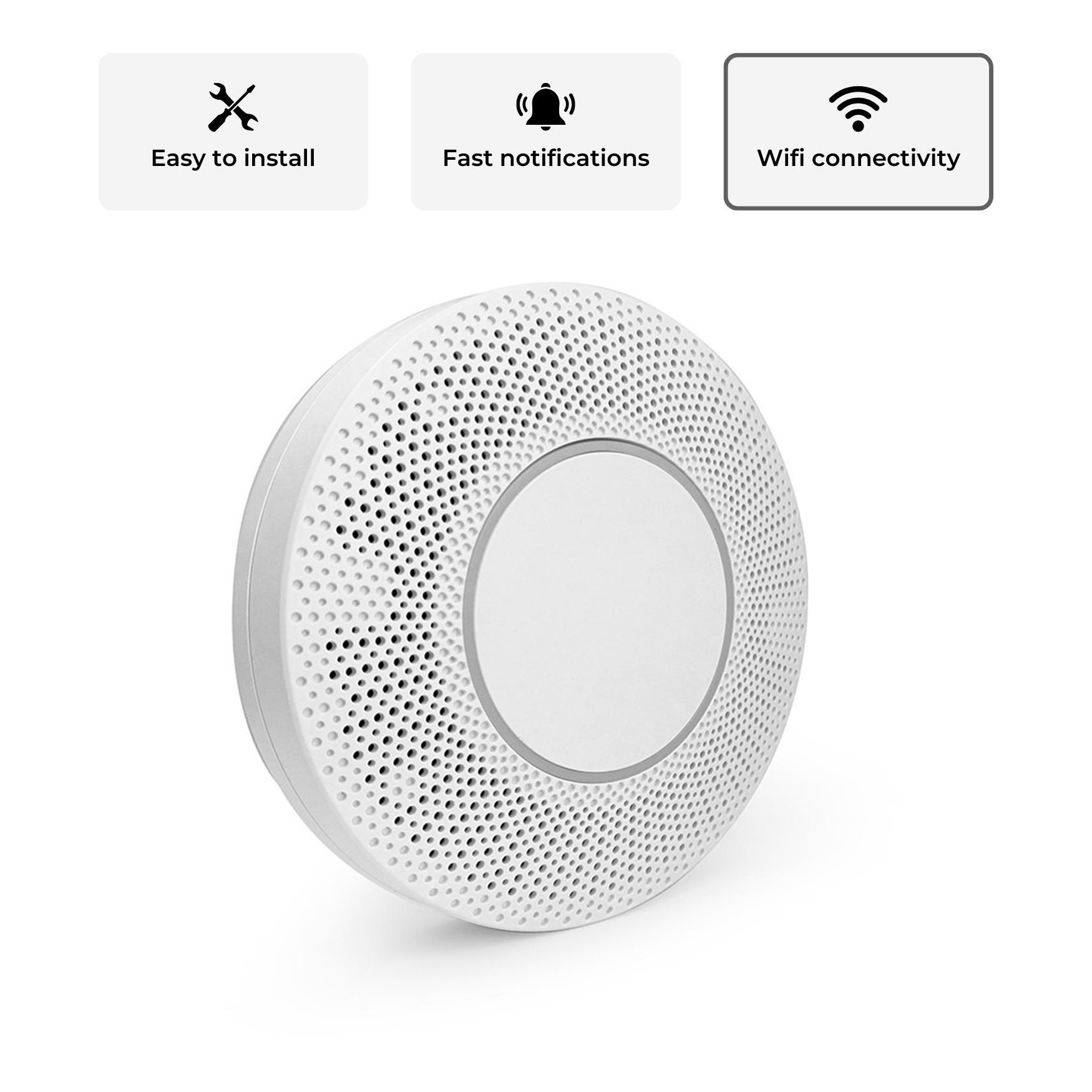
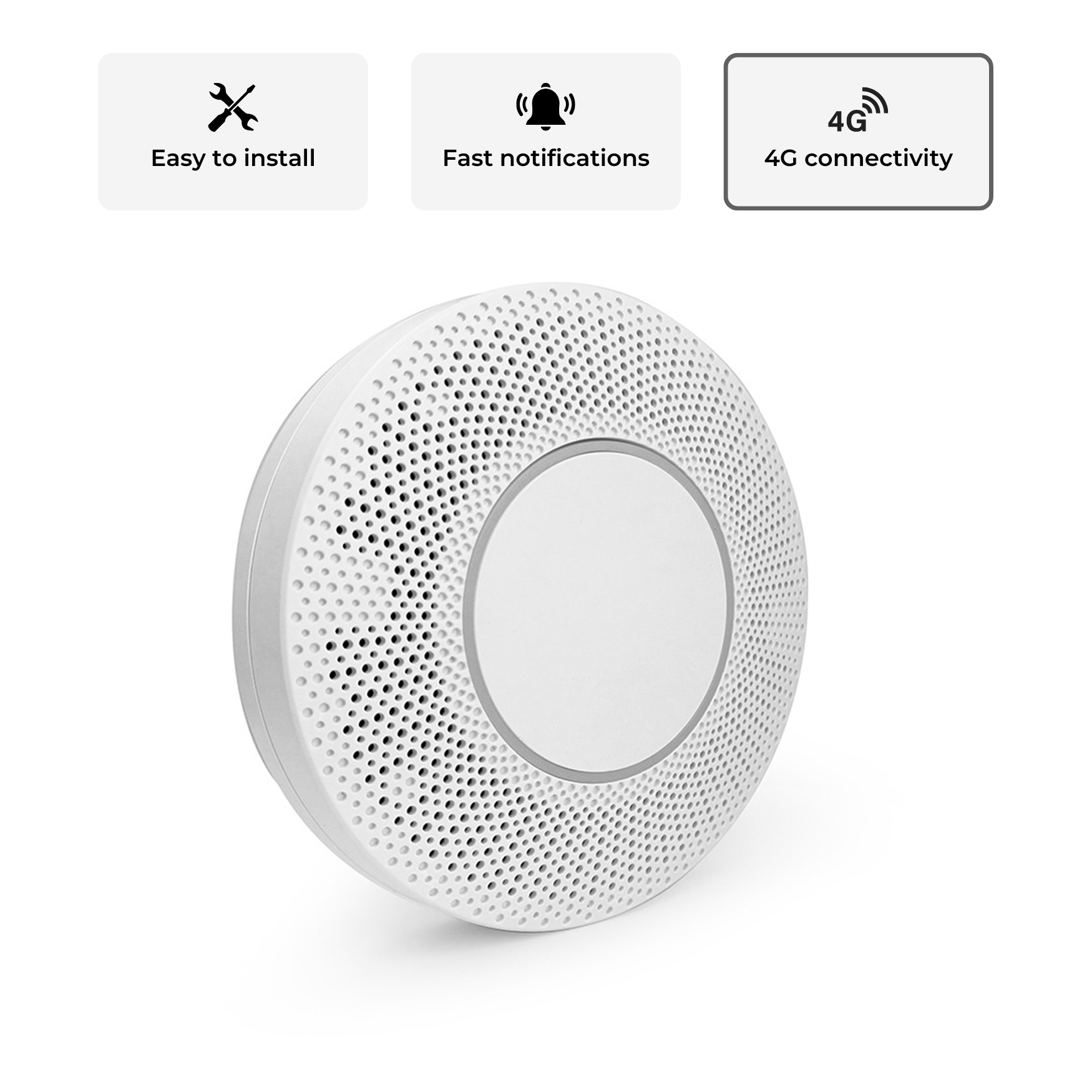
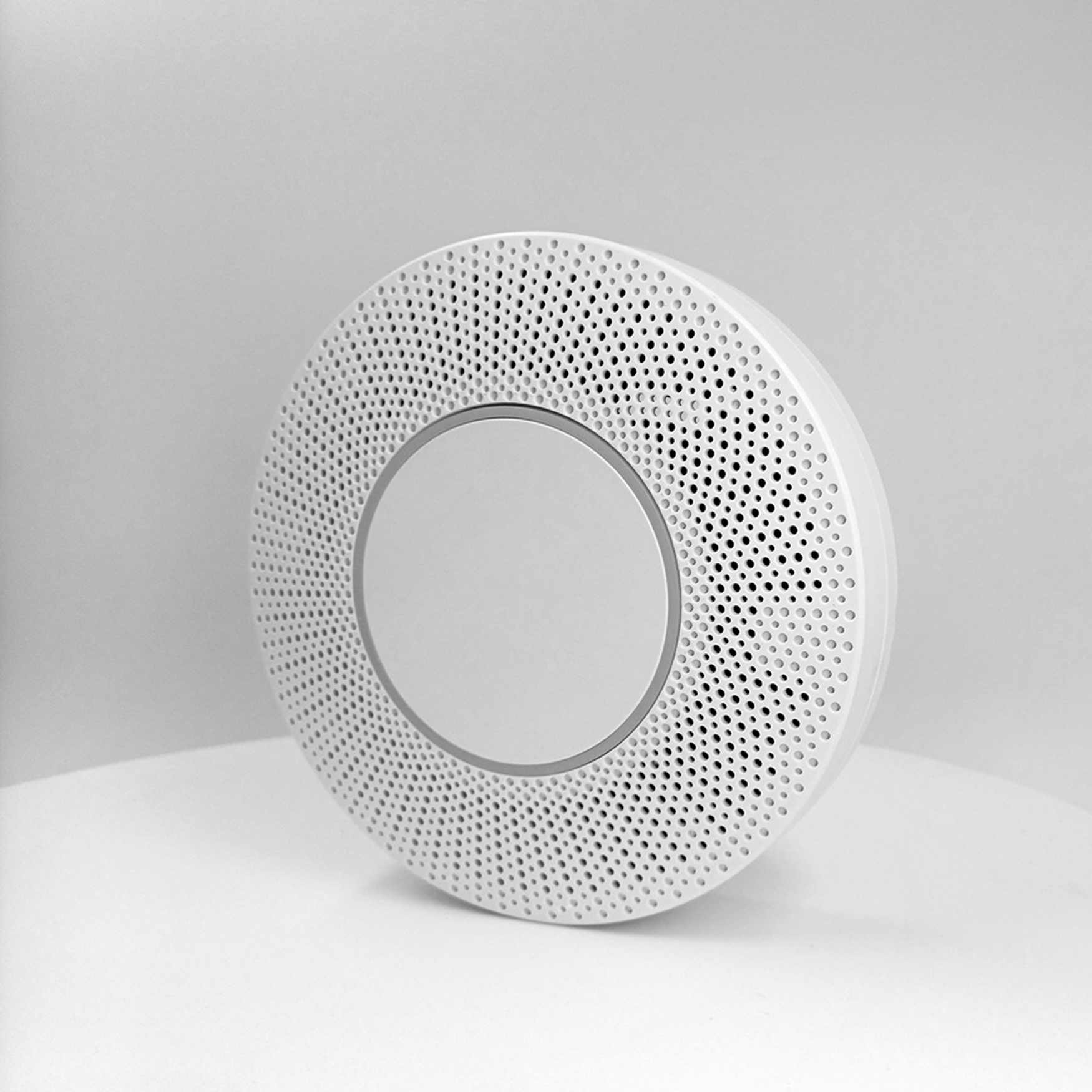
The Vape Detection System exemplifies advanced sensor design, incorporating multiple detection technologies within a single unit. This comprehensive approach detects vaping, drug use, and anti-social behaviour whilst maintaining discrete profiles suitable for various facility types.
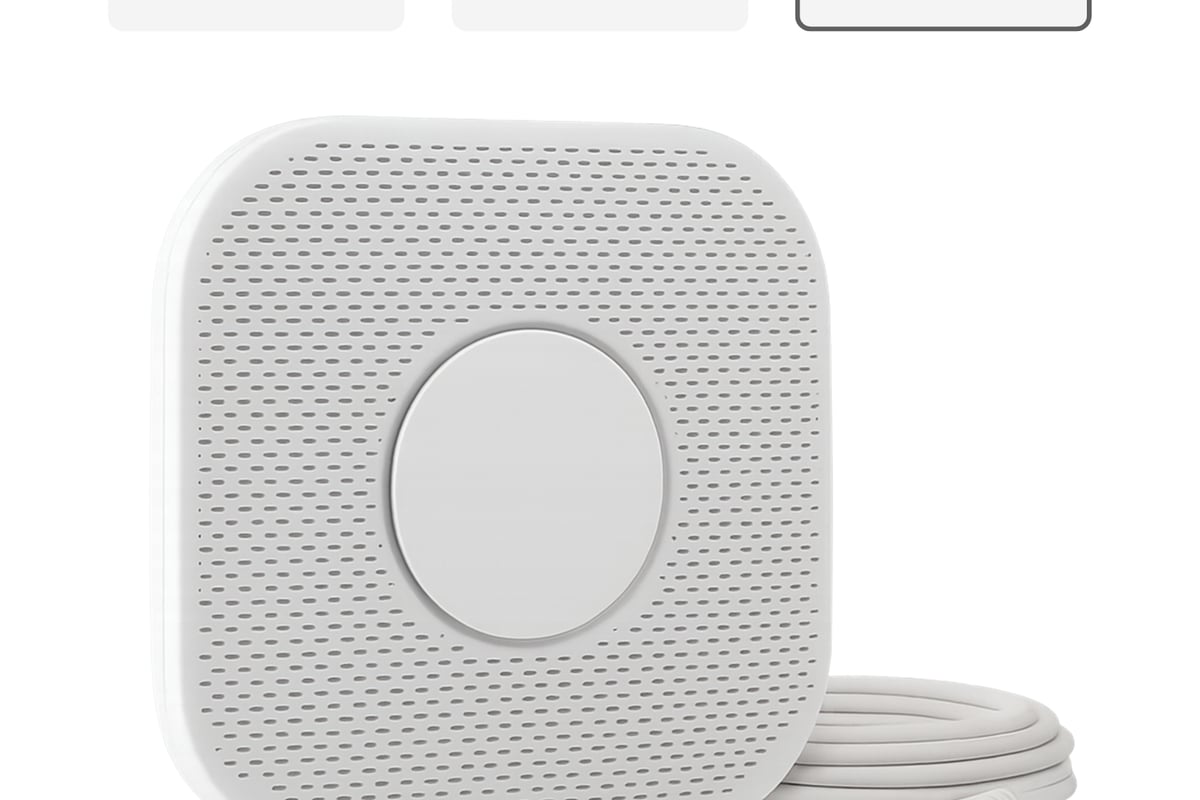
Testing and calibration form critical implementation phases. Each washroom monitoring sensor requires baseline establishment to understand normal environmental conditions. This process typically involves 24 to 48 hours of monitoring before active alerting begins.
Data Management and Alert Systems
The intelligence gathered by washroom monitoring sensors only delivers value when properly managed and acted upon. Modern systems incorporate cloud-based platforms that aggregate data, generate reports, and deliver real-time alerts to designated personnel.
Alert customisation allows facilities to tailor responses based on severity and incident type. A washroom monitoring sensor detecting vaping might trigger different protocols compared to detecting potential drug use or emergency situations.
Analytics and Reporting Features
Comprehensive analytics transform raw sensor data into actionable insights. Facility managers gain visibility into usage patterns, incident frequencies, peak times, and emerging trends.
| Metric Type | Information Provided | Management Application |
|---|---|---|
| Occupancy Data | Usage patterns, peak times, duration | Cleaning schedule optimisation, staffing adjustments |
| Air Quality Trends | Environmental changes, incident locations | Maintenance planning, ventilation assessment |
| Incident Reports | Detection frequency, times, locations | Policy effectiveness, intervention strategies |
| Response Times | Alert-to-action intervals | Staff training, protocol refinement |
Schools utilising washroom monitoring sensors for vaping detection often discover unexpected patterns. Best practice for handling vaping alerts emphasises consistent, documented responses that support both enforcement and educational objectives.
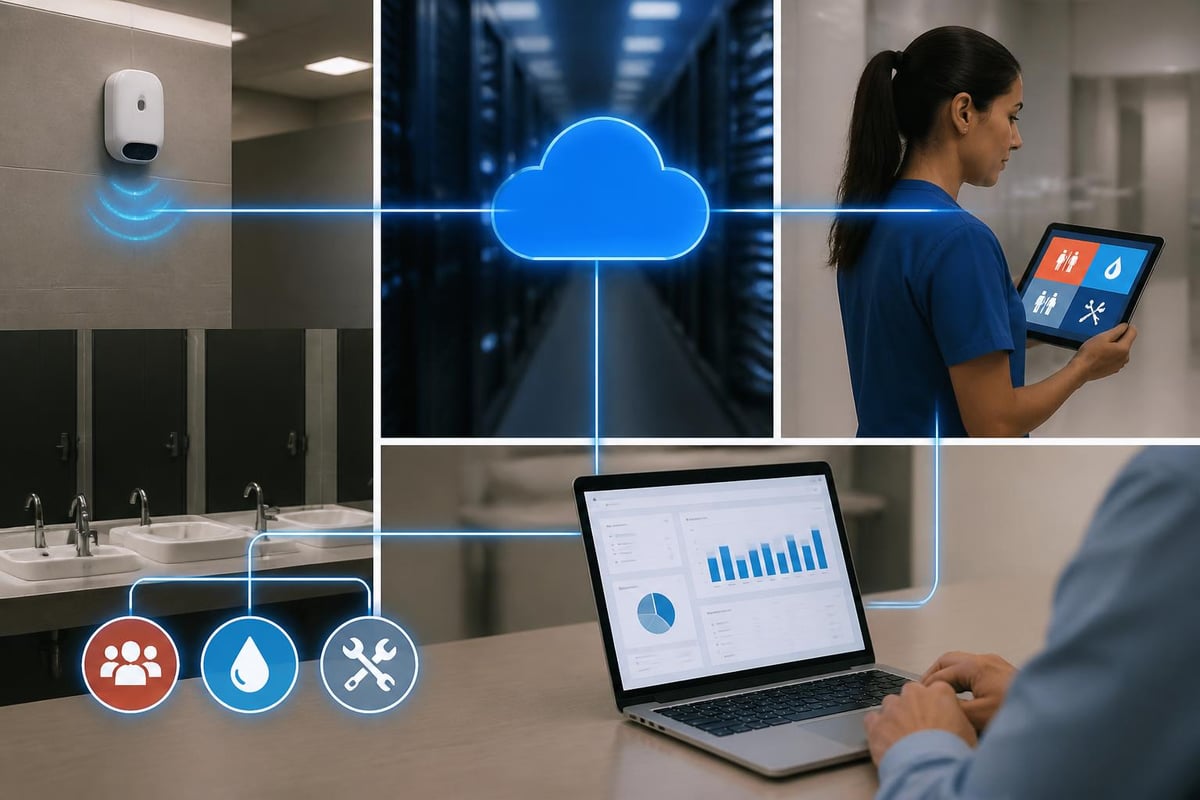
Integration capabilities extend the value of washroom monitoring sensor systems. Connections with building management systems, security platforms, and facility maintenance software create unified operational ecosystems.
Advanced Features and Emerging Technologies
Innovation continues driving washroom monitoring sensor evolution. Current developments focus on enhanced detection accuracy, reduced false alarms, and expanded monitoring capabilities.
Machine learning algorithms now enable sensors to distinguish between legitimate activities and concerning behaviours with greater precision. A modern washroom monitoring sensor learns facility-specific patterns, automatically adjusting sensitivity thresholds to minimise nuisance alerts whilst maintaining detection reliability.
Specialized Monitoring Capabilities
Beyond vaping and air quality detection, advanced sensors now incorporate emergency detection features that identify medical emergencies. These systems monitor for signs of distress, extended occupancy periods, and unusual motion patterns that might indicate someone requiring assistance.
Consumable monitoring represents another expanding application area. Some washroom monitoring sensor systems now include toilet paper level detection and soap dispenser monitoring, ensuring facilities maintain adequate supplies without manual checks.
Emerging sensor capabilities include:
- Occupancy duration monitoring for emergency detection
- Multi-substance identification with specific chemical signatures
- Environmental comfort tracking (temperature, humidity)
- Usage pattern prediction for proactive maintenance
- Integration with access control for incident correlation
The convergence of IoT technologies and artificial intelligence enables increasingly sophisticated washroom management. Smart washroom technologies demonstrate how connected sensors reduce operational costs by up to 30% through optimised cleaning schedules and preventive maintenance.
Privacy, Compliance, and Ethical Considerations
Implementing washroom monitoring sensor technology requires careful attention to privacy regulations and ethical responsibilities. Organisations must balance safety objectives with individual privacy rights, ensuring monitoring remains proportionate and justified.
Transparent communication forms the foundation of ethical sensor deployment. Facilities should clearly inform occupants about monitoring presence, purposes, and data handling practices. Signage explaining what sensors detect (and explicitly what they do not detect) builds trust and demonstrates compliance commitment.
Regulatory Alignment
UK regulations governing workplace monitoring and student safety require organisations to demonstrate legitimate interests and proportionate measures. A washroom monitoring sensor focused on air quality and incident detection typically aligns with these requirements, provided implementation follows best practices.
Data protection considerations extend beyond initial deployment. Organisations must establish clear policies regarding:
- How long sensor data is retained
- Who can access detection records
- What circumstances trigger data review
- How information is used in investigations
- Whether data is shared with third parties
Educational settings face particular scrutiny regarding student monitoring. Designated safeguarding leads play crucial roles in ensuring washroom monitoring sensor deployment supports welfare objectives without overreaching into unnecessary surveillance.
Office environments benefit from involving employees in monitoring decisions. Workplace implementations succeed when staff understand that sensors enhance safety and facility quality rather than representing intrusive oversight.
Cost Considerations and Return on Investment
Washroom monitoring sensor systems represent significant investments requiring justification through tangible benefits. Costs vary based on facility size, sensor quantity, connectivity requirements, and platform features.
Initial expenses include hardware procurement, installation, network configuration, and staff training. Ongoing costs encompass cloud platform subscriptions, maintenance, calibration, and potential hardware replacements.
Calculating Operational Benefits
Return on investment calculations should account for both direct savings and indirect value creation. Facilities implementing washroom monitoring sensors typically realise multiple benefit categories.
Measurable cost reductions:
- Decreased cleaning costs through optimised schedules (up to 30% savings)
- Reduced vandalism and repair expenses through faster incident detection
- Lower insurance premiums from improved safety records
- Minimised consumable waste through usage pattern insights
Indirect benefits often exceed direct savings. Schools reducing vaping incidents through detection systems support healthier environments and stronger policy compliance. These outcomes improve educational focus and reduce disciplinary resources required for enforcement.
Aviation facilities and transport hubs represent specialist applications where washroom monitoring delivers unique value. Aviation sector implementations address security concerns whilst managing high passenger volumes efficiently.
Future Developments and Industry Trends
The washroom monitoring sensor market continues expanding as organisations recognise the technology's versatility. Future developments will likely focus on enhanced integration, predictive analytics, and expanded detection capabilities.
Predictive maintenance represents a significant opportunity. By analysing usage patterns, environmental data, and equipment performance, future washroom monitoring sensor systems could forecast maintenance needs before failures occur. This proactive approach minimises disruptions and extends facility lifespan.
Occupancy optimisation technologies continue advancing. Smart cubicle occupancy systems already help users locate available facilities, reducing queuing and improving experience. Integration with mobile applications and building wayfinding systems will enhance these capabilities.
Sustainability and Environmental Impact
Sustainability considerations increasingly influence washroom monitoring sensor development. Systems that optimise water usage, reduce cleaning chemical consumption, and minimise energy waste align with corporate environmental objectives.
Data gathered by sensors enables evidence-based sustainability initiatives. Facilities can identify opportunities to reduce water flow rates during low-usage periods, adjust ventilation based on actual occupancy, and eliminate unnecessary cleaning cycles.
The convergence of various sensor types creates comprehensive facility intelligence. A single washroom monitoring sensor platform might combine air quality detection, occupancy tracking, consumable monitoring, and emergency detection within unified dashboards. This integration simplifies management whilst providing holistic facility insights.
Washroom monitoring sensor technology addresses critical safety, efficiency, and management challenges across diverse facility types. From detecting vaping in schools to optimising cleaning schedules in corporate offices, these systems deliver measurable value whilst respecting privacy. Vape Guardian provides advanced monitoring solutions specifically designed to detect vaping, drug use, and anti-social behaviour in washrooms and other sensitive areas. Our UK-based team delivers reliable sensor technology backed by dedicated support, helping organisations create safer environments through real-time detection and comprehensive monitoring capabilities.

Share:
School THC Detector: Protecting Students in 2026
Workplace Vape Detector: A Complete Guide for 2026