
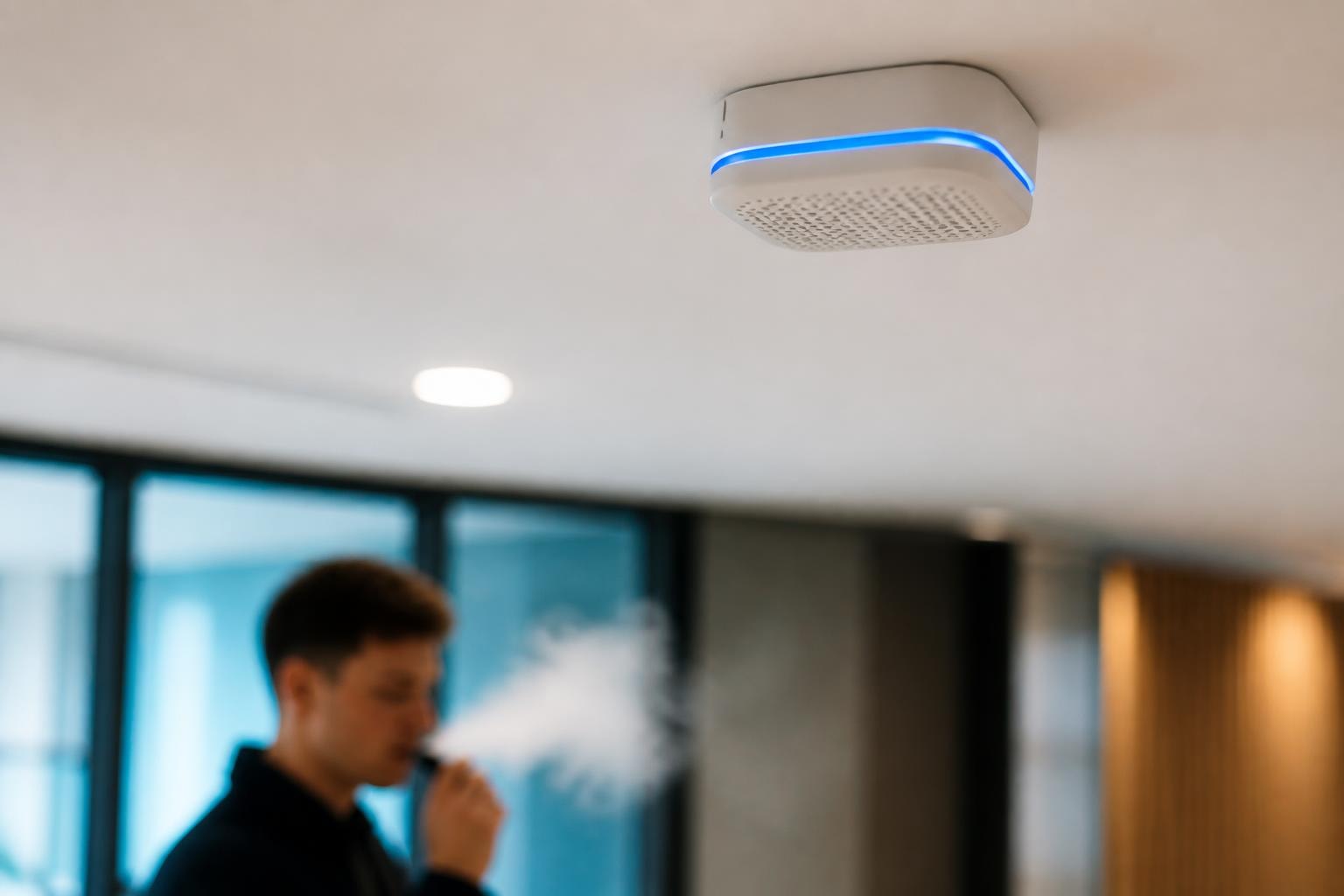
The modern workplace faces unprecedented challenges in maintaining healthy, compliant environments. As vaping continues to evolve from a niche activity into a widespread concern, organisations across the UK are seeking robust solutions to detect and deter unauthorised vaping on their premises. A workplace vape detector offers a technologically advanced approach to monitoring air quality, identifying vaping incidents, and supporting organisational policies. This comprehensive guide explores the technology, benefits, implementation strategies, and best practices for deploying vape detection systems in professional settings.
Understanding Workplace Vape Detection Technology
A workplace vape detector functions as a sophisticated air quality monitoring system designed to identify the chemical signatures associated with vaping products. Unlike traditional smoke detectors that respond primarily to combustion particles, these specialised sensors detect the specific aerosols and chemical compounds released during vaping activities.
How Detection Systems Identify Vaping
Modern detection technology employs multiple sensor arrays to analyse air composition continuously. These systems typically incorporate:
- Particulate matter sensors that measure aerosol concentrations
- Chemical detection modules identifying specific vaping compounds
- Advanced algorithms distinguishing vape aerosols from other airborne substances
- Real time monitoring capabilities providing instant alerts
- Data logging features tracking incidents over time
The science behind these systems draws on established principles of air quality monitoring and exposure evaluation, adapting them specifically for the unique challenge of vaping detection. When someone uses a vaping device, the expelled aerosol contains distinctive chemical markers. The workplace vape detector analyses these markers, comparing them against established baselines to determine whether vaping has occurred.
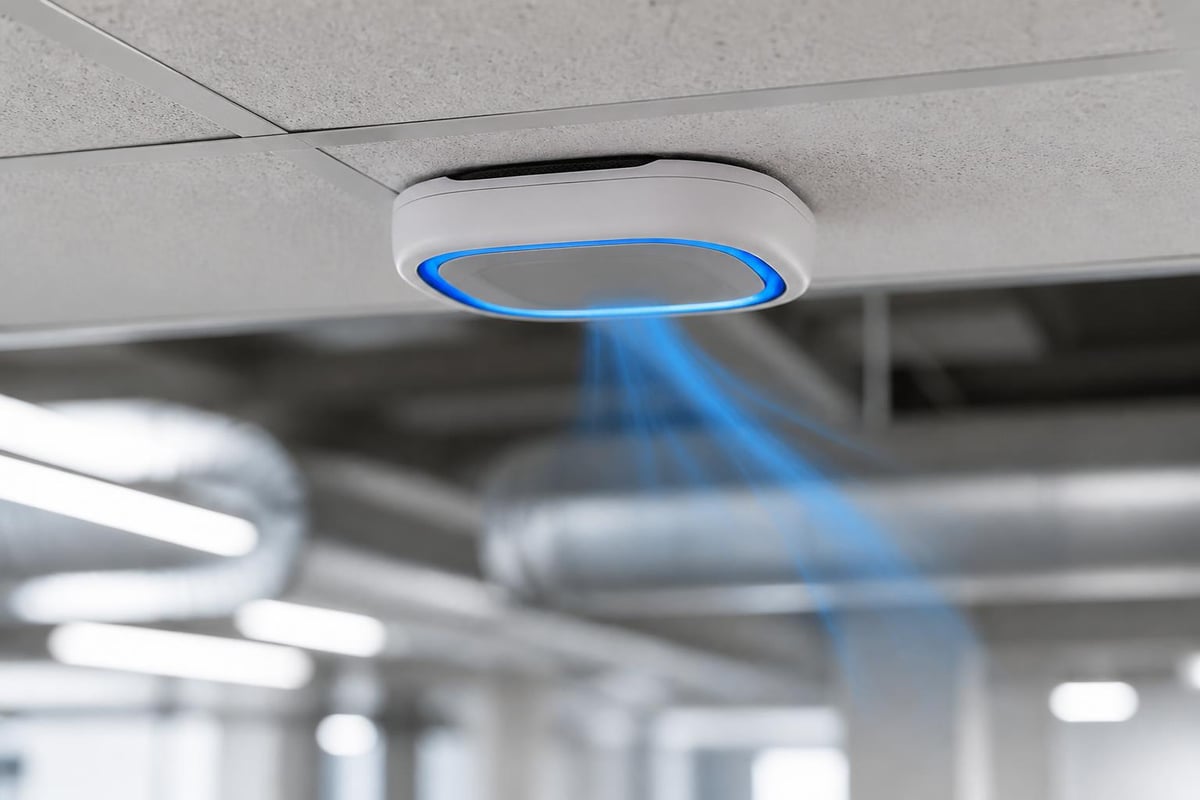
Technical Specifications and Accuracy
Accuracy represents a critical consideration when selecting detection technology. Contemporary systems achieve detection rates exceeding 95% whilst maintaining minimal false positive occurrences. This precision stems from multi-factor analysis that considers:
| Detection Factor | Purpose | Threshold Parameters |
|---|---|---|
| Particulate density | Identifies aerosol presence | 2.5 to 10 microns |
| Chemical signature | Confirms vaping compounds | Propylene glycol, vegetable glycerin markers |
| Concentration levels | Distinguishes from ambient air | Above baseline variations |
| Temporal patterns | Identifies sudden changes | Real time deviation analysis |
The direct reading instruments used for exposure evaluation require precise calibration to ensure reliable performance. Quality workplace vape detector systems incorporate self-calibration features and provide regular diagnostic reports to maintain optimal functionality.
Strategic Benefits for Organisations
Implementing detection technology delivers measurable advantages across multiple organisational dimensions. Beyond simple compliance, these systems contribute to comprehensive workplace wellness strategies and risk management frameworks.
Health and Safety Enhancements
The impact of e-cigarette aerosols on indoor air quality represents a genuine concern for workplace environments. Research indicates that vaping releases ultrafine particles, nicotine, and other chemicals into enclosed spaces, potentially affecting non-vaping employees. A workplace vape detector provides:
- Immediate awareness of air quality degradation
- Protective measures for employees with respiratory sensitivities
- Evidence based monitoring of environmental conditions
- Reduced exposure to secondhand vaping emissions
Organisations committed to employee wellbeing recognise that maintaining high air quality standards supports productivity, reduces absence rates, and demonstrates duty of care obligations.
Policy Enforcement and Compliance
Many UK organisations maintain smoke-free and vape-free policies, yet enforcement presents practical challenges. Traditional supervision methods prove time-intensive and inconsistent. Detection technology transforms policy enforcement by:
- Providing objective evidence of policy violations
- Enabling consistent application across all premises areas
- Supporting disciplinary procedures with documented incidents
- Demonstrating organisational commitment to stated policies
- Reducing reliance on manual monitoring resources
The CDC highlights workplace strategies for creating tobacco-free environments, noting that consistent enforcement significantly improves policy effectiveness. Automated detection eliminates the subjective element from enforcement, ensuring fair and equitable application.
Cost Effectiveness Analysis
Financial considerations influence technology adoption decisions. A comprehensive cost-benefit analysis reveals substantial long-term value:
| Cost Category | Traditional Monitoring | Automated Detection |
|---|---|---|
| Personnel time | 15-20 hours monthly | 2-3 hours monthly |
| Incident documentation | Manual reports | Automated logging |
| Coverage consistency | Variable, gaps likely | Continuous, comprehensive |
| Data for policy review | Limited, anecdotal | Extensive, quantified |
| Initial investment | Minimal | Moderate to significant |
| Ongoing operational costs | High labour costs | Low maintenance costs |
Over a three-year period, organisations typically achieve cost neutrality or positive returns through reduced supervision requirements, decreased policy violations, and improved compliance outcomes.
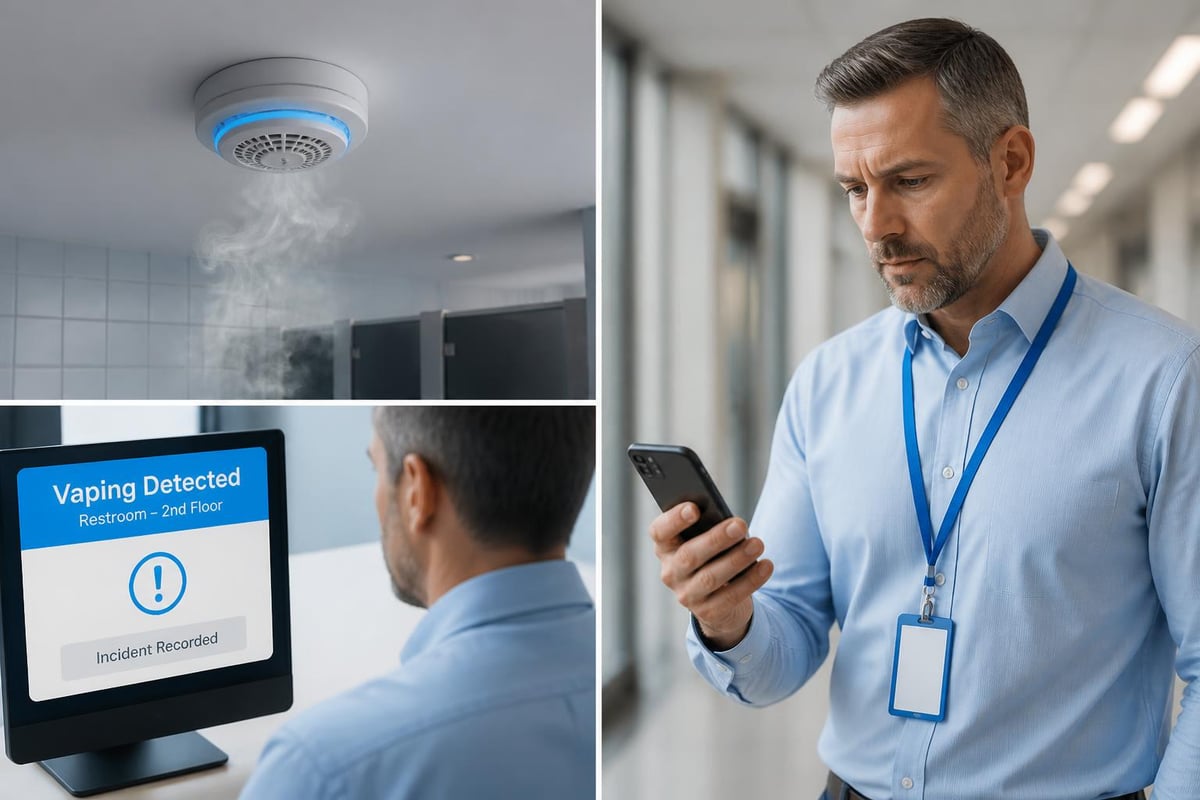
Implementation Strategies for Different Workplace Types
Deployment approaches vary significantly based on organisational context, physical layout, and specific objectives. Tailoring implementation strategies ensures optimal results.
Office Environments
Professional office settings present unique considerations. Employees expect privacy whilst organisations require policy adherence. For office environments, strategic placement focuses on:
- Common areas including meeting rooms and communal spaces
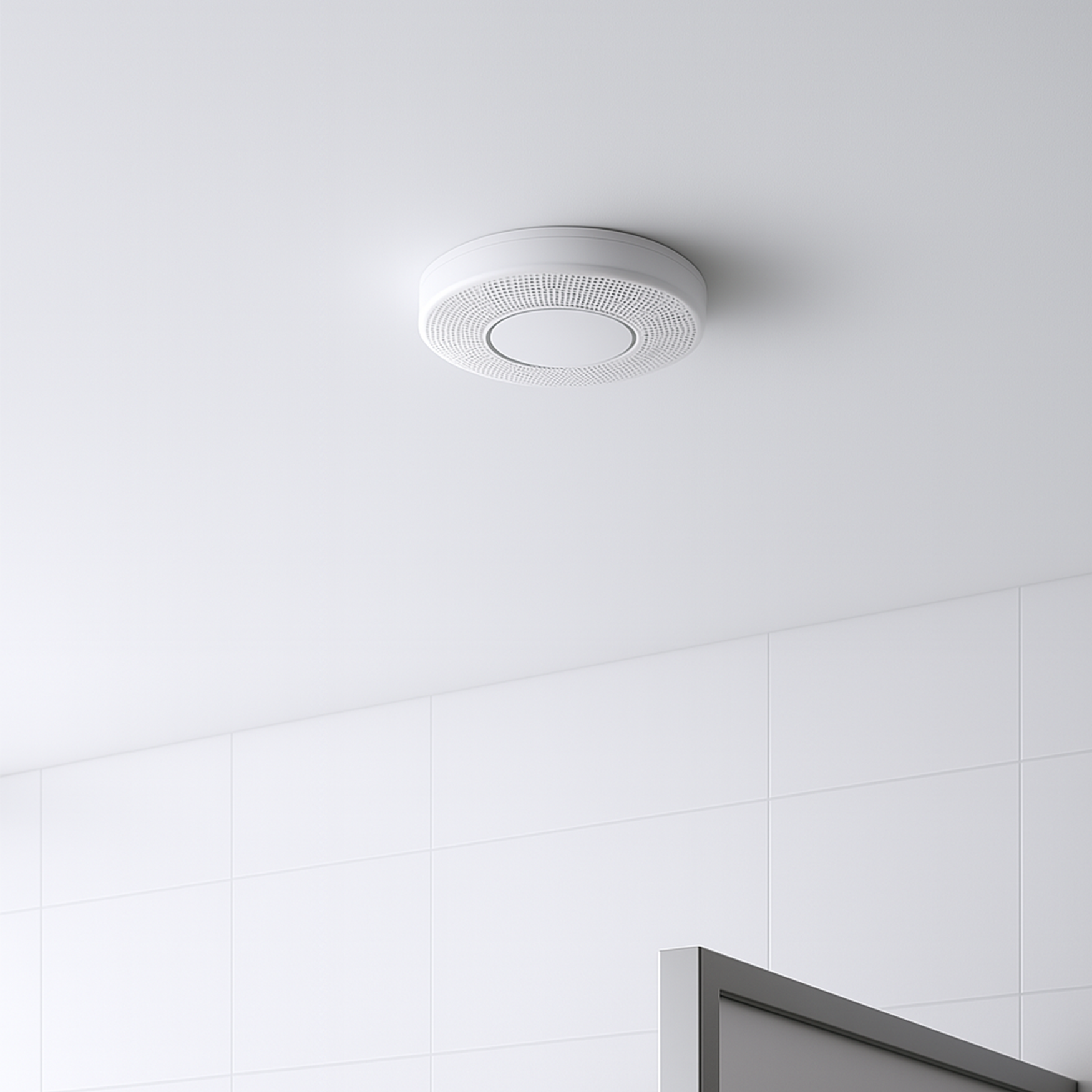
- Bathroom facilities where privacy expectations meet policy requirements
- Break rooms and designated rest areas
- Reception areas and client-facing spaces
Privacy concerns necessitate transparent communication about monitoring locations and purposes. Successful implementations include comprehensive staff briefings explaining the technology, its limitations, and organisational rationale.
Educational Institutions
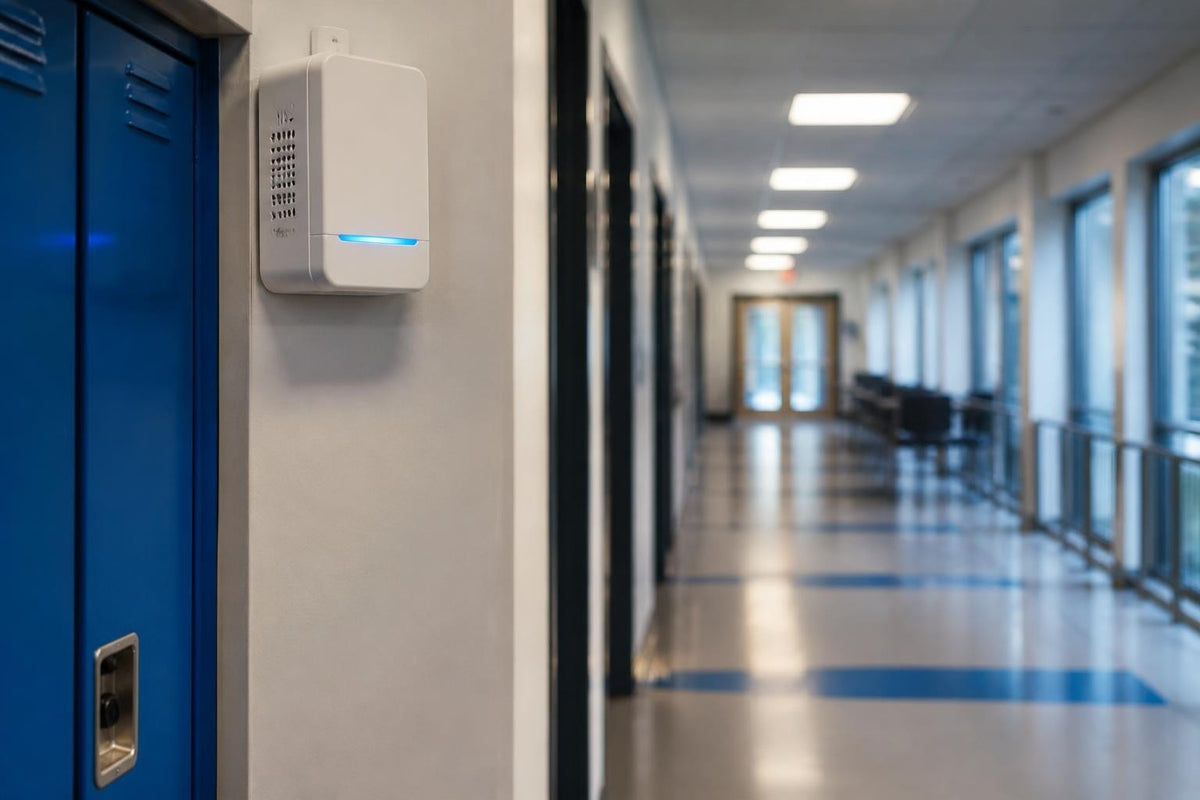
Schools and universities face particular challenges with youth vaping. The vaping education hub provides resources specifically addressing educational contexts. Detection systems in schools typically prioritise:
- Student bathroom facilities
- Changing rooms and gymnasium areas
- Secluded corridors and stairwells
- Common areas and cafeterias
The Vape Detection System offers comprehensive monitoring capabilities specifically designed for challenging environments like educational settings, combining vape detection with additional safety features including sound anomaly detection for anti-social behaviour.

Hospitality and Leisure Facilities
Hotels, restaurants, and leisure venues must balance customer experience with regulatory compliance. Leisure and retail environments benefit from discreet monitoring that maintains ambience whilst ensuring compliance. Key deployment areas include:
- Hotel guest room bathrooms
- Restaurant washroom facilities
- Gym changing rooms
- Staff-only areas
These settings often require aesthetically integrated solutions that blend with existing décor whilst maintaining full functionality.
Technical Installation and Integration
Successful deployment requires careful planning, professional installation, and systematic integration with existing infrastructure.
Site Assessment and Planning
Pre-installation assessment identifies optimal sensor placement based on:
- Airflow patterns determining detection coverage areas
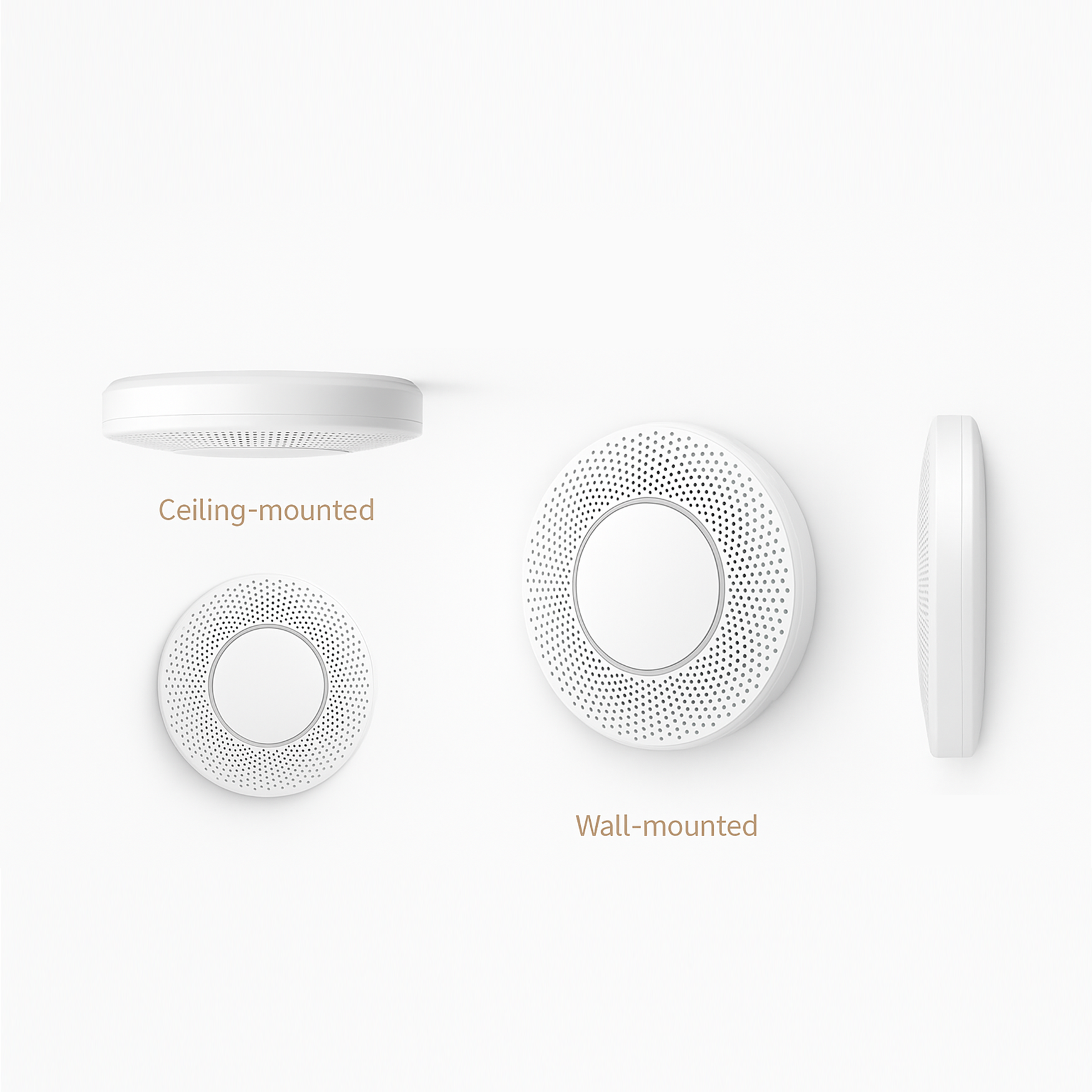
- Structural considerations affecting mounting options
- Network connectivity requirements for data transmission
- Power supply availability and backup systems
- Environmental factors including temperature and humidity ranges
Professional assessors map facility layouts, identifying high-risk areas and coverage gaps. This data-driven approach ensures comprehensive monitoring without unnecessary redundancy.
Network and Connectivity Requirements
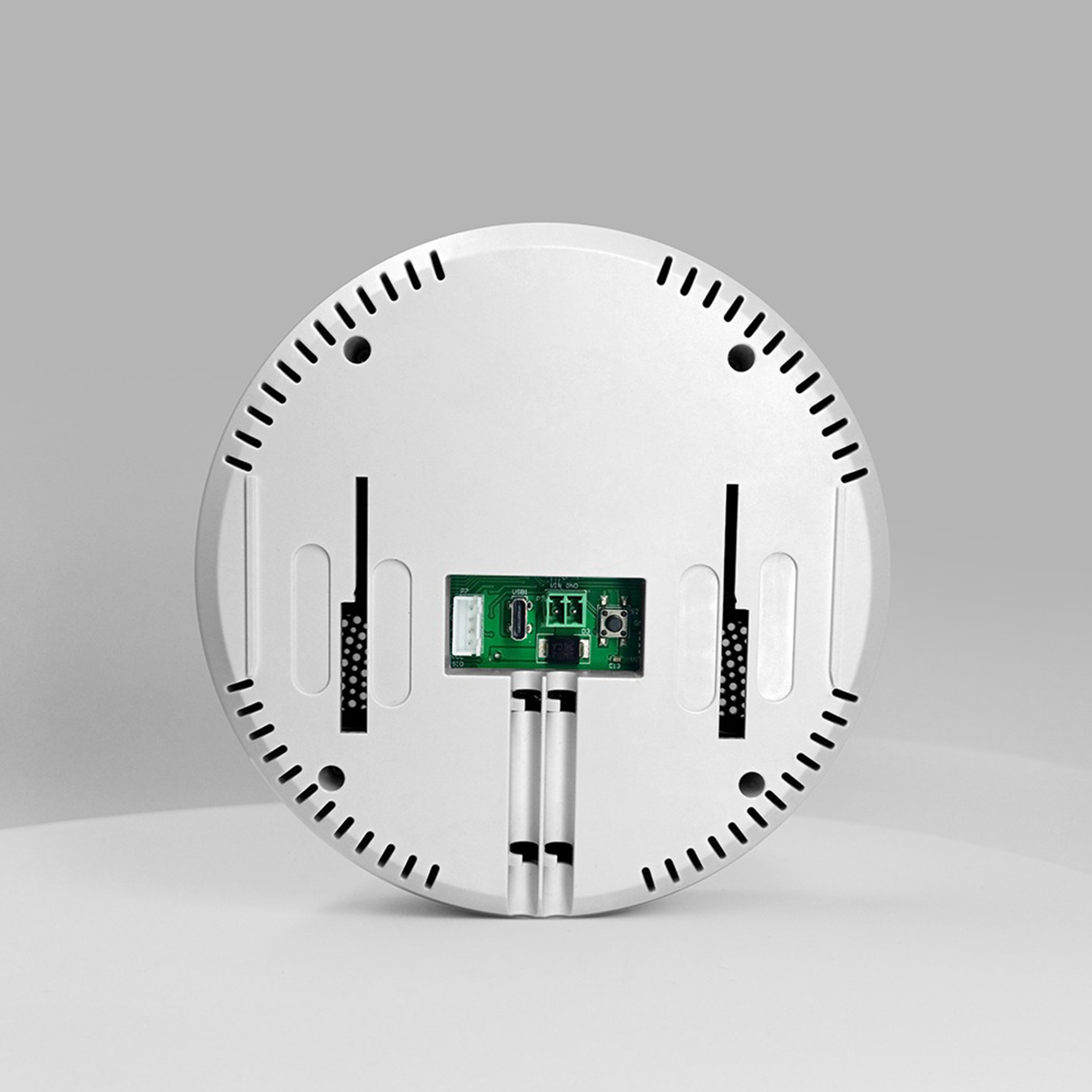
Modern workplace vape detector systems rely on robust connectivity for real-time alerting and data management. Network and connectivity options include:
- Wi-Fi integration leveraging existing networks
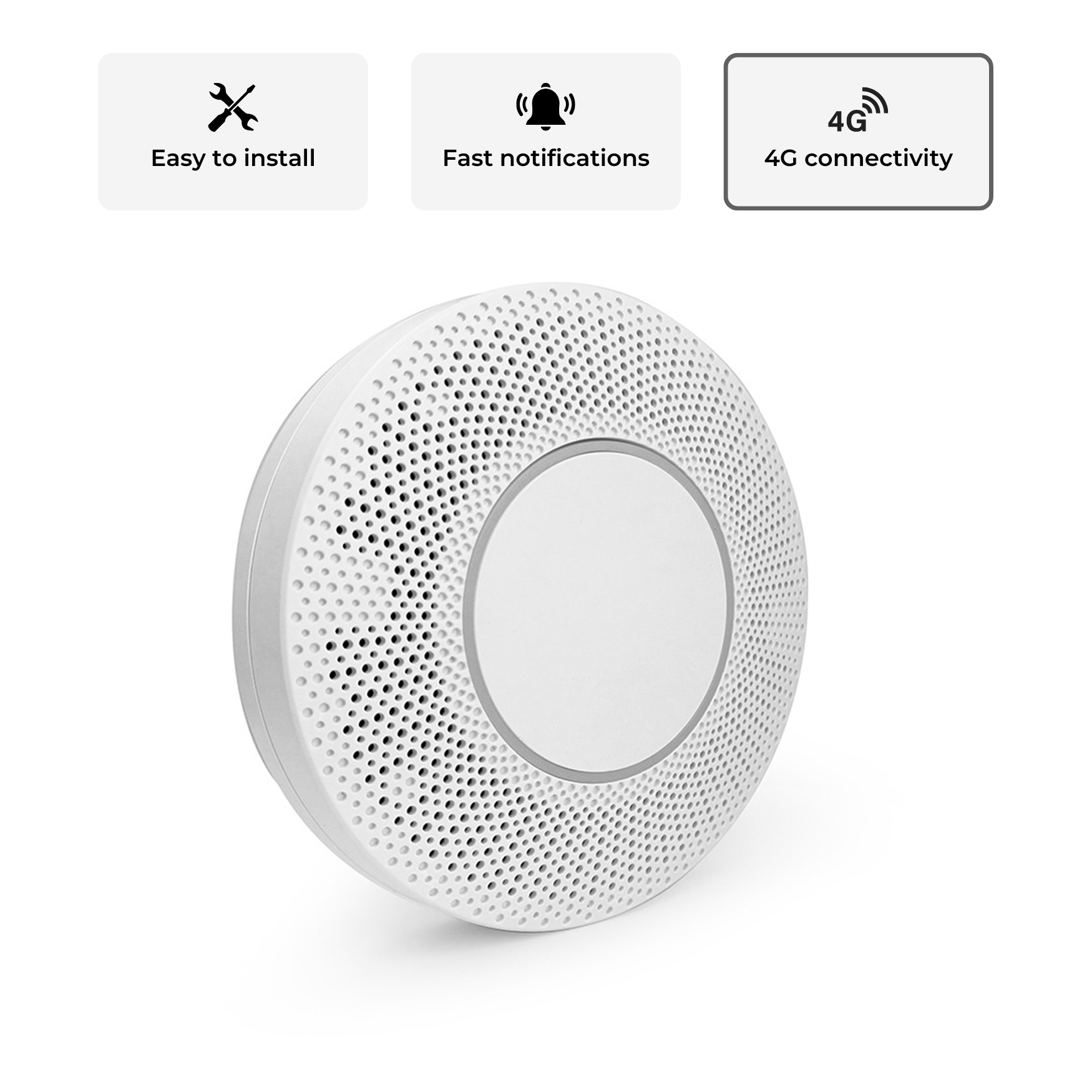
- 4G connectivity for locations without reliable Wi-Fi
- Hardwired Ethernet for maximum reliability
- Hybrid approaches combining multiple connection methods
Connectivity resilience ensures continuous monitoring even during network disruptions. Quality systems incorporate local data storage, buffering alerts until connection restoration.
Alert Configuration and Management
Effective alert systems balance responsiveness with practicality. Configuration options typically include:
- Immediate notifications via SMS, email, or app alerts
- Escalation protocols routing alerts based on time and response
- Customisable thresholds adjusting sensitivity to organisational needs
- Integration capabilities connecting with existing security systems
Understanding passive sensing technologies in workplace monitoring provides valuable context for optimising detection parameters. Systems should generate actionable alerts without overwhelming recipients or creating alert fatigue.
Best Practices for Workplace Implementation
Maximising the effectiveness of detection technology requires more than technical deployment. Organisational practices and policies significantly influence outcomes.
Communication and Transparency
Successful programmes prioritise transparent communication. Employees should understand:
- What is being monitored and where sensors are located
- Why the organisation implements detection linked to health, safety, and policy
- How data is used including privacy protections and retention policies
- What happens when incidents occur outlining response procedures
Workplace sensing implications for wellbeing research emphasises that transparent communication reduces resistance and increases acceptance. Organisations achieving best outcomes publish clear policies, conduct staff briefings, and maintain open dialogue about monitoring programmes.
Incident Response Protocols
A workplace vape detector identifies incidents, but human response determines ultimate effectiveness. Robust protocols establish:
- Alert receipt procedures designating responsible personnel
- Initial response steps including verification and documentation
- Investigation processes gathering relevant information
- Appropriate consequences aligned with organisational policies
- Support resources offering cessation assistance when appropriate
Consistency in response builds credibility and reinforces policy seriousness. Documentation supports trend analysis, identifying patterns requiring additional intervention.
Data Utilisation and Analysis
Detection systems generate valuable data extending beyond individual incidents. Progressive organisations analyse trends to:
- Identify peak incident times informing supervision allocation
- Recognise high-risk locations guiding targeted interventions
- Measure policy effectiveness through incident frequency changes
- Support wellbeing initiatives with evidence-based programming
Regular review of detection data enables continuous improvement, adapting strategies based on actual patterns rather than assumptions.
Training and Staff Development
Personnel responsible for system management require comprehensive training covering:
- Technical operation and basic troubleshooting
- Alert response and incident documentation
- Privacy considerations and data protection
- Communication approaches with policy violators
- System maintenance and performance monitoring
Investing in thorough training ensures consistent, professional responses that uphold organisational values whilst enforcing policies effectively.
Privacy, Legal, and Ethical Considerations
Deploying monitoring technology raises legitimate privacy questions requiring careful consideration and appropriate safeguards.
Data Protection Compliance
UK organisations must comply with GDPR requirements when implementing workplace monitoring. Key considerations include:
- Legitimate interest assessments justifying monitoring necessity
- Data minimisation collecting only essential information
- Retention policies establishing appropriate data storage periods
- Access controls limiting who can view detection data
- Individual rights enabling subject access requests
Legal compliance protects both organisations and individuals, ensuring monitoring serves legitimate purposes without unnecessary intrusion.
Ethical Deployment Frameworks
Beyond legal requirements, ethical considerations guide responsible implementation. Frameworks for protecting workers from inhalation hazards emphasise that monitoring should serve worker protection rather than punitive surveillance. Ethical frameworks prioritise:
- Proportionality ensuring monitoring matches actual risks
- Dignity preservation respecting individual privacy where possible
- Transparency maintaining openness about monitoring practices
- Support orientation offering assistance alongside enforcement
Organisations demonstrating ethical commitment build trust and acceptance, improving programme effectiveness.
Balancing Detection with Privacy
Strategic placement decisions significantly affect privacy implications. A workplace vape detector installed in private offices raises different concerns than sensors in communal bathrooms. Best practice approaches:
- Focus monitoring on shared spaces rather than individual work areas
- Avoid audio recording capabilities in privacy-sensitive locations
- Implement visual indicators showing monitored areas
- Establish clear policies about personal versus workplace rights
Thoughtful balancing respects individual dignity whilst protecting collective health and safety interests.
Future Developments in Detection Technology
The workplace vape detector market continues evolving, with emerging capabilities enhancing functionality and expanding applications.
Advanced Analytics and Artificial Intelligence
Next-generation systems incorporate machine learning algorithms that:
- Distinguish between different vaping products identifying specific substances
- Predict high-risk periods based on historical patterns
- Reduce false positives through improved pattern recognition
- Integrate multiple data sources correlating environmental factors
These advancements promise increased accuracy and richer insights, supporting more nuanced organisational responses.
Integration with Building Management Systems
Modern buildings increasingly feature integrated systems controlling HVAC, lighting, security, and safety functions. Connected worker solutions and workplace technologies enable workplace vape detector systems to:
- Trigger enhanced ventilation when incidents occur
- Coordinate with security camera systems for verification
- Generate comprehensive facility management reports
- Support energy-efficient air quality management
Integration creates smarter buildings that respond dynamically to detected conditions.
Expanded Detection Capabilities
Technology development extends beyond vaping detection to identify:
- Cannabis and THC vaping products
- Aggressive behaviour through sound pattern analysis
- General air quality degradation from various sources
- Occupancy levels and space utilisation patterns
Multi-function sensors deliver greater value, justifying investment through diverse applications supporting multiple organisational objectives.
Measuring Success and ROI
Organisations implementing detection technology should establish metrics demonstrating programme value and guiding ongoing optimisation.
Quantitative Performance Indicators
Measurable outcomes include:
- Incident frequency trends showing detection rates over time
- Policy violation reductions comparing pre and post-implementation periods
- Response time metrics measuring alert-to-action intervals
- Air quality improvements documenting environmental enhancements
- Cost savings from reduced supervision and improved compliance
Regular measurement enables data-driven decision-making and supports continued investment justification.
Qualitative Impact Assessment
Beyond numbers, qualitative feedback provides valuable insights:
- Employee perceptions of workplace air quality
- Staff confidence in policy enforcement consistency
- Visitor and client impressions of facility professionalism
- Organisational reputation enhancement
- Workplace culture shifts regarding health and wellness
Combining quantitative and qualitative assessment creates comprehensive understanding of programme impact.
Continuous Improvement Processes
Successful organisations treat detection implementation as iterative rather than fixed. Regular reviews consider:
- Technology performance assessing accuracy and reliability
- Placement effectiveness identifying coverage gaps
- Response protocol efficiency streamlining incident handling
- Communication strategies enhancing stakeholder understanding
- Policy alignment ensuring monitoring supports organisational objectives
Commitment to continuous improvement maximises long-term value and maintains programme relevance as organisational needs evolve.
Vendor Selection and Procurement Considerations
Choosing the appropriate workplace vape detector solution requires careful evaluation of available options against specific organisational requirements.
Essential Selection Criteria
Evaluation frameworks should assess:
| Criterion | Evaluation Questions |
|---|---|
| Detection accuracy | What verification data supports claimed performance? |
| Reliability | What uptime guarantees and failure rates apply? |
| Scalability | Can the system expand as organisational needs grow? |
| Integration capability | Does the technology connect with existing systems? |
| Support quality | What training, maintenance, and troubleshooting support is provided? |
| Total cost of ownership | What are all costs over the expected system lifespan? |
Thorough evaluation prevents costly mismatches between technology capabilities and organisational needs.
Understanding Service Level Agreements
Vendor commitments regarding system performance, maintenance, and support significantly affect long-term satisfaction. SLAs should clearly specify:
- Guaranteed uptime percentages and remedies for failures
- Response times for technical support requests
- Software update frequency and deployment processes
- Hardware replacement procedures for defective units
- Data security and backup protocols
Strong SLAs protect organisational interests and establish clear vendor accountability.
References and Case Studies
Reputable vendors provide references from similar organisations and documented case studies demonstrating proven performance. Prospective buyers benefit from:
- Direct conversations with current customers
- Site visits to functioning installations
- Performance data from comparable deployments
- Independent verification of claimed capabilities
Due diligence investment prevents disappointing outcomes and ensures informed decision-making.
Implementing a workplace vape detector represents a strategic investment in organisational health, safety, and policy compliance. The technology delivers measurable benefits whilst supporting broader workplace wellness objectives. Vape Guardian provides advanced detection solutions specifically designed for UK organisations seeking reliable, accurate monitoring systems backed by expert support and proven performance. Whether your organisation operates educational facilities, professional offices, or leisure spaces, specialist detection technology helps create safer, healthier environments for everyone.


Share:
Washroom Monitoring Sensor Technology for Safer Facilities
School Vape Detectors: A Complete Guide for 2026