
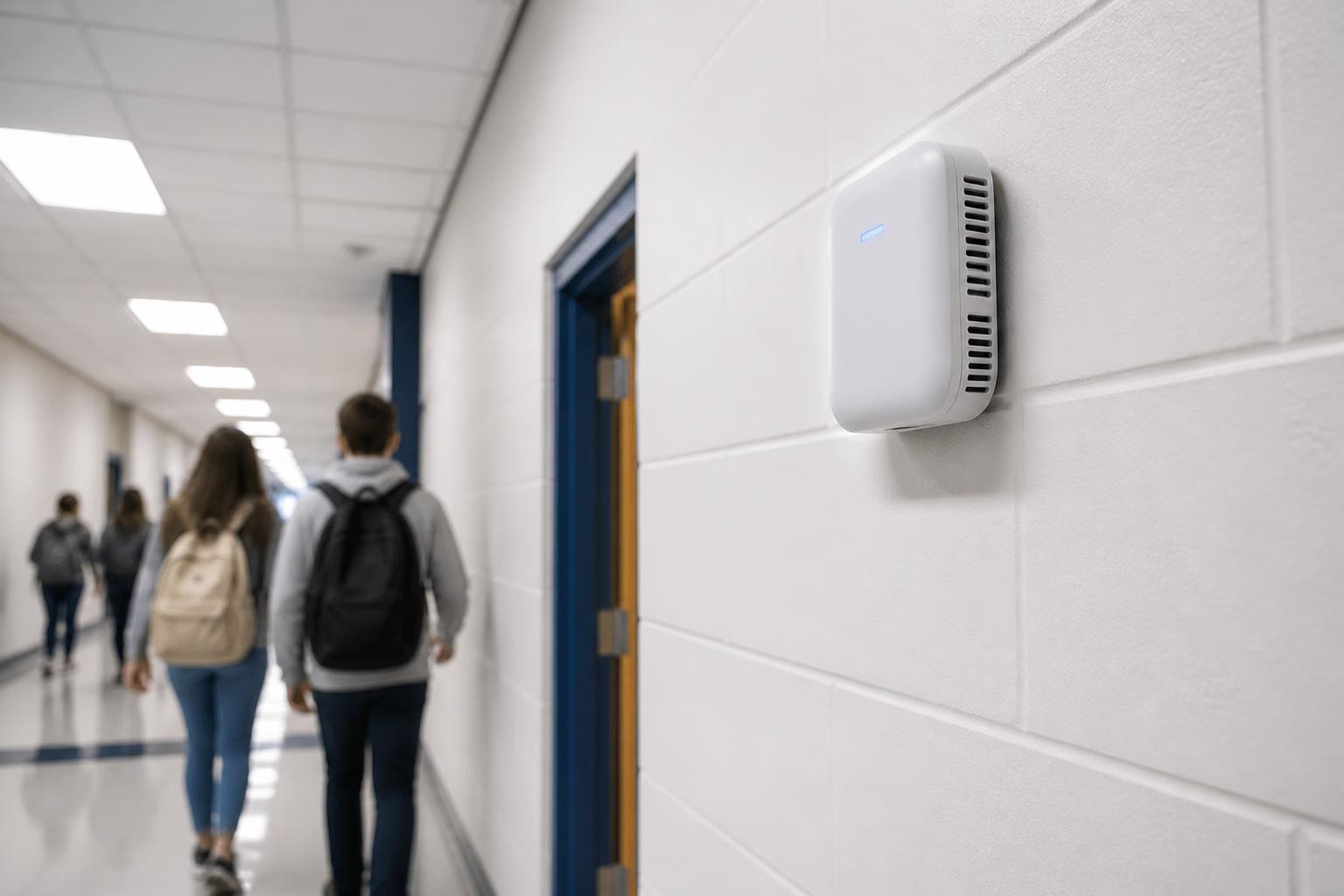
The surge in adolescent vaping has created unprecedented challenges for educational institutions across the United Kingdom. With increasing numbers of students engaging in vaping activities within school premises, administrators are turning to technological solutions to address this growing concern. Modern detection systems represent a proactive approach to maintaining healthier learning environments whilst supporting student wellbeing and regulatory compliance.
Understanding the Technology Behind Vape Detection
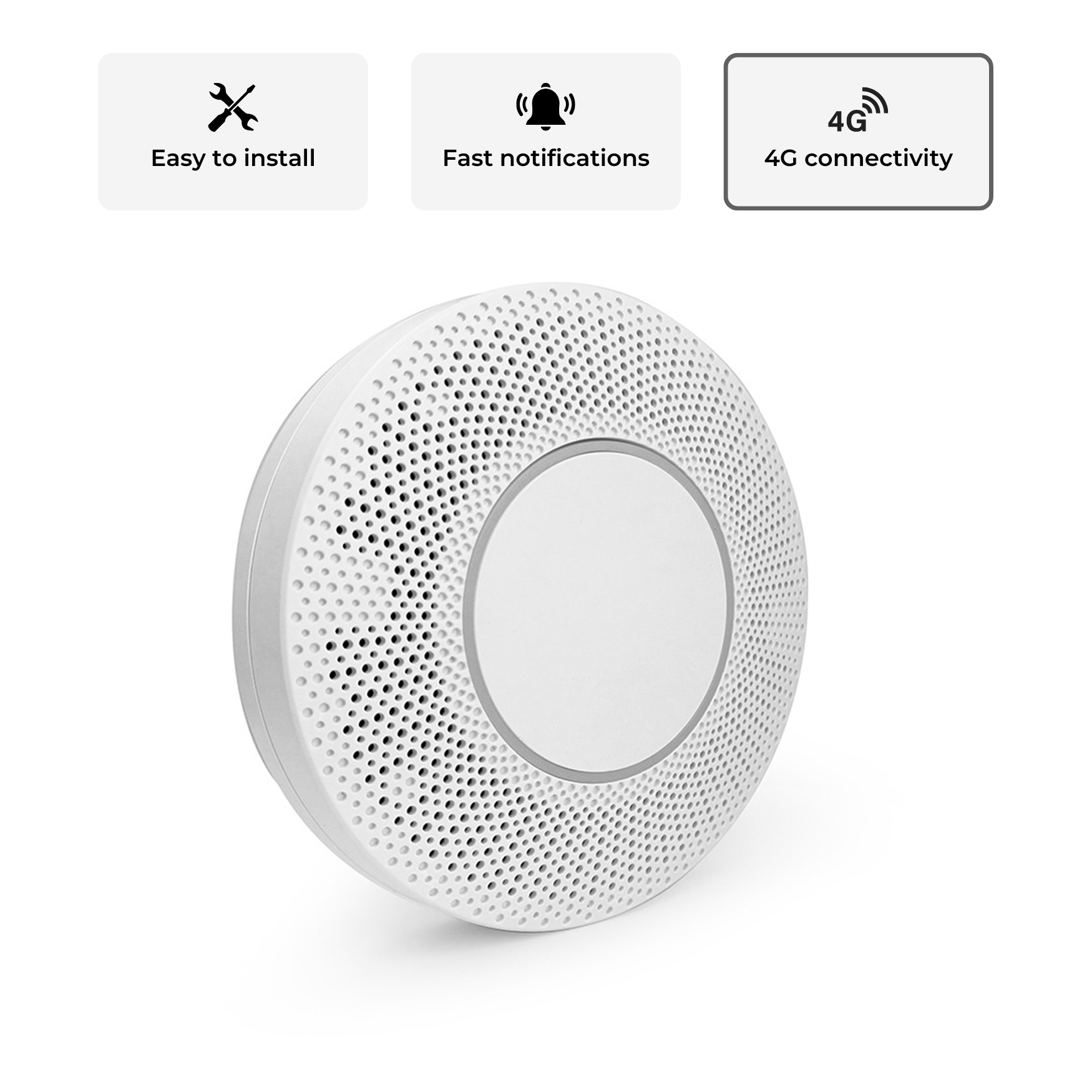
School vape detectors operate through sophisticated sensor arrays that monitor air quality parameters in real time. These devices identify specific chemical signatures associated with vapour products, including vegetable glycerine, propylene glycol, and various flavouring compounds. Unlike traditional smoke detectors that respond primarily to combustion particles, vape detection systems analyse molecular composition patterns.
The technology employs multiple sensing mechanisms simultaneously. Particulate sensors measure microscopic aerosol concentrations whilst chemical sensors identify volatile organic compounds. Advanced algorithms process this data, distinguishing between vaping events and environmental factors such as perfumes or cleaning products.
Key detection capabilities include:
- Recognition of THC and nicotine vapour signatures
- Identification of abnormal air quality fluctuations
- Detection of sound anomalies associated with antisocial behaviour
- Real time alerting through integrated notification systems
- Data logging for pattern analysis and compliance reporting
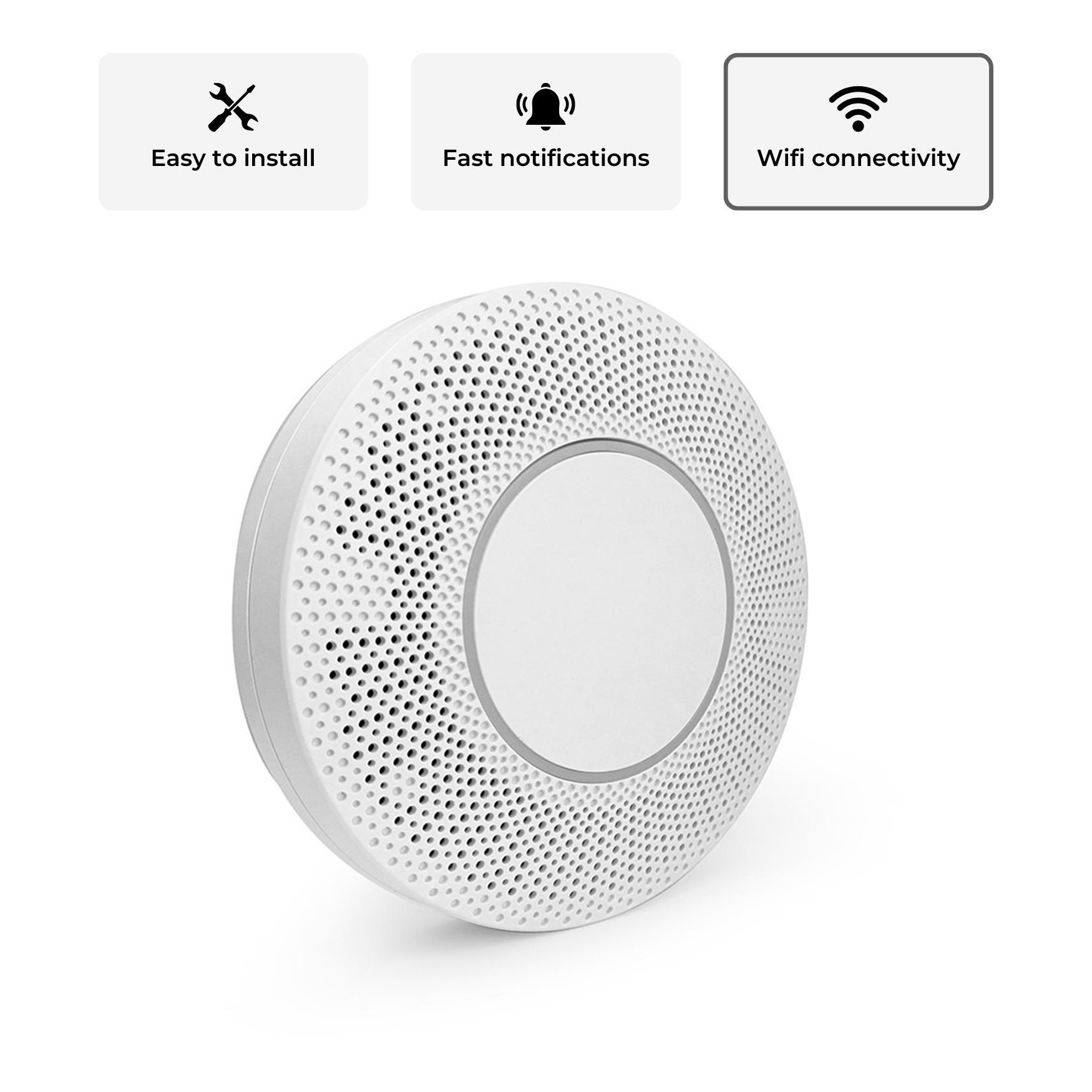
Modern systems integrate seamlessly with existing school infrastructure. WiFi connectivity enables immediate alerts to designated staff members, allowing rapid response to incidents. Many installations also monitor environmental conditions including temperature, humidity, and carbon dioxide levels, providing comprehensive air quality oversight.
Benefits of Implementing Detection Systems
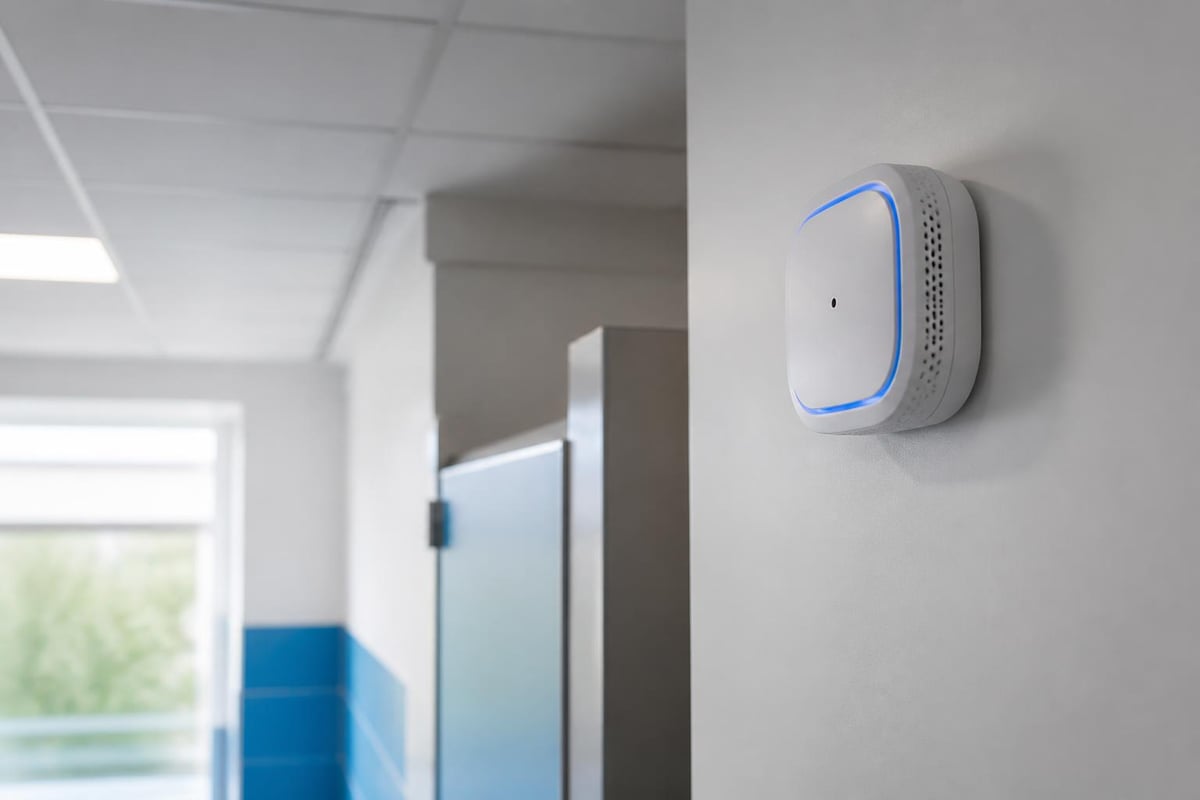
Schools implementing comprehensive vape detection programmes experience measurable improvements in student behaviour and campus safety. Research demonstrates that visible technological interventions serve both deterrent and enforcement functions. School based interventions have shown effectiveness in reducing e-cigarette use amongst adolescents when combined with educational initiatives.
Health and Safety Improvements
Maintaining clean air quality directly impacts student concentration and academic performance. Exposure to secondhand vapour aerosols poses particular risks in enclosed spaces such as toilets and changing rooms. Detection systems identify these incidents immediately, enabling prompt ventilation and remediation.
The reduction in vaping incidents correlates with decreased exposure to potentially harmful substances. Students with respiratory sensitivities benefit particularly from environments where vapour exposure is minimised through active monitoring.
Behavioural Impact and Deterrence
| Benefit Category | Measurable Outcome | Timeframe |
|---|---|---|
| Incident Reduction | 40-60% decrease in vaping events | 3-6 months |
| Student Compliance | Improved adherence to school policies | Immediate |
| Staff Confidence | Enhanced ability to enforce regulations | Ongoing |
| Parental Satisfaction | Increased trust in school safety measures | Long term |
The presence of school vape detectors fundamentally alters student behaviour patterns. Knowledge that vaping activities are monitored creates a powerful deterrent effect. Students recognise that concealed areas no longer provide anonymity, leading to voluntary compliance with school policies.
Schools report significant reductions in confrontational situations between staff and students. Rather than relying on subjective observations or chance discoveries, objective technological evidence supports enforcement actions. This shift reduces conflict whilst maintaining clear behavioural expectations.
Strategic Placement and Installation Considerations
Effective deployment requires careful analysis of school layouts and student movement patterns. Vape detectors for education installations prioritise high risk areas whilst respecting privacy regulations and budgetary constraints.
Optimal Location Selection
Priority installation zones include:
- Student toilet facilities across all building sections
- Changing rooms adjacent to sports facilities
- Designated enclosed spaces prone to misuse
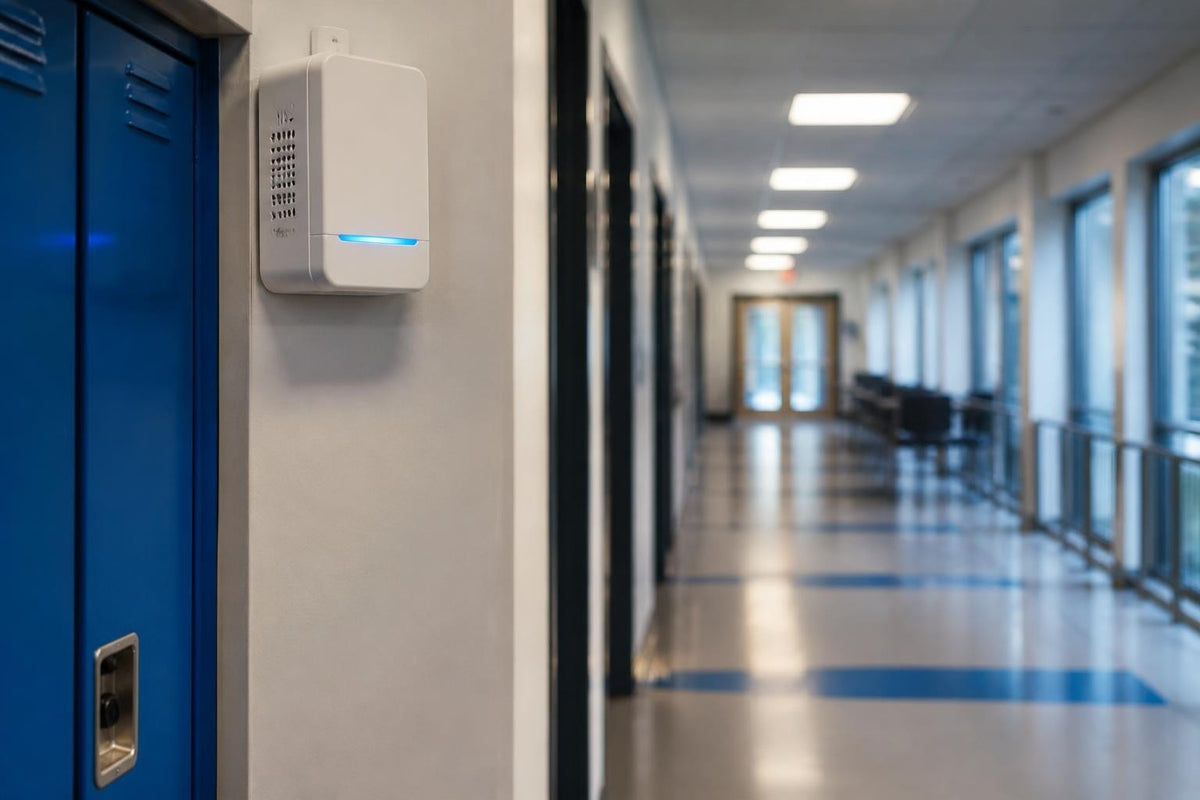
- Corridors and stairwells with limited supervision
- Common areas where students congregate informally
Toilet facilities represent the most critical installation points. These spaces offer perceived privacy, making them attractive for prohibited activities. Installing detectors in each facility sends a clear message whilst providing comprehensive coverage.
Changing rooms present similar challenges. The combination of privacy expectations and reduced supervision creates opportunities for vaping. Strategic detector placement in these areas addresses this vulnerability without compromising legitimate privacy needs.
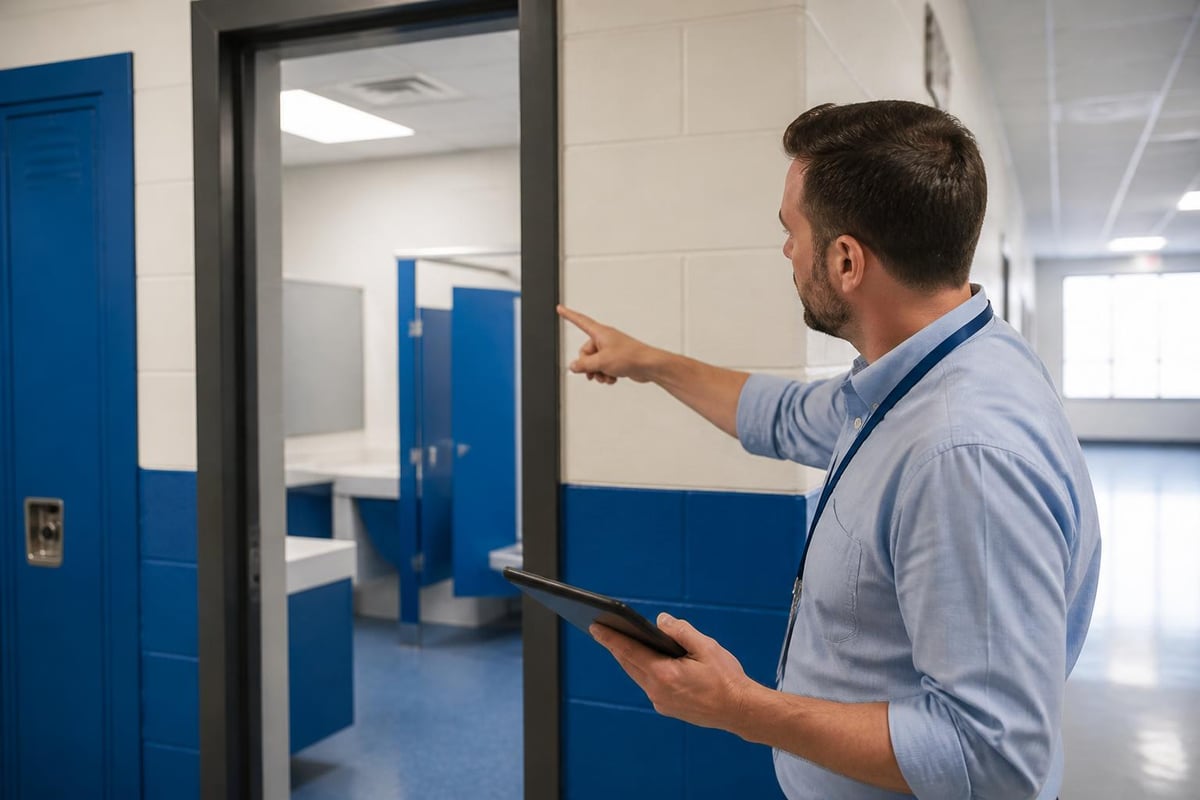
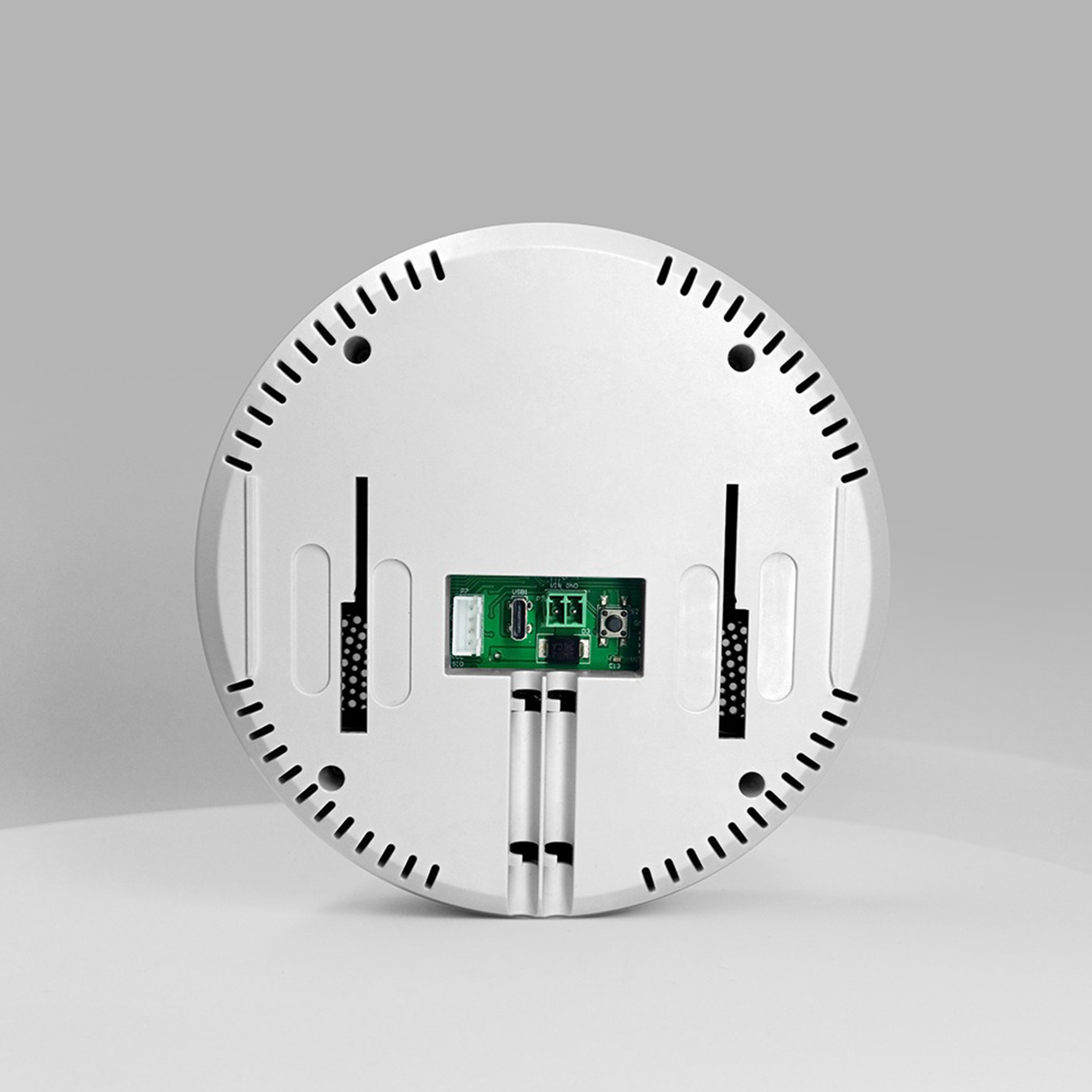
The Vape Detection System offers flexible mounting options suited to various architectural configurations. Wall mounted units blend discreetly with existing fixtures whilst ceiling installations maximise detection range. Understanding airflow patterns helps optimise sensor positioning for maximum effectiveness.

Technical Infrastructure Requirements
Modern school vape detectors require reliable network connectivity for optimal functionality. WiFi enabled devices integrate with existing school networks, whilst cellular options provide redundancy in areas with connectivity challenges. Network and connectivity planning ensures consistent performance across the entire installation.
Power supply considerations vary by detector model. Battery powered units offer installation flexibility but require regular maintenance. Mains powered alternatives provide continuous operation without battery replacement but necessitate electrical infrastructure access.
Integration with School Policies and Procedures
Technology alone cannot address vaping challenges comprehensively. Successful implementation requires coordinated policy frameworks and staff training programmes. School vape detectors function most effectively when embedded within broader behavioural management strategies.
Policy Development Frameworks
Schools must establish clear consequences for vaping violations before deploying detection systems. Transparent communication ensures students understand expectations and repercussions. Policy documents should address detection technology explicitly, explaining how alerts are processed and investigated.
Essential policy components include:
- Definition of prohibited substances and activities
- Progressive disciplinary measures for violations
- Procedures for alert verification and student interviews
- Parental notification protocols
- Support services for students struggling with nicotine dependence
- Appeals processes ensuring fair treatment
Headteachers and vaping guidance emphasises the importance of consistent policy application. Staff members across all departments must understand enforcement procedures and their specific roles in the response chain.
Staff Training and Response Protocols
Effective incident management depends on properly trained personnel. Best practice for handling vaping alerts includes immediate response procedures, evidence collection methods, and communication strategies.
Designated responders receive notifications when school vape detectors identify incidents. Training ensures these staff members approach situations professionally, balancing enforcement with student welfare considerations. Documentation procedures protect both students and staff, creating clear records for administrative review.
| Role | Responsibility | Training Focus |
|---|---|---|
| Designated Safeguarding Lead | Welfare assessment | Student support protocols |
| Senior Leadership | Policy oversight | Consistency and fairness |
| Facilities Management | System maintenance | Technical troubleshooting |
| Teaching Staff | Awareness and reporting | Recognition and escalation |
Senior leadership teams and vaping resources provide frameworks for developing comprehensive response strategies. These materials address both immediate incident management and long term prevention initiatives.
Data Management and Privacy Considerations
School vape detectors generate substantial data requiring careful management. Alert records, incident reports, and environmental monitoring data all contribute to overall programme effectiveness whilst raising privacy considerations.
Compliance with Data Protection Regulations
UK schools must navigate GDPR requirements when implementing surveillance technologies. Whilst vape detection systems monitor air quality rather than individuals directly, the resulting data can identify specific incidents involving particular students. Transparent data handling procedures ensure compliance whilst maintaining system effectiveness.
Privacy impact assessments help schools evaluate data collection practices against regulatory requirements. These evaluations identify potential concerns and establish appropriate safeguards. Clear retention policies specify how long incident records are maintained and when they are securely destroyed.
Students and parents deserve transparent communication about monitoring practices. Information sessions, policy handbooks, and website resources should explain what data is collected, how it is used, and who has access. This transparency builds trust whilst ensuring informed consent.
Analytics and Programme Evaluation
Data collected by school vape detectors provides valuable insights into programme effectiveness. Trend analysis reveals whether incidents are increasing or decreasing over time. Pattern recognition identifies problematic times, locations, or demographic groups requiring targeted interventions.
Actionable analytics include:
- Temporal distribution of vaping incidents
- Geographic clustering within school premises
- Correlation with specific events or schedule changes
- Comparison across different academic years
- Effectiveness of policy modifications
Regular reporting to governors and stakeholders demonstrates accountability. Quantifiable metrics such as incident reduction percentages justify continued investment in detection technology. Success stories strengthen support for comprehensive vaping prevention initiatives.
Cost Considerations and Return on Investment
Budget constraints influence every school decision, making cost effectiveness essential for programme adoption. Understanding the financial implications of school vape detectors helps administrators make informed choices aligned with institutional priorities.
Initial Investment Requirements
| Cost Component | Typical Range | Variables Affecting Price |
|---|---|---|
| Hardware per Unit | £300 to £800 | Features, connectivity options, warranty |
| Installation per Unit | £100 to £300 | Location complexity, electrical requirements |
| Software Platform | £500 to £2,000 annually | Number of devices, support level |
| Staff Training | £500 to £1,500 | Provider, duration, participant numbers |
Hardware costs vary based on detection capabilities and build quality. Basic models provide core vaping detection functionality whilst premium units offer enhanced features including audio monitoring and multi threat detection. Schools must balance capability requirements against budget realities.
Installation expenses depend on existing infrastructure and chosen mounting locations. Simple wall mounted installations in areas with accessible power represent minimal costs. Ceiling installations or locations requiring electrical modifications increase expenses considerably.
Long Term Value Assessment
Financial justification extends beyond immediate costs to encompass broader institutional benefits. Reduced property damage from vaping residue represents tangible savings. Bathrooms and enclosed spaces remain cleaner, reducing maintenance and refurbishment expenses.
Student health improvements generate less quantifiable but equally important value. Reduced absence rates attributable to respiratory issues translate into improved academic outcomes. Enhanced concentration and learning conditions benefit entire student populations.
Regulatory compliance avoids potential penalties and reputational damage. Schools demonstrating proactive measures to address youth vaping strengthen relationships with parents, governors, and oversight bodies. Multi academy trusts MATs and vaping approaches enable economies of scale through coordinated procurement across multiple institutions.

Supporting Student Wellbeing Through Detection Technology
School vape detectors serve enforcement functions but ultimately aim to protect student health and development. Framing implementation around care rather than punishment creates more constructive outcomes.
Educational Integration Opportunities
Detection incidents provide teachable moments for addressing nicotine addiction and health risks. Rather than purely punitive responses, schools can connect students with support resources. Vaping education hub for schools materials complement technological interventions with informational campaigns.
Proactive education reduces incident frequency more effectively than reactive enforcement alone. Assembly presentations, classroom discussions, and peer mentoring programmes build awareness about vaping risks. Students equipped with accurate information make better choices regarding their health.
Identifying Students Requiring Additional Support
Repeat offenders often struggle with nicotine dependence rather than simple rule breaking. Detection data helps identify these students, enabling targeted intervention. Collaboration with counselling services, healthcare providers, and families creates comprehensive support networks.
Early identification prevents escalation to more serious substance misuse. Students vaping in school may be experimenting with other risky behaviours. Compassionate intervention addresses underlying issues whilst maintaining behavioural expectations.
Maintaining System Effectiveness Over Time
Initial installation represents only the beginning of a successful vape detection programme. Ongoing maintenance, calibration, and optimisation ensure continued effectiveness as student behaviours and vaping products evolve.
Technical Maintenance Schedules
Regular servicing keeps school vape detectors functioning accurately. Sensor calibration prevents false positives that undermine staff confidence and waste resources. Firmware updates address newly identified vaping products and improve detection algorithms.
Recommended maintenance activities include:
- Monthly functionality testing across all installed units
- Quarterly sensor calibration and sensitivity adjustments
- Annual comprehensive system evaluation and upgrades
- Immediate response to alert failures or connectivity issues
- Regular review of alert patterns for optimisation opportunities
Documentation of maintenance activities demonstrates due diligence whilst identifying recurring issues requiring attention. Service contracts with technology providers often include regular maintenance visits, simplifying management responsibilities.
Adapting to Evolving Challenges
The vaping product market continuously introduces new devices and formulations. Manufacturers develop products specifically designed to minimise detection, creating an ongoing technological competition. Regular system updates ensure detection capabilities remain current.
Student tactics evolve as they attempt to circumvent detection systems. Sharing information about blind spots or timing strategies requires corresponding adjustments to sensor placement and alert sensitivity. Continuous evaluation maintains deterrent effectiveness.
Engaging Stakeholders in Prevention Efforts
Successful vaping prevention requires coordinated action from multiple stakeholders. School vape detectors work most effectively when supported by engaged parents, informed governors, and committed community partners.
Parental Communication Strategies
Parents often lack awareness about the prevalence and risks of youth vaping. Schools play crucial roles in educating families about emerging threats and prevention strategies. Information evenings, newsletter articles, and digital resources help parents recognise warning signs and respond appropriately.
When school vape detectors identify incidents involving their children, parents become essential partners in intervention efforts. Collaborative approaches that avoid blame whilst emphasising health concerns generate better outcomes than adversarial relationships.
Governor and Community Involvement
School governors require comprehensive information to make informed decisions about detection system investments. Case studies from similar institutions demonstrate effectiveness and return on investment. Presentations highlighting health benefits, compliance advantages, and behavioural improvements build support for programme implementation.
Community partnerships extend prevention efforts beyond school boundaries. Collaboration with local health services, youth organisations, and retailers creates comprehensive approaches addressing supply and demand factors. United messaging reinforces expectations across different settings students encounter.
Role Specific Implementation Guidance
Different staff members contribute unique expertise to vaping detection programmes. Understanding role specific responsibilities ensures coordinated implementation aligned with institutional structures.
Designated safeguarding leads evaluate welfare implications when students are identified vaping repeatedly. Their expertise identifies whether underlying issues such as anxiety, peer pressure, or family challenges contribute to the behaviour. Referrals to appropriate support services address root causes rather than symptoms alone.
Finance and business managers evaluate budgetary implications and procurement options. Their analysis ensures value for money whilst maintaining adequate capability levels. Multi year planning incorporates replacement cycles and system expansion as programmes demonstrate effectiveness.
IT managers ensure technical infrastructure supports detection systems reliably. Network configuration, data security, and integration with existing platforms fall within their remit. Troubleshooting connectivity issues and coordinating software updates maintain consistent functionality.
Property and maintenance managers oversee physical installation and ongoing servicing. Their knowledge of building systems and access to specialist contractors facilitates efficient deployment. Regular inspection routines incorporate detector functionality checks alongside other facility management responsibilities.
School vape detectors represent powerful tools for creating healthier educational environments whilst supporting student wellbeing and regulatory compliance. When integrated thoughtfully within comprehensive prevention strategies, these systems deliver measurable improvements in air quality, student behaviour, and institutional safety. Vape Guardian provides advanced detection technology specifically designed for educational settings, combining reliable sensors with dedicated support to help schools across the United Kingdom address vaping challenges effectively. Contact our team today to learn how tailored solutions can protect your students and strengthen your prevention efforts.




Share:
Workplace Vape Detector: A Complete Guide for 2026
Office Bathroom Vape Detector: Complete 2026 Guide