

The modern workplace faces evolving challenges as vaping continues to grow in popularity across the UK and globally. As organisations strive to maintain healthy, compliant environments, the implementation of an office bathroom vape detector has become increasingly relevant for businesses of all sizes. These sophisticated devices offer more than simple detection; they represent a comprehensive approach to workplace safety, employee wellbeing, and regulatory compliance. Understanding how these systems work, their benefits, and proper implementation strategies can help facilities managers and business leaders make informed decisions about protecting their workplace environments.
Understanding Office Bathroom Vape Detection Technology
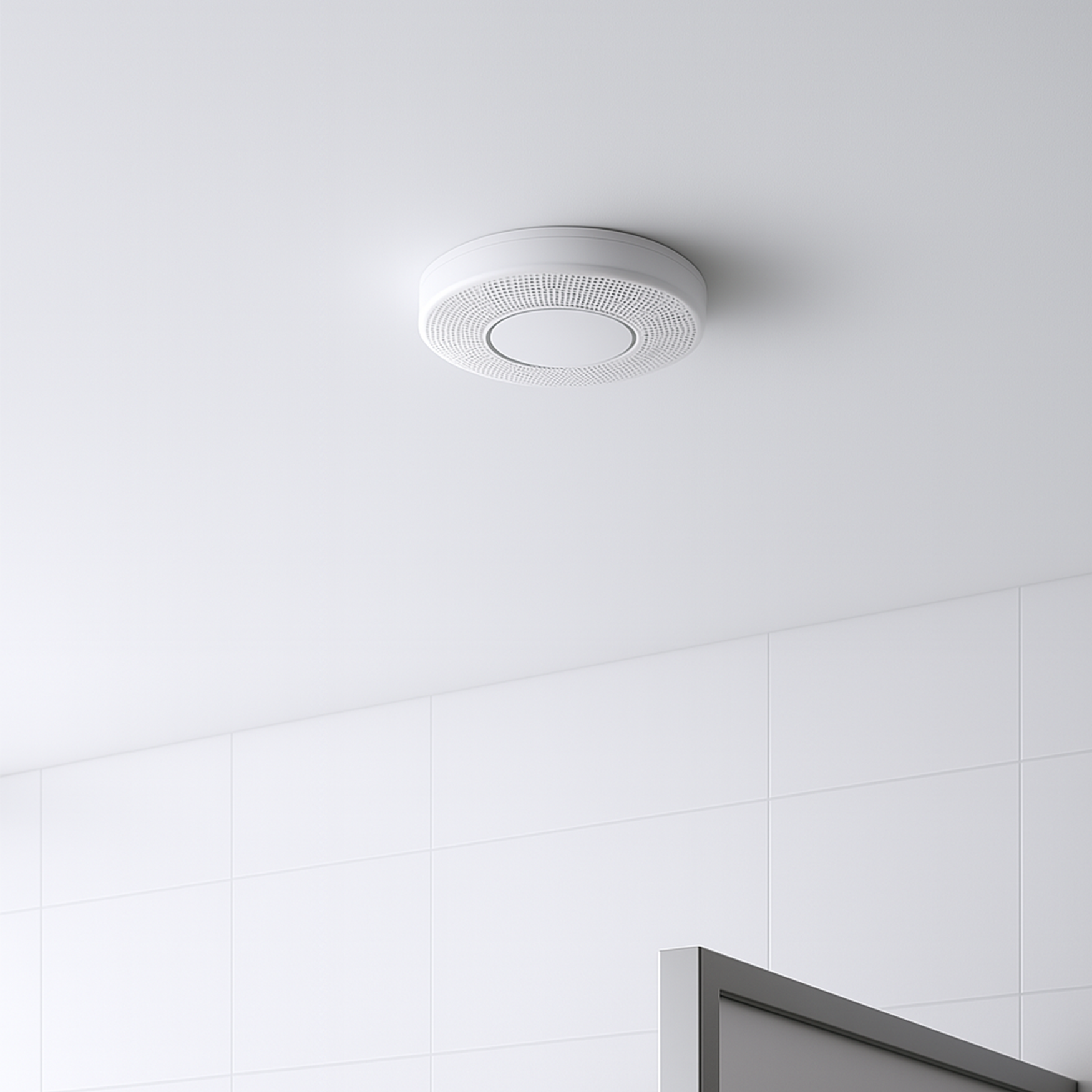
An office bathroom vape detector represents a significant advancement in workplace environmental monitoring. Unlike traditional smoke detectors that respond to combustion particles, these specialised sensors identify the unique chemical signatures present in electronic cigarette aerosols. The technology relies on sophisticated air quality monitoring systems that can distinguish between various airborne substances, including propylene glycol, vegetable glycerin, and nicotine vapour.
Modern detection systems utilise multiple sensor arrays working simultaneously. Particulate matter sensors measure the concentration of fine particles in the air, whilst chemical sensors identify specific compounds associated with vaping products. This dual approach minimises false alarms whilst maintaining high detection accuracy.
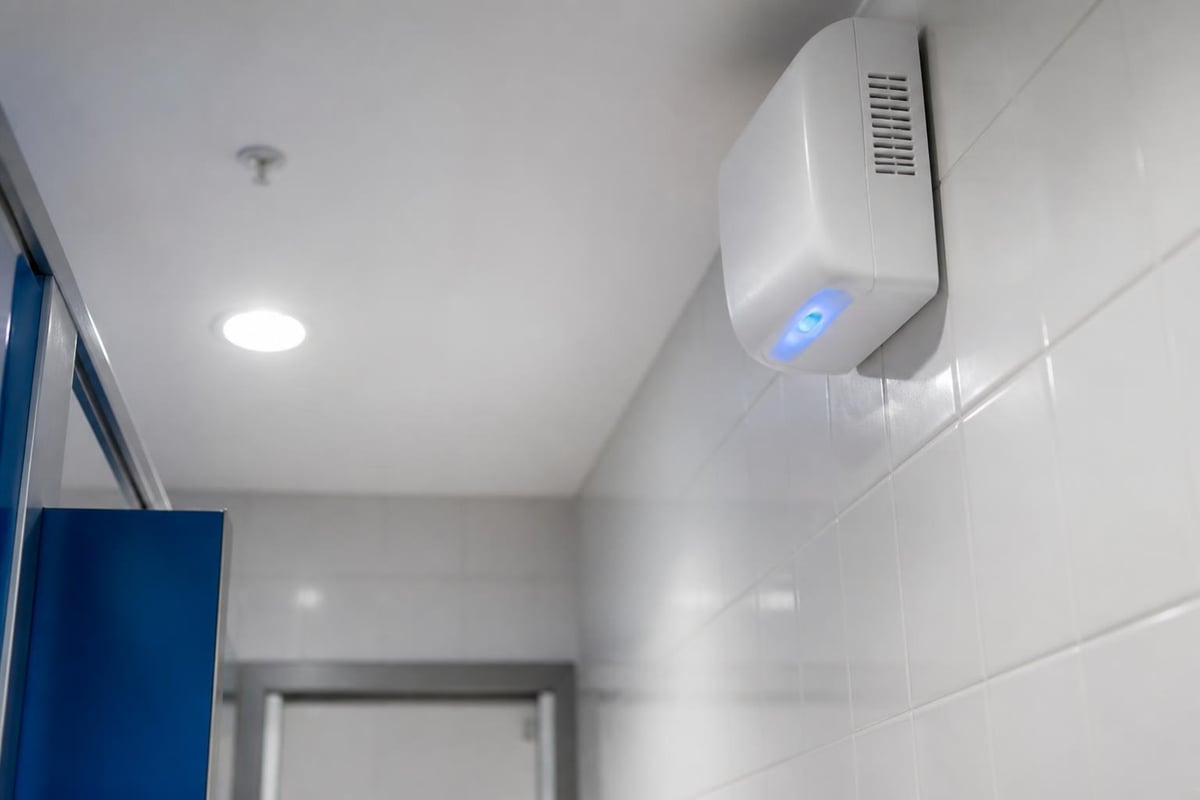
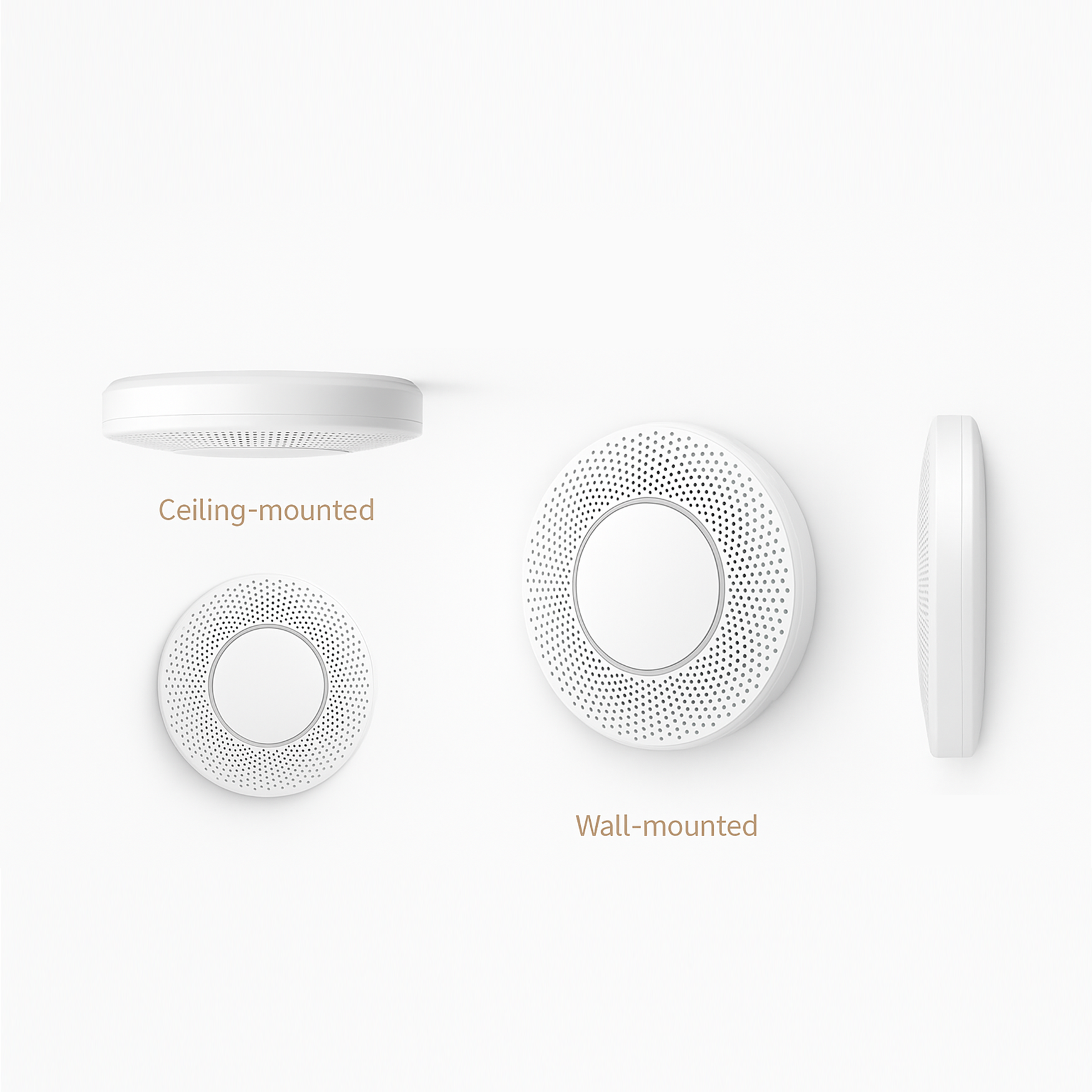
The placement of an office bathroom vape detector requires careful consideration of airflow patterns and building ventilation systems. According to research on building ventilation monitoring, understanding air circulation patterns significantly impacts sensor effectiveness. Bathrooms present unique challenges due to exhaust fans and varying humidity levels, making proper installation critical for optimal performance.
How Detection Systems Identify Vaping Activity
Modern vape detector technology operates through several detection mechanisms. Air quality sensors continuously monitor baseline conditions, creating a normal environmental profile. When someone vapes, the sudden introduction of vapour particles triggers multiple sensor responses simultaneously.
The detection process involves:
- Baseline air quality establishment
- Continuous particulate monitoring
- Chemical signature identification
- Alert threshold evaluation
- Real-time notification dispatch
These systems can differentiate between vaping aerosols and other common bathroom substances such as cleaning products, perfumes, or steam from hot water. The specificity prevents unnecessary disruptions whilst maintaining vigilant monitoring of actual vaping incidents.
Benefits of Installing Vape Detectors in Office Bathrooms
Implementing an office bathroom vape detector delivers multiple advantages for modern workplaces. Health protection stands as the primary benefit, as secondhand exposure to electronic cigarette aerosols poses documented health risks to employees. Even in bathrooms, vapour residue can affect air quality throughout connected ventilation systems.
Compliance support represents another crucial advantage. Many UK workplaces maintain smoke-free policies that include vaping products. Enforcement without detection technology relies heavily on manual monitoring, which proves inconsistent and resource-intensive. Automated detection systems provide objective evidence of policy violations, supporting fair and consistent enforcement.
| Benefit Category | Impact on Workplace | Measurable Outcome |
|---|---|---|
| Health & Safety | Reduced aerosol exposure | Improved air quality metrics |
| Policy Enforcement | Consistent compliance | Documented violation reduction |
| Employee Productivity | Fewer extended bathroom breaks | Time management improvement |
| Legal Protection | Documented safety measures | Reduced liability exposure |
Deterrence proves equally valuable. The visible presence of an office bathroom vape detector, often accompanied by clear signage, discourages employees from attempting to vape in prohibited areas. This preventative effect reduces actual incidents before they occur, creating a culture of compliance rather than constant enforcement.
The technology also supports broader workplace wellness initiatives. Businesses investing in office vaping detection solutions demonstrate commitment to employee health, which can positively influence workplace culture and employee satisfaction scores.
Privacy Considerations and Employee Rights
Whilst implementing detection systems, organisations must balance safety objectives with employee privacy expectations. An office bathroom vape detector monitors air quality, not visual or audio information, which distinguishes it from more invasive surveillance technologies.
Transparent communication remains essential. Employees should receive clear information about:
- The presence and location of detection devices
- What the systems monitor and detect
- How alerts are handled and reviewed
- The purpose behind implementation
- Privacy protections in place
Most modern systems focus solely on environmental conditions. They cannot identify individuals, record conversations, or capture images. This limited scope helps organisations maintain safety standards whilst respecting reasonable privacy expectations in bathroom facilities.

Selecting the Right Detection System for Your Office
Choosing an appropriate office bathroom vape detector requires evaluating several technical and operational factors. Sensor sensitivity determines how effectively the device identifies vaping incidents whilst avoiding false positives. High-quality systems adjust sensitivity based on environmental baselines, accounting for normal variations in air quality.
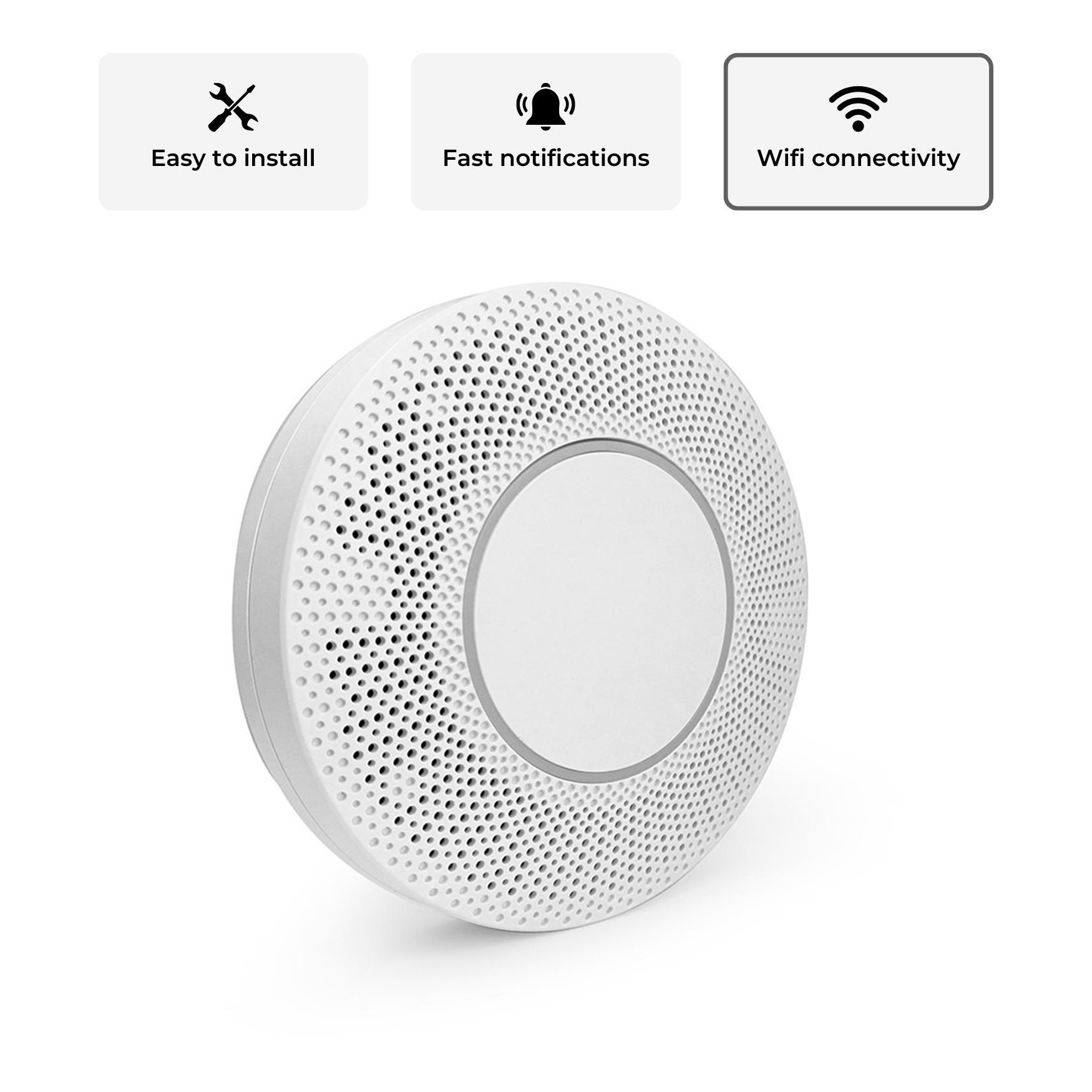
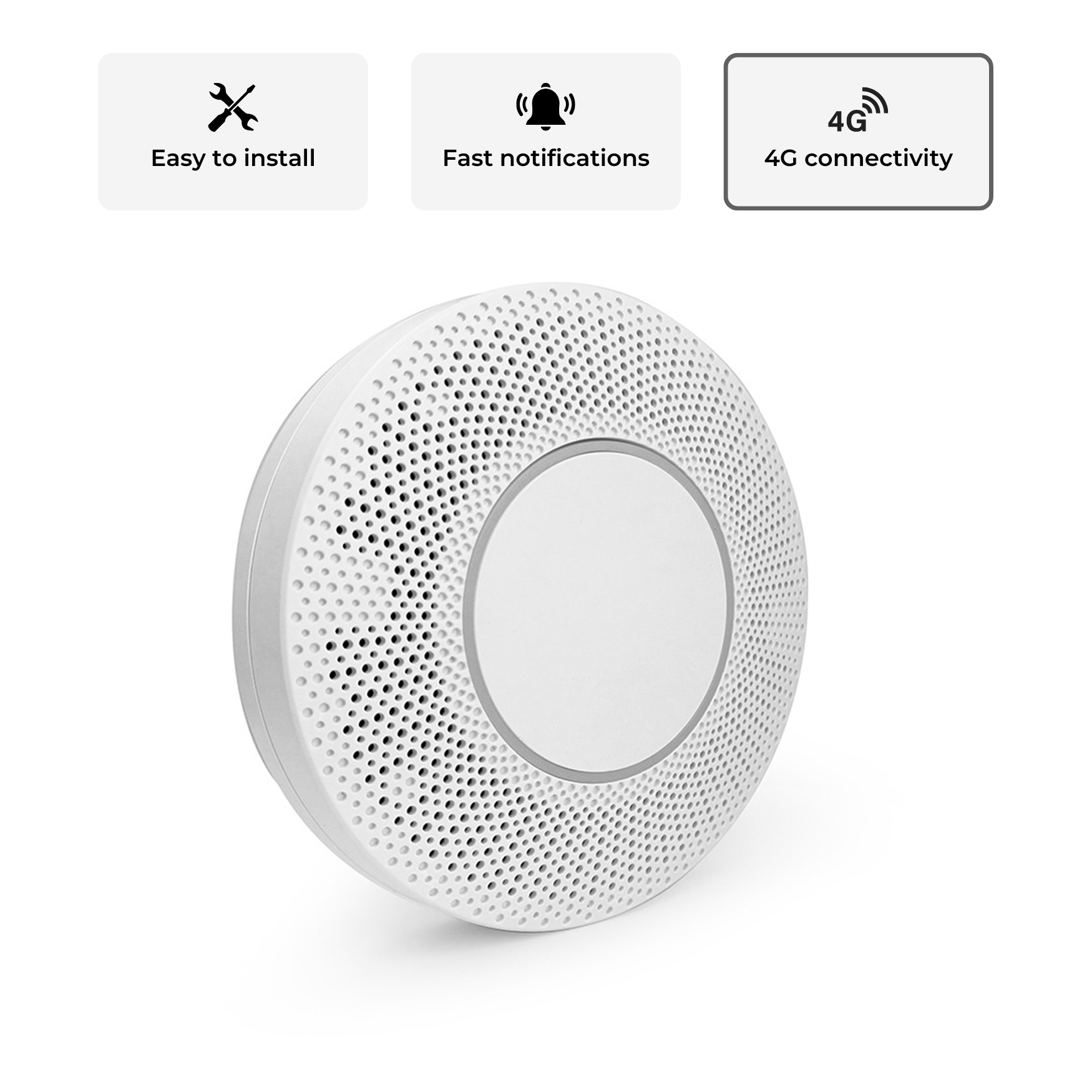
Connectivity options vary between models. Hardwired systems integrate with building management platforms, whilst wireless models offer flexible installation without extensive electrical work. Cloud-based monitoring enables remote access to alerts and data analytics, supporting facilities teams managing multiple locations.
Key Features to Evaluate
When assessing detection systems, consider these essential capabilities:
- Real-time alert notifications via multiple channels
- Tamper detection and physical security features
- Environmental data logging and reporting
- Integration with existing security systems
- Battery backup for continuous operation
- Maintenance alert functionality
The Vape Detection System from Vape Guardian exemplifies comprehensive monitoring solutions, offering not just vape detection but also identification of other concerning behaviours and air quality issues. These multi-function capabilities provide greater value than single-purpose devices, particularly for organisations seeking holistic environmental monitoring.

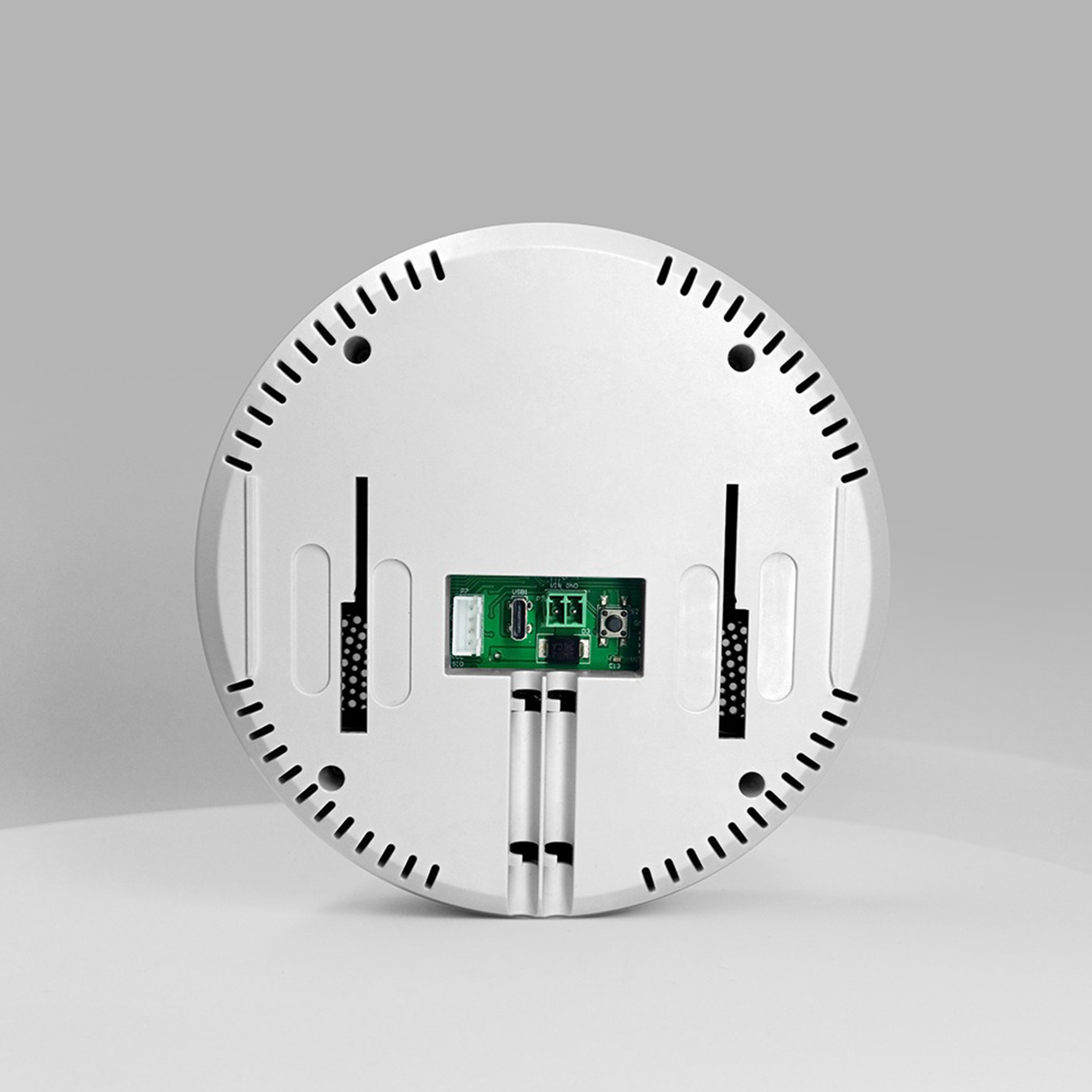
Installation requirements influence total implementation costs. Some systems require professional installation with electrical and network integration, whilst others support straightforward mounting with minimal technical expertise. Understanding your facility's infrastructure capabilities helps narrow suitable options.
| System Type | Installation Complexity | Connectivity | Ideal Environment |
|---|---|---|---|
| Hardwired | High | Ethernet/PoE | New construction or renovation |
| Wireless Wi-Fi | Medium | Wi-Fi network | Existing buildings with coverage |
| Cellular | Low | 4G/5G network | Remote locations, poor Wi-Fi |
| Standalone | Low | Local alerts only | Small single-location facilities |
Implementation Strategies and Best Practices
Successful deployment of an office bathroom vape detector extends beyond simply installing hardware. Strategic planning begins with conducting a facility assessment to identify high-risk areas, evaluate existing infrastructure, and determine optimal sensor placement locations.
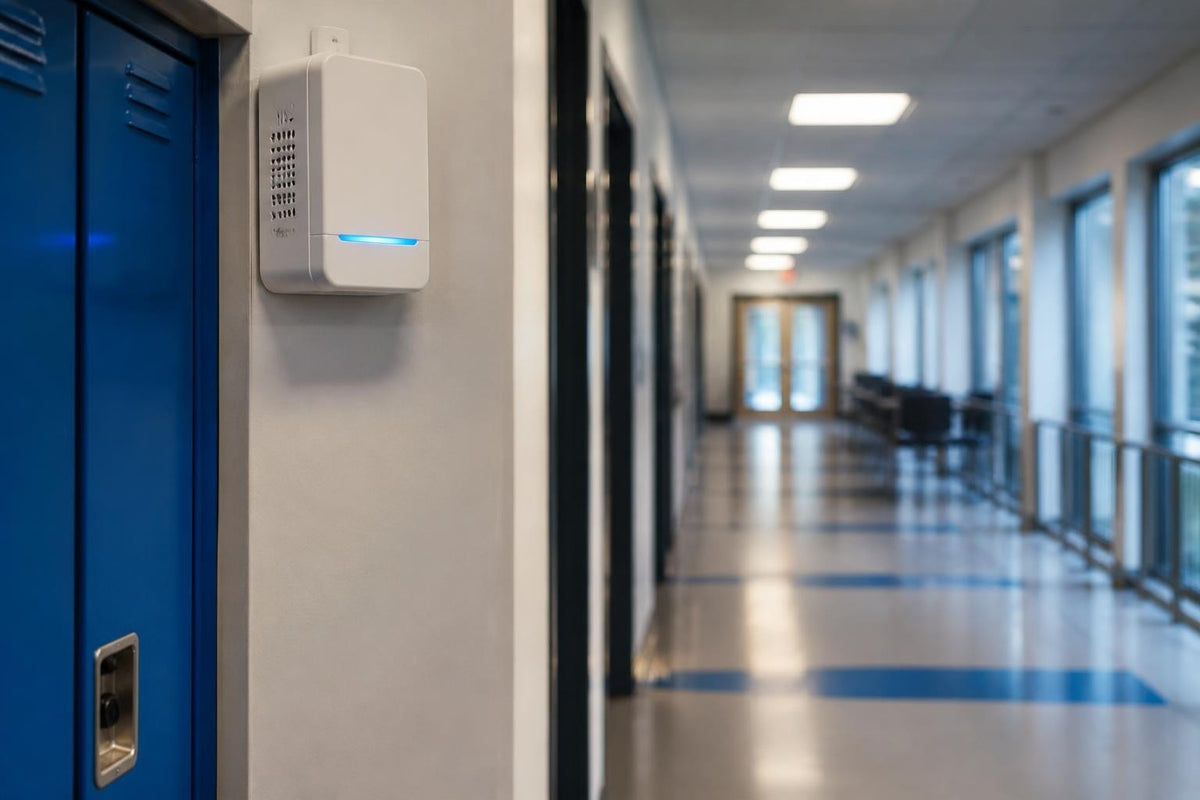
The challenges of bathroom vape detector implementation documented in educational settings provide valuable lessons for workplace applications. Whilst students may attempt to circumvent detection, workplace environments typically face different challenges, including employee resistance to perceived surveillance and technical integration complexities.
Developing a Comprehensive Implementation Plan
Effective rollout requires coordinated steps across multiple organisational functions:
- Stakeholder engagement involving HR, facilities, IT, and legal teams
- Policy review and updates ensuring written policies reflect technological enforcement
- Technology assessment evaluating system options against operational requirements
- Pilot programme testing systems in representative locations before full deployment
- Staff communication explaining the purpose, function, and expectations clearly
- Installation and commissioning ensuring proper setup and calibration
- Ongoing monitoring and refinement adjusting settings based on actual performance
Change management proves particularly important. Employees may perceive an office bathroom vape detector as intrusive or punitive. Framing implementation around health, safety, and creating a pleasant environment for all employees helps build acceptance and support.
Documentation supports consistent enforcement. Establishing clear protocols for handling vaping alerts ensures all incidents receive appropriate, fair responses. This consistency protects both employees and the organisation from claims of discriminatory enforcement.
Technical Specifications and Performance Metrics
Understanding the technical capabilities of an office bathroom vape detector helps organisations set realistic expectations and measure system effectiveness. Detection accuracy represents the most critical specification, typically expressed as both sensitivity (true positive rate) and specificity (avoiding false positives).
Quality systems achieve detection rates exceeding 95% for vaping incidents whilst maintaining false positive rates below 5%. Studies on vape detector effectiveness confirm that properly configured systems deliver reliable performance when matched to their operating environment.
Response time determines how quickly alerts reach designated personnel following detection. Modern systems typically alert within seconds of incident detection, enabling prompt response when appropriate. However, organisations must balance rapid notification with reasonable response protocols that respect employee privacy.
Environmental Operating Parameters
An office bathroom vape detector must function reliably across varying environmental conditions:
- Temperature range: 0°C to 50°C
- Humidity tolerance: 10% to 95% non-condensing
- Air pressure: standard atmospheric variations
- Particulate background: typical office environment levels
Bathroom environments present unique challenges including steam from hot water, cleaning product aerosols, and higher humidity levels. Quality detection systems account for these factors through adaptive baseline adjustment and multi-sensor verification before triggering alerts.
Calibration and maintenance ensure continued accuracy over time. Most systems require minimal routine maintenance, typically involving periodic filter cleaning and annual calibration verification. Understanding these requirements during system selection prevents operational disruptions and maintains detection reliability.
Integration with Workplace Safety Programmes
An office bathroom vape detector functions most effectively as part of comprehensive workplace safety initiatives rather than as an isolated enforcement tool. Integration with existing safety programmes demonstrates organisational commitment to holistic employee wellbeing.
Air quality monitoring extends beyond vaping detection. Many modern systems simultaneously track temperature, humidity, carbon dioxide levels, and volatile organic compounds. This comprehensive environmental monitoring supports broader indoor air quality objectives, particularly relevant given increased awareness of workplace environmental health following recent global health events.
Connecting detection systems with wellness programmes creates positive reinforcement opportunities. Rather than focusing solely on policy violations, organisations can use environmental data to demonstrate improvements in workplace air quality and celebrate milestones in creating healthier office environments.
Data Analytics and Continuous Improvement
The data generated by an office bathroom vape detector provides valuable insights for facilities management and workplace policy development. Trend analysis reveals patterns in incident timing, frequency, and location distribution that inform targeted interventions.
Common analytical applications include:
- Identifying peak incident times for targeted education
- Comparing incident rates across different office locations
- Measuring policy effectiveness through longitudinal data
- Correlating environmental conditions with detection patterns
- Supporting budget justification with quantified safety improvements
Regular reporting to leadership demonstrates the value of safety technology investments whilst maintaining employee privacy through aggregated, anonymised data presentation. These insights support evidence-based decision making for workplace policy and facility management.
Cost Considerations and Return on Investment
Implementing an office bathroom vape detector involves both initial capital expenditure and ongoing operational costs. Hardware costs vary significantly based on system sophistication, with basic units starting around £200 and comprehensive multi-function systems ranging up to £1,000 or more per unit.
Installation expenses depend on system type and facility infrastructure. Simple wireless units may require only mounting hardware and basic configuration, whilst integrated systems could necessitate electrical work, network infrastructure, and professional commissioning services.
| Cost Category | Low Range | High Range | Notes |
|---|---|---|---|
| Hardware per unit | £200 | £1,000+ | Features and capabilities vary |
| Installation per unit | £50 | £500 | Depends on infrastructure needs |
| Annual monitoring service | £0 | £200 | Cloud platforms may charge fees |
| Maintenance per unit | £25 | £100 | Annual calibration and upkeep |
Return on investment calculations should consider both quantifiable savings and intangible benefits. Reduced cleaning costs from vaping residue, decreased HVAC maintenance from particulate buildup, and lower health insurance claims potentially offset technology investments over time.
Risk mitigation value proves harder to quantify but remains significant. Organisations with documented safety measures face reduced liability exposure in workplace injury or illness claims. The relatively modest cost of an office bathroom vape detector provides substantial protection against potentially expensive legal challenges.
Addressing Common Implementation Challenges
Organisations deploying an office bathroom vape detector frequently encounter predictable obstacles. Technical integration challenges arise when connecting new systems with legacy building management platforms or limited network infrastructure in older facilities.
Employee resistance represents another common hurdle. Some staff members may view detection technology as excessive monitoring or question whether bathroom environments warrant such scrutiny. Addressing these concerns requires clear communication emphasising health protection rather than surveillance.
The practical considerations for bathroom vape detection extend beyond educational settings to workplace applications. Successful implementation depends on understanding these challenges proactively and developing mitigation strategies before deployment.
Troubleshooting False Alarms and System Adjustments
Even quality systems occasionally generate false positives, particularly during initial deployment. Environmental learning periods allow sensors to establish accurate baselines for specific locations. During this phase, temporarily elevated false alarm rates may occur as systems calibrate to local conditions.
Common false alarm triggers include:
- Heavy application of perfume or cologne
- Aerosol cleaning products
- Steam from hot showers
- Air freshener sprays
- Certain personal care products
Addressing persistent false alarms requires systematic investigation. Review alert logs to identify patterns, adjust sensitivity settings appropriately, and ensure proper sensor placement away from direct spray zones or ventilation outputs. Most systems allow customised sensitivity profiles for different locations, accommodating varying environmental characteristics.
User training for personnel receiving alerts reduces response errors and inappropriate reactions. Clear protocols distinguishing between confirmed incidents requiring intervention and potential false alarms needing verification prevent unnecessary confrontations and maintain workplace harmony.
Future Developments in Vape Detection Technology
The trajectory of office bathroom vape detector technology points toward increased sophistication and integration capabilities. Artificial intelligence and machine learning algorithms promise enhanced detection accuracy through improved pattern recognition and adaptive learning from historical data.
Multi-hazard detection represents another emerging trend. Future systems will likely identify not only vaping but also other air quality concerns, security threats, and maintenance issues through single integrated platforms. This consolidation provides greater value whilst reducing device proliferation and management complexity.
Miniaturisation continues advancing, enabling more discreet installations that maintain effectiveness whilst reducing visual impact. Improved battery technology supports longer operational periods for wireless units, decreasing maintenance requirements and increasing deployment flexibility.
Evolving Regulatory Landscape
Workplace vaping regulations continue developing across different jurisdictions. UK organisations must monitor evolving compliance requirements affecting indoor air quality standards and vaping policies. An office bathroom vape detector helps businesses stay ahead of regulatory changes by establishing robust monitoring infrastructure adaptable to new requirements.
The technology supporting these systems will increasingly emphasise data privacy and security. Enhanced encryption, local processing capabilities, and privacy-by-design principles will address growing concerns about workplace monitoring whilst maintaining effective safety oversight.
Integration with broader smart building initiatives positions vape detection as one component within comprehensive environmental management systems. This holistic approach optimises building operations, enhances occupant comfort, and supports sustainability objectives alongside safety goals.
Implementing an office bathroom vape detector represents a proactive approach to workplace health, safety, and policy enforcement in 2026. The technology delivers measurable benefits through improved air quality, consistent policy compliance, and comprehensive environmental monitoring. For organisations seeking reliable, sophisticated detection solutions backed by dedicated support, Vape Guardian offers advanced systems designed specifically for UK workplaces, combining cutting-edge sensor technology with practical implementation support to create safer, healthier office environments.


Share:
School Vape Detectors: A Complete Guide for 2026
Commercial Bathroom Vape Detector Guide 2026