
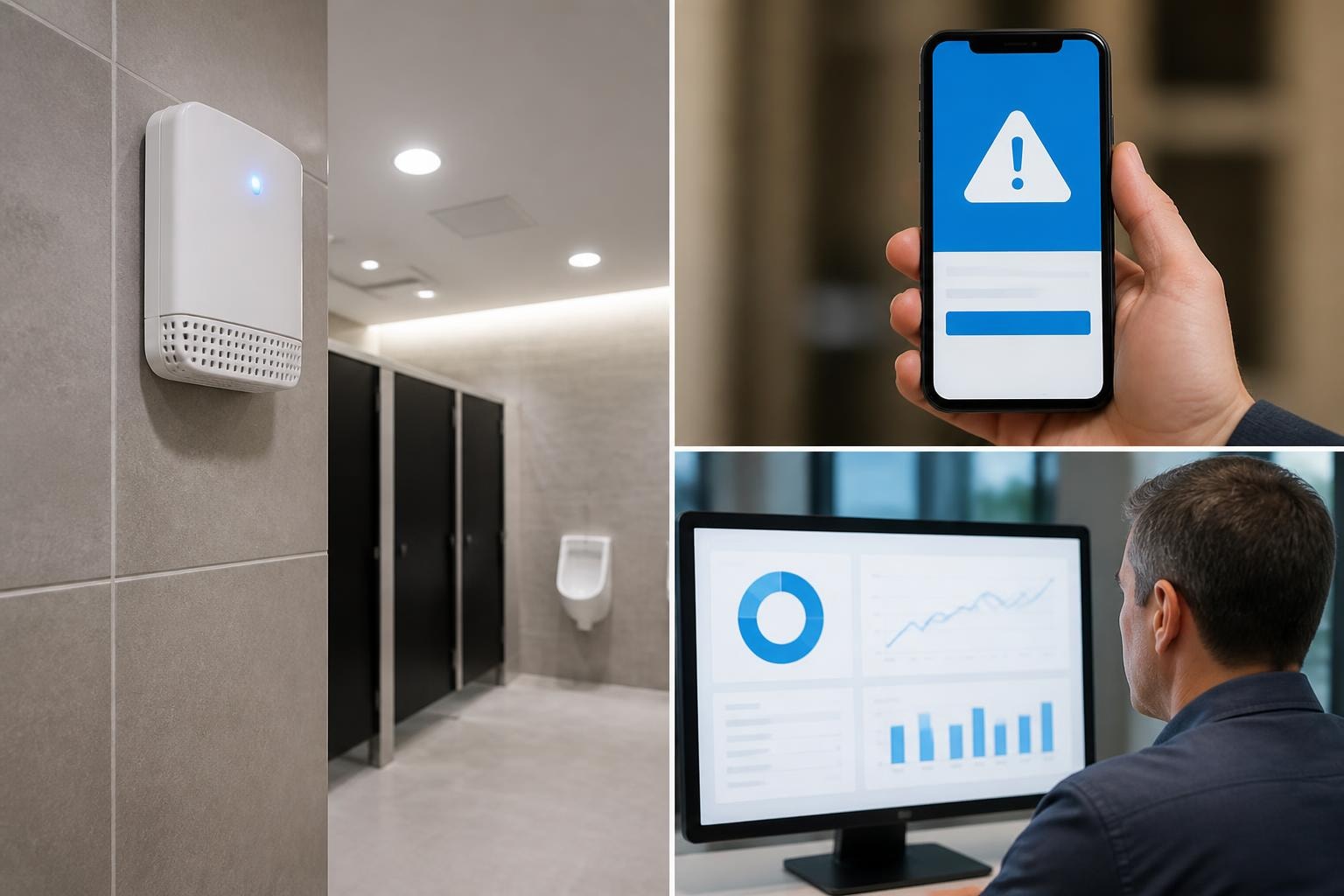
The need for effective vaping detection in commercial bathrooms has become increasingly critical as vaping devices continue to evolve and their use expands across public and private facilities. A commercial bathroom vape detector serves as a sophisticated monitoring solution designed to identify vaping activity, maintain air quality standards, and support compliance efforts in environments where traditional surveillance methods cannot be deployed. These devices protect businesses, educational institutions, healthcare facilities, and leisure venues from the health risks and regulatory challenges associated with unauthorised vaping.
Understanding Commercial Bathroom Vape Detection Technology
A commercial bathroom vape detector operates through advanced sensor arrays that identify specific chemical compounds and particulates released during vaping activities. Unlike traditional smoke detectors that respond primarily to combustion byproducts, these specialised devices recognise the unique aerosol signatures created by electronic cigarettes and vaping devices.
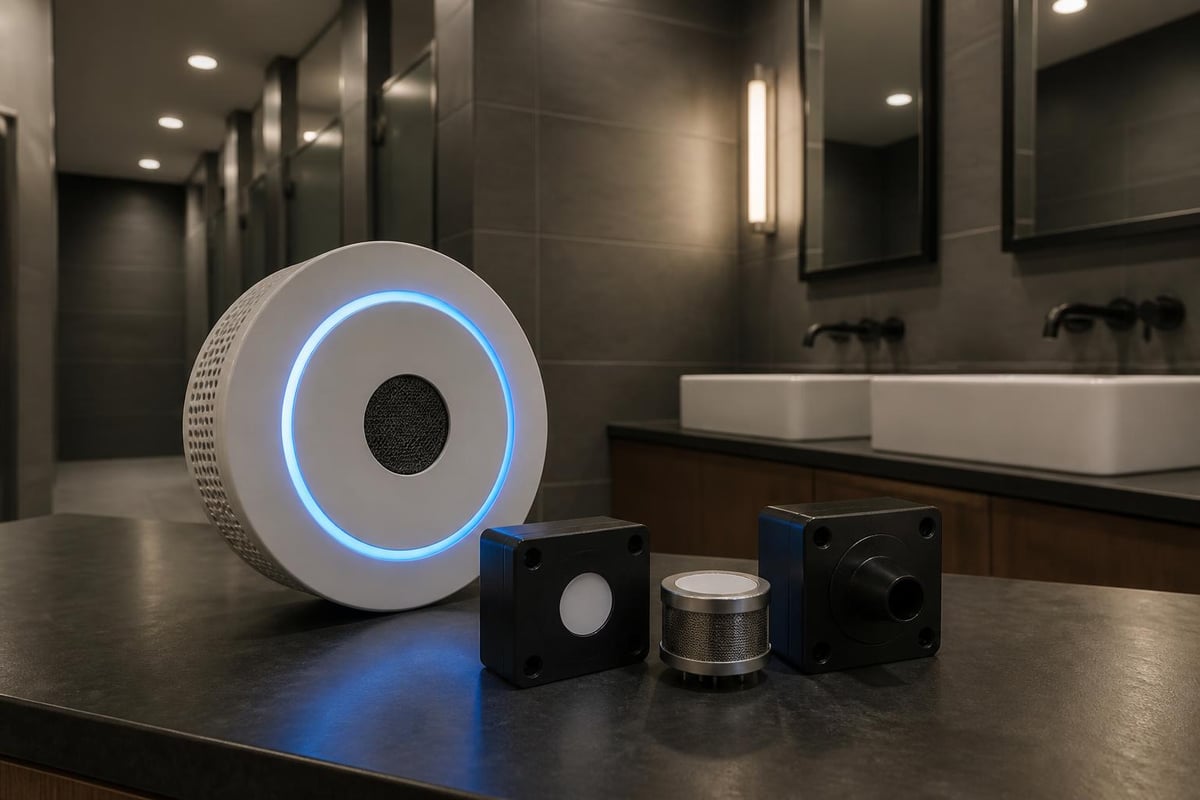
Modern detection systems employ multiple sensing technologies working in concert. Chemical sensors identify propylene glycol, vegetable glycerin, and nicotine particles commonly found in vape aerosols. Particulate matter sensors measure the concentration and size distribution of airborne particles that differ markedly from normal bathroom air quality. This multi-layered detection approach ensures accurate identification whilst minimising false alarms from legitimate bathroom activities such as steam from hot water or aerosol products.
Key Detection Mechanisms
The technology behind a commercial bathroom vape detector combines several detection methods:
- Chemical compound analysis for identifying vape-specific substances
- Particulate matter measurement tracking aerosol concentrations
- Air quality indexing monitoring overall environmental changes
- Sound level detection identifying unusual activity patterns
- Temperature and humidity tracking establishing baseline conditions
These sensors work together to create a comprehensive monitoring environment that distinguishes vaping from normal bathroom use. The sophisticated algorithms process data from multiple inputs simultaneously, reducing false positives whilst maintaining high sensitivity to actual vaping events.
Installation Considerations for Commercial Environments
Proper placement of a commercial bathroom vape detector significantly impacts detection accuracy and system effectiveness. Facilities managers must consider airflow patterns, room dimensions, and typical usage patterns when determining optimal installation locations.
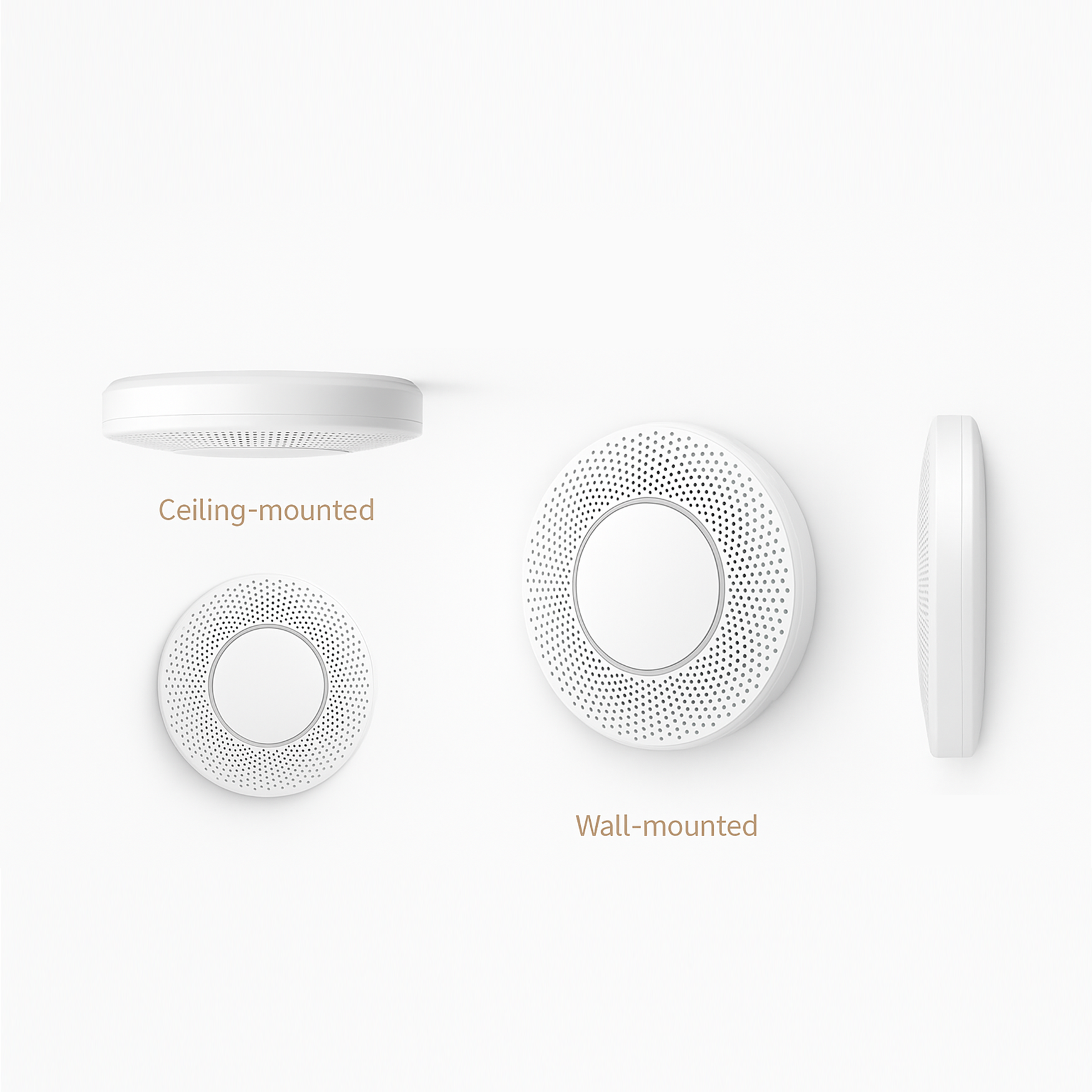
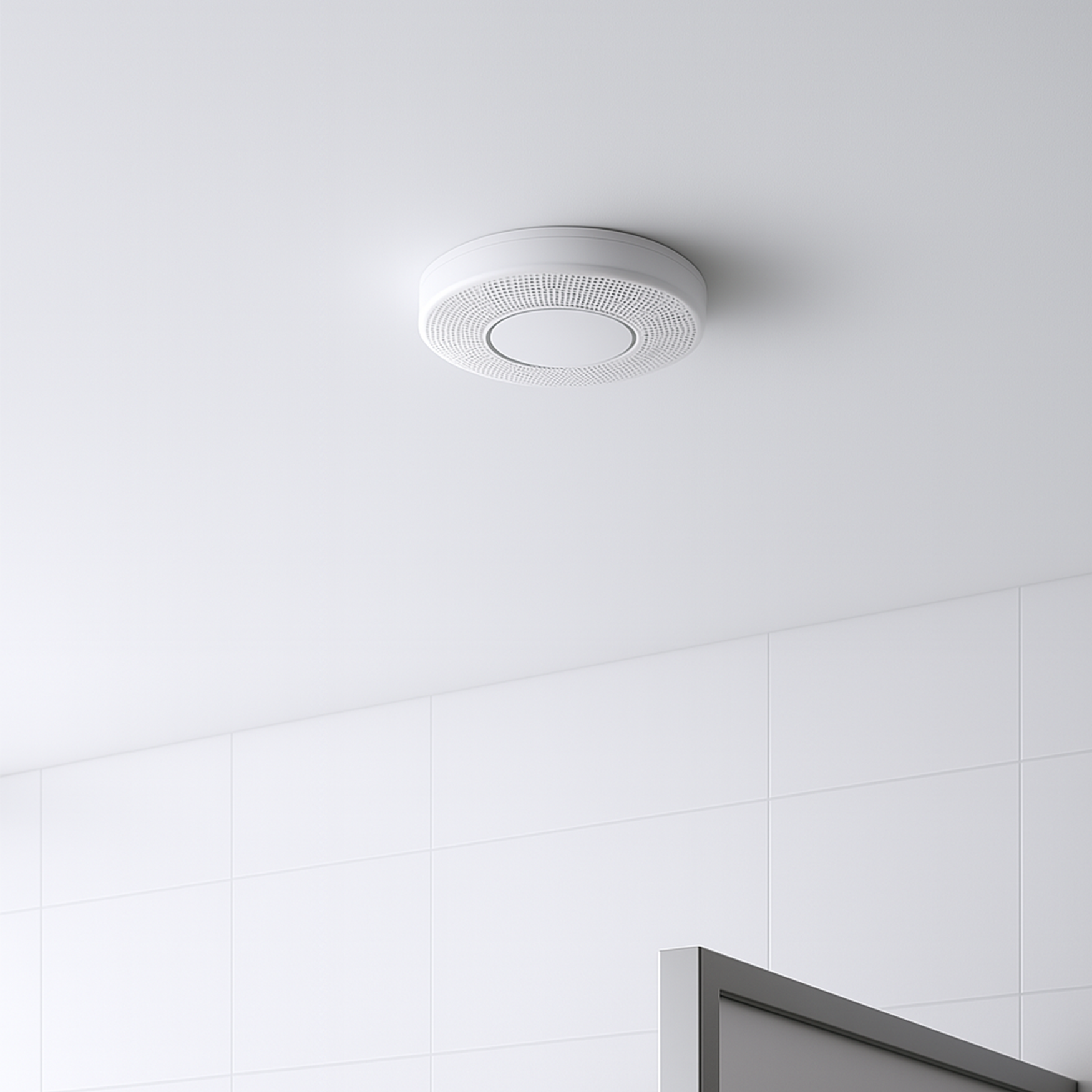
Ceiling-mounted configurations typically provide the best coverage, as vape aerosols rise and disperse throughout the space. Strategic positioning ensures sensors capture aerosol particles before they dissipate or exit through ventilation systems. In larger commercial bathrooms, multiple detectors may be necessary to provide comprehensive coverage and eliminate blind spots where vaping could go undetected.
Installation Best Practices
| Consideration | Recommendation | Rationale |
|---|---|---|
| Mounting Height | 2.4 to 3 metres | Optimal aerosol capture zone |
| Distance from Vents | Minimum 1.5 metres | Prevents premature aerosol dispersal |
| Coverage Area | One detector per 30-40 square metres | Ensures comprehensive monitoring |
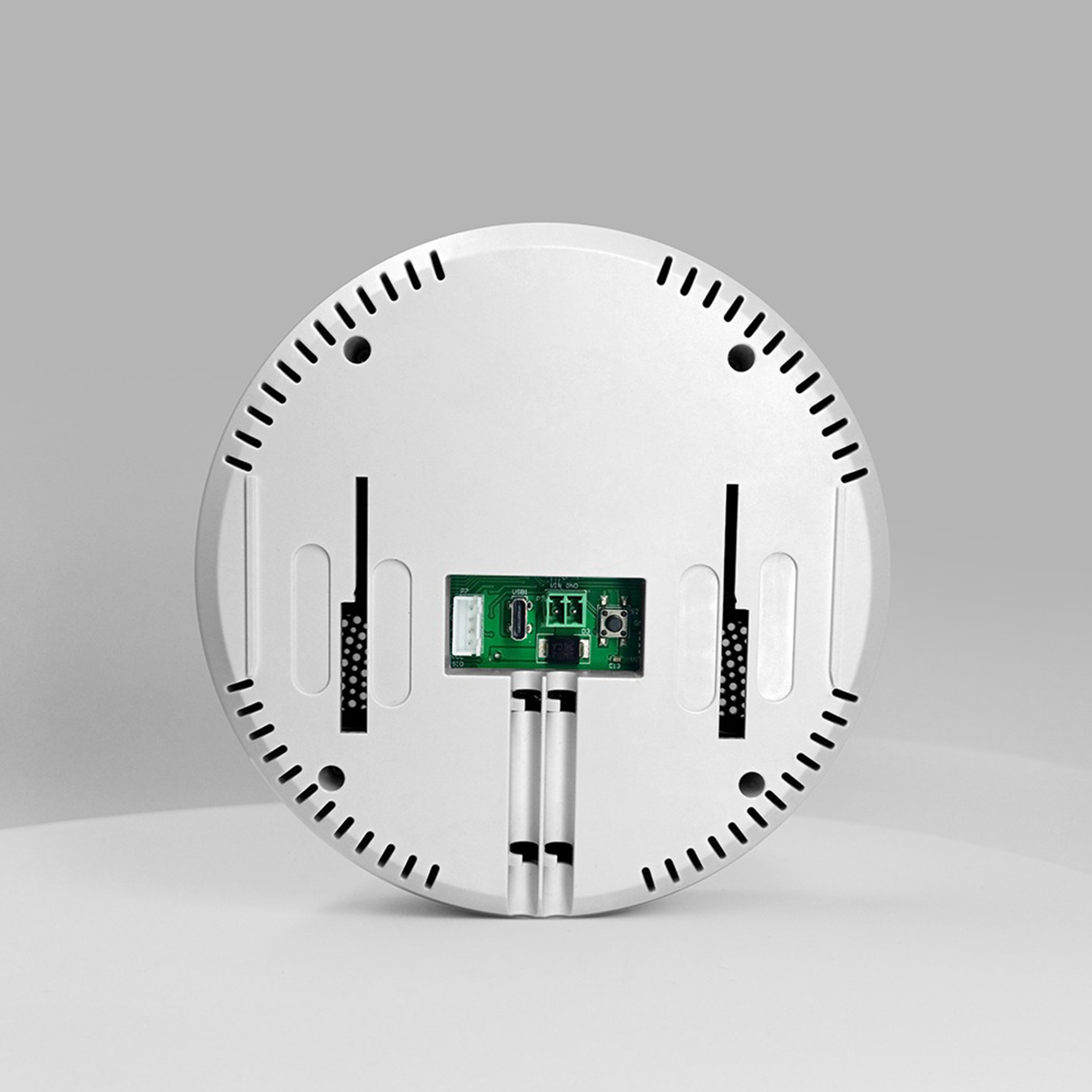
| Power Source | Hardwired with battery backup | Maintains continuous operation |
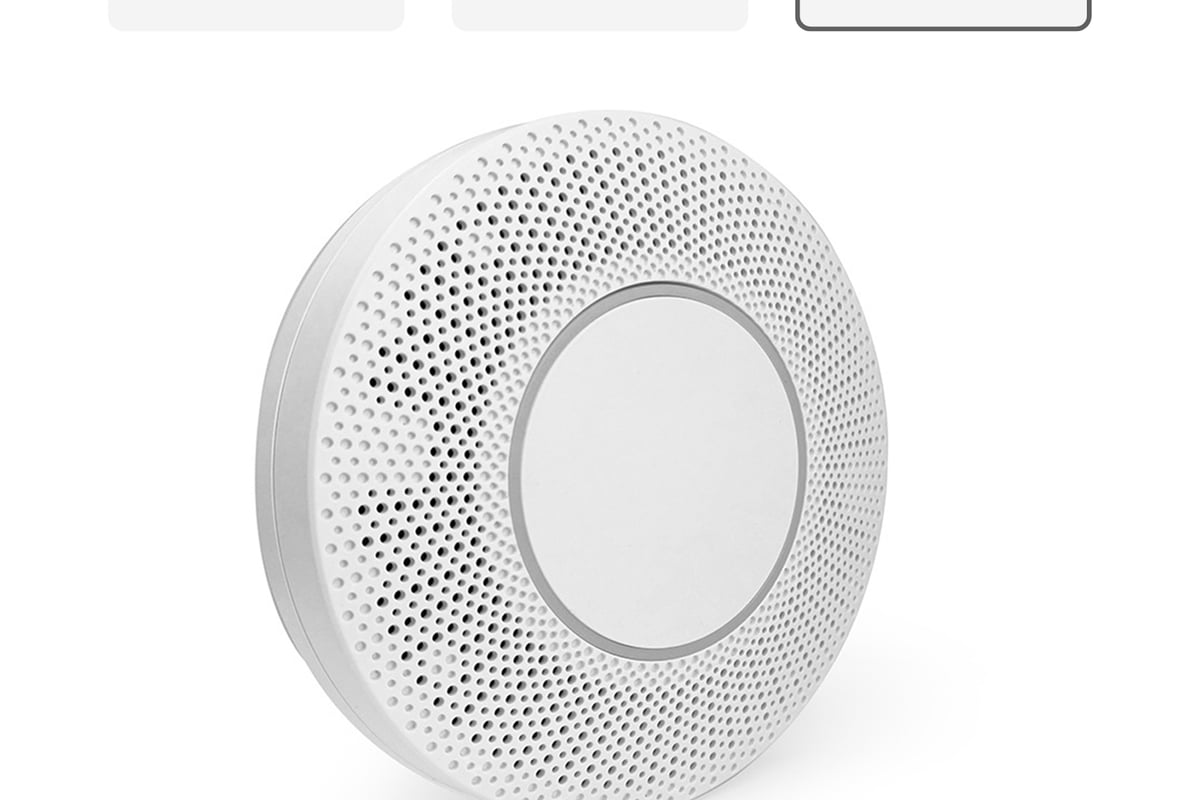
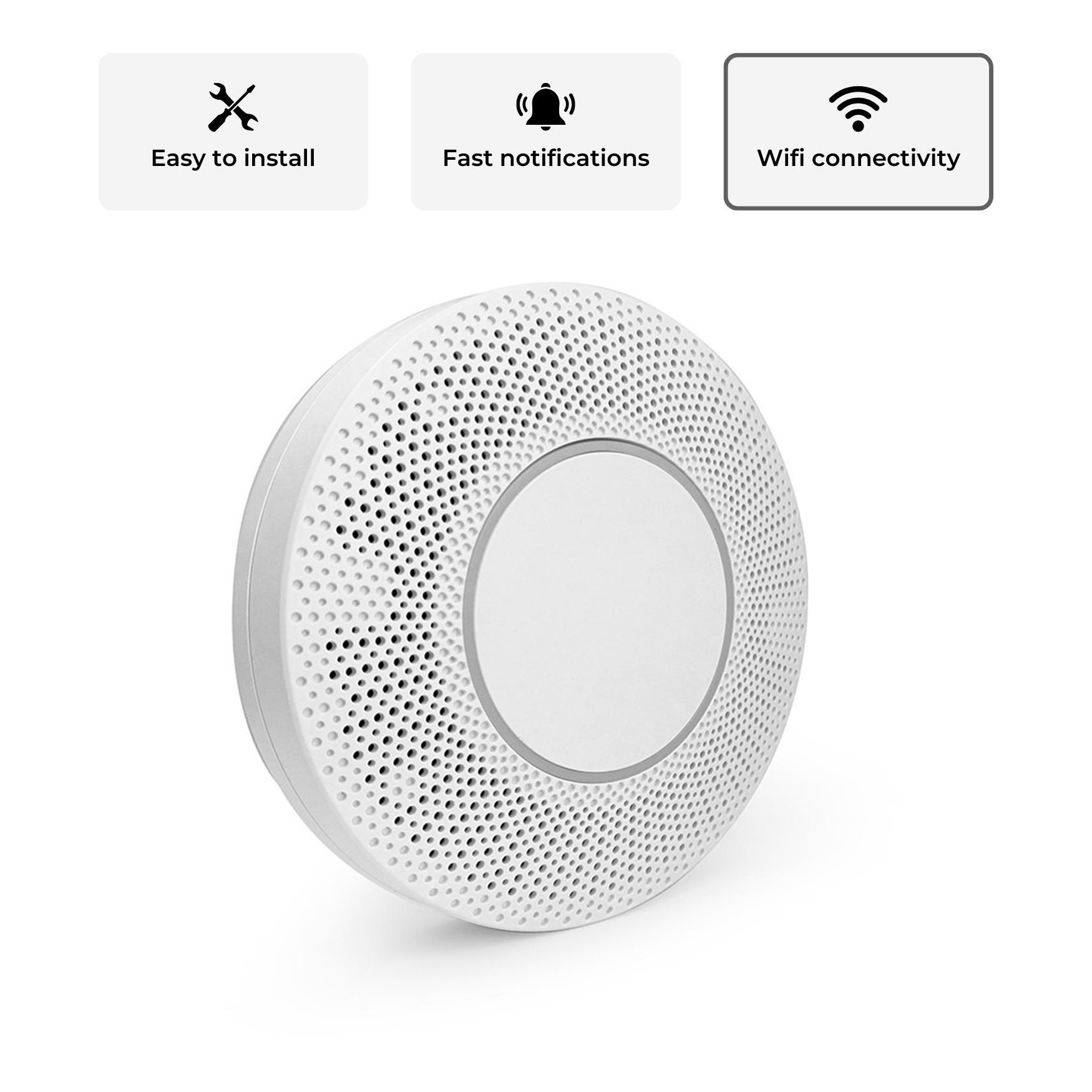
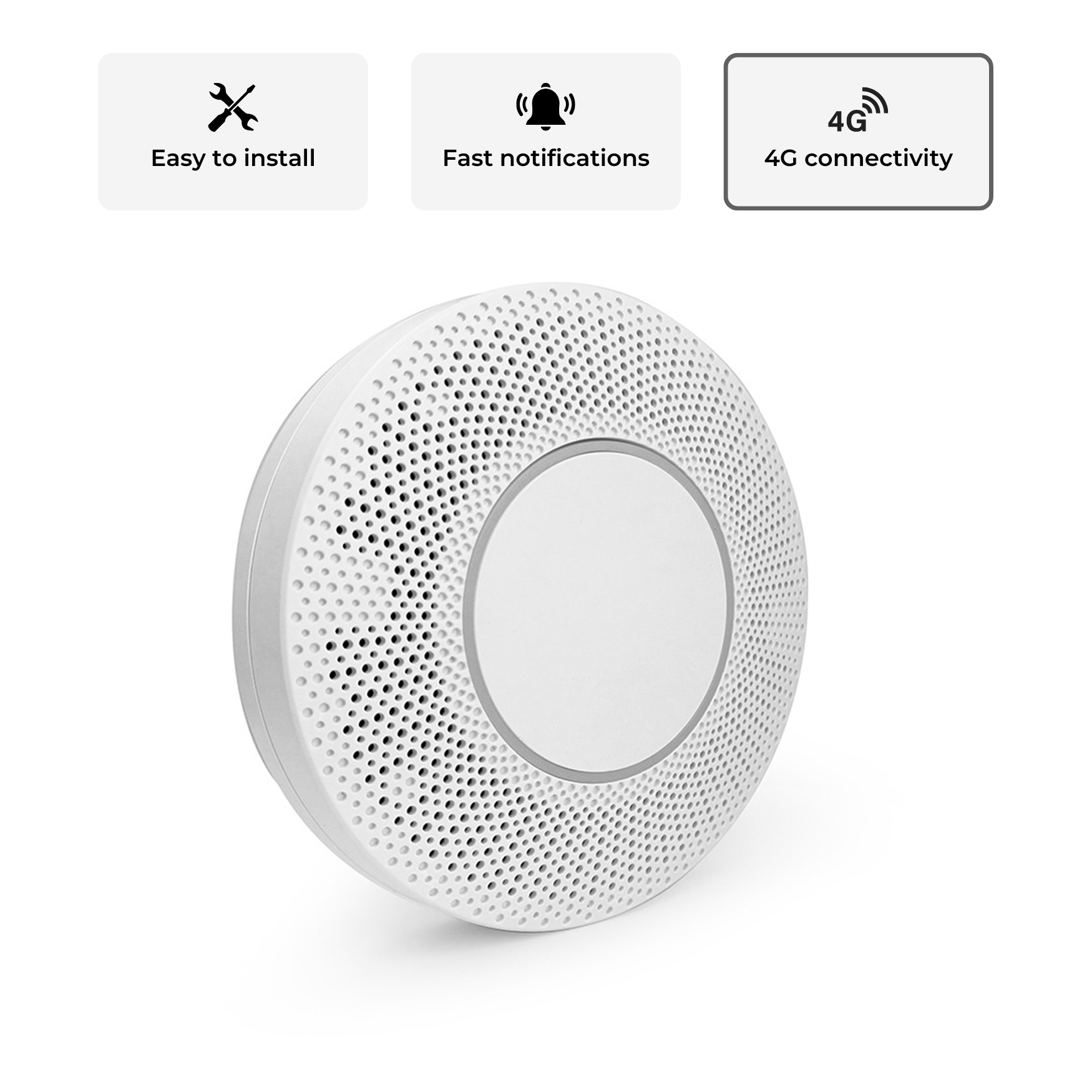
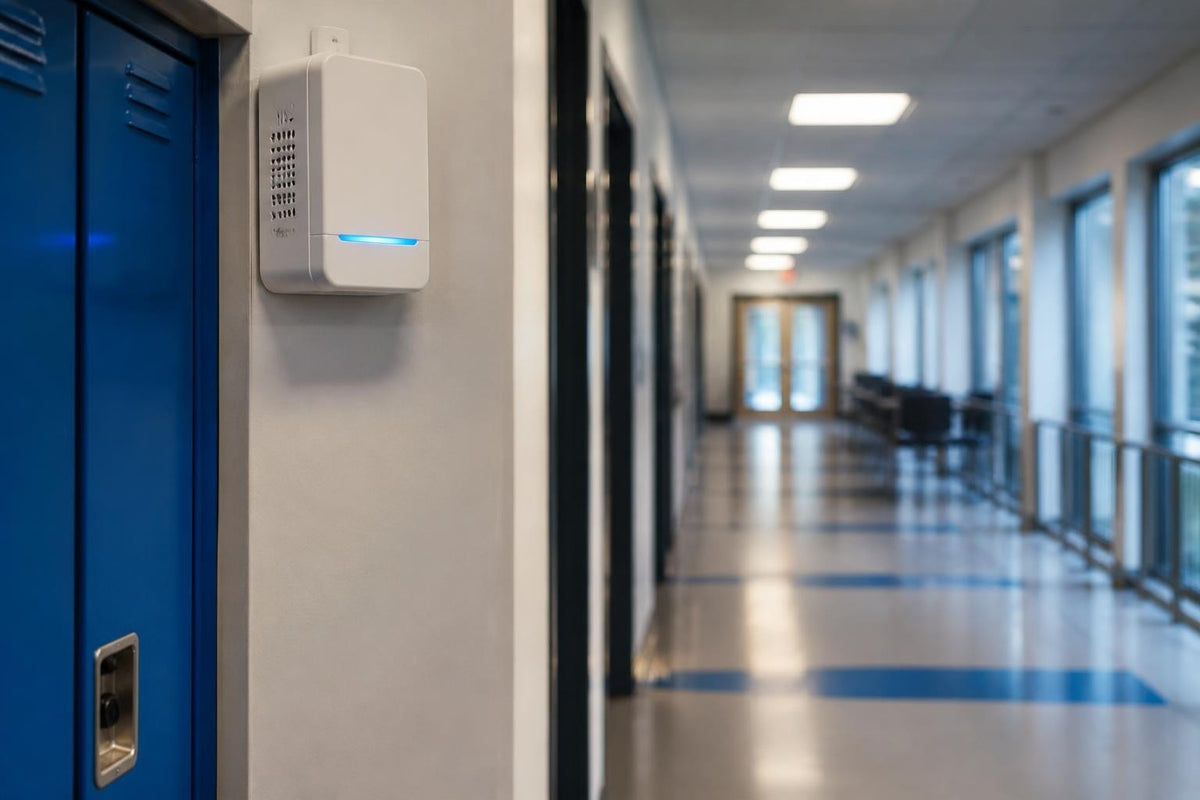
The physical appearance of detectors also matters in commercial settings. Discreet designs that blend with existing infrastructure reduce tampering attempts whilst maintaining monitoring effectiveness. Many modern units resemble standard smoke detectors or air quality monitors, making them less conspicuous to potential violators.
Real-Time Alerting and Response Systems
A commercial bathroom vape detector becomes truly valuable through its integrated alerting capabilities. When vaping activity is detected, the system must notify appropriate personnel immediately to enable swift intervention and documentation.
Modern detection platforms offer multiple notification channels. SMS alerts reach designated staff members regardless of location. Email notifications provide detailed incident reports including timestamp, location, and detection confidence levels. Push notifications through dedicated mobile applications enable instant awareness and response coordination.
The Vape Detection System exemplifies this integrated approach, combining hardware detection capabilities with sophisticated software that enables facility managers to monitor multiple locations simultaneously, review historical data, and generate compliance reports.
Response Protocol Development
Establishing clear response procedures maximises the effectiveness of detection technology:
- Immediate notification reaches designated response personnel
- Location identification directs responders to specific facilities
- Incident documentation captures time, date, and detection parameters
- Follow-up action implements appropriate disciplinary or educational measures
- Pattern analysis identifies recurring issues requiring systemic intervention
These protocols ensure consistent handling of vaping incidents whilst supporting broader compliance and education efforts. Documentation capabilities prove particularly valuable for educational institutions managing student behaviour and businesses maintaining workplace policies.
Applications Across Commercial Sectors
The versatility of a commercial bathroom vape detector makes it suitable for diverse commercial environments, each with unique requirements and regulatory considerations.
Educational Institutions
Schools and universities face particular challenges with student vaping. Bathrooms represent common locations for prohibited activities, yet privacy concerns prevent traditional video surveillance. Detection technology fills this gap, providing monitoring capabilities whilst respecting student privacy. Many institutions integrate detectors with existing security systems and student management platforms.
Solutions designed for educational environments often include additional features such as tamper detection, sound level monitoring for bullying prevention, and integration with school-wide alert systems.
Corporate Offices
Workplace vaping policies increasingly restrict indoor vaping to protect employee health and maintain professional environments. Office bathroom vape detectors support policy enforcement whilst demonstrating employer commitment to healthy workplace conditions. Integration with building management systems enables centralised monitoring across multi-floor facilities.
For businesses seeking comprehensive solutions, office-specific implementations often include air quality monitoring that extends beyond vaping detection to track overall environmental conditions affecting employee wellbeing and productivity.
Leisure and Retail Facilities
Shopping centres, entertainment venues, and hospitality facilities must balance customer experience with regulatory compliance. A commercial bathroom vape detector enables discreet monitoring that maintains facility standards without intrusive surveillance. These environments benefit from systems that distinguish between vaping and permitted activities whilst providing actionable intelligence to security teams.
Air Quality and Health Considerations
Beyond policy enforcement, a commercial bathroom vape detector serves important health protection functions. Research on aerosol generation in public restrooms highlights the potential for airborne transmission of various substances, underscoring the importance of monitoring air quality in these enclosed spaces.
Vaping aerosols contain numerous chemical compounds that affect indoor air quality. Propylene glycol and vegetable glycerin, whilst generally recognised as safe for ingestion, create airborne particles that can irritate respiratory systems. Nicotine residues settle on surfaces, creating potential exposure pathways for non-users. Flavouring compounds may contain chemicals with unknown long-term inhalation effects.
Comprehensive Air Quality Monitoring
| Parameter | Normal Range | Vaping Impact | Health Significance |
|---|---|---|---|
| PM2.5 Levels | 0-12 μg/m³ | 100-500 μg/m³ | Respiratory irritation threshold |
| VOC Concentration | <200 ppb | 500-2000 ppb | Indoor air quality degradation |
| Humidity | 30-50% | Temporary spikes | Mould growth risk with repeated events |
| Air Exchange Rate | 6-8 ACH minimum | Insufficient for rapid clearing | Determines exposure duration |
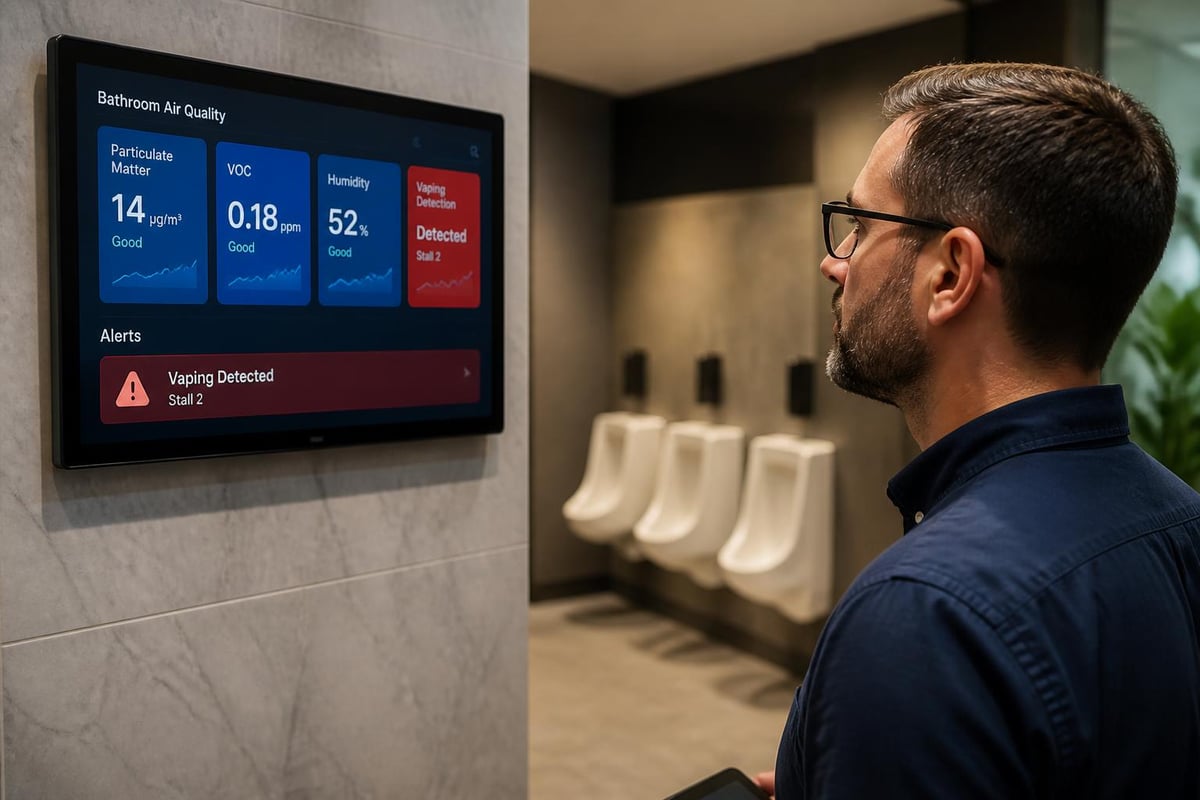
Detection systems that monitor these parameters provide facilities with comprehensive air quality data supporting both immediate response and long-term environmental management strategies.
Privacy, Compliance, and Legal Considerations
Implementing a commercial bathroom vape detector requires careful attention to privacy regulations and legal frameworks. Unlike video surveillance, these devices monitor air quality and environmental conditions without capturing personal images, making them generally acceptable in privacy-sensitive locations.
UK organisations must consider GDPR implications when collecting and storing detection data. Proper data handling procedures ensure compliance whilst maintaining system effectiveness. Transparency about monitoring practices, including appropriate signage and policy communication, builds trust and supports enforcement efforts.
Regulatory Alignment
Different sectors face varying regulatory requirements:
- Educational institutions must align with safeguarding responsibilities and student welfare policies
- Healthcare facilities operate under strict air quality and patient protection regulations
- Transportation hubs comply with aviation or rail safety standards prohibiting vaping
- Hospitality venues balance customer experience with health and safety obligations
Advanced detection systems provide customisable alert thresholds and reporting functions that accommodate sector-specific requirements whilst maintaining consistent monitoring standards.
Integration with Facility Management Systems
A commercial bathroom vape detector achieves maximum value through integration with broader facility management and security platforms. Modern systems offer API connectivity, cloud-based management portals, and compatibility with building automation systems.
Integration enables centralised monitoring across multiple locations, automated incident reporting, and correlation with other facility events. Maintenance teams receive air quality alerts that may indicate ventilation system issues. Security personnel coordinate responses to multiple simultaneous alerts. Administrators access historical data for trend analysis and compliance reporting.
Technology Integration Points
Successful implementations connect with existing infrastructure:
- Building management systems for environmental control coordination
- Access control platforms for location-specific user tracking
- Emergency notification systems for crisis response
- Analytics platforms for behavioural pattern identification
- Compliance management software for regulatory reporting
These integrations transform individual detectors into components of comprehensive facility intelligence systems that support multiple operational objectives beyond vaping detection alone.
Cost Considerations and Return on Investment
Investing in a commercial bathroom vape detector represents both immediate expenditure and long-term value creation. Initial costs include hardware purchase, professional installation, and system configuration. Ongoing expenses cover cloud service subscriptions, maintenance, and potential sensor replacement.
However, the return on investment extends beyond simple cost recovery. Educational institutions reduce disciplinary incidents and create healthier learning environments. Businesses avoid regulatory penalties and demonstrate duty of care to employees. Healthcare facilities maintain critical air quality standards protecting vulnerable populations. Leisure venues enhance customer experience whilst managing liability exposure.
Cost-Benefit Analysis Framework
| Investment Category | Typical Range | Value Generated |
|---|---|---|
| Hardware per Unit | £300-£800 | 5-10 year operational lifespan |
| Installation | £100-£300 per location | Professional setup ensuring optimal performance |
| Annual Subscription | £50-£200 per unit | Cloud management and software updates |
| Maintenance | £30-£100 annually | Ensures continued accuracy and reliability |
The quantifiable benefits include reduced disciplinary costs, avoided health claims, regulatory compliance assurance, and improved facility reputation. Intangible benefits such as enhanced safety culture and peace of mind further justify the investment for many organisations.
Future Developments in Detection Technology
The commercial bathroom vape detector market continues evolving with technological advances and changing regulatory landscapes. Emerging capabilities include machine learning algorithms that improve detection accuracy over time, reducing false positives through pattern recognition and environmental learning.
Next-generation systems will likely incorporate broader substance detection capabilities, identifying not only vaping but also other prohibited substances and activities. Enhanced connectivity through 5G networks and edge computing will enable faster response times and more sophisticated analytics. Integration with artificial intelligence platforms may provide predictive capabilities, identifying high-risk times and locations before incidents occur.
Sustainability considerations are driving development of lower-power sensors with extended operational lifespans and recyclable components. Solar-powered options for certain installations and energy harvesting technologies may reduce operational costs whilst supporting environmental objectives.
Emerging Capabilities
- Advanced chemical fingerprinting distinguishing between specific vaping products
- Predictive analytics forecasting likely violation times and locations
- Automated compliance reporting generating regulatory submissions automatically
- Cross-facility benchmarking comparing performance across similar organisations
- User behaviour analytics identifying patterns requiring educational intervention
These developments promise to make a commercial bathroom vape detector even more valuable as a facility management tool, extending beyond simple detection to comprehensive environmental intelligence and behavioural insight.
Selection Criteria for Commercial Applications
Choosing the appropriate commercial bathroom vape detector requires evaluating multiple factors aligned with specific facility requirements. Detection sensitivity must balance accuracy with practical false alarm rates. Alert mechanisms should match organisational communication preferences and response capabilities. Durability and tamper resistance matter particularly in high-traffic or unsupervised locations.
Consideration of total cost of ownership includes not only purchase price but also installation complexity, ongoing subscription fees, and maintenance requirements. Vendor support quality affects long-term satisfaction, with responsive technical assistance and regular software updates maintaining system effectiveness as vaping technologies evolve.
Compatibility with existing infrastructure reduces implementation complexity and costs. Systems offering flexible connectivity options (WiFi, cellular, ethernet) adapt to varied facility configurations. Cloud-based management platforms accessible from multiple devices enable monitoring regardless of physical location.
Evaluation Checklist
When assessing options, facilities managers should verify:
- Detection accuracy specifications and independent testing validation
- Alert delivery methods and customisation options
- Installation requirements and professional support availability
- Integration capabilities with existing systems
- Data security measures and privacy compliance
- Warranty terms and technical support responsiveness
- Scalability for future expansion across additional locations
- Reporting functionality for compliance and analysis needs
Thorough evaluation ensures the selected commercial bathroom vape detector aligns with both immediate requirements and long-term facility management objectives.
Commercial bathroom vape detectors have become essential tools for organisations committed to maintaining healthy, compliant environments in spaces where traditional monitoring methods fall short. By combining sophisticated detection technology with intelligent alerting and comprehensive air quality monitoring, these systems protect facility users whilst supporting policy enforcement and regulatory compliance. Vape Guardian specialises in advanced vaping detection and air quality monitoring solutions designed for schools, offices, and leisure spaces throughout the UK, providing the technology and support organisations need to create safer environments with confidence.


Share:
Office Bathroom Vape Detector: Complete 2026 Guide
Anti Vaping Detector: Complete Guide to Detection Technology