

The proliferation of vaping devices in public spaces has created significant challenges for facility managers, educational institutions, and workplace administrators across the United Kingdom. As vaping continues to evolve with increasingly discreet devices, traditional monitoring methods have become insufficient. An anti vaping detector represents a sophisticated technological solution designed to identify vaping activity through advanced sensor technology, providing real-time alerts and comprehensive data analysis to maintain compliant, healthy environments.
Understanding Anti Vaping Detector Technology
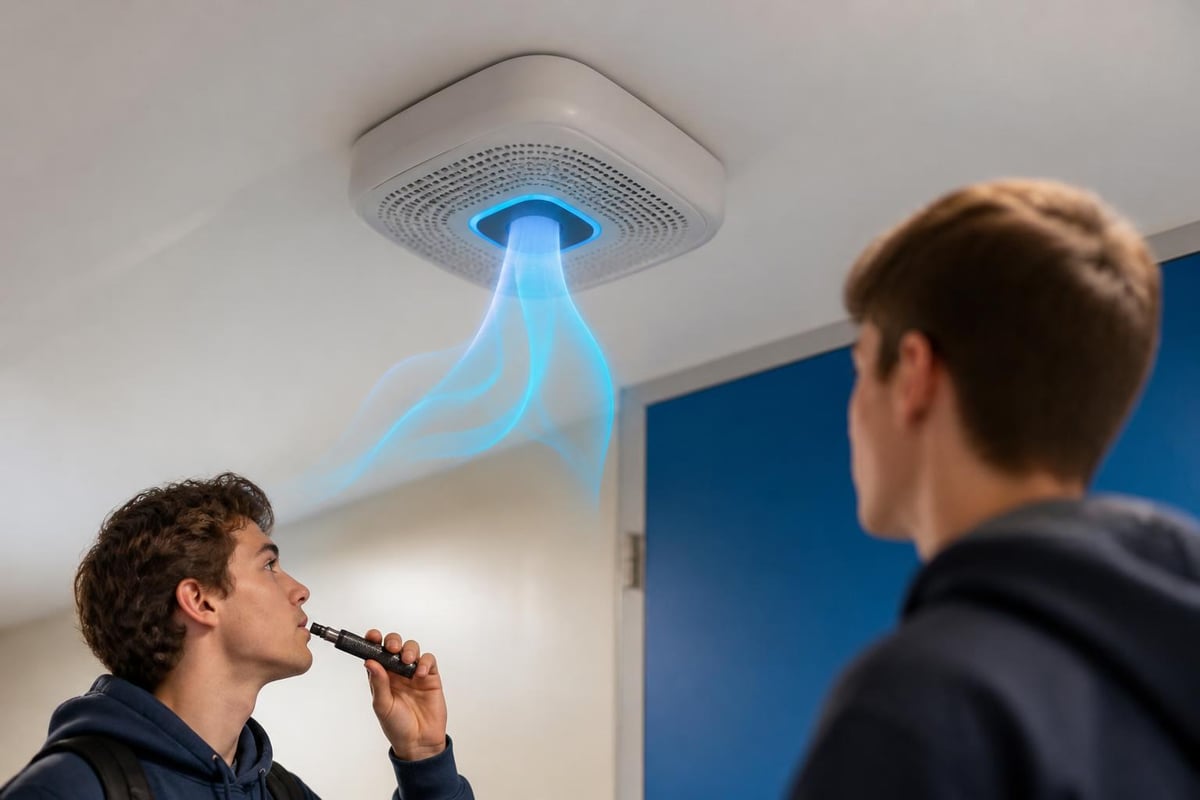
An anti vaping detector operates through multiple sensing mechanisms that work simultaneously to identify vaping activity with remarkable accuracy. These devices utilise chemical sensors, particulate matter detection, and air quality monitoring to distinguish vapour from other airborne substances.
The core technology relies on identifying specific chemical signatures present in e-cigarette vapour. Unlike traditional smoke detectors that respond to combustion particles, an anti vaping detector recognises the unique composition of vapour clouds, including propylene glycol, vegetable glycerin, and nicotine particles. This specificity prevents false alarms from everyday activities whilst maintaining sensitivity to actual vaping incidents.
Sensor Components and Detection Methods
Modern anti vaping detector systems incorporate several complementary technologies:
- Chemical sensors that identify specific compounds found in vaping liquids
- Particulate matter sensors measuring particle size and concentration
- Air quality monitors tracking changes in atmospheric composition
- Sound detection identifying the distinctive noise of vaping devices
- Temperature sensors detecting heat signatures from devices
The integration of multiple detection methods significantly reduces false positives. When a sensor identifies suspicious activity, the system cross-references data from other sensors to confirm vaping before triggering an alert. This multi-layered approach ensures reliable vape detection that facility managers can trust.
Applications Across Different Environments
The versatility of an anti vaping detector makes it suitable for diverse settings, each with unique requirements and compliance considerations. Educational institutions have emerged as primary adopters, driven by concerns about adolescent health and regulatory compliance.
Educational Institutions
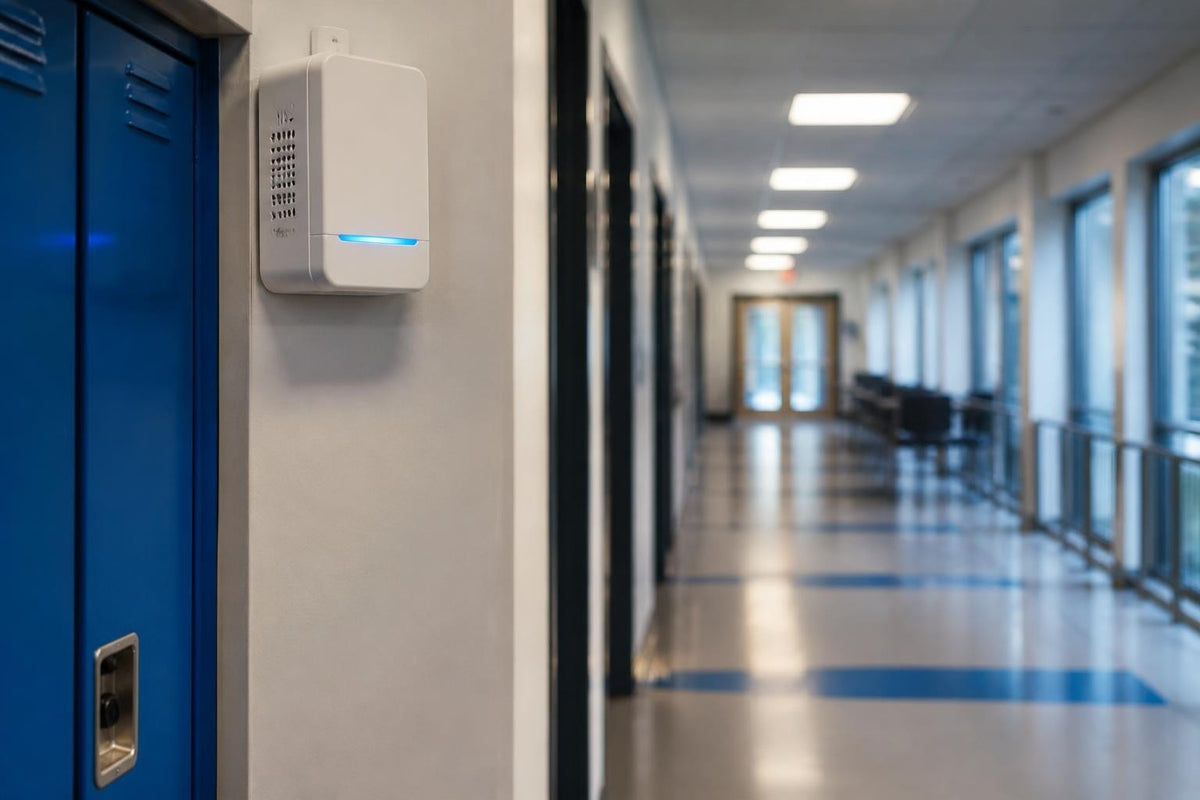
Schools and universities face particular challenges with vaping detection. Research has shown that vape detectors can effectively reduce e-cigarette use among adolescents when implemented as part of comprehensive prevention programmes. An anti vaping detector in school toilets, changing rooms, and common areas provides discreet monitoring without invading student privacy.
Vape detectors for education require specific features including tamper detection, silent alerts to staff, and integration with existing school management systems. The technology supports safeguarding efforts by identifying not only vaping but also potential bullying or unauthorised gatherings in monitored spaces.
| Environment Type | Key Detection Needs | Typical Placement |
|---|---|---|
| Secondary Schools | Discreet monitoring, multi-substance detection | Toilets, changing rooms, courtyards |
| Universities | Privacy-conscious detection, data analytics | Accommodation blocks, study areas |
| Workplaces | Compliance monitoring, air quality | Toilets, break rooms, warehouses |
| Leisure Facilities | Customer experience, regulatory compliance | Changing rooms, toilets, enclosed spaces |
Workplace Implementation
Offices and commercial facilities deploy an anti vaping detector to maintain healthy work environments and ensure compliance with smoke-free policies. The technology proves particularly valuable in industries where air quality directly impacts product quality or employee safety.
Manufacturing facilities, food production plants, and healthcare settings benefit from continuous air quality monitoring. An anti vaping detector in these environments serves dual purposes: preventing policy violations and maintaining atmospheric conditions necessary for operational standards.
For office environments, the technology integrates seamlessly with building management systems. Facility managers receive real-time notifications through mobile applications, enabling prompt response to incidents whilst maintaining detailed records for compliance reporting.
Technical Specifications and Installation Considerations
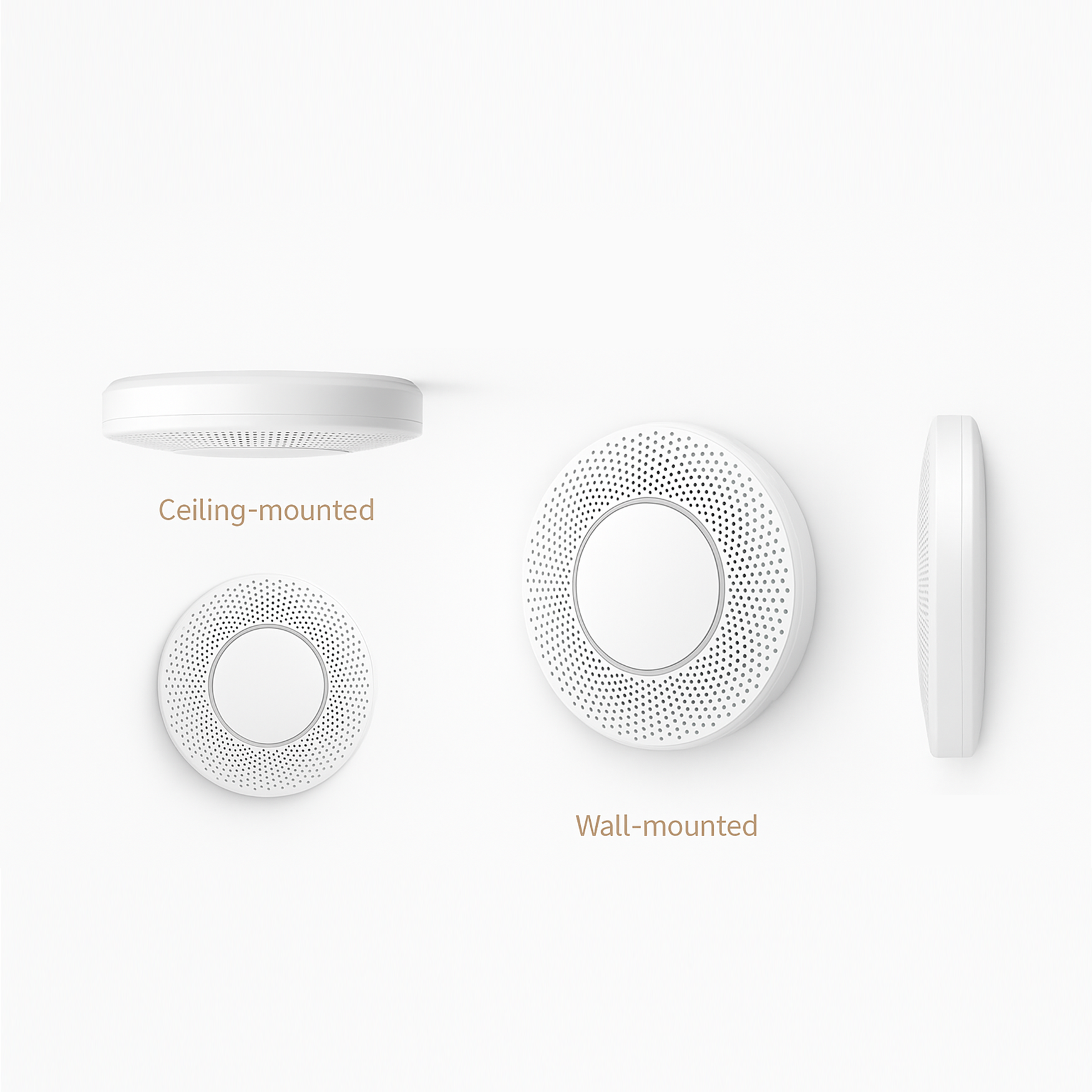
Selecting an appropriate anti vaping detector requires understanding technical capabilities, environmental factors, and integration requirements. The effectiveness of any detection system depends heavily on proper specification and installation.
Coverage Area and Sensitivity
A single anti vaping detector typically monitors between 100 and 150 square metres, depending on ceiling height, ventilation rates, and room configuration. High-ceilinged spaces or areas with aggressive ventilation may require additional units or enhanced sensitivity settings.
Sensitivity calibration balances detection capability with false alarm prevention. Modern systems offer adjustable thresholds that facility managers can customise based on specific needs. Settings can be modified to account for environmental factors such as proximity to kitchens, cleaning schedules, or seasonal variations in air quality.
Power and Connectivity Options
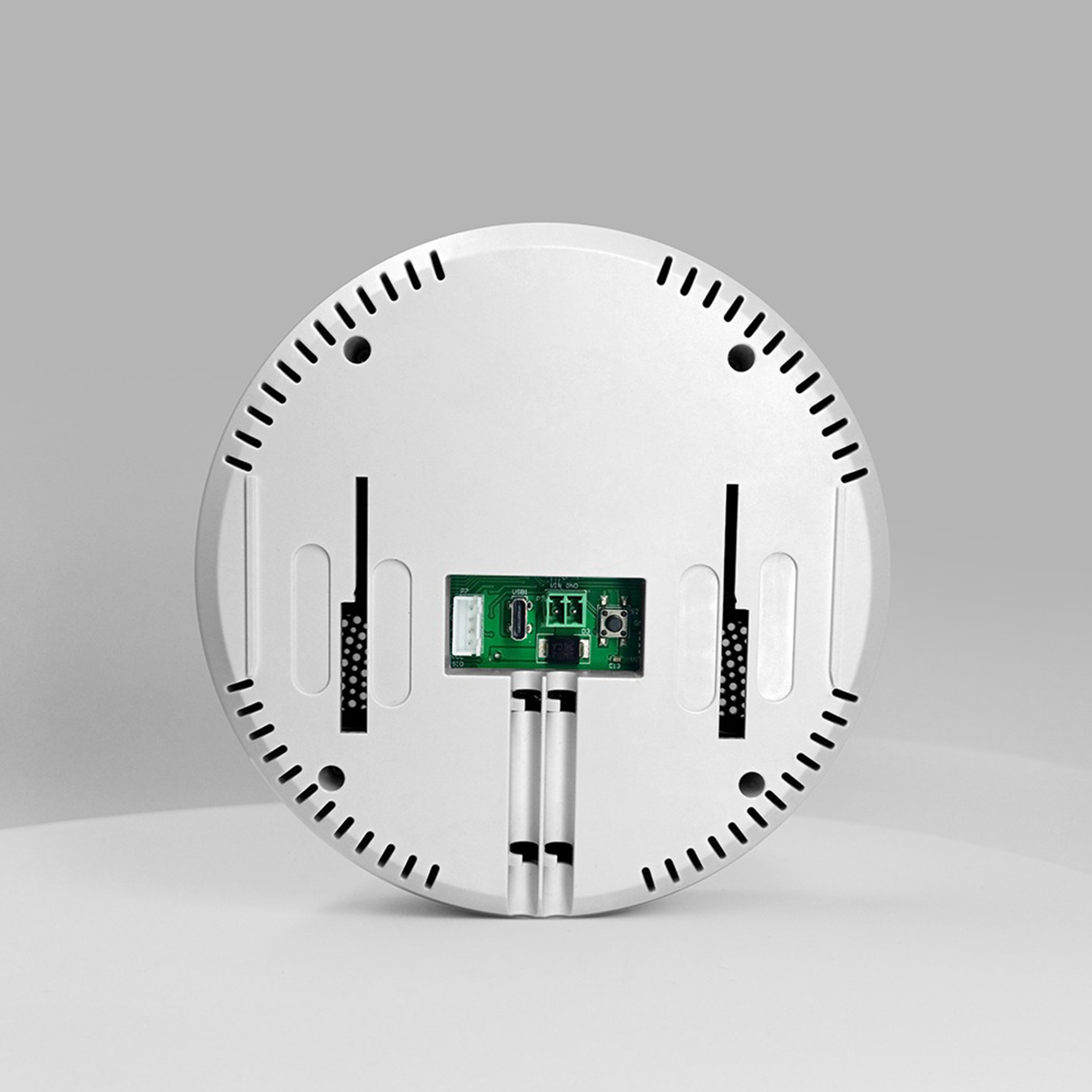
Contemporary anti vaping detector systems offer flexible installation options:
- Mains-powered units providing continuous operation without battery maintenance
- Battery-powered sensors enabling installation in locations without electrical infrastructure
- Hybrid systems combining mains power with battery backup for uninterrupted monitoring
- Solar-assisted options for outdoor or remote applications
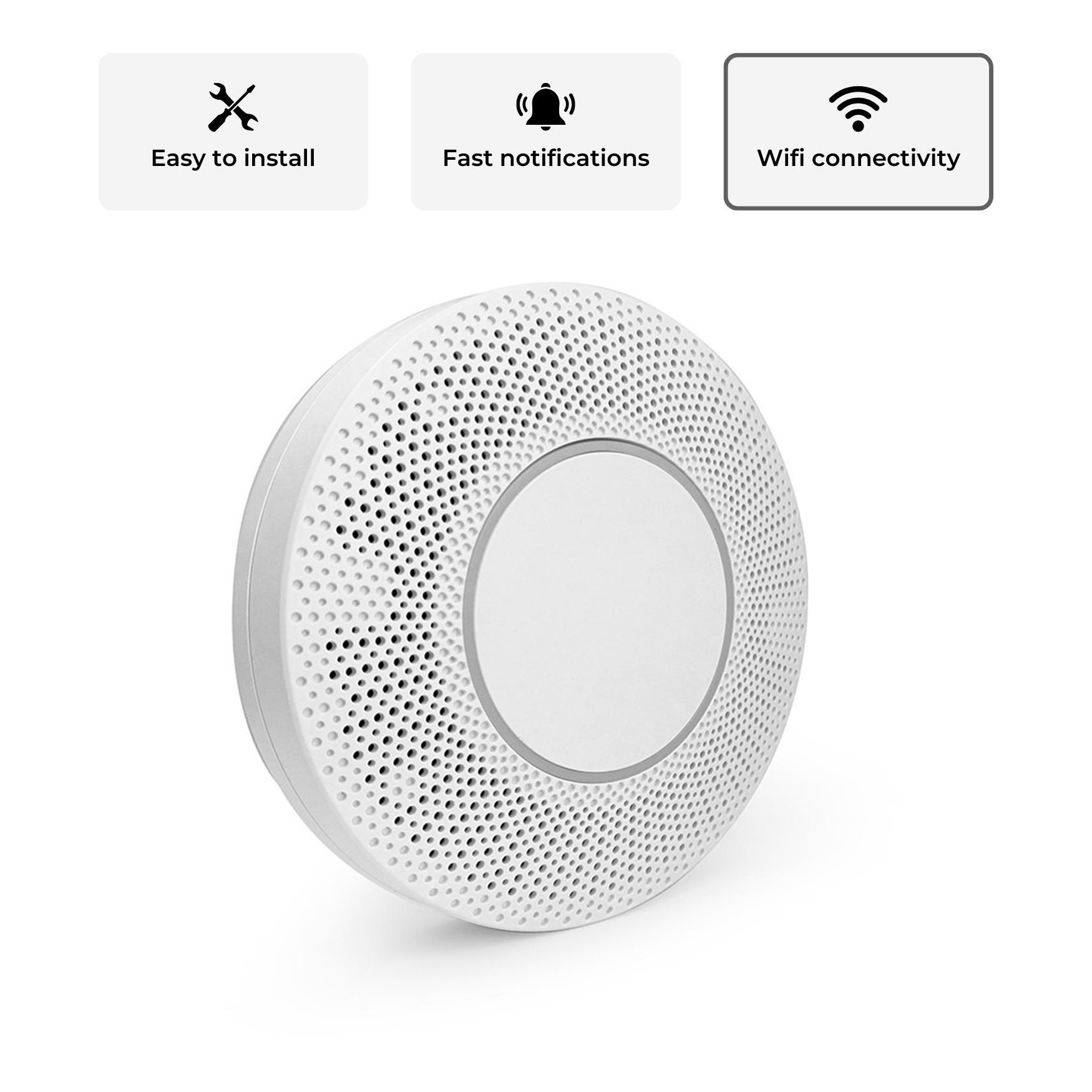
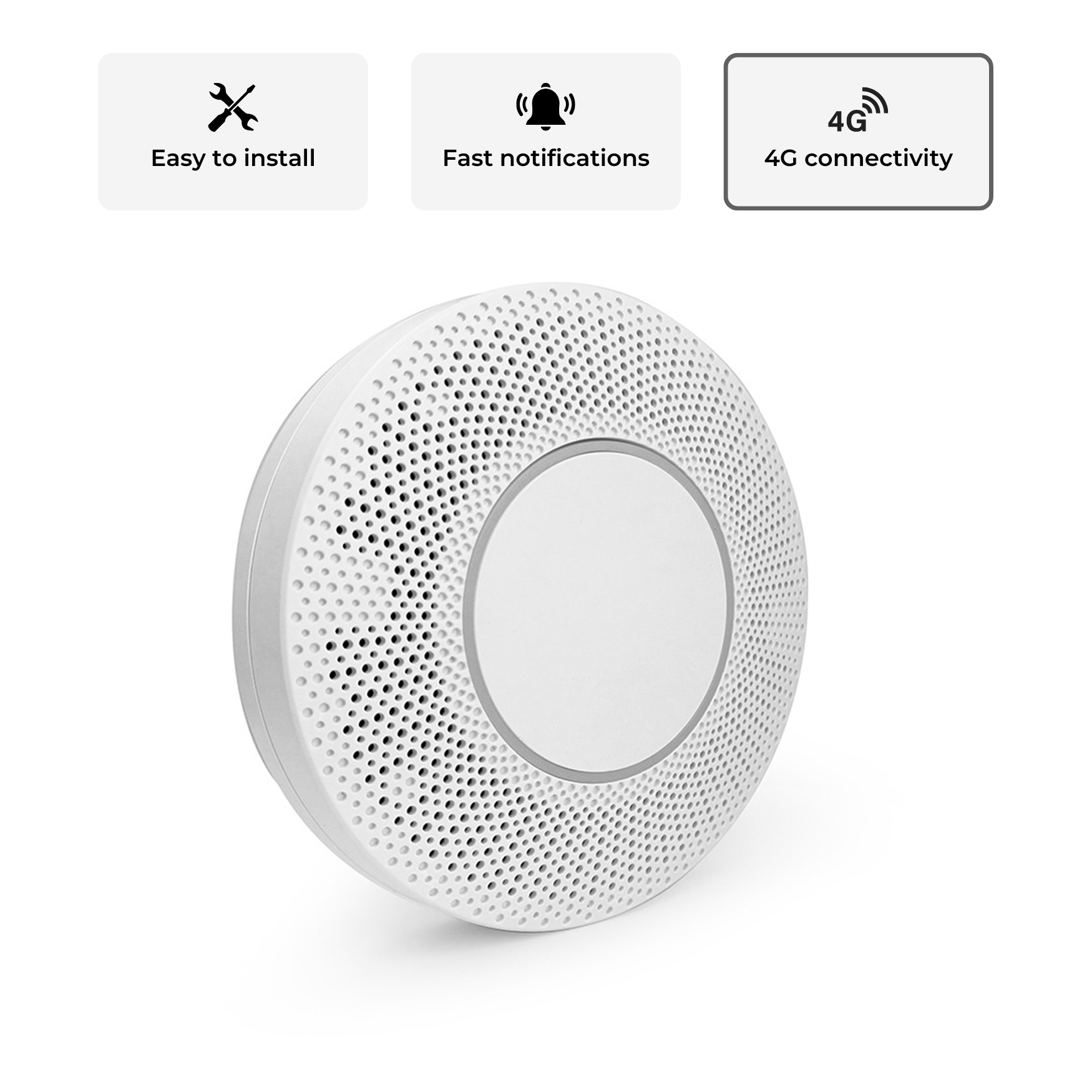
Connectivity requirements vary by application. WiFi-enabled units integrate with existing network infrastructure, whilst 4G-connected devices provide independence from local networks. This flexibility proves particularly valuable in educational settings where network security policies may restrict device connections.
The Vape Detection System combines advanced sensor technology with intelligent connectivity options, detecting not only vaping but also potential drug use and anti-social behaviour. This comprehensive approach provides facility managers with a complete picture of environmental safety whilst maintaining discrete, non-invasive monitoring.


Data Management and Alert Systems
The value of an anti vaping detector extends beyond immediate incident detection to encompass comprehensive data analysis and trend identification. Modern systems generate detailed reports that inform policy development and resource allocation.
Real-Time Alert Mechanisms
When an anti vaping detector identifies suspicious activity, immediate notification enables rapid response. Alert systems typically offer multiple notification channels:
- Mobile push notifications to designated staff members
- Email alerts with incident details and sensor location
- SMS messages for critical incidents requiring urgent attention
- Dashboard indicators providing visual status updates
- Integration with security systems for coordinated response
Notification hierarchies ensure appropriate staff receive alerts based on severity, time of day, and incident type. A minor air quality variation might trigger a low-priority dashboard notification, whilst confirmed vaping in a prohibited area generates immediate alerts to multiple supervisors.
Analytics and Reporting Capabilities
Long-term data collection reveals patterns that inform prevention strategies. An anti vaping detector continuously monitors air quality metrics, creating comprehensive historical records. These datasets enable administrators to identify high-risk locations, peak incident times, and the effectiveness of intervention programmes.
| Metric Type | Application | Decision Support |
|---|---|---|
| Incident Frequency | Identify problem areas | Resource allocation for monitoring |
| Time Patterns | Recognise peak risk periods | Adjust supervision schedules |
| Response Times | Evaluate intervention effectiveness | Staff training requirements |
| Air Quality Trends | Monitor overall environment | Ventilation system optimisation |
| Repeat Locations | Target prevention efforts | Enhanced monitoring deployment |
Advanced analytics platforms compare data across multiple locations, enabling multi-site organisations to benchmark performance and share successful intervention strategies. This comparative analysis proves particularly valuable for multi-academy trusts managing vaping prevention across numerous schools.
Integration with Existing Security Infrastructure
An anti vaping detector functions most effectively when integrated within broader facility management and security ecosystems. Modern detection systems offer extensive integration capabilities that enhance overall operational efficiency.
Building Management System Integration
Contemporary building management systems (BMS) centralise control of HVAC, lighting, security, and now air quality monitoring. An anti vaping detector that integrates with existing BMS infrastructure enables coordinated responses to detected incidents.
When vaping is detected, integrated systems can automatically increase ventilation rates in affected areas, alert security personnel, and create incident logs within existing record-keeping systems. This automation reduces administrative burden whilst ensuring consistent policy enforcement.
Privacy and Compliance Considerations
Implementing an anti vaping detector requires careful attention to privacy regulations and data protection requirements. Unlike visual surveillance, vapour detection technology monitors air quality without capturing personal information or images.
However, organisations must still address several compliance considerations:
- Transparent communication about monitoring locations and purposes
- Data retention policies aligned with GDPR requirements
- Clear procedures for incident investigation and response
- Staff training on appropriate use of detection data
- Regular privacy impact assessments
Best practice guidance emphasises the importance of using detection systems as educational tools rather than purely punitive measures. When students or employees understand that monitoring supports their health and safety, compliance improves significantly.
Cost Analysis and Return on Investment
Evaluating the financial implications of an anti vaping detector deployment requires consideration of both direct costs and broader organisational benefits. Initial investment includes hardware, installation, and integration expenses, whilst ongoing costs encompass maintenance, connectivity, and system management.
Direct Cost Components
Hardware Investment: Professional-grade anti vaping detector units typically range from £300 to £800 per sensor, depending on capabilities and features. Systems detecting multiple substances or incorporating additional sensors command premium pricing but offer enhanced functionality.
Installation Expenses: Professional installation ensures optimal placement and configuration. Costs vary based on facility complexity, existing infrastructure, and the number of units deployed. Mains-powered units require electrical work, whilst battery-powered alternatives reduce installation complexity.
Connectivity and Monitoring: Cloud-based monitoring platforms typically operate on subscription models, with costs ranging from £5 to £15 per sensor monthly. These fees cover data storage, analytics platforms, mobile applications, and system updates.
Indirect Benefits and Savings
The return on investment for an anti vaping detector extends beyond simple cost calculations. Organisations report multiple indirect benefits:
- Reduced maintenance costs from decreased toilet damage and graffiti
- Lower insurance premiums through demonstrated risk management
- Improved air quality reducing absenteeism and health-related costs
- Enhanced reputation attracting health-conscious students, employees, and customers
- Regulatory compliance avoiding fines and enforcement actions
Educational institutions implementing comprehensive detection systems often observe significant reductions in vaping-related incidents within the first academic term. This rapid improvement validates the investment whilst supporting broader health and wellbeing objectives.

Selection Criteria for Optimal Detection Solutions
Choosing an appropriate anti vaping detector requires systematic evaluation of technical capabilities, organisational needs, and long-term requirements. Decision-makers should assess multiple factors before committing to specific solutions.
Essential Features Checklist
Detection Accuracy: The primary consideration remains the system's ability to reliably identify vaping whilst minimising false alarms. Request demonstration data showing detection rates and false positive percentages across various conditions.
Multi-Substance Capability: An anti vaping detector that also identifies THC, other substances, or air quality issues provides enhanced value. Consider future needs even if immediate requirements focus solely on vaping detection.
Scalability: Organisations should select systems that accommodate growth. Cloud-based platforms typically scale more efficiently than proprietary solutions requiring on-premise infrastructure.
Support and Maintenance: Evaluate manufacturer commitment to ongoing support, software updates, and hardware maintenance. British-based support teams offer advantages for UK organisations requiring rapid response and local expertise.
Vendor Evaluation Criteria
Beyond technical specifications, vendor selection significantly impacts long-term satisfaction with an anti vaping detector deployment:
- Industry experience specifically in education, workplace, or leisure applications
- Customer references from similar organisations facing comparable challenges
- Technical documentation quality and accessibility
- Training provision for administrators and response teams
- Warranty terms and hardware replacement policies
- Upgrade pathways ensuring technology remains current
Organisations benefit from requesting trial installations before committing to large-scale deployments. Many manufacturers offer pilot programmes enabling evaluation of an anti vaping detector under actual operating conditions. These trials provide invaluable insights into system performance, staff requirements, and integration challenges.
Future Developments in Vaping Detection Technology
The field of vapour detection continues evolving rapidly, with manufacturers developing increasingly sophisticated capabilities. Understanding emerging trends helps organisations make future-proof investment decisions.
Artificial Intelligence and Machine Learning
Next-generation anti vaping detector systems incorporate AI algorithms that continuously refine detection accuracy. Machine learning enables systems to distinguish between similar chemical signatures, reducing false positives from everyday substances whilst identifying new vaping products as they emerge.
AI-powered analytics also identify subtle patterns invisible to traditional analysis. These systems predict high-risk situations by correlating environmental factors, temporal patterns, and historical incident data. Proactive alerts enable preventative intervention before incidents occur.
Enhanced Environmental Monitoring
Future anti vaping detector systems will likely expand beyond vapour identification to provide comprehensive environmental intelligence. Integration with additional sensors monitoring temperature, humidity, noise levels, and occupancy creates holistic facility management platforms.
This convergence enables organisations to understand relationships between environmental conditions and behavioural patterns. Improved ventilation, adjusted temperatures, or modified schedules might reduce incidents more effectively than enforcement alone.
Biometric Integration and Personalised Response
Emerging systems explore integration with access control and identity management infrastructure. When an anti vaping detector identifies an incident, automated systems could correlate detection timing with facility access logs, enabling targeted educational interventions rather than blanket discipline.
This personalised approach supports behaviour modification whilst respecting privacy. Students or employees identified through access patterns receive confidential support, educational resources, and appropriate consequences tailored to individual circumstances.
Implementation Best Practices
Successfully deploying an anti vaping detector requires more than technical installation. Comprehensive implementation strategies address communication, training, policy development, and continuous improvement.
Stakeholder Communication
Transparent communication about detection system deployment builds trust and improves compliance. Organisations should clearly explain monitoring purposes, locations, data usage, and response procedures before activating systems.
Educational settings benefit from involving multiple stakeholders in planning processes. Senior leadership teams, teachers, students, and parents each bring valuable perspectives that inform effective implementation. This inclusive approach generates buy-in whilst addressing concerns about privacy and enforcement.
Staff Training Requirements
An anti vaping detector provides value only when staff respond appropriately to alerts. Comprehensive training programmes should address:
- System operation and alert interpretation
- Appropriate response protocols for different incident types
- Documentation requirements and record-keeping procedures
- Privacy considerations and data protection compliance
- Communication strategies for discussing incidents with students or employees
- Integration with broader health and wellbeing initiatives
Role-specific training ensures each team member understands their responsibilities. Designated safeguarding leads, facilities managers, and frontline staff require different information aligned with their respective roles.
Continuous Improvement Processes
Effective anti vaping detector programmes incorporate regular review cycles. Monthly or quarterly assessments should evaluate:
- Detection accuracy and false alarm rates
- Response time metrics and intervention effectiveness
- Incident trends and pattern identification
- Staff feedback on system usability and support needs
- Student or employee perceptions and compliance levels
- Policy effectiveness and necessary adjustments
Data-driven refinement ensures systems evolve alongside changing circumstances. As vaping devices develop new characteristics or usage patterns shift, detection parameters and response protocols require corresponding updates.
Regulatory Landscape and Compliance Requirements
Operating an anti vaping detector within UK regulatory frameworks requires understanding applicable legislation, guidance, and standards. Compliance extends beyond simple installation to encompass data protection, employment law, and health and safety requirements.
Educational Sector Regulations
Schools implementing anti vaping detector systems must align with Department for Education guidance on behaviour, health, and safeguarding. Monitoring technology supports statutory duties to promote student wellbeing whilst maintaining safe learning environments.
The vaping education hub for schools provides resources helping educational institutions develop comprehensive approaches combining detection, prevention, and support. Effective programmes balance enforcement with education, recognising that punitive measures alone rarely achieve lasting behaviour change.
Workplace Health and Safety
Employers deploying an anti vaping detector fulfil duties under Health and Safety at Work Act 1974 by maintaining healthy work environments. Detection systems provide documented evidence of proactive risk management, demonstrating reasonable steps to protect employee health.
However, workplace implementation requires consultation with employees or their representatives. Transparent communication about monitoring purposes, data usage, and privacy protections addresses employee concerns whilst maintaining productive workplace relationships.
Anti vaping detector technology represents a sophisticated, effective solution for organisations seeking to maintain healthy, compliant environments in 2026. By combining advanced sensor technology with intelligent analytics, these systems provide reliable detection whilst respecting privacy and supporting positive behaviour change. Whether protecting students, employees, or customers, comprehensive detection programmes balance enforcement with education, using technology as one component of holistic wellbeing strategies. Vape Guardian offers advanced detection solutions specifically designed for UK organisations, providing reliable sensors, real-time alerts, and dedicated support to help you create safer environments and reduce vaping incidents across your facilities.



Share:
Commercial Bathroom Vape Detector Guide 2026
Vape Detector for Offices: Protection & Compliance Guide