
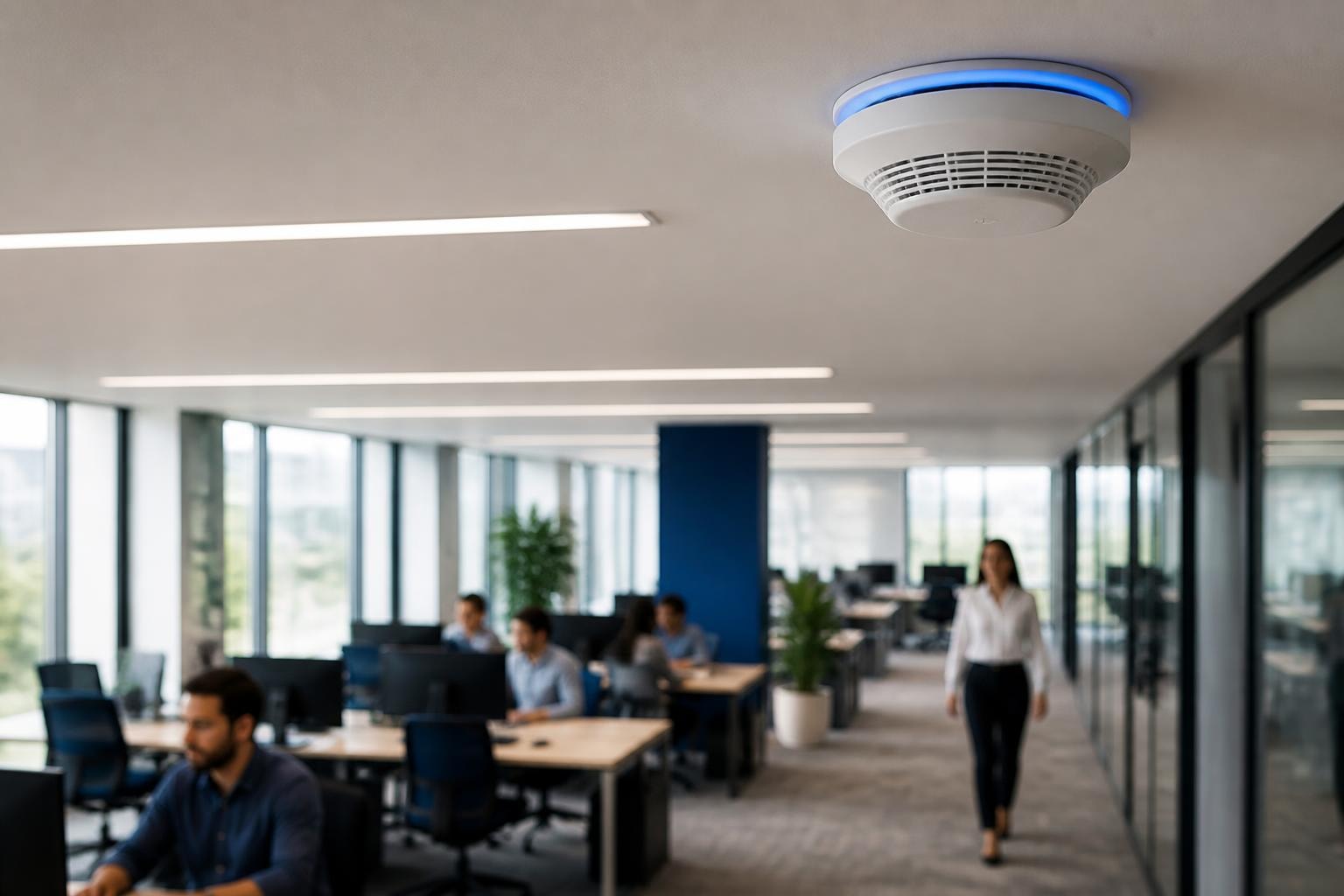
The workplace landscape has transformed dramatically in recent years, with vaping emerging as a significant challenge for employers seeking to maintain healthy, compliant environments. As electronic cigarettes have grown in popularity, organisations face mounting pressure to enforce smoke free policies whilst protecting employee wellbeing. A vape detector for offices represents a sophisticated solution that enables businesses to address this challenge proactively, providing automated monitoring without relying solely on manual enforcement or subjective observations.
Understanding Vape Detection Technology in Professional Settings
Modern vape detection systems operate through advanced sensor technology designed to identify specific chemical signatures associated with vaping products. These devices monitor air quality continuously, detecting particulate matter and volatile organic compounds released when someone uses an electronic cigarette. Unlike traditional smoke detectors that respond primarily to combustion, vape detectors function through sophisticated algorithms that distinguish between normal air quality fluctuations and the distinct markers of vaping activity.
The technology behind a vape detector for offices has evolved considerably since early models. Contemporary systems employ multiple sensors working in concert, including particulate matter sensors that measure PM2.5 levels, chemical sensors detecting specific compounds found in e-liquid aerosols, and environmental sensors monitoring temperature and humidity changes. This multi-layered approach reduces false positives whilst ensuring reliable detection across various vaping products.
How Detection Systems Identify Vaping Activity
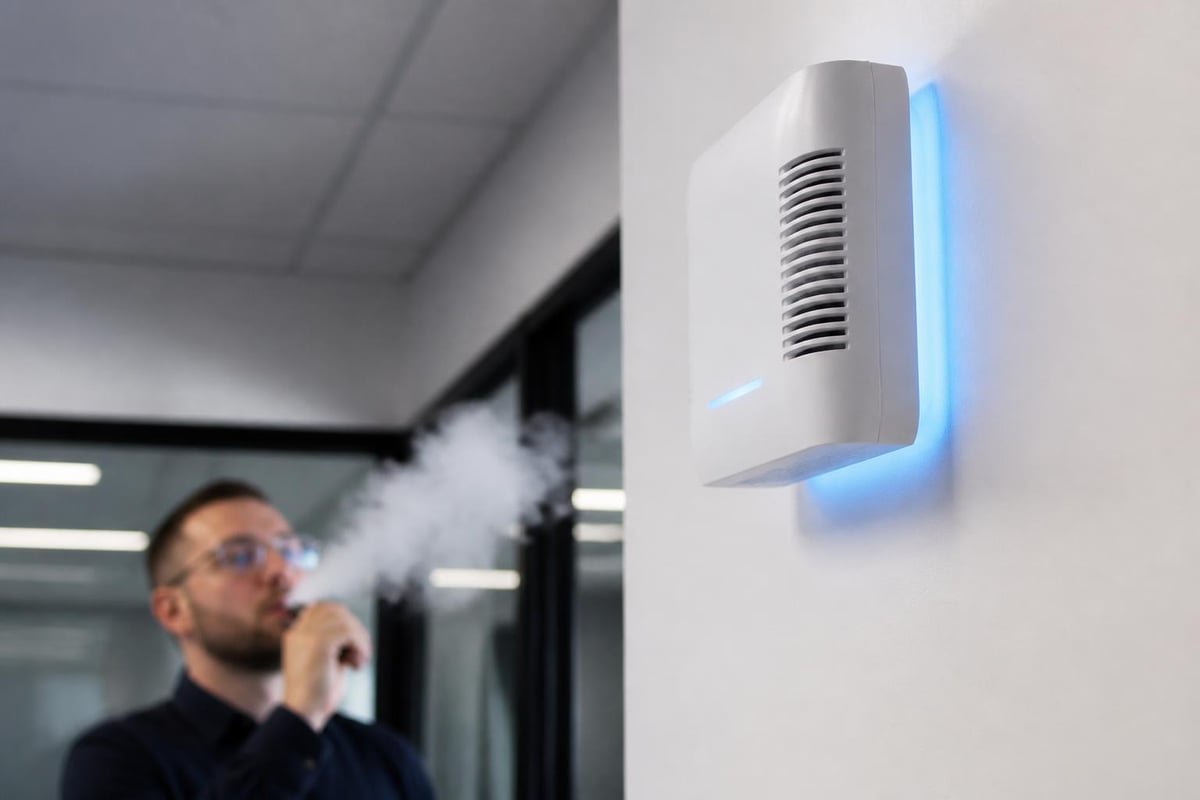
When someone vapes in an office environment, they release a complex mixture of chemicals into the air. Detection systems analyse this aerosol cloud through sophisticated pattern recognition. The sensors measure:
- Particulate concentration levels exceeding normal baseline thresholds
- Chemical compound signatures unique to propylene glycol and vegetable glycerin
- Rapid air quality changes inconsistent with typical office activities
- Pattern matching against known vaping profiles stored in the device database
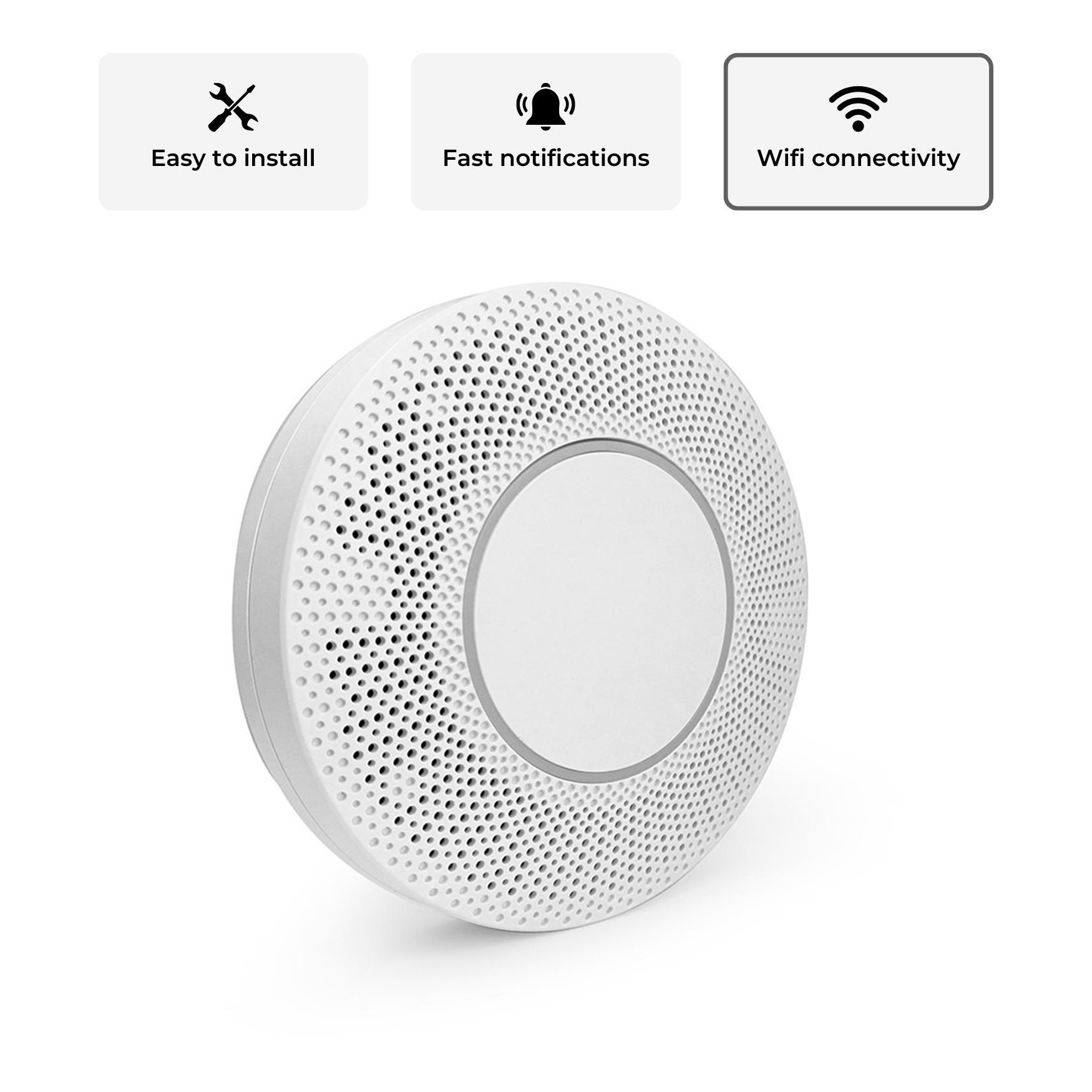
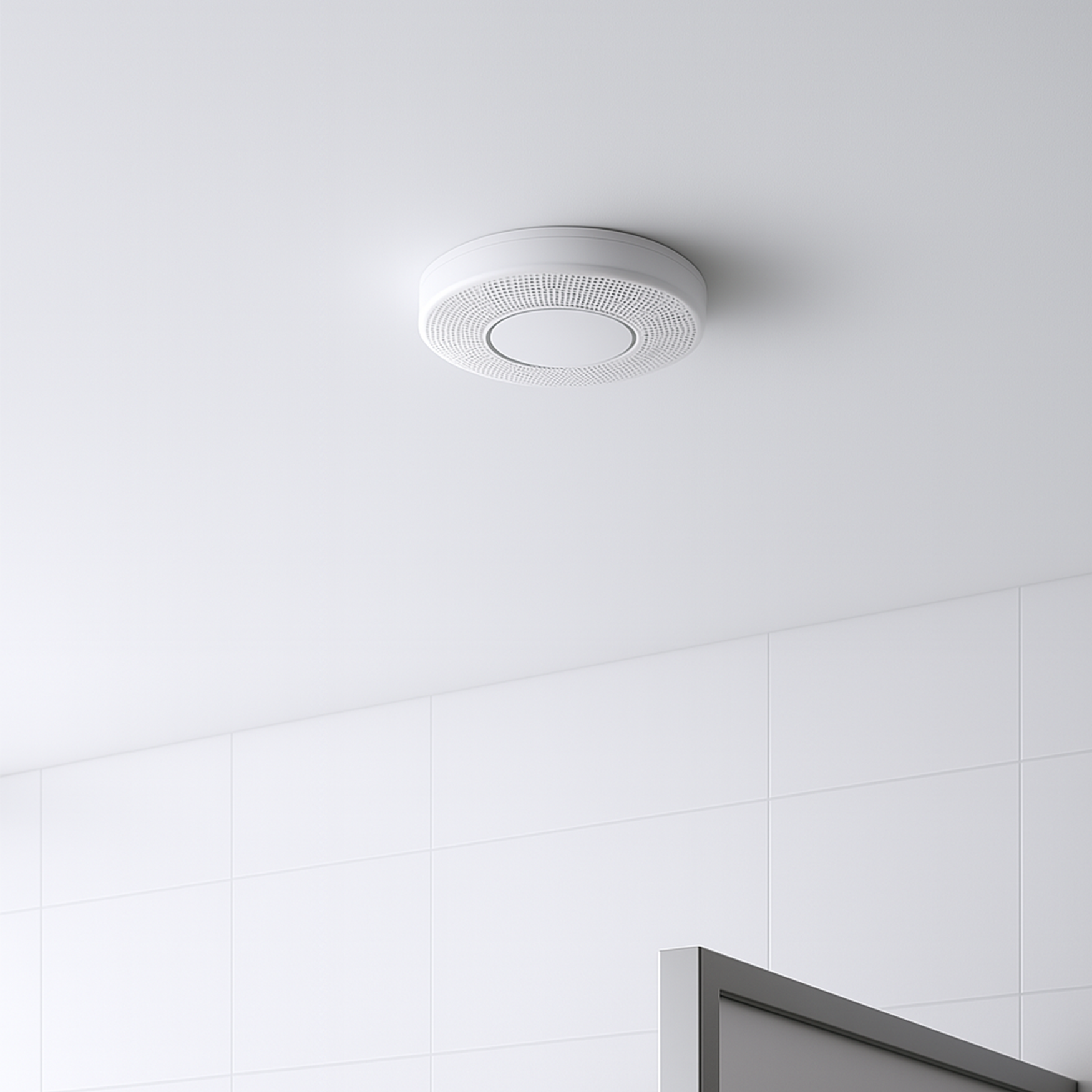
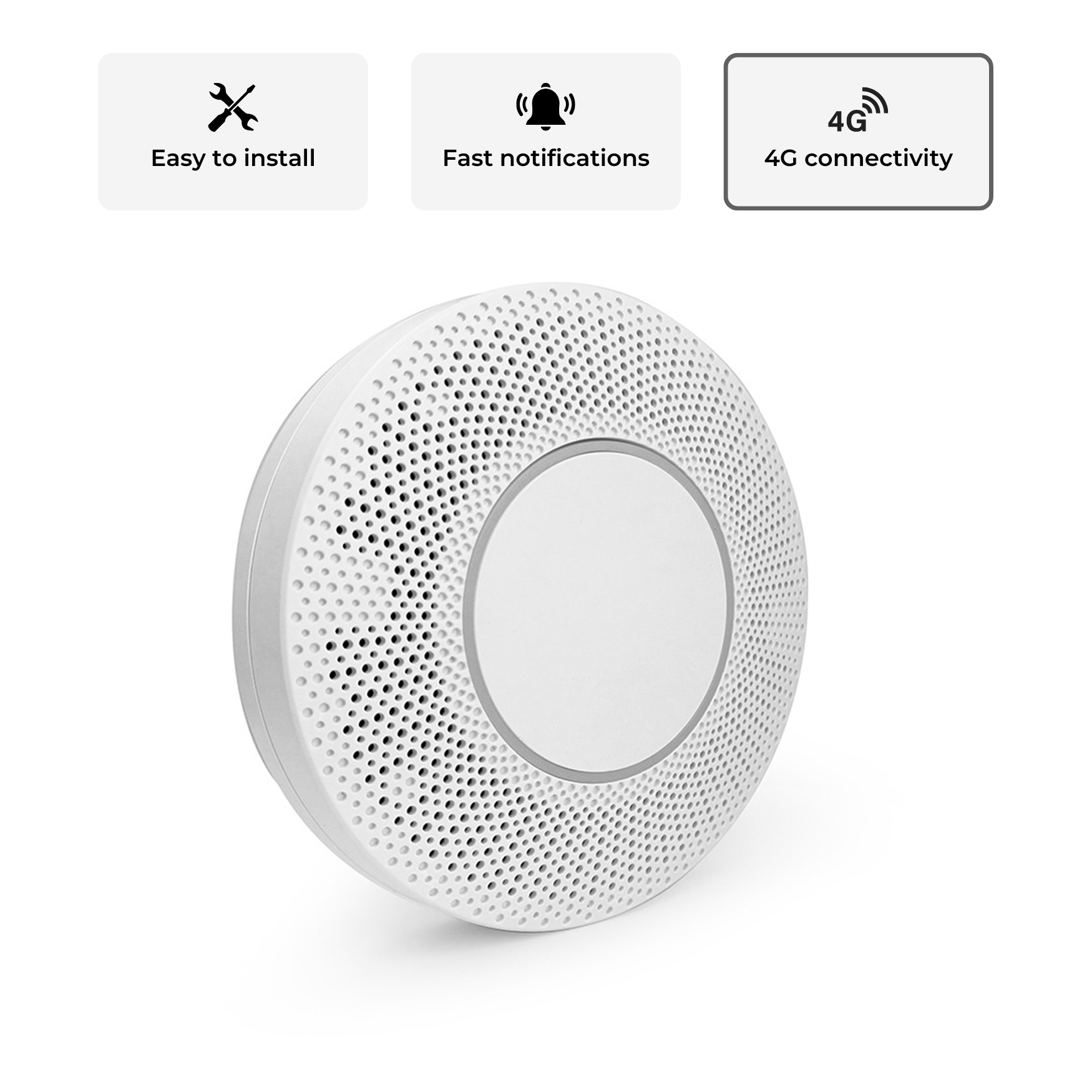
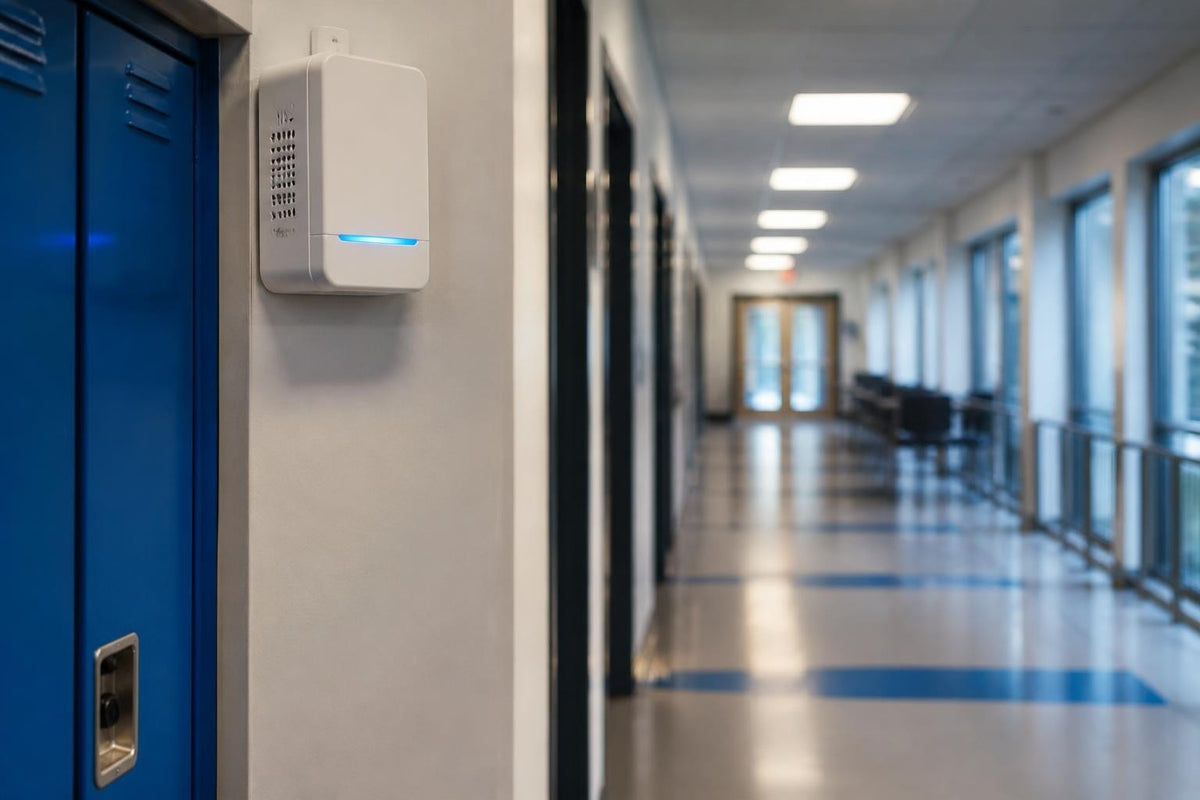
Detection typically occurs within seconds of vaping activity, with alerts transmitted immediately to designated personnel. Many systems integrate with existing building management platforms, allowing facilities teams to respond swiftly and appropriately. The appearance and installation of these detectors varies, with most designed to blend seamlessly into office ceilings or walls whilst maintaining optimal sensor exposure.
Legal Framework and Workplace Compliance Requirements
British employers operate within a complex regulatory landscape governing workplace health and safety. Whilst vaping regulations differ from traditional smoking laws, organisations retain significant authority to establish and enforce their own policies. The Health and Safety at Work Act 1974 requires employers to ensure employee wellbeing, a mandate that extends to air quality and exposure to potentially harmful substances.
Implementing a vape detector for offices supports compliance efforts across multiple dimensions. Many organisations have adopted comprehensive smoke free policies that explicitly include vaping, treating electronic cigarettes identically to traditional tobacco products. These policies stem from concerns about secondhand exposure, workplace equity (ensuring consistent standards for all employees), and maintaining professional environments.
| Compliance Area | Requirement | Detection Benefit |
|---|---|---|
| Health & Safety | Monitor air quality | Continuous automated monitoring |
| Policy Enforcement | Consistent application | Objective, unbiased detection |
| Documentation | Evidence of violations | Timestamped alerts and records |
| Employee Rights | Fair treatment | Transparent, technology-based system |
Building an Enforceable Workplace Policy
Successful implementation of vape detection technology requires more than installing hardware. Organisations must establish clear, documented policies that employees understand and acknowledge. This includes defining prohibited areas, outlining consequences for violations, and communicating the role of detection technology in enforcement.
Transparency proves essential. Employees should receive notification that vape detectors operate within workplace facilities, understanding both the technology's capabilities and limitations. This openness builds trust whilst deterring violations through awareness that monitoring occurs continuously.
Strategic Placement and Installation Considerations
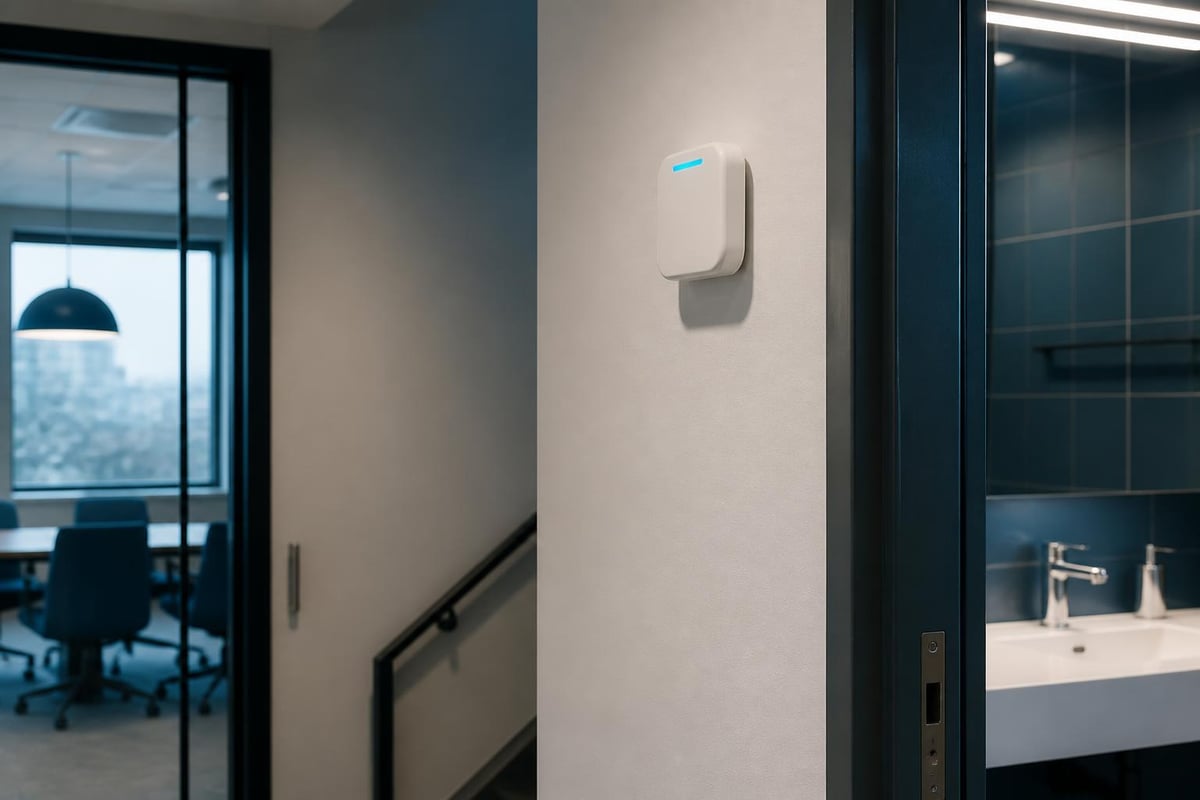
Determining where to install a vape detector for offices requires careful assessment of workplace layout, traffic patterns, and risk areas. Common installation locations include:
- Restroom facilities where privacy creates opportunities for policy violations
- Private offices and enclosed meeting rooms with limited visibility
- Stairwells and seldom-trafficked corridors used for unauthorised breaks
- Storage areas and equipment rooms away from regular supervision
- Car parks and loading areas where enforcement proves challenging
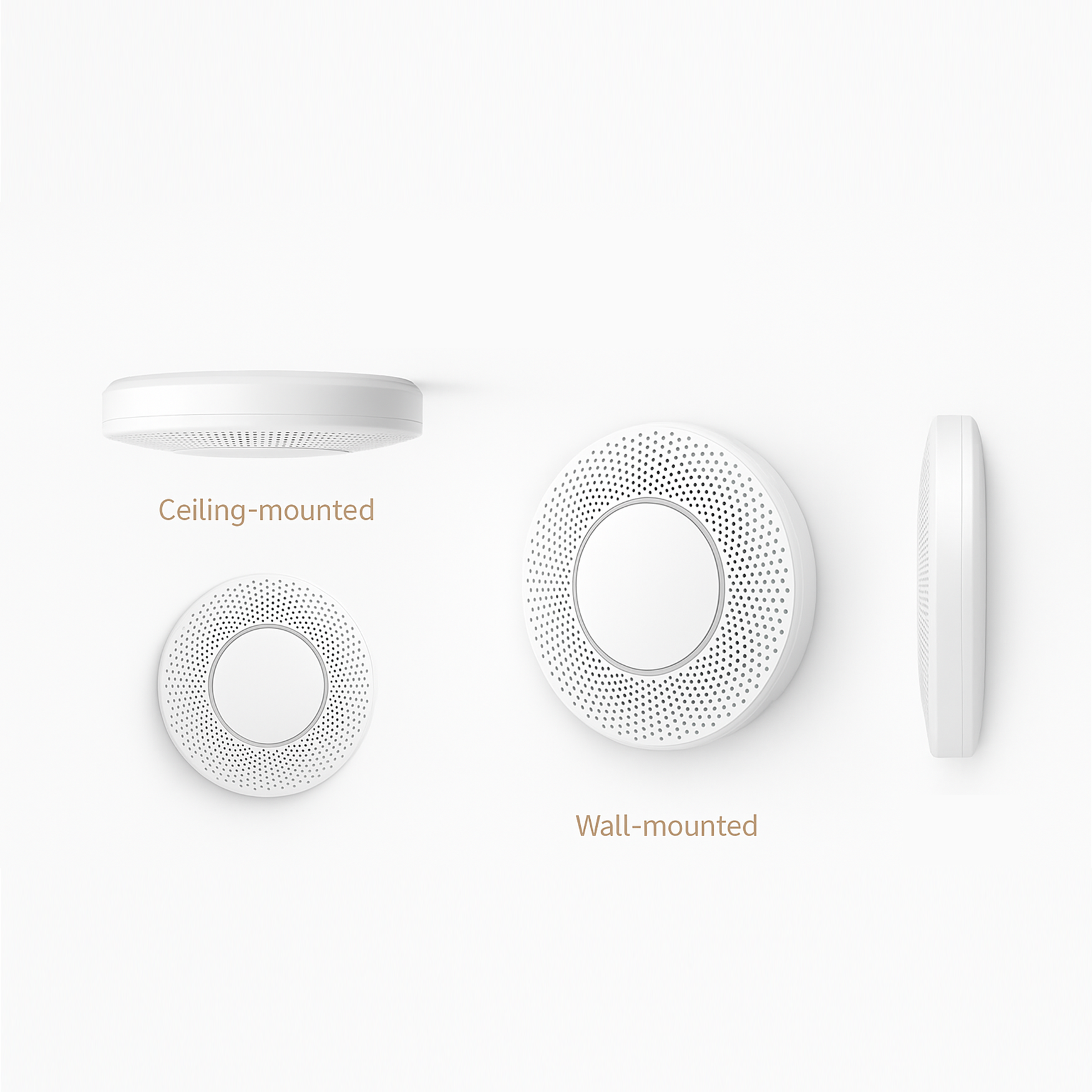
Installation positioning significantly impacts detection effectiveness. Ceiling mounting typically provides optimal coverage, allowing sensors to sample air across the broadest area. However, specific room characteristics may necessitate wall mounting or alternative placement strategies. Ventilation systems, air flow patterns, and room dimensions all influence optimal sensor positioning.
Technical Requirements and Infrastructure Integration
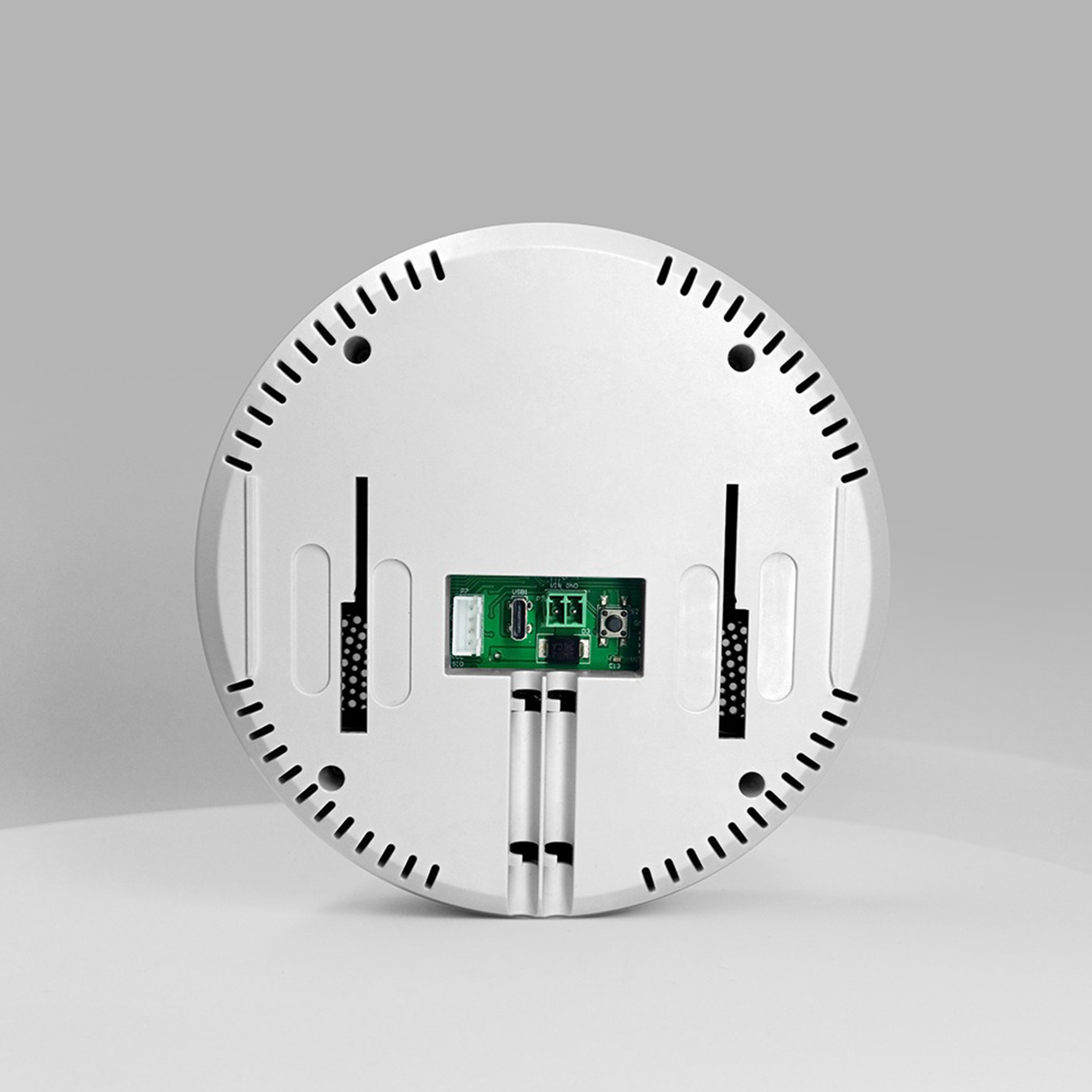
Modern vape detection systems offer varying connectivity options to suit different office configurations. Wireless models provide installation flexibility, communicating via WiFi or cellular networks without requiring extensive cabling. Wired systems deliver reliable connectivity in environments where wireless signals face interference or security policies restrict wireless device deployment.
Integration capabilities extend detection value beyond simple alerts. Many organisations connect their vape detector for offices installations to:
- Building management systems for centralised monitoring
- Security platforms triggering camera recording upon detection
- HR management software for incident documentation
- Access control systems to identify individuals in detection zones
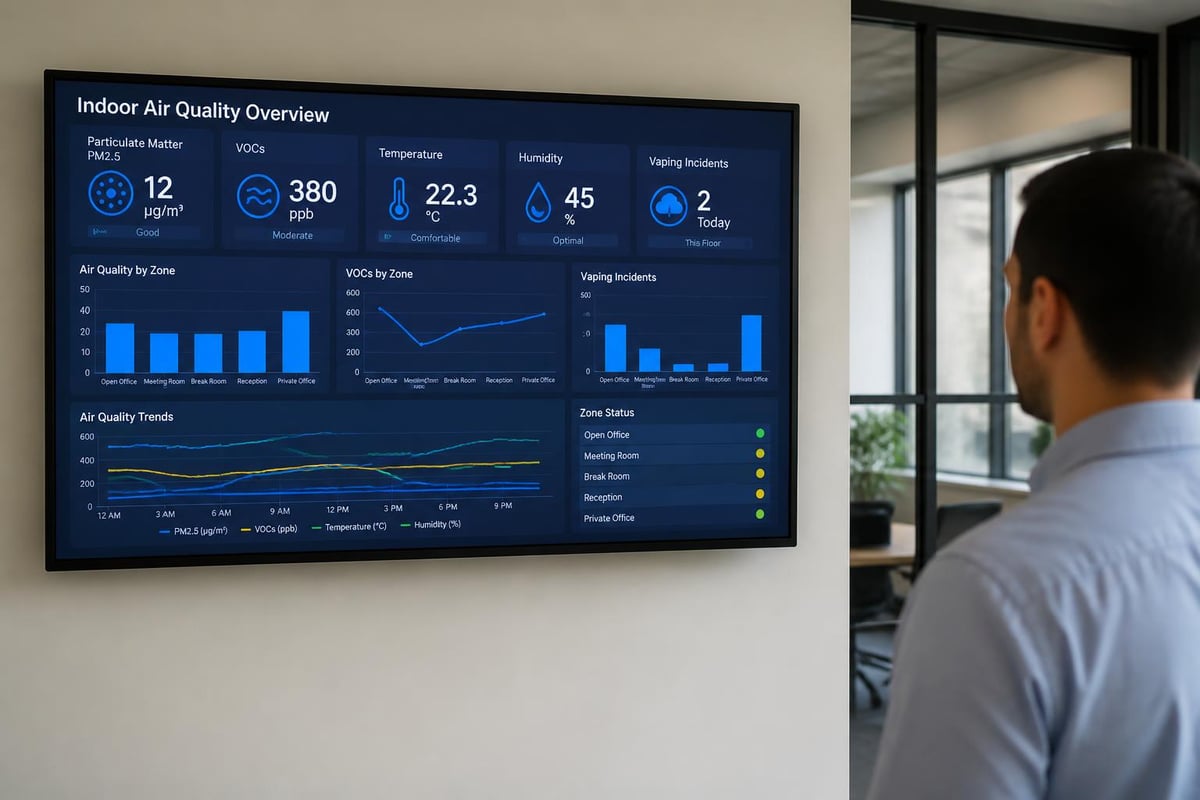
- Air quality dashboards providing comprehensive environmental data
The Vape Detection System exemplifies this integrated approach, combining hardware sensors with sophisticated software that detects vaping, drug use, and anti-social behaviour whilst providing real-time alerts to designated personnel. Such comprehensive solutions enable businesses to address multiple workplace challenges through a single technology platform.

Evaluating Detection Accuracy and Performance
Questions about detector reliability frequently arise during procurement discussions. Research into vape detector effectiveness demonstrates that quality systems achieve high accuracy rates when properly installed and maintained. However, performance varies based on several factors including sensor quality, algorithm sophistication, and environmental conditions.
Contemporary systems employ machine learning to improve detection accuracy over time. By analysing patterns across thousands of detection events, algorithms refine their ability to distinguish between vaping activity and false triggers like aerosol sprays, cooking vapours, or cleaning products. This continuous improvement reduces nuisance alerts whilst maintaining sensitivity to actual policy violations.
Managing False Positives and System Calibration
No detection technology achieves perfect accuracy, making false positive management essential. Office environments contain numerous aerosol sources that might trigger sensitive detectors:
- Personal care products including hairspray and deodorant
- Cleaning chemicals and disinfectants
- Air fresheners and scented products
- Cooking activities in break rooms
- Printer toner and office equipment emissions
Quality vape detector for offices installations address this challenge through adjustable sensitivity settings, advanced filtering algorithms, and comprehensive baseline calibration. Initial installation includes environmental profiling, establishing normal air quality parameters for each monitored space. Deviations from this baseline trigger alerts only when they match vaping signatures rather than responding to any air quality change.
Air Quality Benefits Beyond Vaping Detection
Whilst vaping detection represents the primary deployment driver, these systems deliver broader air quality benefits that enhance workplace environments. The sensors monitoring for vaping activity simultaneously track various environmental parameters, providing insights into overall indoor air quality that impact employee health and productivity.
Research consistently demonstrates links between indoor air quality and worker performance, with poor air quality reducing cognitive function and increasing sick building syndrome symptoms. A vape detector for offices equipped with comprehensive sensing capabilities monitors:
- PM2.5 and PM10 particulate levels indicating airborne contaminants
- Volatile organic compound concentrations from various sources
- Carbon dioxide levels signalling ventilation adequacy
- Temperature and humidity affecting comfort and health
- Noise levels in models with acoustic monitoring
| Air Quality Parameter | Health Impact | Detection Benefit |
|---|---|---|
| PM2.5 Particulates | Respiratory issues, cardiovascular stress | Early warning of air quality degradation |
| VOC Levels | Headaches, fatigue, allergic reactions | Identification of chemical exposure sources |
| CO2 Concentration | Reduced cognitive performance | Ventilation system performance monitoring |
| Humidity | Mould growth, respiratory irritation | Climate control optimisation |
Creating Healthier Workplace Environments
The data generated by vape detection systems enables facilities managers to make informed decisions about building operations. Tracking particulate levels across different zones reveals ventilation system deficiencies or identifies areas requiring air filtration improvements. This proactive approach to air quality management demonstrates organisational commitment to employee wellbeing whilst potentially reducing healthcare costs and absenteeism.
Some organisations publicise their air quality monitoring efforts, displaying real time data on dashboards throughout office spaces. This transparency reassures employees about environmental conditions whilst reinforcing policies around activities that degrade air quality, including vaping.
Cost Considerations and Return on Investment
Financial planning for vape detector for offices deployment requires understanding both initial investment and ongoing operational costs. Hardware prices vary considerably based on sensor sophistication, connectivity options, and manufacturer. Entry level units may cost several hundred pounds, whilst enterprise systems with advanced capabilities and integration features command premium pricing.
Beyond hardware acquisition, organisations should budget for:
- Professional installation services ensuring optimal placement and configuration
- Subscription fees for cloud based monitoring and alert platforms
- Maintenance contracts covering sensor calibration and replacement
- Staff training on system operation and incident response
- Policy development and communication materials
However, these investments deliver measurable returns through multiple channels. Organisations report reduced facility damage from unauthorised vaping, decreased cleaning costs associated with vape residue, and improved employee satisfaction in smoke free environments. Perhaps most significantly, automated detection reduces management time spent investigating complaints and enforcing policies manually.
Calculating Total Cost of Ownership
A comprehensive three year cost analysis for a vape detector for offices installation covering a medium sized facility might include:
| Cost Category | Year 1 | Years 2-3 (Annual) |
|---|---|---|
| Hardware (10 units) | £5,000 | £0 |
| Installation | £1,200 | £0 |
| Monitoring Platform | £1,800 | £1,800 |
| Maintenance | £500 | £600 |
| Training & Materials | £800 | £200 |
| Annual Total | £9,300 | £2,600 |
These figures demonstrate that initial deployment costs concentrate in year one, with subsequent years requiring primarily subscription and maintenance expenditure. Many organisations find that policy compliance improvements and air quality benefits justify this investment within the first year of operation.
Integration with Broader Workplace Wellness Initiatives
Forward thinking organisations position vape detection within comprehensive wellness programmes rather than treating it solely as enforcement technology. This strategic framing emphasises health benefits over punitive measures, encouraging employee buy in and supporting behaviour change.
A vape detector for offices becomes one component in a holistic approach that might include smoking cessation support, mental health resources addressing addiction, and education about vaping health risks. By coupling detection technology with supportive resources, employers demonstrate genuine concern for employee wellbeing rather than appearing merely authoritarian.
Wellness integration also addresses the reality that many employees vape as a perceived safer alternative to smoking. Providing evidence based information about vaping health impacts alongside detection technology helps employees make informed decisions. Some organisations offer incentives for employees who successfully quit vaping, using detection data to measure programme effectiveness.
Communication Strategies for Technology Adoption
Successful vape detector for offices implementation requires careful stakeholder communication. Employees may initially resist monitoring technology, viewing it as invasive or indicative of distrust. Addressing these concerns through transparent communication proves essential.
Effective communication strategies include:
- Pre-implementation announcements explaining rationale and technology capabilities
- Employee consultation gathering input on policy development
- Clear signage in monitored areas ensuring awareness
- Regular reporting on air quality improvements and policy compliance
- Anonymous feedback mechanisms allowing employees to raise concerns
Emphasising the dual benefits of policy enforcement and air quality improvement helps employees understand that detection technology serves their interests alongside organisational objectives. Many workers appreciate knowing their workplace maintains high air quality standards and enforces policies consistently.
Privacy Considerations and Data Management
Deploying monitoring technology in workplaces raises legitimate privacy questions that responsible organisations must address proactively. Whilst a vape detector for offices monitors air quality rather than individuals directly, the data collected may reveal information about specific people or activities, particularly when combined with access control systems or security cameras.
UK data protection regulations, including GDPR, apply to information collected through vape detection systems. Organisations must establish clear data governance policies addressing:
- What data the system collects and stores
- How long detection records are retained
- Who can access detection data and alert notifications
- How data may be used in disciplinary proceedings
- Employee rights regarding their personal information
Transparency about these policies builds trust and demonstrates regulatory compliance. Many organisations appoint data protection officers to oversee monitoring technology deployment, ensuring adherence to legal requirements whilst maintaining effective detection capabilities.
Balancing Detection Effectiveness with Employee Rights
Privacy concerns extend beyond data protection regulations to fundamental questions about workplace monitoring scope. Whilst employers generally may monitor workplace activities, employees retain reasonable privacy expectations in certain areas. Installing vape detector for offices equipment in restrooms, for instance, requires particular sensitivity.
Modern detection systems address privacy concerns through design features that collect only necessary data. Most units lack cameras or microphones, detecting only air quality parameters. Alert systems typically identify detection location and time without automatically revealing individual identities, leaving investigation to appropriate personnel who can review the situation with proper discretion.
Selecting the Right Detection System for Your Organisation
The market offers numerous vape detection products with varying capabilities, price points, and support levels. Organisations evaluating options should assess systems against specific criteria aligned with their requirements and constraints. Key evaluation factors include:
Detection capabilities: Does the system reliably identify vaping activity whilst minimising false positives? What other threats or air quality issues can it detect?
Integration options: How easily does the system connect with existing security, building management, or HR platforms? What APIs or protocols does it support?
Scalability: Can the system expand as organisational needs grow? Are there minimum or maximum deployment sizes?
Support and maintenance: What ongoing support does the manufacturer provide? How frequently do sensors require calibration or replacement?
User interface: How do administrators configure the system and receive alerts? Is the platform intuitive and accessible?
Comparing different vape detection systems reveals significant variation across these dimensions. Organisations should request demonstrations, trial installations where possible, and references from similar businesses before committing to large scale deployments.
Implementation Timeline and Project Planning
Deploying a vape detector for offices installation requires coordination across multiple departments and stakeholders. A typical implementation timeline might span two to three months:
Weeks 1-2: Policy development, stakeholder consultation, and requirement definition
Weeks 3-4: Vendor evaluation, product selection, and contract negotiation
Weeks 5-6: Site survey, installation planning, and infrastructure preparation
Weeks 7-8: Hardware installation, system configuration, and integration testing
Weeks 9-10: Staff training, policy communication, and pilot operation
Weeks 11-12: Full deployment, monitoring adjustment, and performance optimisation
Rushing implementation risks inadequate planning, poor placement decisions, or insufficient staff preparation. Organisations that invest time in thorough planning typically achieve better outcomes with fewer post-deployment adjustments.
Addressing Common Implementation Challenges
Even well planned vape detector for offices deployments encounter obstacles requiring problem solving and adaptation. Understanding common challenges enables organisations to anticipate issues and develop mitigation strategies proactively.
Employee resistance represents perhaps the most frequent challenge. Workers may object to monitoring on principle, question policy necessity, or seek workarounds. Addressing resistance requires clear communication about health benefits, consistent policy application, and potentially involving employee representatives in implementation planning.
Technical difficulties including connectivity issues, false positive rates, or integration problems may emerge during initial deployment. Working closely with vendors during the pilot phase helps identify and resolve technical challenges before full scale rollout. Many organisations maintain heightened vendor support during the first month of operation.
Budget constraints sometimes limit deployment scope, forcing organisations to prioritise high risk areas rather than achieving comprehensive coverage immediately. Phased implementation approaches allow organisations to demonstrate value whilst managing costs, expanding coverage as budgets permit and ROI becomes evident.
Measuring Success and Continuous Improvement
Establishing clear success metrics enables organisations to evaluate vape detector for offices effectiveness objectively. Relevant metrics might include:
- Reduction in vaping incidents over time
- Employee policy compliance rates
- Air quality improvement measurements
- Facility maintenance cost changes
- Employee satisfaction scores regarding workplace environment
Regular review of these metrics informs system adjustments and demonstrates programme value to stakeholders. Some organisations publish aggregate detection statistics to reinforce policy importance whilst protecting individual privacy. This data transparency demonstrates that monitoring serves its intended purpose rather than functioning as unnecessary surveillance.
Future Developments in Vape Detection Technology
The vape detection industry continues evolving rapidly, with manufacturers developing increasingly sophisticated capabilities. Emerging trends likely to influence future vape detector for offices deployments include:
Artificial intelligence enhancement: Machine learning algorithms that continuously improve detection accuracy through pattern analysis across thousands of installations.
Broader threat detection: Systems expanding beyond vaping to identify other policy violations or safety threats including aggressive behaviour, gunshots, or chemical leaks.
Improved integration: Seamless connectivity with comprehensive building management ecosystems, enabling coordinated responses across multiple systems.
Miniaturisation: Smaller, more discrete sensors that blend invisibly into office environments whilst maintaining full detection capabilities.
Predictive analytics: Systems that identify patterns predicting likely policy violations, enabling preventive interventions rather than reactive enforcement.
Organisations investing in vape detection technology should consider these trends during vendor selection, favouring systems designed for adaptation and enhancement rather than static products requiring replacement as capabilities advance. Many leading manufacturers offer software updates that add features to existing hardware, protecting technology investments whilst delivering improved performance.
Implementing a vape detector for offices delivers measurable benefits across policy compliance, air quality improvement, and workplace wellness whilst demonstrating organisational commitment to employee health. By carefully selecting appropriate technology, establishing clear policies, and communicating transparently with stakeholders, businesses create safer, healthier environments that support productivity and wellbeing. Vape Guardian provides the advanced detection solutions and expert support organisations need to address vaping challenges effectively, offering comprehensive monitoring that protects workplace environments whilst supporting long term compliance objectives.


Share:
Anti Vaping Detector: Complete Guide to Detection Technology
School Restroom Vape Detector: Complete Guide 2026