
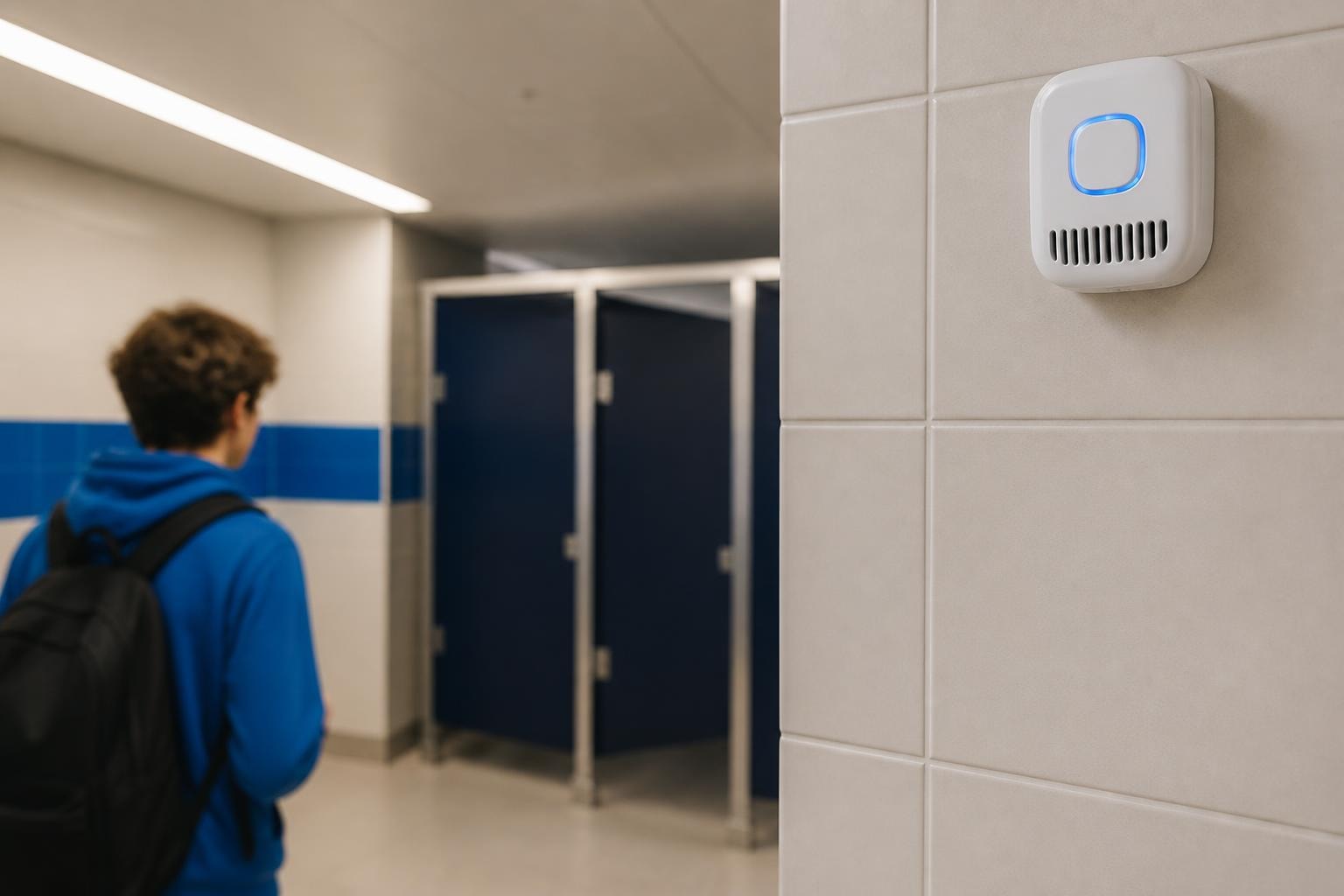
The rise of youth vaping in educational settings has become a pressing concern for schools across the United Kingdom. As disposable vapes and sophisticated devices proliferate amongst students, traditional supervision methods prove inadequate in addressing this challenge. A school restroom vape detector represents a technological solution that enables institutions to monitor these typically unsupervised areas whilst maintaining student privacy and creating a healthier learning environment. This advanced approach combines air quality monitoring with intelligent alerts, empowering schools to respond swiftly and effectively to vaping incidents.
Understanding School Restroom Vape Detection Technology
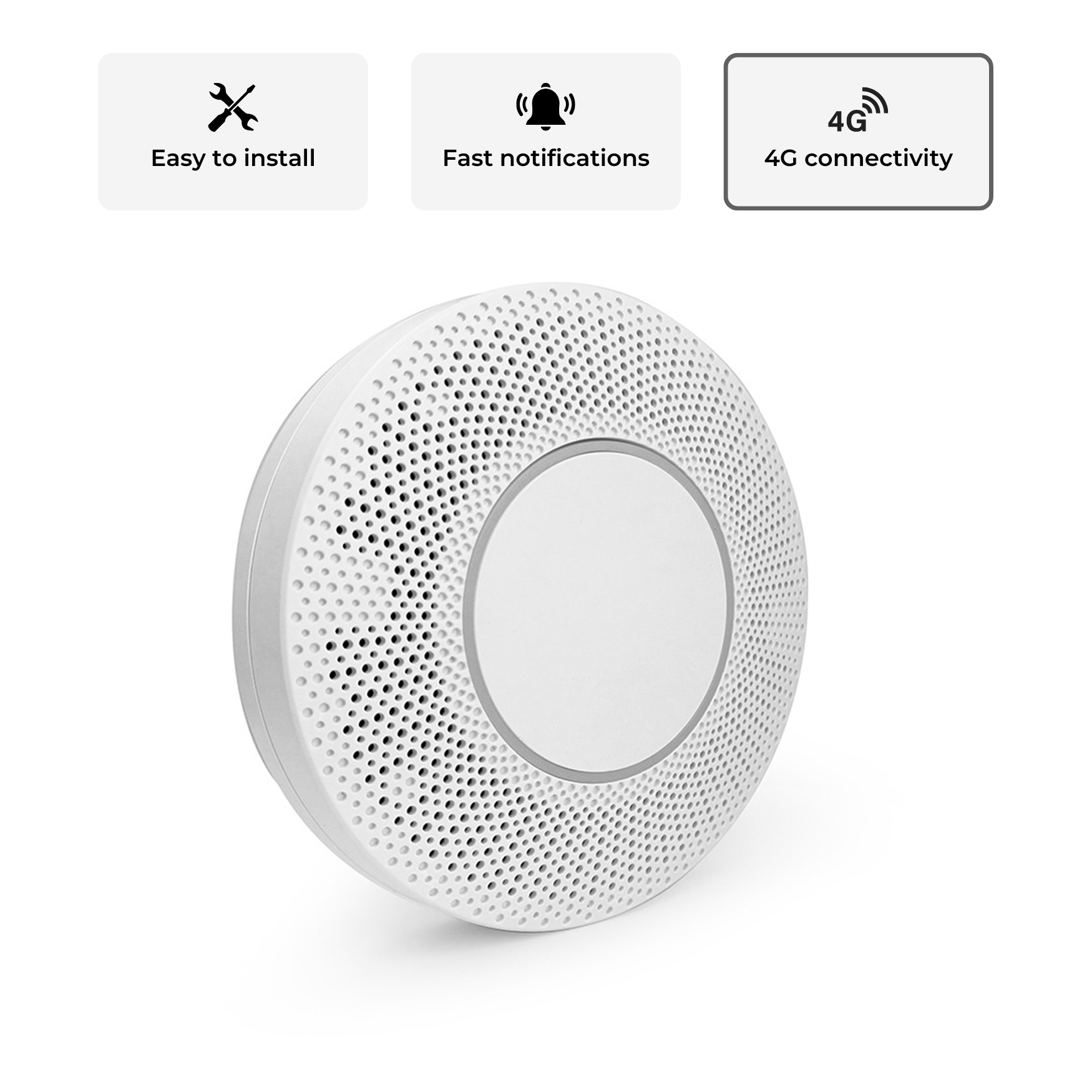
Modern vape detection systems function through sophisticated sensor arrays that analyse particulate matter and chemical signatures in the air. Unlike traditional smoke detectors designed solely for fire safety, a school restroom vape detector specifically identifies the unique compounds released by electronic cigarettes, including propylene glycol, vegetable glycerin, and various flavouring agents.
These sensors continuously monitor air quality parameters, establishing baseline readings for each location. When the device detects anomalies consistent with vaping activity, it triggers an alert system that notifies designated staff members immediately. The technology differentiates between vaping vapour and other airborne substances such as aerosol sprays or cleaning products, reducing false alarms.
Key Detection Capabilities
A comprehensive school restroom vape detector provides multiple monitoring functions beyond basic vape detection:
- Chemical signature identification for various vaping substances and cannabinoids
- Air quality metrics tracking temperature, humidity, and particulate concentration
- Sound anomaly detection identifying potential bullying or anti-social behaviour
- Tamper alerts notifying staff when devices are obstructed or damaged
- Real-time notifications delivered via mobile applications and email systems
The multi-sensory approach ensures schools gain visibility into restroom environments without invasive camera surveillance, preserving student dignity whilst maintaining safety standards.
Strategic Placement for Maximum Effectiveness
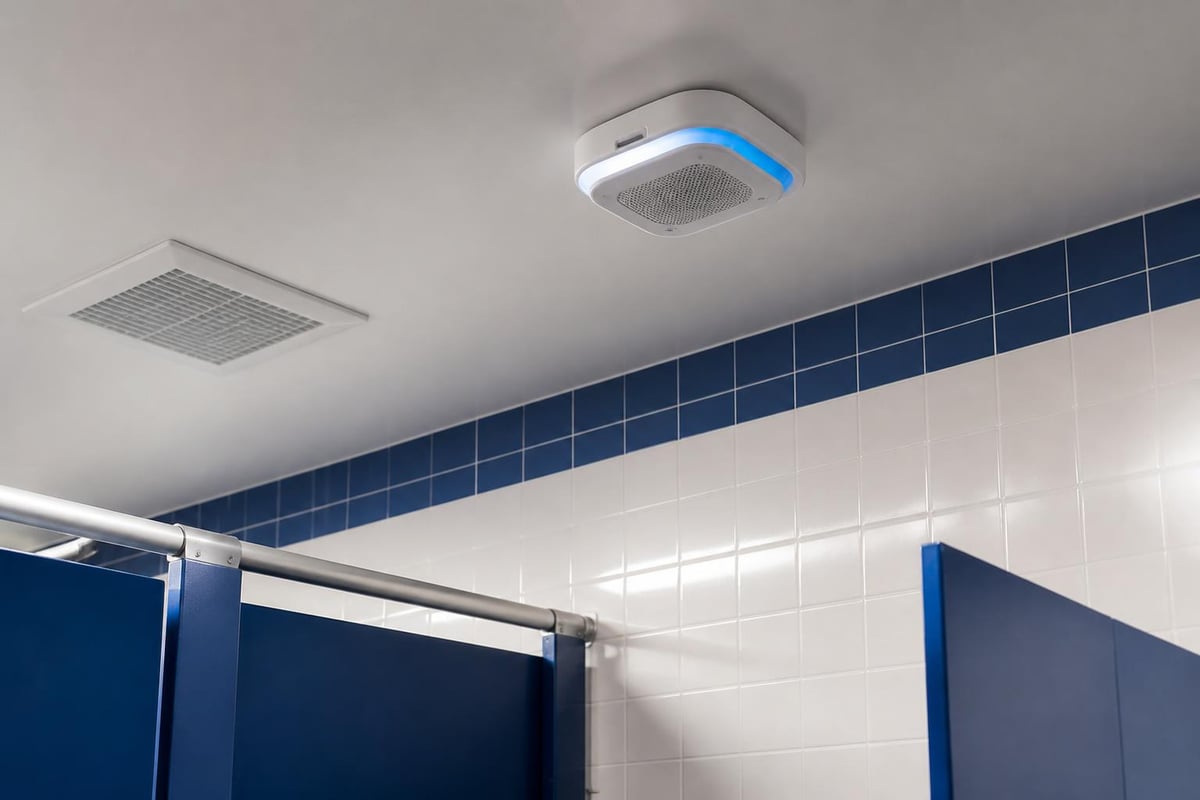
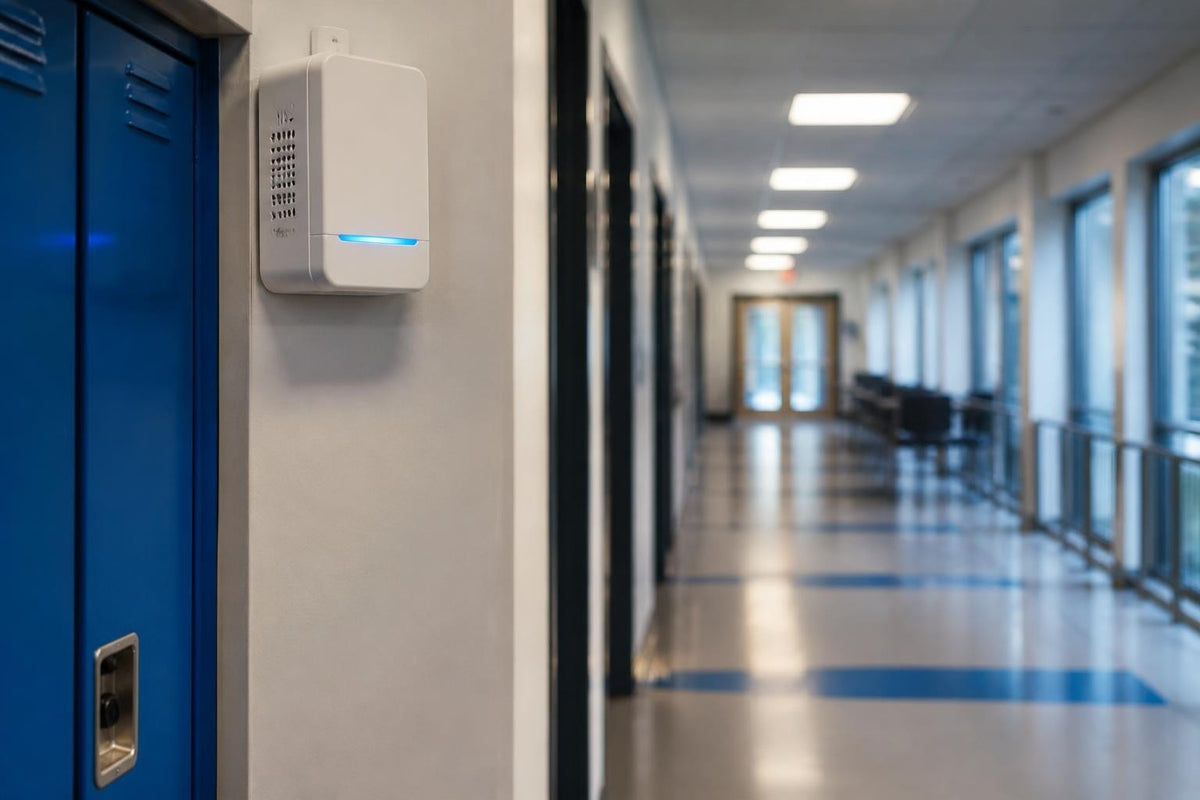
Deployment strategy significantly impacts the performance of vape detection systems. Schools must consider architectural features, ventilation patterns, and student traffic when positioning devices. A school restroom vape detector typically mounts on ceilings or high walls where air circulation naturally carries vapour particles to the sensor array.
Restrooms represent the primary installation location due to their privacy and frequent use for concealed vaping. However, effective programmes extend coverage to changing rooms, storage areas, and other unsupervised spaces where students might attempt to vape undetected.
Installation Considerations
| Location Type | Priority Level | Coverage Recommendations |
|---|---|---|
| Student restrooms | High | Every facility, one device per space |
| Changing rooms | High | All athletic facilities and PE areas |
| Storage cupboards | Medium | High-risk areas near student zones |
| Stairwells | Medium | Multi-floor buildings and exit routes |
| Library corners | Low | Quiet zones with limited supervision |
Proper placement requires coordination with facilities teams and IT departments to ensure adequate power supply and network connectivity. Setting up your sensor involves both physical installation and software configuration to match each school's specific alert protocols.
The Growing Vaping Challenge in Schools
Youth vaping rates have escalated dramatically over recent years, with disposable devices becoming increasingly accessible despite age restriction policies. Research indicates that environmental monitoring solutions can significantly reduce vaping incidents when implemented as part of comprehensive school policies.
Students often perceive vaping as less harmful than traditional smoking, leading to casual use during school hours. The discreet nature of modern devices, combined with flavoured options that produce minimal odour, makes detection through traditional observation nearly impossible. This creates an environment where vaping behaviours can escalate unchecked.
Schools face multiple challenges when addressing this issue. Staff cannot reasonably monitor every restroom constantly, and student privacy rights limit surveillance options. Additionally, confiscating devices requires catching students in the act, which rarely occurs through random checks alone.
Impact on Educational Environments
The presence of vaping in schools extends beyond individual health concerns:
- Normalisation of substance use amongst peer groups
- Disruption to learning through increased restroom visits
- Health implications for students with respiratory conditions
- Liability concerns regarding duty of care obligations
- Resource allocation towards enforcement rather than education
A school restroom vape detector addresses these challenges proactively, creating a measurable deterrent effect whilst providing evidence-based data for intervention programmes.
Integration with School Safety Protocols
Effective vape detection requires integration into broader safeguarding frameworks rather than operating as an isolated system. Schools must develop clear response protocols that balance enforcement with educational support, recognising that many students require guidance rather than solely punitive measures.
The Vape Detection System offered by advanced providers includes comprehensive software platforms that log incidents, track trends, and generate reports for administrators. This data-driven approach enables schools to identify patterns, target interventions effectively, and measure programme success over time.

Alert systems must reach appropriate personnel immediately. Designating response teams ensures swift action when a school restroom vape detector triggers a notification. This typically includes pastoral staff, senior leaders, or designated safeguarding personnel who can investigate incidents sensitively.
Creating Effective Response Procedures
Response protocols should outline specific steps for various scenarios:
Immediate response actions:
- Verify the alert through discreet observation
- Document the incident with timestamp and location
- Follow established behaviour management policies
- Contact parents or guardians according to school procedures
Follow-up interventions:
- Provide education about vaping health risks
- Assess whether additional support services are needed
- Monitor for repeat incidents using system data
- Review effectiveness of current deterrent measures
Schools implementing best practice for handling vaping alerts report improved outcomes when combining technology with compassionate intervention strategies.
Data Analytics and Trend Monitoring
One significant advantage of deploying a school restroom vape detector involves the analytical capabilities these systems provide. Cloud-based platforms aggregate data across all installed devices, revealing patterns that inform strategic decisions.
Analytics dashboards display incident frequency by location, time of day, and day of week. This information helps schools identify high-risk periods requiring increased supervision or targeted messaging. For instance, data might reveal elevated vaping activity immediately after lunch periods or before afternoon classes.
| Metric Category | Actionable Insights | Strategic Applications |
|---|---|---|
| Temporal patterns | Peak vaping times identified | Schedule supervision adjustments |
| Location hotspots | Specific restrooms most affected | Prioritise intervention resources |
| Incident trends | Increasing or decreasing rates | Measure policy effectiveness |
| Device tampering | Security vulnerability zones | Enhance physical security measures |
Long-term data collection enables schools to demonstrate the effectiveness of their anti-vaping initiatives to governors, parents, and regulatory bodies. Quantifiable evidence supports budget requests for expanded programmes or additional resources.
Student Privacy and Ethical Considerations
Implementing surveillance technology in school settings requires careful attention to privacy rights and ethical standards. A school restroom vape detector must balance safety objectives with respect for student dignity and data protection regulations.
Unlike video surveillance, air quality monitoring systems do not capture visual imagery or identify specific individuals directly. The technology detects environmental conditions rather than people, maintaining a level of anonymity whilst still enabling intervention.
Privacy Safeguarding Measures
Responsible deployment includes several protective elements:
- Transparent communication with students and parents about monitoring systems
- Clear signage indicating the presence of detection devices
- Data minimisation collecting only necessary information for safety purposes
- Secure storage protecting incident data according to GDPR requirements
- Limited access restricting alert notifications to authorised personnel only
Schools should integrate vape detection policies into existing behaviour and safeguarding documentation, ensuring all stakeholders understand the purpose and operation of these systems. Educational resources help communicate these policies effectively to the school community.

Staff Training and System Management
The success of a school restroom vape detector programme depends significantly on proper staff training and ongoing system management. Personnel must understand how to interpret alerts, respond appropriately to incidents, and maintain the technology effectively.
Training programmes should address both technical and pastoral aspects of the system. Staff need practical instruction on accessing alert notifications, understanding data dashboards, and troubleshooting basic issues. Equally important is guidance on conducting sensitive conversations with students about vaping concerns.
Essential Training Components
Technical competencies:
- Navigating the alert management platform
- Interpreting sensor data and distinguishing alert types
- Recognising false positives and system malfunctions
- Updating device settings and connectivity parameters
Pastoral skills development:
- Approaching students following vaping alerts
- Conducting supportive rather than confrontational conversations
- Recognising signs of nicotine dependence requiring specialist support
- Collaborating with parents and external agencies
Designated system administrators require more comprehensive training covering device maintenance, software updates, and advanced analytics interpretation. Many providers offer ongoing support and professional development opportunities to ensure schools maximise their investment.
Cost Considerations and Return on Investment
Budget allocation represents a significant factor when schools evaluate vape detection technology. Understanding the full cost structure helps educational institutions make informed procurement decisions and secure necessary funding.
Initial expenses include hardware purchase, installation labour, and network infrastructure upgrades if required. A school restroom vape detector typically operates on either WiFi or cellular connectivity, with recurring subscription fees for cloud services, software updates, and technical support.
| Cost Category | Typical Range (GBP) | Frequency |
|---|---|---|
| Hardware per device | £400 - £800 | One-time |
| Installation per device | £100 - £250 | One-time |
| Annual subscription | £150 - £300 per device | Yearly |
| Network infrastructure | £0 - £2,000 | One-time (if needed) |
Return on investment extends beyond financial metrics to encompass improved student health outcomes, reduced disciplinary incidents, and enhanced school reputation. Schools often find that comprehensive detection systems reduce the staff time previously devoted to investigating suspected vaping, allowing personnel to focus on educational priorities.
Many educational institutions explore funding opportunities through safeguarding budgets, health improvement grants, or multi-academy trust central purchasing programmes. The investment becomes particularly cost effective when deployed across multiple buildings or within trust-wide initiatives.
Technology Evolution and Future Developments
Vape detection technology continues advancing rapidly, with manufacturers developing increasingly sophisticated capabilities. Current-generation devices offer enhanced accuracy, reduced false alarm rates, and expanded detection parameters beyond basic vaping identification.
Emerging developments include artificial intelligence algorithms that learn building-specific patterns, improving detection accuracy over time. Integration with existing school management systems enables seamless incident logging and automated parent notification workflows.
Future iterations may incorporate additional environmental monitoring features such as carbon monoxide detection, mould spore identification, or general air quality metrics that support broader health and safety objectives. This evolution positions a school restroom vape detector as part of comprehensive building monitoring infrastructure rather than a single-purpose device.
The trend towards interconnected school safety systems suggests forthcoming integration between vape detectors, access control systems, and emergency response platforms. Such convergence would enable coordinated responses to various safety scenarios whilst streamlining administrative oversight.
Policy Development and Governance
Effective implementation requires robust policy frameworks that define acceptable use, consequences for violations, and procedures for technology operation. School governance bodies must approve vape detection programmes, ensuring alignment with institutional values and legal obligations.
Policies should articulate the educational purpose of monitoring, emphasising student welfare rather than punitive enforcement. Clear documentation helps defend against potential challenges whilst demonstrating the school's commitment to transparent, proportionate safety measures.
Essential Policy Elements
Comprehensive vape detection policies address multiple dimensions:
Operational parameters:
- Specific locations where devices are deployed
- Alert escalation procedures and responsible personnel
- Data retention periods and access controls
- Device maintenance and testing schedules
Student conduct expectations:
- Clear prohibition of vaping on school premises
- Graduated consequences for violations
- Support pathways for students struggling with nicotine dependence
- Appeal processes for disputed incidents
Regular policy review ensures continued relevance as technology evolves and youth vaping patterns change. Involving student representatives in policy discussions, where appropriate, can improve acceptance and compliance with monitoring programmes.
Multi-Site Deployment Strategies
Larger educational institutions and multi-academy trusts benefit from coordinated deployment strategies that standardise technology across multiple locations. Centralised procurement often secures volume discounts whilst ensuring consistent capabilities across the organisation.
A school restroom vape detector network spanning multiple buildings enables comparative analytics, identifying whether certain sites face greater challenges requiring targeted interventions. Trust-wide dashboards provide executive leaders with comprehensive oversight of vaping trends across their entire estate.
Implementation planning should consider phased rollout approaches that allow schools to refine procedures before expanding coverage. Starting with highest-risk locations demonstrates immediate value whilst building staff confidence in the technology before broader deployment.
School restroom vape detectors provide educational institutions with an essential tool for addressing the youth vaping crisis whilst respecting student privacy and supporting wellbeing objectives. By combining advanced sensor technology with thoughtful policies and staff training, schools create safer environments that promote healthy choices. Vape Guardian delivers comprehensive vaping detection solutions specifically designed for educational settings, offering reliable technology, expert support, and proven results that help schools across the UK tackle this challenging issue effectively.




Share:
Vape Detector for Offices: Protection & Compliance Guide
Workplace Air Quality Sensor: A Complete 2026 Guide