

Indoor air quality has emerged as a critical determinant of workplace health, safety, and productivity in 2026. With employees spending an average of eight hours daily in office environments, the quality of the air they breathe directly impacts their cognitive function, physical wellbeing, and overall performance. A workplace air quality sensor serves as the frontline defence against invisible pollutants, volatile organic compounds, and harmful particulates that can compromise both short-term comfort and long-term health outcomes. As businesses increasingly recognise the connection between environmental conditions and operational excellence, investing in robust air quality monitoring technology has transitioned from a nice-to-have amenity to an essential component of responsible facility management.
Understanding Workplace Air Quality Monitoring Technology
A workplace air quality sensor functions as a sophisticated monitoring device that continuously measures various environmental parameters within office spaces, industrial facilities, educational institutions, and commercial buildings. These sensors detect multiple air quality indicators simultaneously, providing real-time data that facility managers can use to make informed decisions about ventilation, filtration, and occupancy levels.
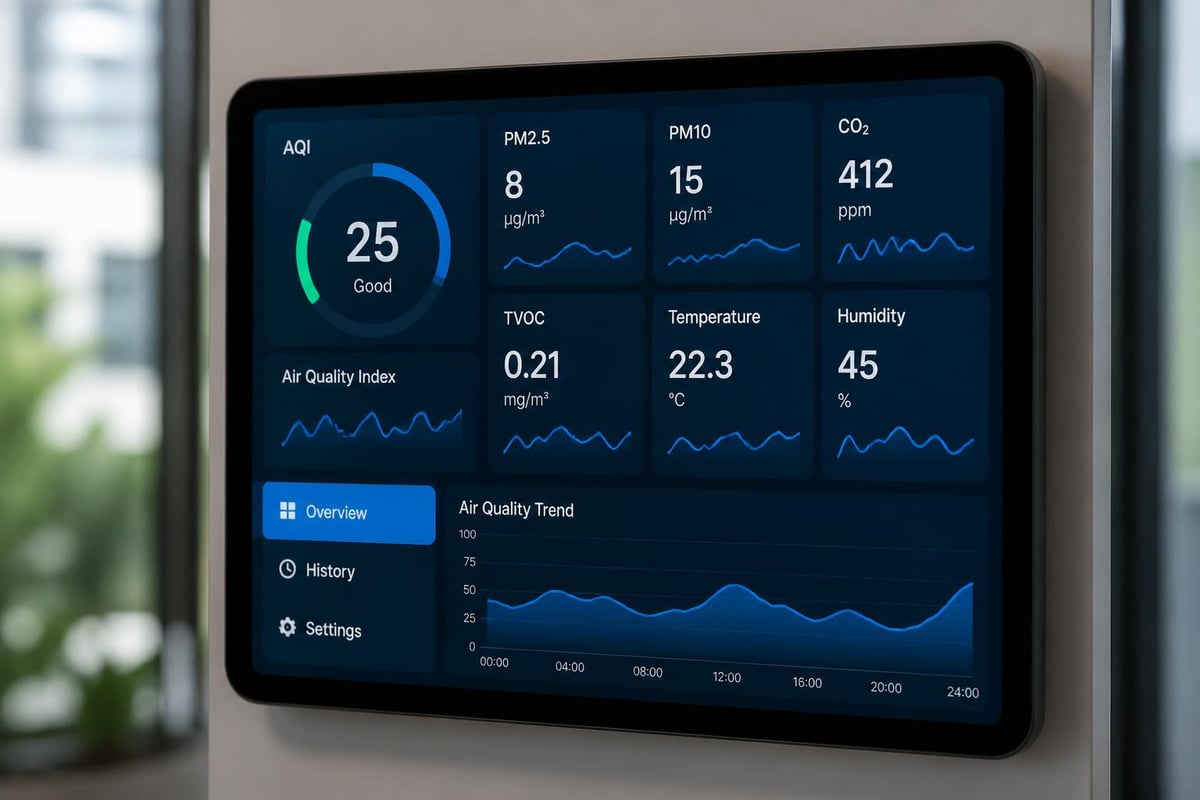
Modern workplace air quality sensors typically monitor several critical parameters:
- Particulate matter (PM2.5 and PM10) – microscopic particles that penetrate deep into respiratory systems
- Carbon dioxide (CO₂) concentrations – indicating ventilation effectiveness and occupancy density
- Volatile organic compounds (VOCs) – chemicals released from building materials, cleaning products, and office equipment
- Temperature and humidity levels – affecting comfort and biological contaminant growth
- Carbon monoxide (CO) – a colourless, odourless toxic gas
- Nitrogen dioxide (NO₂) – commonly found in environments with combustion sources
The CDC's National Institute for Occupational Safety and Health provides comprehensive guidance on direct-reading sensor technologies, emphasising their crucial role in protecting worker health.
The Science Behind Air Quality Detection
Workplace air quality sensors employ various detection methodologies depending on the pollutants being measured. Electrochemical sensors react with target gases to produce electrical signals proportional to gas concentrations. Optical particle counters use laser technology to detect and size airborne particles. Metal oxide semiconductor sensors change electrical resistance when exposed to certain gases.
The accuracy and reliability of a workplace air quality sensor depend significantly on calibration protocols, sensor placement, and regular maintenance schedules. Environmental factors such as airflow patterns, proximity to pollution sources, and seasonal variations all influence sensor readings and must be considered during installation and data interpretation.
| Sensor Type | Detection Method | Typical Applications | Maintenance Frequency |
|---|---|---|---|
| Electrochemical | Chemical reaction | CO, NO₂, O₃ detection | Every 12-24 months |
| Optical particle counter | Laser scattering | PM2.5, PM10 measurement | Every 6-12 months |
| NDIR (Non-dispersive infrared) | Infrared absorption | CO₂ monitoring | Annual calibration |
| Metal oxide semiconductor | Resistance change | VOC detection | Every 6-18 months |
Health Implications and Employee Wellbeing
Poor indoor air quality presents significant health risks that extend far beyond temporary discomfort. The American Lung Association highlights workplace air quality as a critical factor in respiratory health, noting that inadequate ventilation and pollutant accumulation can trigger or exacerbate conditions such as asthma, allergies, and chronic obstructive pulmonary disease.
Short-term exposure to poor air quality manifests through symptoms including headaches, fatigue, difficulty concentrating, eye irritation, and respiratory discomfort. These immediate effects directly impact employee productivity and comfort. Long-term exposure carries more serious implications, potentially contributing to cardiovascular disease, respiratory illness, and cognitive decline.
A workplace air quality sensor provides early warning of deteriorating conditions before they reach levels that cause noticeable symptoms. This proactive approach enables facility managers to implement corrective measures such as increasing ventilation rates, activating air purification systems, or identifying and eliminating pollution sources.
Productivity and Cognitive Performance
Research consistently demonstrates that air quality significantly influences cognitive function and workplace performance. Studies have shown that elevated CO₂ levels, even within ranges previously considered acceptable, can impair decision-making abilities, strategic thinking, and information processing speed.
Temperature and humidity levels monitored by workplace air quality sensors also play crucial roles in comfort and productivity. Environments that are too warm, too cold, or excessively humid create distractions that reduce focus and efficiency. By maintaining optimal environmental conditions through continuous monitoring, organisations can support peak employee performance.
Regulatory Compliance and Standards
Workplace air quality monitoring has become increasingly regulated as governments and health organisations recognise the importance of indoor environmental quality. Employers bear legal responsibilities to provide safe working environments, which includes maintaining acceptable air quality levels.
The Health and Safety Executive in the United Kingdom, along with equivalent bodies in other jurisdictions, provides guidance on workplace ventilation and air quality standards. Whilst specific requirements vary by industry and workplace type, the general principle remains consistent: employers must identify, assess, and control air quality risks.
A workplace air quality sensor provides the objective data necessary to demonstrate compliance with these regulations. Continuous monitoring creates documentation trails that prove due diligence in maintaining safe working conditions. This documentation becomes particularly valuable during inspections, audits, or in response to employee health complaints.
Industry-Specific Requirements
Different sectors face unique air quality challenges that require tailored monitoring approaches. Healthcare facilities must maintain stringent air quality standards to protect vulnerable patients from airborne pathogens and contaminants. Manufacturing environments may need to monitor specific industrial chemicals relevant to their processes. Educational institutions require monitoring solutions that address the needs of higher occupancy densities and younger populations.
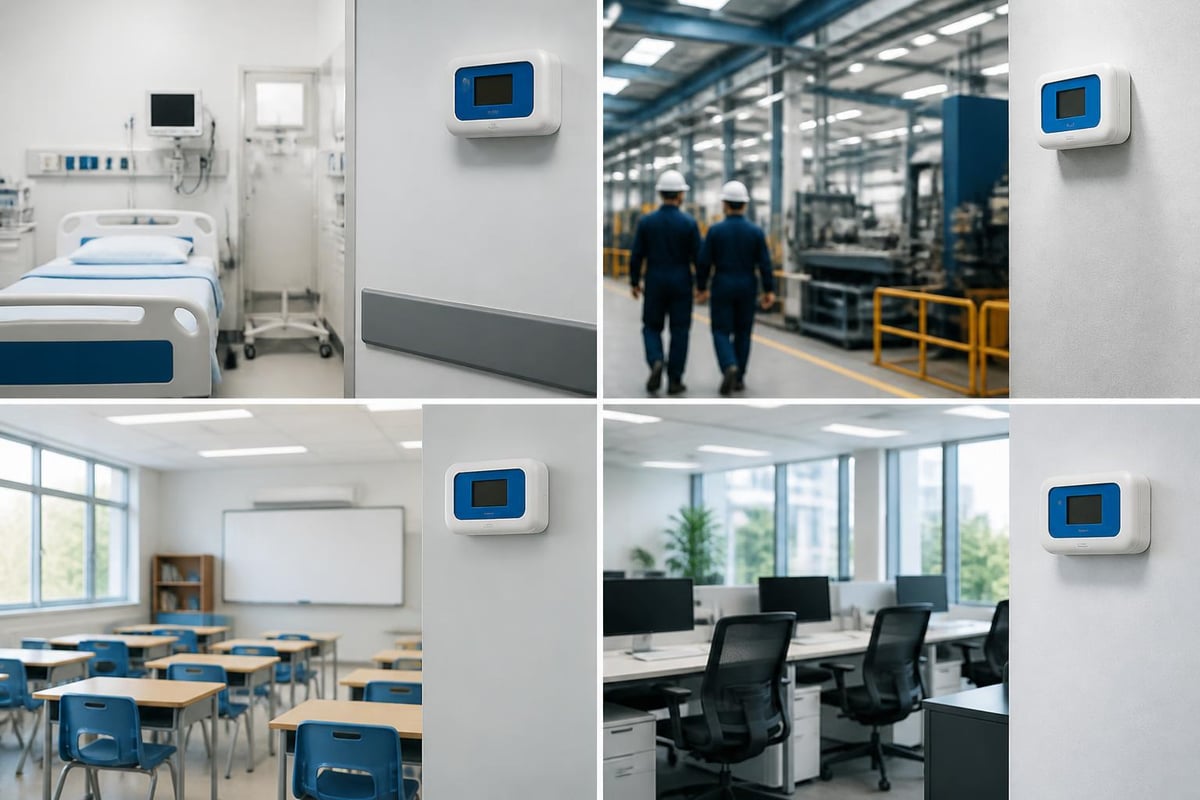
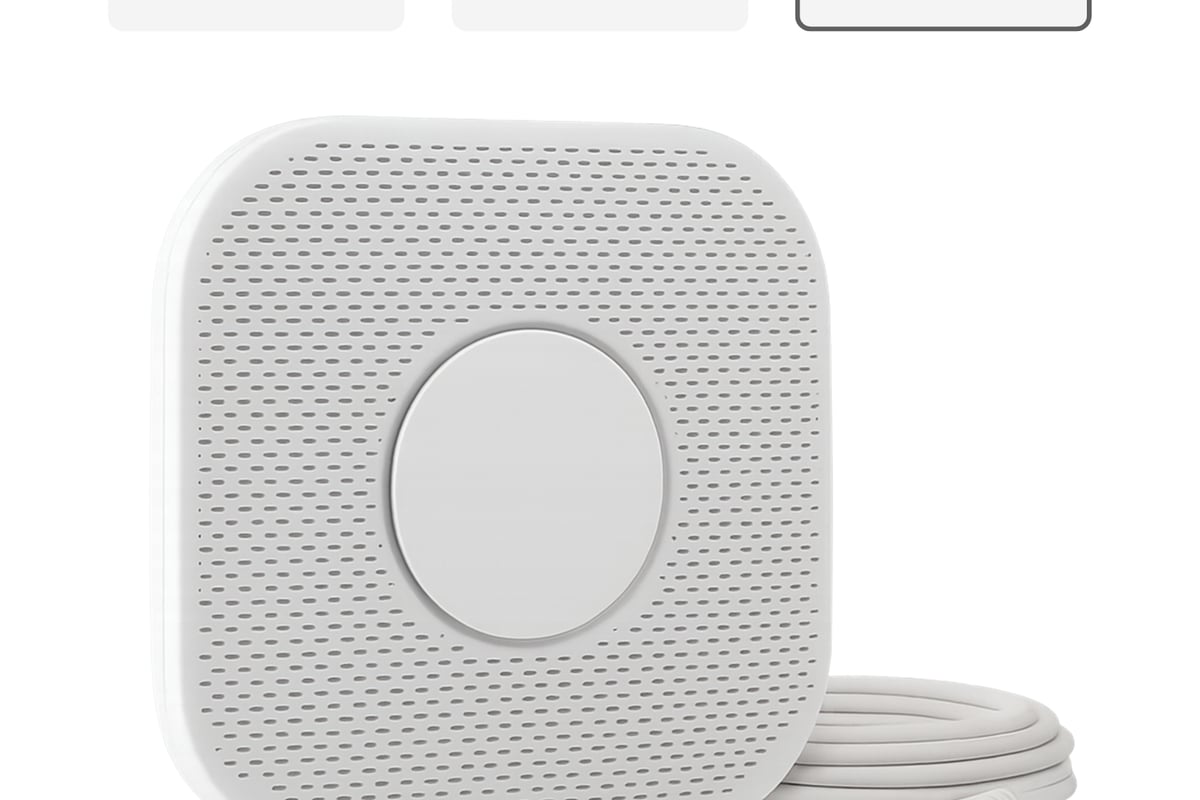
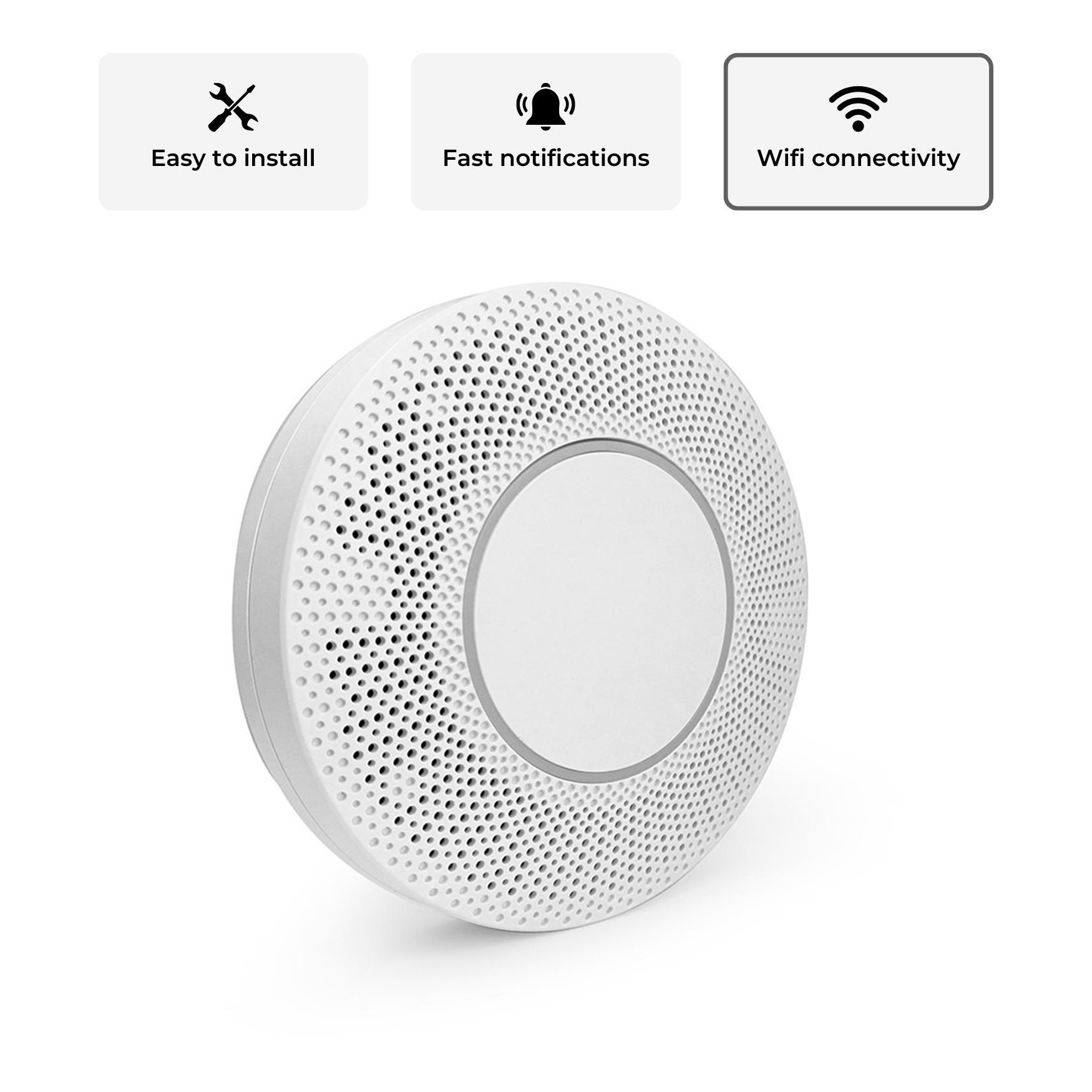
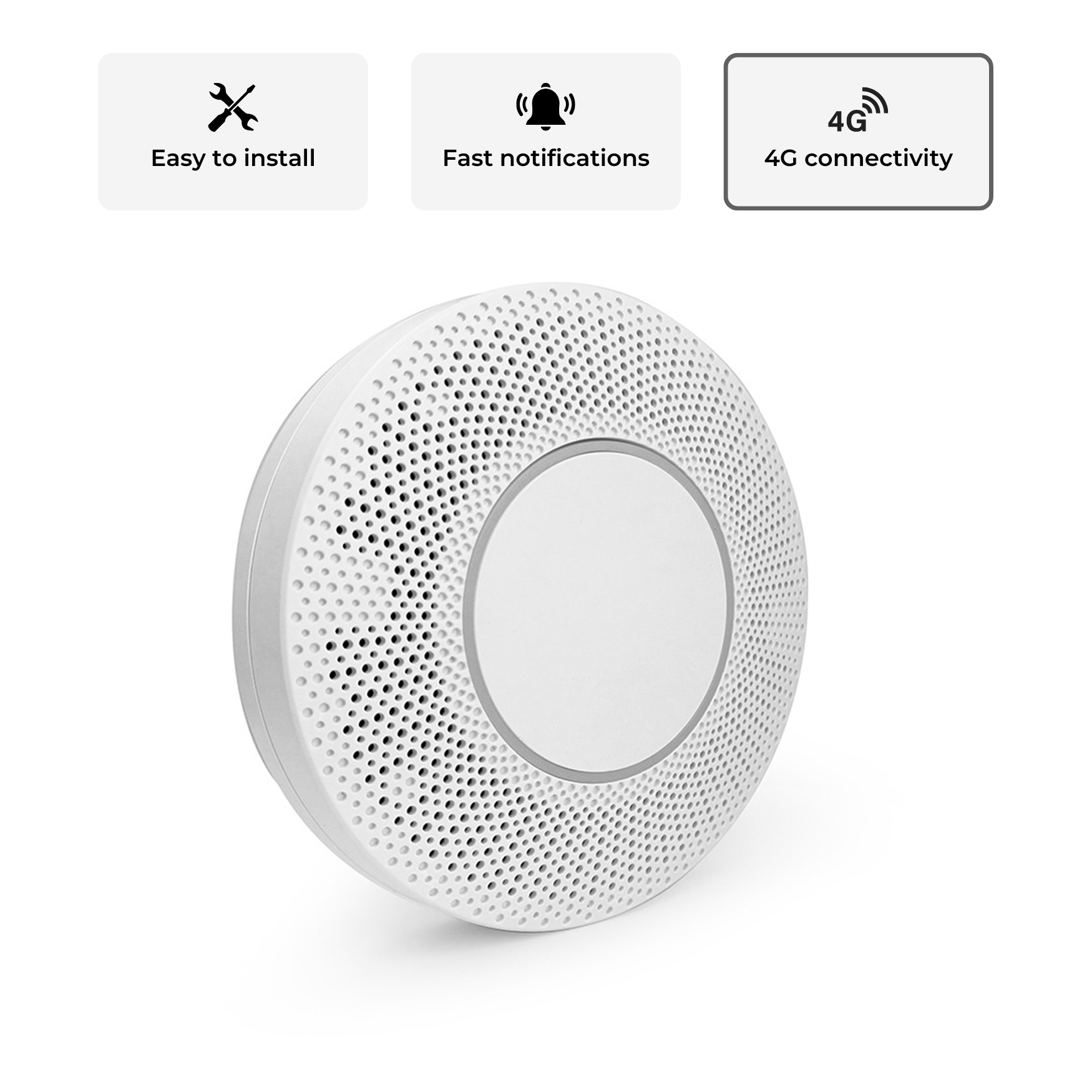
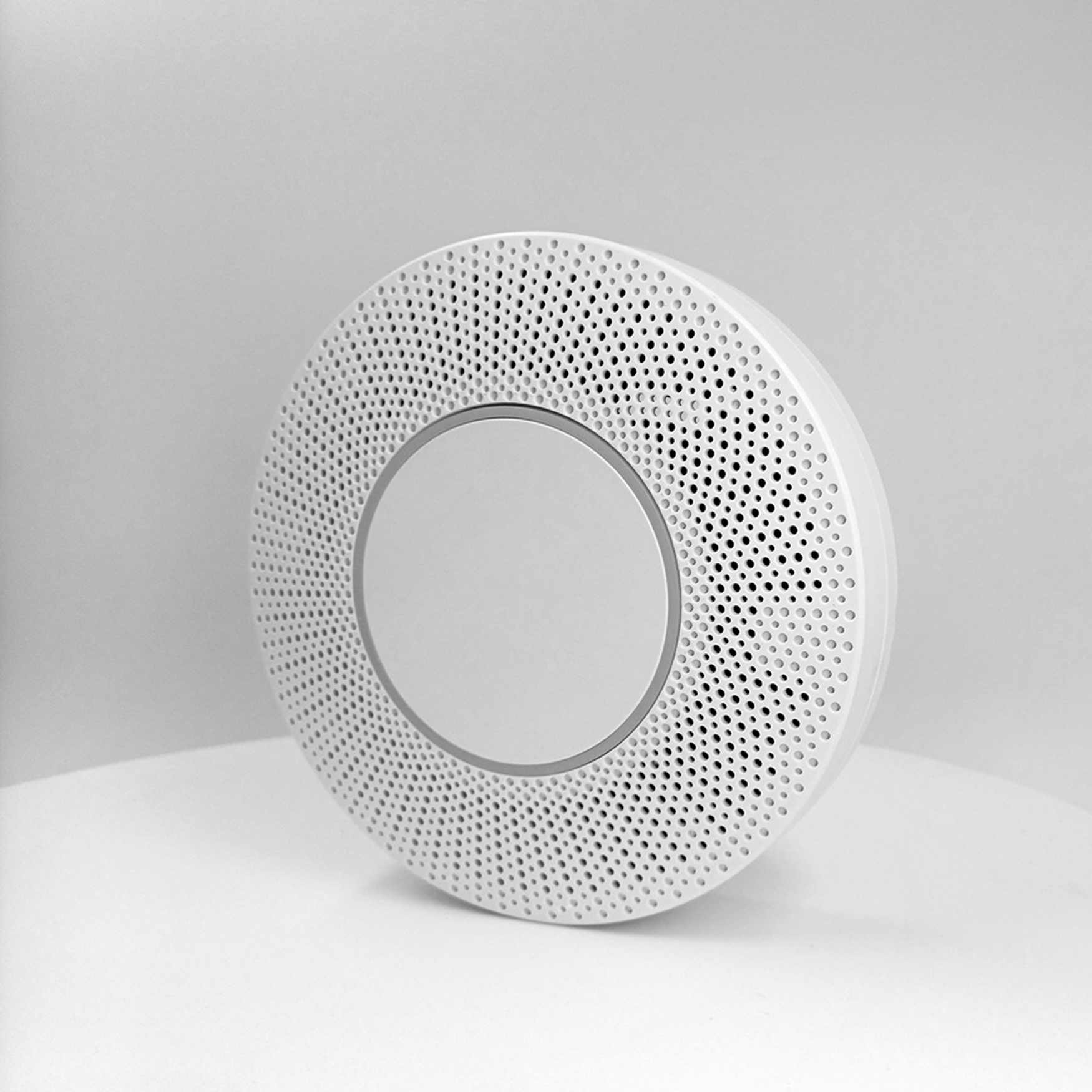
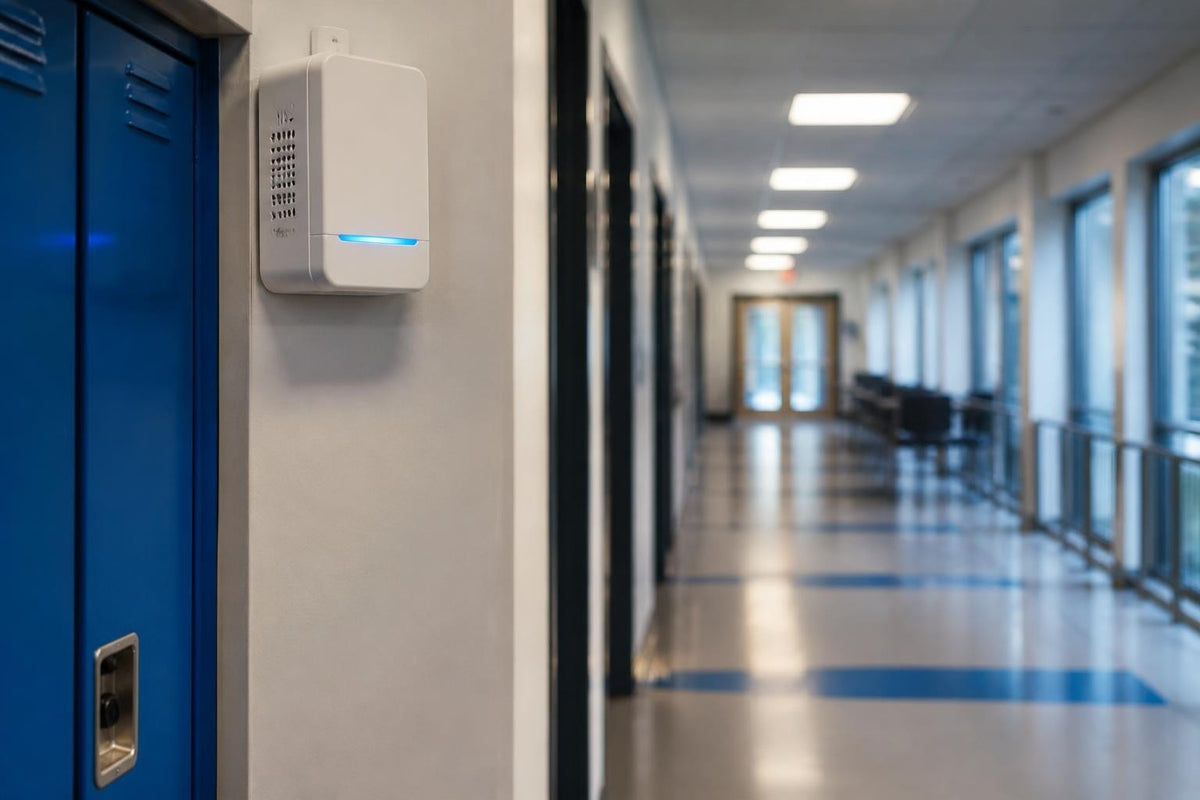
For organisations such as Vape Guardian, specialised detection extends beyond traditional air quality parameters to include substances associated with vaping and other prohibited activities. Their Vape Detection System combines comprehensive air quality monitoring with targeted detection of vape aerosols, supporting compliance efforts in schools, offices, and leisure facilities where vaping policies need enforcement alongside general environmental monitoring.
Implementation and Strategic Placement
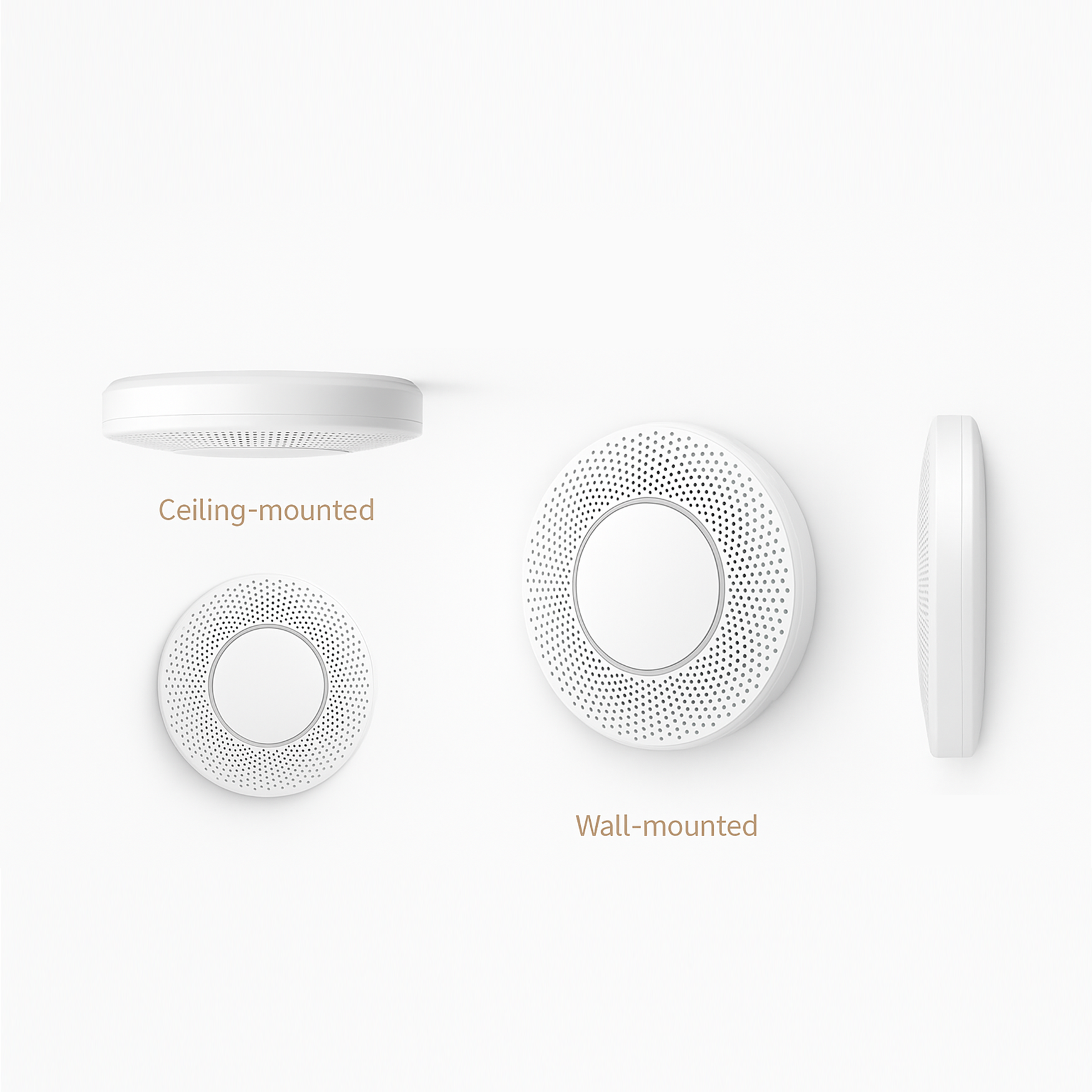
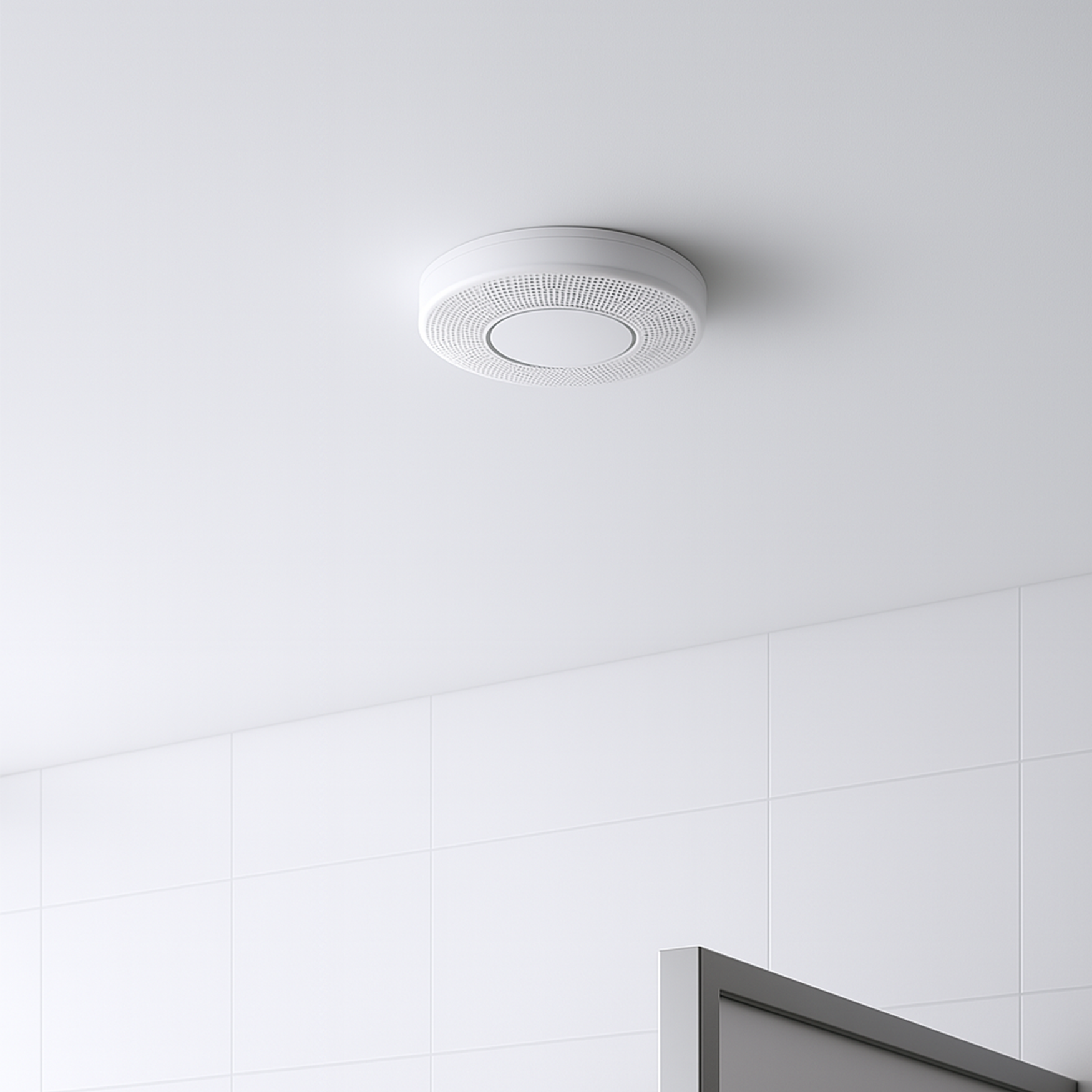
Successful workplace air quality monitoring depends heavily on strategic sensor placement throughout facilities. Simply installing sensors without considering airflow patterns, occupancy zones, and potential pollution sources yields incomplete or misleading data.
Best practices for sensor placement include:
- Positioning sensors in breathing zones – typically 1.2 to 1.8 metres above floor level where employees actually breathe
- Avoiding direct airflow paths – preventing readings skewed by supply vents or return air grilles
- Covering high-occupancy areas – meeting rooms, open-plan offices, and communal spaces require priority monitoring
- Monitoring potential pollution sources – areas near printers, kitchens, or external air intakes
- Accounting for building zones – large facilities need multiple sensors to capture spatial variations
The number of workplace air quality sensors required depends on building size, layout complexity, ventilation system design, and occupancy patterns. As a general guideline, one sensor per 150-200 square metres provides adequate coverage in typical office environments, though this may need adjustment based on specific circumstances.
Integration with Building Management Systems
Modern workplace air quality sensors increasingly integrate with building management systems (BMS) and smart building platforms. This integration enables automated responses to air quality changes, such as adjusting ventilation rates, activating air purification systems, or sending alerts to facility managers.
The U.S. Department of Energy discusses indoor air quality monitoring in the context of building efficiency, highlighting how CO₂ sensors can optimise ventilation systems to maintain air quality whilst minimising energy consumption. This integration represents a significant advancement over standalone monitoring devices that simply display readings without triggering corrective actions.
Data from workplace air quality sensors can also inform long-term facility improvements. Historical trends reveal patterns such as recurring air quality issues during specific times, seasonal variations, or problems associated with particular activities or building areas. This intelligence supports evidence-based decisions about ventilation upgrades, filtration improvements, or operational changes.
Emerging Contaminants and Modern Challenges
The landscape of workplace air quality concerns has evolved significantly in recent years. Traditional pollutants such as carbon monoxide and particulate matter remain important, but new challenges have emerged that require updated monitoring approaches.
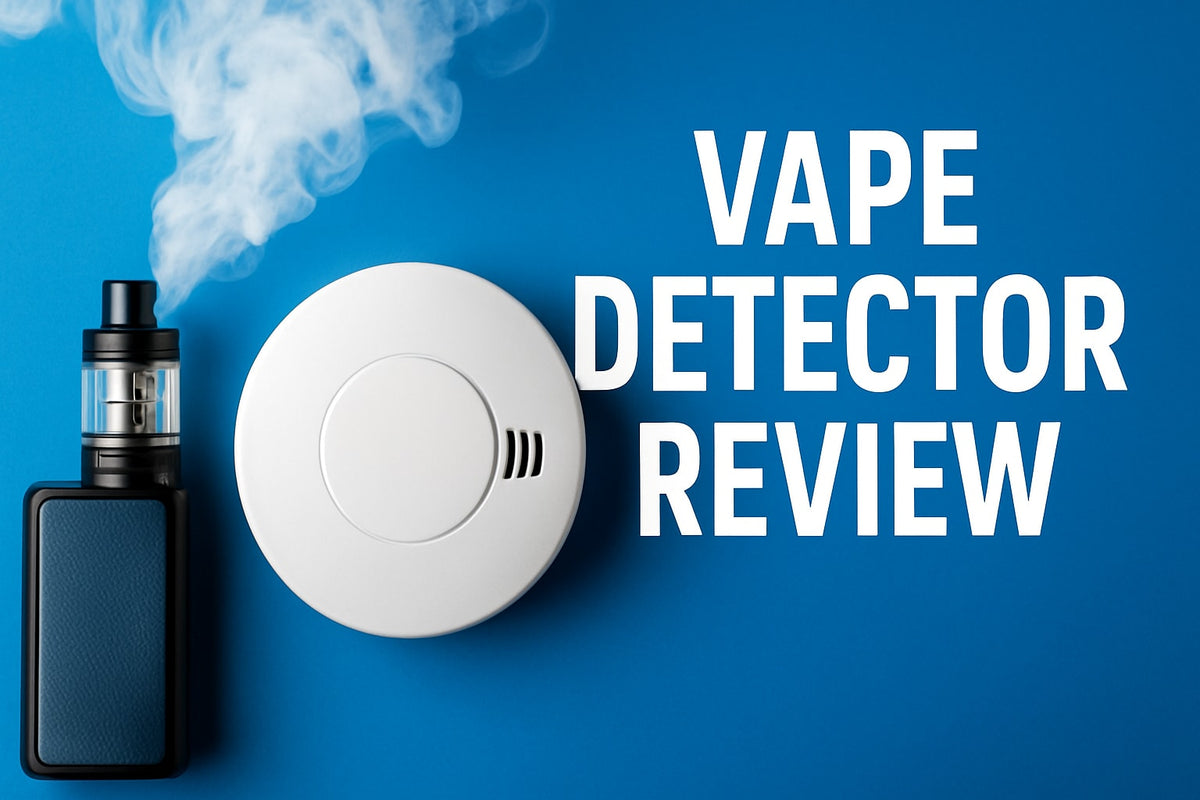
Vaping represents one such modern challenge, particularly in facilities such as educational institutions, office environments, and leisure facilities where policies prohibit the practice. Conventional workplace air quality sensors may not specifically detect vaping aerosols, which contain unique chemical signatures distinct from traditional tobacco smoke. Specialised detection technology has emerged to address this gap, enabling organisations to enforce vaping policies whilst simultaneously monitoring broader air quality parameters.
Biological Contaminants and Airborne Pathogens
The COVID-19 pandemic fundamentally changed how organisations approach workplace air quality. Awareness of airborne pathogen transmission has elevated ventilation and air filtration to critical operational priorities. Whilst most workplace air quality sensors do not directly detect viruses or bacteria, they monitor proxy indicators such as CO₂ levels that correlate with ventilation effectiveness and potential pathogen accumulation.
Higher CO₂ concentrations indicate inadequate air exchange rates, meaning exhaled air from building occupants is not being sufficiently diluted with fresh outdoor air. This condition creates environments where airborne pathogens can accumulate to infectious concentrations. By maintaining CO₂ levels below recommended thresholds (typically 800-1000 parts per million), facilities reduce transmission risks for respiratory infections.
The EPA's guidance on air quality sensors provides valuable context for understanding sensor capabilities and limitations, emphasising the importance of using appropriate technologies for specific monitoring objectives.
Data Interpretation and Action Protocols
Installing a workplace air quality sensor represents only the first step in an effective air quality management programme. The true value emerges from interpreting sensor data and implementing appropriate responses when readings indicate problems.
Organisations should establish clear action protocols based on air quality thresholds:
| Parameter | Acceptable Range | Action Required | Escalation Threshold |
|---|---|---|---|
| CO₂ | Below 1000 ppm | No action | Above 1400 ppm |
| PM2.5 | Below 35 μg/m³ | Monitor trends | Above 55 μg/m³ |
| VOCs | Below 500 ppb | Identify sources | Above 1000 ppb |
| Temperature | 20-24°C | Adjust HVAC | Below 18°C or above 26°C |
| Humidity | 40-60% | Monitor trends | Below 30% or above 70% |
When a workplace air quality sensor detects readings outside acceptable ranges, facility managers should follow systematic troubleshooting processes. First, verify the reading's accuracy by checking sensor calibration and excluding false alarms. Next, identify potential sources contributing to poor air quality. Finally, implement corrective measures such as increasing ventilation, activating filtration systems, removing pollution sources, or temporarily relocating occupants from affected areas.
Training and Stakeholder Communication
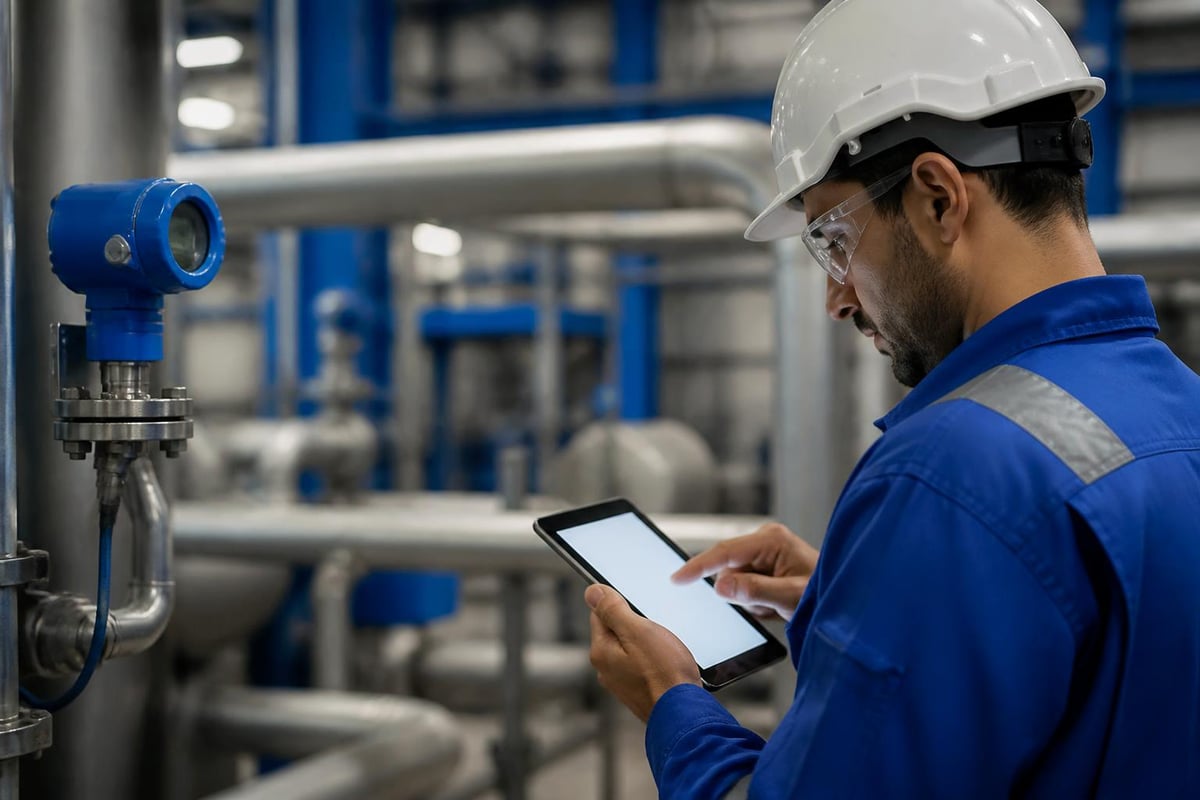
Effective workplace air quality management requires that facility managers, health and safety personnel, and building occupants understand monitoring systems and know how to respond to alerts. Regular training ensures that responsible parties can interpret sensor data, recognise concerning trends, and implement appropriate interventions.
Transparent communication with building occupants builds trust and engagement with air quality initiatives. Displaying real-time air quality data through digital dashboards or mobile applications demonstrates organisational commitment to employee wellbeing whilst educating occupants about their environment. Some organisations find that visible monitoring encourages behaviour changes such as reporting pollution sources or supporting ventilation improvements.
Technology Selection and Procurement Considerations
Selecting appropriate workplace air quality sensor technology requires careful evaluation of organisational needs, budgetary constraints, and technical capabilities. The market offers solutions ranging from basic single-parameter monitors to sophisticated multi-sensor platforms with cloud connectivity and advanced analytics.
Key factors to consider during procurement include:
- Measurement parameters – Which pollutants are most relevant to your specific workplace?
- Accuracy and calibration requirements – What level of precision is necessary, and how frequently does calibration occur?
- Connectivity and integration – Do sensors need to connect with existing building management systems?
- Data management – How will data be stored, accessed, and analysed?
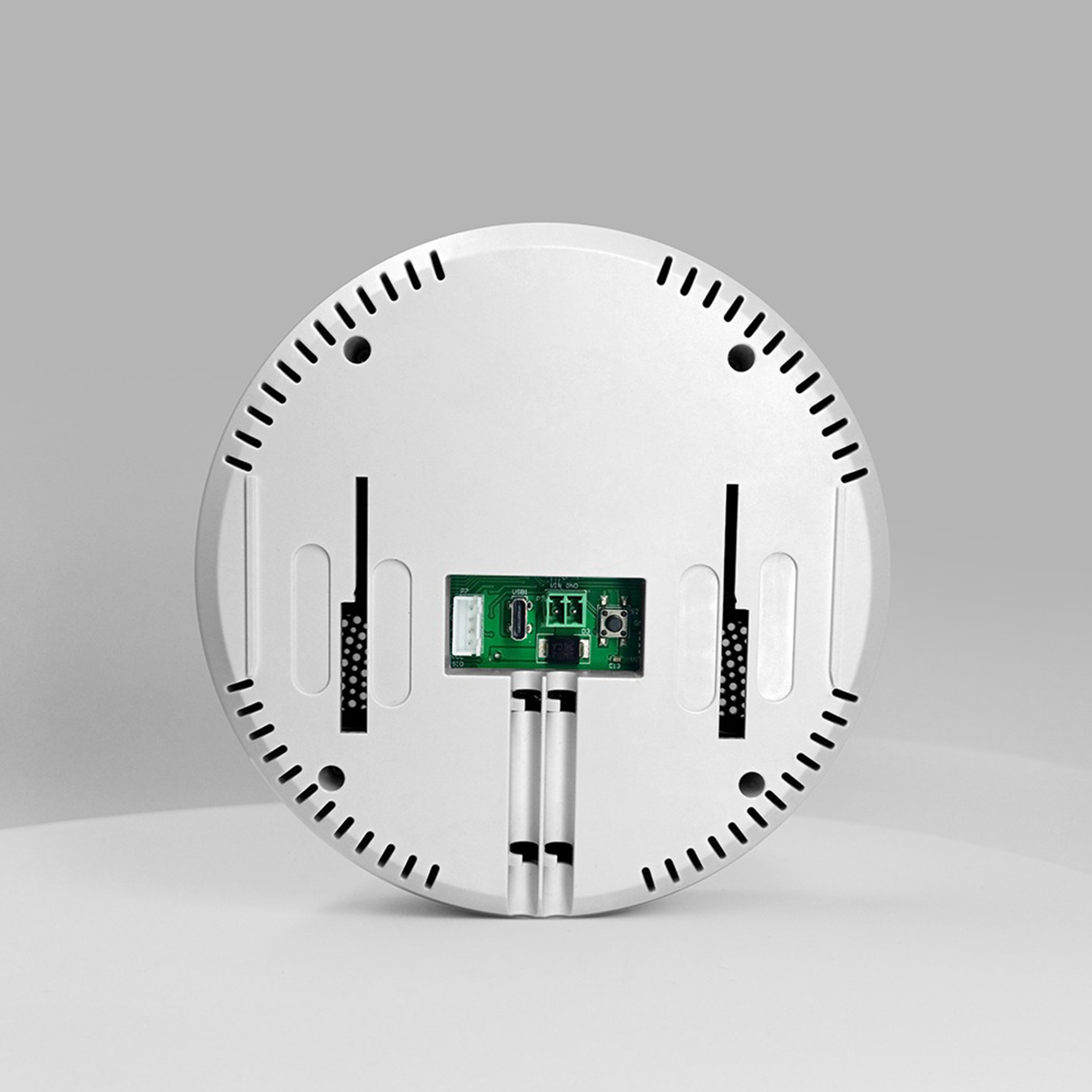
- Power requirements – Are mains power connections available, or are battery-operated units necessary?
- Scalability – Can the system expand as monitoring needs grow?
- Support and warranty – What level of technical support does the manufacturer provide?
The North Carolina Department of Environmental Quality's FAQ on air sensors offers helpful guidance on sensor selection, addressing common questions about functionality, applications, and limitations.
Cost-Benefit Analysis
Implementing workplace air quality monitoring represents an investment that delivers returns through multiple channels. Direct benefits include reduced sick leave as healthier environments support better employee health. Improved productivity stemming from optimal environmental conditions provides measurable value. Enhanced regulatory compliance reduces risk of penalties or legal liability.
Energy savings can also offset monitoring system costs. By optimising ventilation based on actual air quality needs rather than running systems at maximum capacity continuously, organisations reduce utility expenses whilst maintaining healthy environments. Modern workplace air quality sensors enable demand-controlled ventilation strategies that balance air quality with energy efficiency.
Calculating return on investment requires considering both tangible and intangible benefits. Whilst improved employee morale and organisational reputation resist precise quantification, they contribute significantly to long-term business success and competitiveness in attracting talent.
Maintenance and Long-Term Performance
A workplace air quality sensor requires regular maintenance to ensure continued accuracy and reliability. Sensor drift, environmental exposure, and component degradation can compromise performance over time without proper care.
Recommended maintenance activities include:
- Regular calibration according to manufacturer specifications, typically annually or biannually
- Physical cleaning to remove dust accumulation that can affect optical sensors
- Software updates to maintain connectivity and add new features
- Battery replacement for wireless or battery-backup units
- Performance verification through comparison with reference instruments
Establishing documented maintenance schedules ensures that sensors receive necessary attention before performance degradation affects data quality. Many modern sensors provide self-diagnostic capabilities that alert managers to calibration drift or component failures, enabling proactive maintenance rather than reactive repairs.
The EPA's publication on air quality sensor quality assurance emphasises the critical importance of maintaining data credibility through rigorous quality assurance protocols.
Data Quality and Validation
Ensuring high-quality data from workplace air quality sensors requires systematic validation processes. Periodic comparison against reference-grade instruments confirms sensor accuracy. Logical consistency checks identify readings that fall outside physically possible ranges, indicating sensor malfunctions. Trend analysis reveals gradual drift that might not be apparent from individual readings.
Documenting data quality procedures demonstrates due diligence and supports regulatory compliance efforts. Quality-assured data provides the foundation for confident decision-making about facility operations and employee safety.
Future Developments in Air Quality Monitoring
Workplace air quality sensor technology continues evolving rapidly, driven by advances in sensor miniaturisation, artificial intelligence, and connectivity. Emerging trends include sensors capable of detecting an expanding range of pollutants, including specific chemical compounds previously requiring laboratory analysis.
Machine learning algorithms increasingly analyse air quality data to predict problems before they occur, identify subtle patterns invisible to human observers, and optimise building operations automatically. Predictive maintenance capabilities alert managers to sensor issues before they affect data quality.
Integration with occupancy sensing and scheduling systems enables intelligent building management that adjusts ventilation and environmental controls based on actual building use rather than fixed schedules. This approach maximises both air quality and energy efficiency whilst reducing operational costs.
Personal air quality monitors represent another emerging trend, allowing individual employees to understand their specific exposure profiles. Whilst these devices complement rather than replace fixed workplace air quality sensors, they empower employees to make informed decisions about their environments and provide additional data points for facility managers.
The convergence of workplace air quality monitoring with broader smart building ecosystems promises increasingly sophisticated environmental management capabilities. As sensors become more affordable and capable, comprehensive monitoring will transition from specialised applications to standard practice across diverse workplace types.
Protecting workplace air quality requires continuous monitoring, informed decision-making, and appropriate technology investments. A comprehensive workplace air quality sensor programme safeguards employee health, supports regulatory compliance, and contributes to organisational success through improved productivity and reduced absenteeism. Vape Guardian offers advanced monitoring solutions that extend beyond traditional air quality parameters, providing specialised detection capabilities for vaping, drug use, and anti-social behaviour alongside comprehensive environmental monitoring. Contact Vape Guardian today to discover how their innovative sensor technology can create safer, healthier environments in your educational institution, office, or leisure facility.

Share:
School Restroom Vape Detector: Complete Guide 2026
Best School Vape Detector UK: Expert Guide 2026