
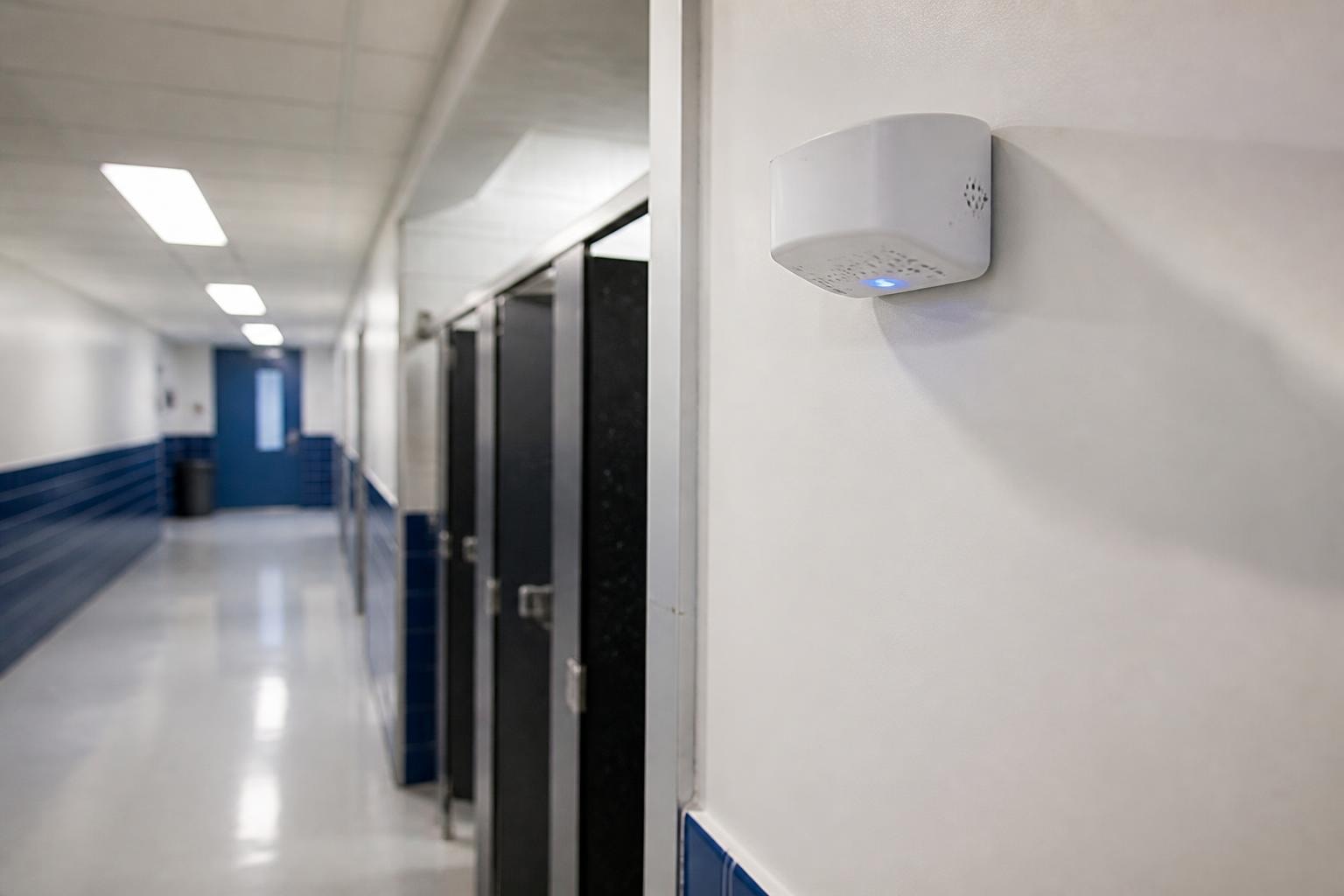
Vaping in schools has become one of the most pressing challenges facing UK educational institutions in 2026. With vaping incidents in schools rising significantly over recent years, headteachers and safeguarding teams are increasingly turning to technology to address this complex issue. The best school vape detector UK systems now combine sophisticated sensors with intelligent alert mechanisms to help staff respond quickly and effectively. This comprehensive guide examines the leading solutions available to schools across Britain, helping you make an informed decision about protecting your students and maintaining a healthy learning environment.
Understanding Vape Detection Technology in UK Schools
Vape detection systems have evolved considerably since first appearing in educational settings. Modern devices utilise advanced air quality sensors to identify chemical signatures associated with vaping products, including nicotine-based e-cigarettes and cannabis-derived substances. The best school vape detector UK solutions can distinguish between vaping aerosols and everyday environmental factors such as deodorants or cleaning products.
These systems typically incorporate multiple detection methods working simultaneously. Particulate matter sensors measure microscopic particles released during vaping, whilst chemical sensors identify specific compounds found in vape liquids. Additional features often include sound detection for alerting staff to potential anti-social behaviour and motion sensors that activate monitoring during occupancy.
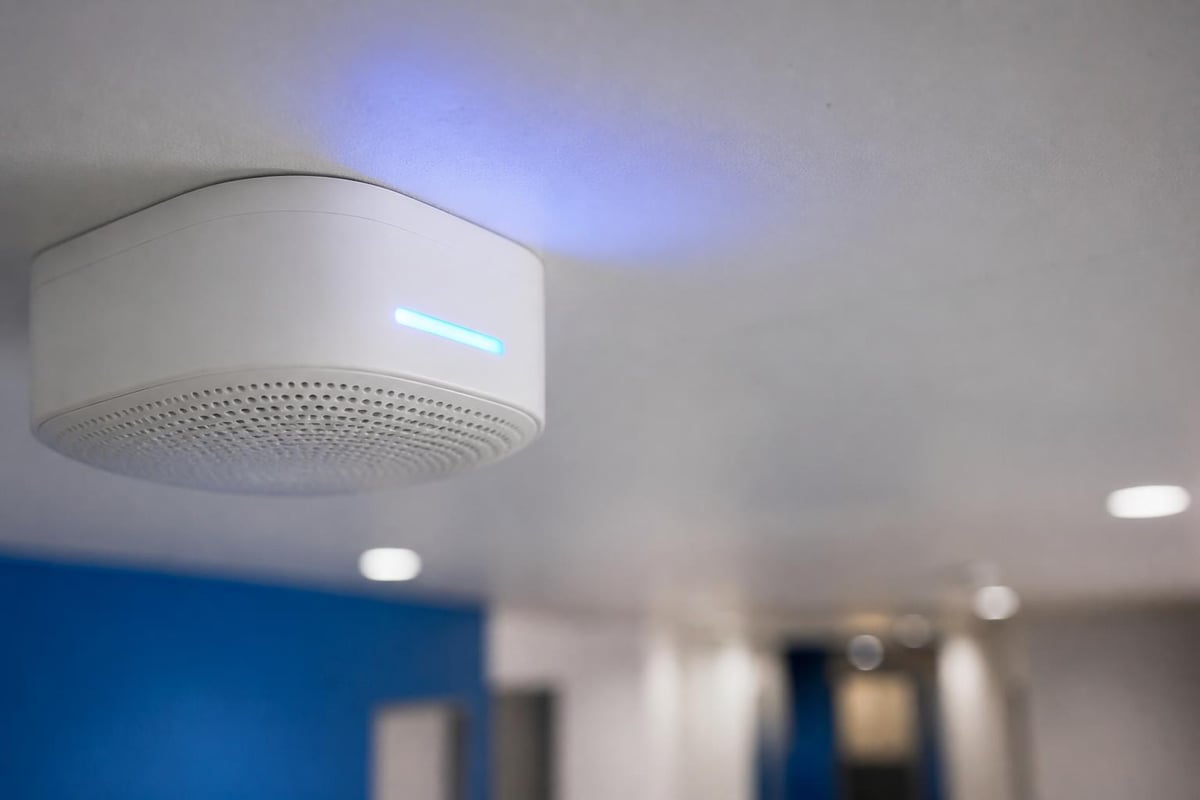
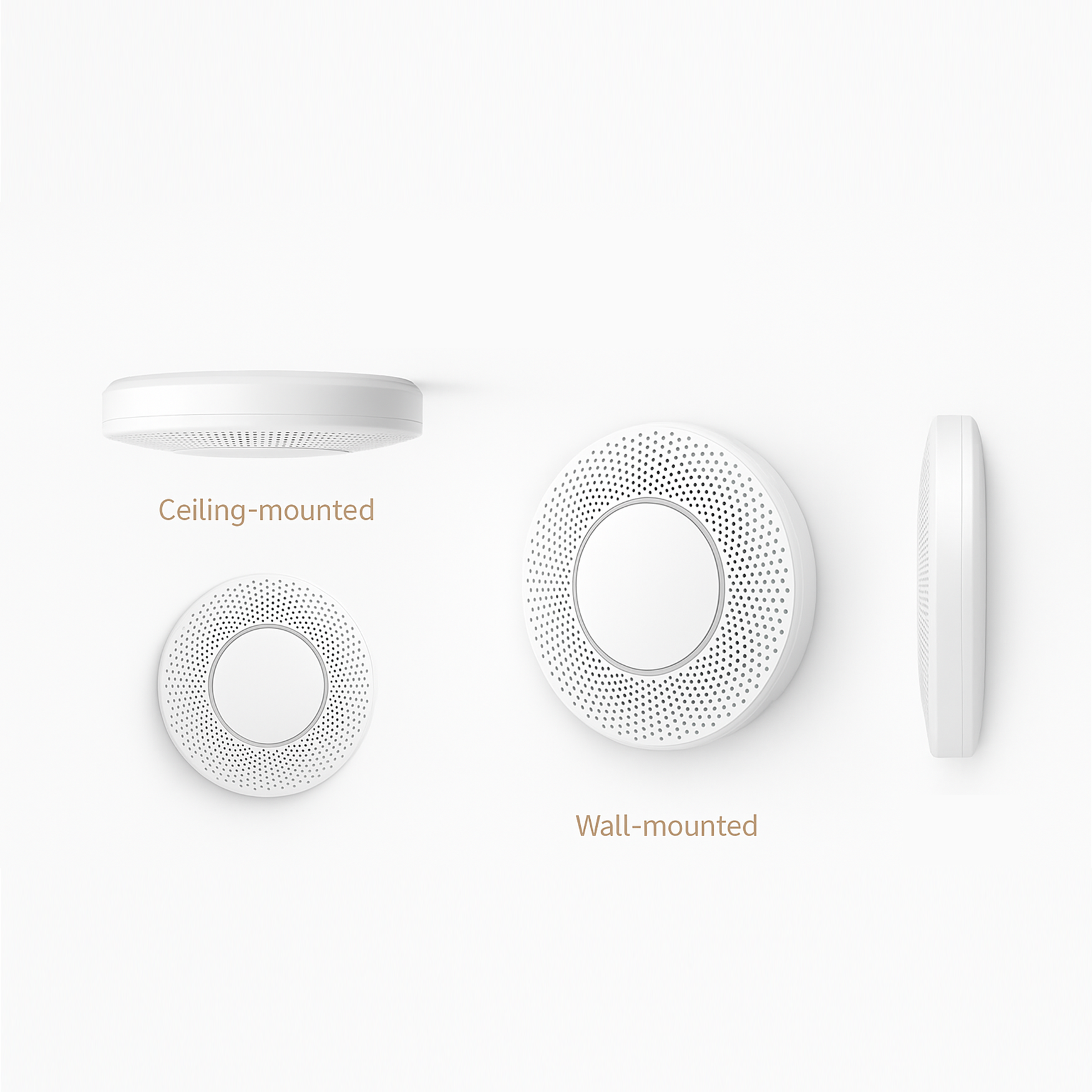
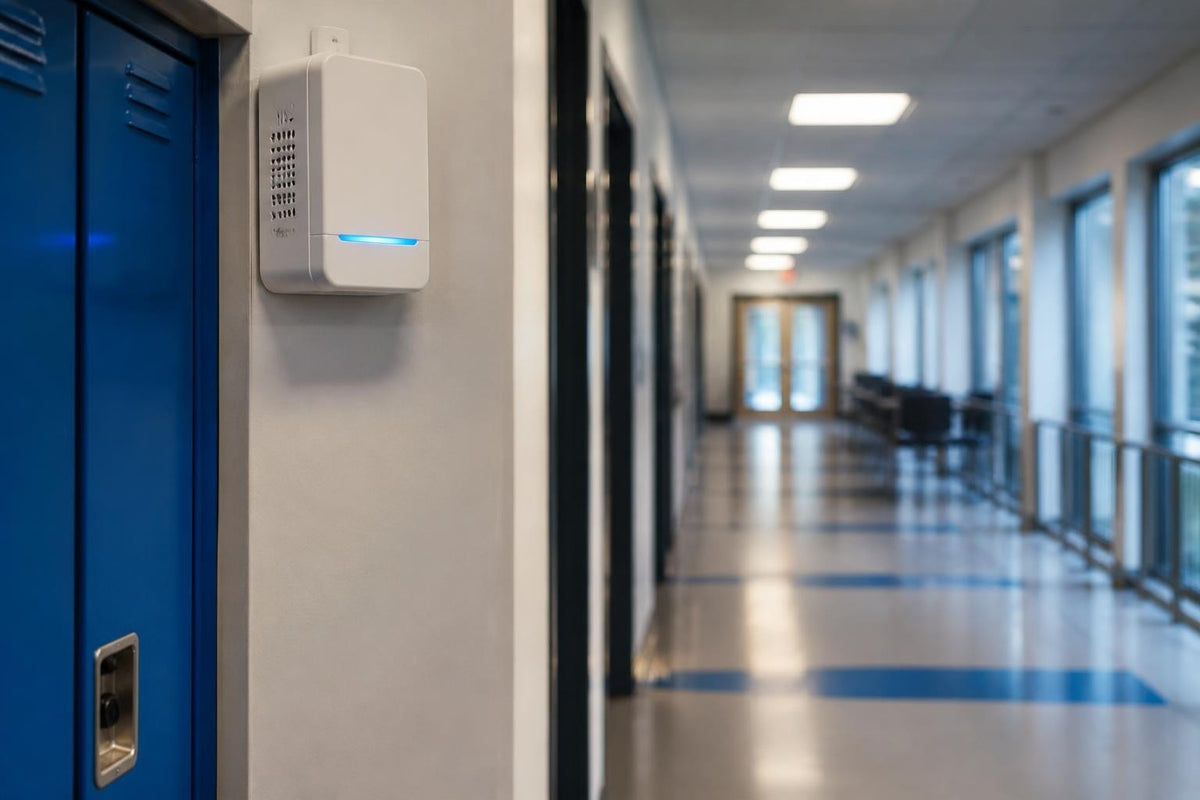
The technology operates discreetly, usually mounted in areas where vaping commonly occurs: toilets, changing rooms, and secluded corridors. When a device detects vaping activity, it sends immediate alerts to designated staff members via mobile applications or email notifications. This real-time capability enables swift intervention before incidents escalate.
Key Features to Evaluate
When searching for the best school vape detector UK options, several critical features warrant careful consideration:
- Detection accuracy and sensitivity levels
- False positive prevention mechanisms
- Integration with existing school systems
- Alert customisation and notification methods
- Data reporting and analytics capabilities
- Tamper resistance and physical durability
- Installation requirements and ongoing maintenance
Detection accuracy remains paramount. Systems must reliably identify vaping whilst minimising false alarms that could lead to alert fatigue amongst staff. The most effective solutions undergo rigorous testing and calibration to ensure consistent performance across varying environmental conditions.
Comparing Leading Vape Detection Systems
Different manufacturers approach vape detection with varying technologies and philosophies. Understanding these differences helps schools select the most appropriate solution for their specific circumstances and budget constraints.
| Feature | Basic Systems | Mid-Range Systems | Premium Systems |
|---|---|---|---|
| Vape Detection | Yes | Yes | Yes |
| THC/Cannabis Detection | Limited | Yes | Yes |
| Sound Monitoring | No | Optional | Yes |
| Air Quality Metrics | Basic | Comprehensive | Advanced |
| Alert Methods | Email only | Email & SMS | Multi-channel & App |
| Data Analytics | Limited | Standard reports | Advanced dashboards |
| Price Range | £300-£500 | £600-£900 | £1,000+ |
Premium systems typically offer broader detection capabilities beyond vaping alone. Many incorporate monitoring for other concerning behaviours, including bullying incidents identified through sound analysis and general air quality deterioration that might affect student wellbeing. These comprehensive solutions provide schools with multi-functional tools that address various safeguarding challenges simultaneously.
Installation and Network Requirements
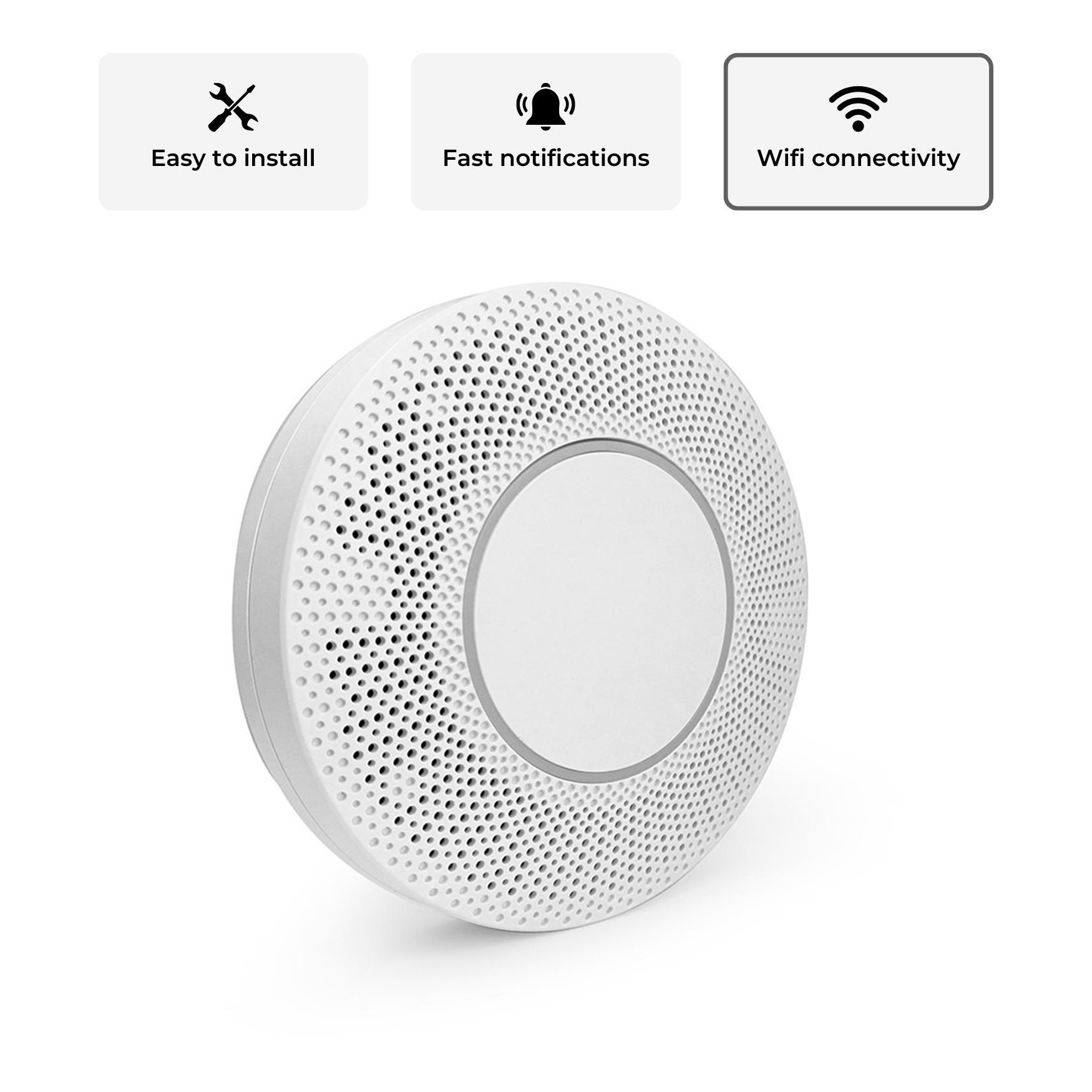
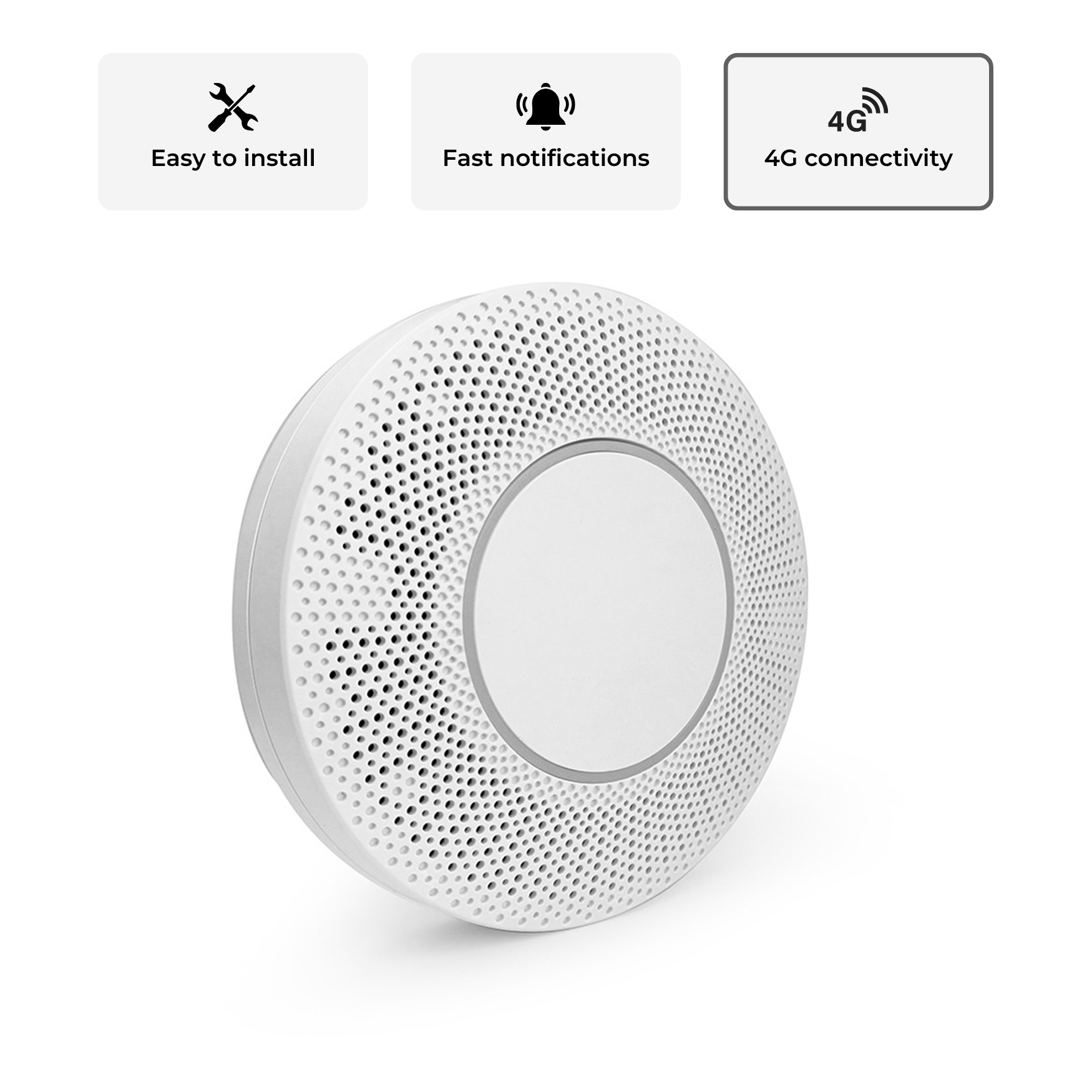
The best school vape detector UK systems offer flexible installation options suited to different school infrastructures. Most devices require either WiFi connectivity or cellular network access to transmit alerts and data. Schools with robust WiFi coverage throughout their premises may prefer network-connected devices, whilst those with connectivity challenges in certain areas might opt for cellular-enabled units.
Professional installation ensures optimal sensor placement and configuration. Whilst some systems allow self-installation, expert placement maximises detection effectiveness and minimises blind spots. Installers typically conduct site surveys to identify high-risk areas and recommend the appropriate number of units needed for comprehensive coverage.
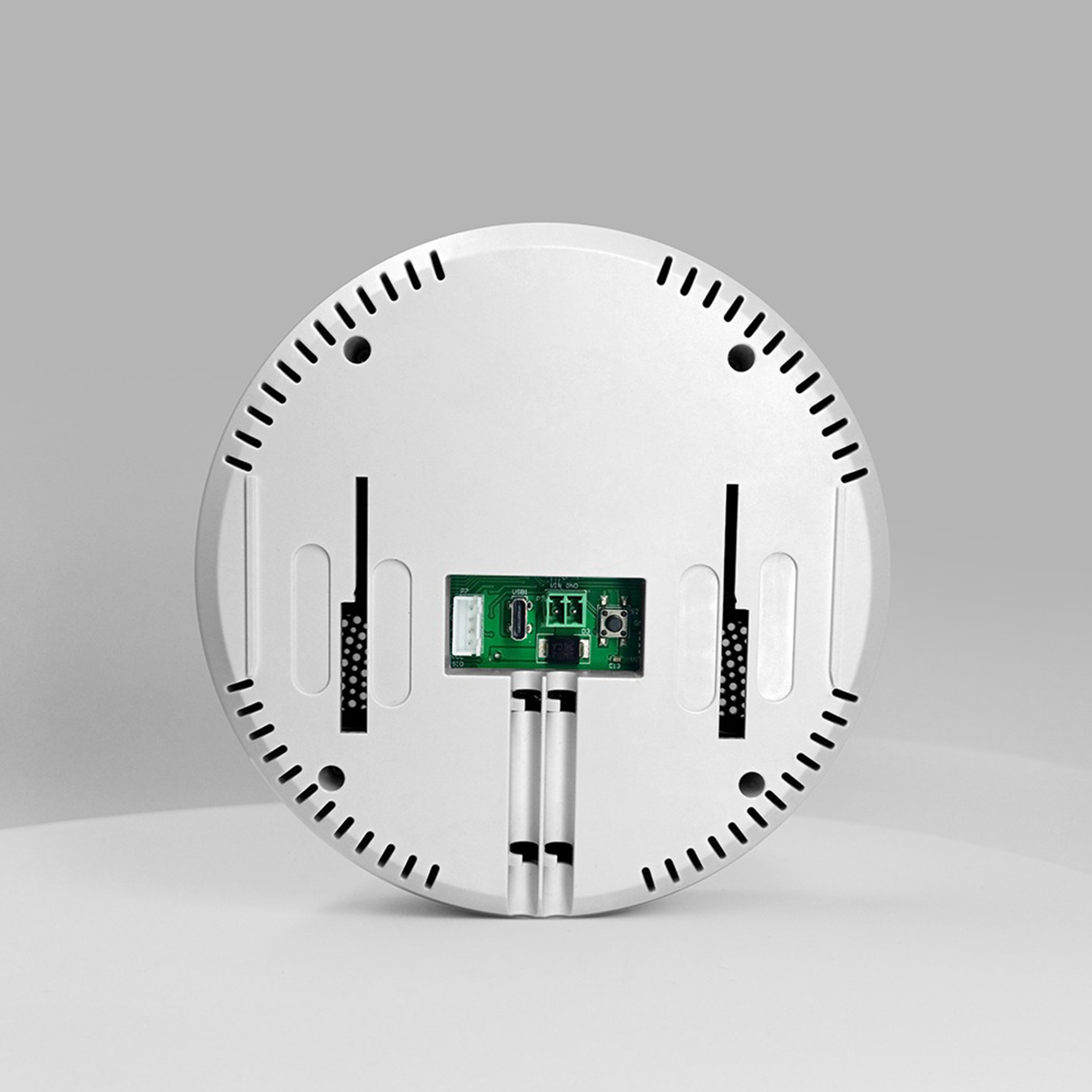
Power requirements vary between models. Some operate on mains electricity, requiring proximity to power outlets, whilst battery-powered alternatives offer greater placement flexibility but necessitate regular battery replacement or recharging schedules.
Legal and Policy Considerations for UK Schools
Implementing vape detection technology requires careful attention to legal frameworks governing surveillance and data protection. UK schools must ensure their use of monitoring systems complies with the General Data Protection Regulation (GDPR) and the Data Protection Act 2018. Transparency with students, parents, and staff about monitoring practices remains essential.
Schools should develop clear policies outlining where detectors are installed, what data is collected, how long information is retained, and who has access to alerts and reports. These policies must balance safeguarding obligations with privacy rights, particularly in sensitive areas like toilets where expectation of privacy exists.
Consultation with stakeholders before implementation builds trust and understanding. Many schools find success by involving student councils, parent groups, and staff representatives in decision-making processes about vape detection deployment. This collaborative approach often leads to greater acceptance and effectiveness.
Supporting Students Who Vape
Technology alone cannot solve vaping challenges in schools. The best school vape detector UK systems work most effectively when combined with comprehensive support programmes for students who use e-cigarettes. NHS stop smoking treatments provide valuable resources that schools can incorporate into their wellbeing strategies.
Schools should establish clear pathways for supporting detected students rather than relying solely on punitive measures. Early intervention, counselling services, and education about vaping risks create more sustainable behaviour change than disciplinary action alone. Many successful schools adopt a health-focused approach, treating vaping as a wellbeing concern requiring support rather than simply a disciplinary matter.

Real-World Performance and Effectiveness
Schools across the UK have reported significant reductions in vaping incidents following detector installation. Data from early adopters suggests that the mere presence of detection technology serves as a powerful deterrent, with many students choosing not to vape knowing they will likely be caught.
Performance metrics vary depending on implementation quality and broader school culture. Schools achieving the best results typically combine detection technology with robust education programmes, clear consequences, and consistent enforcement. Those treating detectors as standalone solutions without supporting initiatives report more modest improvements.
Case Study Insights
- Secondary school in Manchester reported 67% reduction in vaping incidents within first term
- Academy trust across West Midlands achieved 82% decrease in toilet vaping over academic year
- Independent school in London saw 91% of students acknowledge deterrent effect in anonymous surveys
These results demonstrate the potential impact when schools select appropriate technology and integrate it thoughtfully into broader safeguarding frameworks. The best school vape detector UK installations form part of comprehensive strategies rather than isolated technological fixes.
Cost Considerations and Budgeting
Investing in vape detection requires careful financial planning. Beyond initial hardware costs, schools must consider installation expenses, ongoing subscription fees for cloud platforms and alert services, maintenance requirements, and potential replacement costs over time.
Many suppliers offer various pricing models. Some charge upfront for hardware with minimal ongoing fees, whilst others provide subscription-based models that include hardware, software, and support within monthly or annual payments. Schools should evaluate total cost of ownership over expected device lifespan rather than focusing solely on initial purchase prices.
Funding sources available to UK schools include:
- Designated safeguarding budgets
- Wellbeing and mental health allocations
- Capital improvement grants
- Multi-academy trust central funding
- Parent-teacher association fundraising
Some local authorities have established framework agreements with detection system providers, enabling schools to access preferential pricing and simplified procurement processes. Multi-academy trusts often benefit from economies of scale when purchasing systems across multiple sites simultaneously.
The Vape Detection System offers schools comprehensive monitoring capabilities that extend beyond vaping alone, providing value through multi-functional detection of concerning behaviours and environmental factors that impact student wellbeing. This integrated approach helps justify investment by addressing multiple safeguarding priorities through a single technology platform.

Integration with Existing School Systems
The most effective vape detection solutions integrate seamlessly with schools' existing technological infrastructure and operational workflows. Compatibility with current management information systems, safeguarding software, and communication platforms streamlines response processes and reduces administrative burden.
Modern systems typically offer application programming interfaces (APIs) that enable integration with various third-party platforms. This connectivity allows vaping incidents to be logged automatically within existing behaviour tracking systems, creating comprehensive student records without duplicate data entry.
Alert Management and Response Protocols
Efficient alert routing ensures the right staff members receive notifications at appropriate times. The best school vape detector UK systems allow granular control over alert distribution based on time of day, severity levels, and staff availability. Schools can configure different response teams for various scenarios, ensuring appropriate expertise addresses each incident type.
| Alert Type | Primary Recipient | Secondary Recipient | Response Time Target |
|---|---|---|---|
| Vaping Detection | Duty Staff | Pastoral Lead | 2 minutes |
| Aggressive Behaviour | Security/Duty Staff | Senior Leadership | Immediate |
| Air Quality Alert | Facilities Manager | Health & Safety Lead | 15 minutes |
| Tamper Alert | IT Manager | Site Manager | 5 minutes |
Establishing clear protocols before implementation prevents confusion and ensures consistent responses. Staff training on alert interpretation and appropriate interventions maximises system effectiveness whilst protecting student welfare throughout the response process.
Measuring Success and Return on Investment
Schools implementing vape detection should establish clear metrics for evaluating effectiveness and demonstrating value to governing bodies and stakeholders. Quantitative measures might include incident frequency, response times, and detection accuracy rates, whilst qualitative indicators could encompass student feedback, staff confidence levels, and parent satisfaction.
Regular reporting helps maintain momentum and justify continued investment. Many schools produce termly summaries showing trend data, highlighting successes, and identifying areas requiring additional attention. This evidence-based approach supports ongoing refinement of both technology deployment and supporting policies.
Key performance indicators worth tracking include:
- Number of vaping incidents detected monthly
- Average response time to alerts
- Repeat offender rates
- Student survey responses about vaping prevalence
- Staff confidence in addressing vaping issues
- Reduction in toilet damage associated with vaping
Beyond immediate vaping prevention, schools should consider broader impacts on culture and wellbeing. Improved air quality, reduced peer pressure to vape, and enhanced student awareness of health risks represent valuable outcomes that may not appear in simple incident statistics but contribute significantly to overall school improvement.
Supplier Selection and Support Services
Choosing the right supplier proves as important as selecting appropriate technology. The best school vape detector UK providers offer comprehensive support services extending well beyond initial sale and installation. Ongoing technical assistance, regular software updates, and responsive customer service ensure systems continue performing optimally throughout their operational lifespan.
Schools should evaluate potential suppliers across multiple dimensions. Technical capabilities matter, but so do company stability, customer references, and demonstrated understanding of educational environments. Understanding safeguarding requirements specific to schools indicates a supplier genuinely prepared to serve educational institutions effectively.
Training and Documentation
Comprehensive training ensures staff can maximise system benefits whilst avoiding common pitfalls. Quality suppliers provide multiple training formats including on-site sessions, video tutorials, and written documentation suitable for different learning preferences and schedules.
Documentation should cover installation procedures, daily operation, alert interpretation, troubleshooting common issues, and system administration. Clear guidance helps schools maintain independence whilst knowing expert support remains available when needed. The best providers regularly update training materials to reflect software enhancements and emerging best practices.
Future Developments in Vape Detection
Vape detection technology continues evolving rapidly as manufacturers respond to changing vaping products and school requirements. Artificial intelligence and machine learning increasingly enhance detection accuracy whilst reducing false positives. These advanced systems learn from operational data, continuously improving their ability to distinguish genuine vaping incidents from benign environmental factors.
Integration with broader school safety ecosystems represents another significant trend. Forward-thinking manufacturers are developing platforms that combine vape detection with other monitoring capabilities including emergency response systems, access control, and general environmental sensing. This convergence creates comprehensive safety solutions addressing multiple challenges through unified interfaces.
The development of evidence-based understanding about e-cigarettes continues informing both product development and school policies, ensuring interventions remain grounded in current research rather than assumptions or moral panic. Schools benefit from staying informed about evolving evidence and adjusting their approaches accordingly.
Practical Implementation Guidance
Successfully deploying vape detection requires methodical planning and execution. Schools should begin by conducting thorough risk assessments identifying where vaping most commonly occurs and which areas present highest safeguarding concerns. This data-driven approach ensures optimal resource allocation rather than uniform coverage that might waste budget on low-risk locations.
Implementation timeline typically follows this sequence:
- Initial consultation and needs assessment (2-3 weeks)
- Budget approval and procurement (4-6 weeks)
- Site survey and installation planning (1-2 weeks)
- Physical installation and configuration (1 week)
- Staff training and policy communication (2 weeks)
- Phased activation and monitoring (ongoing)
Phased activation allows schools to refine alert thresholds and response protocols before full deployment. Starting with a few high-priority locations enables staff to develop confidence and competence before expanding coverage school-wide. This gradual approach reduces overwhelm and increases likelihood of sustainable success.
Communication proves critical throughout implementation. Students deserve clear explanation about why detection systems are being installed, emphasising wellbeing and safety motivations rather than surveillance and punishment. Transparent communication often reduces initial resistance and fosters more positive long-term acceptance. Resources from vape detection education specialists can support schools in developing age-appropriate messaging that resonates with different student groups.
Maintenance and Long-Term Operation
Sustainable vape detection requires ongoing maintenance and system management. Regular sensor calibration ensures continued accuracy, whilst periodic cleaning prevents dust accumulation that might interfere with detection capabilities. Most manufacturers recommend quarterly maintenance checks, though high-use environments may require more frequent attention.
Software updates deliver important improvements including enhanced detection algorithms, new features, and security patches. Schools should establish processes for reviewing and applying updates promptly, balancing the benefits of new capabilities against potential disruption during installation. Many systems now support remote updates, minimising intervention requirements.
Lifecycle planning helps schools budget appropriately for eventual replacement. Most vape detection units remain effective for 3-5 years before requiring replacement, though environmental conditions and usage intensity affect longevity. Schools should establish replacement reserves enabling timely upgrades without emergency budget requests when devices reach end of life.
Staff changes necessitate periodic retraining to ensure new team members understand system operation and response protocols. Incorporating vape detection into standard induction processes for relevant staff roles ensures consistent capability regardless of personnel turnover. Documentation becomes particularly valuable during transitions, providing continuity when experienced staff members move to new positions.
Selecting the best school vape detector UK system requires careful evaluation of technology capabilities, supplier support, and alignment with your school's specific needs and culture. The most successful implementations combine sophisticated detection technology with comprehensive student support, clear policies, and consistent staff responses. Vape Guardian provides advanced detection solutions specifically designed for UK educational environments, offering the technology, expertise, and ongoing support schools need to create safer, healthier learning spaces for all students. Contact our team to discuss how our systems can address your school's unique challenges and contribute to your broader safeguarding strategy.



Share:
Workplace Air Quality Sensor: A Complete 2026 Guide
Student Safety Technology: Protecting Learners in 2026