Educational institutions across the United Kingdom face unprecedented challenges in maintaining safe learning environments. From cyberbullying and online threats to physical security concerns and substance misuse, schools must address multiple dimensions of student wellbeing simultaneously. Student safety technology has emerged as a critical component in modern educational infrastructure, providing educators and administrators with sophisticated tools to identify risks, respond promptly to incidents, and create protective frameworks that support every learner's physical and emotional development.
The Evolution of Student Safety Technology
The landscape of educational safety has transformed dramatically over the past decade. Traditional security measures like CCTV cameras and visitor management systems remain important, but they represent only a fraction of the comprehensive approach required today.
Modern student safety technology encompasses digital monitoring platforms, environmental sensors, behaviour analysis tools, and integrated alert systems. These solutions work together to create layered protection that addresses both online and offline risks. Schools implementing comprehensive safety solutions report improved incident response times and enhanced ability to identify at-risk students before situations escalate.
Digital Monitoring and Online Protection
Students spend significant portions of their day engaged with digital platforms, both for learning and communication. This digital activity creates potential vulnerabilities that require constant vigilance.
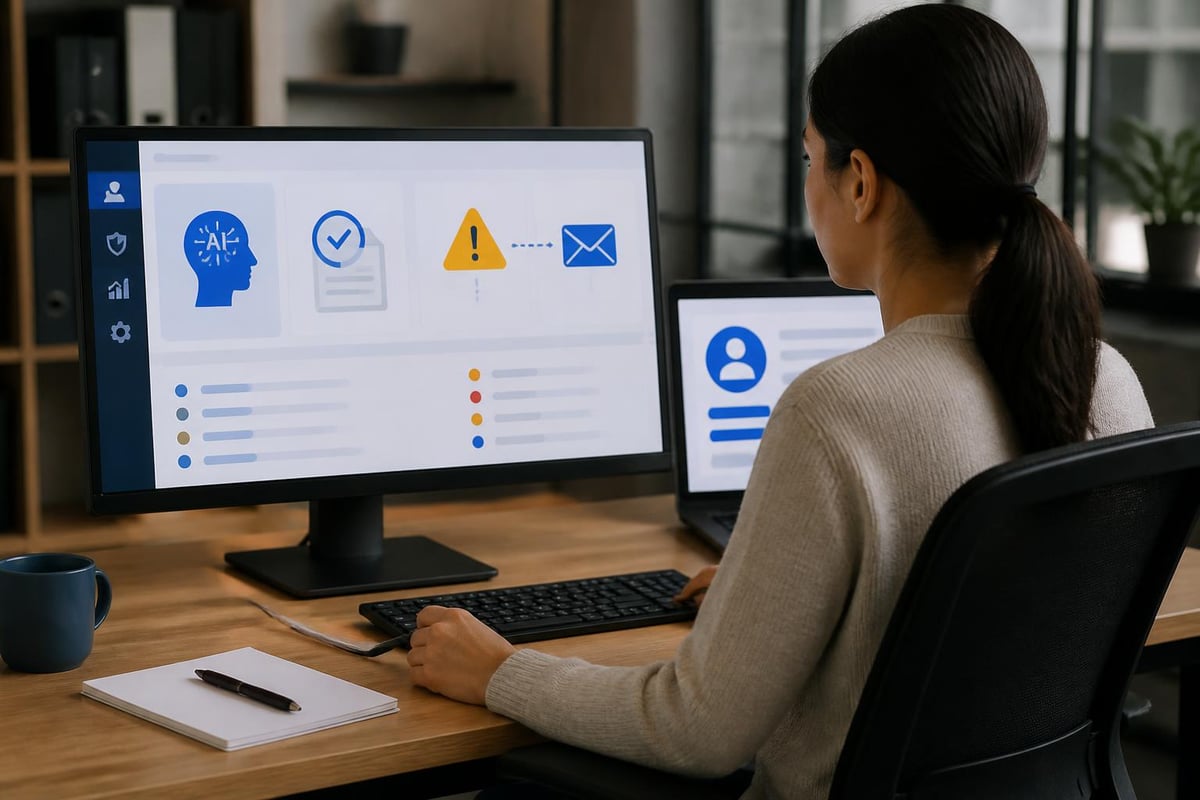
Platforms like Gaggle and Lightspeed Systems employ artificial intelligence combined with human review teams to monitor student online activity. These systems analyse emails, documents, social media interactions, and search queries to identify warning signs of self-harm, violence, or other concerning behaviours.
The effectiveness of these tools depends heavily on implementation quality. Research indicates that user engagement with platform safety technologies significantly impacts outcomes, highlighting the importance of training staff and establishing clear response protocols.
Environmental Detection Systems
Physical environments within schools present unique safety challenges that require specialized monitoring solutions. Toilets, changing rooms, and secluded areas can become locations where prohibited activities occur away from direct supervision.
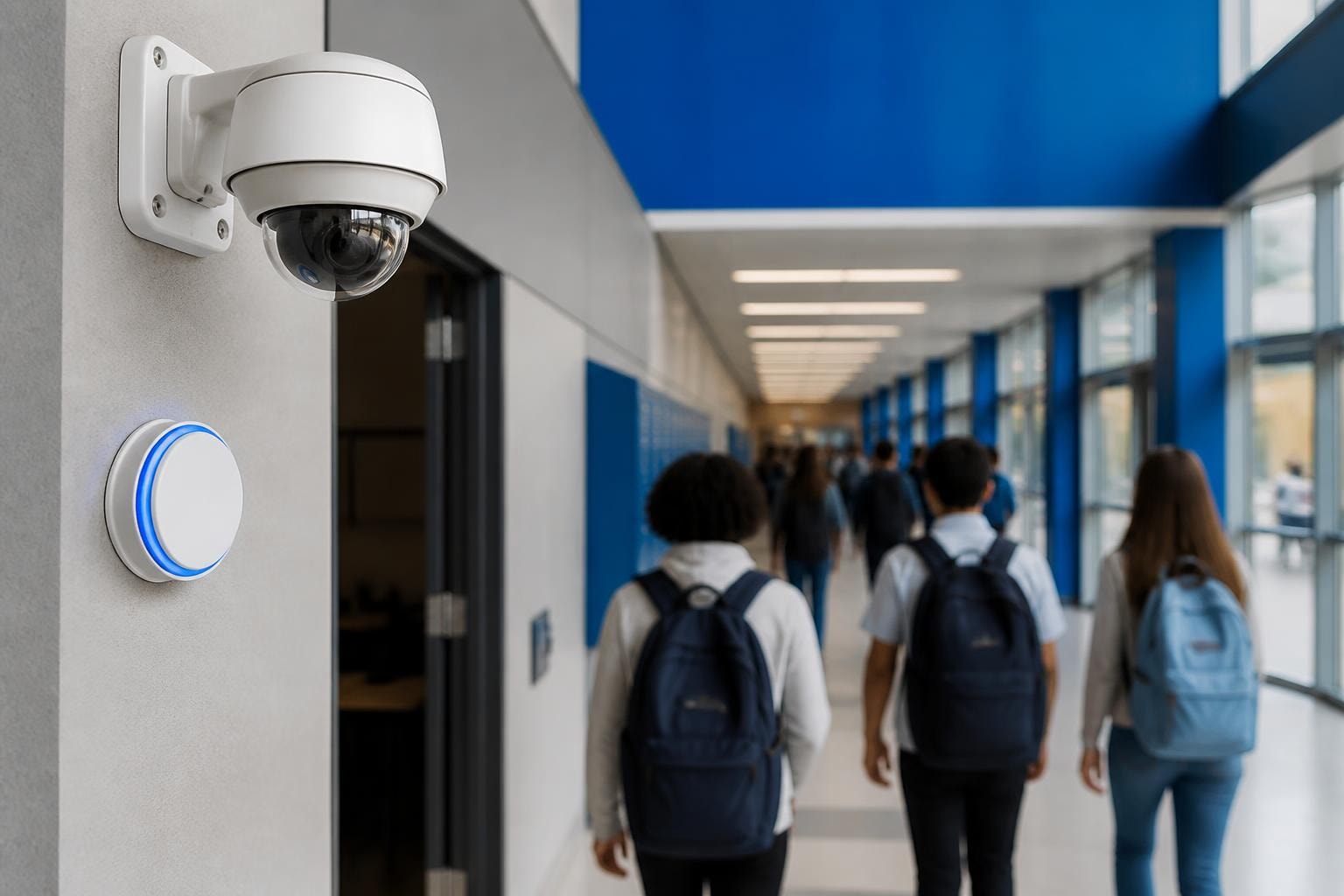
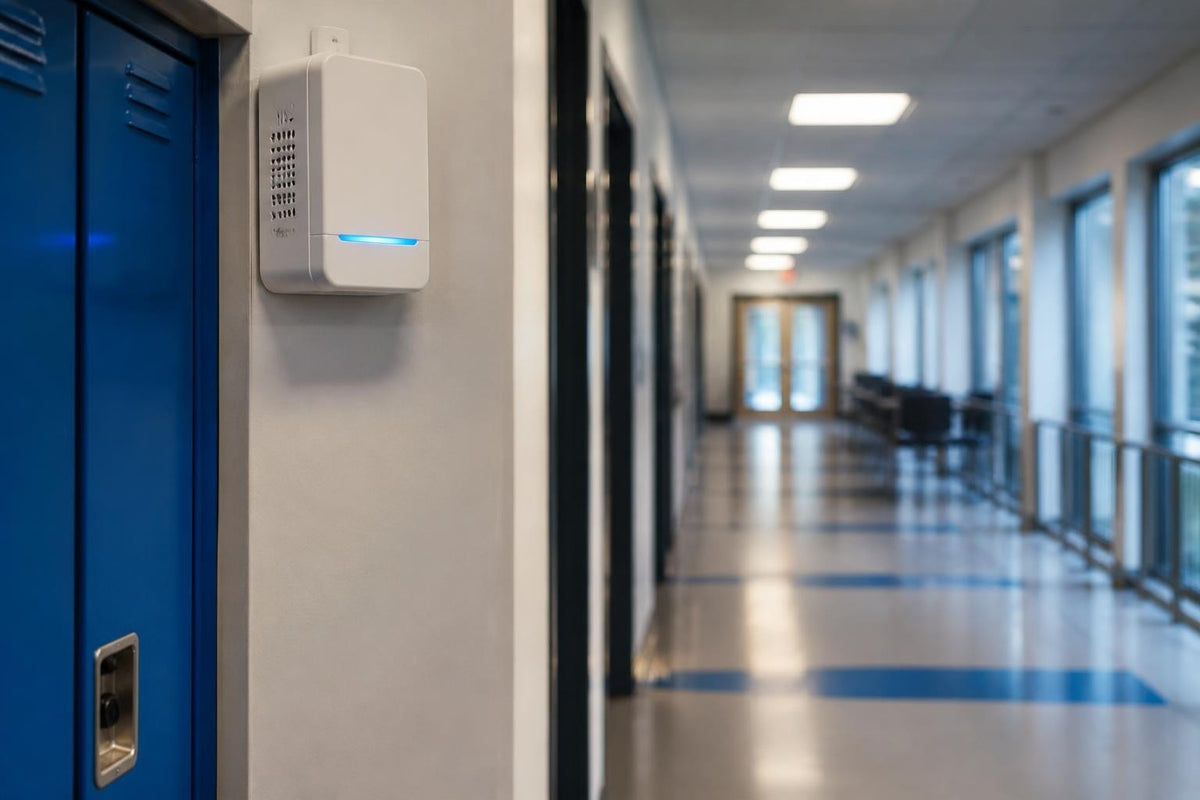
Student safety technology now includes sophisticated sensors capable of detecting various environmental factors. Air quality monitors identify vaping, smoking, and other substance use through chemical analysis. Sound sensors detect aggressive language, bullying, or distress signals without recording conversations, preserving privacy whilst maintaining security.
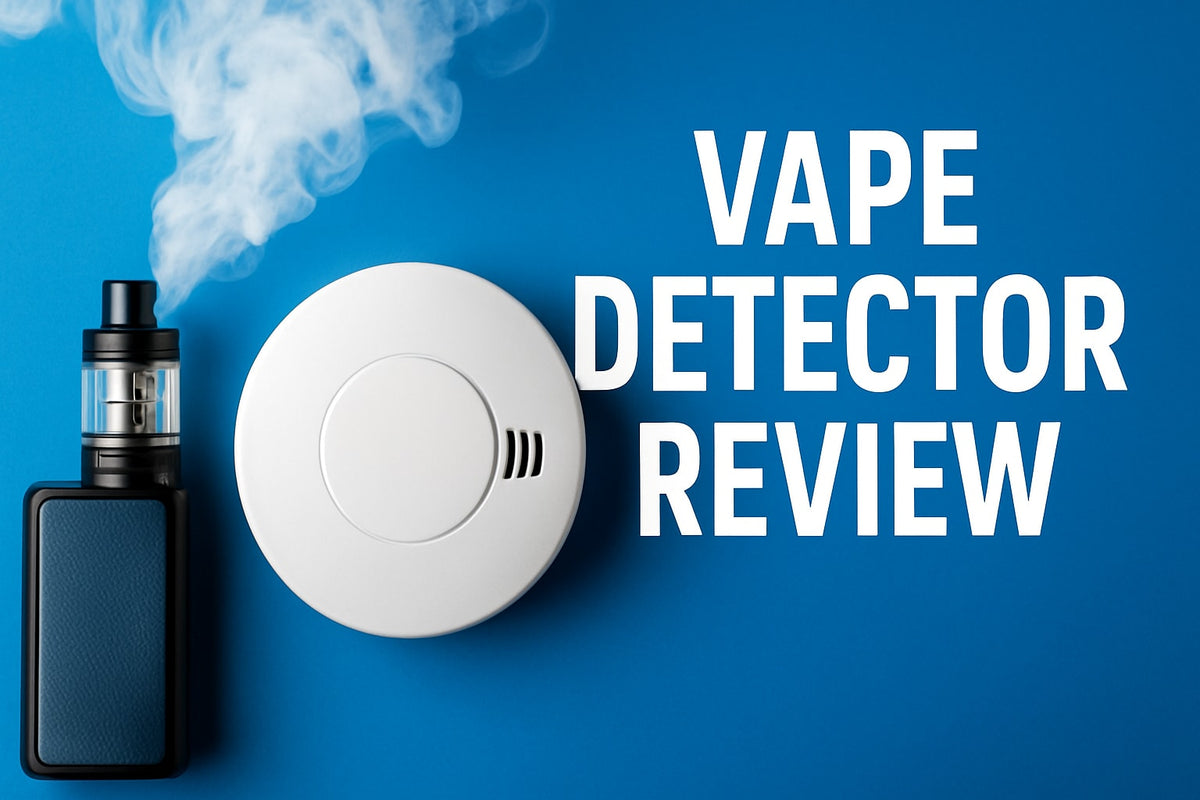
Schools across the UK have found particular value in vape detection solutions for educational settings, which address the growing concern of underage vaping. These systems provide real-time alerts when vaping is detected, enabling staff to intervene immediately and address policy violations.
Benefits of Environmental Monitoring
Environmental detection technology offers several distinct advantages for educational institutions:
- Real-time alerts enable immediate response to incidents
- Objective evidence supports disciplinary processes and policy enforcement
- Deterrent effect reduces prohibited behaviours through increased detection likelihood
- Privacy protection through detection methods that avoid visual or audio recording
- Comprehensive coverage of areas where direct supervision is impractical
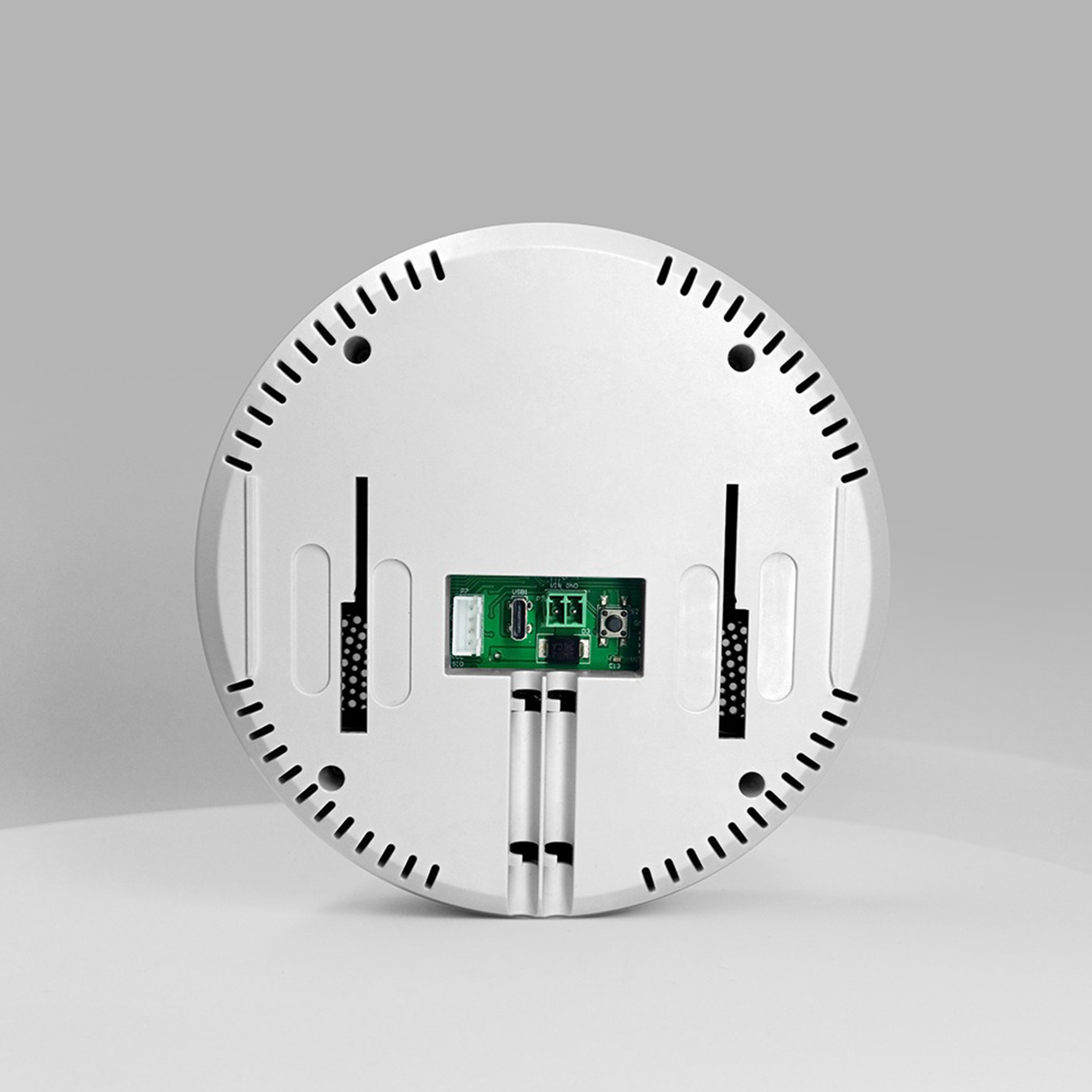
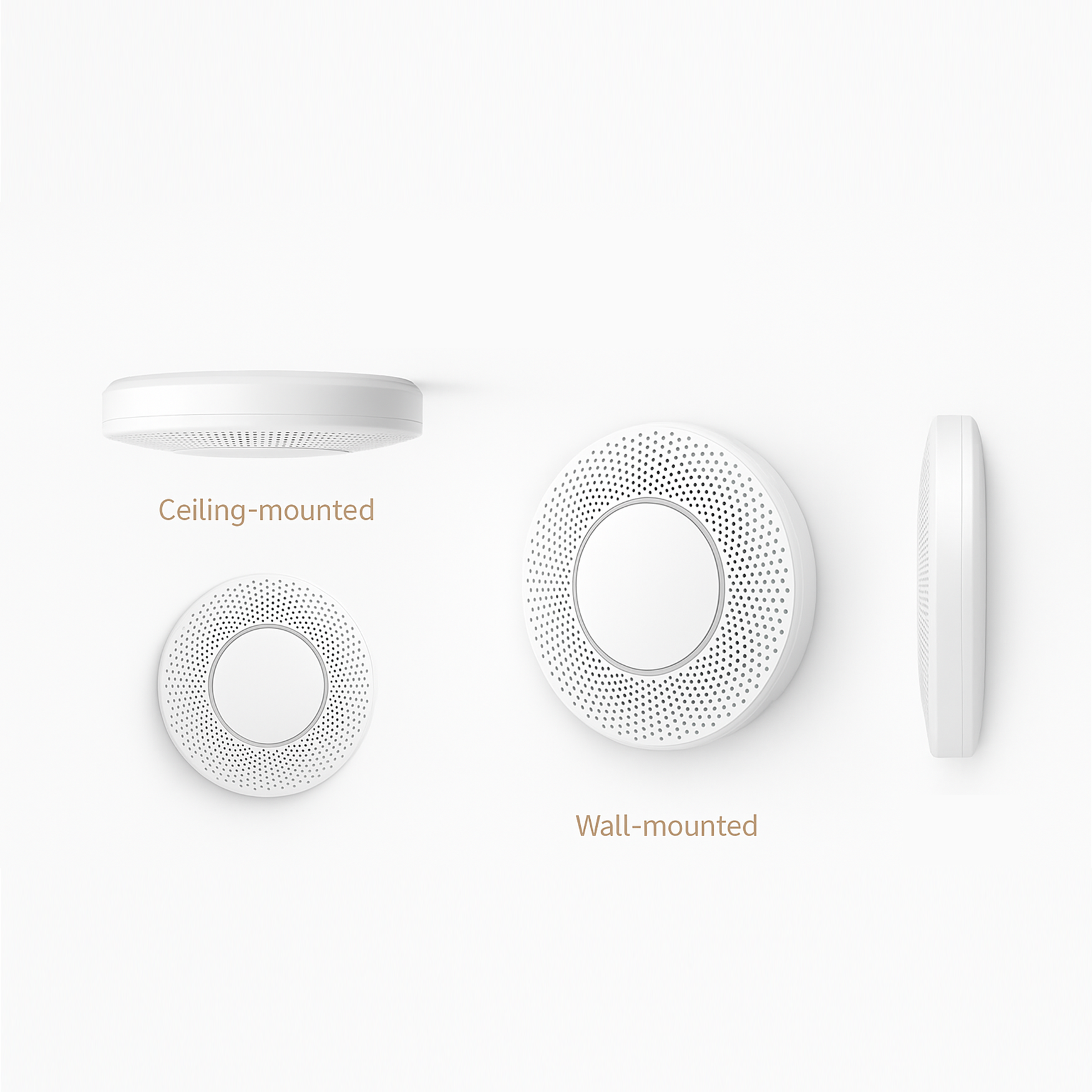
The Vape Detection System exemplifies how modern sensors combine multiple detection capabilities into single units, monitoring air quality whilst identifying specific substances and anti-social behaviour patterns.

Behavioural Analysis and Threat Detection
Understanding student behaviour patterns enables proactive intervention before situations escalate into crises. Student safety technology increasingly incorporates behavioural analysis capabilities that identify changes in normal patterns.
Advanced threat detection tools monitor digital footprints to establish baseline behaviours for individual students. Deviations from these patterns trigger alerts to designated safeguarding staff, who can then investigate potential concerns.
| Detection Method | Primary Use Case | Response Time | Privacy Considerations |
|---|---|---|---|
| Digital Content Analysis | Online threats, self-harm indicators | Minutes to hours | Requires clear acceptable use policies |
| Environmental Sensors | Substance use, physical altercations | Immediate | Non-invasive detection methods |
| Behavioural Analytics | Pattern changes, risk escalation | Hours to days | Consent and data protection compliance |
| Video Analytics | Physical security, movement patterns | Real-time | GDPR compliance essential |
Research into automated systems for detecting dangerous behaviours demonstrates the potential for AI-powered video analysis to enhance timely interventions whilst respecting privacy boundaries.
Creating Intervention Frameworks
Technology alone cannot ensure student safety. Effective implementation requires robust frameworks connecting detection capabilities with appropriate responses.
Schools must establish clear protocols defining:
- Alert routing procedures specifying which staff members receive notifications for different incident types
- Response timelines establishing maximum acceptable delays between detection and intervention
- Escalation pathways determining when and how incidents are escalated to senior leadership
- Documentation requirements ensuring proper record-keeping for safeguarding purposes
- Review mechanisms allowing regular evaluation of system effectiveness
StudentSafe software facilitates these intervention frameworks by providing centralised platforms where staff can document concerns, track interventions, and collaborate on student support plans.
Integration and Interoperability
Modern educational institutions employ numerous technology systems serving different purposes. Student safety technology must integrate seamlessly with existing infrastructure to maximize effectiveness and minimize administrative burden.
The most successful implementations connect safety systems with student information systems, communication platforms, and safeguarding databases. This integration enables automatic alert routing based on existing role assignments and ensures safeguarding leads have complete visibility of concerns across all monitoring channels.
Technical Considerations for Implementation
Schools evaluating student safety technology should assess several technical factors:
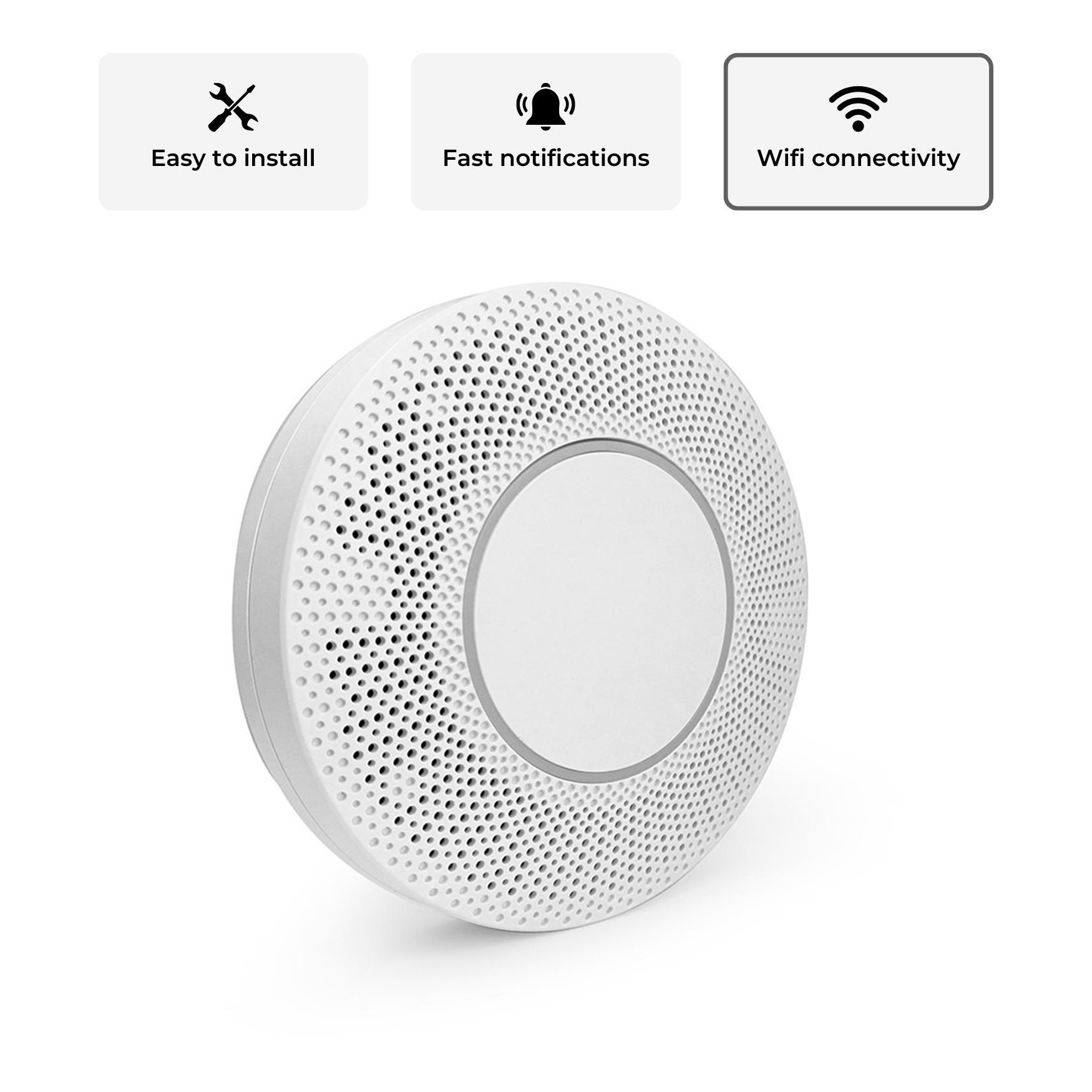
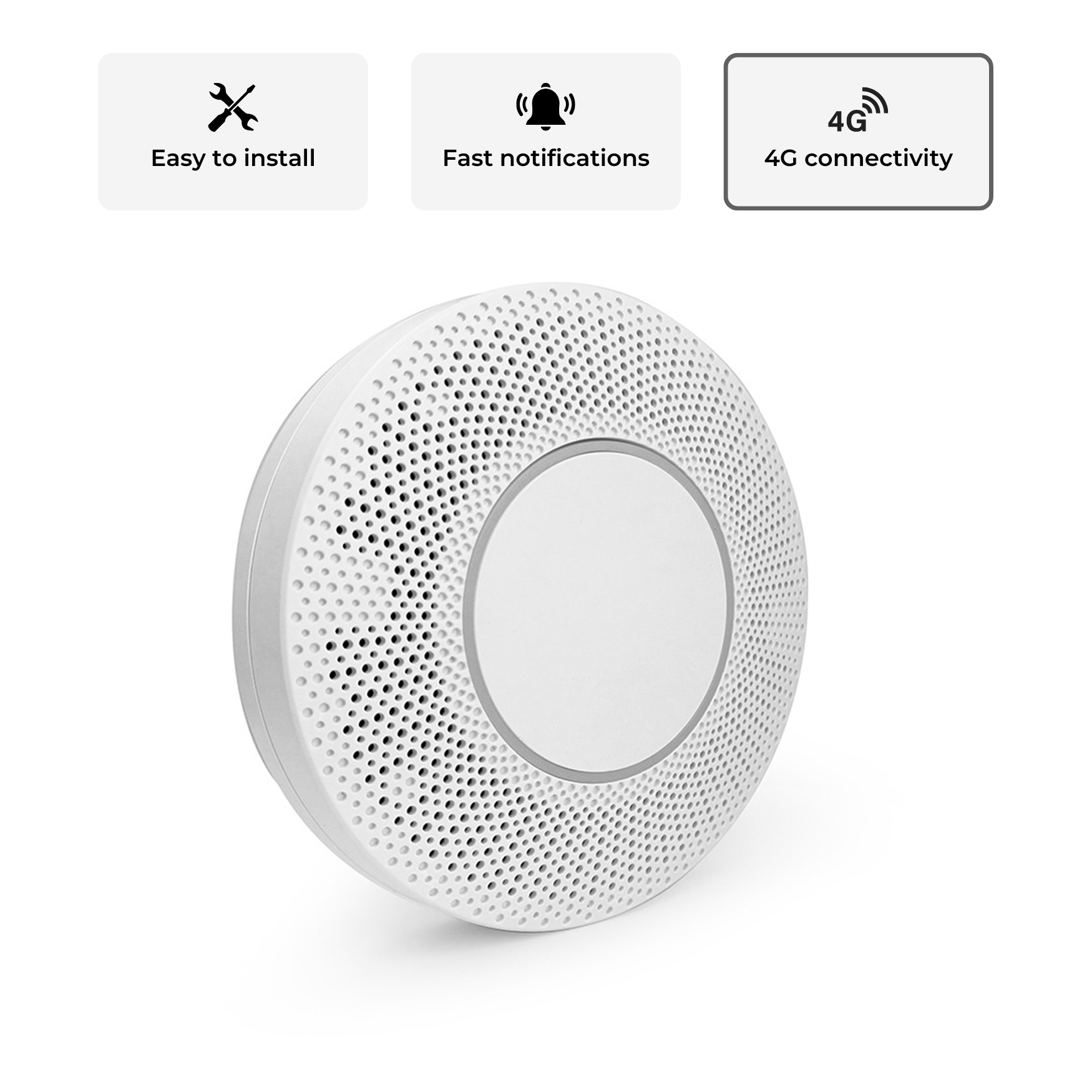
Network infrastructure must support real-time data transmission from sensors and monitoring platforms. Many vape guardian sensors offer flexible connectivity options including WiFi and 4G, accommodating different network environments.
Data storage and security require particular attention given the sensitive nature of safeguarding information. Solutions must comply with UK GDPR requirements and provide robust encryption for data at rest and in transit.
User interface design impacts how quickly staff can respond to alerts. Platforms should provide clear, actionable information without overwhelming users with technical detail.
Supporting Mental Health and Wellbeing
Student safety technology extends beyond threat detection to encompass proactive mental health support. Early identification of students experiencing emotional distress enables timely intervention that can prevent crisis situations.
Netsweeper's onGuard utilizes artificial intelligence to detect signs of depression, anxiety, and self-harm in student digital communications. Human reviewers verify AI flagged content, ensuring appropriate context understanding before alerts are generated.
Schools implementing these systems report improved ability to identify struggling students who might not seek help independently. This proactive approach aligns with broader educational trends emphasizing whole-child support and wellbeing alongside academic achievement.
Balancing Safety and Privacy
The implementation of student safety technology raises important questions about privacy, trust, and the appropriate boundaries of monitoring. Students and parents rightfully expect educational institutions to protect personal information whilst maintaining safe environments.
Transparent communication forms the foundation of ethical technology use. Schools should clearly articulate:
- What monitoring occurs and why
- How data is collected, stored, and used
- Who has access to monitoring information
- How long data is retained
- Student and parent rights regarding data access and deletion
Research examining student perspectives on inclusive digital learning environments emphasizes the importance of student voice in shaping technology policies that affect them directly.
Training and Professional Development
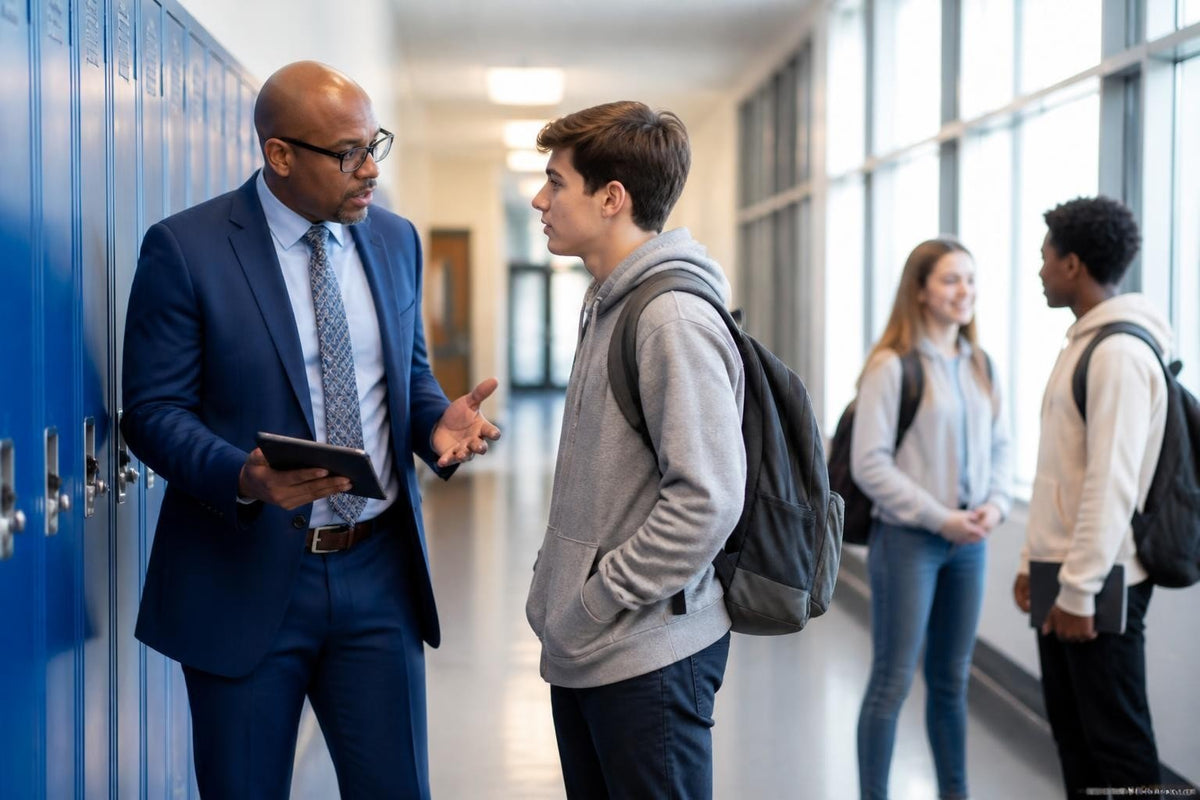
Technology systems only prove effective when staff understand their capabilities and limitations. Comprehensive training ensures educators can interpret alerts accurately, respond appropriately to different incident types, and maintain student trust throughout safety processes.
Professional development should address:
- Technical operation of monitoring and detection systems
- Alert interpretation including understanding false positive rates and context requirements
- Response protocols for different incident severity levels
- Documentation practices supporting safeguarding requirements
- Communication strategies for discussing monitoring with students and parents
The designated safeguarding lead role carries particular responsibility for understanding student safety technology capabilities and ensuring appropriate use across the institution.
Measuring Effectiveness and Return on Investment
Educational budgets face constant pressure, requiring careful justification for technology investments. Measuring the effectiveness of student safety technology involves both quantitative and qualitative metrics.
Quantitative indicators include:
- Number of incidents detected and resolved
- Response time improvements compared to previous systems
- Reduction in serious incidents requiring external agency involvement
- Student attendance and wellbeing survey scores
- Staff confidence ratings regarding safety capabilities
Qualitative benefits encompass:
- Enhanced school culture and sense of security
- Improved relationships between students and staff
- Greater parental confidence in institutional safety
- Reduced staff stress related to safeguarding responsibilities
Schools should establish baseline measurements before implementing new student safety technology, enabling clear before-and-after comparisons demonstrating value.
| Metric Category | Example Measures | Assessment Frequency |
|---|---|---|
| Incident Detection | Alerts generated, response times, resolution rates | Weekly/Monthly |
| Student Outcomes | Wellbeing scores, attendance rates, behaviour incidents | Termly |
| Staff Effectiveness | Confidence surveys, training completion, system usage | Termly/Annually |
| Parental Perception | Survey responses, complaint rates, engagement levels | Annually |
Future Developments in Student Safety Technology
The student safety technology sector continues evolving rapidly, with several emerging trends poised to reshape educational safety approaches over coming years.
Artificial intelligence capabilities are advancing beyond simple pattern matching toward sophisticated contextual understanding. Future systems will better distinguish genuine threats from innocuous communications, reducing false positive rates whilst maintaining high sensitivity to actual risks.
Integration with wearable technology may enable new monitoring capabilities, though such developments will require careful ethical consideration. Devices detecting physiological stress indicators could alert staff to students experiencing acute anxiety or distress.
Virtual and augmented reality platforms are becoming more prevalent in education, creating new safety considerations. Student safety technology must adapt to monitor these immersive environments whilst respecting the unique characteristics of virtual interactions.
The importance of accessible and empowering virtual learning environments will drive innovation in safety tools designed specifically for digital-first educational models.
Best Practices for Implementation
Schools embarking on student safety technology implementations can increase success likelihood by following established best practices.
Begin with clear objectives defining specific safety challenges the technology should address. Generic implementations often fail to deliver value because they lack focus on institution-specific needs.
Engage stakeholders early including students, parents, staff, and governors. Their input shapes policies ensuring technology use aligns with community values whilst building buy-in for new systems.
Pilot before full deployment by testing systems in limited areas or with specific student groups. This approach identifies configuration issues and training needs before institution-wide rollout.
Establish review cycles requiring regular evaluation of system effectiveness, policy appropriateness, and emerging concerns. Student safety technology requires ongoing refinement rather than one-time implementation.
For schools looking to implement comprehensive monitoring, exploring best practices for handling vaping alerts provides valuable insights into creating effective response protocols.
Supporting Different Educational Roles
Student safety technology impacts various roles differently within educational institutions. Effective implementation recognizes these diverse perspectives and provides role-specific support.
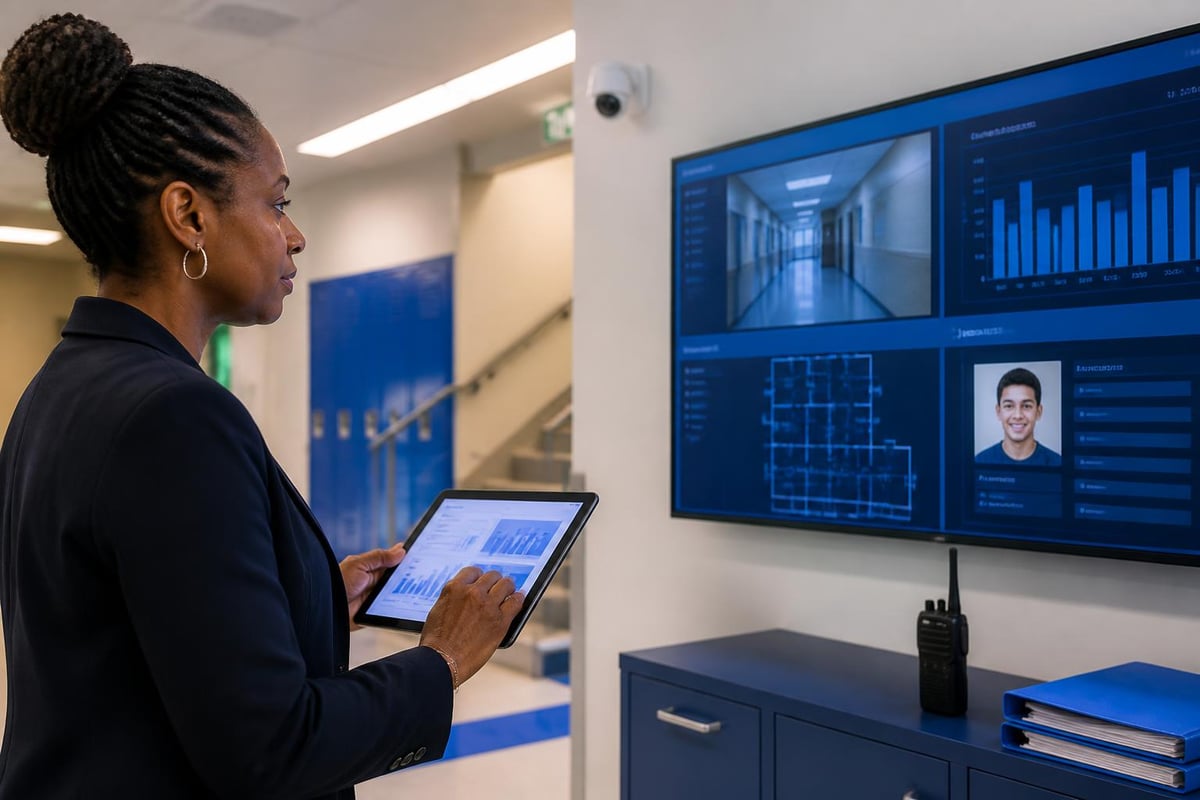
Senior leadership teams require high-level reporting showing trends, system effectiveness, and resource allocation recommendations. Dashboards presenting aggregated data enable strategic decision-making whilst maintaining operational awareness.
Safeguarding leads need detailed incident information, case management tools, and collaboration capabilities. Their work centres on individual student support requiring access to comprehensive monitoring data across all platforms.
Teaching staff benefit from simplified alert interfaces focusing on actionable information relevant to their pastoral responsibilities. Excessive detail can overwhelm teachers already managing substantial workloads.
IT managers focus on system reliability, data security, and integration with existing infrastructure. Technical documentation and vendor support quality significantly impact their ability to maintain systems effectively.
Understanding these diverse needs helps schools configure student safety technology appropriately for different user groups, maximizing adoption and effectiveness across the institution.
Creating Comprehensive Safety Cultures
Technology represents one element within broader safety cultures encompassing policies, relationships, and shared values. The most effective student safety technology implementations occur within institutions already committed to proactive wellbeing support.
Schools should view detection and monitoring tools as enablers of human intervention rather than automated replacements for caring relationships. Technology identifies concerns requiring attention; skilled educators provide the support, guidance, and intervention students need.
Creating these comprehensive safety cultures requires sustained effort across multiple dimensions:
- Regularly reviewing and updating safeguarding policies
- Providing ongoing professional development on student wellbeing
- Fostering open communication where students feel comfortable seeking help
- Engaging parents as partners in student safety efforts
- Allocating sufficient resources to wellbeing and pastoral support
When student safety technology integrates into this broader culture, it amplifies existing strengths rather than compensating for systemic weaknesses.
Student safety technology provides educational institutions with powerful capabilities for protecting learners in increasingly complex environments. By combining digital monitoring, environmental detection, and behavioural analysis, schools can identify risks early and intervene effectively to support student wellbeing. For institutions seeking comprehensive solutions that address substance misuse and anti-social behaviour, Vape Guardian offers advanced detection systems specifically designed for educational settings, backed by dedicated support and proven technology that helps create safer learning environments.


Share:
Best School Vape Detector UK: Expert Guide 2026
College Vape Detector: Essential Guide for UK Institutions