
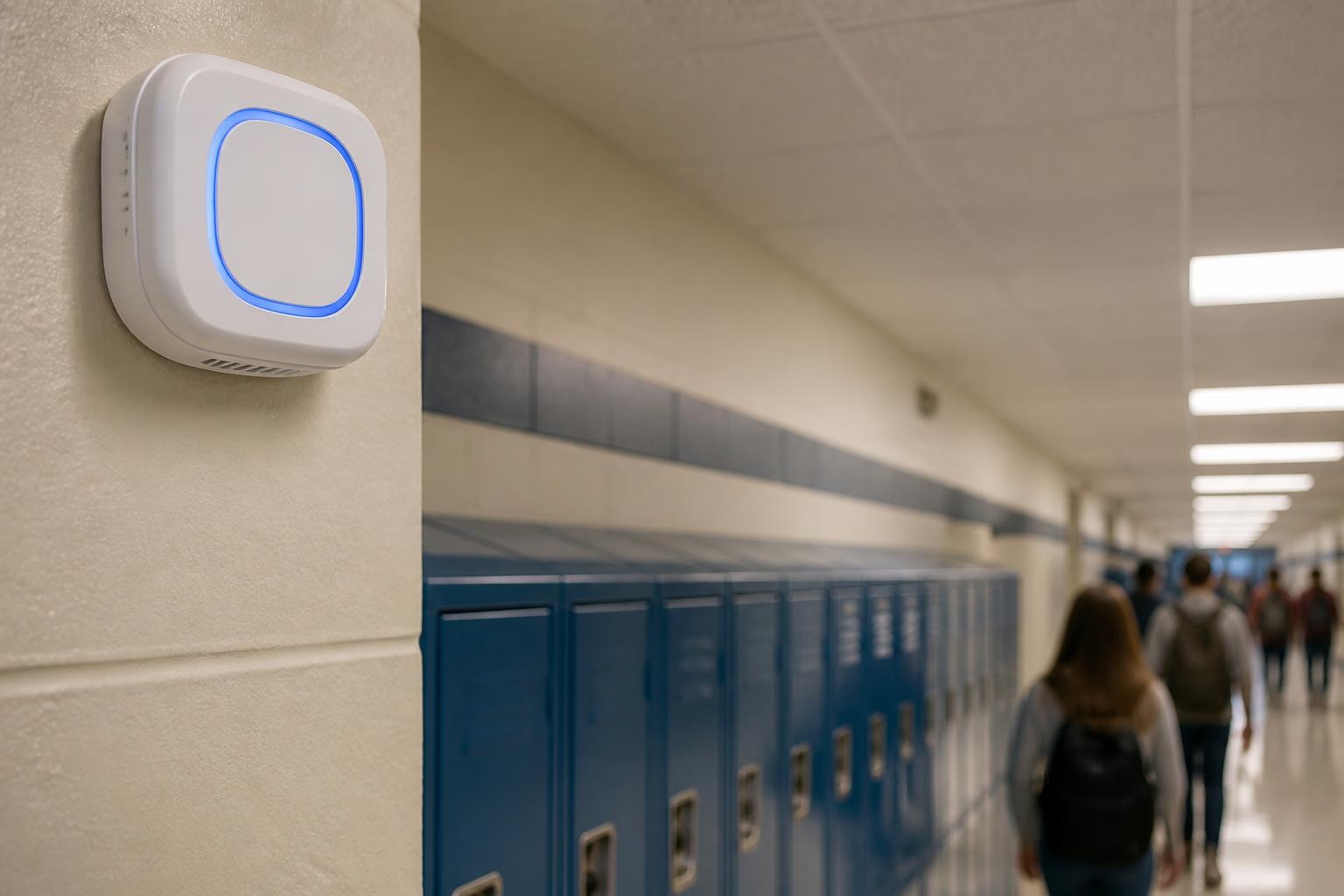
Schools across the United Kingdom face an unprecedented challenge as youth vaping rates continue to climb. With adolescent vaping incidents becoming increasingly common in educational settings, academies require sophisticated technological solutions to protect student wellbeing and maintain safe learning environments. An academy vape detection system represents a proactive approach to this growing concern, offering real time monitoring capabilities that help staff respond swiftly to vaping incidents whilst maintaining student privacy and dignity. These advanced sensors go beyond simple detection, providing comprehensive air quality monitoring and behaviour analytics that support wider safeguarding strategies.
Understanding Academy Vape Detection Technology
Modern vape detection systems utilise sophisticated sensor arrays to identify particulate matter and chemical signatures associated with vaping devices. Unlike traditional smoke detectors, these specialised systems can distinguish between standard air quality fluctuations and the specific aerosol compounds released by electronic cigarettes and vaping products.
The technology operates on multiple detection principles simultaneously. Chemical sensors analyse air composition for compounds commonly found in vaping products, including propylene glycol, vegetable glycerine, and various flavouring agents. Particulate sensors measure the size and concentration of airborne particles, as vaping produces distinctly different particle distributions compared to natural environmental variations.
Key Detection Capabilities
An effective academy vape detection system monitors several environmental parameters concurrently:
- Chemical compound identification for vaping specific substances
- Particulate matter analysis measuring PM2.5 and PM10 concentrations
- Temperature and humidity fluctuations that accompany vaping events
- Sound level monitoring to detect potential bullying or antisocial behaviour
- Tamper alerts when devices are physically interfered with
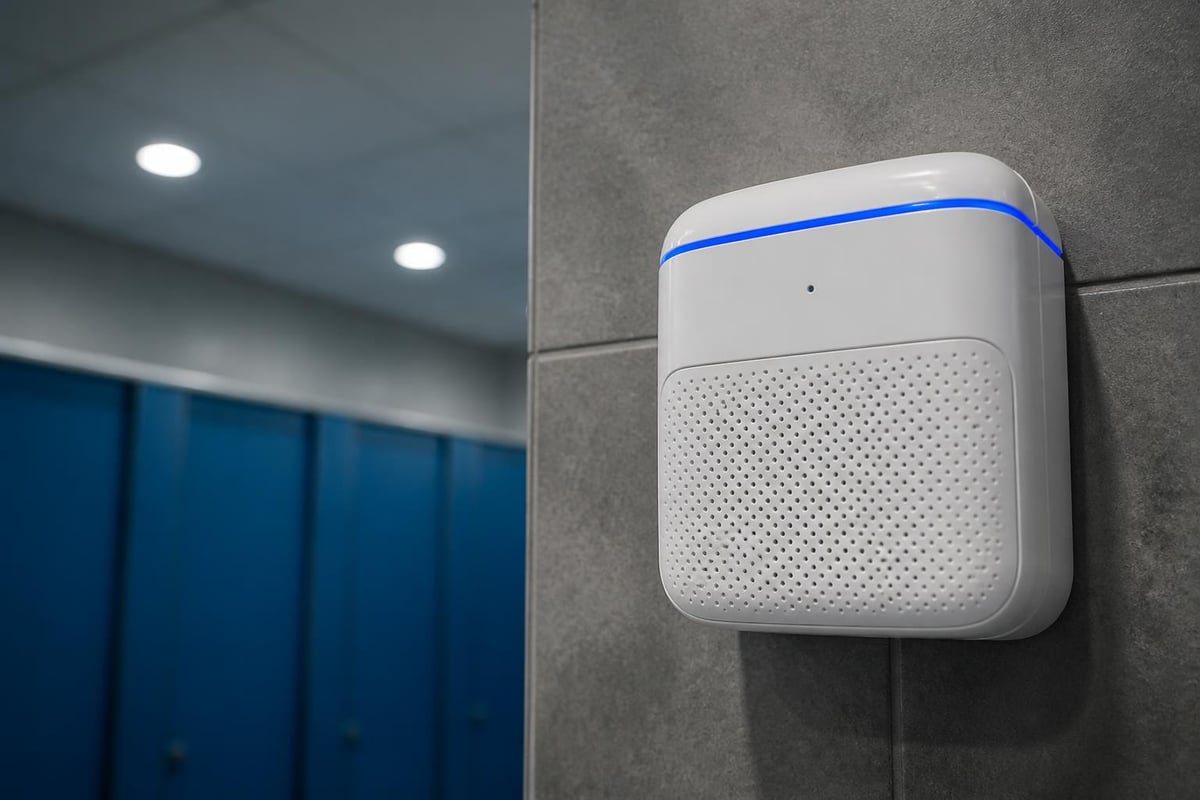
Real time alert systems form the backbone of effective vape detection. When sensors identify vaping activity, immediate notifications reach designated staff members via mobile applications, email, or integrated security platforms. This rapid response capability allows educators to intervene whilst incidents are occurring, rather than discovering evidence hours or days later.
Implementation Strategies for Educational Settings
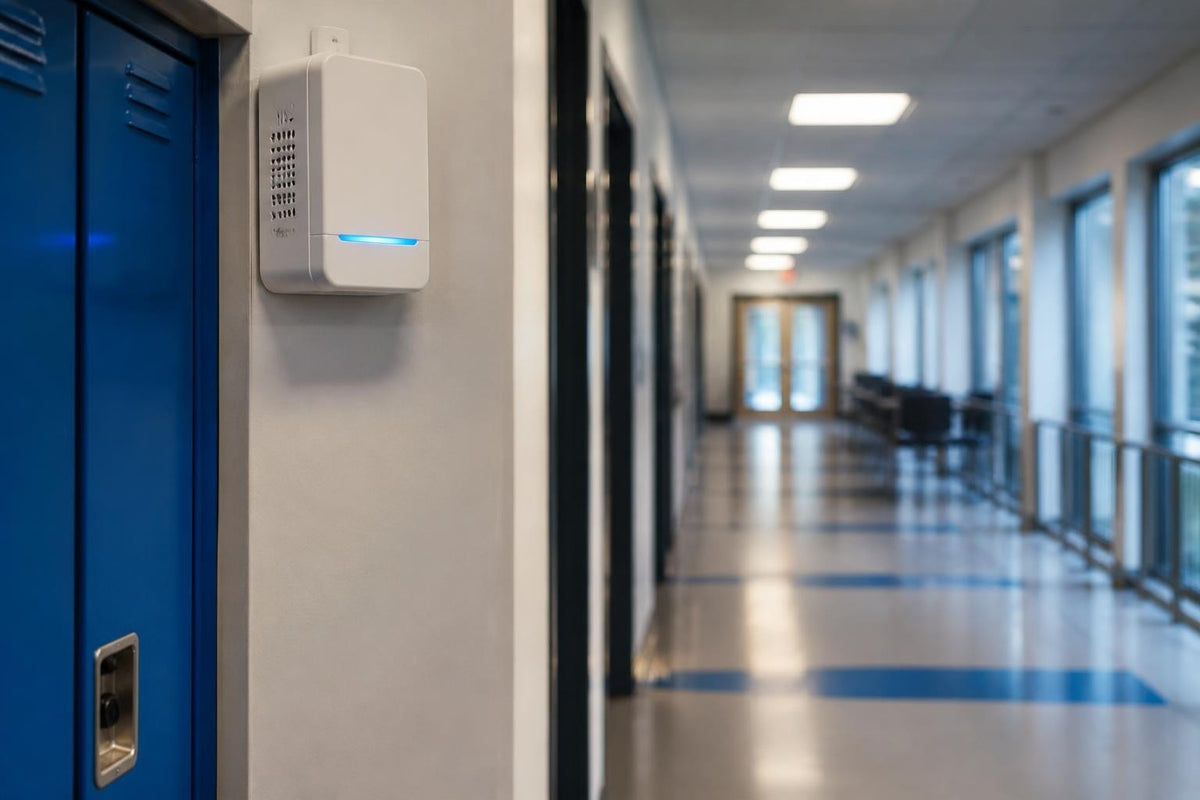
Successful deployment of an academy vape detection system requires careful planning and strategic placement. Schools must balance comprehensive coverage with budget constraints and physical infrastructure limitations.
Optimal Sensor Placement
Priority areas for sensor installation include:
- Washroom facilities where students seek privacy for vaping
- Changing rooms in sports facilities and gymnasiums
- Enclosed stairwells and other semi private transitional spaces
- Storage areas and utility rooms with limited adult supervision
- Outdoor covered areas where students congregate during breaks
The number of sensors required depends on facility size and layout. A typical secondary academy with 1,000 students might require 15 to 25 sensors for comprehensive coverage, though this varies considerably based on building design and identified risk areas.
| Facility Type | Typical Sensor Count | Coverage Area per Sensor |
|---|---|---|
| Small primary school | 5-8 sensors | 150-200 square metres |
| Medium secondary academy | 15-20 sensors | 100-150 square metres |
| Large sixth form college | 25-40 sensors | 100-120 square metres |
| Multi building campus | 40+ sensors | Varies by building |
Integration with existing security infrastructure enhances system effectiveness. Schools implementing comprehensive vape detection strategies report greater success when sensors connect with broader safety platforms, allowing security teams and pastoral staff to coordinate responses efficiently.
Staff Training and Response Protocols
Technology alone cannot solve vaping challenges. Staff must understand how to interpret alerts, respond appropriately to incidents, and use detection data to inform broader pastoral strategies.
Effective training programmes cover several essential areas. Staff learn to distinguish between different alert types, understanding the difference between confirmed vaping incidents and potential false positives. They develop response protocols that prioritise student welfare whilst maintaining appropriate consequences for policy violations.
Response time significantly impacts system effectiveness. Schools achieving the best outcomes typically respond to alerts within two to three minutes, allowing staff to identify students involved and provide immediate support or intervention.
Advanced Features and Multi Function Monitoring
Contemporary academy vape detection systems extend far beyond simple vaping identification. These multi function platforms address various safeguarding concerns simultaneously, offering exceptional value for educational institutions.
Air Quality Monitoring
Indoor air quality profoundly affects student health and academic performance. Advanced detection systems continuously monitor:
- Carbon dioxide concentrations indicating poor ventilation
- Volatile organic compounds from cleaning products or building materials
- Humidity levels that promote mould growth
- Temperature extremes affecting comfort and concentration
This environmental data helps facilities managers optimise HVAC systems, identify maintenance issues before they escalate, and ensure classrooms maintain healthy atmospheric conditions conducive to learning.
Behaviour and Safety Analytics
Sound detection capabilities allow sensors to identify potential bullying, fights, or aggressive behaviour in areas without visual surveillance. This feature proves particularly valuable in washrooms and changing facilities where camera installation raises privacy concerns.
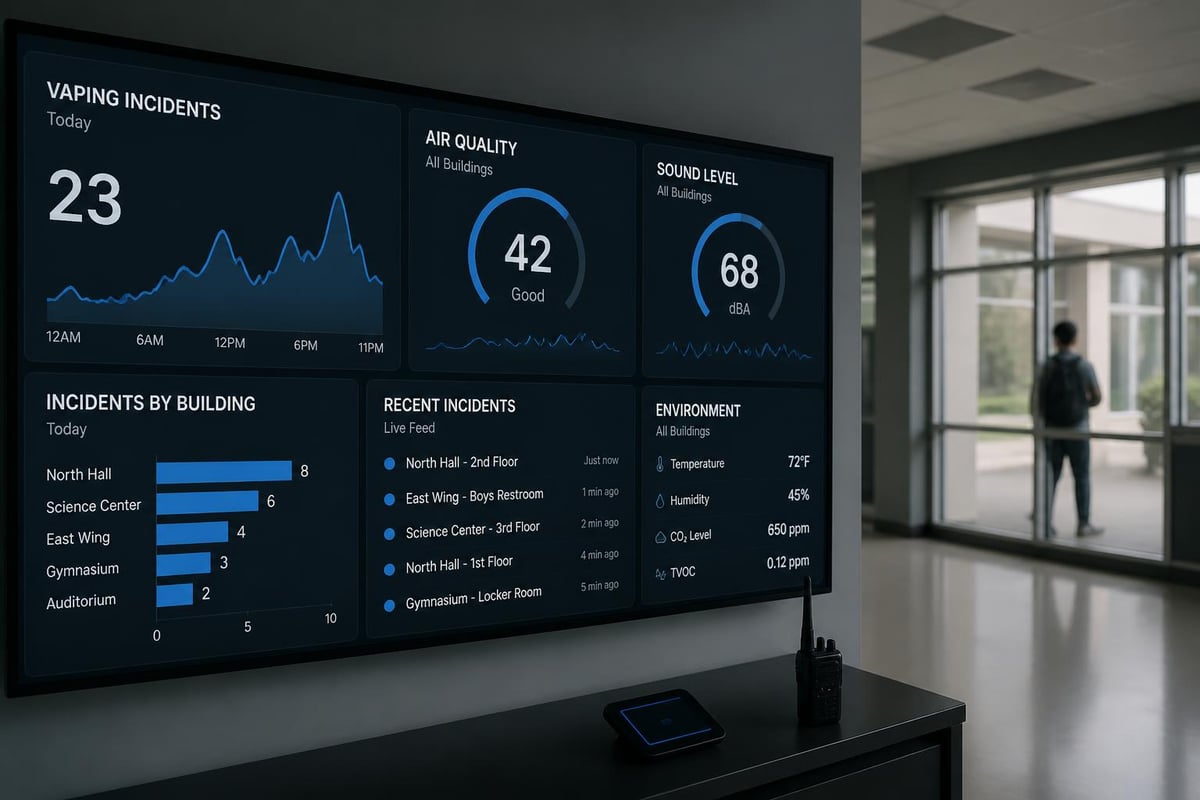
The Vape Detection System from Vape Guardian incorporates these advanced capabilities, combining vaping detection with comprehensive environmental monitoring and behaviour analytics. This integrated approach provides schools with a single platform addressing multiple safeguarding priorities simultaneously, rather than managing separate systems for different concerns.

Data Management and Privacy Considerations
Academy vape detection systems generate substantial data streams requiring careful management. Schools must balance the benefits of comprehensive monitoring with student privacy rights and data protection obligations under UK GDPR regulations.
Privacy Compliant Design
Modern systems respect privacy through thoughtful design choices:
- No visual recording in sensitive areas like washrooms
- Anonymised data collection focusing on incidents rather than individuals
- Secure data transmission using encrypted communication protocols
- Limited data retention with automatic deletion after specified periods
- Role based access controls restricting information to authorised staff only
Transparency with students and parents proves essential. Schools implementing vape detection successfully communicate clearly about what systems monitor, why they're necessary, and how data will be used. This openness builds trust and understanding whilst reinforcing the educational purpose behind monitoring.
Analytics and Reporting
Sophisticated reporting capabilities transform raw detection data into actionable insights. Schools can identify patterns such as peak vaping times, high incident locations, or trends following policy changes or educational interventions.
| Reporting Function | Benefit | Update Frequency |
|---|---|---|
| Incident heat maps | Identify high risk locations | Daily or weekly |
| Time based analytics | Reveal peak activity periods | Weekly or monthly |
| Trend analysis | Track intervention effectiveness | Monthly or termly |
| Comparative data | Benchmark against similar schools | Termly or annually |
These insights inform resource allocation, helping schools position staff more effectively during high risk periods and target educational interventions toward students and year groups showing elevated vaping rates.
Integration with Pastoral and Educational Programmes
Technology provides detection capabilities, but lasting behaviour change requires comprehensive educational and pastoral support. The most effective schools integrate vape detection systems within broader strategies addressing the root causes of student vaping.
Educational Interventions
When detection systems identify students vaping, schools can offer targeted support rather than purely punitive responses. Evidence based educational programmes help young people understand:
- Health risks associated with nicotine addiction and vaping
- Marketing tactics used by vaping companies to attract youth
- Strategies for resisting peer pressure and managing stress without substances
- Resources available for those wanting to quit vaping
Educational approaches combined with detection technology demonstrate superior long term outcomes compared to detection systems used in isolation. Students respond more positively when they perceive systems as tools supporting their wellbeing rather than simply catching rule violations.
Safeguarding Pathways
For many students, vaping represents a symptom of underlying challenges such as anxiety, peer pressure, or difficulties at home. Detection provides opportunities to identify vulnerable students who might otherwise remain hidden.
Schools develop clear pathways connecting detection incidents to pastoral support. When systems alert staff to vaping, trained personnel can:
- Assess immediate wellbeing and safety concerns
- Explore underlying factors contributing to vaping behaviour
- Connect students with appropriate support services
- Involve parents or guardians in constructive dialogue
- Monitor progress and provide ongoing encouragement
This supportive approach transforms detection from a disciplinary tool into a safeguarding mechanism that genuinely protects student welfare.
Technical Specifications and Installation Requirements
Understanding technical requirements helps schools plan effective deployments and ensure systems operate reliably over extended periods.
Power and Connectivity Options
Academy vape detection systems typically offer multiple connectivity approaches to suit different building infrastructures:
Wired ethernet connections provide the most reliable performance where network cabling exists. These installations integrate seamlessly with existing IT infrastructure and require minimal ongoing maintenance.
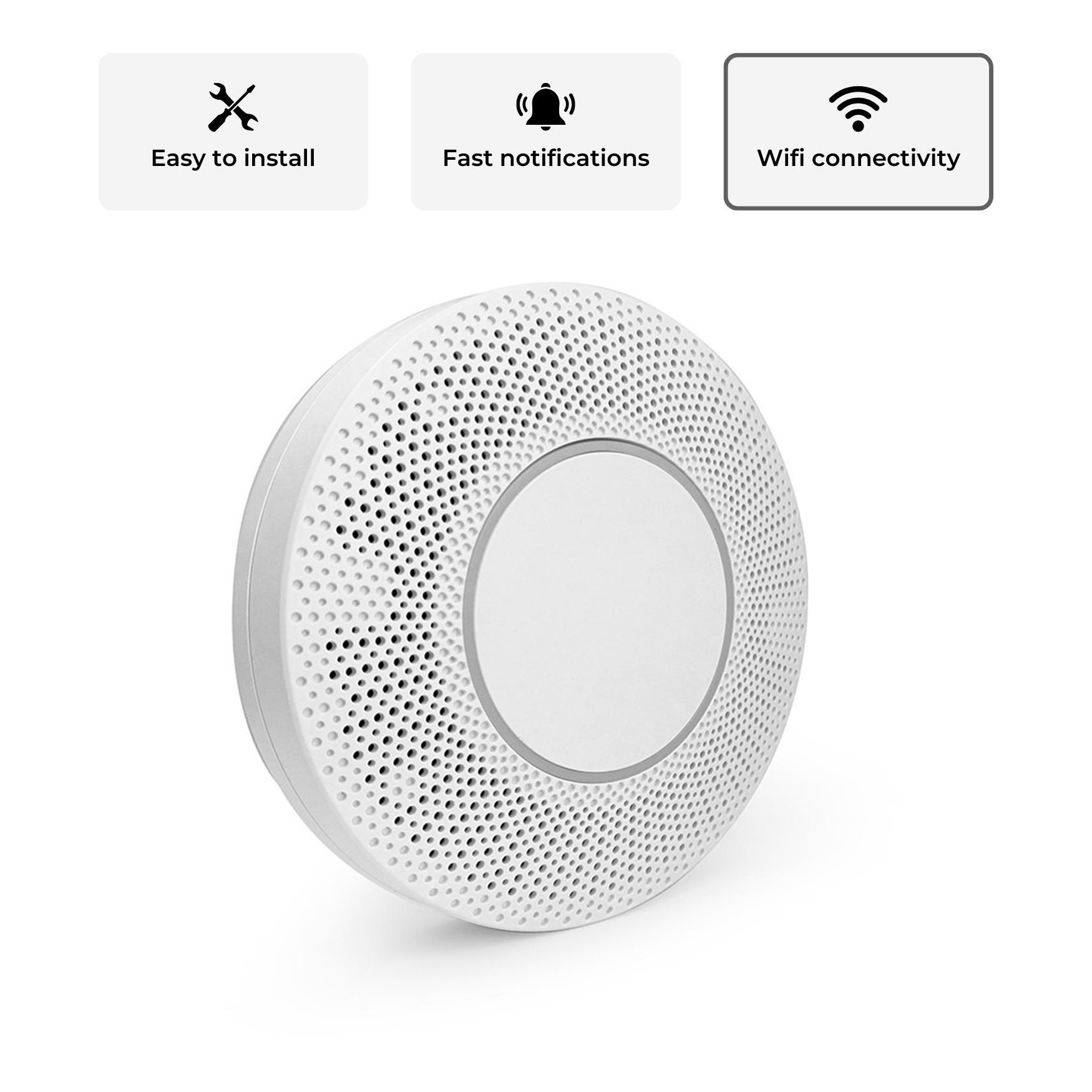
WiFi connectivity offers flexibility in buildings where running cables proves impractical or cost prohibitive. Modern systems support both 2.4GHz and 5GHz networks, automatically selecting optimal frequencies for stable connections.
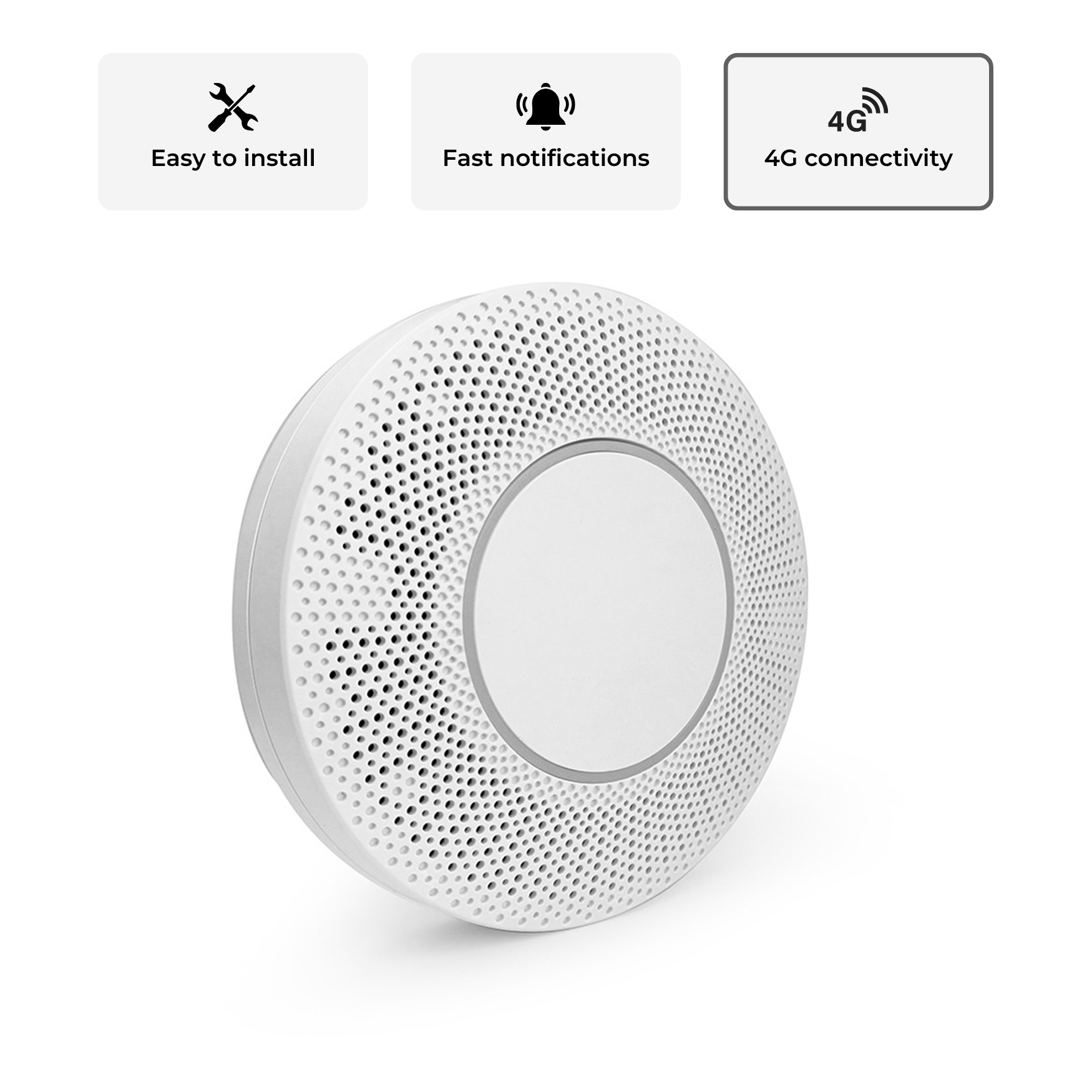
4G cellular connections serve locations without reliable network access, such as temporary buildings or outdoor facilities. These systems operate independently of school networks, continuing to function during IT outages.
Installation and Maintenance
Professional installation ensures optimal sensor positioning and reliable operation. Qualified technicians assess each location considering:
- Airflow patterns affecting chemical dispersion
- Acoustic properties influencing sound detection
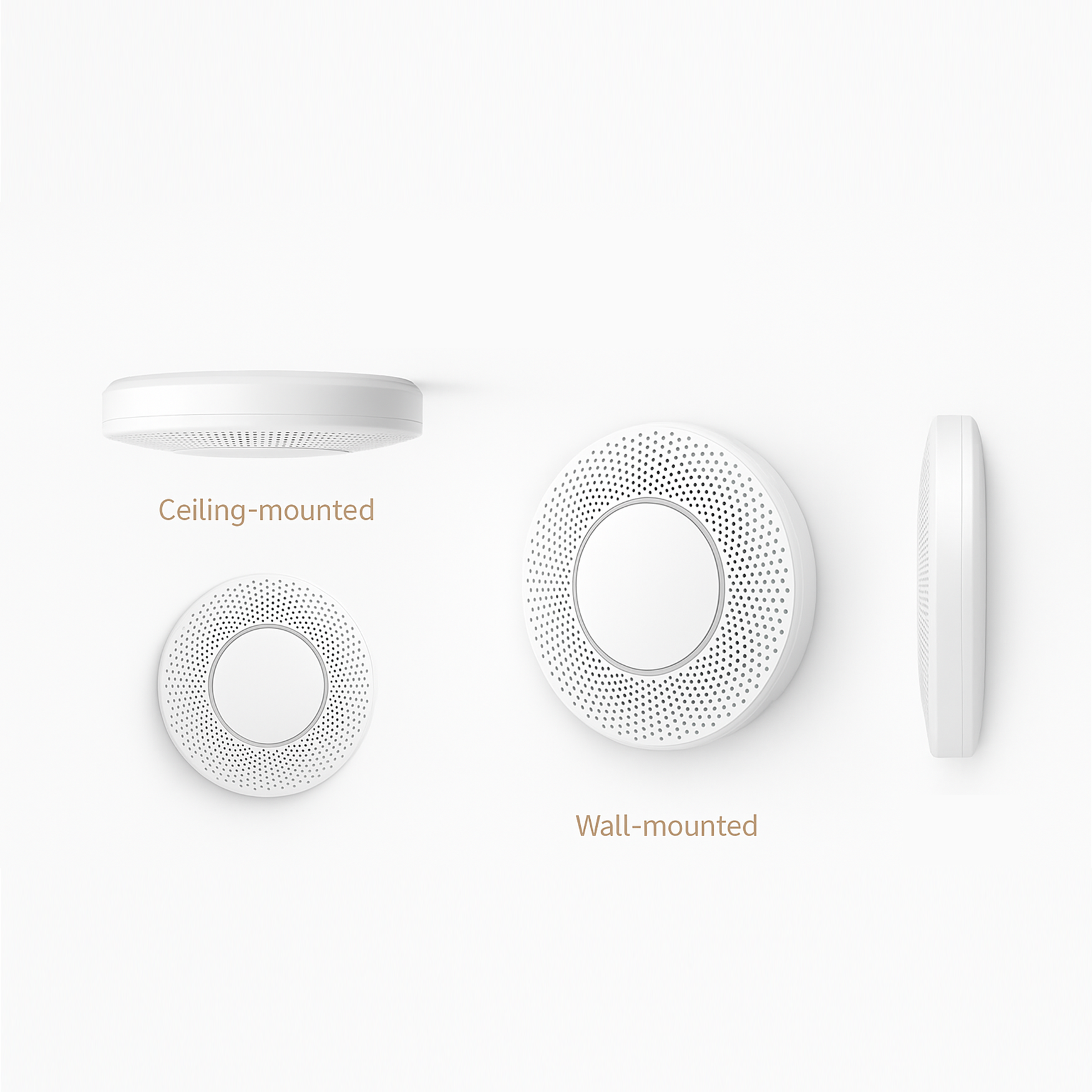
- Height and mounting requirements for optimal coverage
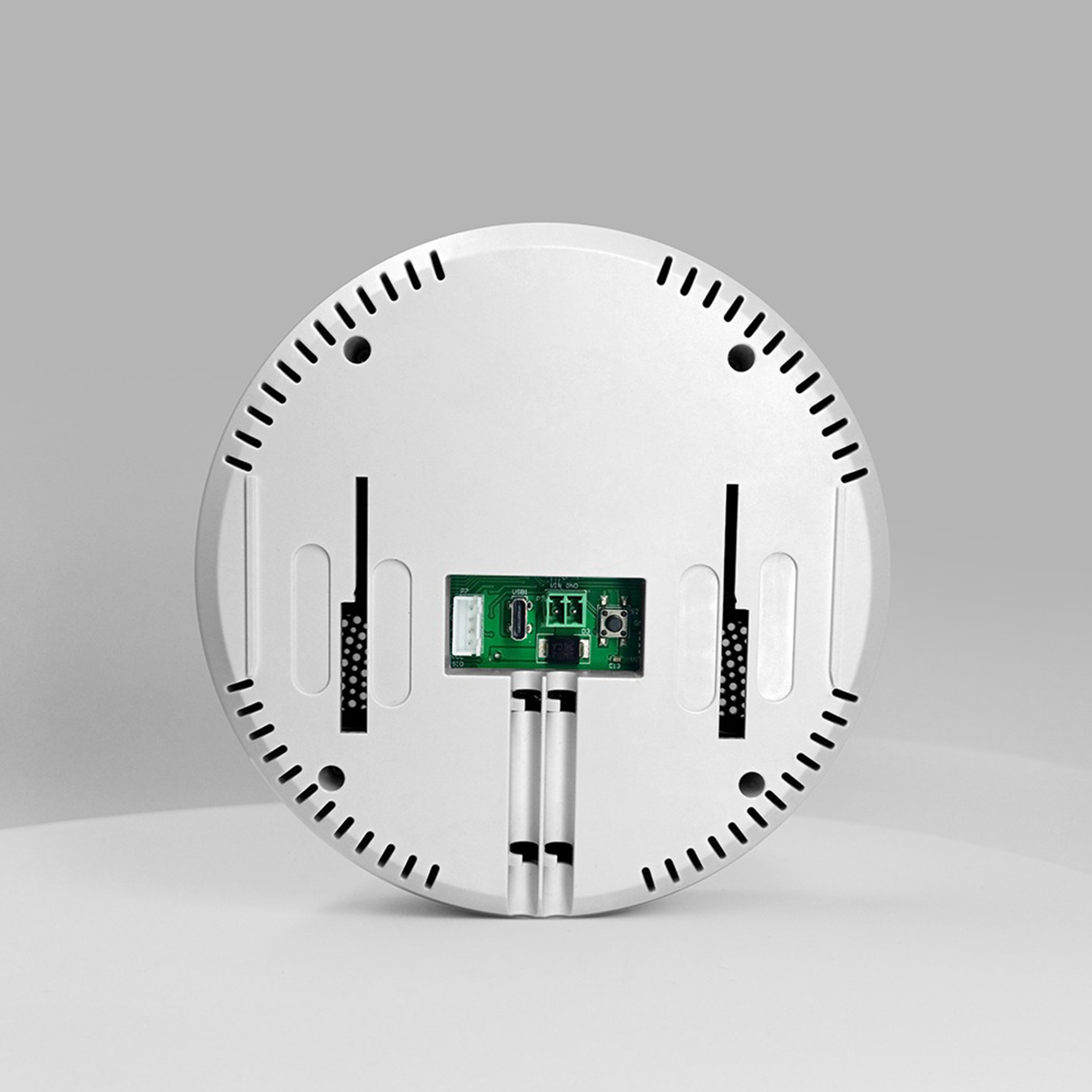
- Power supply access and cable routing
- Integration with existing security and notification systems
Ongoing maintenance requirements remain minimal. Most academy vape detection systems operate for years with only occasional firmware updates and annual calibration checks. Schools seeking detailed setup guidance can access comprehensive resources covering installation procedures and configuration best practices.
Cost Considerations and Return on Investment
Budget conscious academies must evaluate both immediate costs and long term value when considering vape detection systems.
Initial Investment Components
| Cost Element | Typical Range | Notes |
|---|---|---|
| Sensor hardware | £300-£800 per unit | Varies by feature set |
| Installation labour | £100-£200 per sensor | Depends on complexity |
| Software licensing | £500-£2,000 annually | School size dependent |
| Network infrastructure | £0-£5,000 | If upgrades required |
| Staff training | £500-£1,500 | Initial and ongoing |
Whilst initial outlay may appear substantial, schools must consider the broader financial impact of unaddressed vaping. Costs associated with student health issues, parental complaints, regulatory compliance challenges, and staff time managing vaping incidents often exceed detection system investments within two to three years.
Funding and Procurement Options
Many UK academies successfully secure funding through various channels. School improvement grants, safeguarding budgets, and facilities maintenance allocations all potentially support vape detection deployments. Multi academy trusts often negotiate volume discounts when deploying systems across multiple sites simultaneously.
Some providers offer flexible payment plans spreading costs over multiple budget years, making substantial deployments more financially manageable for schools operating under tight fiscal constraints.
Regulatory Compliance and Policy Frameworks
Implementing vape detection technology must align with broader regulatory requirements and school policies governing student behaviour and health and safety.
Legal and Ethical Frameworks
UK schools operate within comprehensive regulatory environments addressing student welfare, data protection, and equality considerations. Vape detection systems must comply with:
- GDPR requirements governing personal data collection and processing
- Equality Act provisions ensuring systems don't discriminate against protected groups
- Safeguarding regulations requiring schools to protect student wellbeing
- Health and safety legislation mandating safe educational environments
Schools updating behaviour policies to incorporate vape detection should consult with governors, staff representatives, parent groups, and where appropriate, student councils. This collaborative approach ensures policies reflect community values whilst maintaining necessary standards.
Communicating Policies Effectively
Clear communication prevents misunderstandings and builds community support for monitoring initiatives. Effective schools communicate through multiple channels:
- Parent information evenings explaining system purpose and operation
- Student assemblies discussing health risks and support available
- Written policies distributed via email and published on school websites
- Regular updates sharing anonymised data about system effectiveness
- Opportunities for questions and feedback from all stakeholders
Transparency demonstrates that systems serve educational and safeguarding purposes rather than punitive surveillance, building trust and cooperation essential for long term success.
Measuring System Effectiveness
Schools investing in academy vape detection systems naturally want evidence demonstrating positive outcomes. Comprehensive evaluation frameworks help institutions assess whether systems deliver anticipated benefits.
Key Performance Indicators
Effective measurement tracks multiple metrics:
- Incident reduction rates comparing pre and post installation vaping frequencies
- Response times measuring how quickly staff address alerts
- Student feedback gauging perceptions of system fairness and effectiveness
- Air quality improvements documenting enhanced environmental conditions
- Support service utilisation tracking students accessing cessation support
Schools achieving optimal results typically see 40 to 70 percent reductions in observable vaping incidents within the first academic year following system deployment. However, measuring success purely through incident counts overlooks important secondary benefits.
Broader Impact Assessment
Beyond immediate incident reduction, successful implementations demonstrate:
- Improved student understanding of vaping health risks
- Enhanced staff confidence addressing substance use concerns
- Stronger pastoral support systems connecting vulnerable students with help
- Better facility management through environmental monitoring data
- Reduced staff time managing vaping related discipline issues
Schools utilising comprehensive detection platforms report that multi function capabilities deliver value extending far beyond vaping detection alone, justifying investments through diverse benefits across safeguarding, facilities, and educational domains.
Future Developments and Emerging Capabilities
Vape detection technology continues evolving rapidly. Schools planning long term investments should consider emerging capabilities that may enhance system value over coming years.
Artificial Intelligence and Machine Learning
Next generation systems incorporate AI algorithms that improve detection accuracy over time. These intelligent platforms learn to distinguish genuine vaping incidents from environmental false triggers, reducing alert fatigue whilst maintaining high sensitivity to actual violations.
Machine learning capabilities may soon predict high risk periods based on historical patterns, allowing schools to position staff preventatively rather than reactively responding to incidents.
Enhanced Integration Capabilities
Future academy vape detection systems will likely offer deeper integration with:
- Student information management systems for coordinated pastoral tracking
- Access control platforms triggering alerts when specific individuals enter monitored areas
- Building management systems automatically adjusting ventilation when air quality degrades
- Emergency notification platforms coordinating responses to serious incidents
These enhanced integrations promise more seamless operations and greater efficiency for busy school staff managing multiple systems simultaneously.
Expanded Substance Detection
Whilst current systems excel at identifying vaping, emerging sensors may detect additional substances of concern including alcohol vapour, cannabis, and other controlled substances. This expanded capability would transform academy vape detection systems into comprehensive substance monitoring platforms addressing multiple safeguarding priorities.
Overcoming Implementation Challenges
Schools occasionally encounter obstacles when deploying vape detection systems. Understanding common challenges and proven solutions helps institutions avoid pitfalls and achieve successful outcomes.
Technical Challenges
Network connectivity issues represent the most frequent technical obstacle. Schools with aging infrastructure may discover WiFi coverage gaps in crucial monitoring areas. Conducting thorough site surveys before procurement ensures systems match available connectivity options, whether WiFi, ethernet, or cellular.
False positive alerts occasionally frustrate staff, particularly during initial deployment. Proper sensor calibration, strategic positioning away from obvious triggers like steam from hot water, and staff training to interpret alerts contextually all reduce false positive rates substantially.
Cultural and Organisational Barriers
Some staff express concerns about surveillance culture or question whether technology addresses underlying causes of student vaping. Addressing these concerns requires open dialogue emphasising that detection systems complement rather than replace educational and pastoral approaches.
Student resistance occasionally emerges, particularly when schools implement systems without adequate explanation. Comprehensive communication strategies help students understand that monitoring serves their wellbeing rather than purely punitive purposes.
Parent concerns about privacy deserve respectful engagement. Schools that proactively explain privacy protections built into systems and demonstrate compliance with data protection regulations typically find parents supportive once they understand implementation details.
Building Sustainable Monitoring Programmes
Long term success requires more than installing sensors and configuring alerts. Sustainable programmes embed vape detection within comprehensive approaches addressing student health and wellbeing holistically.
Continuous Improvement Processes
Schools achieving lasting impact regularly review and refine their approaches:
- Quarterly data reviews identifying trends and emerging patterns
- Annual policy evaluations ensuring frameworks remain fit for purpose
- Regular staff training updates sharing best practices and new insights
- Student voice opportunities gathering feedback on system effectiveness
- Parent engagement sessions maintaining community support and understanding
This commitment to ongoing refinement ensures programmes adapt to changing circumstances whilst maintaining focus on core objectives of protecting student health and supporting learning environments.
Cross Institutional Learning
Multi academy trusts implementing vape detection benefit from sharing experiences across institutions. Regular forums where safeguarding leads discuss challenges, successes, and innovative approaches accelerate learning and help schools avoid reinventing solutions to common problems.
Regional networks connecting schools using similar systems facilitate knowledge exchange and collective problem solving, building communities of practice that enhance outcomes across participating institutions.
Academy vape detection systems represent powerful tools for protecting student health and maintaining safe educational environments when implemented thoughtfully within comprehensive safeguarding strategies. Schools that combine sophisticated detection technology with robust pastoral support, evidence based education, and transparent communication achieve the most significant and sustainable reductions in youth vaping. If you're ready to create a safer environment for your students through advanced monitoring technology, Vape Guardian offers proven solutions tailored to educational settings, backed by expert support throughout implementation and beyond.



Share:
Vape Detector with Dashboard: Complete Guide for 2026
School Toilet Vape Detector: Complete 2026 Guide