
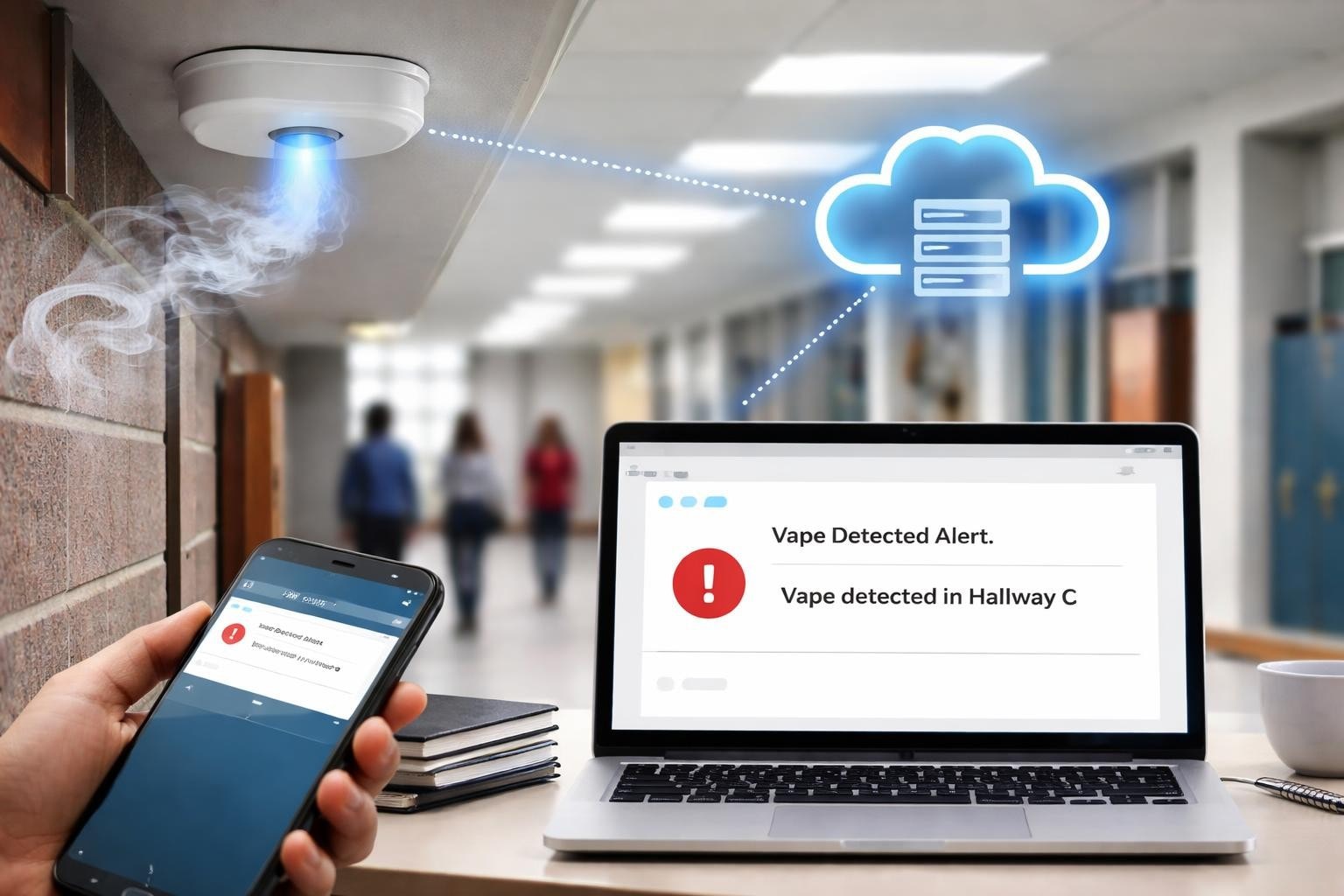
Maintaining safe and compliant environments has become increasingly challenging as vaping incidents rise across schools, offices, and public spaces. Traditional monitoring methods often fall short, leaving administrators unaware of violations until after the fact. A vape detector with email alerts bridges this critical gap, providing instant notifications the moment vaping is detected. This technology empowers facility managers, safeguarding leads, and security teams to respond immediately, document incidents accurately, and maintain consistent enforcement of vaping policies. Understanding how these alert systems function and how to optimise their deployment can transform your approach to creating healthier, safer spaces.
Understanding Vape Detection Technology with Email Notification Systems
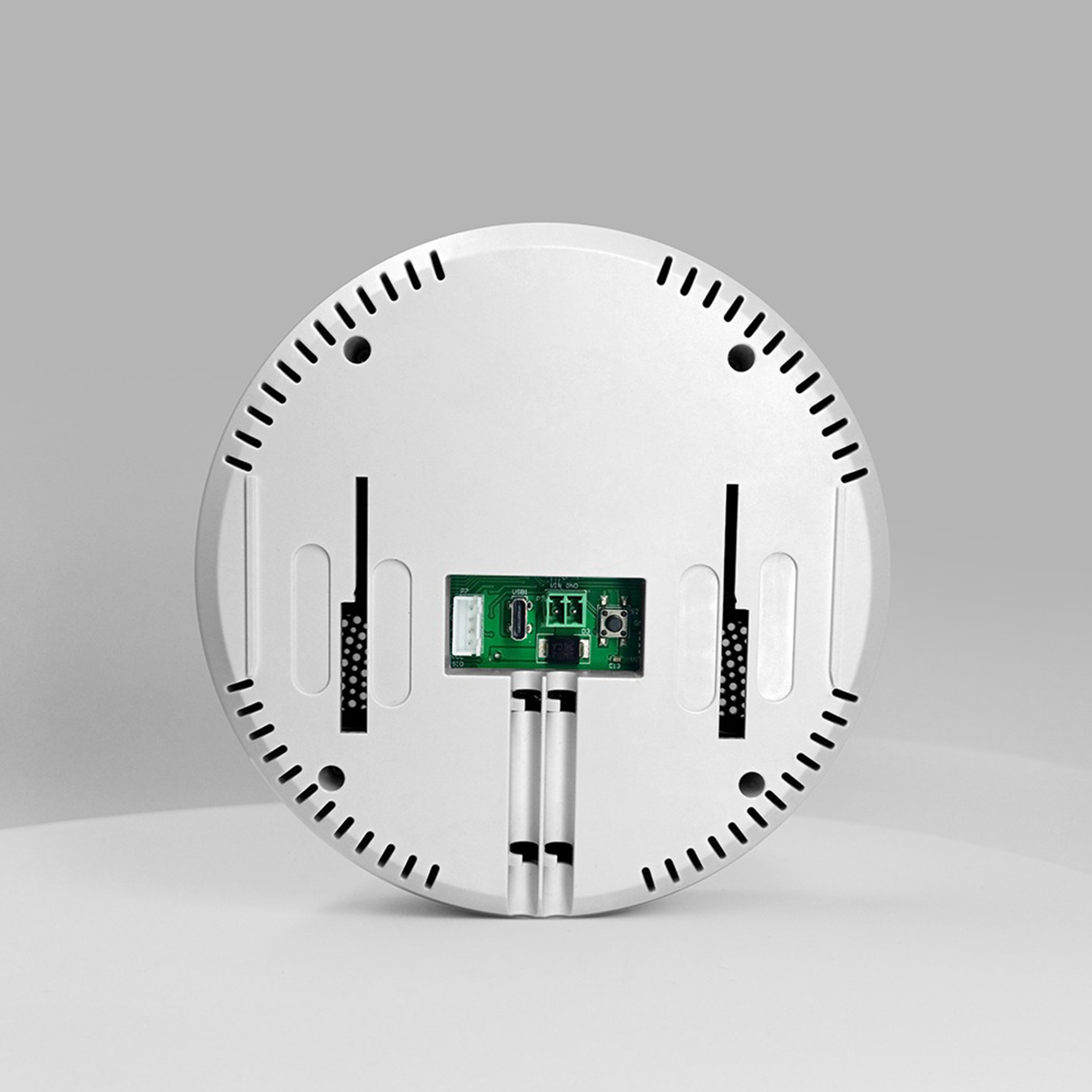
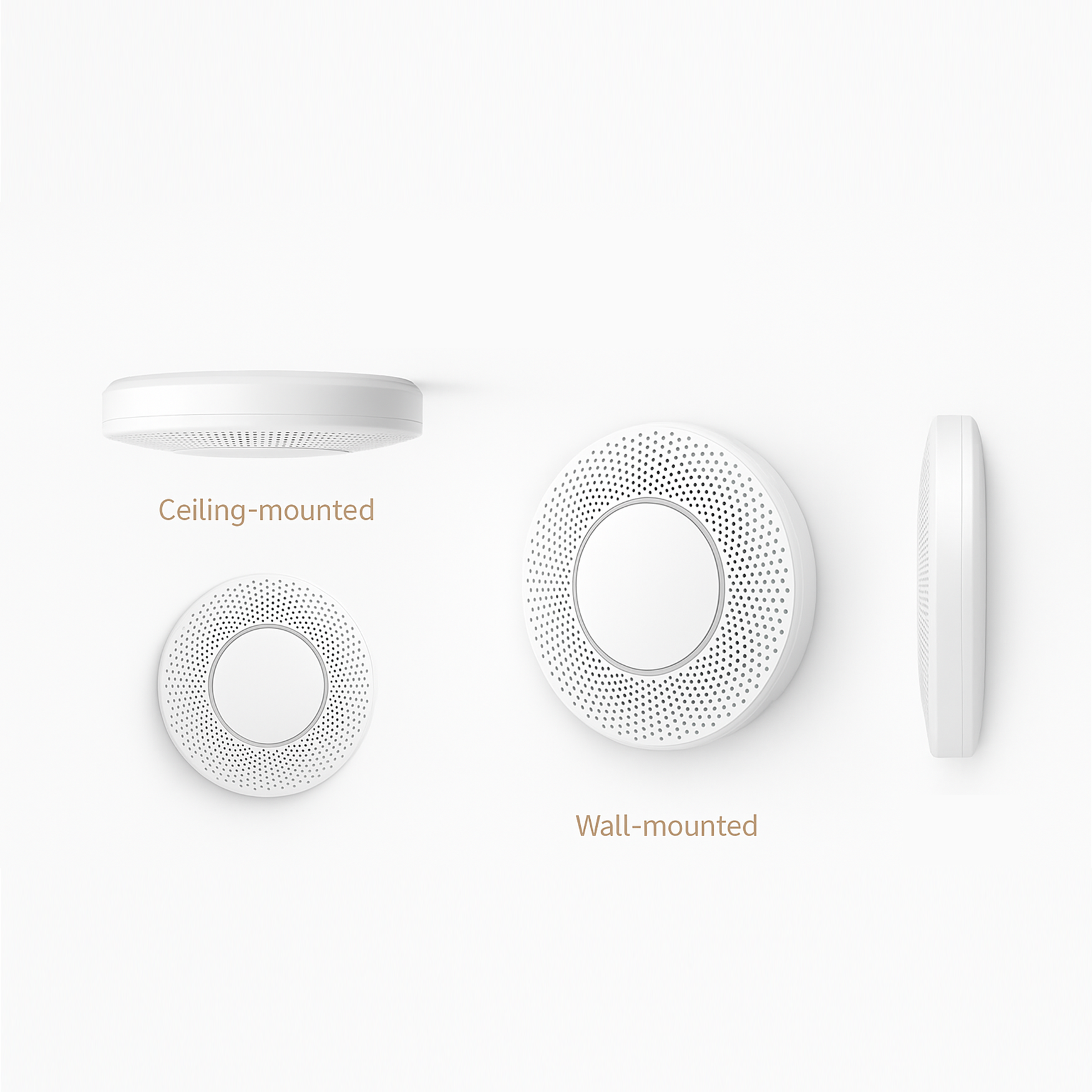
Modern vape detectors operate through sophisticated sensor arrays that identify the unique chemical signatures of vaping aerosols. These devices distinguish between ordinary air quality changes and the specific particles released during vaping events. When a sensor detects vaping activity, it triggers an immediate alert sequence that routes notifications through cloud-based platforms.
The email alert component serves as the cornerstone of effective monitoring. Unlike systems that only log data for later review, a vape detector with email alerts ensures key personnel receive information whilst the incident is ongoing. This real-time capability allows for intervention rather than mere documentation.
Key Components of Email Alert Systems
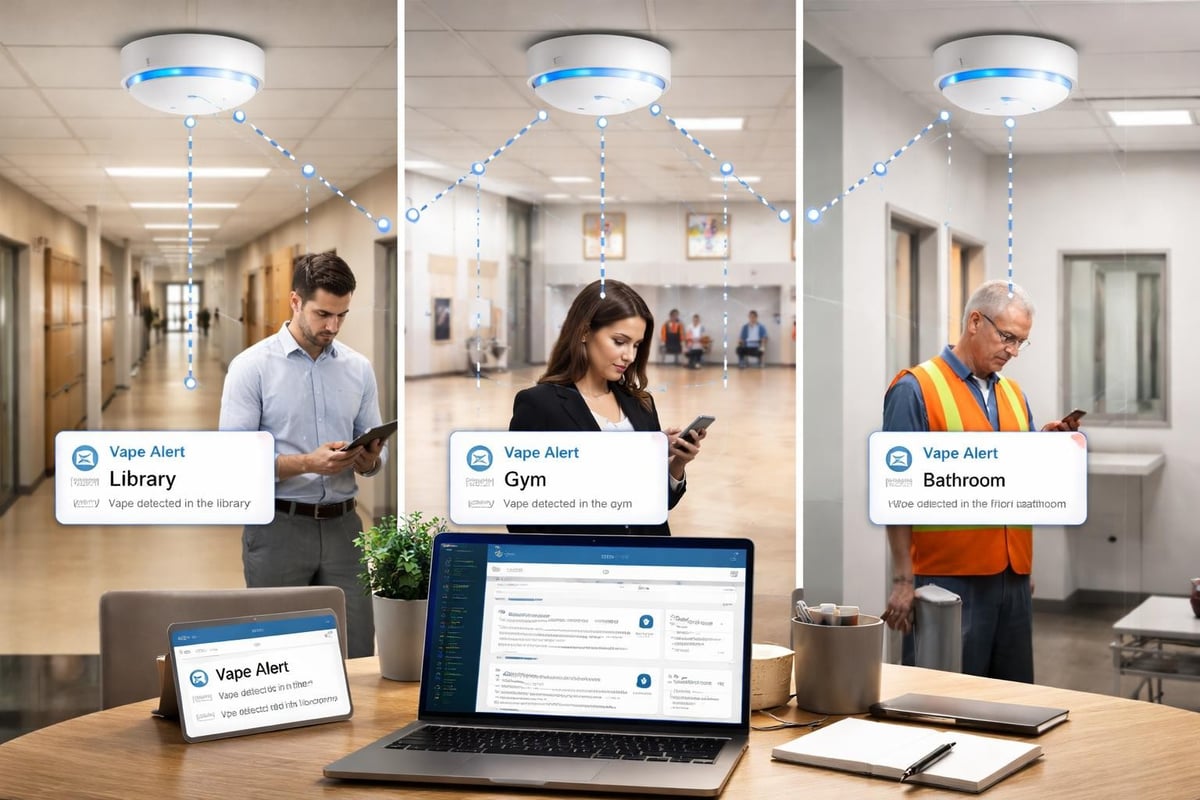
A comprehensive vape detector with email alerts includes several integrated elements that work together seamlessly:
- Sensor hardware featuring multiple detection mechanisms for accuracy
- Cloud connectivity enabling instant data transmission
- User management platform controlling who receives which alerts
- Customisable notification templates providing relevant incident details
- Escalation protocols ensuring alerts reach appropriate personnel
- Alert logging creating documented records of all notifications
The sophistication of modern vape detection systems allows administrators to configure alerts based on specific criteria. You might designate different recipients for different locations, set threshold levels before alerts trigger, or create time-based notification schedules that account for staffing patterns.
Many organisations implement tiered notification systems where initial alerts go to on-site staff whilst secondary alerts reach senior management if incidents remain unresolved. This approach balances immediate response capability with appropriate escalation procedures.
Configuring Email Alerts for Maximum Effectiveness
The true value of a vape detector with email alerts emerges through thoughtful configuration. Simply receiving notifications proves insufficient without strategic planning around who receives alerts, when they arrive, and what information they contain.
Recipient Management and Notification Hierarchy
Building an effective recipient list requires understanding your organisational structure and response capabilities. Primary recipients should include personnel who can physically respond to incidents within minutes. These might be facilities managers, security staff, or designated safeguarding leads.
| Recipient Type | Response Time | Alert Priority | Information Needs |
|---|---|---|---|
| On-site security | Immediate (1-3 min) | Critical | Location, timestamp, sensor ID |
| Facilities management | Rapid (5-10 min) | High | Full incident data, historical context |
| Senior leadership | Review (30-60 min) | Medium | Summary reports, trend analysis |
| External contractors | Scheduled | Low | Maintenance alerts, system status |
Secondary recipients typically include administrative staff who maintain incident records, analyse patterns, and coordinate policy responses. These individuals may not respond to each alert immediately but require notification for comprehensive oversight.
Best practices for handling vaping alerts emphasise creating clear communication protocols that prevent alert fatigue whilst ensuring critical notifications never go unnoticed. Consider implementing quiet periods during known low-risk hours or weekends when facilities are closed, reducing unnecessary notifications whilst maintaining protection during active periods.
Customising Alert Content and Frequency
The information contained within each email alert directly impacts response effectiveness. A well-designed vape detector with email alerts provides essential details without overwhelming recipients with excessive data.
Effective alerts include the precise location using recognisable landmarks or room numbers, the exact timestamp of detection, the confidence level of the detection, and any relevant contextual information such as repeat incidents in the same location. Understanding alert and notification systems helps organisations optimise these elements for their specific needs.
Frequency management prevents the two primary failure modes: missing critical alerts due to excessive notifications and responding too slowly due to insufficient updates. Configure your system to send immediate alerts for new incidents whilst consolidating follow-up notifications into summary reports.
Implementation Strategies Across Different Environments
Deploying a vape detector with email alerts requires tailoring the approach to match your specific environment and organisational culture. Schools face different challenges than office buildings, whilst leisure facilities present unique considerations around privacy and guest experience.
Educational Settings and Safeguarding Requirements
Schools implementing vape detection technology must balance effective monitoring with student privacy and pastoral care responsibilities. Email alerts should reach designated safeguarding leads who understand both the technical response and the educational approach to vaping incidents.
Vape detectors for education environments benefit from alert configurations that support educational interventions rather than purely punitive responses. When a vape detector with email alerts notifies staff of an incident, the response should align with the school's broader approach to student wellbeing and behaviour management.
Many schools configure alerts to reach multiple stakeholders simultaneously, ensuring pastoral teams can provide support whilst facilities staff address immediate safety concerns. This coordinated approach recognises that vaping incidents often indicate underlying issues requiring comprehensive support.
The Vape Detection System provides schools with sophisticated alert customisation that accommodates complex organisational structures. Whether you operate a single site or a multi-academy trust, the platform enables tailored notifications that respect each institution's unique approach whilst maintaining consistent monitoring standards.

Corporate and Office Environments
Workplace implementations of vape detectors with email alerts focus on maintaining compliant, healthy environments whilst respecting employee privacy. Unlike educational settings, corporate environments typically involve adult employees who understand workplace policies and face different consequences for violations.
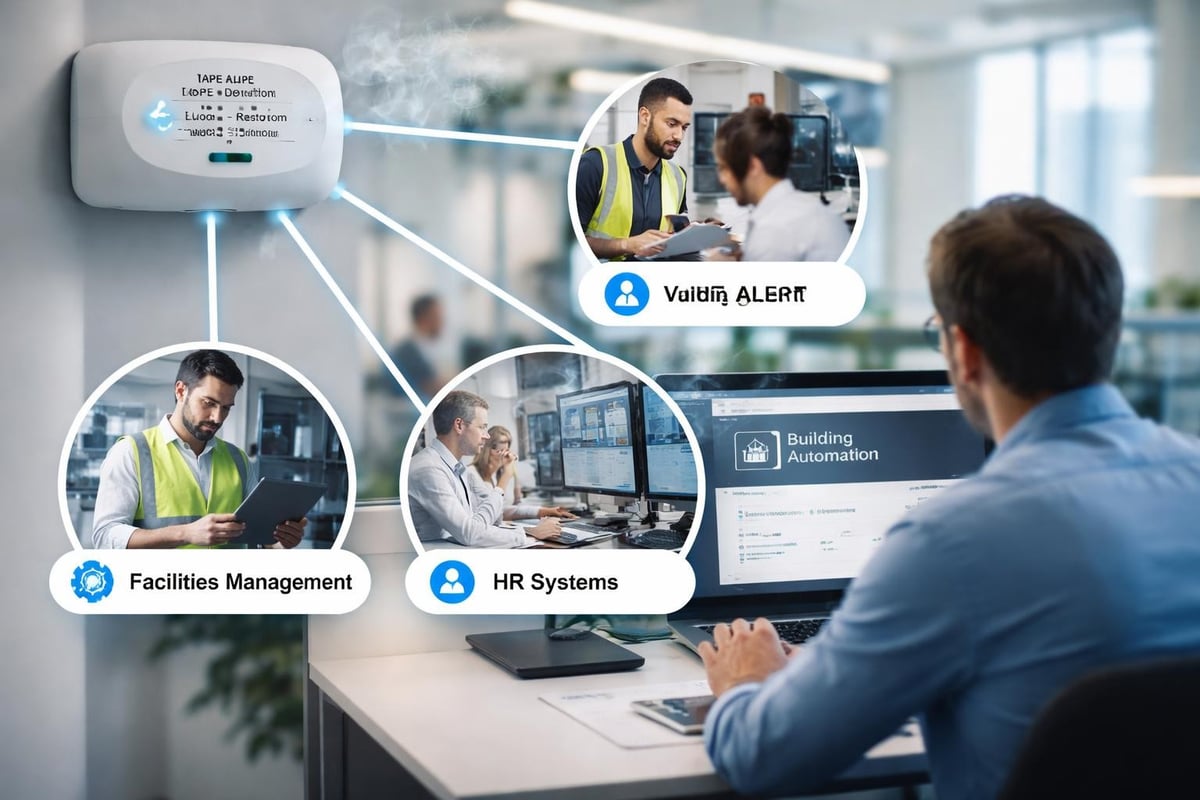
Office managers configure alerts to reach facilities teams and human resources simultaneously. This dual notification supports both immediate environmental response and appropriate documentation for HR processes. The goal remains creating safe workspaces rather than surveillance, so alert configurations should emphasise policy support over monitoring.
Office vape detection often integrates with existing building management systems, allowing email alerts to trigger complementary responses such as ventilation adjustments or access logging. This integration maximises the value of detection events beyond simple notification.
Leisure and Hospitality Venues
Leisure facilities, including gyms, hotels, and entertainment venues, implement vape detectors with email alerts to maintain guest comfort and regulatory compliance. These environments present unique challenges around transient populations and varying occupancy levels.
Alert configurations for leisure and retail spaces typically emphasise rapid response to prevent guest complaints whilst maintaining discreet monitoring that preserves the customer experience. Email alerts might route to duty managers who can address incidents promptly without disrupting other guests.
Many leisure venues configure location-specific alerts, ensuring notifications about changing room incidents reach different personnel than those monitoring public areas. This granular control optimises response times whilst maintaining appropriate privacy boundaries.
Technical Considerations and System Integration
Implementing a vape detector with email alerts involves several technical decisions that impact long-term effectiveness and reliability. Understanding these elements ensures your investment delivers consistent value.
Network Connectivity and Reliability
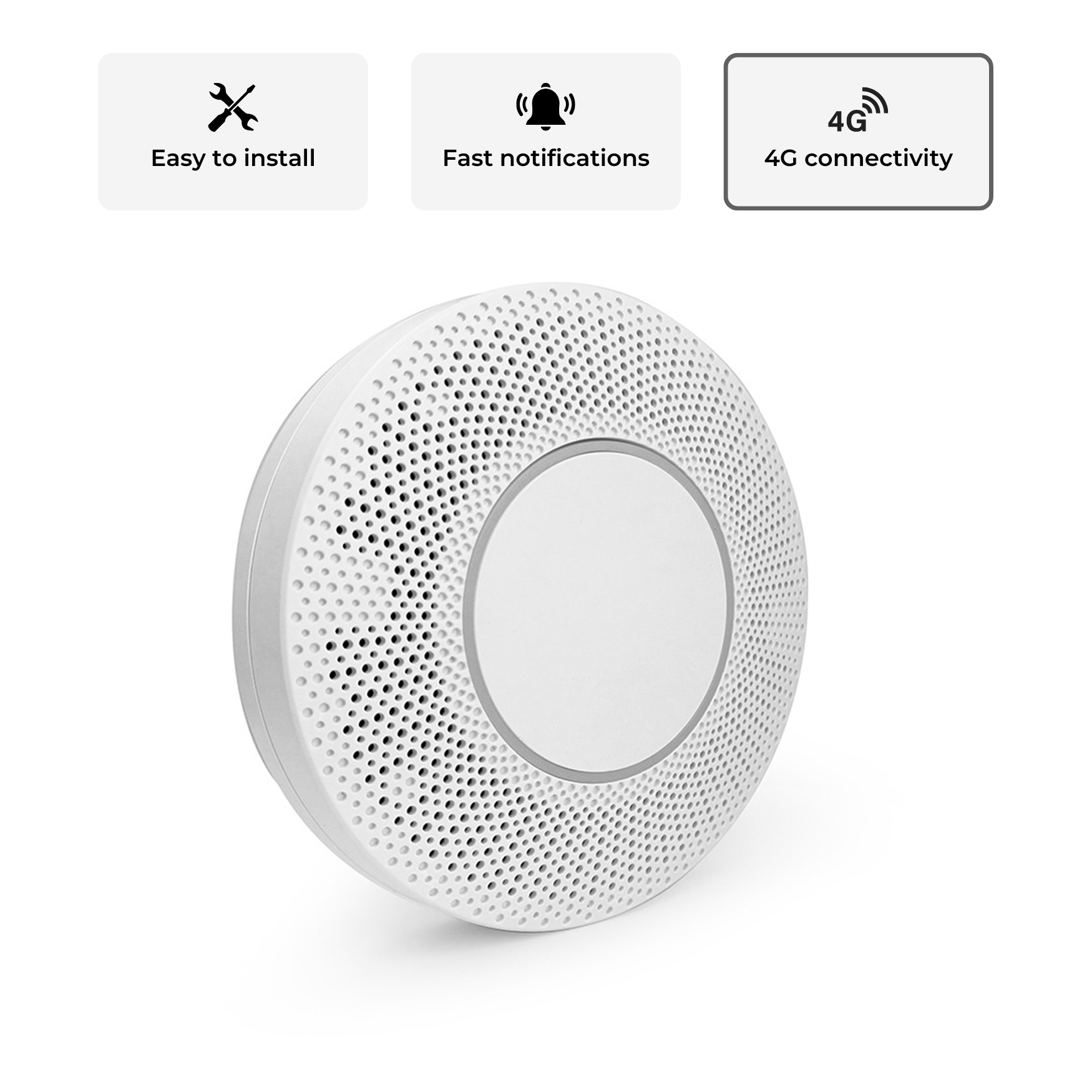
Email alerts depend entirely on consistent network connectivity between sensors and the cloud platform. Most modern systems support multiple connectivity options to ensure reliable operation:
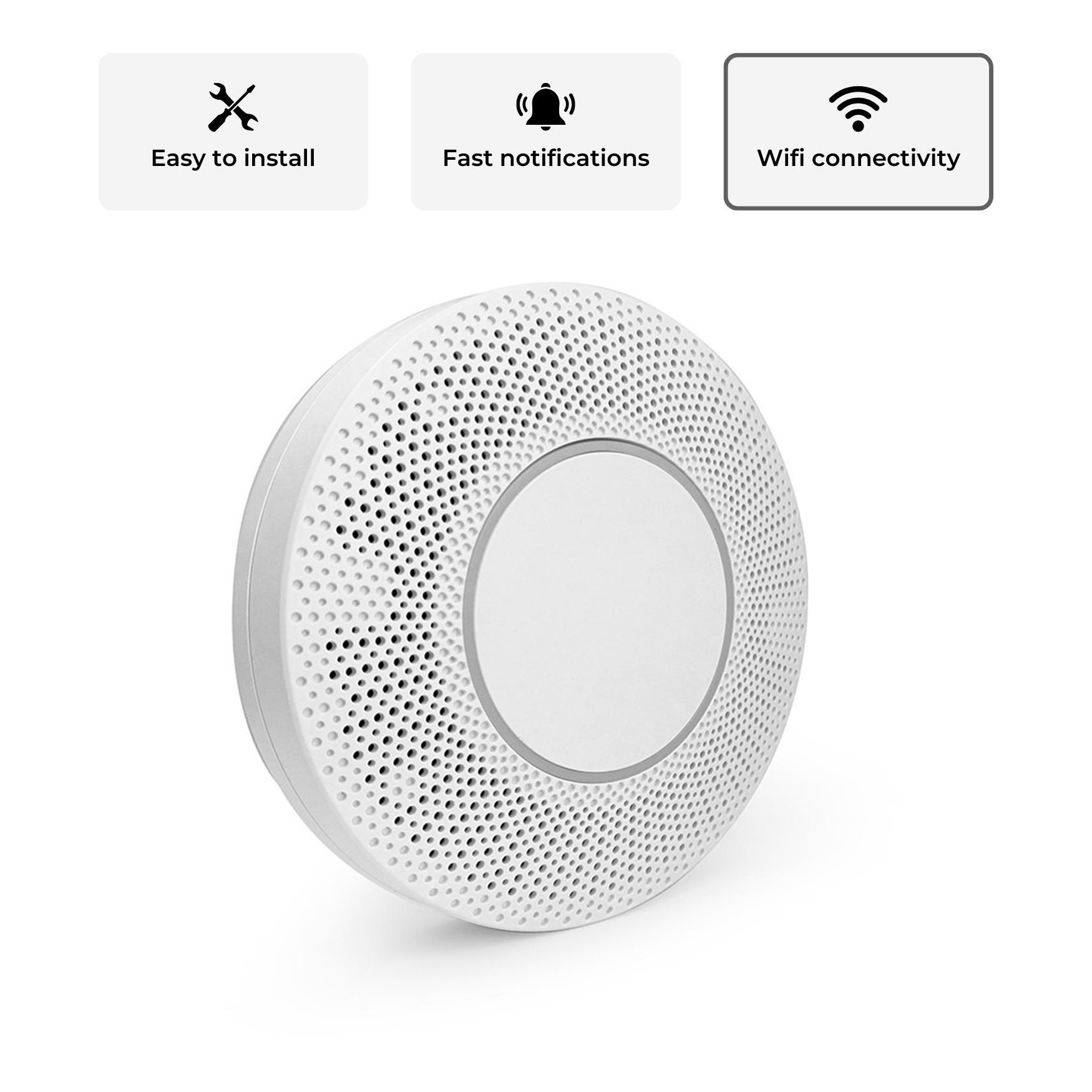
- Primary WiFi connectivity providing high-bandwidth communication
- 4G cellular backup maintaining function during network outages
- Edge processing capabilities enabling local alerting if cloud connection fails
- Automatic failover protocols switching between connection methods seamlessly
Network and connectivity planning should consider your building's existing infrastructure whilst preparing for expansion. A vape detector with email alerts proves worthless if network limitations prevent timely notification delivery.
Some organisations implement hybrid approaches where critical areas use cellular-enabled sensors whilst lower-priority locations rely on WiFi. This strategy balances reliability with cost efficiency.
Integration with Existing Security and Management Systems
Modern facilities operate multiple interconnected systems for access control, video surveillance, and environmental monitoring. Best practices for vape detection include thoughtful integration that amplifies overall security effectiveness.
A sophisticated vape detector with email alerts can trigger complementary responses across your security ecosystem. When vaping is detected, the system might automatically bookmark corresponding video footage, log access control events from nearby readers, and alert monitoring staff through existing incident management platforms.
| Integration Type | Benefit | Implementation Complexity | Typical ROI Timeline |
|---|---|---|---|
| Email platforms | Instant alerts | Low | Immediate |
| Video management | Visual verification | Medium | 3-6 months |
| Access control | Identity correlation | Medium | 6-12 months |
| Building automation | Environmental response | High | 12-18 months |
These integrations transform isolated detection events into comprehensive incident records that support evidence-based policy decisions and detailed compliance reporting. The email alerts serve as the trigger mechanism that initiates these coordinated responses.
Optimising Alert Response Procedures
Technology alone cannot create safer environments. The human response to email alerts determines whether your vape detector with email alerts succeeds or becomes another ignored notification stream. Developing clear procedures ensures consistent, effective responses.
Standard Operating Procedures for Alert Response
Every organisation implementing vape detection should establish documented response procedures that outline specific actions for different scenarios. These procedures answer critical questions: Who responds first? What steps should they take? When should incidents escalate? How should responses be documented?
Effective procedures typically follow this sequence:
- Alert receipt and acknowledgement confirming notification delivery
- Initial assessment determining whether response is required
- Physical response investigating the reported location
- Incident documentation recording findings regardless of outcome
- Follow-up actions implementing appropriate consequences or interventions
- System feedback updating alert parameters based on response outcomes
School compliance monitoring systems demonstrate how structured response procedures transform raw detection data into meaningful behavioural change. The email alert initiates the process, but systematic follow-through delivers results.
Training Staff for Effective Alert Management
Even the most sophisticated vape detector with email alerts fails without properly trained personnel. Staff training should address both technical operation and interpersonal response skills.
Technical training covers acknowledging alerts, interpreting notification content, accessing additional system information, and documenting responses through the platform. This ensures staff can navigate the technology confidently during actual incidents.
Interpersonal training proves equally important. Staff receiving alerts must understand appropriate responses that balance enforcement with pastoral care, particularly in educational settings. Role-playing exercises help teams practice responses to various scenarios, building confidence and consistency.
Data Analysis and Continuous Improvement
A vape detector with email alerts generates valuable data beyond immediate incident response. Analysing alert patterns reveals insights that inform policy development, resource allocation, and prevention strategies.
Pattern Recognition and Trend Analysis
Email alert logs provide comprehensive records of when, where, and how frequently vaping occurs across your facilities. Reviewing this data monthly or quarterly reveals patterns that might otherwise remain hidden.
Common insights include identification of high-risk locations requiring additional monitoring or intervention, recognition of temporal patterns suggesting specific groups or activities, correlation between incidents and external factors like school terms or events, and assessment of policy effectiveness through incident frequency trends.
Many organisations discover that certain locations generate repeated alerts whilst others remain incident-free. This information guides both physical security measures and educational interventions. Perhaps specific washrooms require enhanced supervision, or particular times of day need increased staff presence.
Adjusting Alert Parameters Based on Experience
Initial alert configurations rarely prove optimal long term. As you gain experience with your vape detector with email alerts, refine settings to reduce false positives whilst ensuring genuine incidents trigger notifications.
Consider adjusting sensitivity thresholds if excessive false alerts create response fatigue, modifying recipient lists as you identify who responds most effectively, updating notification schedules to match observed incident patterns, and implementing location-specific settings reflecting each area's unique characteristics.
This iterative approach transforms your vape detection system from a static monitoring tool into a dynamic platform that evolves with your organisation's needs. The email alerts provide not just real-time incident notification but also the data foundation for continuous improvement.
Privacy, Compliance, and Ethical Considerations
Deploying monitoring technology raises important questions about privacy, data protection, and appropriate use. A responsible approach to vape detectors with email alerts acknowledges these considerations whilst maintaining effective monitoring.
Balancing Monitoring with Privacy Rights
Modern vape detection technology respects privacy by design, detecting environmental conditions rather than capturing personal information. Unlike video surveillance, vape detectors identify chemical signatures without recording voices, images, or personally identifiable information.
Email alerts should contain only necessary information for appropriate response. Avoid including speculative content about potential violators or unnecessary personal details. Focus notifications on objective data: location, time, detection confidence, and recommended response.
Transparency proves essential for maintaining trust. Inform building occupants about vape detection systems through clear signage and policy documentation. When people understand that monitoring protects health and safety rather than enabling invasive surveillance, acceptance increases significantly.
Data Protection and Information Security
Email alerts necessarily contain sensitive information about incidents within your facilities. Ensuring these communications remain secure protects both your organisation and the individuals involved.
Implement these protective measures: use encrypted email services for alert delivery, restrict alert recipient lists to authorised personnel only, establish data retention policies that balance documentation needs with privacy principles, conduct regular access audits ensuring only appropriate individuals receive alerts, and provide clear guidelines about forwarding or sharing alert information.
HALO Smart Sensor systems and similar platforms incorporate enterprise-grade security features that protect alert data throughout the notification process. When evaluating a vape detector with email alerts, verify that security measures meet your industry's regulatory requirements and your organisation's risk tolerance.
Cost Considerations and Return on Investment
Implementing vape detection technology with comprehensive alert capabilities represents a significant investment. Understanding both initial costs and ongoing value helps justify this expenditure to budget holders and stakeholders.
Direct and Indirect Costs
The total cost of ownership for a vape detector with email alerts extends beyond initial hardware purchase:
Initial Investment Components:
- Sensor hardware units for each monitored location
- Installation labour including mounting and network configuration
- Platform licensing or subscription fees
- Staff training and procedure development
- Integration with existing systems
Ongoing Operational Costs:
- Monthly or annual subscription fees for cloud services
- Network connectivity charges for cellular-enabled units
- Maintenance and replacement of sensors reaching end of life
- Software updates and feature enhancements
- Staff time responding to alerts and managing the system
Whilst these costs may seem substantial, integrated security services demonstrate clear returns through reduced incidents, improved compliance, decreased property damage from vaping-related issues, and enhanced reputation among stakeholders.
Quantifying Benefits and ROI
Measuring return on investment requires identifying both tangible and intangible benefits. Tangible benefits include reduced cleaning costs in areas where vaping previously occurred, decreased fire alarm activations from vaping aerosols, and avoided regulatory penalties through demonstrated compliance efforts.
Intangible benefits prove equally valuable, including improved stakeholder confidence in your safety measures, enhanced organisational reputation as a health-conscious environment, and reduced staff stress from managing vaping incidents reactively.
Educational institutions particularly benefit from demonstrating proactive approaches to student health and safety. Parents, governors, and regulatory bodies view comprehensive vape detection with email alerts as evidence of serious commitment to safeguarding, potentially influencing enrollment decisions and regulatory assessments.
Future Developments in Vape Detection Alert Technology
Vape detection technology continues evolving rapidly, with emerging capabilities promising even greater effectiveness. Understanding these trends helps organisations plan long-term monitoring strategies.
Advanced Analytics and Predictive Alerting
Next-generation systems will leverage artificial intelligence to move beyond reactive alerts toward predictive notifications. By analysing historical patterns, these systems might alert administrators to elevated risk conditions before incidents occur, enabling preventive interventions.
Machine learning algorithms will refine detection accuracy, reducing false positives whilst identifying subtle indicators that current systems might miss. A vape detector with email alerts powered by advanced analytics could distinguish between different vaping substances, providing richer information for appropriate responses.
Enhanced Integration and Automation
Future systems will offer deeper integration with facility management platforms, enabling automated responses that extend beyond email notifications. Imagine vape detection triggering immediate ventilation adjustments, access control modifications, and comprehensive incident documentation without manual intervention.
These automated responses will amplify the value of initial email alerts, ensuring human responders arrive at scenes where preliminary actions have already contained the immediate situation. The email serves as notification and coordination rather than the sole response mechanism.
Implementing a vape detector with email alerts transforms how organisations maintain safe, compliant environments by enabling immediate response to vaping incidents rather than reactive documentation after the fact. The combination of sophisticated detection technology and instant notification empowers administrators across educational, corporate, and leisure settings to address concerns proactively whilst gathering valuable data for continuous improvement. Vape Guardian provides comprehensive vape detection solutions with advanced alert capabilities, supporting UK organisations in creating healthier spaces through reliable technology and dedicated expertise. Whether you manage a single school or multiple facilities, their systems deliver the real-time awareness and response capabilities essential for modern safety management.





Share:
Education Vape Detection: A Complete Guide for 2026
Toilet Vape Detector: The Complete Guide for 2026
1 comment
Great vape selection with quality products, attractive options, and fast delivery. Smooth service and a convenient shopping experience!
https://klausvape.com/shop/