
Educational institutions face an increasingly complex landscape of regulatory requirements, from special education provisions to health and safety obligations. A robust school compliance monitoring system provides the infrastructure necessary to track, document, and report on these multifaceted obligations whilst reducing administrative burden. As schools navigate everything from accessibility standards to emerging challenges like youth vaping, centralised monitoring solutions have become essential tools for maintaining oversight and demonstrating accountability to regulatory bodies.
Understanding School Compliance Monitoring Systems
A school compliance monitoring system serves as a centralised platform where educational institutions can manage their regulatory obligations across multiple domains. These systems consolidate documentation, automate deadline tracking, and generate reports that demonstrate adherence to federal, state, and local requirements.
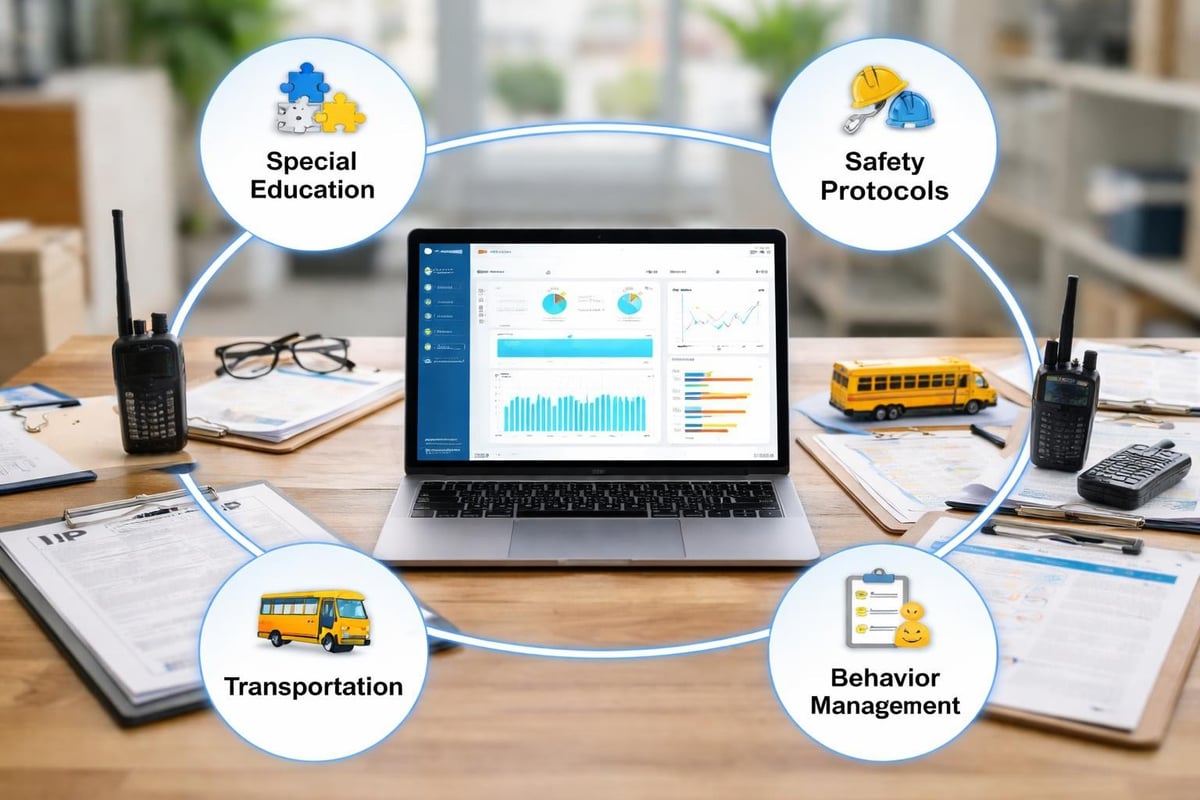
The scope of compliance within educational settings extends far beyond traditional academic standards. Schools must monitor special education provisions under legislation like the Individuals with Disabilities Education Act, maintain safety protocols, track transportation requirements, and increasingly address behavioural concerns including substance use on campus.
Modern monitoring systems integrate various compliance streams into unified dashboards, allowing administrators to view their entire compliance landscape at a glance. This holistic approach prevents obligations from slipping through the cracks and ensures schools can quickly respond to audit requests or regulatory enquiries.
Key Components of Effective Monitoring Systems
Successful compliance monitoring platforms share several essential features that distinguish them from basic record-keeping tools. Documentation centralisation ensures all compliance-related materials reside in a single, searchable repository accessible to authorised personnel.
Automated alerting represents another critical component, sending notifications when deadlines approach or when documentation requires renewal. This proactive approach prevents lapses that could result in non-compliance citations or programme disruptions.
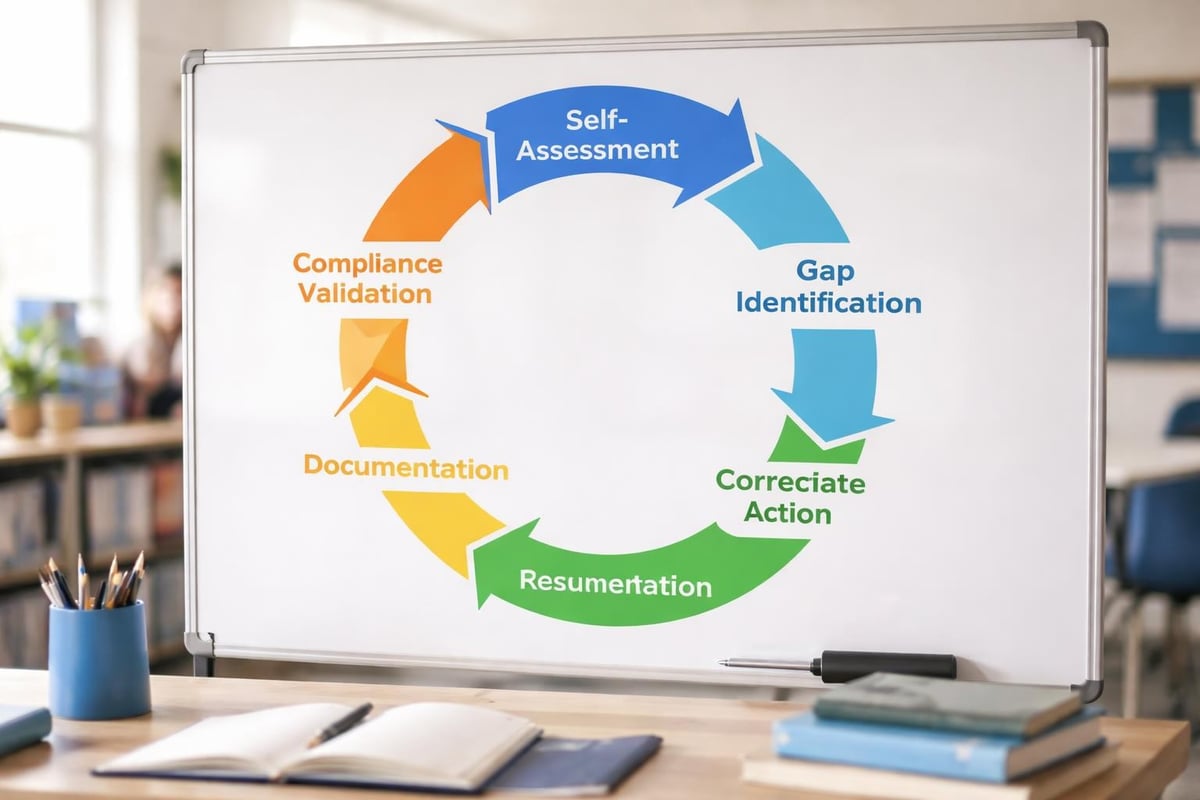
The Pennsylvania Department of Education's compliance monitoring process exemplifies structured oversight, incorporating cyclical monitoring, self-assessments, and corrective action protocols. Schools implementing robust monitoring systems can better align with such comprehensive state frameworks.
Regulatory Requirements Driving System Adoption
Educational compliance requirements originate from multiple sources, creating a complex web of obligations that schools must navigate simultaneously. Federal regulations establish baseline standards, whilst state and local authorities layer additional requirements specific to their jurisdictions.
Special education compliance represents one of the most intensive monitoring areas, requiring detailed documentation of individualised education programmes, service delivery, and student progress. The California Department of Education's compliance monitoring procedures demonstrate the rigorous oversight mechanisms states employ to ensure federal programme standards are met.
Transportation compliance adds another dimension, with specific safety protocols, driver qualifications, and vehicle maintenance schedules requiring ongoing documentation. Ohio's transportation compliance monitoring system illustrates how states implement frameworks to verify that school districts meet these operational requirements.
Emerging Compliance Challenges
Beyond traditional academic and operational compliance, schools increasingly confront novel regulatory challenges. Youth vaping has emerged as a significant concern, prompting many institutions to implement detection technologies and enforcement policies. Understanding the dangers of vaping in secondary schools has become essential for administrators developing comprehensive compliance strategies.
Health and safety regulations now encompass air quality monitoring, emergency preparedness equipment maintenance, and response protocols for various incidents. These expanding requirements make comprehensive monitoring systems indispensable for maintaining full compliance across all domains.
| Compliance Domain | Primary Regulations | Monitoring Frequency | Documentation Required |
|---|---|---|---|
| Special Education | IDEA, State Codes | Cyclical (3-5 years) | IEPs, Progress Reports, Service Logs |
| Transportation | State Safety Standards | Annual/Ongoing | Vehicle Inspections, Driver Certifications |
| Health & Safety | Building Codes, OSHA | Quarterly/Annual | Equipment Checks, Incident Reports |
| Behaviour Management | School Policies, Local Ordinances | Ongoing | Incident Logs, Intervention Records |
Self-Assessment and Continuous Improvement
Effective compliance monitoring extends beyond reactive documentation to incorporate proactive self-assessment processes. Schools benefit from regularly evaluating their practices against regulatory standards before official monitoring occurs.
The Easton Area School District's approach to compliance monitoring demonstrates how institutions participate in cyclical monitoring whilst maintaining continuous self-evaluation. This dual approach identifies potential issues early, allowing corrective action before formal citations occur.
Self-assessment tools within modern monitoring systems guide schools through structured evaluations, highlighting areas where documentation may be incomplete or practices may have drifted from required standards. These internal reviews create opportunities for staff training and process refinement.
Building a Culture of Compliance
Technology alone cannot ensure compliance; it must be paired with organisational culture that values regulatory adherence. Training programmes play a vital role in helping staff understand their compliance responsibilities and the systems supporting them.
Partnering with organisations like Study Academy can provide tailored compliance training that equips staff with current knowledge of UK regulations and best practices. Their expert-led programmes ensure teams understand not just what to document, but why compliance matters for student welfare and institutional integrity.
Regular compliance reviews should be integrated into staff meetings, creating ongoing dialogue about regulatory requirements rather than treating compliance as an annual burden. This sustained attention helps maintain documentation quality and ensures timely responses to new requirements.
Technology Solutions for Compliance Management
The market offers various technological solutions designed specifically for educational compliance monitoring. Kyran's Compliance Monitoring System provides features including self-assessments, documentation uploads, and corrective action tracking tailored to special education requirements.
Cloud-based platforms have become increasingly popular, offering accessibility advantages over traditional on-premises solutions. AssetWhere's regulatory compliance tracking system centralises compliance documentation whilst providing deadline alerts and real-time reporting capabilities.
Integration capabilities distinguish advanced monitoring systems from basic document repositories. The ability to connect with student information systems, facility management platforms, and communication tools creates a seamless compliance ecosystem.
Specialised Monitoring Technologies
Some compliance areas benefit from specialised monitoring technologies that automate data collection and alerting. Vision Pro Software's platform integrates compliance monitoring with asset records and building condition data, creating a unified view of facility-related obligations.
For health and safety compliance, automated monitoring of emergency equipment ensures schools meet preparedness requirements. SH Connect's compliance management system allows monitoring of devices like AEDs through desktop or mobile interfaces, simplifying maintenance documentation.
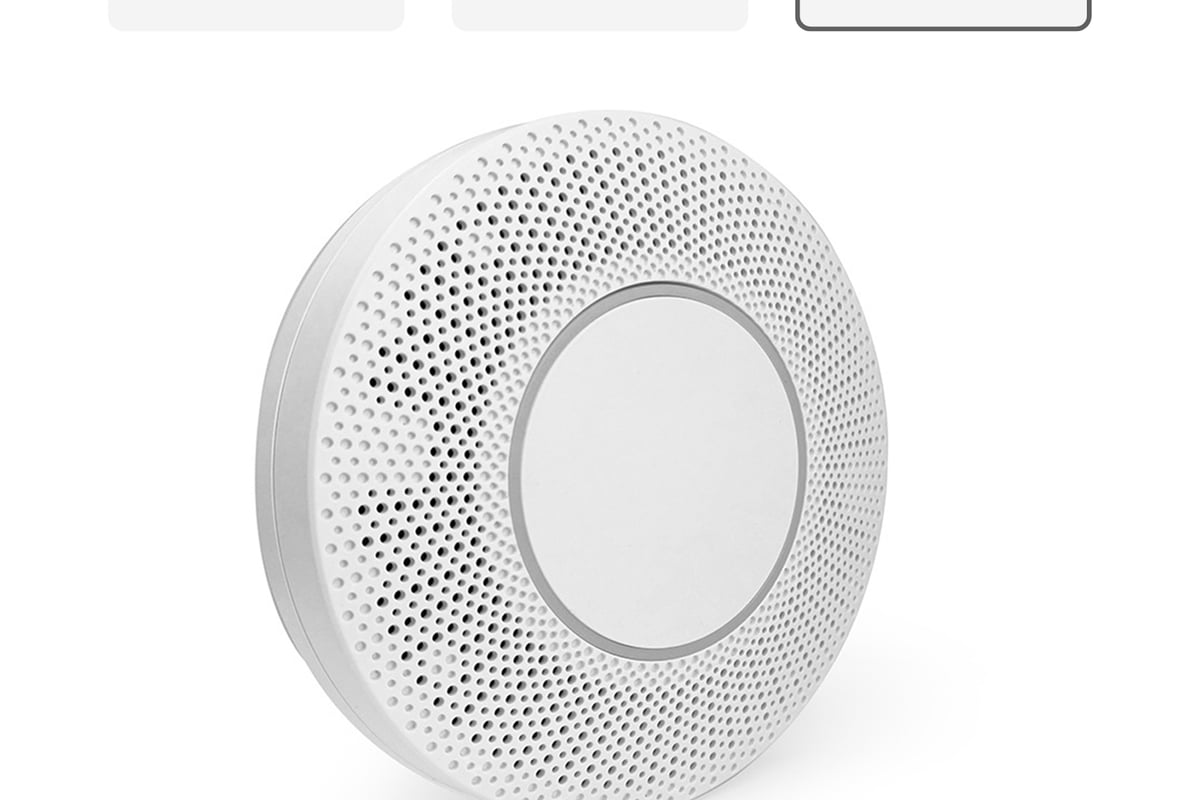
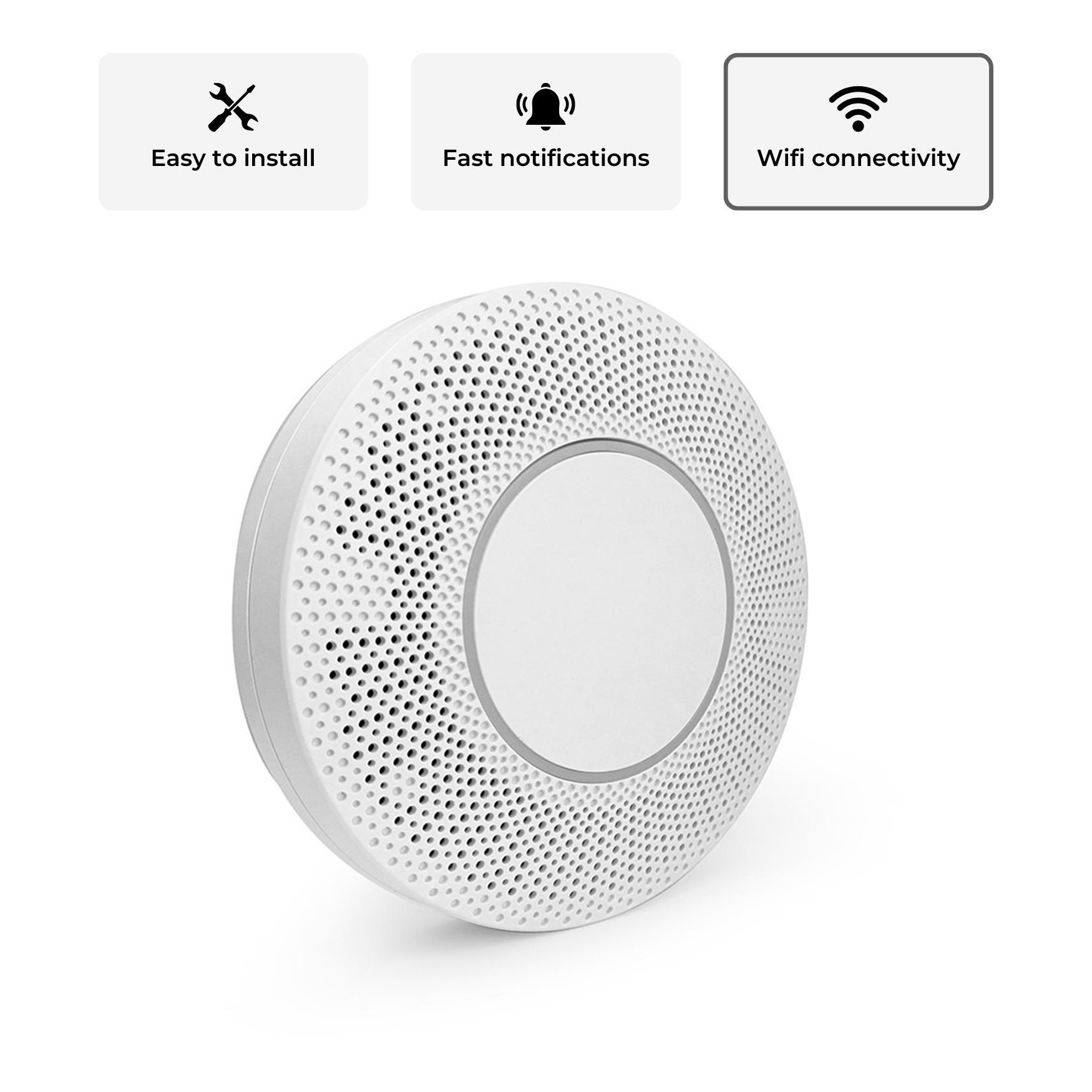
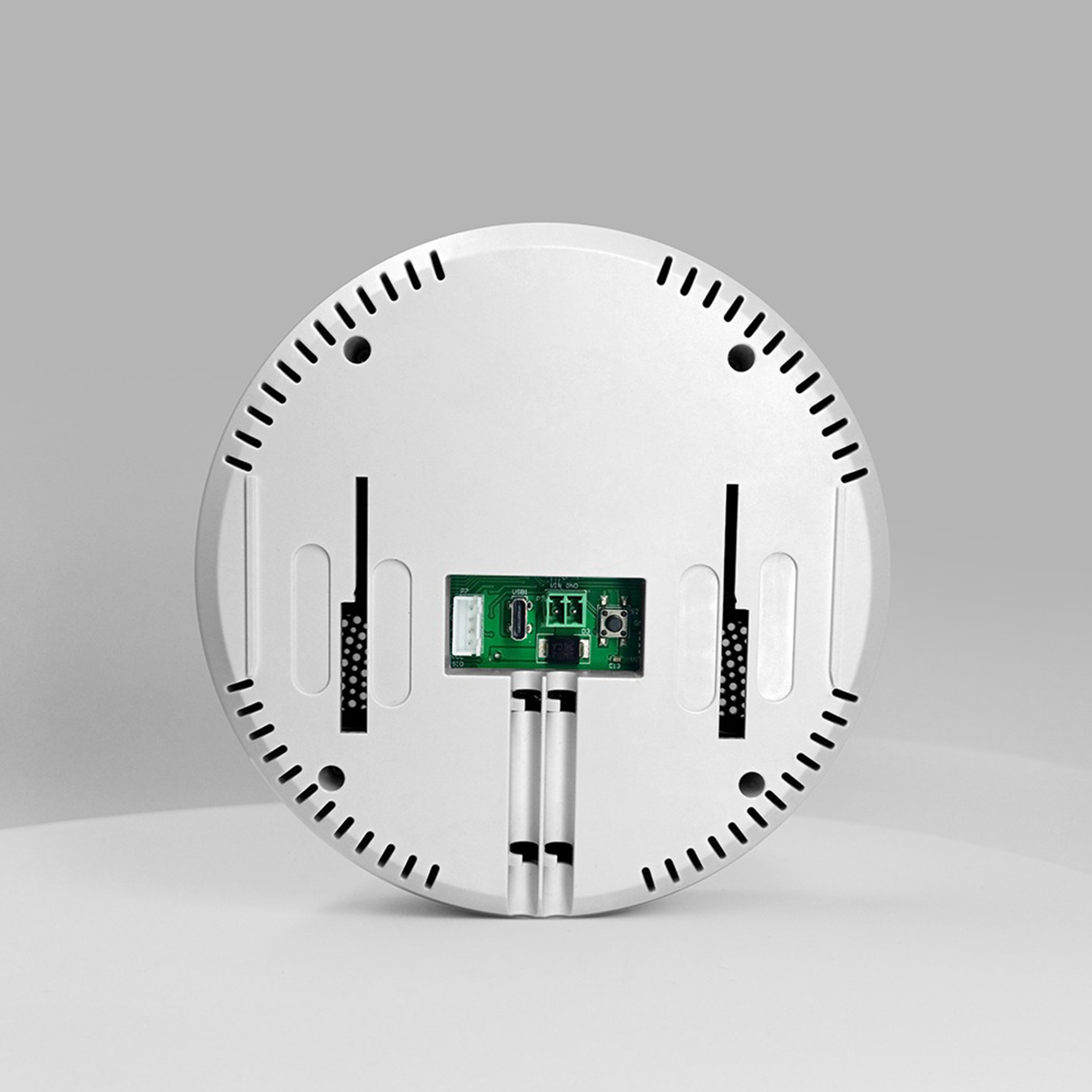
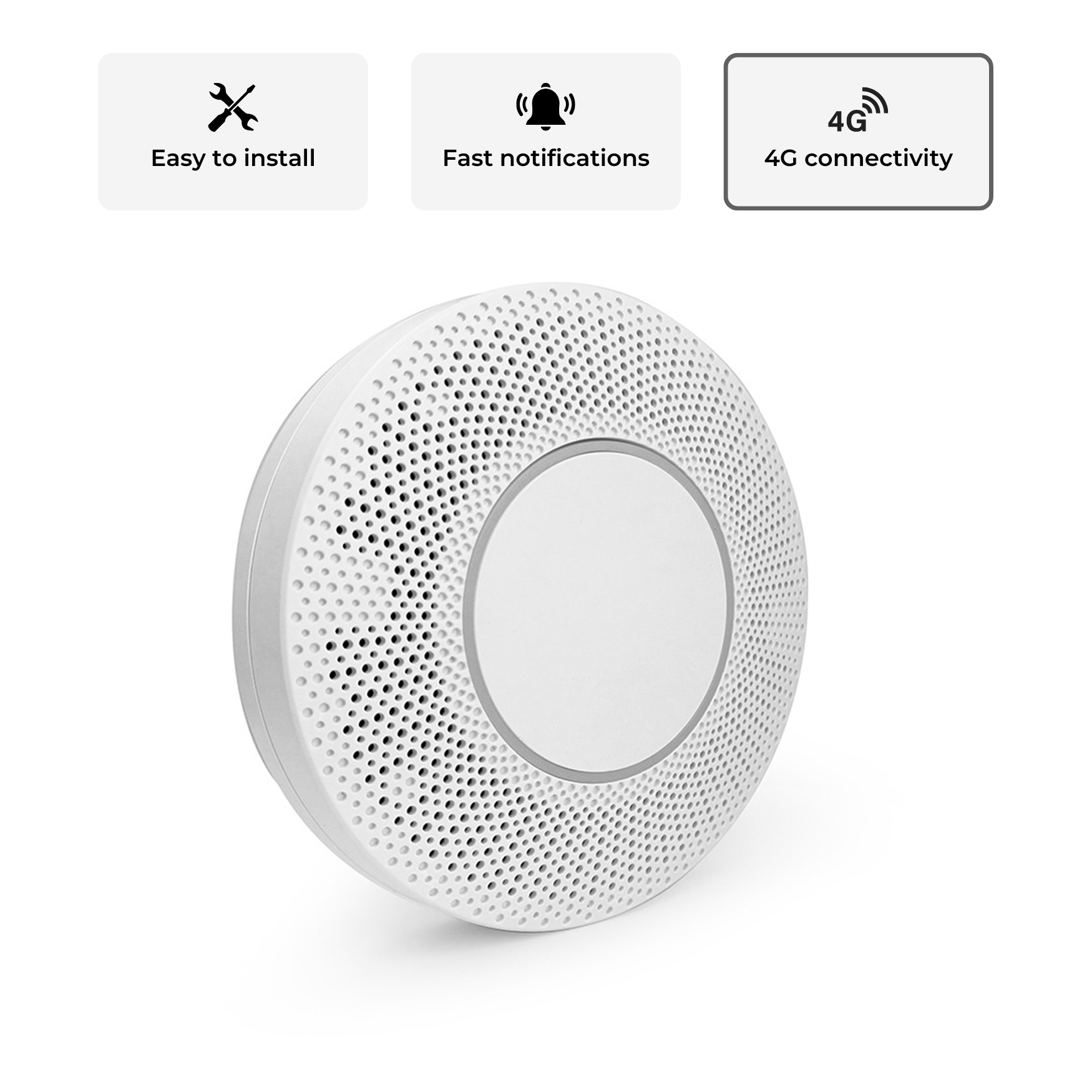
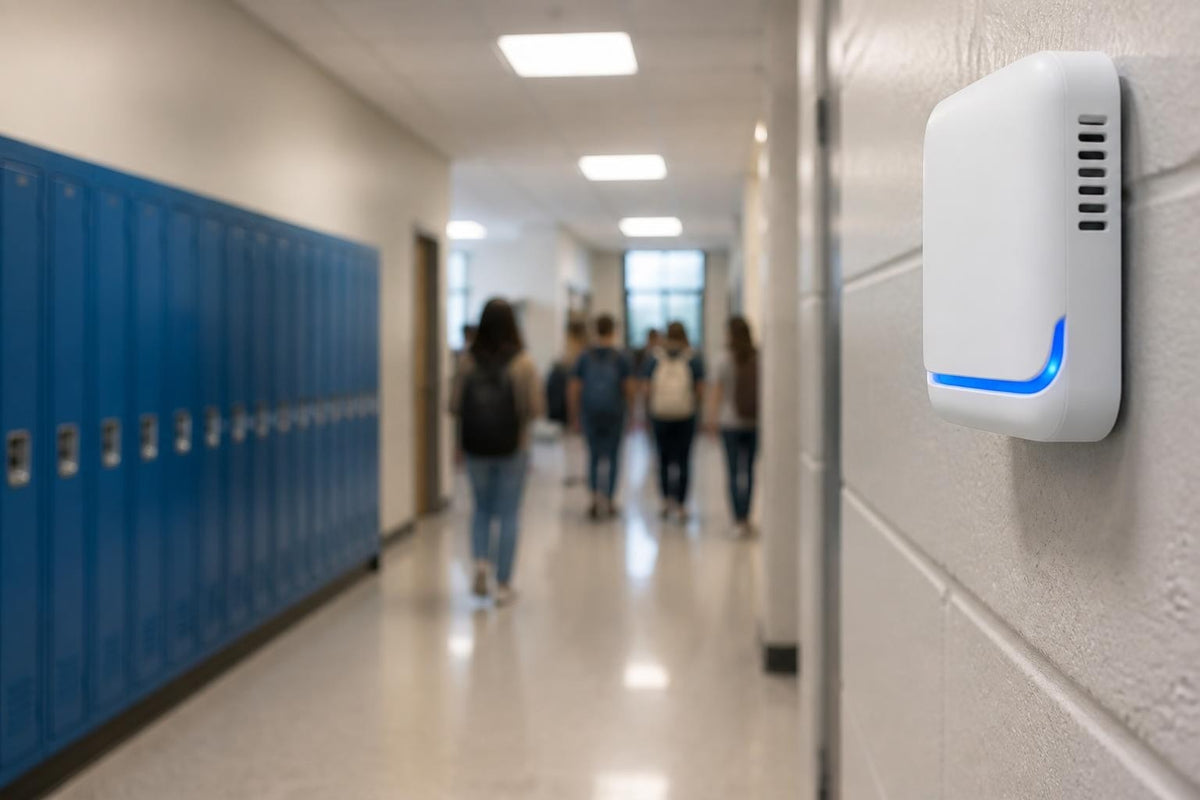
Behaviour management compliance increasingly incorporates real-time detection technologies. Schools addressing vaping incidents can implement sensor-based monitoring that provides immediate alerts whilst creating documentation trails for compliance purposes. Vape Guardian's smart sensor technology detects vaping, drug use, and anti-social behaviour in real time, supporting schools' efforts to maintain safe, compliant environments whilst automatically generating incident records.
- Documentation automation reduces manual record-keeping burden
- Real-time alerting enables immediate intervention and response
- Compliance reporting generates audit-ready documentation automatically
- Integration capabilities connect with existing school management systems
- Access controls ensure sensitive compliance data remains secure
Implementation Strategies for Monitoring Systems
Successful implementation of a school compliance monitoring system requires careful planning and phased rollout. Schools should begin by conducting a comprehensive audit of current compliance obligations and existing documentation processes.
Stakeholder engagement proves critical during the planning phase. Administrators, teaching staff, support personnel, and IT teams all interact with compliance requirements differently, and their input helps shape system configuration that serves multiple user needs.
Phased Deployment Approach
Rather than attempting to digitise all compliance processes simultaneously, schools benefit from prioritising high-impact areas. Special education compliance, given its documentation intensity and regulatory scrutiny, often represents a logical starting point.
- Assessment phase: Catalogue all compliance requirements and current documentation methods
- Pilot implementation: Deploy the system for a single compliance domain or department
- Refinement period: Gather user feedback and adjust workflows based on practical experience
- Expansion rollout: Gradually incorporate additional compliance areas into the system
- Full integration: Connect the monitoring system with other institutional platforms
- Continuous optimisation: Regularly review system usage and update processes
Training programmes should accompany each deployment phase, ensuring staff understand how to use new tools effectively. Comprehensive guides, video tutorials, and ongoing support help overcome resistance to new systems.
Data Management and Reporting Capabilities
A school compliance monitoring system's value ultimately depends on its ability to transform raw documentation into meaningful insights. Reporting capabilities should support both routine compliance verification and strategic decision-making.
Standard compliance reports generate documentation required for regulatory submissions, such as special education programme reviews or transportation safety audits. These automated reports save countless hours previously spent manually compiling information from disparate sources.
Analytics dashboards provide administrators with visibility into compliance trends over time. Identifying patterns in documentation gaps or recurring issues enables proactive improvement rather than reactive crisis management.
| Report Type | Purpose | Frequency | Primary Users |
|---|---|---|---|
| Regulatory Submission | Required state/federal reporting | Annual/Cyclical | Administrators, Compliance Officers |
| Internal Audit | Self-assessment documentation | Quarterly | Department Heads, Quality Assurance |
| Trend Analysis | Identify compliance patterns | Monthly | Senior Leadership, Board Members |
| Incident Documentation | Record and track specific events | Real-time/As needed | Safeguarding Leads, Behaviour Teams |
Audit Readiness
Well-designed monitoring systems maintain continuous audit readiness rather than requiring frantic preparation when reviews are announced. All documentation remains current, properly organised, and immediately accessible to authorised reviewers.
The Pennsylvania Compliance Monitoring for Continuous Improvement system outlines comprehensive monitoring processes that schools can prepare for through systematic documentation practices supported by robust monitoring systems.
Version control features ensure schools can demonstrate not only current compliance but also historical practices. This longitudinal documentation proves valuable when addressing questions about past decisions or demonstrating sustained compliance over time.
Integration with Broader School Safety Initiatives
Compliance monitoring does not exist in isolation from other school safety and wellness initiatives. The most effective systems connect regulatory obligations with proactive programmes that promote positive school environments.
Behaviour management compliance, for instance, intersects with pastoral care, mental health support, and student discipline policies. Helping schools tackle vaping requires coordinated efforts across policy development, enforcement technology, and student education programmes.
Air quality monitoring represents another intersection between compliance requirements and broader health initiatives. Tracking particulate matter and volatile organic compounds satisfies environmental regulations whilst also informing decisions about ventilation improvements and cleaning protocols.
Creating Comprehensive Safety Frameworks
Schools benefit from viewing compliance monitoring as one component within holistic safety frameworks. This perspective ensures regulatory requirements align with institutional values and strategic priorities rather than being treated as burdensome external impositions.
The hidden costs of allowing vaping extend beyond regulatory fines to include student health impacts, facility damage, and cultural normalisation of substance use. Compliance monitoring systems that track vaping incidents contribute to comprehensive prevention strategies.
Documentation generated through compliance monitoring informs strategic planning and resource allocation. Identifying facilities with recurring safety issues or programmes requiring additional support enables targeted interventions that improve both compliance and educational outcomes.
Privacy and Data Security Considerations
School compliance monitoring systems handle sensitive information requiring robust security measures. Student records, incident reports, and personnel documentation all demand protection consistent with data protection regulations and educational privacy standards.
Access controls ensure only authorised personnel can view sensitive compliance documentation. Role-based permissions allow customisation so that staff members access information relevant to their responsibilities without exposure to unnecessary sensitive data.
Encryption, both in transit and at rest, protects compliance data from unauthorised access. Cloud-based systems should demonstrate compliance with recognised security frameworks and undergo regular independent security audits.
- Implement multi-factor authentication for system access
- Maintain detailed audit logs of who accesses which records
- Establish clear data retention policies aligned with regulatory requirements
- Regularly review and update user permissions as roles change
- Conduct periodic security training for all system users
Cost Considerations and Return on Investment
Implementing a school compliance monitoring system requires financial investment that must be weighed against potential benefits. Direct costs include software licensing, implementation support, training, and ongoing maintenance.
However, the return on investment extends beyond simple cost avoidance. Time savings from automated documentation and reporting allow staff to focus on educational priorities rather than administrative tasks. Understanding vape detector costs and ROI provides one example of how specialised compliance technologies deliver measurable value.
Avoiding compliance violations prevents financial penalties and the reputational damage associated with regulatory citations. Schools maintaining strong compliance records also position themselves favourably for grant applications and programme approvals.
Budget Planning Strategies
Schools should consider both immediate implementation costs and long-term operational expenses when budgeting for monitoring systems. Subscription-based pricing models spread costs over time whilst ensuring access to ongoing updates and support.
Phased implementation allows schools to demonstrate value from initial deployments before expanding system use. Success with special education compliance monitoring, for example, builds organisational support for extending the platform to other compliance domains.
Some schools form purchasing consortia with neighbouring institutions, negotiating volume discounts whilst sharing implementation best practices. This collaborative approach reduces individual school costs whilst building regional capacity for compliance excellence.
Future Trends in Compliance Monitoring
Educational compliance monitoring continues evolving alongside technological advancement and changing regulatory expectations. Artificial intelligence and machine learning increasingly support predictive compliance, identifying potential issues before they result in violations.
Integration between compliance monitoring and educational technology platforms will deepen, creating seamless data flows that reduce duplicate entry and improve accuracy. Student information systems, learning management platforms, and compliance tools will function as interconnected ecosystems.
Real-time monitoring technologies will expand beyond specialised applications like vape detection to encompass broader facility and behaviour monitoring. These systems will automatically generate compliance documentation whilst supporting immediate intervention capabilities.
The shift towards outcome-based compliance rather than purely procedural documentation will continue. Regulators increasingly focus on demonstrable student outcomes and programme effectiveness rather than simply verifying paperwork completeness.
A school compliance monitoring system transforms regulatory obligations from overwhelming administrative burdens into manageable, systematic processes that support educational excellence. By centralising documentation, automating alerts, and generating comprehensive reports, these platforms enable schools to maintain continuous compliance whilst focusing resources on their core educational mission. Vape Guardian supports schools' compliance efforts through advanced detection technology that monitors vaping, drug use, and anti-social behaviour in real time, creating safer environments whilst automatically generating the documentation needed for comprehensive compliance monitoring.





Share:
School Air Quality Monitor: A Complete Guide for 2026
Remote Vape Monitoring System: Essential Guide for 2026