

The challenge of vaping in educational settings has evolved from a minor concern to a pressing safeguarding priority across the United Kingdom. As educators and administrators grapple with the widespread adoption of vaping devices among students, education vape detection has emerged as a critical component of comprehensive school safety strategies. These advanced monitoring systems combine sensor technology, real-time alerting, and air quality analysis to identify vaping incidents as they occur, enabling swift intervention whilst supporting broader compliance and wellbeing objectives.
Understanding Education Vape Detection Systems
Education vape detection represents a technological approach to identifying and deterring vaping activity within school premises. These sophisticated systems utilise specialised sensors capable of detecting the chemical signatures associated with vaping aerosols, tobacco smoke, and in many cases, substances associated with drug use or antisocial behaviour.
Modern detection platforms operate continuously, monitoring air quality across designated areas and triggering alerts when anomalies are identified. The technology has advanced considerably since early implementations, now offering multi-layered detection capabilities that extend beyond simple vapour identification.
Core Detection Technologies
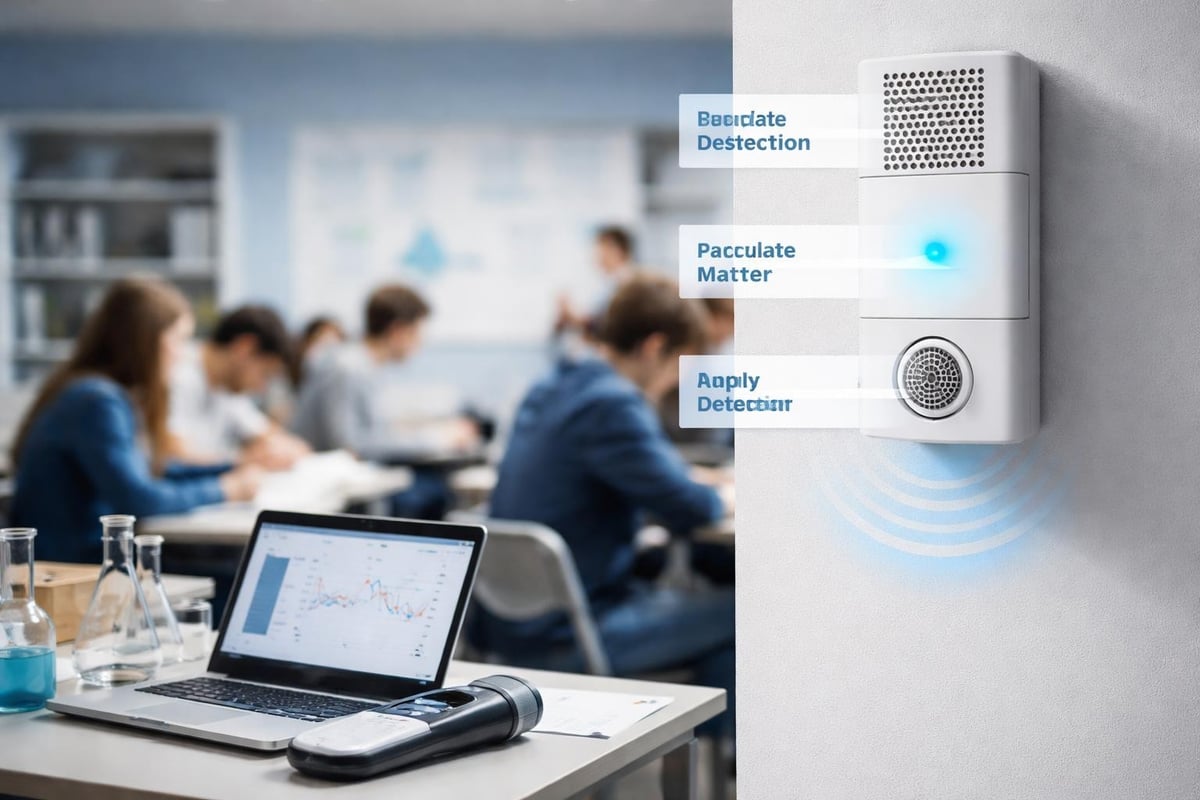
Particulate Matter Sensors form the foundation of most education vape detection systems. These sensors measure PM2.5 concentrations, detecting the fine particles released during vaping. When vapour is expelled, particulate levels spike dramatically, triggering the system's alert mechanisms.
Chemical Analysis Components add specificity to detection capabilities. These elements identify volatile organic compounds and specific chemical markers associated with vaping liquids, helping distinguish between vaping incidents and other environmental factors that might affect air quality.
| Detection Method | Primary Function | Response Time | False Positive Rate |
|---|---|---|---|
| Particulate Matter | Identifies aerosol release | 2-5 seconds | Low with calibration |
| Chemical Sensors | Detects specific compounds | 3-8 seconds | Very low |
| Sound Detection | Identifies device activation | Immediate | Moderate |
| Combined Multi-Sensor | Comprehensive analysis | 2-3 seconds | Minimal |
Advanced systems incorporate sound detection technology to identify the characteristic noise of vaping devices being activated. This multi-modal approach significantly reduces false positives whilst enhancing overall system reliability.
Strategic Deployment in Educational Settings
Implementing education vape detection requires careful planning and strategic placement to maximise effectiveness whilst respecting student privacy. Schools across the UK have developed deployment frameworks that balance comprehensive coverage with practical constraints.
Priority Installation Zones
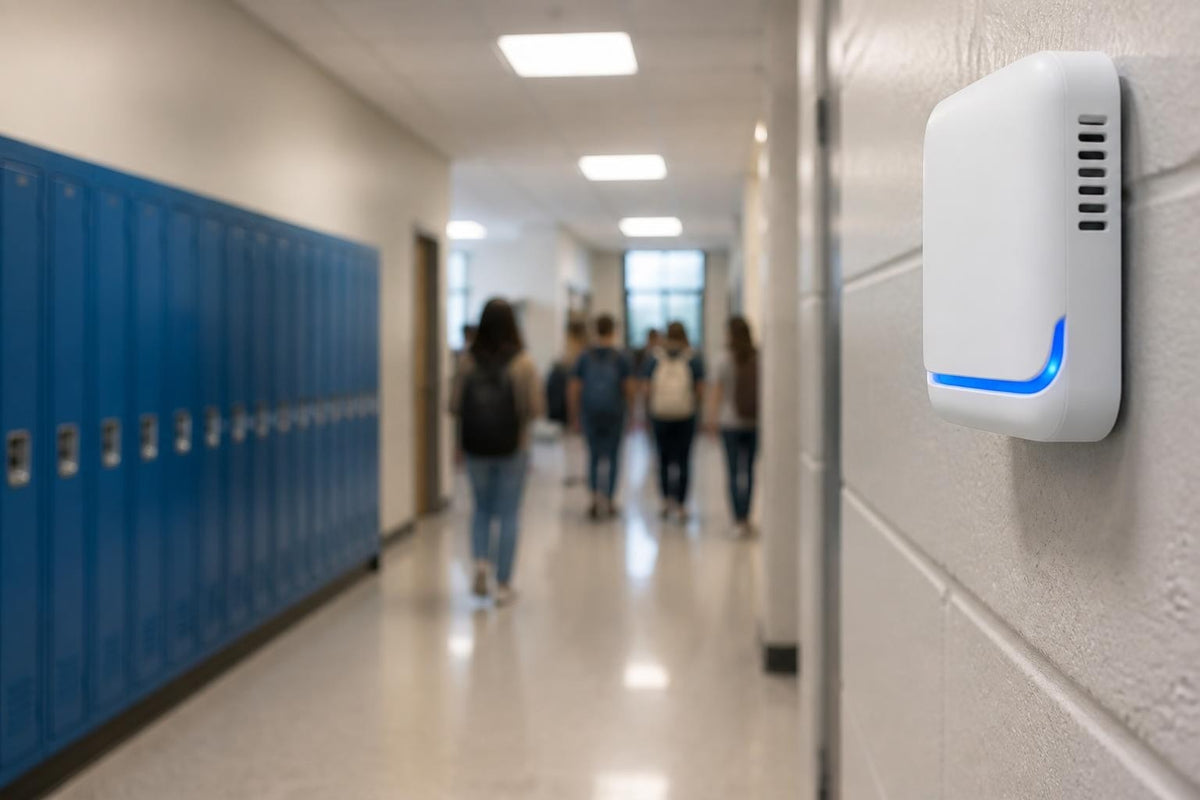
Toilet facilities represent the highest priority areas for sensor deployment. These spaces provide perceived privacy that students often exploit for vaping activity. Studies show that strategic placement of vape detectors in these locations significantly reduces incidents whilst deterring future violations.
Changing rooms and locker areas constitute secondary priority zones. These semi-private spaces see frequent unsupervised student activity, creating opportunities for vaping that detection systems can effectively address.
Stairwells and enclosed corridors complete the strategic deployment framework. Whilst these areas receive more foot traffic, they often feature reduced supervision during transition periods, making them attractive locations for quick vaping incidents.
Installation considerations extend beyond simple placement decisions:
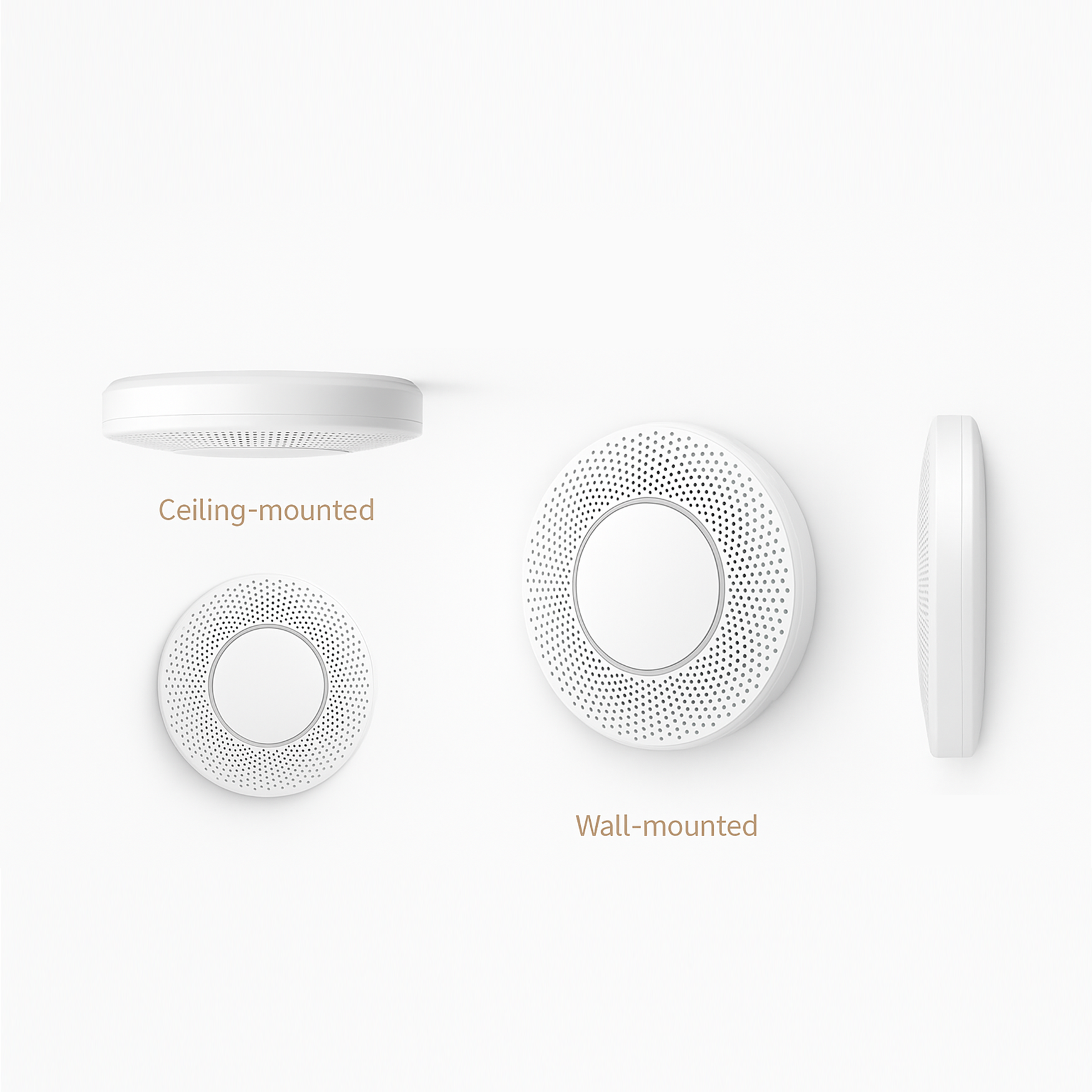
- Ceiling height affects sensor sensitivity and coverage area
- Ventilation systems influence detection speed and accuracy
- Architectural features may create blind spots requiring additional sensors
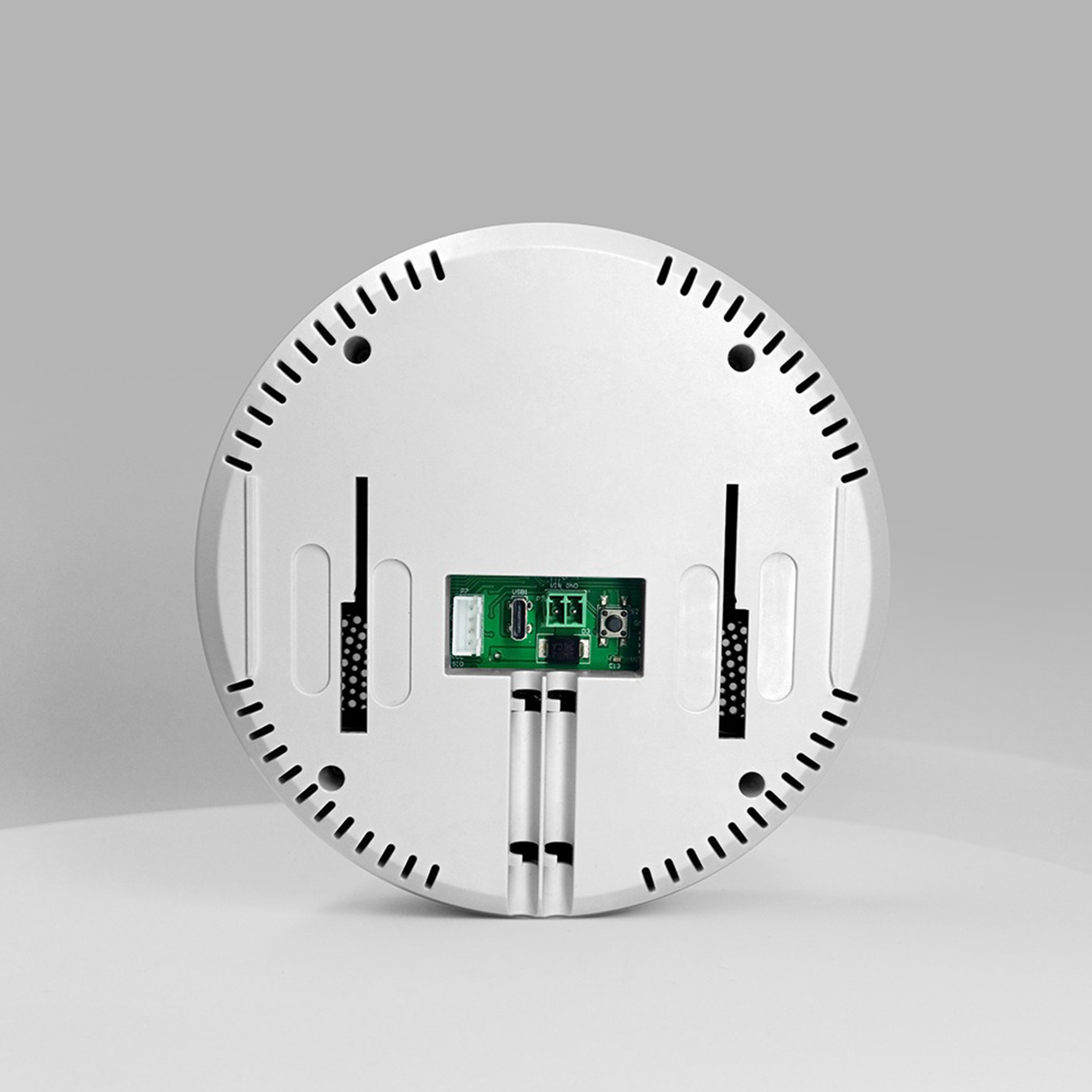
- Power supply availability determines installation complexity
- Network connectivity requirements affect long-term maintenance needs
Schools implementing comprehensive systems typically begin with high-risk areas before expanding coverage based on incident data and emerging patterns. This phased approach allows administrators to refine their deployment strategy whilst demonstrating measurable results.
Integration With Existing School Systems
Education vape detection achieves maximum effectiveness when integrated with broader school safety and management platforms. Modern systems support seamless connectivity with existing infrastructure, enhancing response capabilities and streamlining administrative workflows.
Alert Management and Response Protocols
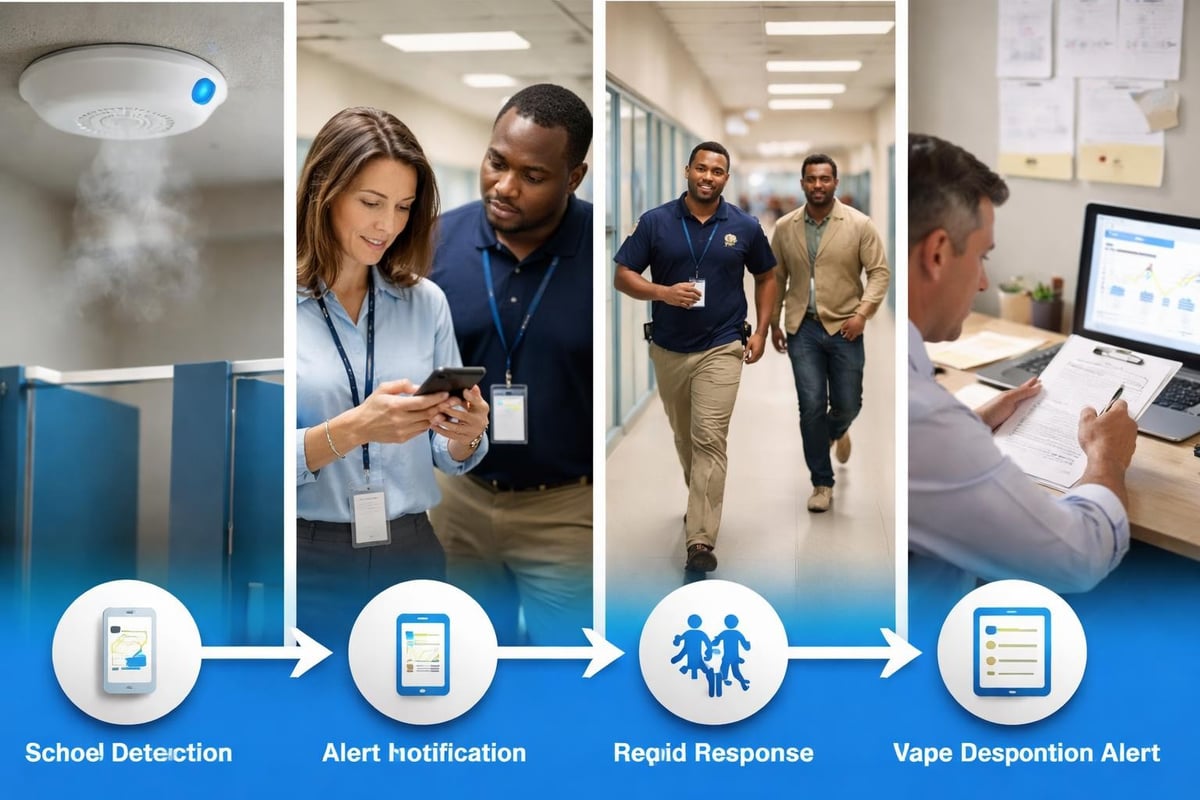
Real-time notifications form the operational core of effective detection systems. When sensors identify potential vaping activity, alerts are dispatched immediately to designated staff members via multiple channels including mobile applications, email, and SMS messaging.
Response protocols vary across institutions but typically follow this framework:
- Initial alert received by designated staff member
- Rapid assessment of incident location and severity
- Deployment of appropriate personnel to investigate
- Documentation of findings within the system
- Implementation of disciplinary or support measures as required
- Analysis of incident data to inform policy refinement
Integration with school compliance monitoring systems enables administrators to track trends, identify repeat offenders, and measure the effectiveness of intervention strategies over time.
| Integration Type | Primary Benefit | Implementation Complexity | Typical Timeline |
|---|---|---|---|
| Existing WiFi Networks | Simplified installation | Low | 1-2 days |
| Student Information Systems | Automated incident logging | Moderate | 1-2 weeks |
| Building Management Systems | Coordinated environmental control | High | 2-4 weeks |
| Security Camera Networks | Visual verification capability | Moderate | 1-3 weeks |
The Vape Detection System exemplifies this integrated approach, combining sophisticated hardware with intuitive software that connects seamlessly with existing school infrastructure. This comprehensive solution enables administrators to monitor multiple locations from a centralised dashboard whilst maintaining the flexibility to customise alert protocols and response procedures according to their institution's specific needs.

Measuring Effectiveness and ROI
Quantifying the impact of education vape detection investments requires examination of multiple metrics beyond simple incident counts. Forward-thinking administrators evaluate system performance across several dimensions to ensure ongoing value delivery.
Incident Rate Analysis
Primary effectiveness metrics focus on measurable changes in vaping frequency. Schools typically observe significant reductions in detected incidents within the first term following system deployment, as deterrent effects become apparent to the student population.
Baseline establishment during initial deployment weeks provides comparative data for future analysis. Schools document incident frequency, timing patterns, and location hotspots to create a comprehensive picture of vaping behaviour before deterrent effects take hold.
Trend monitoring over subsequent months reveals the sustained impact of detection systems. Effective programmes demonstrate progressive reductions in incident frequency as school culture shifts and students recognise the increased likelihood of detection.
Broader Impact Considerations
Beyond direct incident reduction, education vape detection delivers value through several additional channels:
- Improved air quality benefits all building occupants, particularly those with respiratory sensitivities
- Enhanced student wellbeing results from earlier intervention in developing vaping habits
- Strengthened safeguarding position demonstrates institutional commitment to student health
- Reduced staff time spent on reactive investigation of suspected incidents
- Data-driven policy development enables evidence-based refinement of school vaping policies
Financial returns extend beyond the obvious cost avoidance of health incidents and property damage. Schools implementing comprehensive systems report reduced conflict between staff and students over enforcement, as objective sensor data removes ambiguity from violation determinations.
Addressing Privacy and Ethical Considerations
Deployment of education vape detection technology intersects with important questions about student privacy, surveillance ethics, and the appropriate balance between monitoring and trust. Responsible implementation requires transparent communication and carefully considered policies.
Privacy Protection Frameworks
Modern detection systems are specifically designed to protect individual privacy whilst maintaining detection effectiveness. Unlike camera-based surveillance, sensors do not capture personally identifiable information or visual data about individuals.
Transparency in deployment forms the ethical foundation of successful programmes. Schools communicate clearly with students, parents, and staff about where sensors are installed, what they detect, and how data is used. This openness reduces concerns whilst reinforcing the systems' deterrent value.
Key privacy principles include:
- Sensors installed only in areas where privacy expectations are already limited
- No audio recording or visual surveillance integrated with detection systems
- Alert data contains location and time information but not individual identities
- Access to system data restricted to designated safeguarding personnel
- Regular review of policies to ensure ongoing appropriateness
Student and Parent Communication
Effective education vape detection programmes incorporate comprehensive stakeholder communication strategies. Parents receive clear information about system capabilities, the health concerns driving implementation, and the supportive rather than purely punitive approach to intervention.
Student engagement proves particularly valuable in fostering programme acceptance. Schools that involve student councils in policy development and clearly articulate the health protection rationale behind detection systems report higher levels of acceptance and cooperation.
Technical Specifications and Maintenance Requirements
Understanding the technical characteristics of education vape detection systems enables informed procurement decisions and ensures long-term operational success. Modern platforms offer varying capabilities and support different deployment scenarios.
Sensor Capabilities and Coverage
Detection range varies by model and environmental conditions. Most commercial systems effectively monitor spaces between 90 and 150 square metres per sensor, though optimal coverage depends on ceiling height, ventilation rates, and architectural features.
Sensitivity calibration allows administrators to adjust detection thresholds based on environmental baseline conditions. This flexibility proves essential in buildings with varying air quality characteristics or unusual ventilation configurations.
| Specification Category | Standard Range | Premium Systems | Impact on Performance |
|---|---|---|---|
| Coverage Area | 90-120 sqm | 120-150 sqm | Determines sensor quantity needed |
| Detection Sensitivity | Adjustable (3 levels) | Adjustable (5+ levels) | Affects false positive rates |
| Alert Latency | 5-15 seconds | 2-5 seconds | Impacts response effectiveness |
| Battery Backup | 2-4 hours | 8-12 hours | Ensures continuity during outages |
| Network Connectivity | WiFi only | WiFi + Cellular | Enhances reliability |
Ongoing Maintenance and Support
Professional education vape detection systems require minimal ongoing maintenance but benefit from regular attention to ensure optimal performance. Monthly tasks typically include verification of alert delivery systems, review of battery status indicators, and confirmation of network connectivity.
Quarterly calibration checks help maintain detection accuracy, particularly in environments where baseline air quality fluctuations occur seasonally. Many providers offer remote monitoring services that identify potential issues before they affect system performance.
Understanding the importance of proper maintenance ensures systems continue delivering value throughout their operational lifetime whilst minimising unexpected downtime or performance degradation.
Training Staff for Effective Response
Technology alone cannot deliver the full benefits of education vape detection. Comprehensive staff training ensures that alerts translate into appropriate interventions that support student wellbeing whilst maintaining school policies.
Response Protocol Development
Immediate response procedures outline specific steps staff members take upon receiving alerts. Clear protocols reduce response time and ensure consistent handling across different personnel and situations.
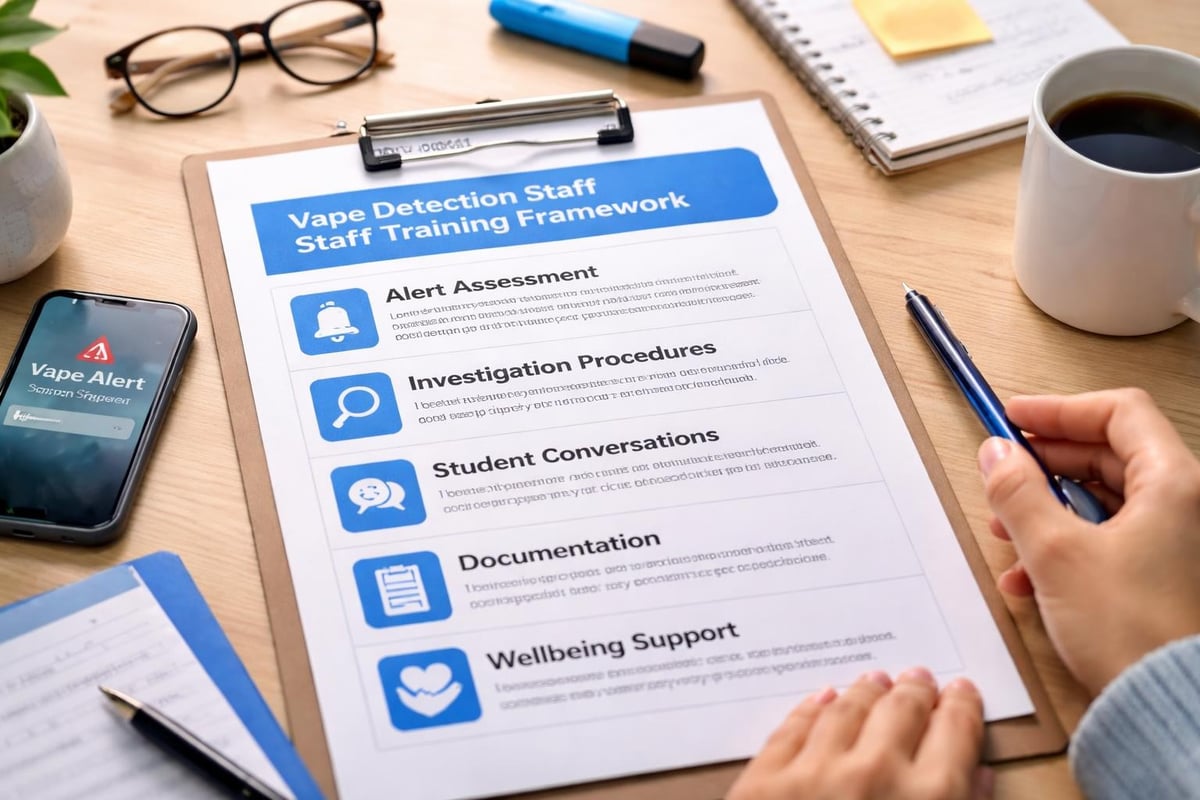
Training modules typically address:
- Alert receipt and initial assessment procedures
- Safe and appropriate investigation techniques
- Documentation requirements and system interaction
- Escalation pathways for concerning situations
- Communication with students demonstrating respect and concern
- Follow-up procedures and support service referrals
Differentiated response frameworks recognise that not all incidents require identical handling. First-time violations might trigger educational conversations and parental notification, whilst repeat incidents or situations involving suspected drug use require more intensive intervention.
Supporting Student Wellbeing
Progressive schools frame education vape detection within broader wellbeing and health education initiatives. Staff training emphasises supportive intervention approaches that help students understand health risks and access cessation resources when needed.
Resources exploring how to stop vaping at school provide valuable frameworks for transforming detection incidents into teachable moments that genuinely support student health rather than simply enforcing compliance.
Regulatory Compliance and Legal Frameworks
Education vape detection implementation occurs within evolving regulatory contexts that shape deployment parameters and operational practices. Understanding current legal requirements ensures programmes operate appropriately whilst supporting institutional compliance objectives.
Current UK Regulatory Environment
Schools operate under duty of care obligations that include maintaining safe, healthy learning environments. Education vape detection supports these responsibilities by enabling earlier identification of health-risk behaviours and demonstrating proactive safeguarding measures.
Data protection considerations fall under GDPR and related UK privacy legislation. Properly configured systems collect minimal personal data, focusing on environmental conditions rather than individual identification. Schools must ensure data handling procedures align with their existing privacy frameworks and information governance policies.
Policy documents should clearly articulate:
- The health and safety rationale for system deployment
- Specific detection capabilities and limitations
- Data collection, storage, and access protocols
- Integration with existing behaviour and wellbeing policies
- Review and evaluation procedures to ensure ongoing appropriateness
Documentation and Reporting Requirements
Effective vape-free policy frameworks provide templates for developing comprehensive documentation that satisfies regulatory requirements whilst clearly communicating expectations to all stakeholders.
Schools benefit from maintaining detailed records of system performance, incident responses, and outcome tracking. This documentation supports internal evaluation processes whilst demonstrating due diligence in safeguarding responsibilities should questions arise from governing bodies or regulatory authorities.
Future Developments in Detection Technology
Education vape detection continues evolving as manufacturers refine capabilities and expand detection parameters. Understanding emerging developments helps administrators plan strategic investments that remain effective as technology advances and student behaviours shift.
Enhanced Detection Capabilities
Substance-specific identification represents a significant advancement in detection sophistication. Next-generation systems can distinguish between standard nicotine vaping, THC-containing products, and other substances, enabling more targeted and appropriate responses.
Predictive analytics integration applies machine learning algorithms to historical incident data, identifying patterns that inform preventive interventions before violations occur. Schools might receive alerts about emerging hotspots or concerning temporal patterns that warrant increased attention.
Advanced air quality monitoring extends beyond vaping detection to provide comprehensive environmental health data. Systems monitoring PM2.5 air quality deliver broader value by identifying ventilation issues, cleaning product concerns, or other environmental factors affecting indoor air quality.
Integration With Broader Safety Ecosystems
Future education vape detection platforms will likely feature deeper integration with comprehensive school safety systems. Unified dashboards combining vape detection, access control, emergency alerting, and environmental monitoring provide administrators with holistic situational awareness across all safety dimensions.
The trend towards cloud-based management platforms enables multi-site operators to monitor numerous facilities from centralised interfaces whilst maintaining granular control over individual location settings and response protocols.
Case Studies and Implementation Success Stories
Examining real-world deployments provides valuable insights into effective education vape detection implementation. Schools across diverse settings have documented significant improvements in air quality, student behaviour, and overall campus culture following system adoption.
Secondary School Transformation
A comprehensive secondary school in the Midlands deployed education vape detection across 45 locations in early 2025. Within the first term, detected incidents decreased by 67% as students recognised the enhanced likelihood of detection. Staff reported significant reductions in time spent investigating suspected violations, redirecting those resources toward proactive student support.
Key success factors included:
- Transparent communication with students and parents before deployment
- Integration with existing student information systems for seamless documentation
- Comprehensive staff training emphasising supportive intervention approaches
- Regular review of incident data to refine sensor placement and response protocols
- Partnership with local health services to provide cessation support for identified students
Multi-Academy Trust Deployment
A multi-academy trust spanning 12 schools implemented standardised education vape detection across their estate during the 2025-26 academic year. Centralised procurement and training delivery achieved economies of scale whilst ensuring consistent approaches across diverse student populations.
The trust reported 73% reduction in vaping-related disciplinary actions across the network, alongside measurable improvements in student-reported perceptions of air quality and school safety. Parent satisfaction surveys showed strong support for the proactive approach to student health protection.
Selecting the Right System for Your Institution
Procurement decisions should align technology capabilities with specific institutional needs, existing infrastructure, and budgetary parameters. Understanding evaluation criteria enables comparison of available options and selection of solutions delivering optimal value.
Essential Selection Criteria
Detection accuracy and false positive rates directly impact system usability and staff confidence. Solutions with proven track records and transparent performance data deserve priority consideration over newer, unproven alternatives.
Scalability and expansion capability prove important for institutions anticipating growth or phased deployment approaches. Systems that easily accommodate additional sensors and integrate with expanding facility footprints offer long-term value.
Consider these evaluation dimensions:
- Sensor technology and multi-modal detection capabilities
- Alert delivery methods and customisation options
- Integration potential with existing school systems
- Vendor support quality and response times
- Total cost of ownership including maintenance and subscriptions
- User interface design and staff training requirements
- Data reporting and analytics capabilities
- Privacy protection features and compliance support
Vendor Evaluation and Due Diligence
Researching vendor credentials, customer references, and technical support capabilities helps ensure long-term partnership success. Schools implementing vape detectors benefit from vendors offering comprehensive installation support, ongoing technical assistance, and regular system updates addressing emerging detection challenges.
Request demonstrations in environments similar to your facilities, speak with existing customers about their experiences, and carefully review contract terms regarding performance guarantees and support obligations. The investment in thorough evaluation pays dividends through enhanced system performance and vendor accountability.
Overcoming Implementation Challenges
Schools deploying education vape detection occasionally encounter obstacles that require creative problem-solving and adaptive approaches. Understanding common challenges and proven solutions accelerates successful implementation.
Technical Installation Issues
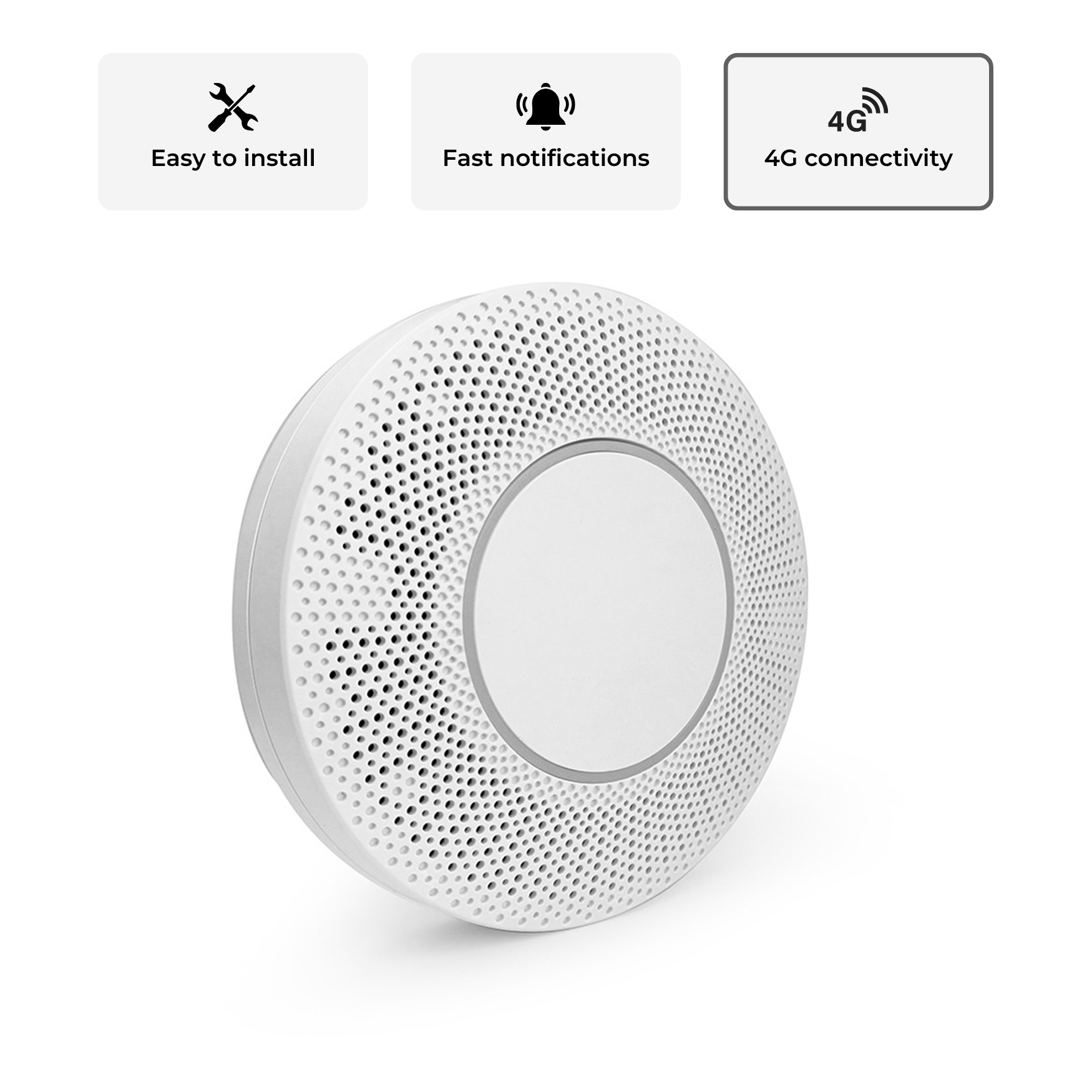
Network connectivity limitations in older buildings can complicate sensor deployment. Solutions include WiFi range extenders, cellular backup connectivity, or hybrid approaches combining wired and wireless sensors based on specific location constraints.
Power supply access in desired installation locations sometimes requires additional electrical work. Battery-powered sensors offer interim solutions whilst permanent power installations are completed, ensuring continuous coverage during transition periods.
Cultural and Communication Challenges
Student resistance to monitoring systems can undermine programme effectiveness if not addressed proactively. Successful schools engage student leadership in policy development, clearly articulate health protection rationales, and demonstrate commitment to supportive rather than purely punitive responses.
Staff capacity concerns about alert response requirements benefit from clear protocol documentation and realistic workload assessment. Schools often discover that objective sensor data actually reduces staff time investment compared to investigating ambiguous situations or addressing repeated denials.
Addressing these challenges requires patience, flexibility, and commitment to continuous improvement. Schools that view implementation as an iterative process rather than a single deployment event achieve superior long-term outcomes.
Education vape detection has evolved into an essential component of comprehensive school safety strategies, enabling earlier intervention whilst supporting broader student wellbeing objectives. The technology delivers measurable improvements in air quality and campus culture when implemented thoughtfully with clear policies and supportive response frameworks. Vape Guardian provides advanced detection solutions specifically designed for educational environments, combining reliable sensor technology with intuitive management platforms and dedicated UK-based support to help schools create healthier, safer learning spaces for all students.




Share:
Remote Vape Monitoring System: Essential Guide for 2026
Vape Detector with Email Alerts: Real-Time Monitoring