

The rise of vaping culture has created unique challenges for institutions seeking to maintain safe, compliant environments. Washrooms have become hotspots for unauthorised vaping, particularly in schools and workplaces where policies prohibit such activity. A toilet vape detector represents a technological solution to this growing problem, offering discreet monitoring capabilities that help administrators enforce vaping policies whilst maintaining air quality standards across their facilities.
Understanding Toilet Vape Detector Technology
A toilet vape detector functions as a specialised air quality monitoring device designed specifically for washroom environments. Unlike traditional smoke alarms, these sensors identify the unique chemical signatures present in vapour clouds produced by electronic cigarettes. The technology operates continuously, analysing air samples for indicators of vaping activity without relying on visual surveillance or privacy invasive methods.
Modern toilet vape detector systems incorporate multiple sensor arrays that detect various environmental changes. When someone vapes in a monitored space, the device identifies specific particulate matter and chemical compounds associated with e-cigarette use. This sophisticated approach ensures accurate detection whilst minimising false alarms from ordinary bathroom activities like showering or using aerosol products.
Key Detection Capabilities
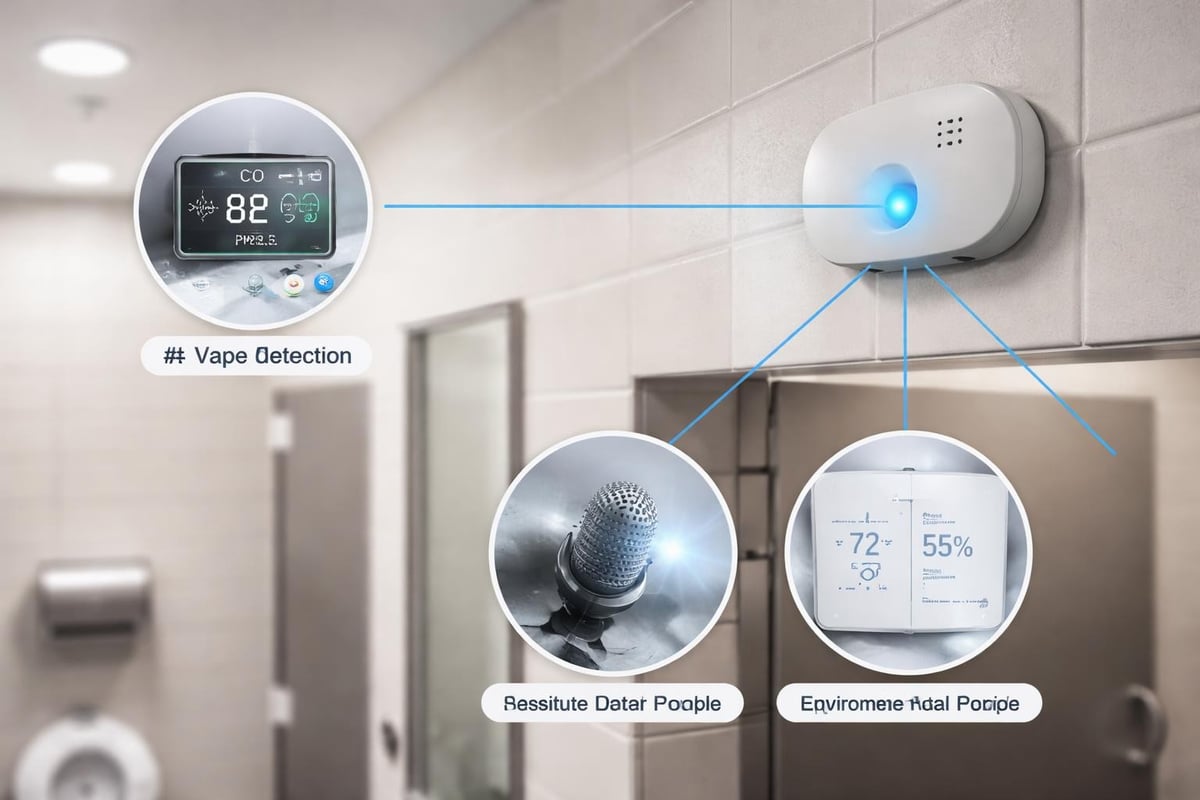
The effectiveness of a toilet vape detector extends beyond simple vapour identification. Many current systems integrate additional monitoring features that enhance overall facility security:
- Chemical analysis of air composition to identify vaping specific compounds
- Noise detection for identifying potential anti-social behaviour or bullying
- Temperature and humidity monitoring for environmental quality assurance
- Tamper alerts when someone attempts to disable or obstruct the device
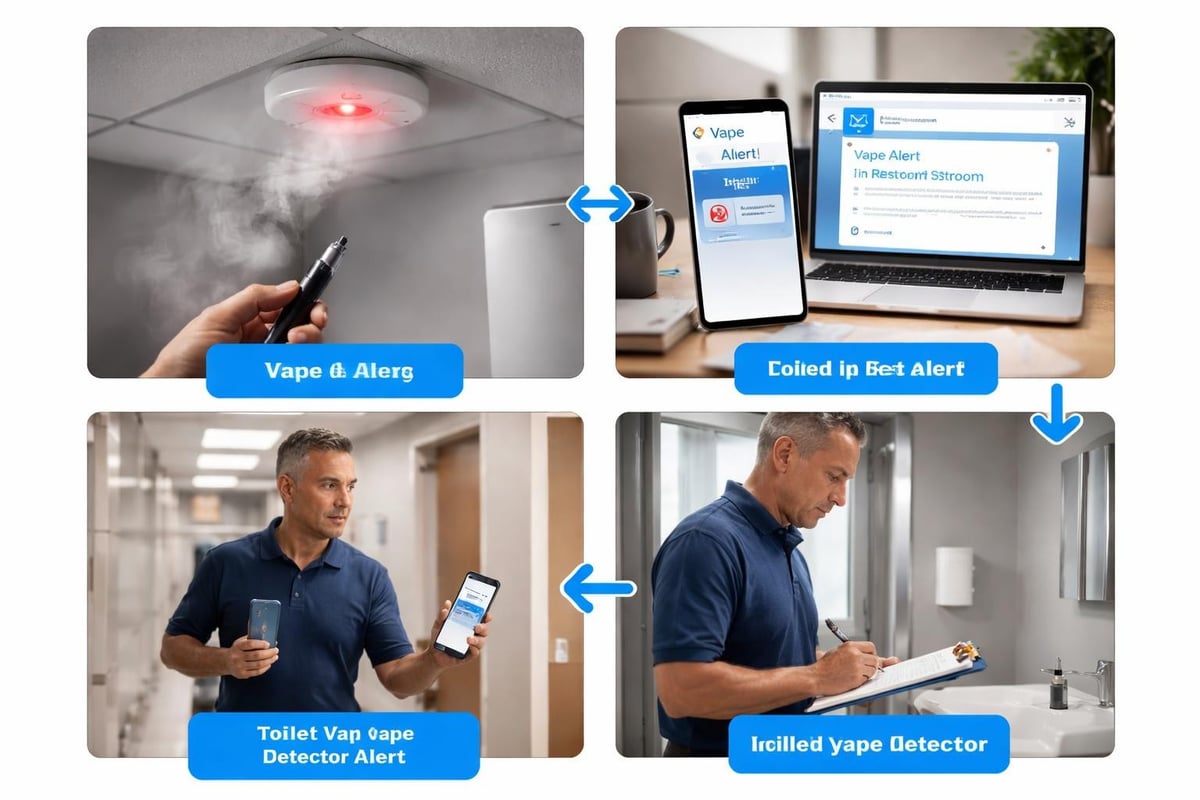
- Real time notifications sent directly to designated administrators
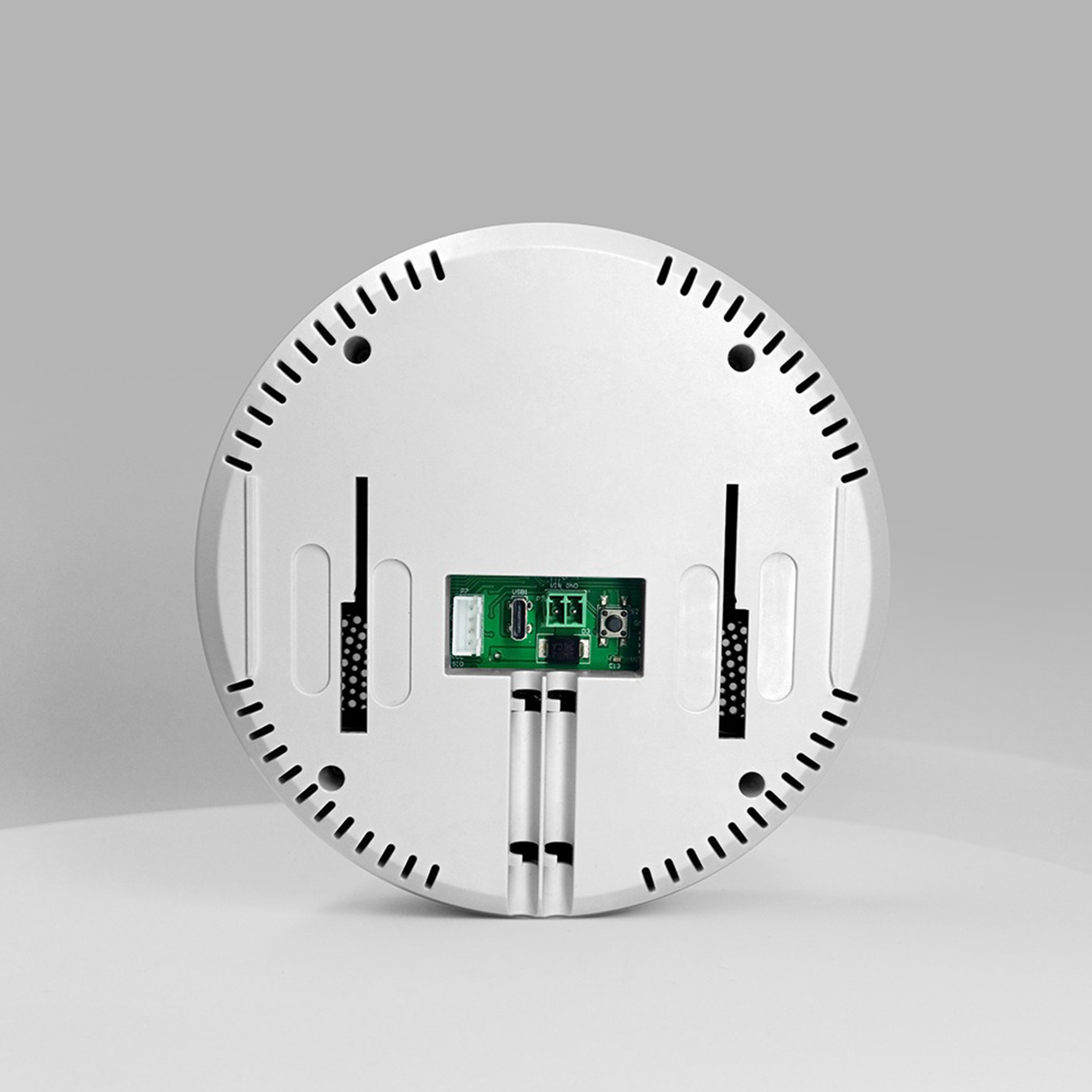
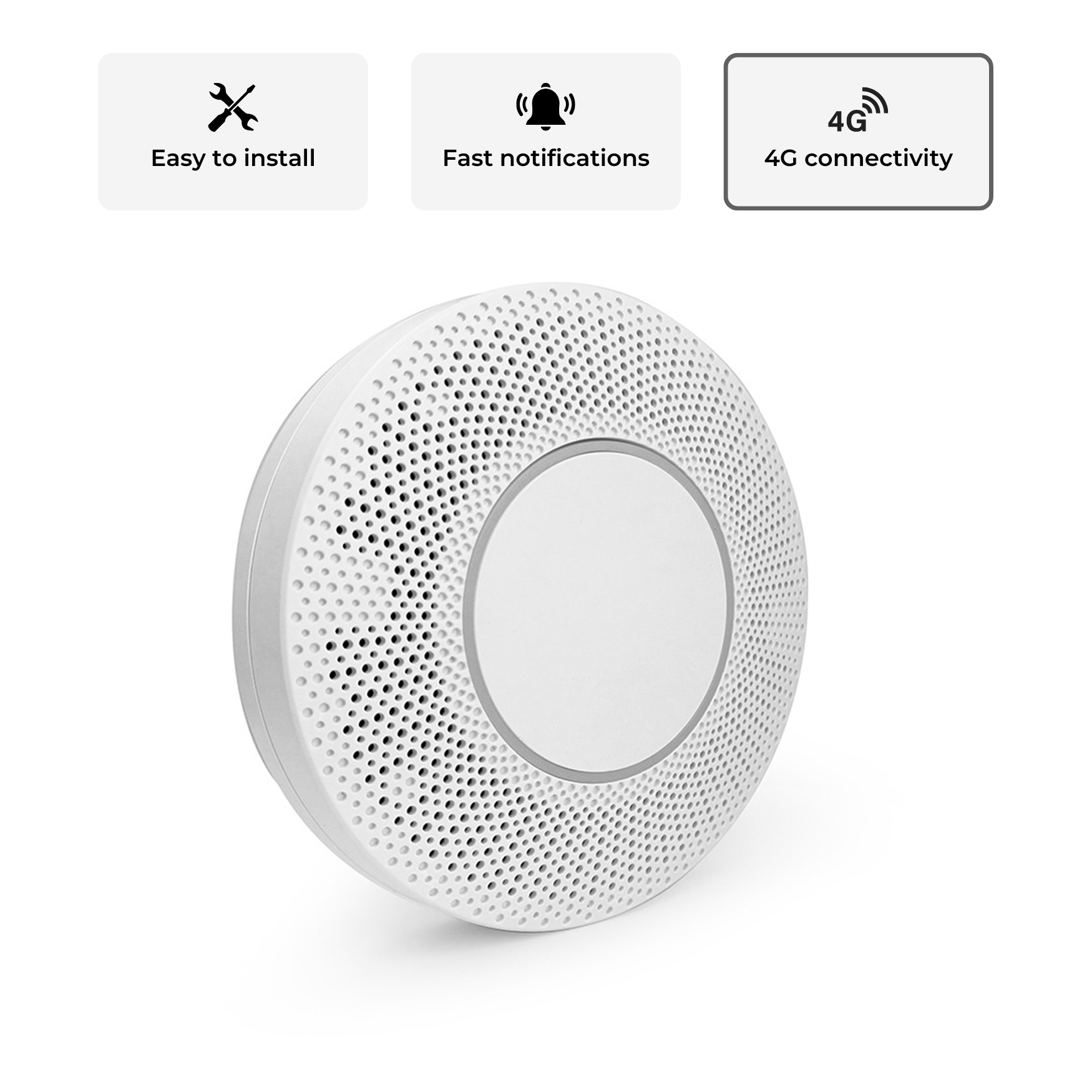
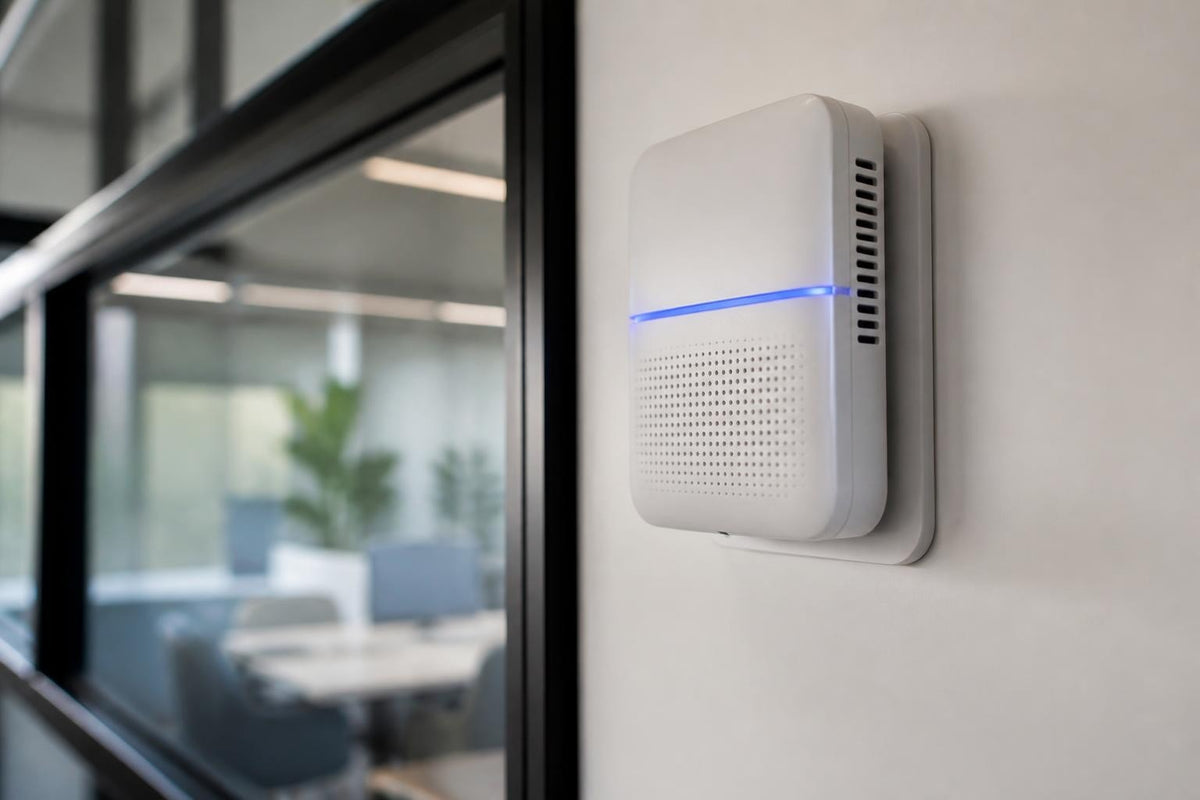
Installation typically occurs on washroom ceilings or high walls, positioning the sensor where it can effectively sample air whilst remaining out of easy reach. The discreet design ensures the device blends into existing infrastructure without drawing unnecessary attention or creating an overtly surveillant atmosphere.
Why Organisations Deploy Toilet Vape Detectors
Educational institutions face mounting pressure to address student vaping, with schools in Edinburgh installing vape detectors to combat rising incidents. Washrooms provide privacy that students exploit for prohibited activities, making traditional supervision impossible. A toilet vape detector offers a solution that respects privacy whilst deterring unwanted behaviour.
The challenges schools encounter aren't limited to simple policy enforcement. Despite students' attempts to outwit bathroom vape detectors, the technology continues evolving with more sophisticated detection algorithms. Educational settings benefit from systems that provide evidence of policy violations without requiring constant staff presence in sensitive areas.
Applications Across Different Sectors
| Sector | Primary Concerns | Detection Benefits |
|---|---|---|
| Education | Student health, policy compliance | Deterrent effect, incident documentation |
| Healthcare | Patient safety, fire risk | Air quality maintenance, policy enforcement |
| Corporate | Workplace compliance, insurance | Employee wellbeing, regulatory adherence |
| Hospitality | Guest experience, facility damage | Property protection, service standards |
| Aviation | Safety regulations, legal compliance | Critical risk prevention, regulatory requirements |
Leisure facilities and stadiums also implement toilet vape detector systems. The health risks and social implications of vaping in stadium restrooms demonstrate why public venues prioritise detection technology. These environments serve diverse populations, making it essential to maintain air quality standards that protect all visitors.
Installation and Integration Considerations
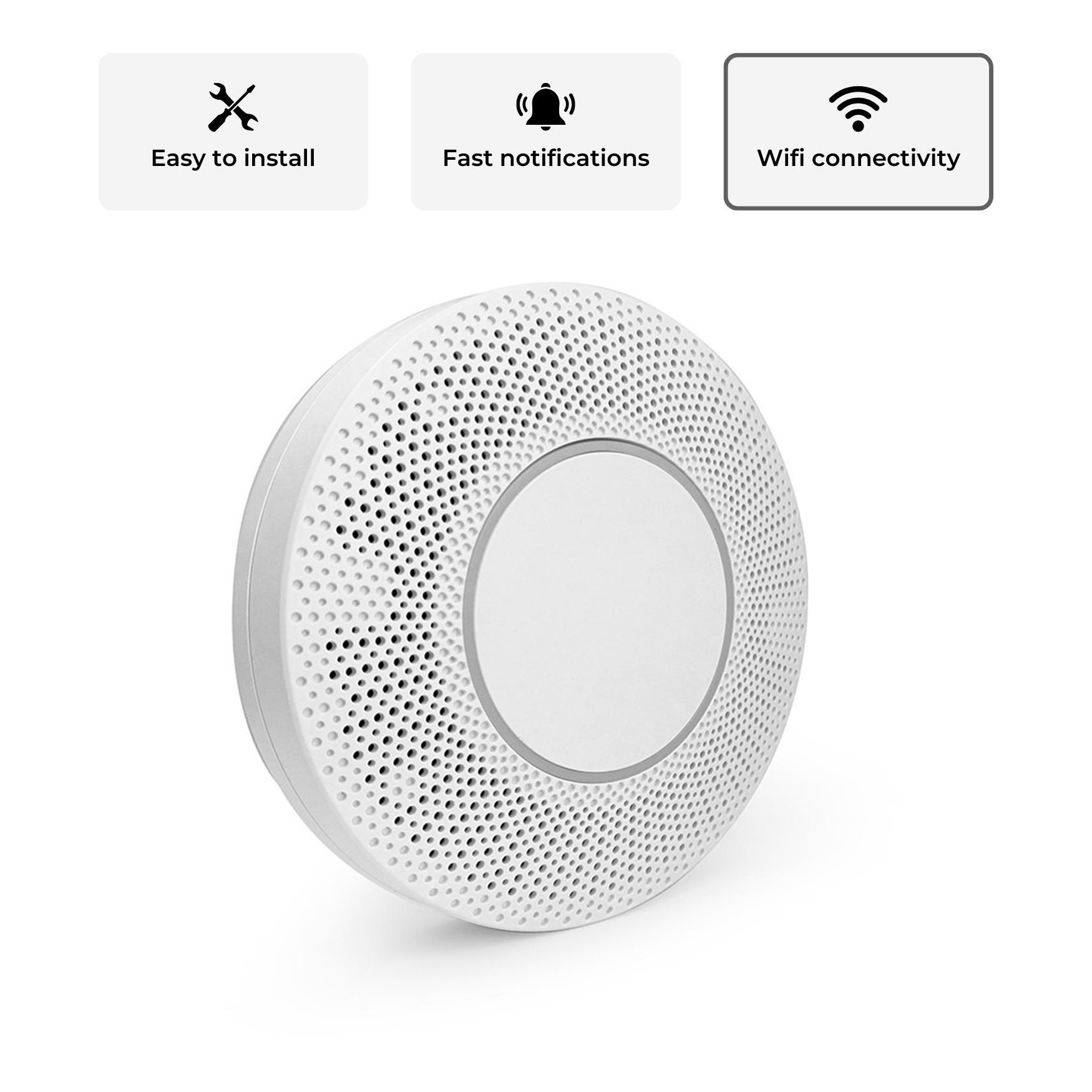
Proper deployment of a toilet vape detector requires careful planning beyond simply mounting the device. Connectivity represents a crucial factor, with most systems offering either Wi-Fi or cellular connectivity options. Understanding network requirements ensures reliable alert delivery and system monitoring across your facility.
The installation process typically involves these key steps:
- Site assessment to identify optimal sensor placement in each washroom
- Network configuration ensuring stable connectivity for alert transmission
- Integration with existing management systems and alert protocols
- Calibration to establish baseline air quality readings for accurate detection
- Staff training on interpreting alerts and appropriate response procedures
- Testing to verify proper functionality before full deployment
Power requirements vary by model, with some toilet vape detector units operating on batteries whilst others require mains power. Battery powered options offer installation flexibility but demand regular maintenance schedules. Hardwired systems eliminate battery concerns whilst potentially complicating installation in existing facilities.
System Integration Benefits
Modern toilet vape detector technology doesn't operate in isolation. Integration with broader facility management systems creates comprehensive monitoring ecosystems. When a sensor triggers, the alert can route through multiple channels simultaneously, ensuring appropriate personnel receive notifications regardless of their location.
Sophisticated systems often incorporate smart sensor technology that learns from environmental patterns over time. This adaptive approach reduces false positives whilst improving detection accuracy as the system develops a deeper understanding of normal washroom conditions versus actual vaping incidents.
Effectiveness and Real World Performance
The question of whether vaping triggers traditional safety systems often arises. Research into whether vapes set off smoke alarms reveals important distinctions between conventional fire detection and specialised vape detection technology. Standard smoke detectors prove unreliable for vaping detection, highlighting why dedicated toilet vape detector systems have become necessary.
Studies examining vape detector effectiveness in implementing tobacco policies demonstrate measurable reductions in vaping incidents following installation. Schools report decreased washroom vaping activity within weeks of deployment, suggesting the technology provides both detection and deterrent benefits. The visible presence of sensors communicates policy seriousness whilst the actual monitoring capability ensures enforcement.
Performance Metrics Worth Tracking
| Metric | Measurement Approach | Typical Improvement |
|---|---|---|
| Incident frequency | Alerts per week/month | 40-60% reduction |
| Response time | Minutes from alert to intervention | Under 2 minutes |
| Policy awareness | Student/staff surveys | 75%+ recognition |
| Air quality scores | Particulate matter readings | 30-50% improvement |
However, implementation success depends heavily on proper system maintenance and response protocols. Incidents like smoke detectors deliberately blocked in hospital toilets underscore the importance of tamper resistant designs and regular system checks. A toilet vape detector must include tamper detection capabilities that alert when someone attempts to disable the device.
Addressing Implementation Challenges
No technology proves immune to circumvention attempts. Whilst some vape detectors face vandalism shortly after installation, this satirical take highlights real concerns about device durability and placement security. Robust housing, strategic positioning, and tamper alerts help mitigate these risks significantly.
Educational institutions benefit from comprehensive approaches that combine technology with policy education. Schools implementing compliance monitoring systems often pair toilet vape detector deployment with awareness campaigns that explain both health concerns and detection capabilities. This transparent approach reduces adversarial dynamics whilst reinforcing policy rationale.
The Vape Detection System from Vape Guardian addresses many common implementation challenges through integrated hardware and software designed specifically for UK facilities. This comprehensive solution includes real time monitoring, multi-channel alerts, and analytics dashboards that help administrators understand patterns and optimise their response strategies.

Best Practices for Sustainable Programmes
Successful toilet vape detector programmes share several characteristics:
- Clear communication about monitoring purposes and privacy protections
- Consistent responses to alerts that demonstrate policy seriousness
- Regular maintenance schedules ensuring continuous system functionality
- Data analysis identifying patterns that inform broader policy improvements
- Stakeholder involvement including students, staff, and parents in policy discussions
Privacy considerations remain paramount when implementing any monitoring technology. A toilet vape detector system must balance effective monitoring with respect for individual privacy rights. Focusing on air quality data rather than personal identification helps maintain this balance whilst achieving compliance objectives.
Technical Specifications and Selection Criteria
Choosing an appropriate toilet vape detector requires understanding technical specifications that impact performance. Sensor sensitivity determines detection thresholds, with more sensitive devices identifying smaller vapour quantities but potentially increasing false positive rates. Calibration capabilities allow administrators to adjust these thresholds based on facility specific requirements.
Coverage area represents another critical specification. A single sensor might effectively monitor a standard washroom, but larger facilities require multiple units or models with extended detection ranges. Manufacturers typically specify coverage in square metres, though ceiling height, ventilation patterns, and room configuration all influence actual performance.
Essential Features Comparison
When evaluating toilet vape detector options, consider these technical aspects:
- Detection accuracy percentage for identifying actual vaping events
- Response time from vapour presence to alert generation
- Battery life or power consumption for operational planning
- Connectivity options including Wi-Fi, cellular, and ethernet
- Alert channels such as email, SMS, app notifications, or system integration
- Additional sensors for comprehensive environmental monitoring
- Warranty coverage and manufacturer support availability
Cost considerations extend beyond initial purchase prices. Installation expenses vary based on facility infrastructure and connectivity requirements. Ongoing costs include potential subscription fees for cloud based monitoring platforms, cellular data plans for wireless units, and periodic maintenance or calibration services.
Future Developments in Detection Technology
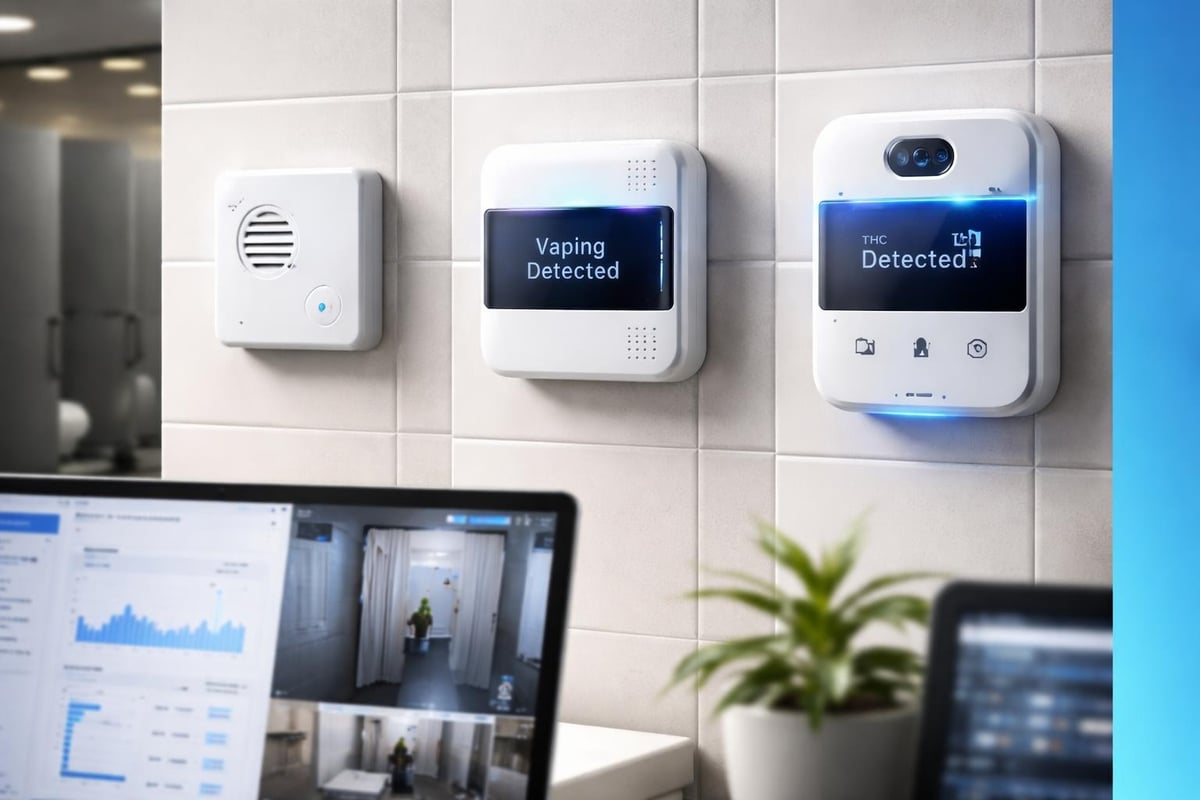
The toilet vape detector market continues evolving with advances in sensor technology and data analytics. Machine learning algorithms increasingly enable systems to distinguish between different vaping products, potentially identifying specific substance categories. This capability carries significant implications for environments concerned about cannabis vaping or other prohibited substances beyond nicotine.
Integration with broader facility management ecosystems represents another development trajectory. Future systems may automatically adjust ventilation rates upon detecting vaping activity, document incidents for compliance reporting, or trigger preventive interventions through integrated communication systems. The technology increasingly serves as one component within comprehensive environmental monitoring frameworks.
Emerging Capabilities
Several emerging features may soon become standard in toilet vape detector systems:
- Substance specific identification distinguishing nicotine from cannabis or synthetic compounds
- Occupancy correlation linking detection events with entry/exit data for improved accuracy
- Predictive analytics identifying high risk periods based on historical patterns
- Automated ventilation control improving air quality response to detection events
- Integration with wellness programmes providing data for health education initiatives
Regulatory developments may also shape toilet vape detector deployment. As vaping policies evolve and health research expands understanding of vapour impacts, compliance requirements could mandate monitoring in additional settings. Organisations implementing systems now position themselves ahead of potential regulatory curves whilst addressing current policy needs.
Maximising Return on Investment
Financial justification for toilet vape detector systems extends beyond simple compliance. Schools report reduced maintenance costs from decreased vandalism in monitored washrooms. Healthcare facilities document improved air quality metrics that support broader environmental health initiatives. Corporate environments demonstrate enhanced policy adherence that reduces liability exposure.
The deterrent effect often proves as valuable as detection capability. When individuals know monitoring exists, behaviour modifications frequently occur before any actual detection events. This preventive benefit compounds over time, creating cultural shifts toward policy compliance that extend beyond monitored areas.
Organisations seeking to implement vape detection in education settings should consider programme sustainability alongside initial deployment. Successful initiatives include ongoing evaluation, stakeholder feedback mechanisms, and willingness to adjust approaches based on operational experience. Technology serves as a tool within broader policy frameworks rather than a complete solution itself.
Measuring Programme Success
Effective evaluation requires establishing baseline metrics before toilet vape detector installation. Document current incident rates, air quality measurements, and compliance perception through surveys or other assessment tools. Post implementation tracking then provides objective evidence of programme impact.
Key performance indicators might include:
- Detection rate trends showing changes in vaping incident frequency
- Response effectiveness measuring intervention success rates
- Air quality improvements documented through environmental monitoring
- Cost savings from reduced vandalism, cleaning, or health related expenses
- Stakeholder satisfaction gathered through periodic surveys
These metrics support both programme justification and continuous improvement efforts. Frequently asked questions about vape detection often centre on effectiveness evidence, making robust data collection essential for maintaining organisational and community support.
Toilet vape detector technology offers organisations practical tools for maintaining healthier, compliant environments whilst respecting privacy and dignity. From schools managing student behaviour to workplaces ensuring policy adherence, these systems provide detection and deterrent capabilities that traditional approaches cannot match. Whether you're addressing current challenges or preparing for future regulatory requirements, Vape Guardian delivers comprehensive vape detection solutions tailored to UK facilities, combining advanced sensor technology with dedicated support to help you create safer spaces for everyone.





Share:
Vape Detector with Email Alerts: Real-Time Monitoring
Vape Detection System UK: Complete 2026 Guide