
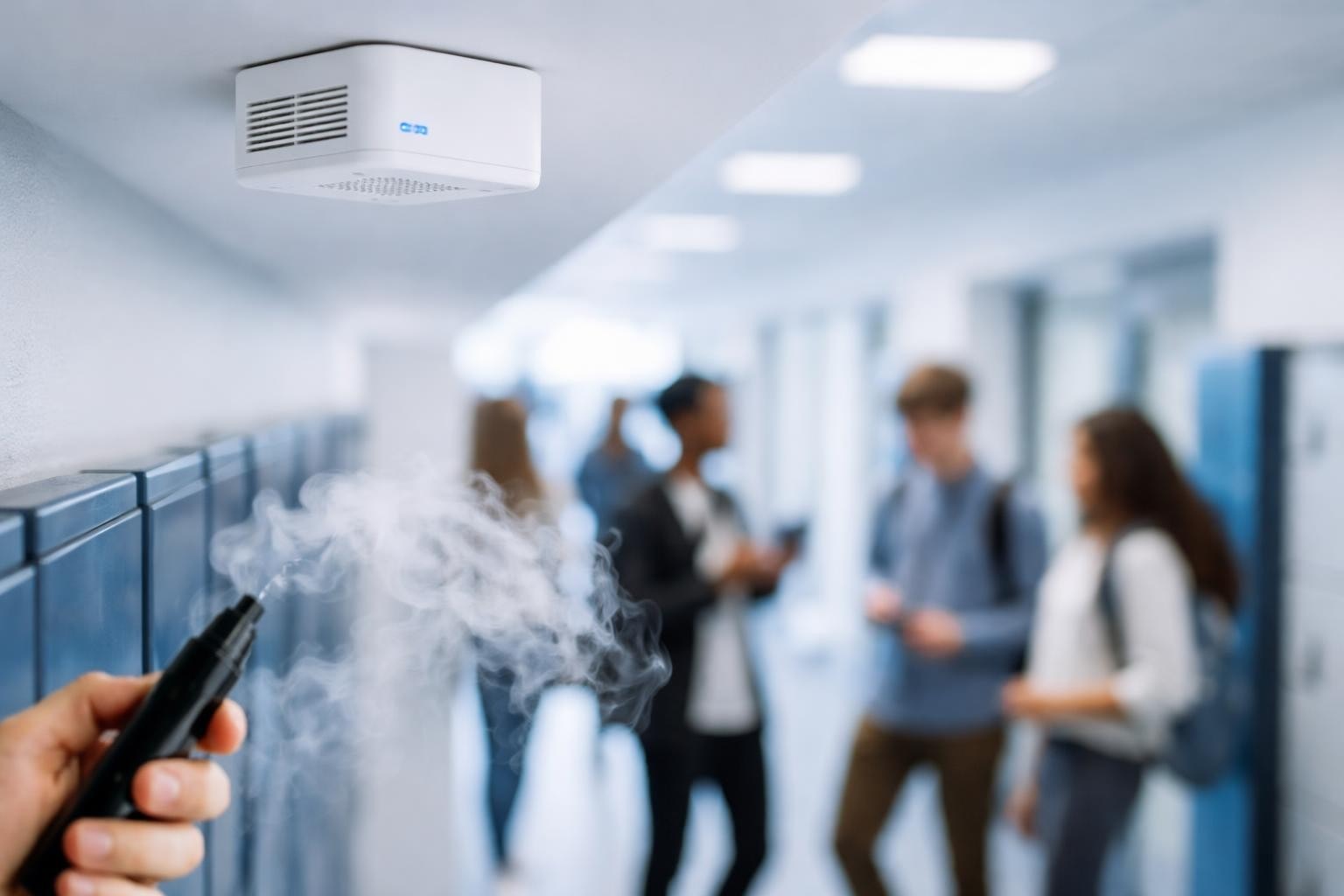
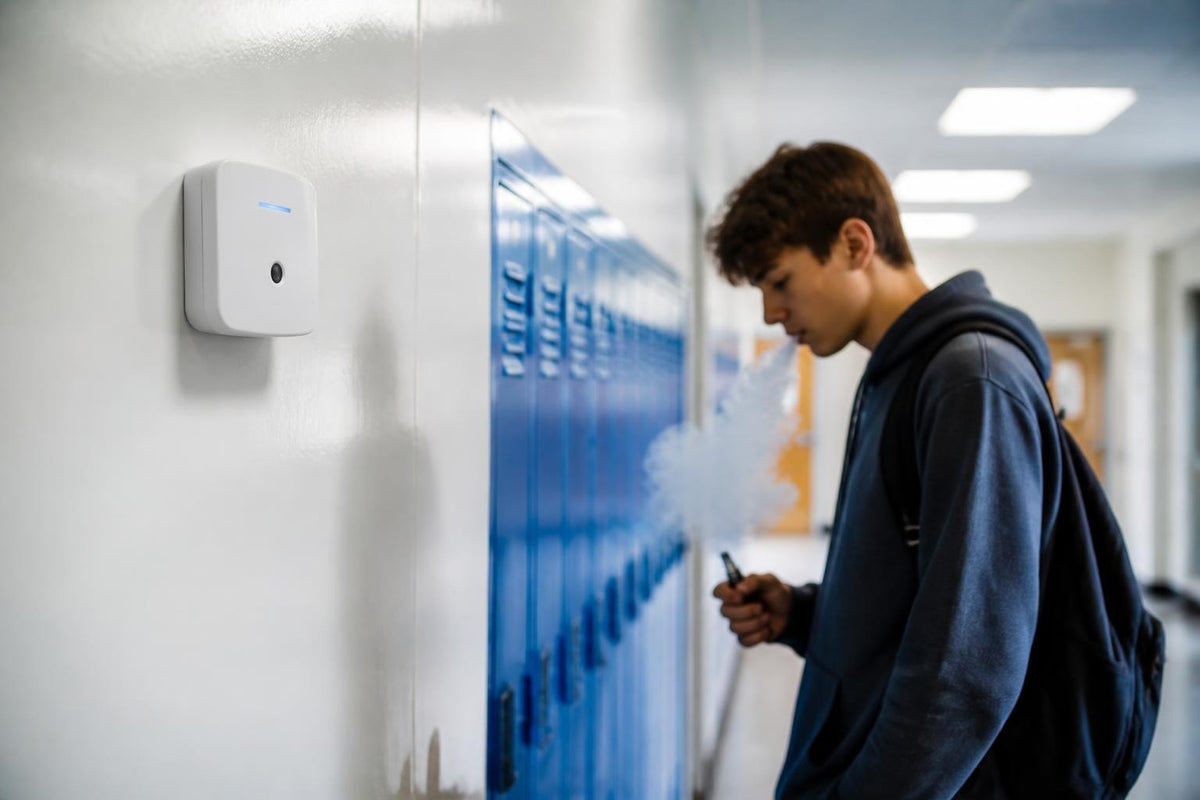
The rise of vaping amongst young people in the UK has created unprecedented challenges for schools, workplaces, and public spaces. From secondary school toilets to office bathrooms, vaping incidents have become increasingly common, prompting institutions to seek effective technological solutions. A vape detection system UK wide has emerged as the frontline defence against this growing issue, combining sophisticated sensor technology with real-time monitoring capabilities. These systems don't just detect vaping; they also monitor air quality, identify antisocial behaviour, and in some cases, detect substances beyond standard e-cigarettes. Understanding how these systems work, their legal context, and how to choose the right solution has become essential for facility managers, headteachers, and health and safety officers across Britain.
Understanding Vape Detection Technology in the UK Market
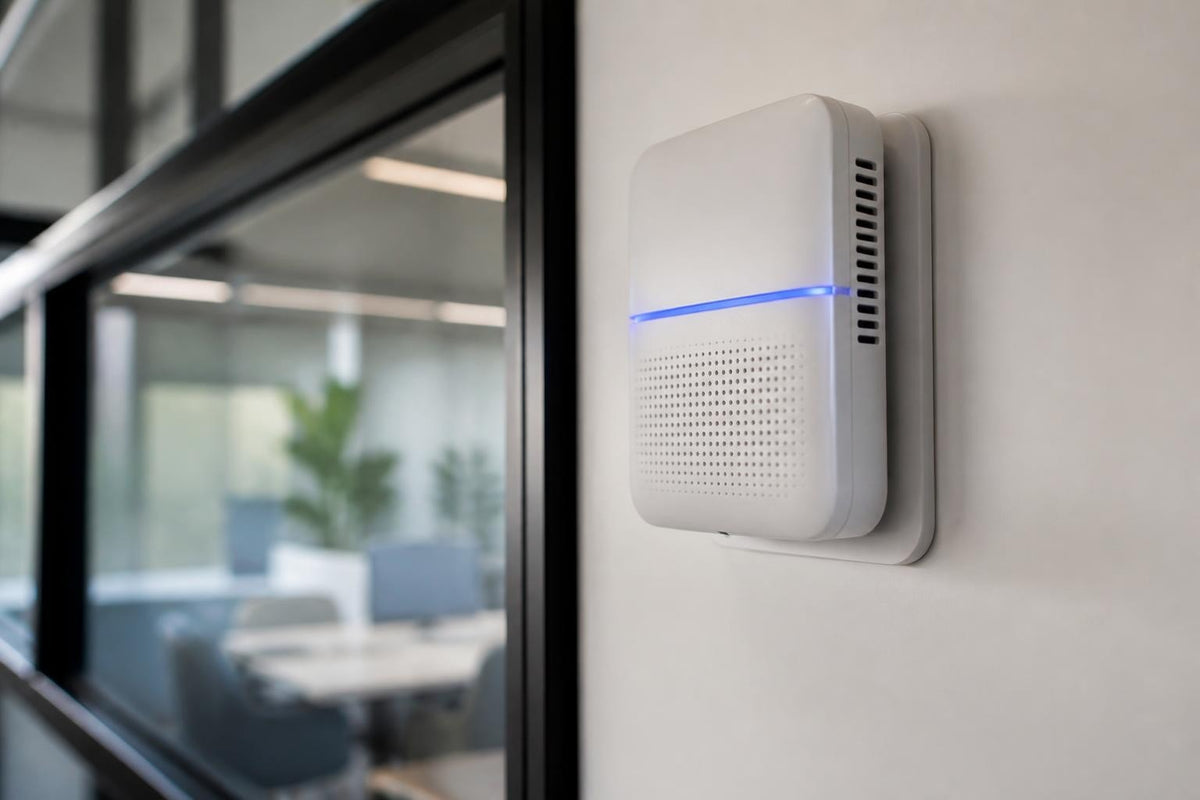
Modern vape detection systems rely on advanced sensor arrays that continuously monitor air composition for specific chemical signatures. Unlike traditional smoke detectors, which respond to particulate matter and heat, vape detectors identify the unique chemical compounds found in e-cigarette vapour, including propylene glycol, vegetable glycerin, and various flavouring agents.
The technology typically combines multiple detection methods to reduce false positives whilst maintaining high sensitivity. Particulate sensors measure microscopic particles suspended in the air, whilst chemical sensors identify specific volatile organic compounds (VOCs) associated with vaping products. Some advanced systems also incorporate sound detection to identify the characteristic noise of vaping devices.
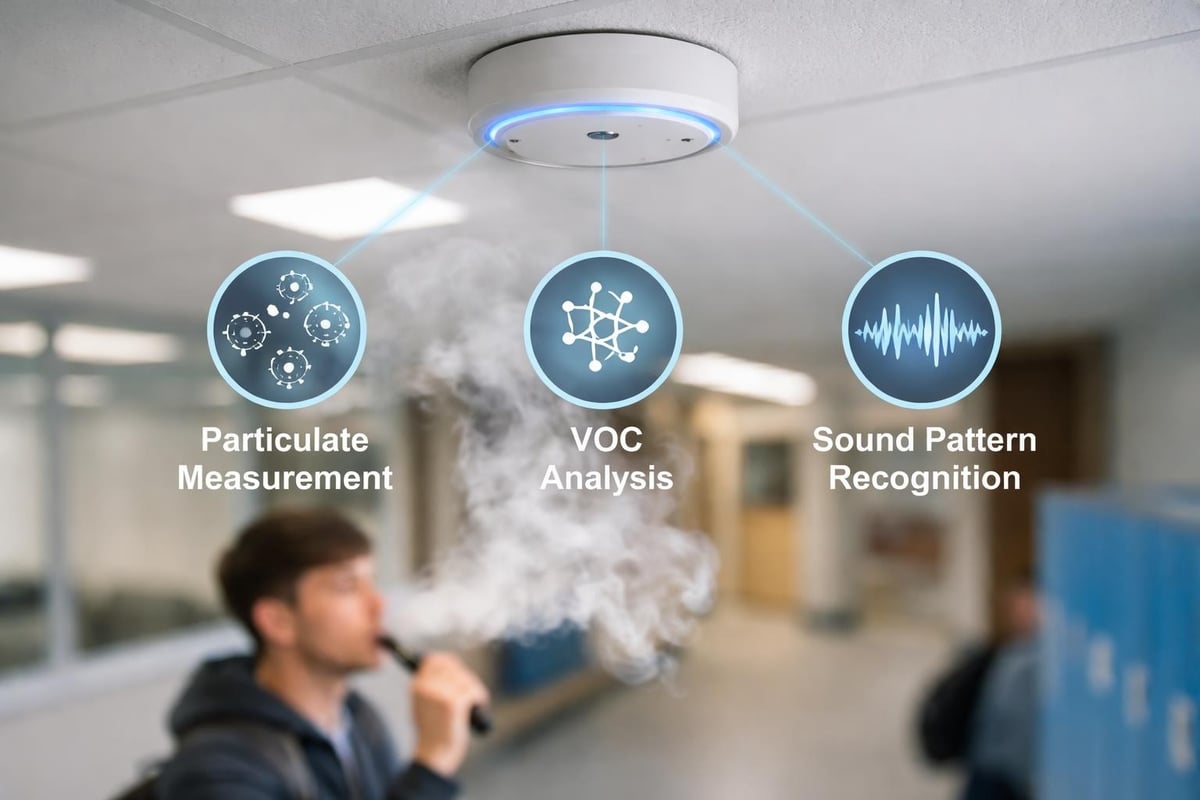
Key features distinguishing quality vape detection systems include:
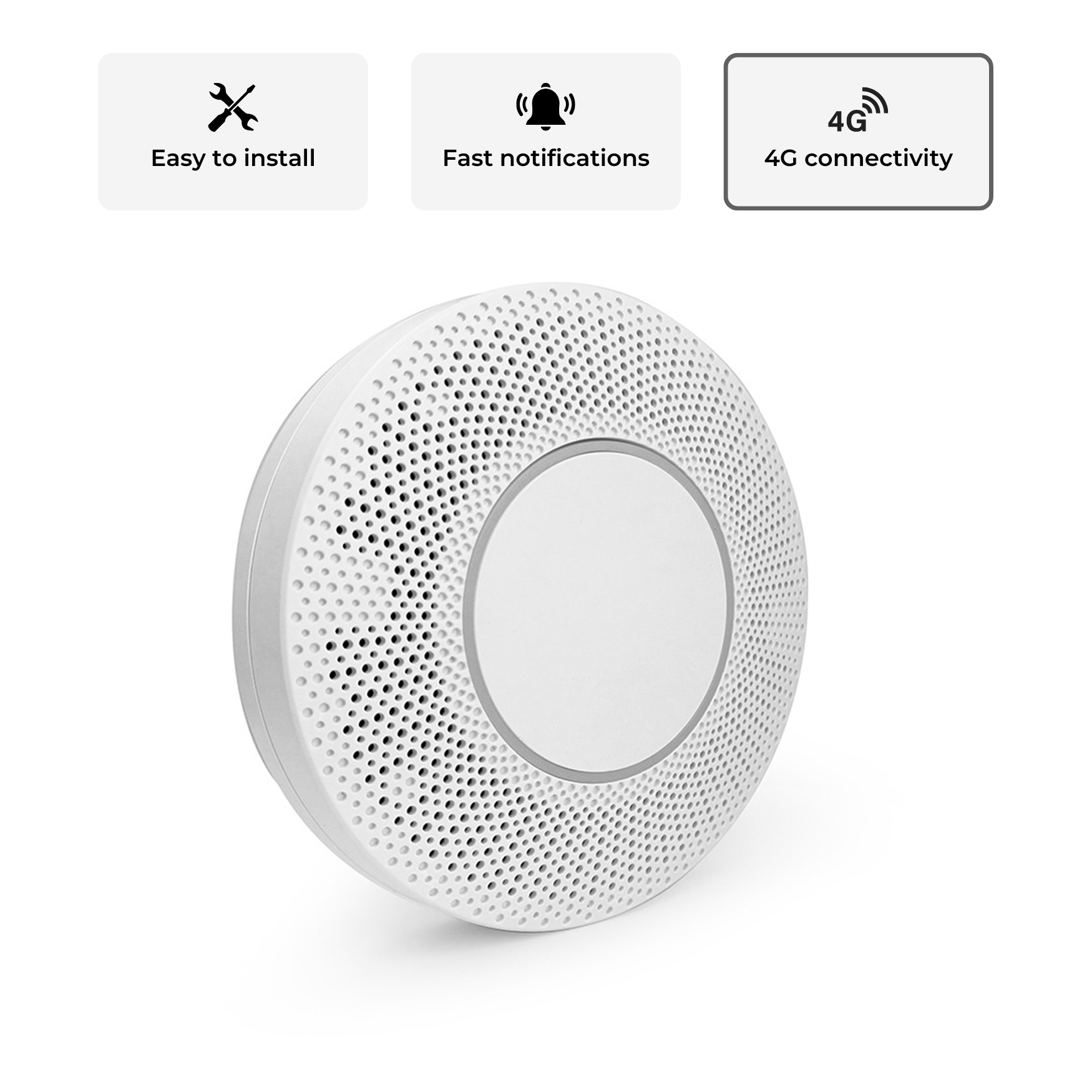
- Real-time alerts sent via SMS, email, or integrated alarm systems
- Multi-substance detection capabilities for THC, cannabis, and other drugs
- Air quality monitoring for PM2.5 levels and overall environmental health
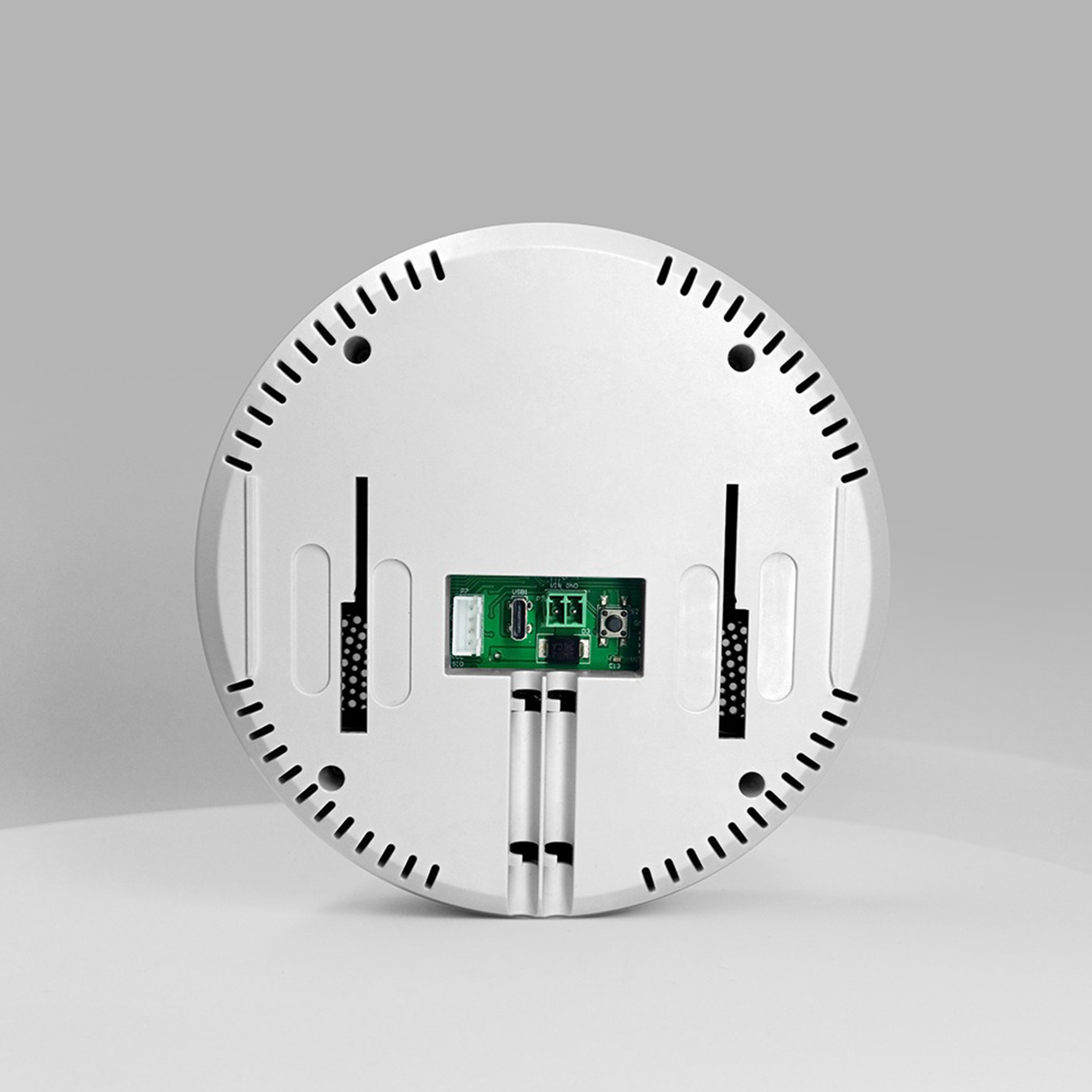
- Tamper detection to prevent students or employees from disabling units
- Integration capabilities with existing building management systems
According to Public Health England's comprehensive evidence update, vaping prevalence among young people aged 11 to 18 years has remained relatively stable, yet the need for monitoring in educational settings has intensified. This data underscores why vape detection system UK installations have grown substantially since 2024.
Detection Accuracy and False Alert Mitigation
One critical challenge facing vape detection technology is minimising false alerts whilst maintaining sensitivity. Environmental factors such as aerosol sprays, cleaning products, and even strong perfumes can potentially trigger sensors calibrated for vaping detection.
Premium systems employ sophisticated algorithms that analyse multiple data streams simultaneously. Rather than relying on a single threshold, these systems create a "fingerprint" of typical vaping behaviour by examining:
- Chemical compound ratios specific to vaping products
- Particle size distribution unique to e-cigarette aerosols
- Concentration duration patterns that distinguish vaping from momentary aerosol use
- Sound signatures when audio detection is enabled
The difference between basic and advanced systems often becomes apparent in high-traffic environments where various air contaminants are present. Research into solving false alert challenges demonstrates how cutting-edge calibration methods dramatically improve detection reliability.
Regulatory Framework and Compliance Considerations
The legal landscape surrounding vaping in UK public spaces continues to evolve. Whilst vaping is not currently banned in all indoor public spaces under national law, individual institutions have wide-ranging authority to implement vape-free policies on their premises.
| Setting | Vaping Status | Enforcement Method |
|---|---|---|
| Schools | Generally prohibited | Institutional policy + detection systems |
| Workplaces | Employer discretion | Company policy + monitoring technology |
| Public transport | Usually banned | Operator regulations + manual enforcement |
| Healthcare facilities | Typically prohibited | NHS trust policies + staff monitoring |
For educational institutions, implementing a vape detection system UK wide aligns with safeguarding responsibilities outlined in the Keeping Children Safe in Education guidance. Schools have a duty to protect student health and wellbeing, which extends to preventing exposure to potentially harmful substances.
Data Protection and Privacy Compliance
Installing monitoring systems in bathrooms and changing rooms raises important privacy considerations under UK GDPR and the Data Protection Act 2018. Vape detectors must be implemented carefully to balance safety objectives with individual privacy rights.
Best practice recommendations include:
- Clear signage informing occupants that air quality monitoring is in operation
- Privacy impact assessments before installation
- Data retention policies limiting how long alert records are stored
- Transparent communication with students, staff, and parents about system capabilities
- Ensuring sensors do not include cameras or audio recording functions beyond detection purposes
Understanding how schools can tackle vaping effectively requires balancing technological intervention with educational approaches and clear policy frameworks.
Strategic Placement and Installation Best Practices
The effectiveness of any vape detection system UK installation depends heavily on strategic sensor placement. Simply purchasing advanced hardware delivers limited value if units are installed in suboptimal locations or improperly configured.
High-Priority Installation Zones
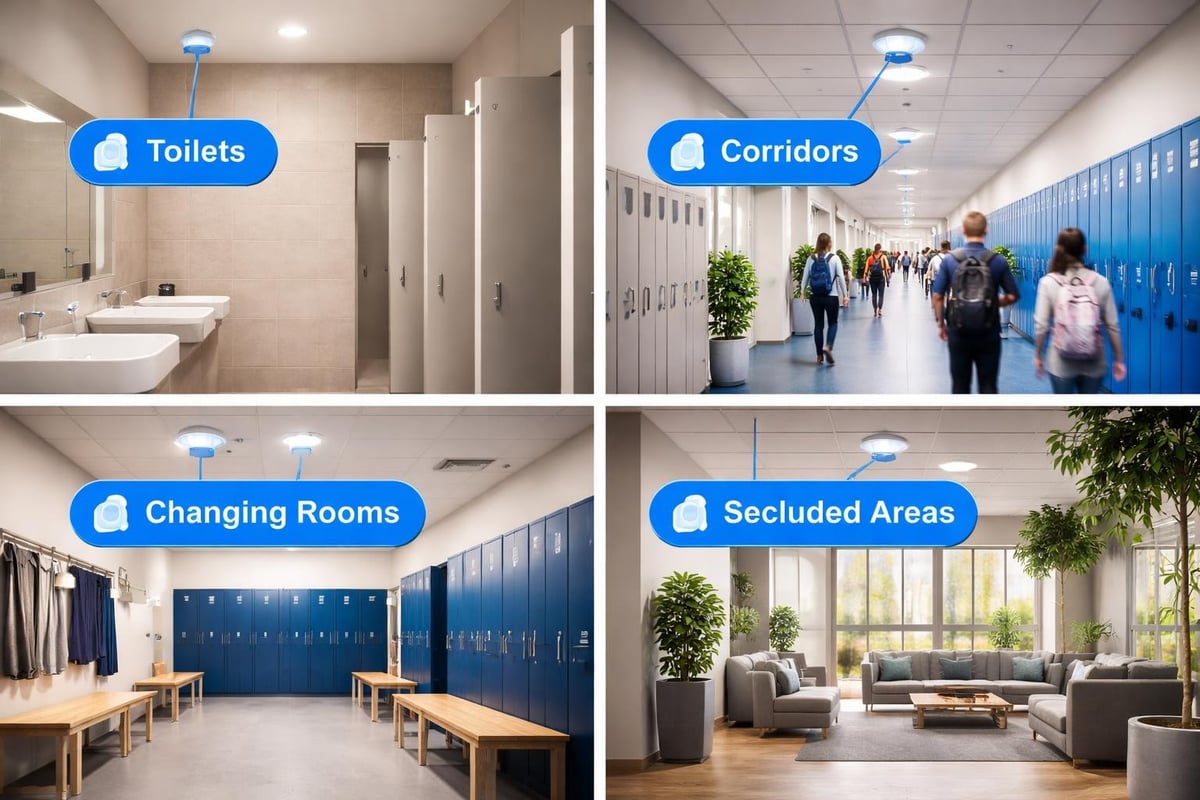
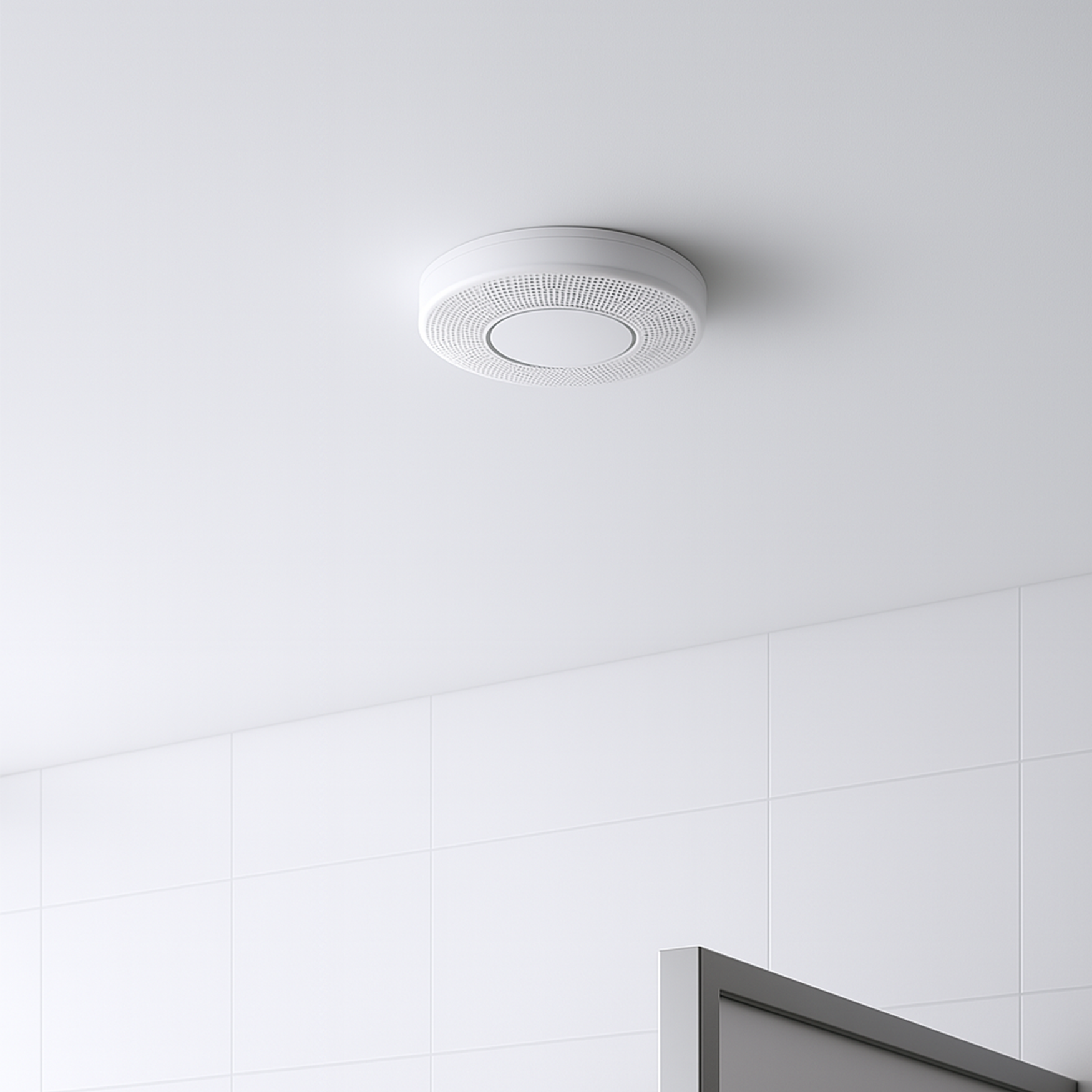
Student toilets and changing rooms represent the primary concern for most educational institutions. These private spaces provide cover for students attempting to vape discreetly. Installing detectors in these areas sends a clear deterrent message whilst enabling rapid response when incidents occur.
Secluded corridors and stairwells also warrant consideration, particularly in larger school buildings where direct supervision proves challenging. These transition zones often become informal gathering spots where students feel less observed.
For workplace environments, similar principles apply. Office toilets, break rooms, and outdoor smoking areas designated as vape-free zones all benefit from monitoring technology. Understanding the hidden health risks of vaping in office environments helps justify investment in commercial settings.
Installation Coverage Recommendations
The number of sensors required depends on building layout, room size, and ventilation characteristics. General guidelines suggest:
- One sensor per standard toilet block (4-6 cubicles)
- Additional units in larger facilities exceeding 50 square metres
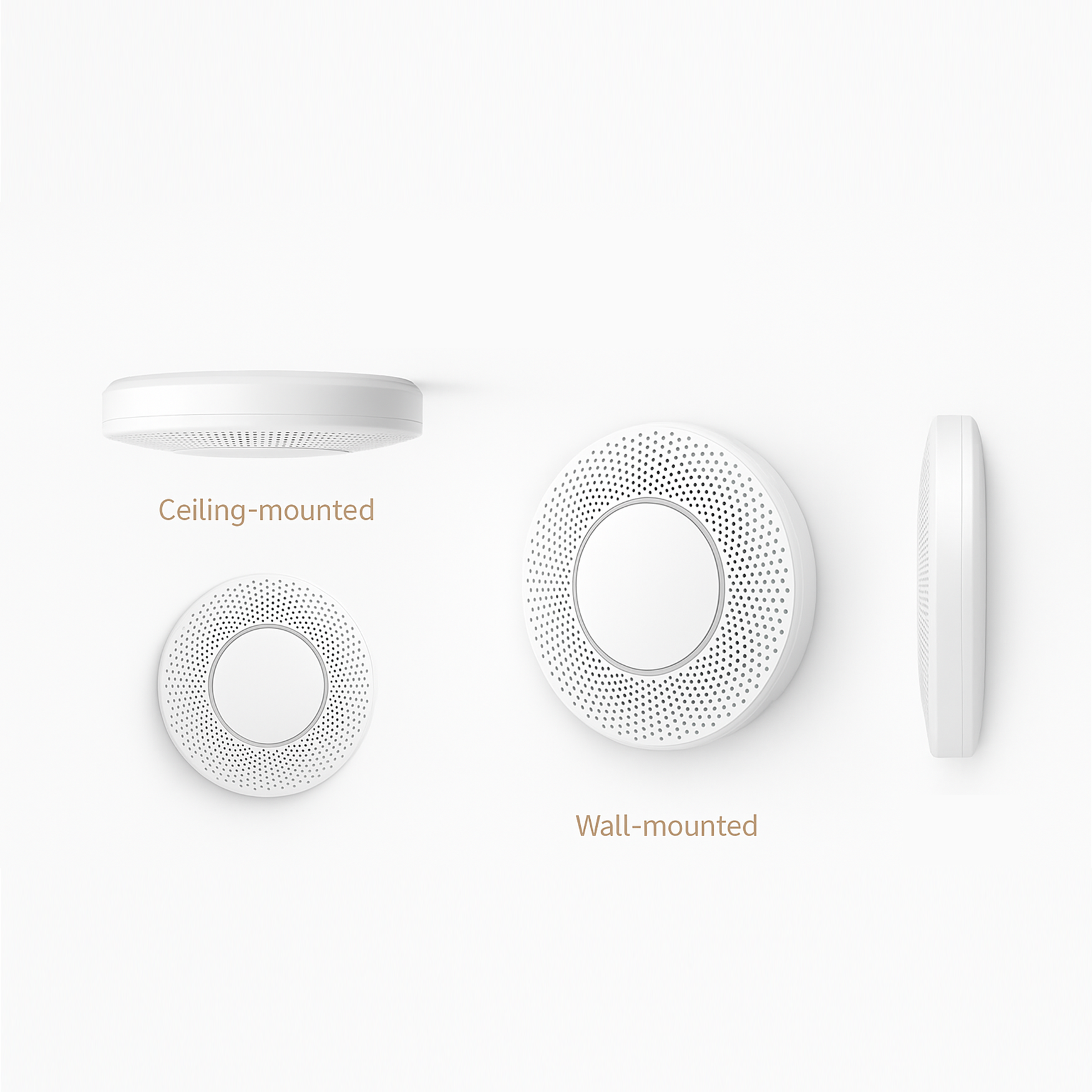
- Sensors positioned 2.4-3 metres from floor level for optimal air sampling
- Coverage of all high-risk areas identified through behaviour analysis
- Redundant sensors in critical zones where tampering risk is elevated
Professional installation ensures proper positioning, secure mounting, and integration with existing alert systems. Many providers offer site surveys to assess specific requirements before recommending equipment quantities.
Choosing the Right Vape Detection System for Your Organisation
The UK market now offers numerous vape detection solutions, ranging from basic single-sensor units to comprehensive networked systems with advanced analytics. Selecting appropriate technology requires careful assessment of organisational needs, budget constraints, and long-term objectives.
Key Selection Criteria
Detection capabilities form the foundation of any purchasing decision. Basic systems identify standard e-cigarette vapour, whilst advanced options detect THC, cannabis, and other substances. For schools concerned about drugs hidden in vapes, multi-substance detection proves essential.
Alert mechanisms determine how quickly staff can respond to incidents. Options include:
- Instant SMS notifications to designated personnel
- Email alerts with timestamp and location data
- Integration with existing alarm systems
- Dashboard displays for security teams
- Automated logging for compliance documentation
Air quality monitoring adds significant value beyond vaping detection. Systems measuring PM2.5 levels, temperature, humidity, and overall air quality support broader environmental health initiatives. These additional metrics prove particularly valuable when justifying investment to stakeholders focused on comprehensive wellbeing.
When evaluating comprehensive solutions, the Vape Detection System from Vape Guardian exemplifies how integrated hardware and software can address not just vaping but also drug use and antisocial behaviour through intelligent sensor technology. This approach provides schools and businesses with a unified platform for maintaining safer environments.

Cost Considerations and Return on Investment
Understanding vape detector cost structures and potential ROI helps organisations make informed procurement decisions. Initial hardware costs typically range from £200-£800 per sensor depending on capabilities, with enterprise-grade systems commanding premium prices.
| Cost Component | Budget Range | Mid-Range | Premium |
|---|---|---|---|
| Sensor hardware | £200-£350 | £400-£600 | £650-£800 |
| Installation (per unit) | £50-£100 | £100-£150 | £150-£200 |
| Annual software/monitoring | £60-£120 | £150-£250 | £300-£500 |
| Maintenance (annual) | Included | £50-£100 | £100-£200 |
Calculating ROI requires considering both tangible and intangible benefits. Direct cost savings include reduced cleaning expenses, decreased property damage, and lower staff time spent investigating incidents. Indirect benefits encompass improved student health outcomes, enhanced institutional reputation, and demonstrated commitment to safeguarding.
Many schools report that deterrent effects alone justify investment. Once students become aware of monitoring technology, vaping incidents often decrease substantially even before disciplinary consequences are applied.
Implementation Strategies for Maximum Effectiveness
Successfully deploying a vape detection system UK wide requires more than purchasing equipment. Effective implementation combines technology with policy development, stakeholder communication, and ongoing management.
Policy Development and Communication
Before installation begins, organisations should establish clear policies defining:
- Prohibited behaviours and substances
- Consequences for policy violations
- Appeal processes for students or employees
- Data handling and privacy protections
- Monitoring system capabilities and limitations
Transparency proves crucial. Students, staff, and parents should understand why systems are being implemented, how they work, and what happens when alerts are triggered. Many institutions find that educational assemblies or staff briefings reduce resistance and encourage buy-in.
Examining UK school vaping laws and what headteachers need to know provides essential context for developing compliant, effective policies.
Integration with Broader Safeguarding Initiatives
Vape detection technology works best as part of comprehensive health and safety programmes. Schools achieving the greatest success combine monitoring with:
- Education programmes explaining vaping risks and long-term health consequences
- Support services for students struggling with nicotine addiction
- Parental engagement initiatives raising awareness of youth vaping trends
- Regular policy reviews ensuring approaches remain current and effective
- Staff training on responding to alerts and supporting affected students
Understanding whether vape detectors work effectively in bathrooms helps set realistic expectations and informs supplementary measures that might be needed.
Responding to Detection Alerts
Established response protocols ensure alerts generate meaningful action rather than simply accumulating as data. Effective response systems include:
Immediate response procedures specifying who receives alerts and their expected actions. In schools, this typically involves designated staff members attending the location within 2-3 minutes to address the situation whilst evidence remains fresh.
Documentation requirements capturing incident details, individuals involved, and actions taken. This creates accountability whilst building evidence bases for pattern analysis.
Follow-up processes ensuring appropriate consequences are applied consistently and support is offered where needed. For young people, this might include referrals to cessation programmes or counselling services.
Advanced Features and Future Developments
The vape detection industry continues to evolve rapidly, with manufacturers developing increasingly sophisticated capabilities. Understanding emerging trends helps organisations make future-proof purchasing decisions.
Artificial Intelligence and Machine Learning
Next-generation systems employ AI algorithms that learn from historical data to improve detection accuracy. These systems analyse thousands of data points to distinguish between genuine vaping incidents and environmental anomalies that might trigger conventional sensors.
Predictive analytics represent another frontier. By examining patterns in detection data, advanced systems can identify high-risk times, locations, and even individual behaviour patterns that suggest escalating problems requiring intervention.
Integration with Building Management Systems
Modern vape detection systems increasingly integrate with comprehensive building management platforms. This connectivity enables:
- Coordinated responses combining detection alerts with CCTV footage review
- Automated ventilation adjustments when air quality deteriorates
- Centralised dashboards displaying multiple sensor types across facilities
- Historical data analysis for compliance reporting and trend identification
- Remote system management and configuration updates
Exploring smart building sensors and environmental monitoring systems reveals how vape detection fits within broader facility management strategies.
Multi-Hazard Detection Capabilities
The latest vape detection system UK installations often include sensors for hazards beyond vaping. Comprehensive units monitor:
- Carbon monoxide levels for safety in areas with combustion appliances
- Volatile organic compounds indicating chemical spills or cleaning product issues
- Noise levels to identify bullying, fighting, or other disturbances
- Temperature and humidity for general environmental comfort
- Occupancy patterns through anonymous motion detection
This multi-hazard approach maximises return on investment whilst addressing diverse safety concerns through unified technology platforms.
Evaluating Vendor Reliability and Support
The long-term success of vape detection implementations depends significantly on vendor reliability, product quality, and ongoing support. Organisations should evaluate potential suppliers across multiple dimensions before committing to purchases.
Vendor Assessment Criteria
UK-based support proves invaluable when technical issues arise or questions emerge about system configuration. Suppliers with local presence can provide faster response times and better understanding of UK-specific regulatory requirements.
Product certification and testing demonstrates commitment to quality. Look for systems tested according to relevant British and European standards, with transparent performance specifications.
Customer references from similar organisations provide realistic insights into product performance and vendor responsiveness. Speaking with schools or businesses that have used systems for 12+ months reveals long-term reliability patterns.
| Evaluation Factor | Questions to Ask | Red Flags |
|---|---|---|
| Technical support | Response times? UK-based team? | Offshore-only support, slow responses |
| Product updates | Firmware update frequency? Feature roadmap? | No updates in 12+ months |
| Installation support | Training provided? Site survey included? | DIY-only approach for complex installations |
| Warranty terms | Coverage period? What's included? | Limited warranty, unclear terms |
Training and Change Management
Effective systems require users who understand capabilities, limitations, and proper operation. Quality vendors provide comprehensive training covering:
- System operation and alert interpretation
- Responding to different alert types
- Basic troubleshooting for common issues
- Data access and reporting functions
- Privacy compliance and data handling
Change management support helps organisations navigate the cultural adjustments that accompany new monitoring technology. This might include template communications for parents, staff briefing materials, or student education resources.
Measuring Impact and Continuous Improvement
Deploying vape detection technology represents just the beginning. Organisations achieving the greatest success regularly evaluate system performance, analyse trends, and refine approaches based on evidence.
Key Performance Indicators
Detection rates provide baseline metrics for system effectiveness. Tracking alerts over time reveals whether incidents are increasing, decreasing, or remaining stable. Declining trends suggest deterrent effects are working.
Response times measure how quickly staff address alerts. Shorter response times increase chances of addressing incidents effectively whilst evidence remains available.
False alert rates indicate system accuracy and calibration quality. Systems generating excessive false alerts undermine confidence and waste staff resources. Premium solutions should maintain false alert rates below 5%.
Air quality metrics demonstrate broader environmental health benefits. Monitoring PM2.5 levels, VOCs, and other air quality indicators quantifies improvements beyond vaping reduction.
Behaviour change indicators might include disciplinary referrals, health centre visits for vaping-related concerns, or student survey responses about perceived vaping prevalence.
Reporting and Stakeholder Communication
Regular reporting keeps stakeholders informed about system performance and return on investment. Effective reports include:
- Monthly alert summaries showing trends and patterns
- Air quality data demonstrating environmental improvements
- Incident response statistics documenting staff effectiveness
- Cost-benefit analyses quantifying tangible savings
- Case studies highlighting successful interventions
For schools, governors and parents appreciate transparent communication about safeguarding measures. For businesses, leadership teams value data demonstrating health and safety compliance and risk mitigation.
Creating comprehensive vape-free policies with clear enforcement mechanisms ensures monitoring technology supports broader organisational objectives.
Addressing Common Implementation Challenges
Even well-planned vape detection system UK installations encounter obstacles. Understanding common challenges and proven solutions helps organisations navigate implementation successfully.
Student and Employee Resistance
Initial resistance to monitoring technology is normal, particularly in environments where vaping has become normalised. Addressing concerns requires:
Transparent communication about why systems are necessary, emphasising health protection rather than punishment. Sharing data about vaping as a gateway to smoking for teenagers helps justify interventions.
Consistent enforcement ensuring all individuals face similar consequences for policy violations. Inconsistent application undermines credibility and generates resentment.
Support services demonstrating genuine concern for wellbeing rather than purely punitive approaches. Offering cessation support alongside disciplinary measures shows balanced commitment to health outcomes.
Technical Integration Difficulties
Legacy building infrastructure sometimes complicates sensor installation or network connectivity. Common solutions include:
- Wireless sensor options eliminating need for ethernet cabling
- Battery-powered units for locations lacking power sources
- Cloud-based platforms reducing on-premise server requirements
- Professional network assessments identifying connectivity solutions
Budget Constraints
Limited funding need not prevent implementation. Phased rollout strategies allow organisations to start with highest-priority areas, demonstrating value before expanding coverage. Many find that initial installations in problem areas generate sufficient evidence to justify broader deployment.
Exploring the hidden costs of allowing vaping helps quantify expenses that monitoring technology can reduce, strengthening budget justifications.
A vape detection system UK installation represents a proactive step toward creating safer, healthier environments in schools, workplaces, and public facilities. By combining advanced sensor technology with clear policies and supportive interventions, organisations can effectively address vaping challenges whilst demonstrating commitment to occupant wellbeing. Whether you're managing a secondary school concerned about student health or operating a business focused on maintaining vape-free premises, Vape Guardian provides the intelligent detection solutions, expert support, and proven reliability needed to protect your environment and the people within it.


Share:
Toilet Vape Detector: The Complete Guide for 2026
Detect Vaping in Bathrooms: Evidence & Technology