
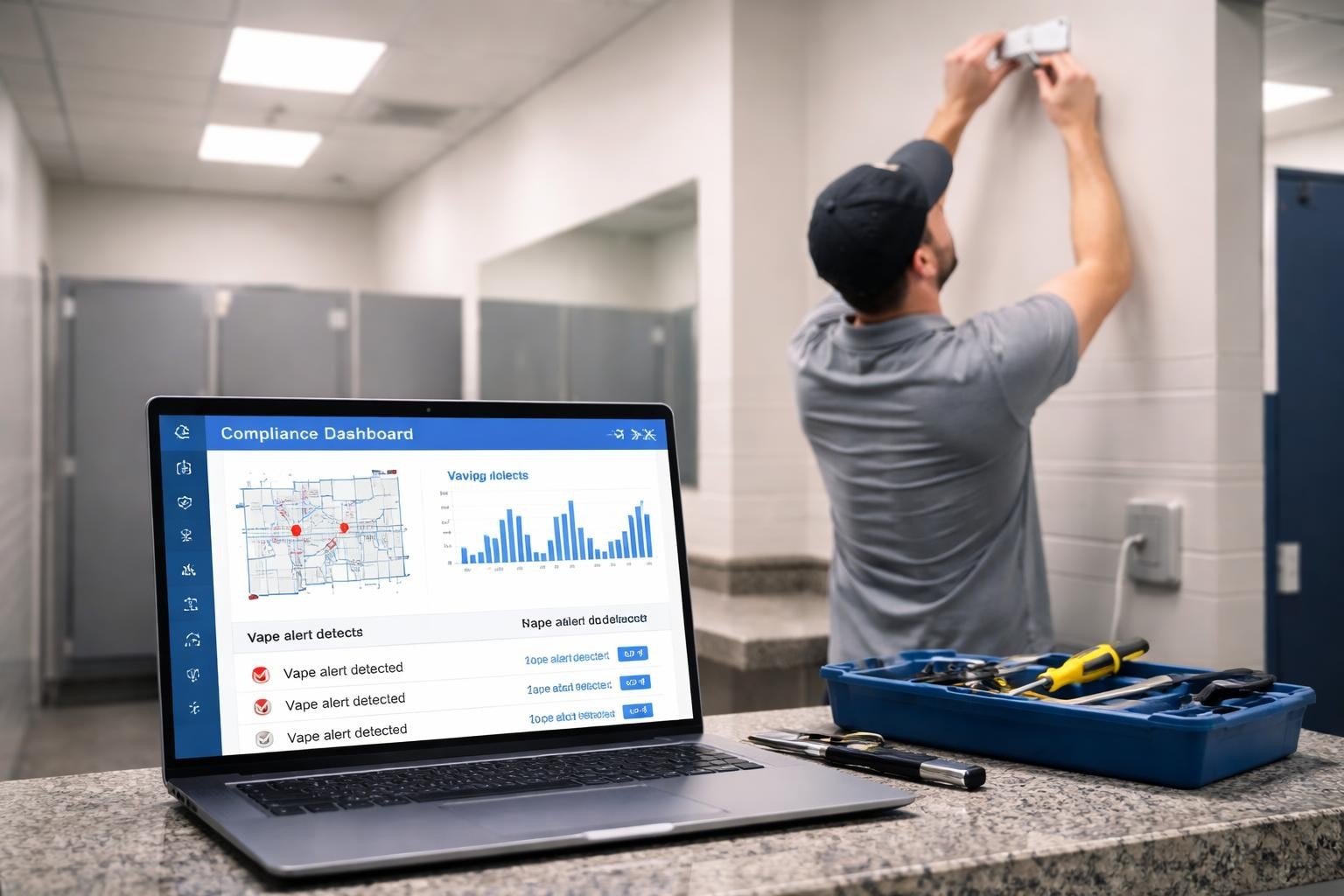
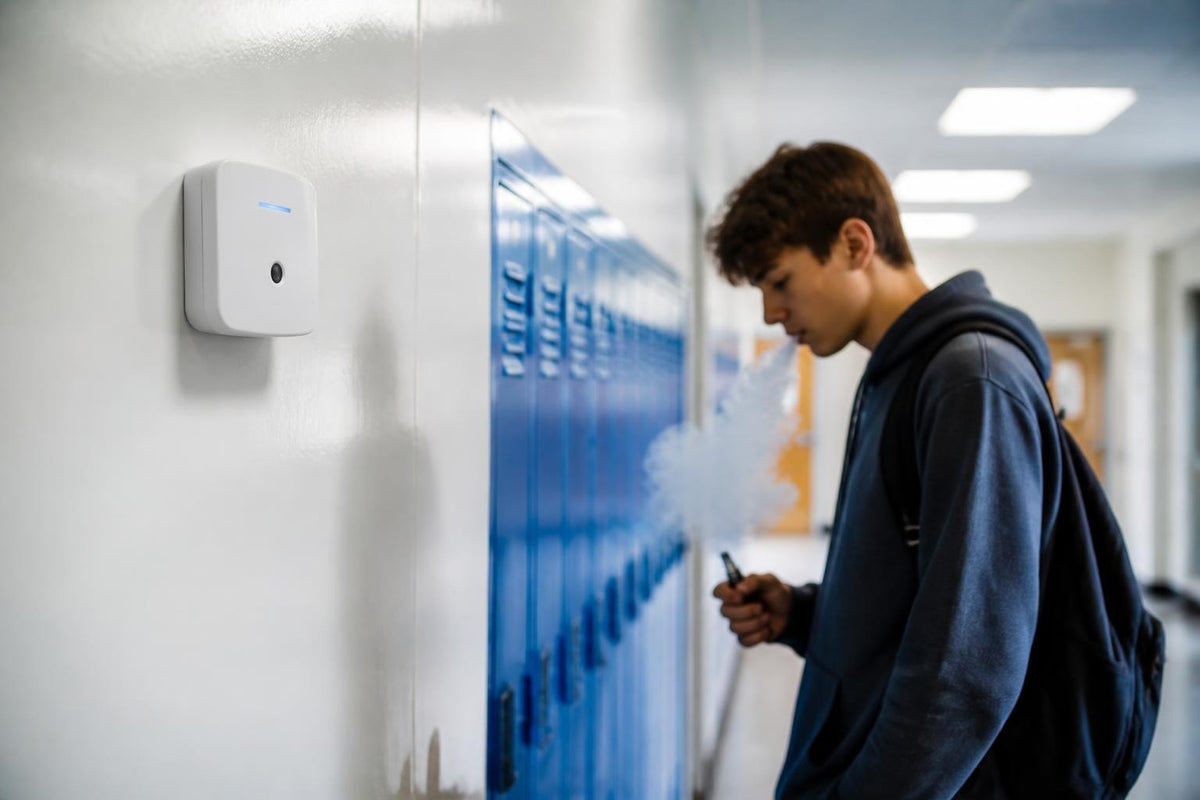
The challenge of addressing vaping incidents in enclosed spaces has become a pressing concern for educational institutions, workplaces, and public facilities throughout the United Kingdom. As traditional supervision methods prove insufficient, organisations are increasingly turning to technology driven solutions to detect vaping in bathrooms. These private spaces, once difficult to monitor whilst respecting individual privacy, now represent the frontline in efforts to maintain healthier environments and enforce vaping policies effectively. Advanced detection systems offer a discreet yet powerful approach to identifying vaping activity without invasive surveillance measures.
Understanding the Technology Behind Bathroom Vape Detection
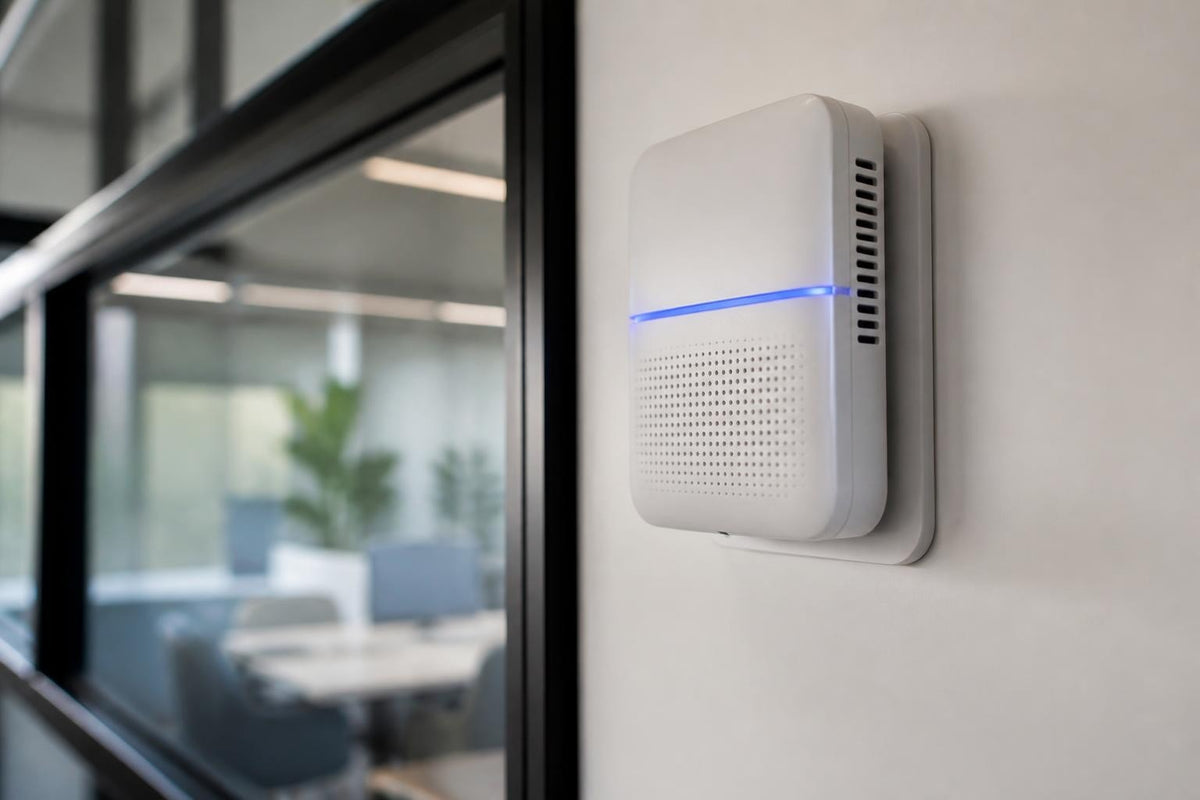
Modern vape detection systems operate through sophisticated sensor technology that analyses air composition in real time. Unlike conventional smoke detectors, these specialised devices can distinguish between vapour from e-cigarettes and other airborne particles.
The sensors utilise multiple detection methods simultaneously. Chemical sensors identify specific compounds found in vaping products, including propylene glycol, vegetable glycerin, and various flavouring agents. Particulate matter sensors measure the concentration and size distribution of suspended particles, whilst optical sensors detect changes in air clarity.
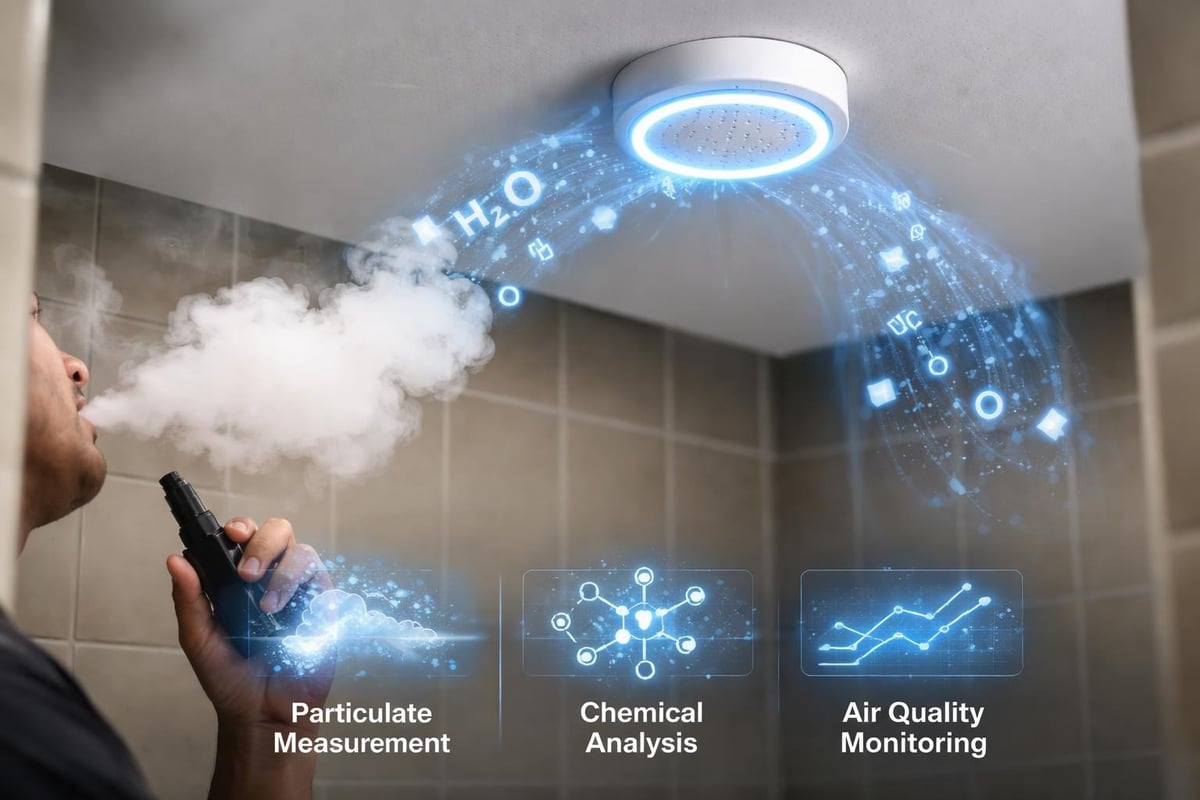
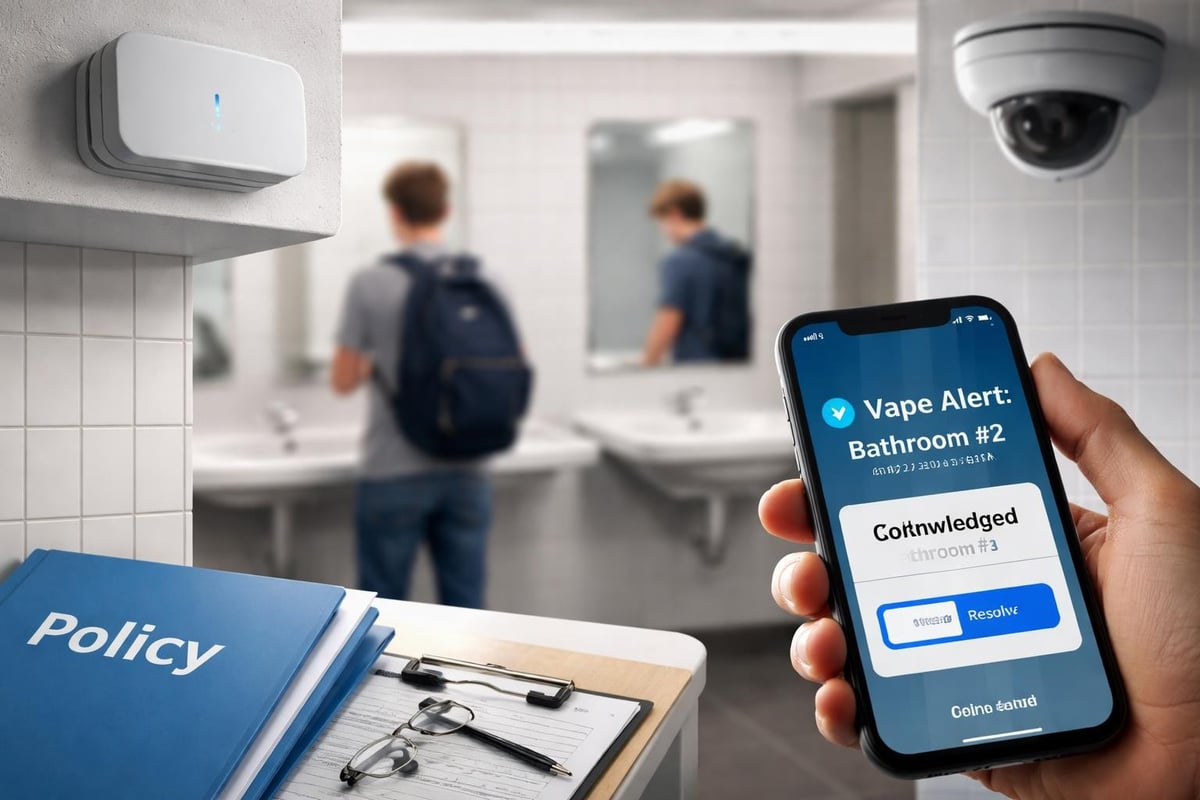
When devices detect vaping in bathrooms, they trigger immediate alerts through connected systems. These notifications can reach designated staff members via text message, email, or through dedicated monitoring platforms. Response times typically range from seconds to under a minute, enabling swift intervention.
Key Components of Detection Systems
Effective vape detection solutions incorporate several essential elements:
- Multi-spectrum sensors for comprehensive air quality analysis
- Intelligent algorithms that filter false positives from genuine incidents
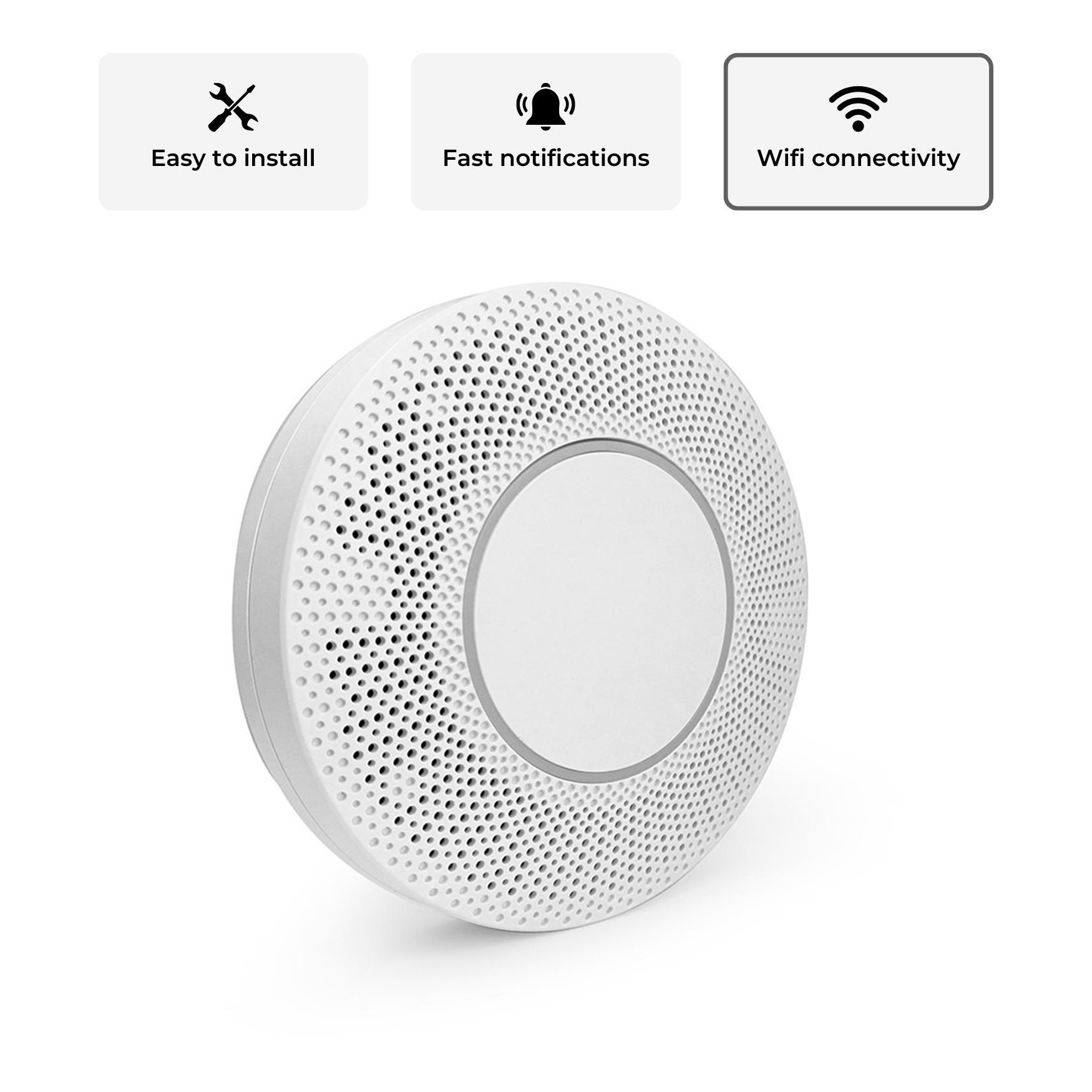
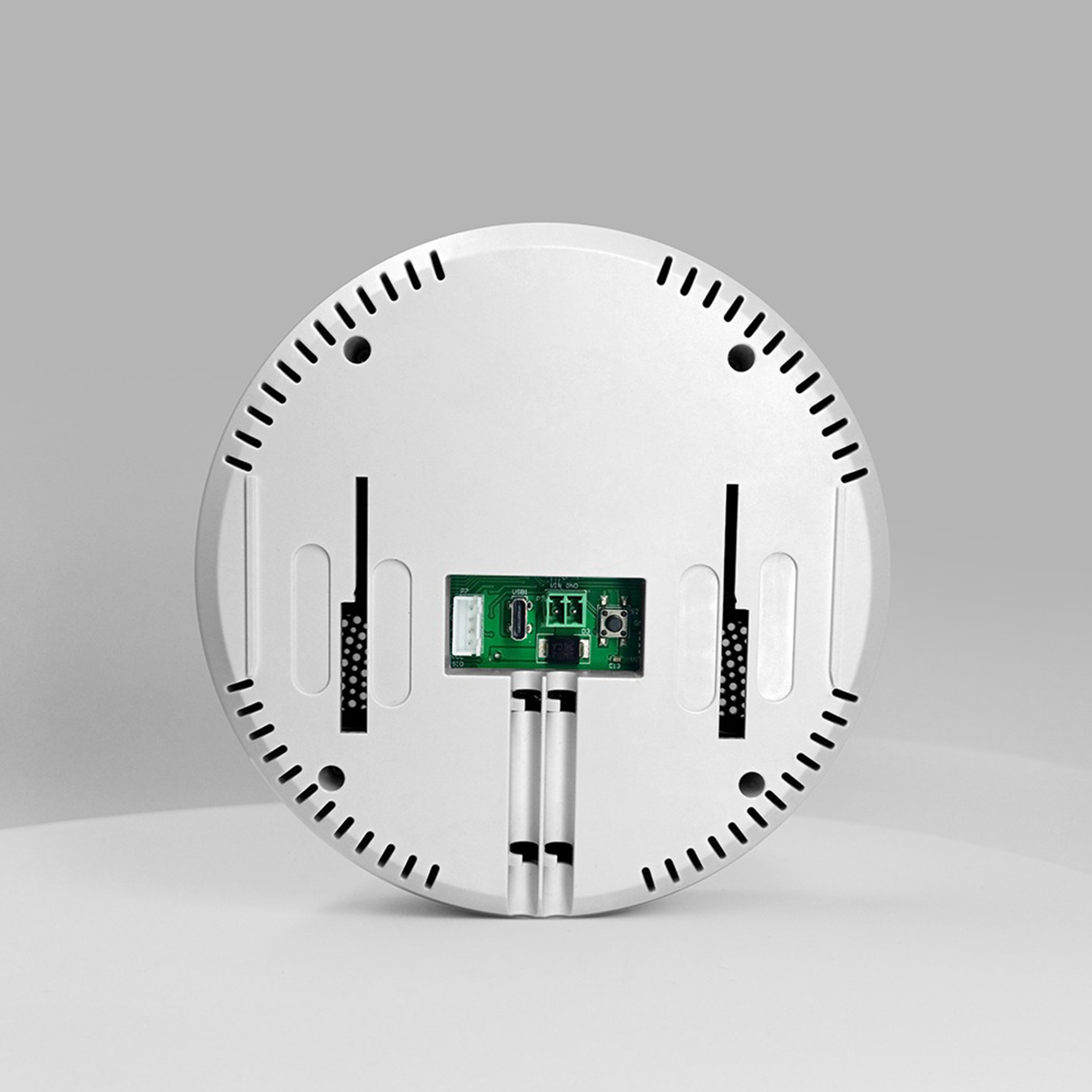
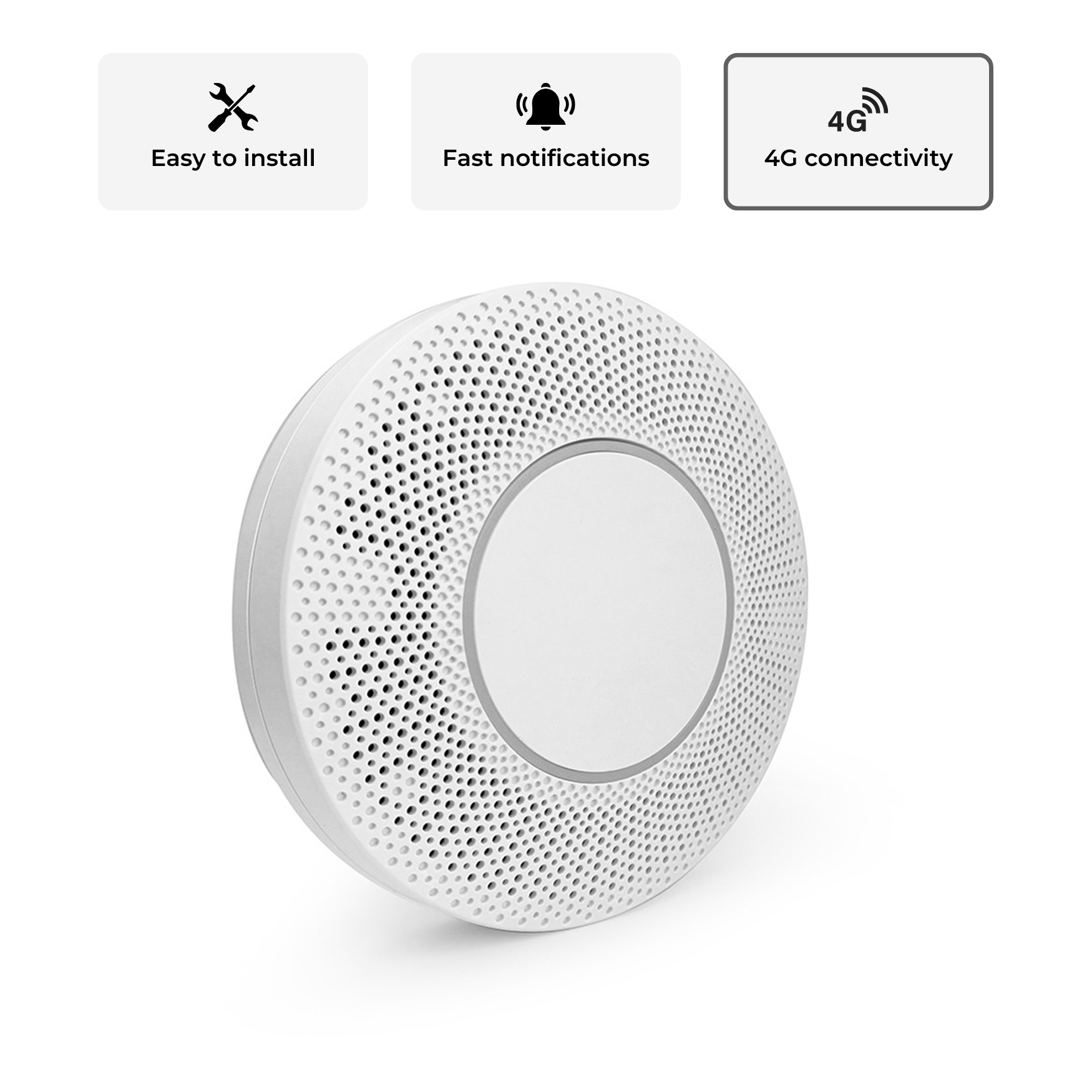
- Connectivity options including WiFi, cellular, and hardwired connections
- Tamper detection to prevent students or staff from disabling units
- Integration capabilities with existing building management systems
The technology continues evolving to address new vaping products and delivery methods. Modern systems can detect THC vapour, traditional nicotine products, and even certain substances associated with anti-social behaviour.
Evidence Supporting Bathroom Detection Effectiveness
Research and real world implementation demonstrate significant success rates for detection systems. Schools that have installed bathroom vape detectors report detection accuracy exceeding 95% when properly calibrated and maintained.
A comprehensive study across multiple UK secondary schools revealed a 67% reduction in reported vaping incidents within six months of installation. More importantly, the deterrent effect proved substantial, with many students choosing not to vape when aware of detection capabilities.
| Metric | Before Installation | Six Months After | Percentage Change |
|---|---|---|---|
| Reported Incidents | 145 per term | 48 per term | -67% |
| Disciplinary Actions | 89 per term | 31 per term | -65% |
| Student Surveys (admitted vaping) | 34% | 19% | -44% |
Educational institutions funded by settlements with e-cigarette manufacturers have demonstrated the viability of widespread implementation. These programmes provide valuable data on system performance across diverse settings.
Addressing Common Concerns
Critics often raise questions about privacy implications and potential false positives. However, modern systems address these concerns through design choices that prioritise both effectiveness and ethics.
Detection devices monitor air quality rather than recording video or audio. They cannot identify specific individuals, only that vaping has occurred within a particular space. This approach maintains privacy whilst providing actionable information to appropriate authorities.
False positive rates have decreased dramatically with technological improvements. Current generation sensors incorporate machine learning algorithms that distinguish between vaping vapour, aerosol sprays, steam from showers, and other common bathroom emissions.
Strategic Placement and Installation Considerations
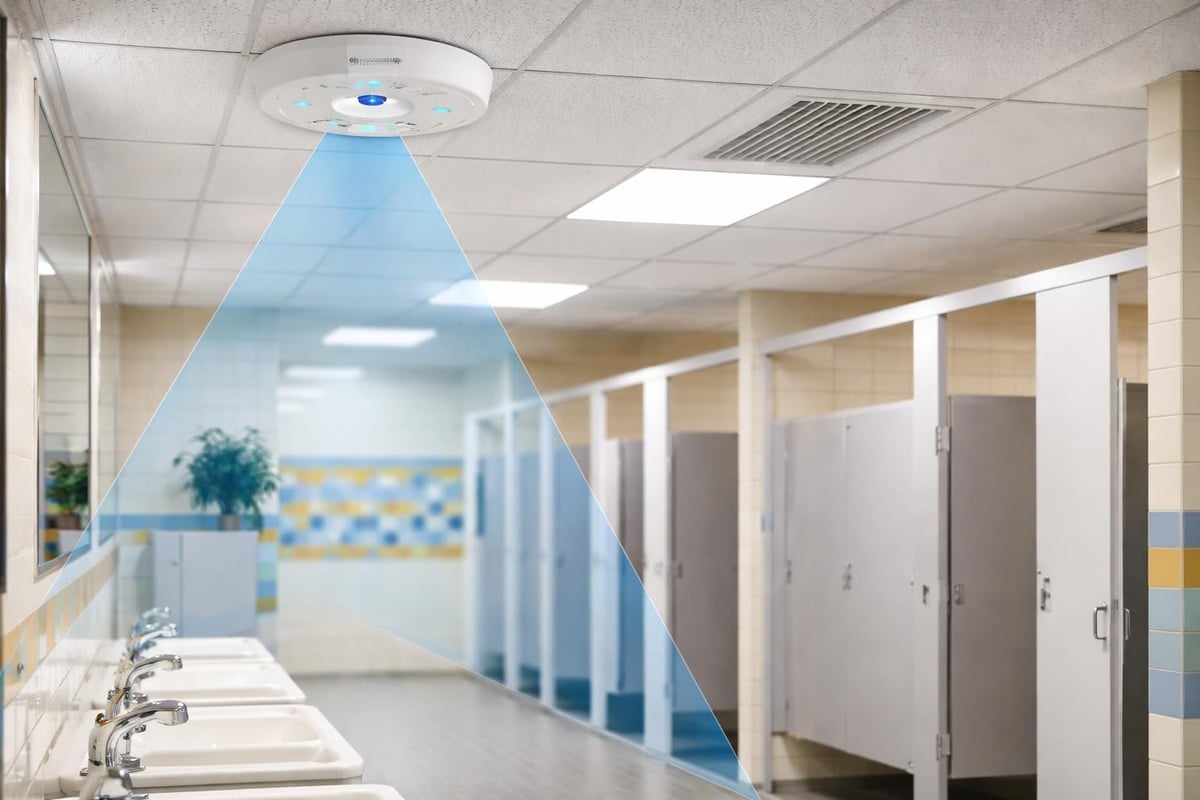
Optimal sensor placement significantly impacts detection effectiveness. Bathrooms present unique environmental challenges that require thoughtful installation strategies.
Recommended Installation Locations
Professional installers typically position sensors:
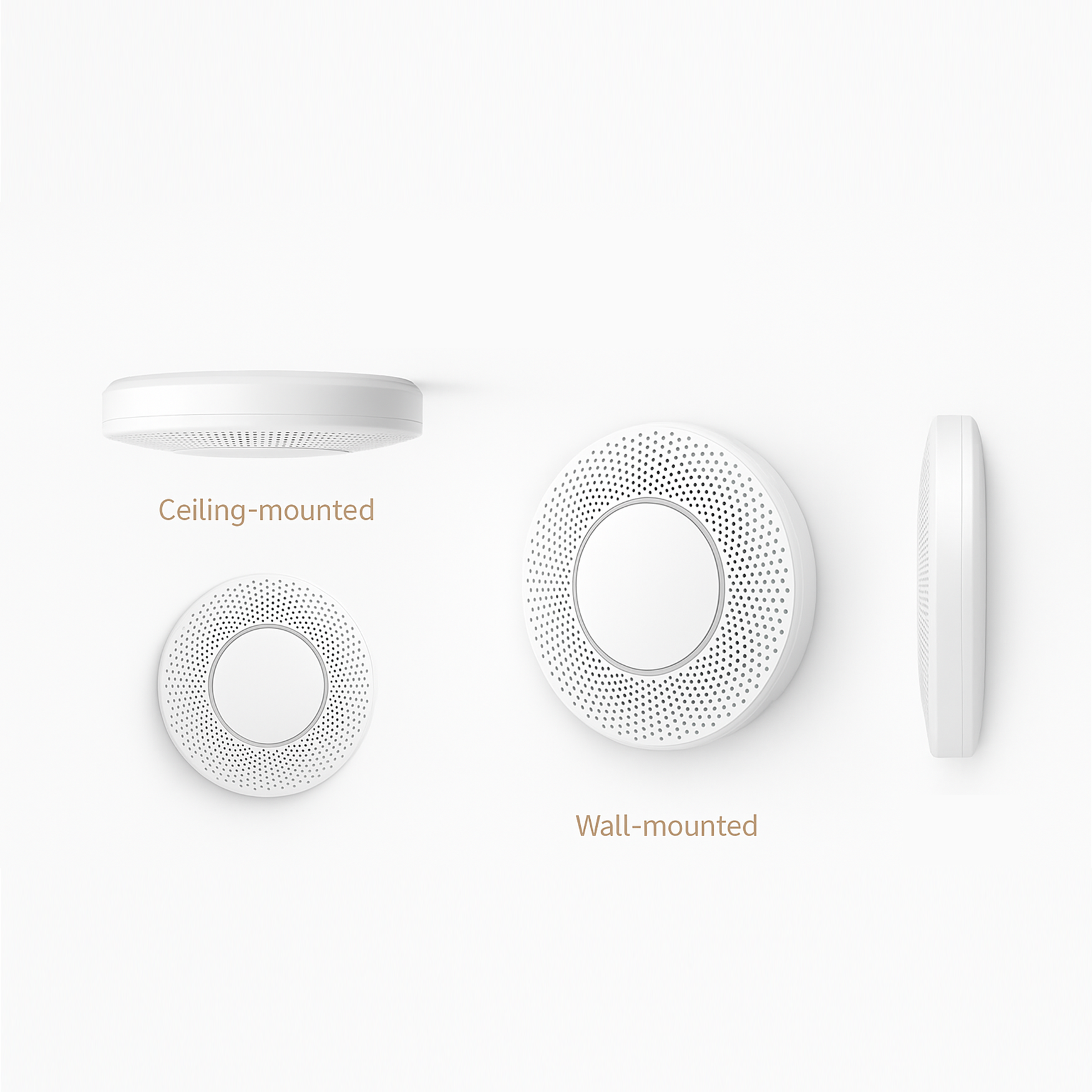
- Central ceiling mounting for maximum air circulation exposure
- Near ventilation intake points to capture dispersed vapour
- Away from direct water spray to prevent moisture interference
- At recommended heights based on manufacturer specifications
- In each enclosed toilet area for comprehensive coverage
Larger bathroom facilities may require multiple sensors to eliminate blind spots. The Vape Detection System offers flexible installation options suitable for various bathroom configurations, ensuring no area remains unmonitored whilst maintaining cost effectiveness.

Environmental factors influence sensor performance. High humidity environments necessitate models with enhanced moisture resistance. Temperature fluctuations, particularly in poorly insulated facilities, may require calibration adjustments to maintain accuracy.
Implementation Best Practices for Educational Settings
Schools implementing bathroom vape detection face unique operational considerations. Successful programmes combine technology deployment with comprehensive policy frameworks and educational initiatives.
Clear communication proves essential before installation. Students, parents, and staff should understand the purpose, functionality, and limitations of detection systems. Transparency regarding how alerts are handled and what consequences follow detection incidents builds trust and compliance.
Creating Effective Response Protocols
Detection systems only succeed when paired with appropriate response procedures. Organisations should establish:
- Designated responders available during all operational hours
- Tiered intervention approaches distinguishing first offences from repeat violations
- Documentation processes maintaining records for patterns analysis
- Support resources offering cessation programmes rather than purely punitive measures
- Review mechanisms evaluating system effectiveness and adjusting protocols accordingly
Montgomery County Public Schools' initiative demonstrates comprehensive implementation across multiple facilities. Their approach combines detection technology with educational programmes addressing underlying motivations for vaping.
Integrating Detection Systems with Broader Safety Initiatives
Advanced detection capabilities extend beyond identifying vaping activity. Modern sensors can detect various substances and behaviours that compromise safety and wellbeing.
Multi-function sensors identify:
- THC and cannabis vapour
- Chemical substances indicating potential drug use
- Elevated noise levels suggesting bullying or confrontations
- Air quality degradation from any source
- Unusual occupancy patterns
This comprehensive monitoring approach transforms bathrooms from vulnerable privacy zones into protected spaces where students feel safer. The technology used in schools creates environments that discourage multiple forms of inappropriate behaviour simultaneously.
Data Analytics and Trend Identification
Sophisticated detection systems generate valuable data revealing patterns invisible through traditional observation. Analytics dashboards display:
| Data Point | Application | Benefit |
|---|---|---|
| Incident timing | Identifies high-risk periods | Enables targeted supervision |
| Location frequency | Highlights problem areas | Guides resource allocation |
| Repeat offender patterns | Supports intervention planning | Personalises support approaches |
| System performance metrics | Monitors sensor functionality | Ensures continued effectiveness |
These insights inform broader policy decisions and resource allocation. Schools can identify whether incidents cluster during specific lessons, break times, or days of the week, enabling proactive rather than reactive management.
Balancing Privacy Rights with Safety Objectives
The ethical dimension of bathroom monitoring requires careful consideration. Organisations must navigate complex territory where legitimate safety concerns intersect with reasonable privacy expectations.
Privacy considerations in school vaping surveillance highlight ongoing debates about appropriate monitoring boundaries. Responsible implementation acknowledges these concerns whilst maintaining necessary protections.
Air quality monitoring presents a privacy-respecting alternative to camera surveillance. Students retain anonymity during bathroom use whilst the facility remains protected against policy violations. This approach satisfies both objectives without requiring invasive personal monitoring.
Legal and Regulatory Compliance
UK organisations implementing detection systems should consider:
- Data protection requirements under GDPR
- Safeguarding obligations for educational institutions
- Employment law implications for workplace monitoring
- Local authority guidelines on student surveillance
- Insurance requirements and liability considerations
Consulting with legal advisors during planning stages prevents compliance issues. Documentation of decision-making processes, policy rationales, and privacy impact assessments demonstrates due diligence.
The school compliance monitoring system guidance provides frameworks aligning detection capabilities with regulatory requirements.
Addressing Detection System Limitations and Challenges
No technological solution proves perfect, and bathroom vape detection systems face inherent limitations requiring acknowledgement and mitigation.
Environmental variables affect performance. Extreme humidity, temperature fluctuations, and proximity to cleaning chemical storage can influence readings. Regular calibration and maintenance schedules address these challenges, ensuring consistent accuracy.
Common Implementation Obstacles
Organisations frequently encounter:
- Budget constraints limiting initial deployment scope
- Technical infrastructure gaps requiring network upgrades
- Staff training needs for effective alert response
- Student resistance to perceived surveillance increases
- Maintenance scheduling competing with other facility priorities
Solutions exist for each challenge. Phased implementation spreads costs across budget cycles. Comprehensive FAQ resources address common technical questions, reducing support burdens. Professional development sessions prepare staff for new responsibilities.
Determined students may attempt circumvention strategies, including covering sensors, disabling power, or vaping in unmonitored areas. Tamper-resistant designs, battery backup systems, and strategic placement of multiple sensors counter these efforts. The deterrent effect often outweighs actual detection rates, as uncertainty about coverage creates compliance.
Future Developments in Vaping Detection Technology
Innovation continues advancing detection capabilities beyond current generation systems. Emerging technologies promise enhanced accuracy, broader functionality, and seamless integration with smart building ecosystems.
Artificial intelligence and machine learning algorithms will improve distinction between vaping products and environmental factors. These systems learn from historical data, continuously refining detection parameters without manual intervention.
Integration with building management systems creates holistic environmental monitoring. Ventilation systems might automatically increase airflow when vaping is detected, whilst lighting adjustments could signal incidents to nearby staff without generating obvious alarms.
Anticipated Technological Advances
The next generation of systems will likely feature:
- Substance identification specificity distinguishing nicotine from THC from flavoured vapour
- Predictive analytics forecasting high-risk times and locations
- Mobile app integration providing instant notifications with location mapping
- Cloud-based management enabling multi-site oversight from centralised platforms
- Enhanced sensor miniaturisation allowing more discreet installations
Research into volatile organic compound signatures may eventually enable detection systems to identify specific vaping product brands or formulations. This granular information could inform targeted educational interventions addressing popular products among students.
Cost Benefit Analysis for Organisations
Financial considerations significantly influence detection system adoption decisions. Understanding total cost of ownership versus potential benefits guides sound investment choices.
Initial expenses include hardware purchase, installation labour, network infrastructure upgrades, and staff training. Ongoing costs encompass maintenance contracts, software subscriptions, replacement sensors, and alert response personnel time.
| Cost Category | Typical Range (per sensor) | Notes |
|---|---|---|
| Hardware | £300-£800 | Varies by capabilities |
| Installation | £150-£400 | Depends on facility complexity |
| Annual Maintenance | £75-£200 | Includes calibration and support |
| Software Platform | £100-£300 | Multi-sensor subscriptions available |
Benefits extend beyond simple incident reduction. Organisations report decreased vandalism in monitored bathrooms, reduced cleaning costs from fewer vaping-related stains, and improved overall facility atmosphere. Insurance premiums may decrease with demonstrated safety measures.
Educational institutions value the deterrent effect protecting students from peer pressure and addiction risks. The health impacts of early vaping justify substantial investment in prevention technology.
Measuring Success and Return on Investment
Effective programme assessment requires establishing clear metrics before implementation. Quantifiable measures demonstrate value to stakeholders and guide system optimisation.
Success indicators might include:
- Percentage reduction in confirmed vaping incidents
- Decreased disciplinary actions related to bathroom behaviour
- Improved student survey responses regarding bathroom safety
- Reduced maintenance costs in monitored facilities
- Enhanced staff confidence in policy enforcement
Longitudinal studies tracking these metrics over academic years provide robust evidence of impact. Schools implementing detection systems to detect vaping in bathrooms should plan evaluation frameworks capturing both quantitative data and qualitative feedback.
Comparing monitored versus unmonitored facilities within the same organisation offers controlled assessment opportunities. Significant outcome differences validate technology investment and support expansion planning.
Professional Support and Ongoing Optimisation
Successful long-term operation requires more than initial installation. Organisations benefit from ongoing professional support addressing technical issues, policy questions, and system enhancements.
Maintenance schedules should include quarterly sensor cleaning, semi-annual calibration verification, and annual comprehensive system audits. Software updates introducing new features or improving detection algorithms require timely application.
Training refreshers ensure staff remain proficient with alert protocols and incident documentation. As personnel change, new team members need comprehensive orientation to detection system operation and response expectations.
The dedicated customer support provided by specialist manufacturers proves invaluable for troubleshooting, optimisation advice, and best practice sharing. Access to technical expertise prevents minor issues from compromising system effectiveness.
Organisations should regularly review detection data, identifying trends and adjusting placement or sensitivity settings accordingly. What works effectively during autumn term may require modification for summer conditions or changing student behaviours.
Implementing technology to detect vaping in bathrooms represents a significant step towards creating healthier, safer environments in schools, workplaces, and public facilities. The combination of advanced sensor technology, thoughtful policies, and comprehensive support frameworks delivers measurable results whilst respecting individual privacy. Vape Guardian offers proven detection solutions backed by expert guidance, helping organisations across the UK address vaping challenges effectively through reliable hardware, intelligent software, and responsive customer service dedicated to your success.



Share:
Vape Detection System UK: Complete 2026 Guide
Vaping Detection for Schools: A Complete UK Guide 2026