
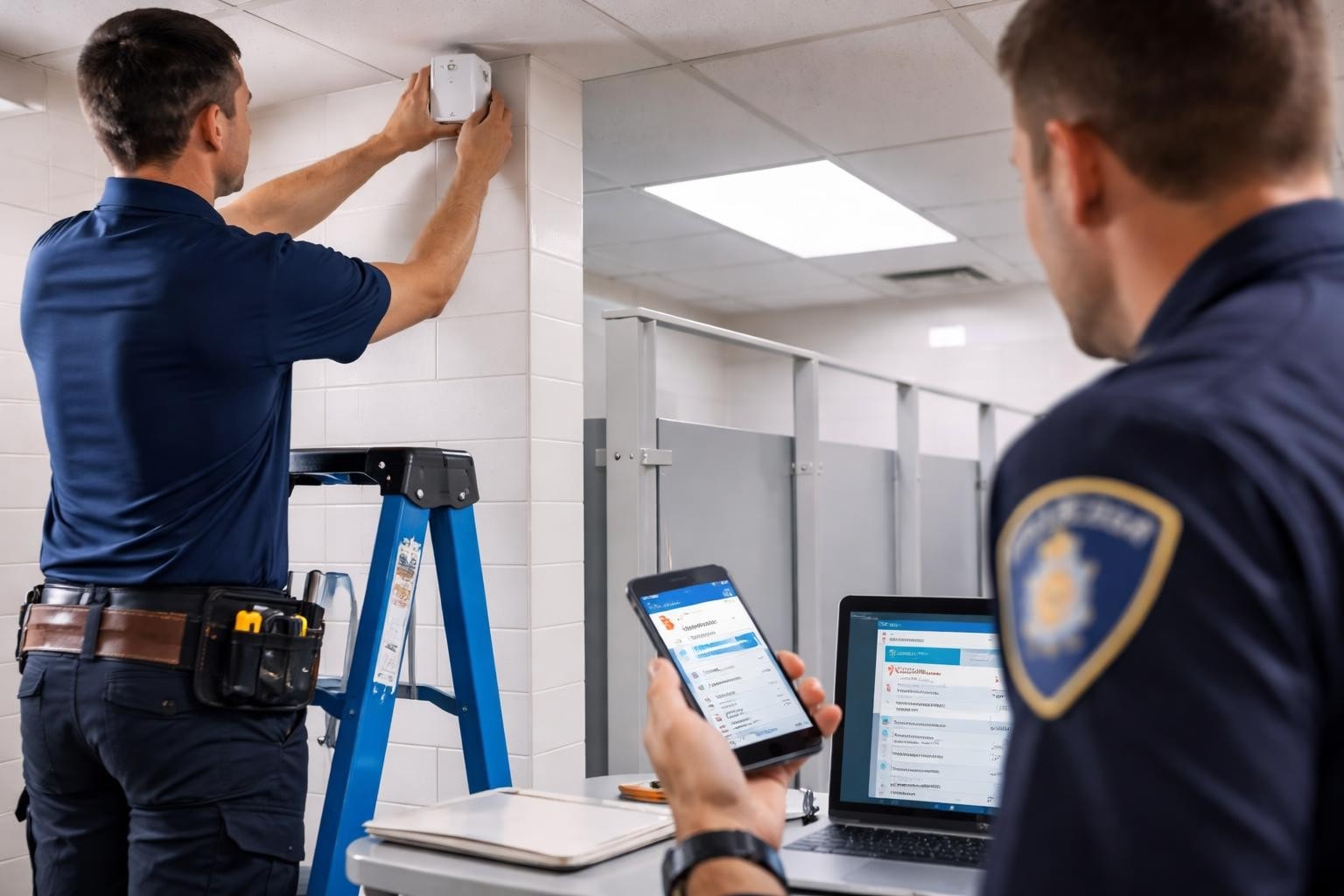
Schools across the United Kingdom face an escalating challenge as vaping among young people continues to rise at an alarming rate. What began as an alternative to traditional smoking has evolved into a significant safeguarding concern, with pupils using vaping devices in toilets, changing rooms, and other secluded areas throughout school premises. The need for effective vaping detection for schools has never been more pressing, as educational institutions balance student welfare, regulatory compliance, and the creation of healthy learning environments. Modern technology now offers sophisticated solutions that can identify vaping incidents in real time, providing schools with the tools they need to address this growing epidemic whilst maintaining student privacy and dignity.
Understanding the Vaping Crisis in UK Schools
The prevalence of vaping among school-aged children has reached concerning levels, with recent studies indicating substantial increases in usage across all age groups. Secondary schools report daily incidents of students vaping on premises, often in spaces designed to be outside direct supervision. This trend poses significant health risks to developing lungs and brains, whilst also creating compliance challenges for schools working to maintain smoke-free environments.
Traditional monitoring methods have proven inadequate for addressing this issue. Staff members cannot be present in every toilet cubicle or changing area, and reactive approaches only catch incidents after they occur. Vaping surveillance in schools has become an essential topic as educational leaders seek proactive solutions that respect student privacy whilst ensuring safety.
The impact extends beyond immediate health concerns. Schools face reputational damage when vaping becomes normalised on their premises, and the presence of vaping can indicate broader behavioural issues requiring intervention. Many educational institutions now recognise that addressing this growing epidemic requires technology-driven solutions rather than relying solely on traditional disciplinary measures.

How Vaping Detection Technology Works
Modern vaping detection for schools relies on sophisticated sensor technology capable of identifying specific chemical signatures associated with vaping products. These sensors operate differently from traditional smoke detectors, using advanced algorithms to distinguish between vaping aerosols, smoke, and normal environmental conditions.
Sensor Capabilities and Detection Methods
The core technology analyses air quality in real time, monitoring for particulate matter and specific chemical compounds found in vaping products. When a vaping device is used, it releases a distinctive aerosol containing glycerine, propylene glycol, and various flavouring compounds. Detection systems identify these substances within seconds, triggering immediate alerts to designated staff members.
Key detection capabilities include:
- Chemical analysis of air composition for vaping-specific compounds
- Particulate matter monitoring to identify aerosol releases
- Sound detection for unusual noises indicating anti-social behaviour
- Temperature and humidity tracking for comprehensive environmental monitoring
- THC detection for identifying cannabis vaping products
The sophistication of smart sensor technology means schools receive accurate alerts without false positives from hairspray, deodorant, or other common bathroom products. This precision ensures staff respond only to genuine incidents, maintaining trust and efficiency.
Real-Time Alert Systems
Once a sensor detects vaping activity, the system immediately notifies relevant personnel through multiple channels. Designated staff members receive alerts via mobile applications, email, or desktop notifications, allowing rapid response whilst incidents are still occurring. This immediacy proves crucial for intervention effectiveness and deterrence.
| Alert Feature | Benefit | Response Time |
|---|---|---|
| Instant notifications | Immediate staff awareness | Under 10 seconds |
| Location identification | Precise incident mapping | Immediate |
| Incident logging | Compliance documentation | Automatic |
| Pattern analysis | Trend identification | Ongoing |
Strategic Implementation in Educational Settings
Successfully deploying vaping detection for schools requires careful planning and stakeholder engagement. Schools must consider placement strategy, integration with existing systems, and communication with students, parents, and staff.
Optimal Sensor Placement
The effectiveness of detection systems depends significantly on strategic sensor placement. High-risk areas require priority coverage, with schools typically focusing on locations where supervision is naturally limited.
Primary installation locations include:
- Student toilets and washroom facilities
- Changing rooms adjacent to sports facilities
- Stairwells and corridor endpoints
- Storage areas and utility spaces
- Outdoor sheltered spaces near building entrances
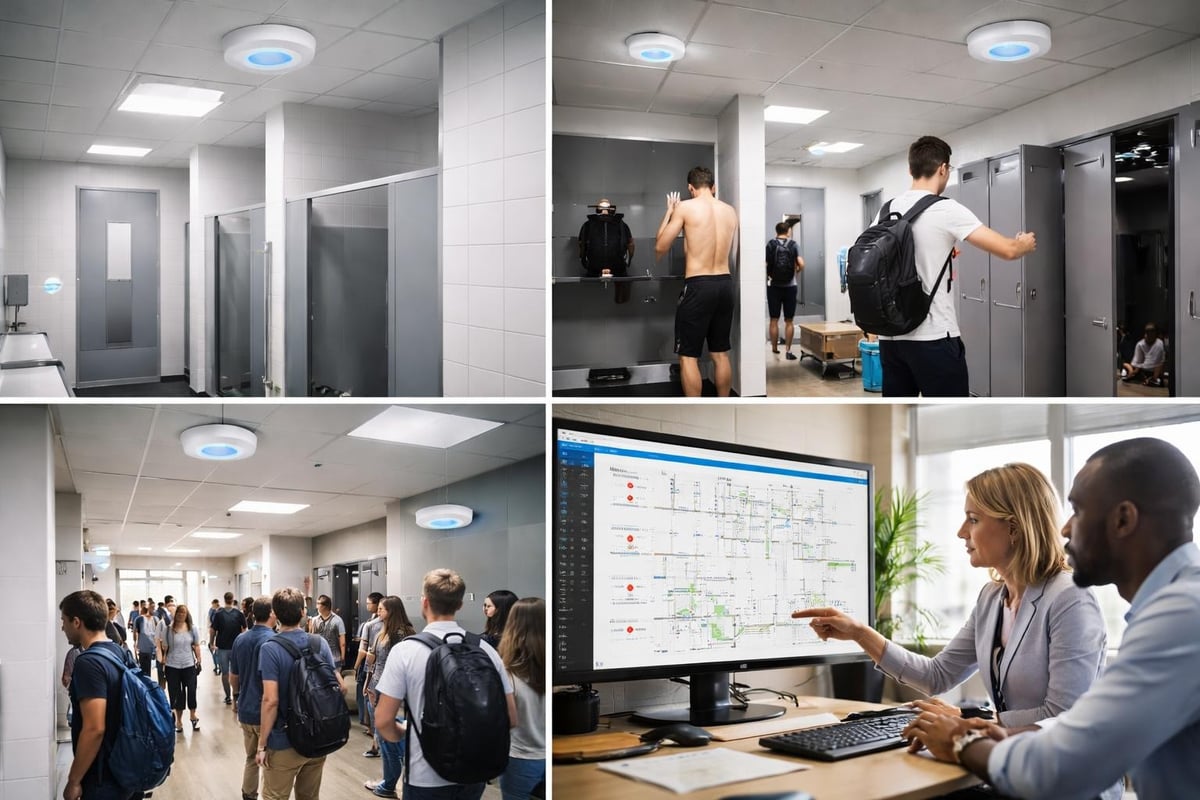
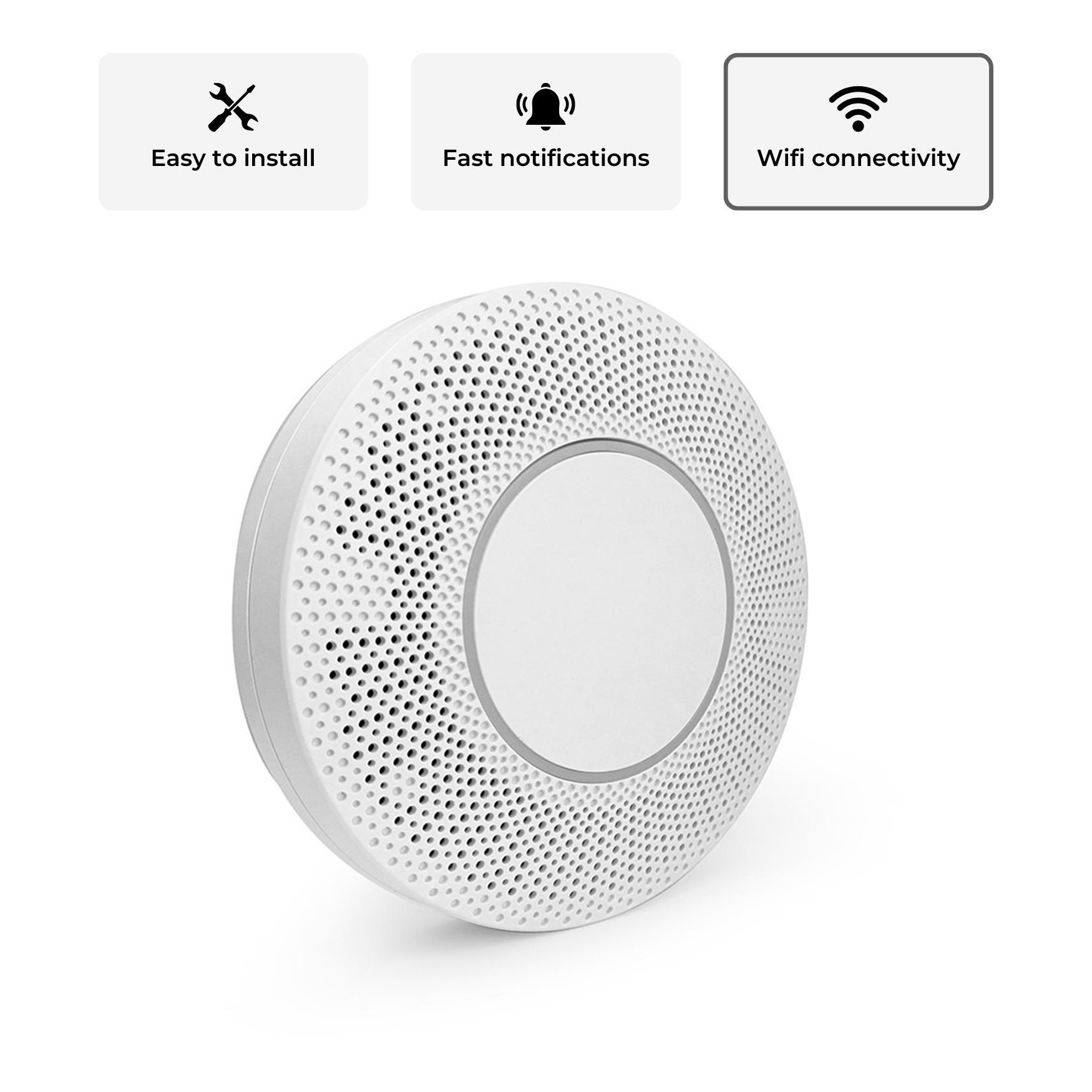
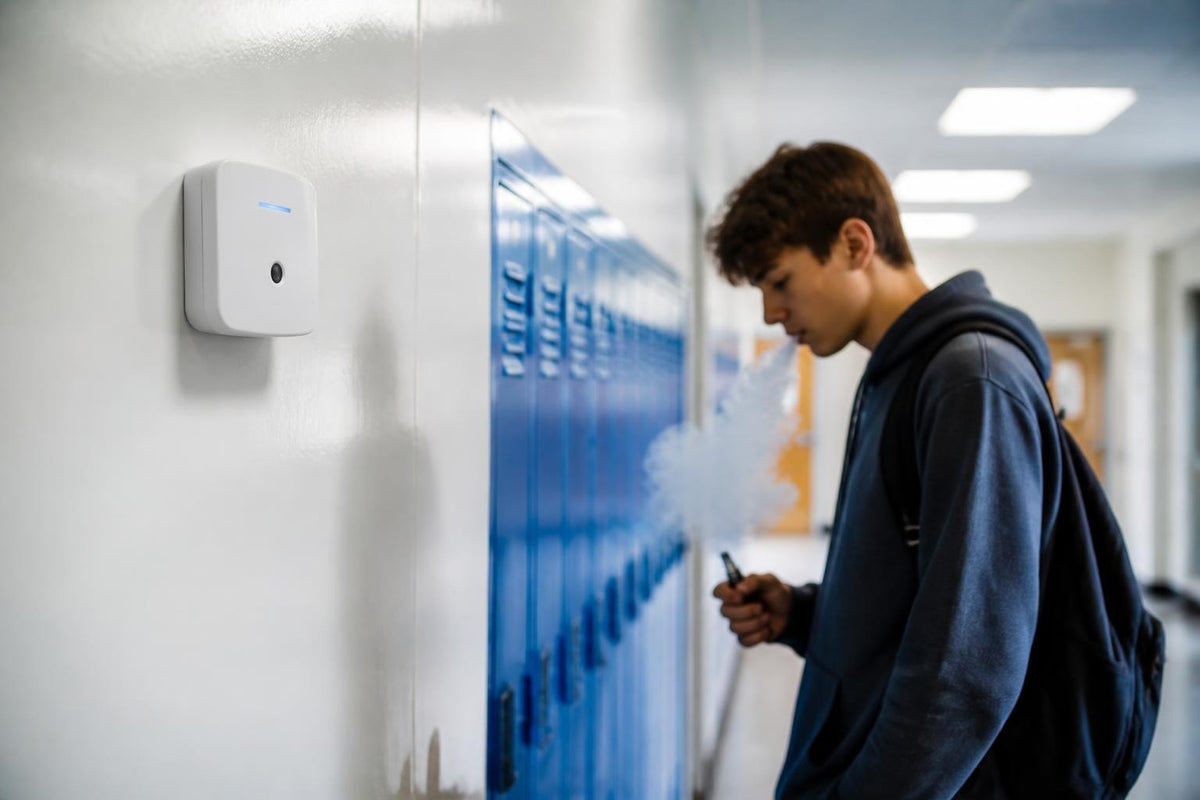
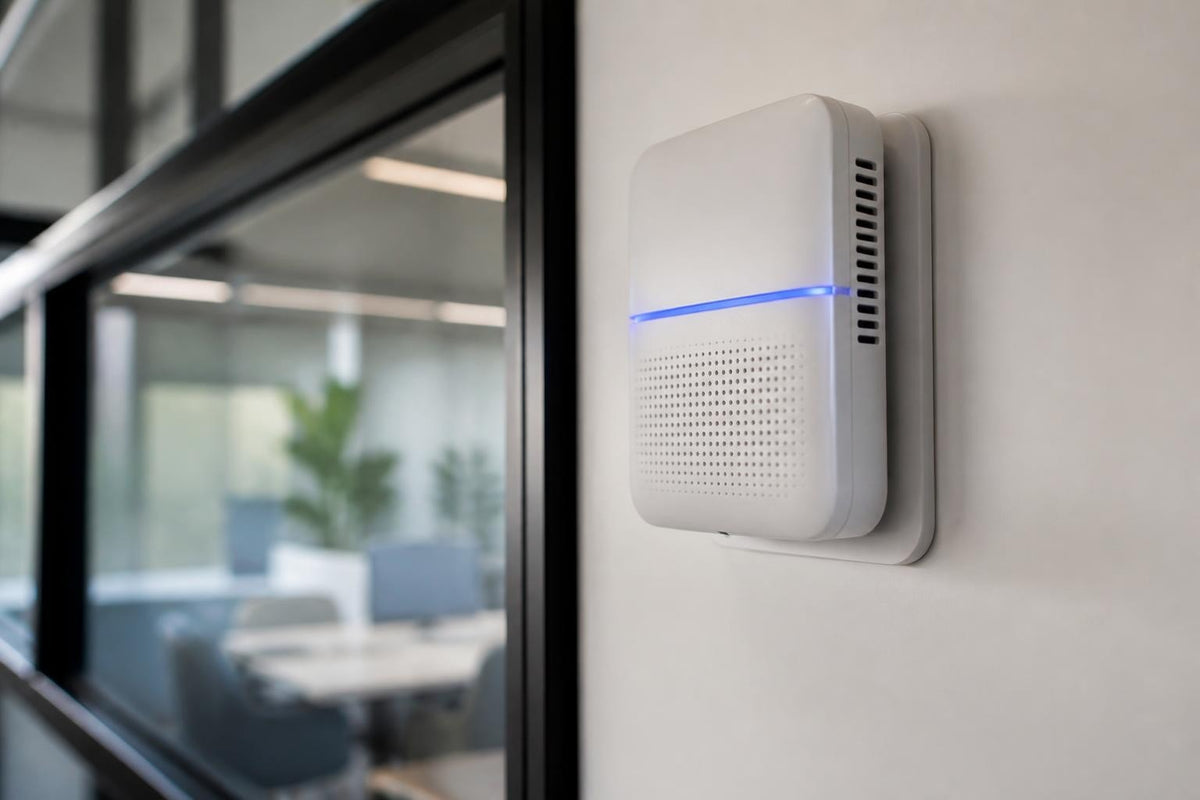
Vape detectors for education are designed specifically for these environments, with discreet housings that blend into existing infrastructure whilst providing comprehensive coverage. Multiple sensors throughout larger facilities ensure no area remains unmonitored.
Integration with School Management Systems
Modern vaping detection for schools operates most effectively when integrated with broader school management platforms. This integration enables centralised monitoring, streamlined incident reporting, and comprehensive data analysis for safeguarding reviews.
The Vape Detection System provides both hardware sensors and sophisticated software that connects seamlessly with existing school networks. Schools can access real-time dashboards showing current air quality status across all monitored areas, historical incident data, and trend analysis that informs policy decisions. This comprehensive approach transforms vaping detection from a reactive discipline tool into a proactive safeguarding resource.
Legal and Compliance Considerations
Educational institutions implementing vaping detection for schools must navigate various legal frameworks governing student privacy, data protection, and safeguarding responsibilities. Understanding these requirements ensures compliant implementation that protects both students and the institution.
Data Protection and Privacy Requirements
Under GDPR and UK data protection legislation, schools must handle detection data responsibly. Sensor systems should collect only necessary information, typically limited to time, location, and detection type. Modern systems do not record audio conversations or capture images, focusing purely on environmental monitoring that respects privacy whilst enabling safety interventions.
Schools must establish clear policies regarding:
- Data retention periods for incident records
- Access controls determining who can view detection alerts
- Information sharing protocols with parents and authorities
- Student rights to understand monitoring systems in place
Transparency proves essential. Designated Safeguarding Leads should communicate openly with students about where sensors are installed and how detection systems support wellbeing rather than punish behaviour.
Health and Safety Obligations
Schools have statutory duties to provide safe environments for students and staff. The presence of vaping introduces health risks through secondhand exposure and normalisation of addictive behaviours. Implementing vaping detection for schools demonstrates fulfilment of these obligations by actively monitoring and responding to potential health hazards.
Documentation from detection systems supports compliance reporting, providing evidence of proactive measures to regulators and governing bodies. This documentation becomes particularly valuable during Ofsted inspections or safeguarding reviews.
Staff Training and Response Protocols
Technology alone cannot address vaping in schools. Effective implementation requires comprehensive staff training and clear response protocols that turn alerts into meaningful interventions.
Developing Response Procedures
When alerts occur, staff need predefined procedures that balance immediate response with appropriate escalation. Best practices for handling vaping alerts emphasise calm, educational approaches rather than purely punitive responses.
A typical response protocol includes:
- Immediate acknowledgment of the alert by designated responder
- Discreet attendance at the location to verify the incident
- Student identification and removal to private space
- Incident logging with relevant details for safeguarding records
- Follow-up intervention focusing on health education and support
Schools using school compliance monitoring systems benefit from automated logging that reduces administrative burden whilst ensuring thorough record keeping.
Role-Specific Training Requirements
Different staff members require tailored training based on their responsibilities. Senior leadership teams need strategic understanding of system capabilities and policy implications, whilst pastoral staff require detailed knowledge of intervention techniques and safeguarding procedures.
| Staff Role | Training Focus | Duration |
|---|---|---|
| Senior leaders | Policy and strategy | 2 hours |
| Safeguarding leads | Intervention protocols | 3 hours |
| Pastoral staff | Student support approaches | 2.5 hours |
| Facilities managers | Technical operation | 1.5 hours |
Cost-Benefit Analysis for Schools
Investing in vaping detection for schools represents a significant financial commitment, requiring justification to governors, trustees, and budget holders. Understanding the full cost-benefit picture helps secure necessary funding and demonstrates value for money.
Initial Investment and Ongoing Costs
The financial outlay for detection systems includes hardware purchase, installation, software subscriptions, and staff training. Schools typically budget between £5,000 and £20,000 for comprehensive coverage, depending on building size and the number of sensors required.
Ongoing costs encompass:
- Annual software licensing for monitoring platforms
- Periodic sensor calibration and maintenance
- Replacement units for damaged or outdated equipment
- Training refreshers as staff change
These expenses must be weighed against the costs of unaddressed vaping, including staff time spent investigating incidents reactively, potential health claims from secondhand exposure, and reputational damage affecting student recruitment.
Measurable Benefits and Return on Investment
Schools implementing vaping detection for schools report substantial benefits that justify initial investments. The primary advantage lies in incident reduction, with many institutions seeing 60-80% decreases in vaping incidents within the first academic year following installation.
Additional benefits include improved air quality throughout school premises, enhanced staff confidence in managing behavioural issues, and strengthened safeguarding practices that protect vulnerable students. Multi-academy trusts implementing systems across multiple sites benefit from economies of scale and standardised approaches to this challenge.

Student Engagement and Education
Whilst detection technology provides enforcement capabilities, lasting change requires student understanding and behaviour modification. Progressive schools combine vaping detection for schools with comprehensive education programmes that address the root causes of vaping uptake.
Creating Awareness Without Stigmatisation
Students respond better to transparent communication about detection systems than discovering them through disciplinary action. Schools should introduce systems through assemblies and PSHE lessons, explaining the health rationale rather than framing implementation purely as rule enforcement.
Students and vape detection resources help young people understand why schools invest in these technologies. Emphasis on health protection, air quality improvement, and creating comfortable environments for all students resonates more effectively than punitive messaging.
Peer Education Programmes
Empowering students to educate their peers creates sustainable culture change. Schools training student ambassadors to deliver age-appropriate vaping education see greater engagement and behaviour modification than adult-led interventions alone. These programmes complement technological solutions by addressing the social factors that drive vaping adoption.
Technical Specifications and Selection Criteria
Schools evaluating different vaping detection for schools solutions must understand key technical specifications that determine system effectiveness and suitability for educational environments.
Sensitivity and Accuracy Metrics
Detection sensitivity determines how quickly and reliably systems identify vaping incidents. Premium systems detect vaping within 3-5 seconds of device activation, with accuracy rates exceeding 95% for distinguishing vaping from other aerosols. This precision prevents alert fatigue from false positives whilst ensuring genuine incidents trigger responses.
Important specifications include:
- Detection range covering typical toilet cubicle or changing room areas
- Chemical specificity identifying vaping products versus permitted items
- Environmental resilience maintaining accuracy despite humidity and temperature variations
- Battery backup ensuring continuous operation during power interruptions
Connectivity and Integration Options
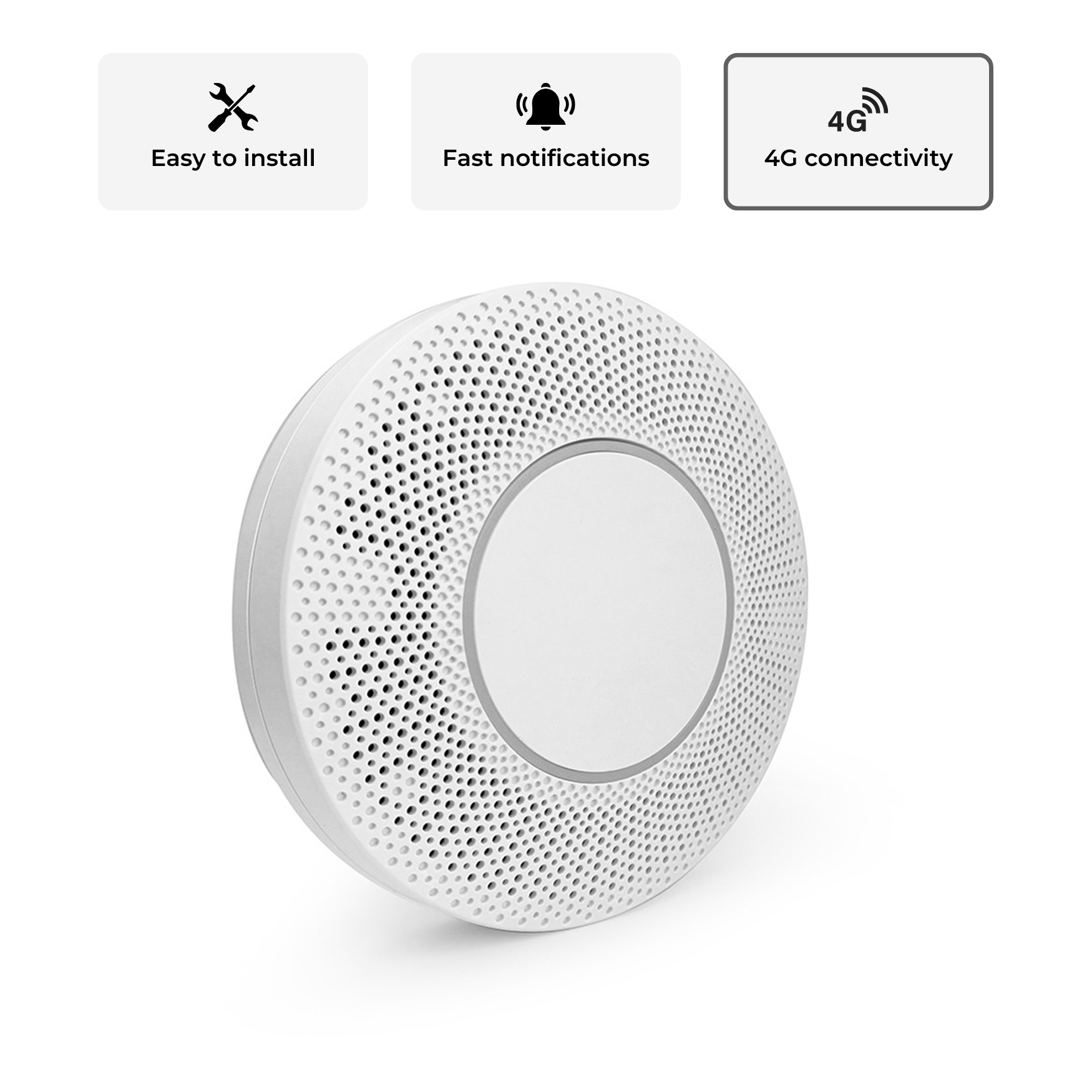
Modern vaping detection for schools requires reliable connectivity for real-time alerting. Systems typically offer Wi-Fi, cellular, or ethernet connectivity options, with schools choosing based on existing network infrastructure and coverage reliability.
| Connectivity Type | Advantages | Considerations |
|---|---|---|
| Wi-Fi | Uses existing infrastructure | Requires strong signal throughout |
| Cellular (4G/5G) | Independent of school network | Ongoing data costs |
| Ethernet | Most reliable connection | Installation complexity |
| Hybrid | Redundancy and flexibility | Higher equipment costs |
Integration capabilities with existing school management information systems, safeguarding software, and building management platforms streamline operations and reduce administrative overhead.
Addressing Common Implementation Challenges
Schools deploying vaping detection for schools encounter predictable challenges during implementation. Anticipating these obstacles and planning mitigation strategies ensures smoother deployment and sustained effectiveness.
Student Attempts at Circumvention
Students may attempt to defeat detection systems through various methods, from covering sensors to experimenting with detection thresholds. Quality systems resist common circumvention attempts through tamper alerts, sealed housings, and algorithms that identify interference patterns.
Schools should respond to circumvention attempts not with punishment alone but with educational conversations about why students feel compelled to vape despite health risks and school rules. This approach addresses underlying issues whilst maintaining system integrity.
Balancing Privacy and Monitoring
Concerns about privacy and surveillance culture require careful navigation. Schools must communicate that vaping detection for schools focuses on environmental monitoring rather than individual surveillance. Systems that avoid audio recording or image capture respect privacy whilst enabling safety interventions.
Transparent policies, clear signage indicating monitored areas, and regular reviews with student councils and parent groups build trust and acceptance. The goal remains creating safer environments, not criminalising young people experimenting with vaping.
Future Developments in Detection Technology
The field of vaping detection for schools continues evolving rapidly, with emerging technologies promising enhanced capabilities and broader applications.
Artificial Intelligence and Pattern Recognition
Next-generation systems incorporate machine learning algorithms that improve detection accuracy over time. These systems learn normal environmental patterns for each location, identifying anomalies that might indicate vaping or other concerning behaviours with increasing precision.
AI-powered analytics also identify trends invisible to manual review, such as correlation between specific times, days, or events and vaping incidents. This intelligence informs targeted interventions and policy adjustments.
Expanded Detection Capabilities
Beyond vaping, advanced sensors now detect additional substances and behaviours relevant to school safety. Modern systems identify cannabis smoke, aggressive sounds indicating bullying or violence, and even chemical signatures associated with certain drugs. This expansion transforms vaping detection for schools into comprehensive safety monitoring platforms.
Integration with air quality monitoring provides additional value, alerting facilities managers to ventilation issues, cleaning chemical exposure, or other environmental concerns affecting student and staff health. Schools investing in these systems benefit from multi-purpose functionality that extends beyond vaping detection alone.
Case Studies from UK Educational Institutions
Real-world implementations of vaping detection for schools demonstrate practical outcomes and lessons learned from early adopters across the United Kingdom.
Secondary School in Greater Manchester
A 1,200-student comprehensive school installed sensors throughout toilet facilities and changing rooms after staff reported daily vaping incidents. Within three months, detected incidents decreased by 72%, with most alerts occurring during the first six weeks as students adjusted to the new reality.
The school reported improved air quality, reduced vandalism in monitored areas, and enhanced staff confidence in addressing vaping behaviours. Initial student resistance transformed into acceptance as health education accompanied technology deployment.
Multi-Academy Trust in the Midlands
A trust covering five secondary schools implemented standardised vaping detection for schools across all sites. Centralised monitoring enabled the trust's safeguarding team to identify patterns across schools, including peak incident times and concerning trends requiring intervention.
Cost savings from reduced cleaning requirements in previously smoke-affected areas and decreased staff time investigating incidents helped offset system costs within 18 months. The trust now considers detection systems essential infrastructure for new academy acquisitions.
Selecting the Right Provider and System
Schools must evaluate multiple factors when selecting vaping detection for schools solutions, ensuring chosen systems meet specific needs whilst providing reliable long-term support.
Evaluation Criteria for System Selection
Beyond technical specifications, schools should assess:
- UK-based support ensuring responsive assistance during incidents
- Proven educational sector experience demonstrating understanding of school-specific requirements
- Comprehensive training programmes for various staff roles
- Scalability allowing expansion as needs evolve
- Data security certifications confirming GDPR compliance
References from similar schools provide valuable insights into real-world performance and supplier reliability. Frequently asked questions resources help schools understand what to expect during implementation and operation.
Total Cost of Ownership Considerations
Initial pricing represents only part of the financial picture. Schools should request detailed total cost of ownership projections covering five-year periods, including all hardware, software, training, maintenance, and support costs.
Transparent pricing structures without hidden fees or mandatory upgrades demonstrate supplier integrity and enable accurate budget planning. Some providers offer flexible payment options or lease arrangements that spread costs across multiple budget years.
Implementing effective vaping detection for schools requires balancing technology, policy, education, and student support to create environments where young people can learn without exposure to vaping risks. The right systems provide schools with actionable intelligence whilst respecting privacy and dignity. Vape Guardian delivers advanced detection solutions specifically designed for educational settings, combining reliable hardware with comprehensive support that helps UK schools tackle vaping challenges effectively. Their commitment to safeguarding excellence ensures schools receive not just technology, but genuine partnership in creating healthier learning environments for all students.




Share:
Detect Vaping in Bathrooms: Evidence & Technology
Real Time Air Quality Monitoring: 2026 Guide