
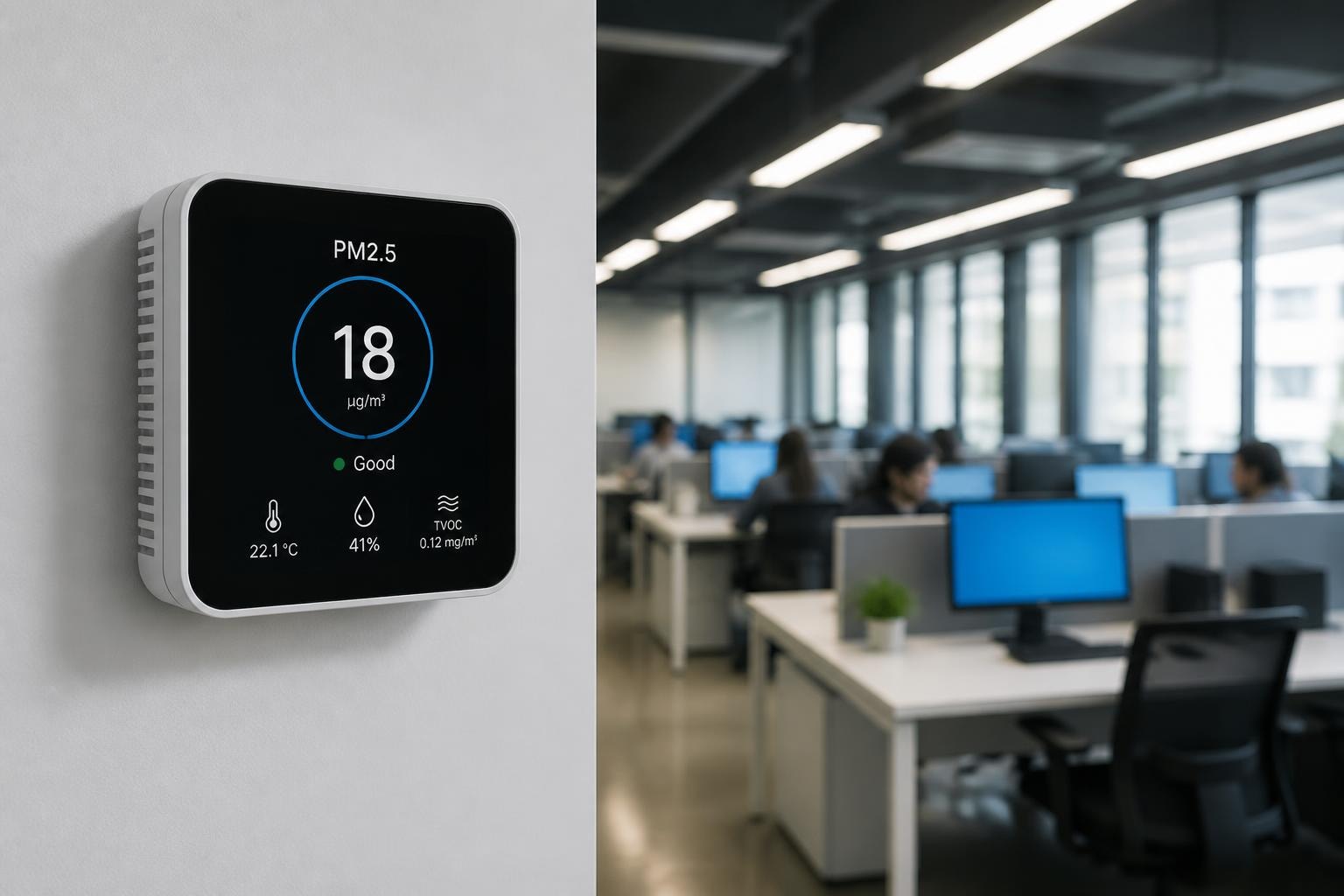
The quality of the air we breathe has become a paramount concern for institutions, businesses, and communities across the United Kingdom. As awareness grows about airborne pollutants, volatile organic compounds, and particulate matter, organisations are turning to sophisticated monitoring solutions to protect occupants and maintain compliance with health standards. Understanding how these systems work, what they detect, and their practical applications is essential for making informed decisions about environmental safety in 2026.
Understanding Real Time Air Quality Monitoring Technology
Real time air quality monitoring represents a significant advancement from traditional periodic sampling methods. These systems continuously measure atmospheric conditions and provide instant feedback when pollutant levels exceed predetermined thresholds. Unlike laboratory analysis that might take days or weeks to produce results, modern monitoring solutions deliver actionable data within seconds.
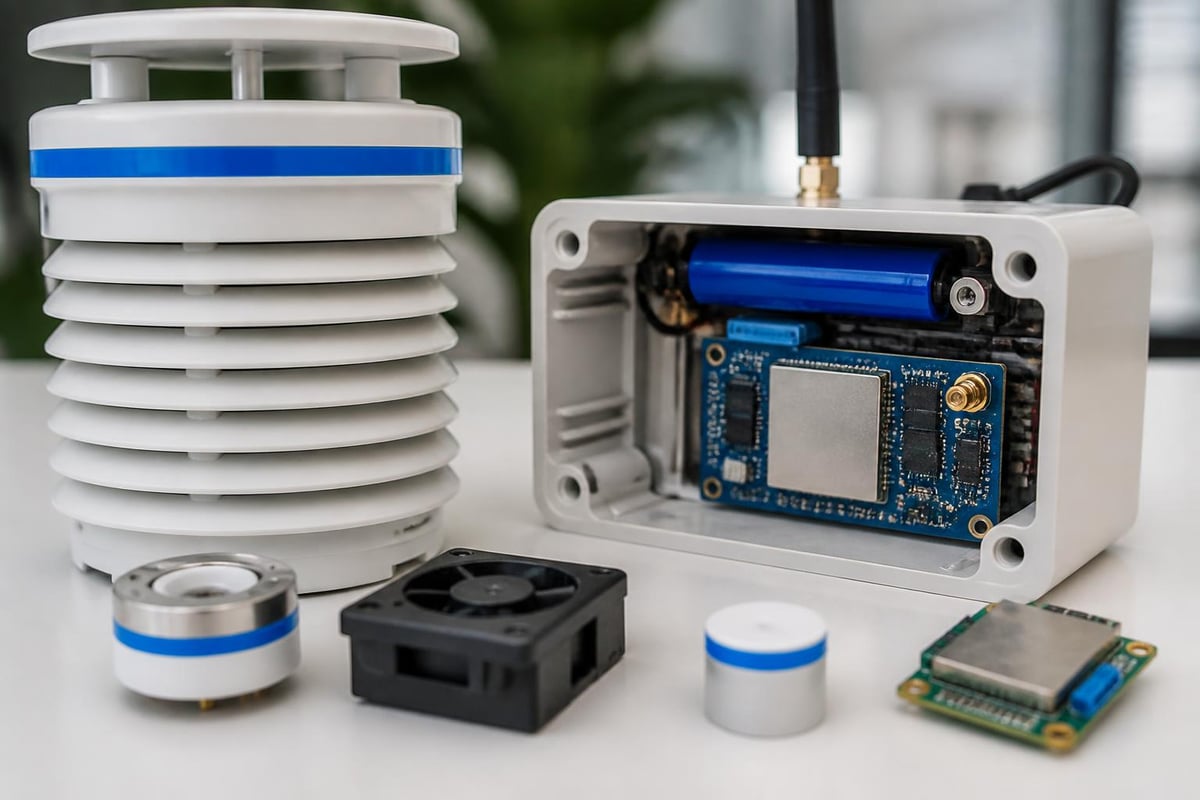
The technology relies on several sensor types working in concert. Electrochemical sensors detect specific gases through chemical reactions that generate measurable electrical signals. Optical particle counters use laser technology to identify and count particulate matter of various sizes. Metal oxide semiconductor sensors respond to changes in resistance when exposed to target gases, whilst photoionisation detectors measure volatile organic compounds through ultraviolet light interaction.
Core Components of Monitoring Systems
Modern monitoring infrastructure consists of multiple integrated elements that work together to provide comprehensive environmental data:
- Hardware sensors calibrated for specific pollutants and particulates
- Data processing units that analyse readings and identify threshold breaches
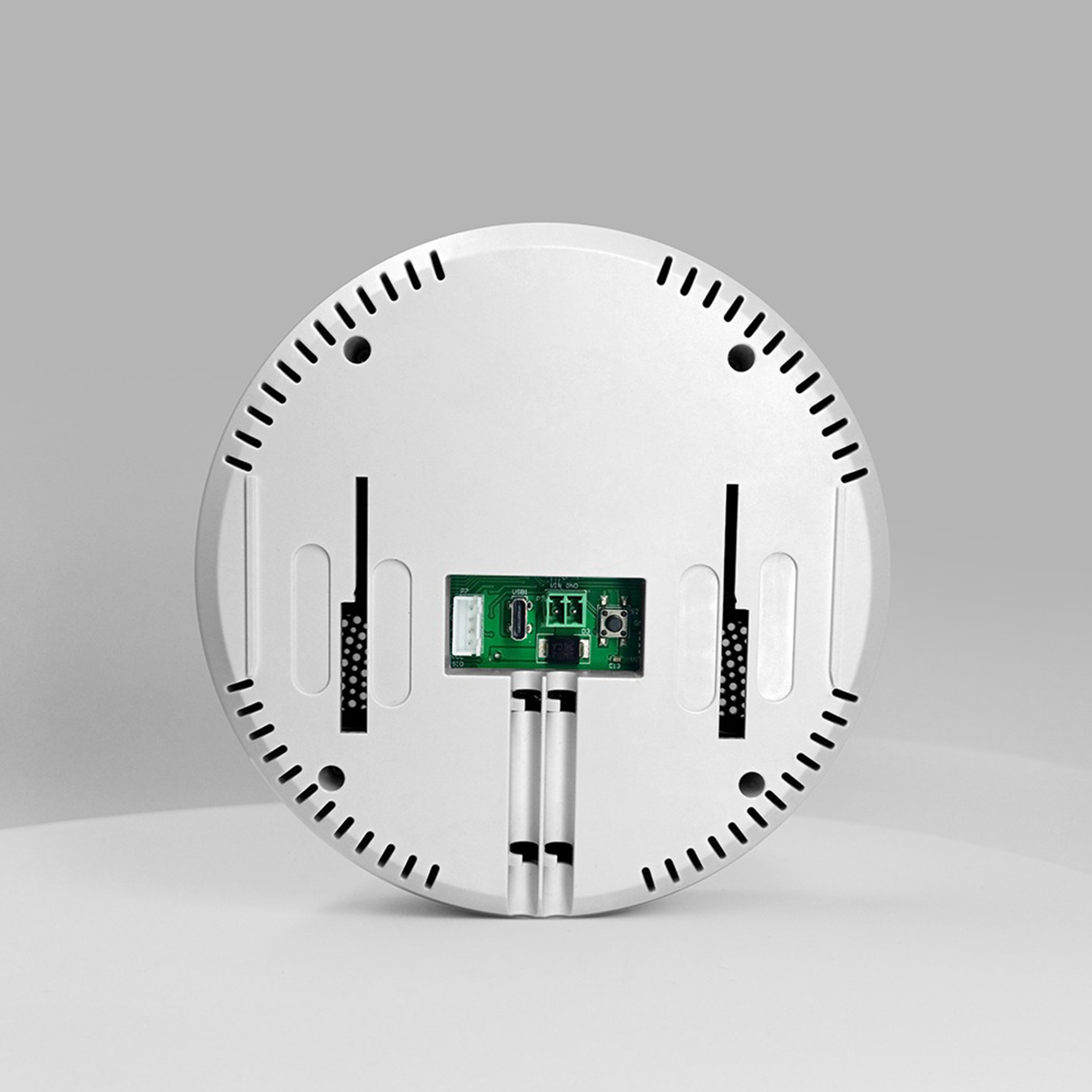
- Communication modules transmitting information via WiFi, cellular, or ethernet connections
- Alert mechanisms including notifications, visual indicators, and automated responses
- Cloud based platforms for data storage, analysis, and reporting
The EPA's Interactive Map of Air Quality Monitors demonstrates how widespread monitoring networks operate, providing public access to real time environmental data across multiple locations simultaneously.
Applications Across Different Sectors
Real time air quality monitoring serves diverse environments, each with unique requirements and compliance obligations. Educational institutions face particular challenges as they work to protect students from emerging threats whilst maintaining productive learning environments.
Educational Facilities
Schools, colleges, and universities have emerged as primary adopters of advanced monitoring technology. These institutions must address multiple air quality concerns simultaneously, from traditional pollutants to newer challenges including vaping aerosols and unauthorised substance use in toilets and changing rooms.
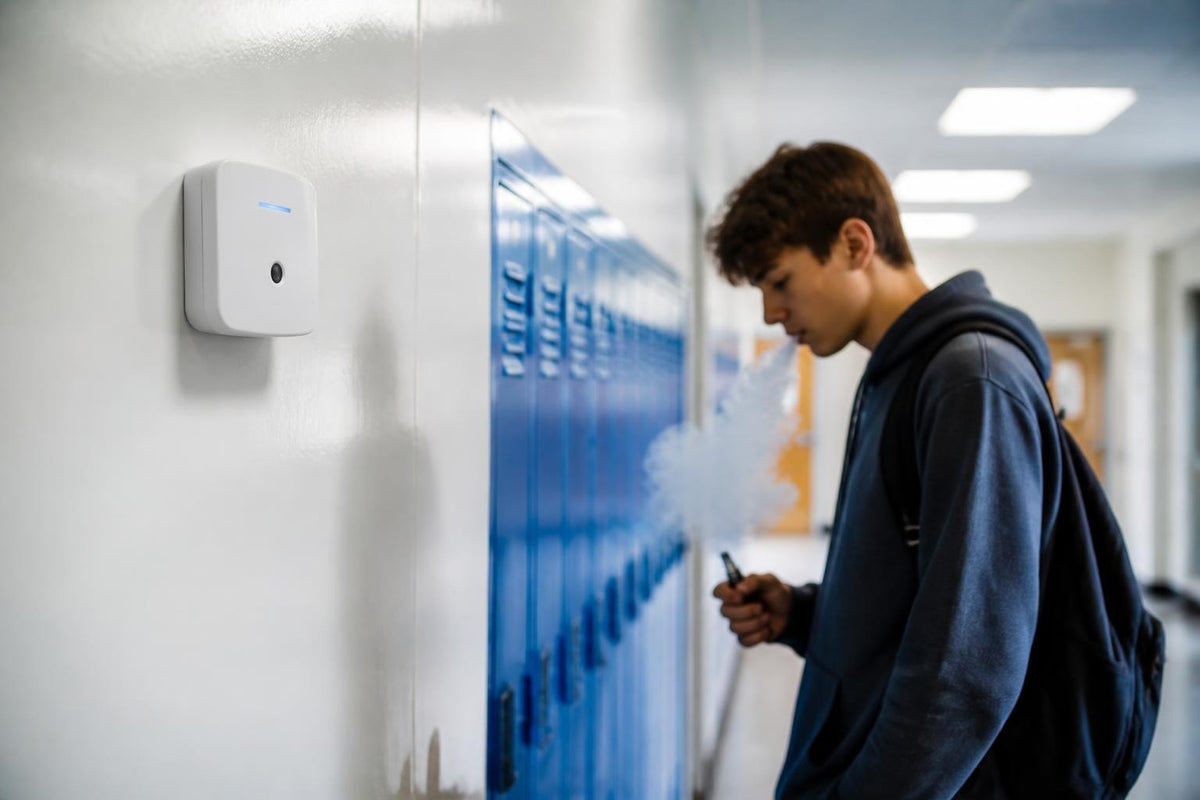
Vape detection systems for education have become essential tools for safeguarding students and enforcing policy compliance. By combining air quality sensors with substance detection capabilities, schools can identify incidents as they occur rather than discovering evidence after the fact. This proactive approach enables timely intervention and supports behaviour modification programmes.
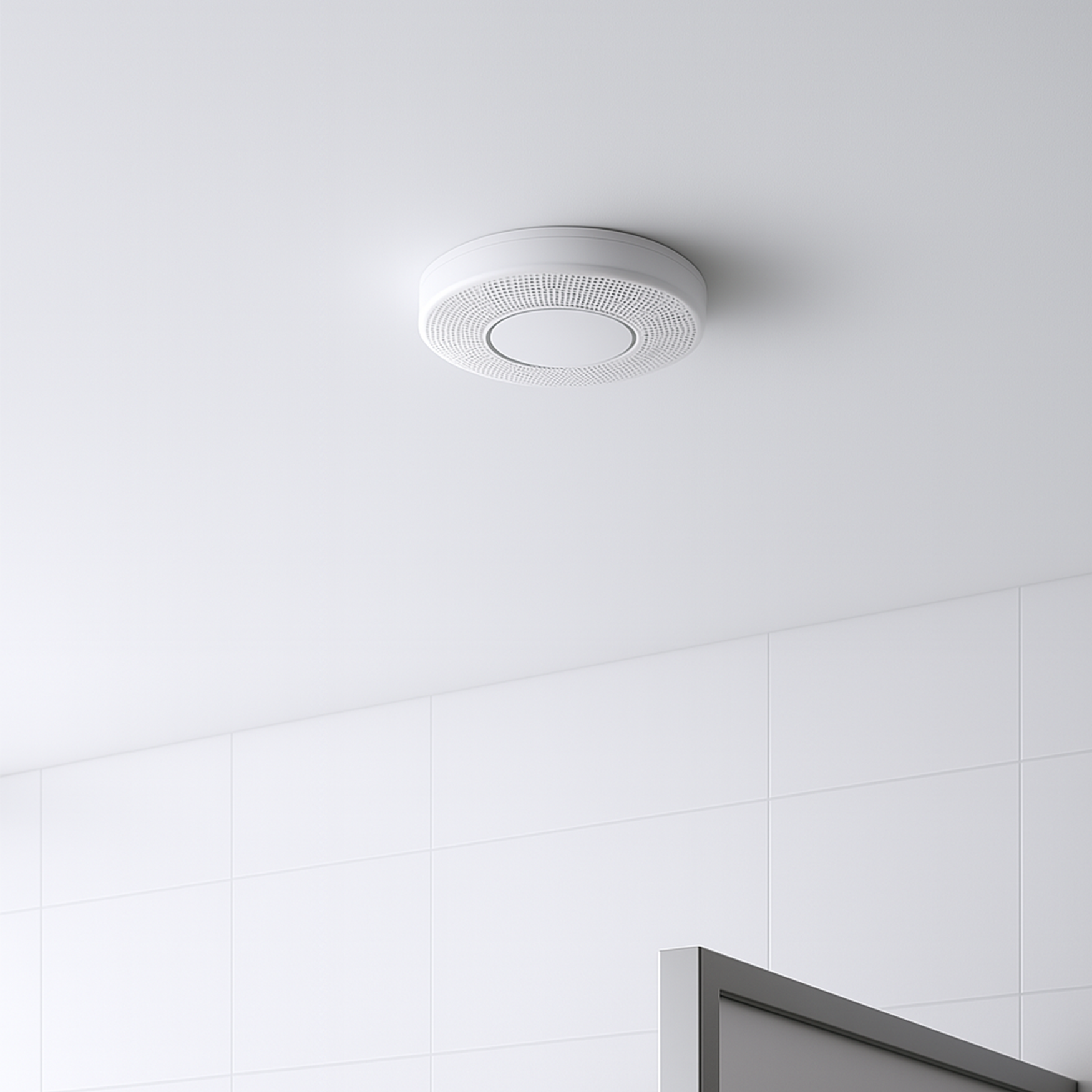
The technology proves particularly valuable in areas with limited supervision. Toilets, locker rooms, and storage areas can be monitored continuously without compromising privacy, as modern sensors detect chemical signatures rather than recording audio or video.
Commercial and Office Environments
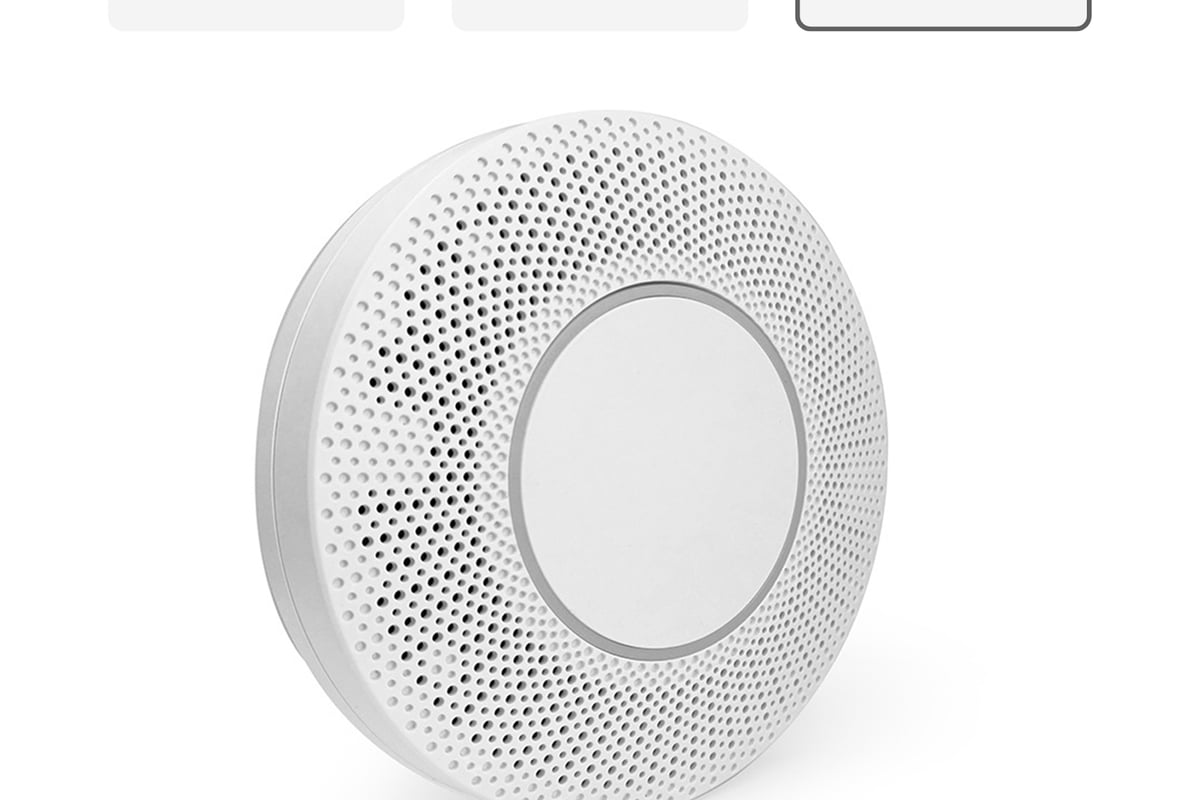
Workplace wellness has become a strategic priority for forward thinking organisations. Poor indoor air quality reduces cognitive performance, increases sick days, and diminishes employee satisfaction. Monitoring systems help facilities managers maintain optimal conditions whilst demonstrating duty of care obligations.
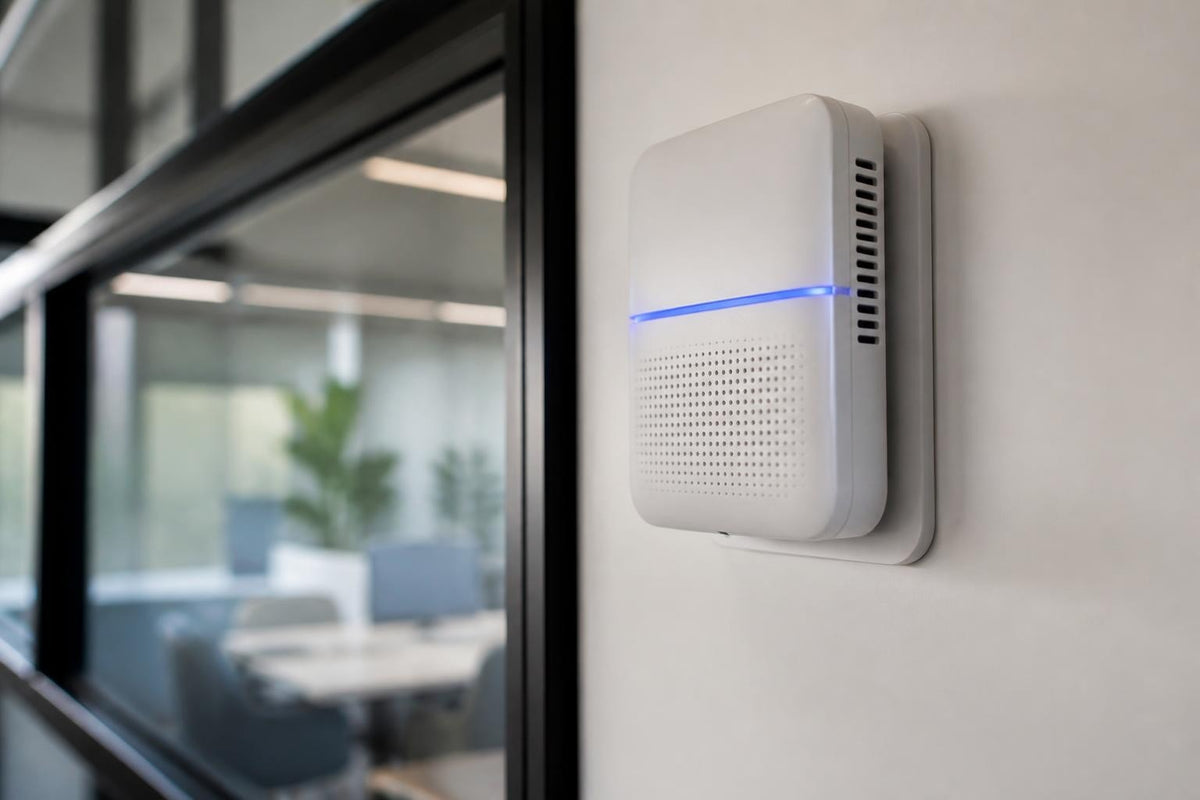
Office environments benefit from tracking carbon dioxide levels, which indicate ventilation effectiveness, alongside volatile organic compounds emitted by furnishings, cleaning products, and office equipment. When concentrations rise, automated systems can adjust HVAC settings or trigger alerts for manual intervention.
Leisure and Retail Spaces
Public facing venues including shopping centres, entertainment facilities, and hospitality establishments use real time air quality monitoring to enhance customer experience and meet regulatory requirements. Leisure and retail applications often focus on maintaining comfortable environments that encourage extended visits whilst preventing prohibited activities.
Changing rooms, toilets, and other semi private areas present similar challenges to those found in educational settings. Monitoring technology enables venue operators to respond quickly to incidents, maintain facility standards, and protect vulnerable visitors.
Key Pollutants and Detection Parameters
Effective monitoring requires understanding which substances pose risks and how they behave in different environments. The following table outlines common pollutants and their significance:
| Pollutant | Health Impact | Typical Sources | Detection Method |
|---|---|---|---|
| Particulate Matter (PM2.5/PM10) | Respiratory irritation, cardiovascular stress | Combustion, aerosols, dust | Optical particle counting |
| Carbon Dioxide (CO2) | Drowsiness, reduced cognition | Human respiration, combustion | Non dispersive infrared sensing |
| Volatile Organic Compounds | Headaches, irritation, long term health effects | Cleaning products, furnishings, vaping devices | Photoionisation, metal oxide sensors |
| Carbon Monoxide (CO) | Poisoning, asphyxiation | Incomplete combustion, faulty heating | Electrochemical sensing |
| Nitrogen Dioxide (NO2) | Respiratory inflammation | Vehicle emissions, gas appliances | Electrochemical sensing |
Understanding these parameters helps organisations configure monitoring systems appropriately for their specific needs. A school might prioritise VOC detection to identify vaping, whilst an industrial facility focuses on carbon monoxide levels.
Emerging Contaminants
The monitoring landscape continues to evolve as new substances of concern emerge. Vaping aerosols contain distinctive chemical signatures that differ from traditional tobacco smoke, requiring specialised detection algorithms. Similarly, substances used in anti social behaviour produce unique markers that well configured systems can identify.
Research into air quality monitoring methods continues to advance, with 2026 seeing improved sensor sensitivity, reduced false positive rates, and enhanced ability to distinguish between similar compounds.
Data Interpretation and Alert Systems
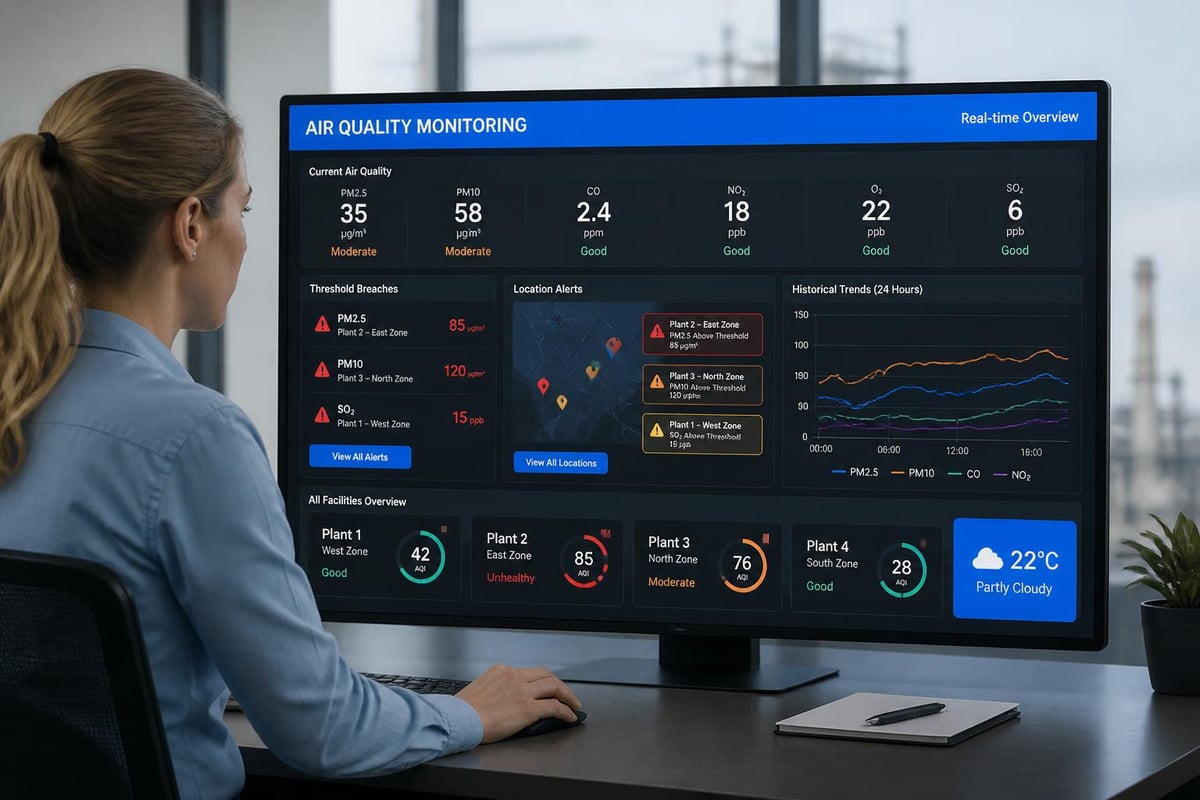
Collecting environmental data serves little purpose without effective interpretation and response mechanisms. Modern real time air quality monitoring platforms transform raw sensor readings into actionable intelligence through sophisticated analytics.
Threshold Configuration
Each environment requires customised threshold settings based on occupancy patterns, regulatory requirements, and organisational policies. A sensor might trigger different response levels:
- Advisory alerts when readings approach concerning levels, enabling preventative action
- Warning notifications when thresholds are breached, requiring investigation
- Critical alarms during severe excursions, demanding immediate intervention
- Trend analysis identifying gradual deterioration before acute problems develop
The AirNow Air Quality Index system provides a model for categorising air quality data into easily understood risk levels, a framework that indoor monitoring systems often adapt for institutional use.
Response Protocols
Alert notifications prove valuable only when supported by clear response procedures. Organisations implementing real time air quality monitoring should establish protocols addressing:
- Who receives notifications and through which channels
- Required response timeframes for different alert levels
- Investigation procedures to confirm incidents and identify causes
- Documentation requirements for compliance and pattern analysis
- Follow up actions including additional ventilation, cleaning, or policy enforcement
Best practices for handling vaping alerts demonstrate how structured response protocols transform detection capability into effective behaviour management and environmental protection.
Integration and Connectivity Considerations
Effective real time air quality monitoring depends on robust connectivity infrastructure. Sensors must reliably transmit data to processing platforms, which in turn deliver alerts to responsible personnel.
Network Architecture Options
Organisations can deploy monitoring systems using various connectivity approaches:
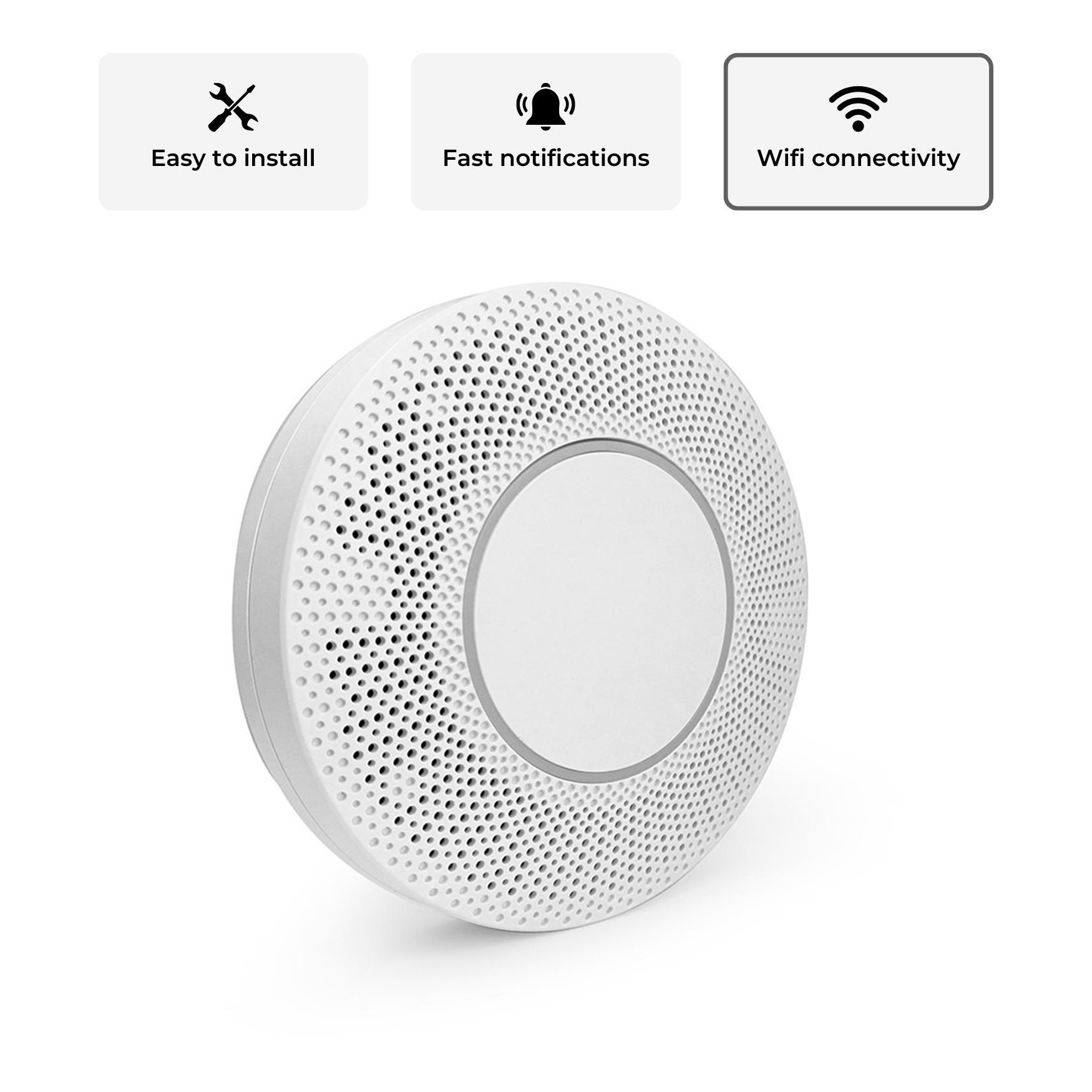
WiFi connectivity suits buildings with existing wireless infrastructure, offering high bandwidth and easy integration with other building management systems. WiFi device setup typically involves joining sensors to existing networks through straightforward configuration procedures.
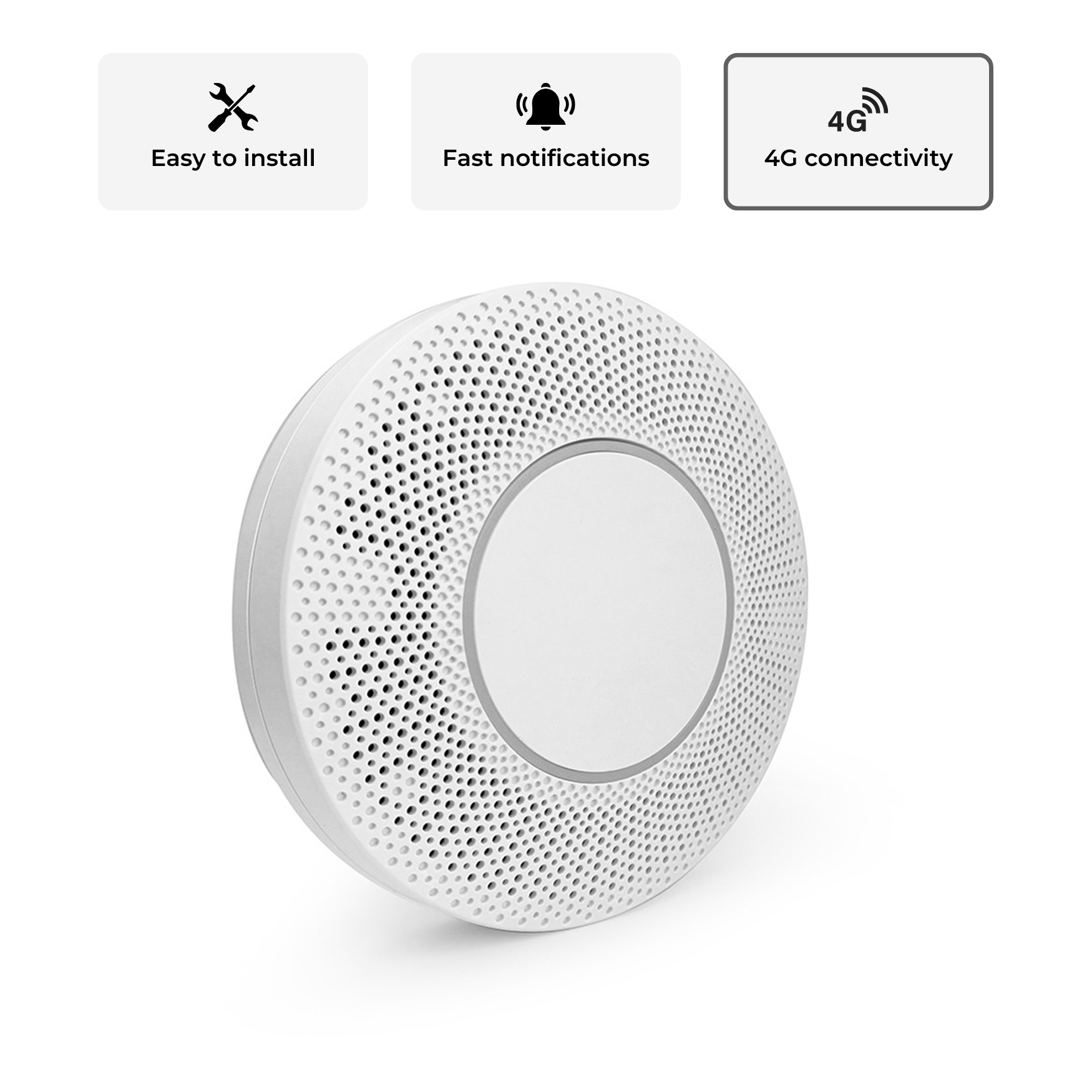
Cellular connectivity provides independence from building networks, particularly valuable in locations with unreliable WiFi or where IT policies restrict device additions. 4G and 5G connections ensure sensors maintain communication even during network disruptions.
Ethernet connections deliver maximum reliability for fixed installations, eliminating wireless interference concerns whilst supporting buildings with limited wireless coverage.
Platform Integration
Modern monitoring solutions increasingly integrate with broader building management ecosystems. Data from air quality sensors can trigger HVAC adjustments, inform cleaning schedules, and contribute to facility performance dashboards. This integration maximises the value organisations extract from their monitoring investment.
Network and connectivity resources help organisations evaluate their infrastructure capabilities and select appropriate connectivity solutions for their monitoring requirements.
Regulatory Compliance and Standards
Real time air quality monitoring serves both proactive environmental management and regulatory compliance objectives. Various frameworks govern indoor air quality across different sectors.
Educational Sector Requirements
UK schools operate under health and safety regulations requiring safe environments for students and staff. Whilst specific air quality standards vary, institutions must demonstrate reasonable measures to protect occupants from environmental hazards. Monitoring systems provide documented evidence of due diligence and enable rapid response to developing concerns.
The Department for Education's guidance on substance misuse increasingly recognises technological solutions as part of comprehensive prevention strategies. Real time detection complements education and policy enforcement, creating multi layered protection.
Workplace Regulations
The Health and Safety at Work Act 1974 and subsequent regulations establish employer obligations for workplace environmental quality. The Control of Substances Hazardous to Health Regulations (COSHH) specifically address airborne contaminants, requiring risk assessment and appropriate control measures.
Monitoring data serves multiple compliance functions:
- Demonstrating ongoing environmental surveillance
- Identifying areas requiring improved ventilation or control measures
- Providing evidence of response to identified concerns
- Supporting investigation into workplace health complaints
- Documenting long term trends for regulatory reporting
Sensor Placement and Coverage Planning
Strategic sensor placement maximises detection effectiveness whilst optimising equipment investment. Poor positioning creates blind spots or generates excessive false positives, undermining confidence in the system.
Location Selection Criteria
Effective placement considers multiple factors specific to real time air quality monitoring applications:
| Consideration | Impact on Placement | Best Practice |
|---|---|---|
| Air circulation patterns | Affects pollutant distribution | Position sensors in representative airflow paths |
| Privacy requirements | Limits installation locations | Avoid areas where monitoring could be perceived as surveillance |
| Target activity areas | Determines coverage priorities | Focus on locations where concerning activities occur |
| Environmental interference | May cause false readings | Avoid direct sunlight, moisture sources, extreme temperatures |
| Maintenance accessibility | Affects long term reliability | Ensure sensors remain reachable for calibration and service |
Schools typically prioritise toilets, changing rooms, and other semi private spaces where supervision proves challenging. Offices might focus on meeting rooms, break areas, and open plan work zones where poor air quality impacts productivity.
Coverage Density
The number of sensors required depends on building layout, detection objectives, and budget constraints. A single sensor might adequately monitor a small toilet facility, whilst large open plan offices benefit from multiple units providing comprehensive coverage.
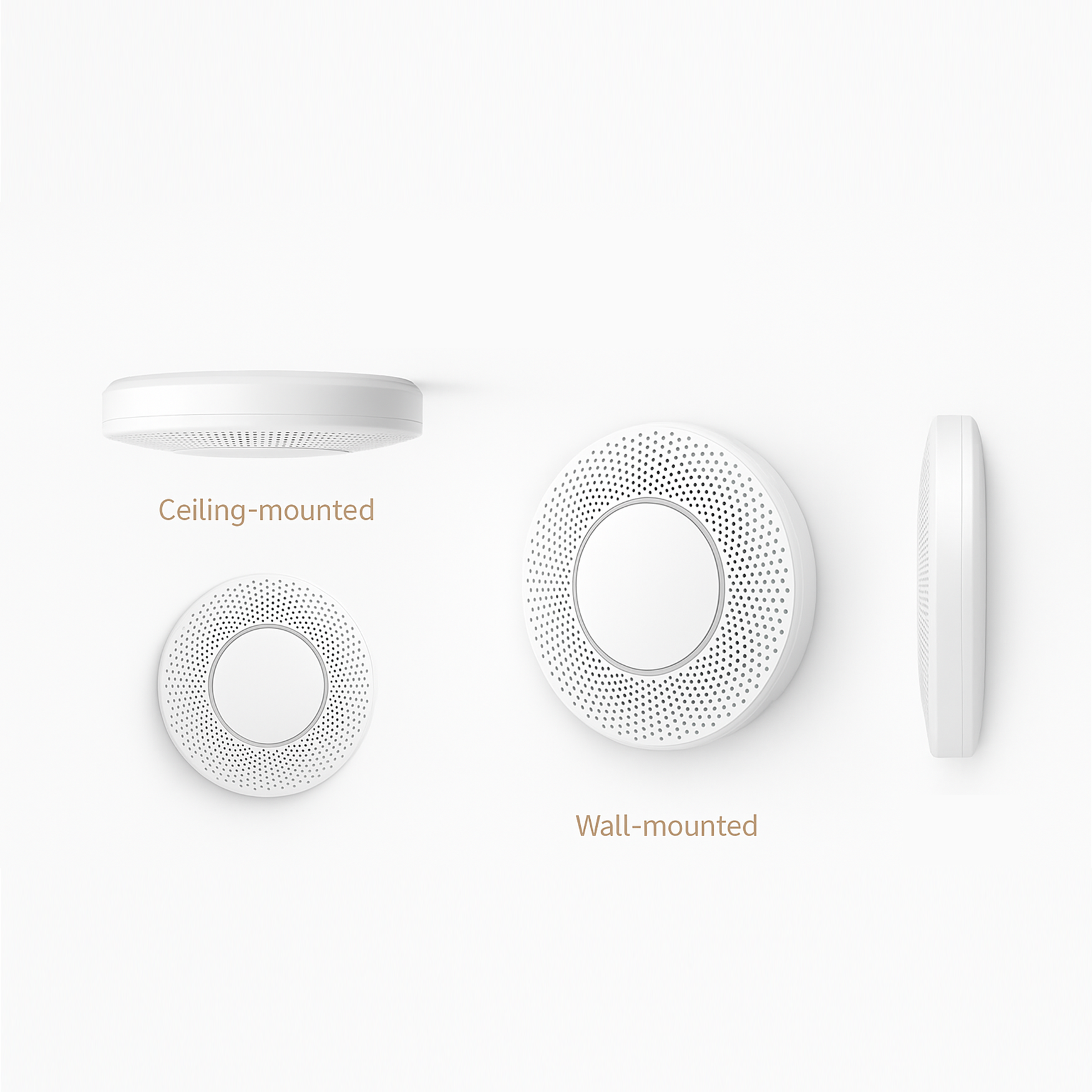
Vape Guardian sensors come in various configurations suited to different space types and monitoring requirements, enabling organisations to scale their deployment appropriately.
Advanced Analytics and Machine Learning
The evolution of real time air quality monitoring extends beyond simple threshold detection into predictive analytics and pattern recognition. Modern platforms apply machine learning algorithms to historical data, identifying subtle trends invisible to manual analysis.
Predictive Capabilities
Advanced systems analyse patterns across time, location, and environmental variables to forecast potential issues. If sensors consistently detect elevated readings during specific periods or under certain conditions, the platform can predict when similar circumstances might recur, enabling proactive intervention.
Research published in academic studies on air quality forecasting demonstrates how deep learning approaches enhance prediction accuracy, techniques increasingly incorporated into commercial monitoring platforms.
Anomaly Detection
Machine learning excels at identifying unusual patterns that might indicate equipment malfunction, unauthorised access, or emerging environmental concerns. By establishing baseline conditions for each monitored space, systems can flag deviations requiring investigation even when absolute readings remain within normal ranges.
This capability proves particularly valuable for detecting subtle changes that develop gradually. A slow degradation in ventilation effectiveness might go unnoticed through threshold monitoring alone but becomes apparent through trend analysis.
Implementation and Onboarding
Successfully deploying real time air quality monitoring requires careful planning and stakeholder engagement. Technology alone cannot deliver results without proper implementation and user adoption.
Planning Phase Considerations
Organisations should address several questions before procurement:
- What specific air quality concerns require monitoring?
- Which locations present highest risk or greatest occupancy?
- What connectivity infrastructure exists and what gaps need addressing?
- Who will receive alerts and manage responses?
- How will monitoring data integrate with existing systems?
- What budget allocation covers hardware, installation, and ongoing support?
Vape Guardian's range of sensors and accessories supports various deployment scenarios, from simple standalone installations to comprehensive networked systems spanning multiple buildings.
Staff Training and Communication
Technology implementation succeeds only when users understand the system's purpose, capabilities, and limitations. Training programmes should address:
- The rationale for monitoring and benefits to the organisation
- How sensors work and what they detect
- Appropriate responses to different alert types
- Privacy protections and data handling procedures
- Maintenance requirements and system limitations
Transparent communication prevents misconceptions and builds confidence in the technology. Students, employees, or visitors should understand that monitoring protects their health and safety rather than conducting surveillance.
Cost Considerations and Return on Investment
Real time air quality monitoring represents an investment requiring justification through tangible benefits. Organisations should evaluate both direct costs and broader value propositions.
Direct and Indirect Costs
Initial hardware procurement forms the most visible expense, but comprehensive cost analysis includes:
- Sensor units and installation hardware
- Professional installation labour or internal resource allocation
- Ongoing subscription fees for cloud platforms and data storage
- Maintenance, calibration, and eventual replacement
- Training and change management support
- Integration with existing building management systems
Subscription options often spread costs across time whilst ensuring access to platform updates and technical support.
Value Realisation
The return on monitoring investment manifests through multiple channels:
Risk mitigation prevents costly incidents through early detection. A single prevented fire from unauthorised smoking or vaping justifies substantial monitoring investment. Similarly, early identification of ventilation failures prevents widespread illness and associated productivity losses.
Regulatory compliance protects against enforcement action, reputational damage, and potential litigation. Documented evidence of proactive monitoring demonstrates duty of care and supports defence against claims.
Operational efficiency improves through data driven facilities management. Rather than cleaning and maintaining all areas equally, organisations can focus resources where monitoring data indicates greatest need.
Behavioural impact extends beyond direct detection. Visible sensors deter policy violations, whilst consistent enforcement enabled by monitoring reduces incident frequency over time.
Future Developments in Air Quality Technology
The real time air quality monitoring sector continues advancing rapidly. Understanding emerging trends helps organisations plan for long term needs and avoid premature obsolescence.
Sensor Miniaturisation and Cost Reduction
Ongoing technological development produces smaller, more affordable sensors without sacrificing accuracy. This trend enables denser monitoring coverage and makes comprehensive systems accessible to organisations with modest budgets.
Enhanced Specificity
Next generation sensors distinguish between increasingly similar compounds, reducing false positives whilst expanding detection capabilities. The ability to identify specific substances rather than broad chemical categories improves response targeting and investigative efficiency.
Integration with Building Automation
The convergence of air quality monitoring with comprehensive building management systems creates opportunities for automated response. Future platforms might automatically adjust ventilation rates, redirect airflow, or activate air purification systems when pollutant levels rise, requiring no human intervention for routine optimisation.
Tools like the EPA's RETIGO viewer showcase how sophisticated data visualisation transforms raw monitoring data into accessible intelligence, a model that indoor monitoring platforms increasingly emulate.
Selecting the Right Monitoring Solution
Choosing appropriate real time air quality monitoring technology requires evaluating multiple factors against organisational requirements. No single solution suits all applications, making careful assessment essential.
Evaluation Criteria
Organisations should systematically evaluate potential solutions across key dimensions:
Detection capabilities must align with specific concerns. Schools prioritising vaping detection require different sensor configurations than offices focused on general air quality. Verify that candidate systems detect target substances at relevant concentration levels.
Reliability and accuracy directly impact system value. False positives waste resources and undermine confidence, whilst false negatives allow concerning conditions to persist undetected. Request validation data and reference sites demonstrating real world performance.
Ease of deployment affects implementation speed and cost. Systems requiring extensive infrastructure modification or complex configuration delay value realisation and increase total ownership costs.
Scalability ensures future expansion possibilities. Organisations might start with limited coverage but require additional sensors as programmes mature or facilities expand.
Support and service determines long term success. Technical assistance, training resources, and maintenance support prove critical when issues arise or requirements evolve.
Vape Guardian's comprehensive technology addresses these considerations through purpose built solutions designed specifically for institutional environments, combining reliable detection with straightforward deployment and ongoing support.
Data Privacy and Ethical Considerations
Real time air quality monitoring raises important questions about privacy, transparency, and appropriate use of environmental data. Responsible implementation requires addressing these concerns proactively.
Privacy Protection
Well designed air quality systems monitor environmental conditions without compromising individual privacy. Unlike cameras or audio recording, chemical sensors detect only airborne substances, providing no personally identifiable information. However, organisations should clearly communicate:
- What sensors detect and what they ignore
- How alert data is used and who accesses it
- Retention periods for monitoring records
- Safeguards preventing misuse of information
Transparent policies build trust and demonstrate respect for occupant privacy whilst maintaining necessary monitoring capabilities.
Appropriate Use Boundaries
Monitoring technology should serve legitimate health, safety, and policy compliance objectives rather than enabling excessive oversight. Clear guidelines prevent mission creep and ensure systems remain focused on their intended purposes.
Educational institutions, for instance, deploy detection to protect students and enforce substance policies, not to create detailed behavioural profiles. Workplace monitoring improves environmental quality without tracking individual movements or activities.
Real time air quality monitoring has evolved from a specialised industrial application into an essential component of comprehensive environmental management across diverse sectors. From educational institutions protecting students to commercial facilities optimising occupant wellness, these systems deliver measurable value through early detection, compliance support, and operational insight. If your organisation seeks to enhance environmental safety whilst addressing emerging challenges like vaping and substance misuse, Vape Guardian provides proven detection technology backed by dedicated UK based support, helping schools, offices, and leisure facilities create safer, healthier environments for everyone.

Share:
Vaping Detection for Schools: A Complete UK Guide 2026
PM2.5 Monitor for Schools: Essential Air Quality Guide