
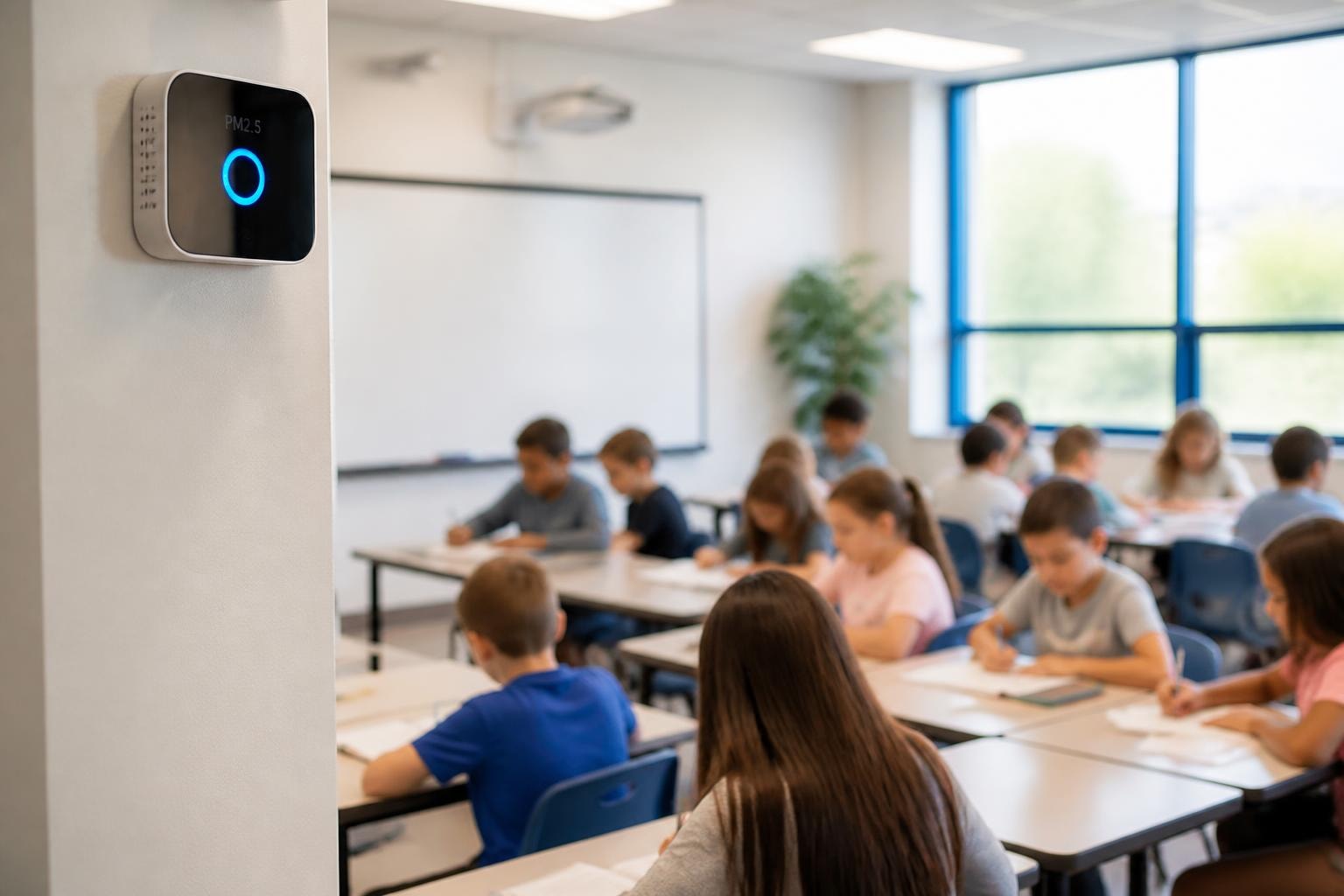
Indoor air quality has become a critical concern for educational institutions across the United Kingdom. With students spending approximately six hours daily inside classrooms, the importance of monitoring fine particulate matter cannot be overstated. A pm25 monitor for schools provides essential data about air quality, enabling administrators to make informed decisions that protect student health and wellbeing. These sophisticated devices measure particles measuring 2.5 micrometres or smaller, which can penetrate deep into lungs and cause significant health problems. Understanding how to implement and utilise these monitoring systems has become fundamental to creating safe learning environments.
Understanding PM2.5 and Its Impact on Educational Settings
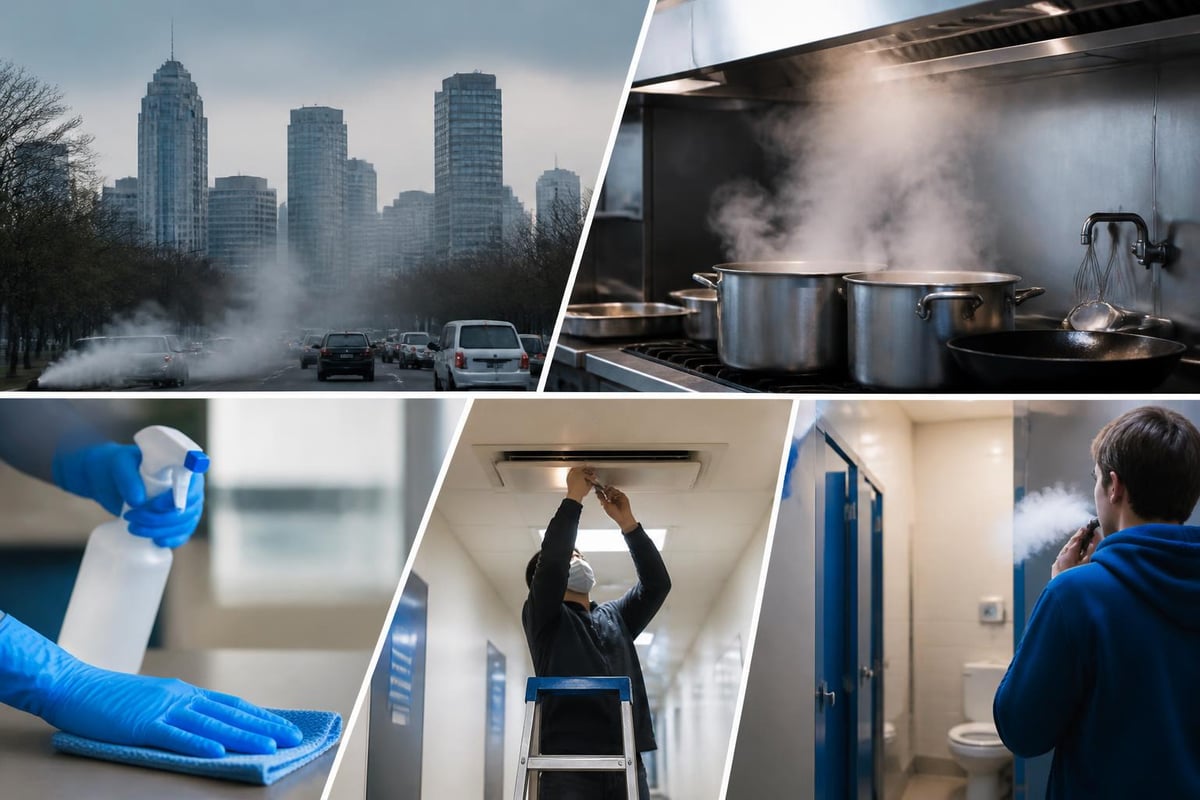
Fine particulate matter poses unique challenges within school buildings. These microscopic particles originate from various sources including outdoor pollution that infiltrates buildings, cooking facilities, cleaning products, and even activities like vaping. The Environmental Protection Agency's PM2.5 monitoring network provides comprehensive data showing how these particles affect air quality across different environments.
Health implications for students include:
- Respiratory irritation and aggravated asthma symptoms
- Reduced cognitive performance during high exposure periods
- Increased absenteeism due to illness
- Long-term developmental concerns for growing lungs
Research demonstrates that children are particularly vulnerable to air quality issues. Their developing respiratory systems, higher breathing rates, and extended time in school buildings create compound exposure risks. Utah's Department of Environmental Quality explains how PM2.5 particles bypass the body's natural filtration systems, making monitoring especially crucial in spaces where young people congregate.
Schools face unique air quality challenges compared to other buildings. Higher occupancy density, varied activities throughout the day, and older ventilation systems in many educational facilities contribute to fluctuating particulate levels. A pm25 monitor for schools addresses these specific concerns by providing continuous data that reflects actual conditions within classrooms, hallways, and communal areas.
Technical Specifications and Selection Criteria
Choosing the appropriate monitoring equipment requires understanding both technical capabilities and practical applications. Not all devices offer the same accuracy, reliability, or features necessary for educational environments.
| Feature | Basic Monitors | Professional Grade | Educational Specific |
|---|---|---|---|
| Accuracy Range | ±20% | ±10% | ±5% |
| Data Logging | Limited | Extensive | Cloud-based |
| Real-time Alerts | No | Optional | Standard |
| Multiple Sensors | Single point | Network capable | Integrated systems |
| Cost Range | £50-150 | £200-500 | £400-1000+ |
Professional calibration ensures measurement reliability. The testing procedures outlined by air quality specialists demonstrate why verification matters, particularly when making decisions affecting hundreds of students. Educational institutions should prioritise devices that undergo regular calibration and provide verifiable data aligned with national air quality standards.
Key Selection Factors
When evaluating a pm25 monitor for schools, administrators must consider several critical elements. Installation location significantly impacts data quality, with monitors placed near windows potentially showing different readings than those in central classroom positions. The device should integrate with existing building management systems whilst remaining user-friendly for non-technical staff.
Essential features include:
- Continuous monitoring capabilities that track fluctuations throughout the school day
- Historical data storage enabling trend analysis over weeks and months
- Alert systems that notify facilities managers when thresholds are exceeded
- Tamper-resistant housing suitable for environments with young people
- Network connectivity for centralised monitoring across multiple buildings
Battery life and power requirements affect placement flexibility. Hardwired systems offer reliability but limit repositioning, whilst battery-powered units provide flexibility at the cost of maintenance requirements. Modern pm25 monitor for schools solutions increasingly offer hybrid approaches, balancing these considerations effectively.
Implementation Strategies for Educational Institutions
Successful deployment extends beyond simply purchasing equipment. Strategic planning ensures maximum benefit from air quality monitoring investments whilst avoiding common pitfalls that reduce programme effectiveness.
Initial Assessment and Planning
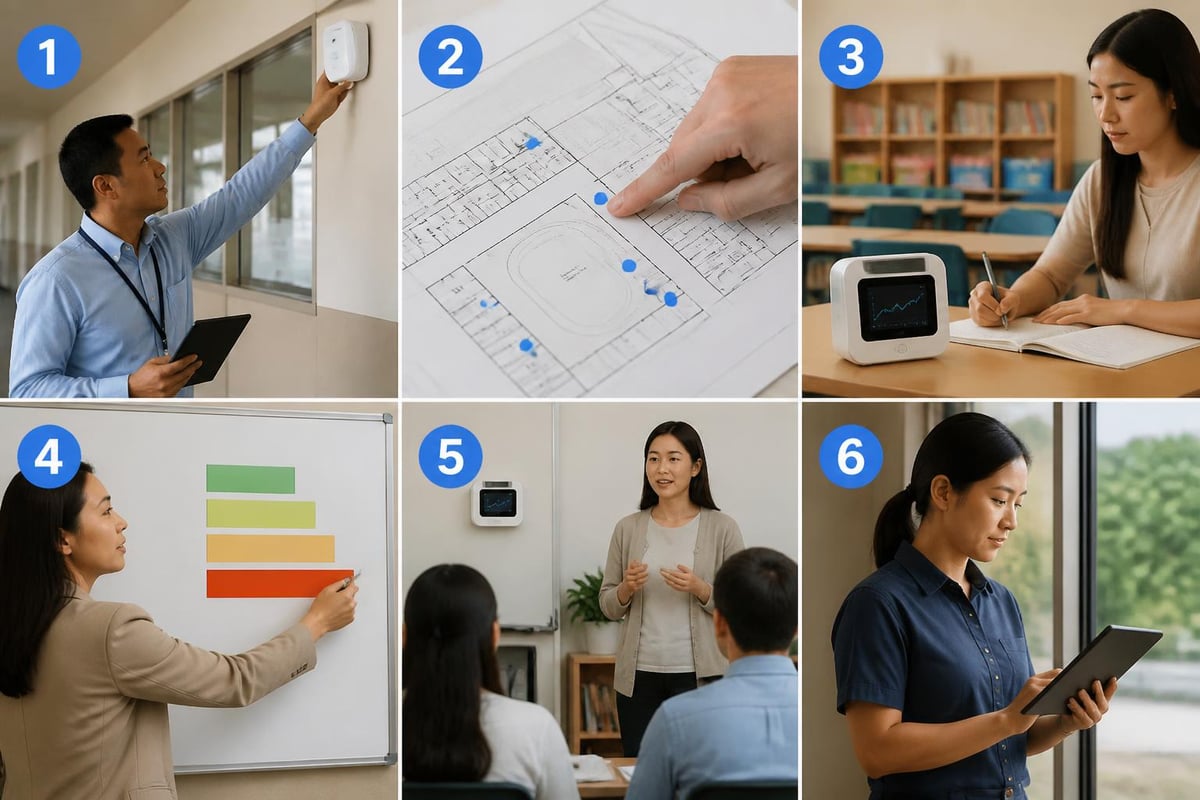
Begin by conducting a thorough facility assessment. Map potential pollution sources, high-occupancy areas, and spaces with known ventilation challenges. This groundwork informs monitor placement, ensuring data accurately represents conditions where students spend most time. Many schools discover surprising variation between different wings or floors, highlighting the value of comprehensive coverage.
Phased implementation approaches:
- Phase One: Deploy monitors in highest-priority spaces (classrooms with known issues, areas near busy roads)
- Phase Two: Expand to communal areas (dining halls, gymnasiums, assembly halls)
- Phase Three: Complete coverage including administrative areas and specialised rooms
Budget considerations often necessitate phased approaches. Starting with representative spaces across the building provides valuable baseline data whilst controlling initial expenditure. Success in early phases typically justifies expansion budgets, making this approach both practical and strategic.
Stakeholder engagement proves crucial for programme success. Teachers need to understand what monitors measure and how data informs building operations. Facilities teams require training on responding to alerts and maintaining equipment. Designated safeguarding leads can integrate air quality monitoring into broader student welfare frameworks, particularly when systems detect concerning activities like unauthorised vaping.
Data Interpretation and Response Protocols
Collecting air quality data only provides value when combined with effective interpretation and action. Establishing clear protocols transforms raw measurements into improved student outcomes.
Understanding Measurement Context
A pm25 monitor for schools typically displays readings in micrograms per cubic metre. The World Health Organisation recommends annual mean concentrations below 5 µg/m³, though short-term excursions occur regularly. Understanding the difference between concerning trends and temporary spikes prevents alarm fatigue whilst ensuring genuine problems receive attention.
| PM2.5 Level (µg/m³) | Classification | Typical Response |
|---|---|---|
| 0-12 | Good | Normal operations |
| 12-35 | Moderate | Monitor sensitive groups |
| 35-55 | Unhealthy for sensitive | Reduce outdoor activities |
| 55-150 | Unhealthy | Alert administration |
| 150+ | Very unhealthy | Immediate investigation |
Seasonal variations affect indoor air quality significantly. Winter months often show elevated readings due to reduced ventilation from closed windows and increased heating system operation. Spring may bring pollen and outdoor pollutants. A year-round monitoring programme reveals these patterns, enabling proactive rather than reactive management.
Creating Effective Response Plans
When monitors detect elevated particulate levels, clear protocols ensure swift, appropriate action. Response plans should address both immediate concerns and underlying causes, preventing recurring problems rather than simply managing symptoms.
Immediate responses might include increasing ventilation rates, activating air purification systems, or relocating activities from affected spaces. Investigation follows to identify sources, whether external pollution infiltration, internal activities, or equipment malfunction. Documentation of incidents and responses builds institutional knowledge, improving future decision-making.
Integration with comprehensive environmental monitoring systems enhances effectiveness. Schools using Vape Detection Systems alongside PM2.5 monitors gain insights into unauthorised activities affecting air quality. These integrated approaches provide facilities managers with complete environmental awareness, addressing both regulatory compliance and student safety simultaneously.
Modern monitoring solutions offer sophisticated alert customisation. Administrators can set different thresholds for various spaces, time-based rules that account for expected variations, and escalation protocols ensuring appropriate personnel receive notifications. This flexibility makes a pm25 monitor for schools practical across diverse institutional contexts, from small primaries to large secondary academies.
Addressing Specific Challenges in School Environments
Educational facilities face unique air quality challenges requiring tailored approaches. Understanding these specific concerns helps maximise monitoring programme effectiveness.
Wildfire Smoke and External Pollution Events
Climate change has increased wildfire frequency globally, with smoke travelling vast distances and affecting regions previously unimpacted. Research on wildfire smoke exposure in childcare settings provides practical guidance for schools facing similar challenges. A pm25 monitor for schools becomes essential during these events, helping administrators make evidence-based decisions about outdoor activities, window closure, and filtration system operation.
External pollution sources vary by location. Schools near major roadways experience different challenges than those in industrial areas or rural settings. Urban institutions might contend with traffic emissions, whilst schools adjacent to airports face jet fuel particulates. Monitoring reveals these specific patterns, enabling targeted mitigation strategies.
Location-specific considerations:
- Urban schools: Traffic patterns, construction activities, local industry emissions
- Suburban schools: Seasonal burning, lawn maintenance equipment, nearby commercial activities
- Rural schools: Agricultural operations, heating practices, natural events like dust storms
Managing Internal Pollution Sources
Internal sources often prove more controllable than external factors, making them priority targets for improvement efforts. Cooking activities in dining facilities generate significant particulate matter, particularly during peak meal preparation times. Science laboratories using Bunsen burners or conducting experiments create temporary spikes. Maintenance activities including floor refinishing or painting dramatically affect air quality during execution.
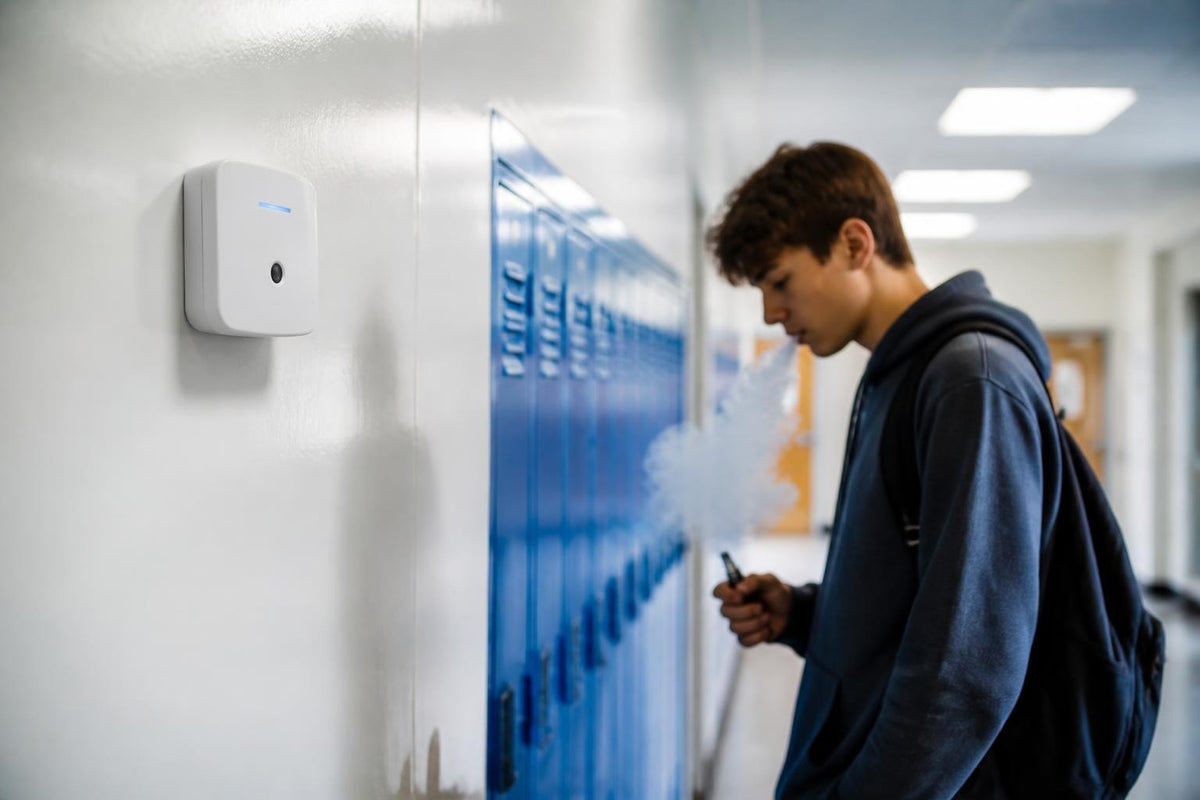
The growing prevalence of vaping among students presents a distinct challenge. Unlike traditional smoking, vaping produces fine particles that PM2.5 monitors detect, often in spaces where surveillance proves difficult. Schools implementing vape detection solutions report improved ability to address this issue, particularly when combined with comprehensive air quality monitoring that identifies patterns and problem locations.
Art rooms, workshops, and design technology spaces require particular attention. Activities involving adhesives, paints, wood dust, and other materials contribute to particulate loading. Proper ventilation in these spaces, validated through monitoring, protects both students and staff from prolonged exposure.

Integration with Broader Environmental Monitoring Systems
Modern educational institutions increasingly adopt comprehensive environmental monitoring rather than isolated air quality checks. This holistic approach provides superior insights whilst often reducing overall costs through system integration.
Multi-Parameter Monitoring Benefits
A pm25 monitor for schools functions most effectively when part of a broader environmental awareness strategy. Temperature, humidity, carbon dioxide, volatile organic compounds, and other parameters interact with particulate matter levels, creating complex environmental conditions affecting student comfort and performance.
Integrated monitoring reveals relationships such as:
- High CO2 levels indicating inadequate ventilation that also allows PM2.5 accumulation
- Humidity extremes affecting particle behaviour and respiratory irritation
- Temperature fluctuations correlating with increased particulate from heating systems
- VOC spikes accompanying PM2.5 increases during maintenance activities
Data correlation enables sophisticated analysis impossible with single-parameter monitoring. Patterns emerge showing how various factors combine to create optimal or problematic conditions. This understanding supports evidence-based decisions about building operations, renovation priorities, and policy development.
Cloud-Based Monitoring Platforms
Contemporary monitoring solutions leverage cloud connectivity for enhanced functionality. Centralised dashboards allow facilities managers to view all sensors across multiple buildings simultaneously, identifying issues quickly and comparing conditions between spaces. Historical data storage in the cloud eliminates local server requirements whilst enabling long-term trend analysis.
Automated reporting transforms raw data into actionable intelligence. Weekly summaries highlighting concerning trends, compliance reports for governing bodies, and detailed incident logs support both operational management and strategic planning. Senior leadership teams gain visibility into environmental conditions affecting educational delivery, whilst facilities managers receive practical information guiding daily operations.
Remote access proves particularly valuable for multi-academy trusts managing numerous sites. Central monitoring teams can identify best practices at high-performing schools and support those experiencing challenges, creating consistency across the organisation whilst respecting individual site characteristics.
Staff Training and Organisational Culture
Technology alone cannot improve indoor air quality without human engagement. Successful pm25 monitor for schools programmes require comprehensive training and cultural integration ensuring all stakeholders understand their roles.
Training Programme Development
Effective training addresses different staff needs based on their responsibilities. Facilities personnel require detailed technical knowledge about monitor operation, maintenance, and troubleshooting. Teachers need sufficient understanding to recognise air quality concerns and respond appropriately. Administrative staff must comprehend reporting requirements and compliance obligations.
| Role | Training Focus | Duration |
|---|---|---|
| Facilities Team | Technical operation, maintenance, response protocols | 4-6 hours |
| Teaching Staff | Basics, symptom recognition, student communication | 1-2 hours |
| Administration | Reporting, compliance, budget planning | 2-3 hours |
| Leadership | Strategic implications, policy development | 1-2 hours |
Ongoing education maintains programme effectiveness as staff turnover occurs and technology evolves. Annual refresher sessions, updated guidance documents, and accessible expert support ensure knowledge remains current. Educational resources can supplement technical training with broader context about environmental health in schools.
Building Awareness and Engagement
Students themselves represent valuable stakeholders in air quality programmes. Age-appropriate education about environmental monitoring creates awareness whilst potentially reducing behaviours that compromise air quality. Science curricula can incorporate real data from school monitors, making abstract concepts tangible and demonstrating practical applications of theoretical knowledge.
Parent communication builds community support for air quality initiatives. Regular updates about monitoring programmes, improvements achieved, and ongoing challenges demonstrate institutional commitment to student welfare. Transparency about air quality data, within appropriate context preventing misinterpretation, builds trust and engagement.
Creating accountability structures ensures sustained attention to air quality concerns. Designating specific personnel responsible for monitoring oversight, establishing regular review meetings, and incorporating air quality metrics into facility performance evaluations maintains focus. Without such structures, even well-designed programmes can lose momentum over time.
Financial Considerations and Return on Investment
Budget constraints affect all educational decisions, making clear understanding of costs and benefits essential for securing pm25 monitor for schools implementation approval.
Initial Investment Requirements
Equipment costs represent the most obvious expense, though supporting infrastructure, installation, and training add significantly to total initial investment. A comprehensive programme monitoring a medium-sized secondary school might require £5,000 to £15,000 depending on coverage extent and system sophistication.
Budget components include:
- Hardware: Monitors, mounting equipment, networking infrastructure
- Software: Data management platforms, cloud storage subscriptions
- Installation: Professional setup, system commissioning, integration with existing building management
- Training: Staff education, documentation development, ongoing support arrangements
- Contingency: Replacement units, unexpected technical requirements, expanded coverage
Phased implementation spreads costs across multiple budget cycles, making programmes more financially accessible. Starting with priority areas demonstrates value before requesting expanded funding. Grant opportunities and environmental health initiatives sometimes provide partial funding, reducing local authority burden.
Quantifiable Benefits and Cost Savings
Return on investment extends beyond simple financial calculations to encompass health outcomes, educational performance, and regulatory compliance. Reduced absenteeism from respiratory illnesses saves supply teacher costs whilst improving educational continuity. Enhanced air quality supports cognitive performance, potentially improving examination results and institutional reputation.
Energy efficiency gains often accompany air quality programmes. Understanding actual ventilation needs through monitoring prevents over-ventilation that wastes heating energy whilst ensuring adequate fresh air supply. Some schools report 10 to 15 percent reductions in heating costs through optimised ventilation based on real-time air quality data.
Liability protection represents another benefit. Documented air quality monitoring demonstrates duty of care, potentially reducing exposure to claims related to environmental health concerns. Insurance providers may recognise comprehensive environmental monitoring when assessing institutional risk.
Regulatory Compliance and Standards
Educational institutions operate within complex regulatory frameworks addressing student safety and welfare. Understanding how pm25 monitor for schools programmes support compliance helps justify implementation whilst ensuring legal obligations are met.
Current UK Educational Standards
Whilst specific PM2.5 limits for schools remain under development, existing health and safety regulations require educational institutions to provide safe environments. The Health and Safety at Work Act places general duties on employers to ensure workplace safety, extending to air quality concerns. School-specific guidance increasingly recognises indoor environmental quality as fundamental to student welfare.
Local authorities may impose additional requirements based on regional air quality challenges. Schools in designated Air Quality Management Areas face enhanced scrutiny, making documented monitoring particularly valuable. Demonstrating proactive environmental management strengthens relationships with regulatory bodies whilst supporting applications for improvement funding.
Documentation and Record Keeping
Comprehensive records serve multiple purposes, from operational management to regulatory compliance and incident investigation. Effective documentation systems should capture baseline measurements, ongoing monitoring data, incidents and responses, maintenance activities, and improvement initiatives implemented based on findings.
Digital platforms simplify record keeping whilst ensuring data accessibility when needed. Automated logging eliminates gaps that manual recording systems experience. Cloud storage provides redundancy protecting against local data loss whilst enabling remote access for authorised personnel.
Annual reporting to governing bodies demonstrates accountability whilst highlighting achievements and identifying ongoing challenges. Many schools include air quality metrics in sustainability reporting, broader health and safety reviews, and strategic planning documents. This integration ensures environmental monitoring receives sustained attention at the highest organisational levels.
Implementing a pm25 monitor for schools represents a significant step towards healthier educational environments, protecting student welfare whilst supporting optimal learning conditions. From understanding technical specifications through creating comprehensive response protocols, successful programmes require careful planning, stakeholder engagement, and sustained commitment to environmental quality.
For educational institutions seeking comprehensive environmental monitoring solutions that extend beyond particulate matter to address broader safety concerns including vaping detection, Vape Guardian provides integrated systems designed specifically for educational settings. Their advanced technology helps schools create safer, healthier environments where students can focus on learning rather than environmental hazards.

Share:
Real Time Air Quality Monitoring: 2026 Guide
Office Vape Detector: Complete Guide for UK Workplaces