
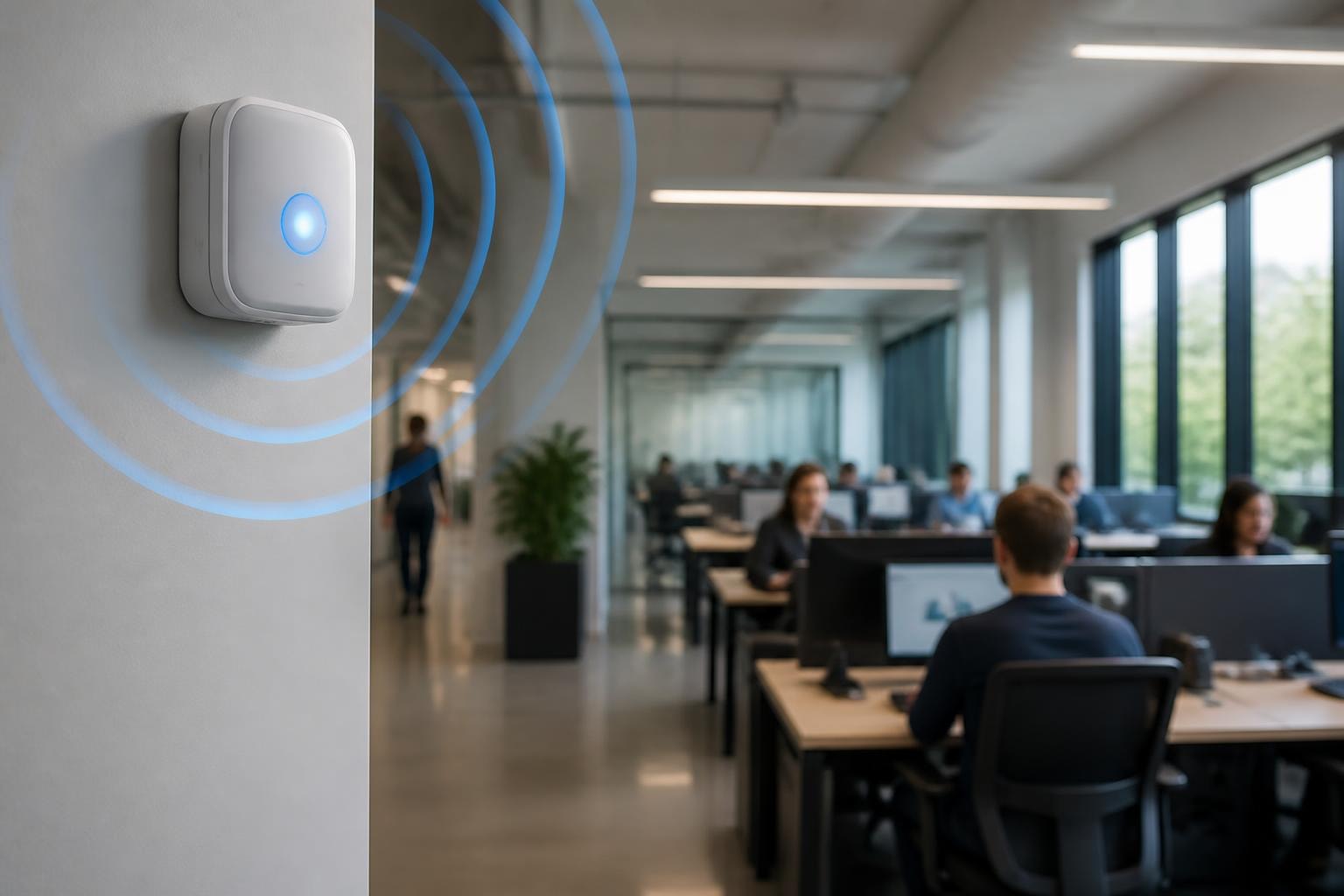
The modern workplace faces unprecedented challenges in maintaining healthy, compliant environments. As vaping becomes increasingly prevalent across the UK, organisations must adapt their policies and infrastructure to address this emerging concern. An office vape detector represents a proactive solution that enables employers to monitor air quality, enforce no vaping policies, and protect employees from secondhand exposure. This technology has evolved significantly since its introduction, offering sophisticated capabilities that extend beyond simple detection to comprehensive environmental monitoring.
Understanding Office Vape Detection Technology
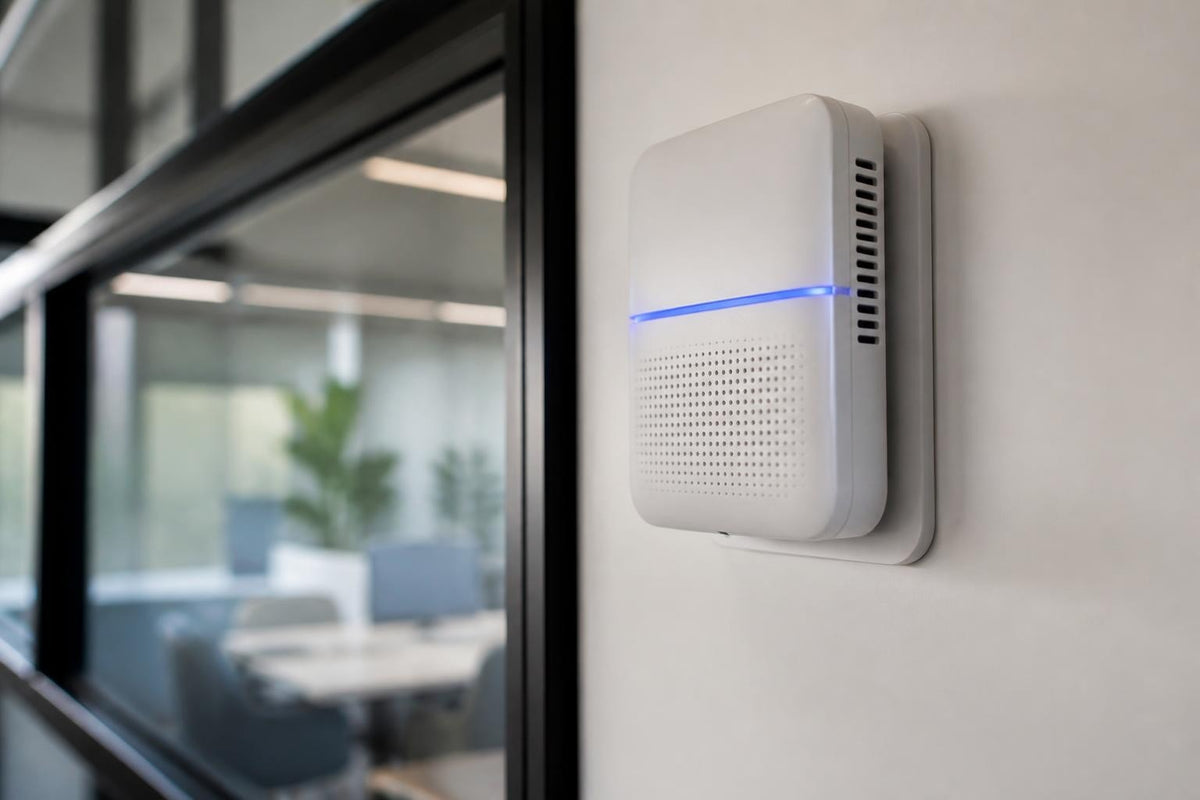
An office vape detector functions through advanced sensor arrays that identify specific chemical signatures present in vaping aerosols. These devices monitor particulate matter concentrations, volatile organic compounds (VOCs), and other airborne substances characteristic of electronic nicotine delivery systems. The technology distinguishes between vaping emissions and other common office air pollutants such as cleaning products, perfumes, or cooking odours.
Modern sensors employ multiple detection methods simultaneously to minimise false positives whilst maintaining high sensitivity. Optical sensors measure particle density changes, chemical sensors identify specific compounds found in vaping liquids, and sophisticated algorithms process this data in real time. This multi-layered approach ensures accurate detection even in complex office environments with varying air flow patterns and occupancy levels.
Key Detection Methods
Professional grade systems typically incorporate these core technologies:
- Particulate Matter Analysis: Measures microscopic particles expelled during vaping
- Chemical Signature Recognition: Identifies propylene glycol, vegetable glycerine, and nicotine vapours
- Air Quality Baseline Monitoring: Establishes normal environmental conditions to detect anomalies
- Machine Learning Algorithms: Improves accuracy through pattern recognition and continuous calibration
The effectiveness of an office vape detector depends heavily on proper placement and calibration. Research into electronic nicotine delivery systems highlights the importance of understanding vaping behaviour patterns to optimise detection capabilities.
Workplace Vaping Challenges in 2026
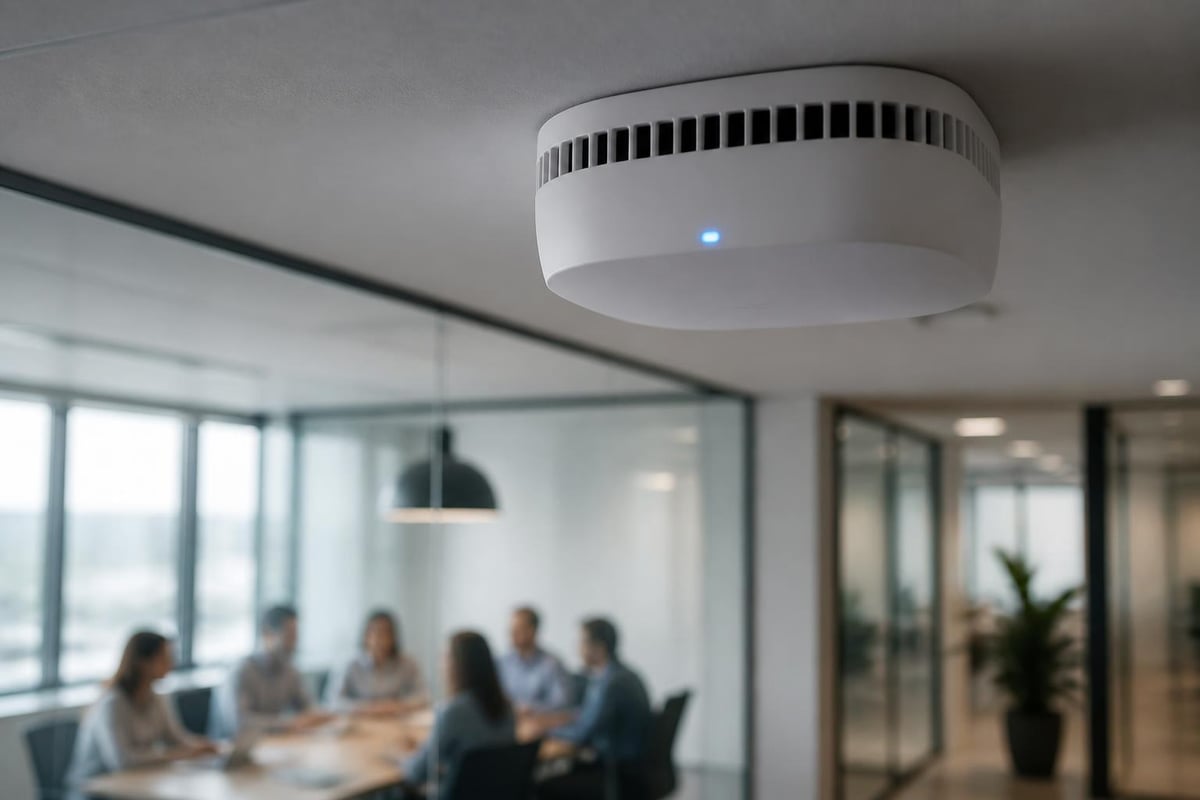
British workplaces encounter multiple complications related to vaping that extend beyond simple policy violations. Employee health concerns, legal compliance requirements, and corporate responsibility all intersect when addressing this issue. The Health and Safety at Work Act 1974 places obligations on employers to ensure safe working environments, which increasingly encompasses air quality management.
Vaping in enclosed office spaces creates specific risks that differ from traditional smoking. The aerosol produced contains ultrafine particles that can remain suspended in air for extended periods, potentially affecting colleagues with respiratory sensitivities or allergies. Additionally, normalising vaping behaviour in professional settings may undermine broader organisational wellness initiatives.
Common Workplace Scenarios
| Situation | Challenge | Detection Benefit |
|---|---|---|
| Bathroom Vaping | Hidden behaviour, difficult monitoring | Discreet sensors provide evidence |
| Meeting Room Use | Affects air quality for subsequent users | Real-time alerts enable immediate response |
| Private Office Violations | Policy enforcement complexity | Objective data supports HR processes |
| Break Room Incidents | Creates uncomfortable environment | Maintains inclusive workplace standards |
Many organisations struggle with balancing employee privacy concerns against their duty of care responsibilities. An office vape detector provides objective, automated monitoring that removes the need for intrusive surveillance methods whilst still maintaining workplace standards. This technological approach proves particularly valuable for offices seeking comprehensive solutions to modern air quality challenges.
Implementing detection systems often reveals previously unknown patterns of workplace vaping. Facilities managers report discovering that incidents concentrate in specific locations during particular times, enabling targeted intervention strategies rather than blanket restrictions.
Implementation Strategies for Office Environments
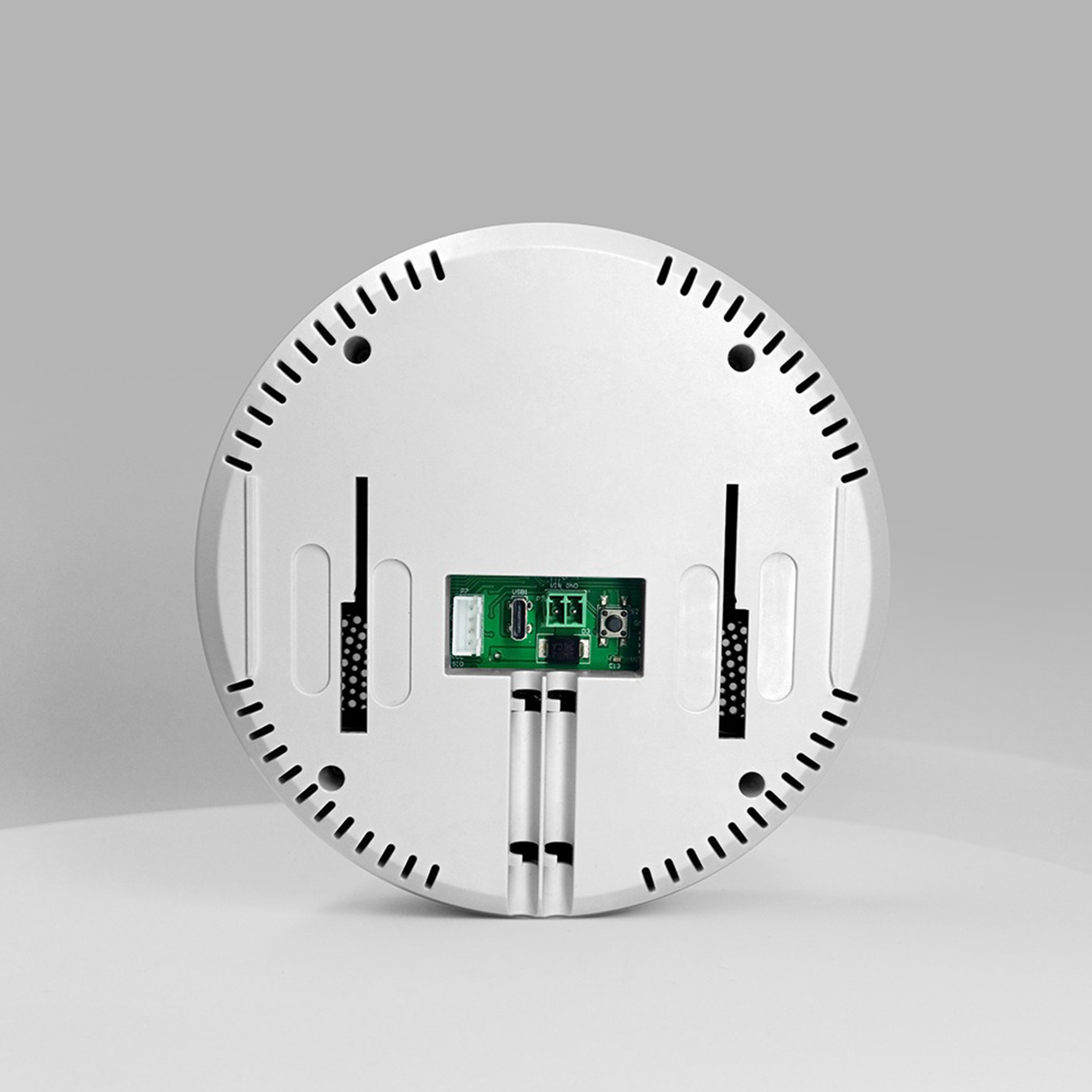
Successful deployment of an office vape detector requires strategic planning that considers building layout, employee communication, and integration with existing systems. The first step involves conducting a thorough risk assessment to identify high-priority areas such as toilets, enclosed meeting rooms, and individual offices where monitoring would prove most beneficial.
Installation Planning Process
- Site Assessment: Evaluate air flow patterns, room sizes, and typical occupancy levels
- Strategic Placement: Position sensors in areas with poorest natural ventilation
- Network Integration: Connect devices to building management or security systems
- Calibration Period: Establish environmental baselines before enforcement begins
- Staff Communication: Transparently explain the technology and its purpose
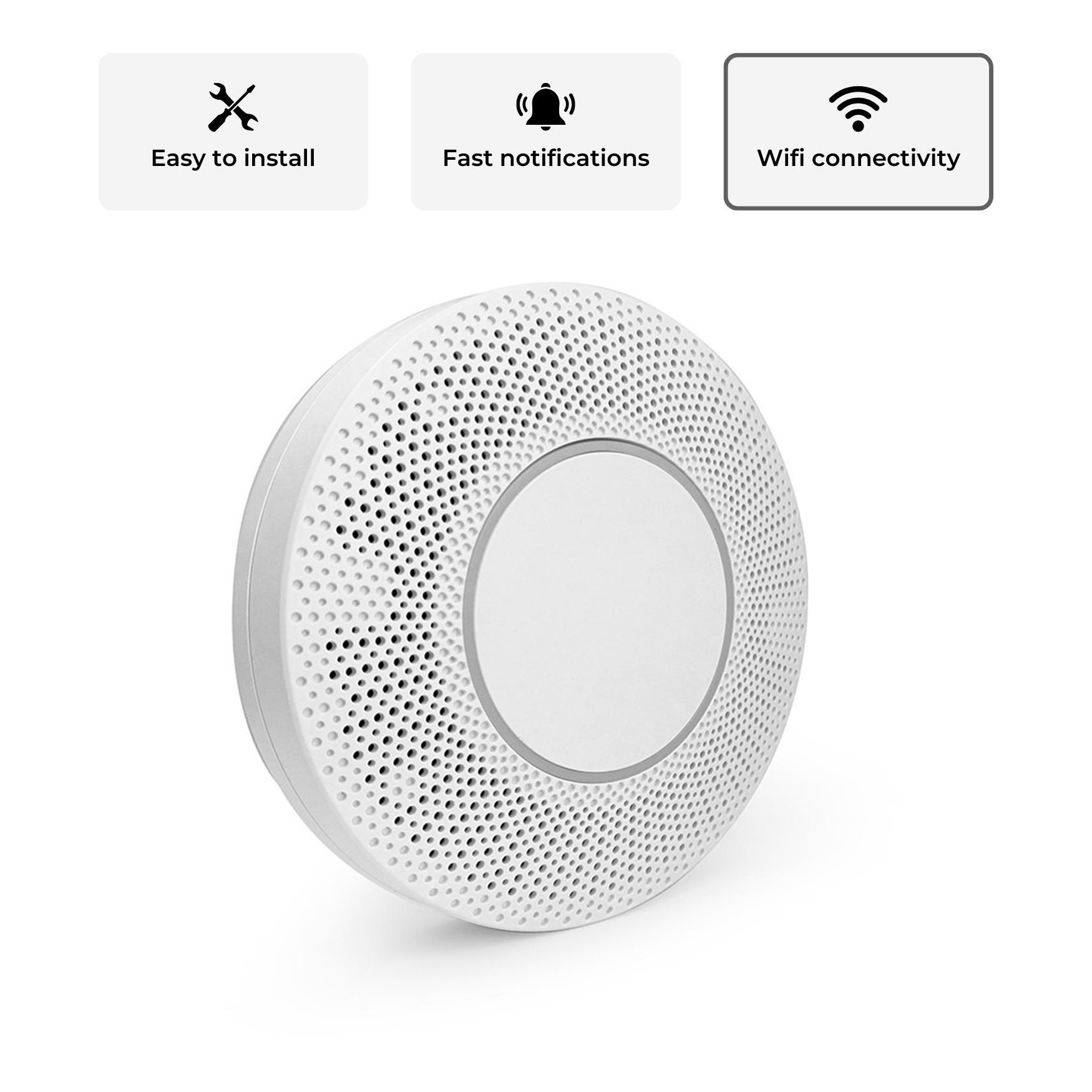
The Vape Detection System combines hardware sensors with cloud-based monitoring software, enabling facilities managers to oversee multiple locations from centralised dashboards. This integration proves essential for organisations with distributed office portfolios or complex multi-floor layouts.

Communication represents a critical success factor that organisations frequently underestimate. Employees respond more positively when they understand the health and safety rationale behind detection systems rather than perceiving them as punitive surveillance tools. Clear policy documentation, advance notice, and educational campaigns create the foundation for successful implementation.

Technical Specifications and Performance Metrics
Evaluating an office vape detector requires understanding key performance indicators that differentiate professional systems from consumer grade alternatives. Detection sensitivity, response time, false positive rates, and environmental resilience all influence real world effectiveness.
Professional systems typically detect vaping incidents within 5 to 15 seconds of occurrence, enabling rapid response before aerosols disperse throughout connected spaces. This speed proves crucial in shared environments where timely intervention minimises exposure for other occupants.
Performance Comparison
| Metric | Entry Level Systems | Professional Grade | Enterprise Solutions |
|---|---|---|---|
| Detection Speed | 30-60 seconds | 5-15 seconds | Under 5 seconds |
| False Positive Rate | 10-15% | Under 5% | Under 2% |
| Coverage Area | Single room | Up to 150 sq metres | Up to 300 sq metres |
| Alert Methods | Email only | Email, SMS, App | Multi-channel + Integration |
| Battery Backup | None | 4-8 hours | 12-24 hours |
Environmental durability matters significantly in commercial applications. Office spaces experience temperature fluctuations, humidity variations, and dust accumulation that can compromise sensor accuracy. Quality systems incorporate environmental compensation algorithms that maintain reliable performance across these conditions. Best practices for vape detection emphasise the importance of regular maintenance schedules and periodic recalibration.
Integration capabilities extend the value proposition of an office vape detector beyond simple alerts. Modern systems connect with building management platforms, security systems, and HR databases to create comprehensive incident documentation. This interconnectivity enables automated workflows such as logging violations, notifying supervisors, and generating compliance reports.
Data Management and Privacy Considerations
Operating an office vape detector generates substantial data that requires careful handling to balance monitoring objectives with employee privacy rights. UK GDPR regulations mandate transparent data collection practices, purpose limitation, and appropriate security measures for any workplace monitoring technology.
Privacy impact assessments should precede system deployment, documenting what data gets collected, how long it remains stored, who accesses it, and for what purposes. Most professional systems capture time stamps, location identifiers, and air quality measurements but avoid audio or visual recording that could intrude on personal privacy.
Compliance Requirements
- Transparency: Employees must receive clear notification about monitoring systems
- Legitimate Purpose: Detection must serve defined health, safety, or compliance objectives
- Proportionality: Systems should not collect excessive data beyond stated purposes
- Access Controls: Strict limitations on who views detection records
- Retention Policies: Defined timeframes for data storage and deletion
The Information Commissioner's Office provides specific guidance on workplace monitoring that applies equally to air quality detection systems. Organisations must demonstrate that an office vape detector represents the least intrusive method of achieving their safety objectives, and that reasonable alternatives were considered.
Some employers worry that detection systems might create adversarial relationships with staff. Experience demonstrates the opposite when implementation accompanies supportive policies. Offering smoking cessation resources, designated vaping areas, and focusing on health rather than punishment transforms detection from disciplinary tool to wellness support.
Integration with Broader Workplace Wellness
An office vape detector functions most effectively as one component within comprehensive workplace health strategies. Forward thinking organisations connect vaping detection with indoor air quality initiatives, mental health support, and occupational wellness programmes to create cohesive approaches to employee wellbeing.
Air quality monitoring extends beyond vaping to encompass carbon dioxide levels, humidity, temperature, and general particulate concentrations. This holistic perspective positions detection systems as environmental optimisation tools rather than solely enforcement mechanisms. Employees appreciate employers who invest in creating healthier workspaces, even when that includes reasonable monitoring.
Wellness Integration Opportunities
Educational Programmes: Use detection data to inform staff about air quality impacts and health resources
Environmental Reporting: Share aggregated air quality metrics to demonstrate workplace improvements
Support Services: Connect detected incidents with confidential cessation support rather than immediate discipline
Feedback Loops: Allow employees to report air quality concerns that complement automated detection
The broader context of vape detection applications demonstrates how technology serves prevention rather than punishment. Schools, leisure facilities, and transport operators all employ similar systems as part of duty of care responsibilities, creating precedent for reasonable workplace implementation.

Cost Benefit Analysis for Organisations
Investing in an office vape detector generates quantifiable returns through reduced health insurance claims, improved employee productivity, and enhanced regulatory compliance. The initial capital expenditure typically ranges from £300 to £800 per sensor unit, with ongoing monitoring costs adding £50 to £150 annually per device.
Organisations report tangible benefits including decreased cleaning costs in previously used vaping areas, reduced complaints about indoor air quality, and lower absenteeism related to respiratory issues. The reputational value of demonstrating commitment to healthy workplaces proves difficult to quantify but influences talent recruitment and retention.
Financial Considerations
| Cost Category | Annual Amount (50 employee office) | Benefit Category | Estimated Value |
|---|---|---|---|
| Hardware Purchase | £2,400 (4 sensors) | Reduced Air Quality Complaints | £5,000 |
| Monitoring Service | £600 | Lower Health Claims | £3,500 |
| Installation | £800 (one time) | Improved Productivity | £8,000 |
| Maintenance | £400 | Enhanced Compliance | £2,000 |
The return on investment calculation must account for avoided costs such as potential regulatory fines, litigation expenses from exposure complaints, and remediation costs for indoor air quality problems. Progressive organisations view detection systems as preventative infrastructure comparable to fire alarms or carbon monoxide detectors.
Future Developments in Detection Technology
The vaping detection industry continues advancing rapidly with emerging technologies promising enhanced capabilities. Artificial intelligence integration enables predictive analytics that identify patterns suggesting organised policy circumvention or emerging hotspots requiring intervention.
Next generation sensors incorporate expanded chemical libraries capable of distinguishing between different vaping substances, including nicotine, cannabis derivatives, and synthetic compounds. This specificity supports more nuanced policy responses appropriate to the detected substance and associated risks.
Connectivity improvements enable real time data sharing across organisational networks, creating comprehensive visibility for multi-site operations. Cloud platforms aggregate information from distributed sensors, generating insights about broader trends whilst maintaining granular location specific alerts. Understanding network and connectivity requirements proves essential for maximising these advanced capabilities.
Miniaturisation efforts continue making sensors less obtrusive whilst improving detection accuracy. Future devices may integrate seamlessly into existing building infrastructure, becoming invisible components of smart office ecosystems rather than standalone monitoring equipment.
Addressing Employee Concerns Effectively
Transparent communication about an office vape detector alleviates most employee apprehensions when handled proactively. Staff surveys consistently reveal that workers support reasonable health and safety measures provided they understand the rationale and trust that data won't be misused.
Common concerns include privacy invasion, potential for discriminatory enforcement, and whether detection constitutes excessive workplace control. Addressing these worries requires clear policy documentation, consistent application, and genuine dialogue that incorporates employee feedback into implementation planning.
Communication Best Practices
- Advance Notice: Announce systems minimum 30 days before activation
- Town Hall Meetings: Provide forums for questions and clarifications
- Written Policies: Distribute comprehensive documentation explaining purpose and procedures
- Regular Updates: Share aggregated results demonstrating programme effectiveness
- Feedback Channels: Create mechanisms for ongoing employee input
Organisations achieving highest satisfaction rates involve employee representatives in planning discussions, demonstrating respect for workforce perspectives whilst maintaining management prerogatives around health and safety standards. This collaborative approach transforms potential resistance into shared ownership of workplace quality.
Maintenance and Ongoing Management
Reliable performance from an office vape detector requires regular maintenance schedules addressing sensor calibration, software updates, and physical cleaning. Dust accumulation on sensor surfaces degrades accuracy over time, necessitating quarterly cleaning protocols using approved methods that avoid damage to sensitive components.
Software platforms require periodic updates incorporating improved detection algorithms, expanded chemical signatures, and security patches. Cloud connected systems typically receive automatic updates, whilst standalone units may need manual intervention. Maintaining current firmware versions ensures optimal performance and continued manufacturer support.
Maintenance Schedule
- Weekly: Review alert logs and verify system responsiveness
- Monthly: Clean sensor housings and verify mounting security
- Quarterly: Perform full calibration checks and sensor testing
- Annually: Comprehensive system evaluation and potential sensor replacement
Documentation practices prove essential for compliance verification and incident response. Maintaining detailed records of detection events, maintenance activities, and system modifications creates audit trails demonstrating due diligence. These records prove invaluable should employment disputes arise regarding policy enforcement.
Professional support services significantly enhance long term reliability. Many organisations opt for maintenance contracts ensuring expert assistance with troubleshooting, calibration verification, and system optimisation. This external expertise complements internal facilities management capabilities, particularly for technically complex implementations.
Policy Development and Enforcement Frameworks
An office vape detector succeeds only when supported by clear, consistently applied policies addressing detection, response protocols, and consequences. Ambiguous guidelines create confusion and undermine both employee confidence and legal defensibility.
Effective policies specify exactly what constitutes a violation, outline graduated response procedures, and establish appeals processes for disputed incidents. This structured approach ensures fairness whilst providing necessary flexibility for contextual factors.
Disciplinary procedures should emphasise education and support over punishment for initial violations, reserving serious consequences for repeat offenders or egregious cases. This balanced approach acknowledges that changing established behaviours requires time and support rather than immediate termination.
Policy Components
Clear Definitions: Specify prohibited behaviours and covered locations
Detection Procedures: Explain how monitoring operates and what triggers alerts
Response Protocols: Detail immediate actions following detection
Progressive Discipline: Outline escalating consequences for repeated violations
Support Resources: Provide information about cessation assistance
Regular policy reviews ensure alignment with evolving legal requirements, technological capabilities, and organisational priorities. Annual evaluations incorporating employee feedback and operational data identify improvement opportunities whilst demonstrating ongoing commitment to fair implementation.
Implementing an office vape detector represents a forward thinking approach to workplace health and safety that addresses contemporary challenges whilst preparing for future regulatory requirements. The technology provides objective monitoring capabilities that support policy enforcement, protect air quality, and demonstrate organisational commitment to employee wellbeing. If you're ready to create healthier, compliant workspaces through advanced detection technology, Vape Guardian offers comprehensive solutions tailored to office environments, backed by expert support and proven reliability across diverse applications.


Share:
PM2.5 Monitor for Schools: Essential Air Quality Guide
Alternative to Halo Vape Detector: Complete Guide 2026