
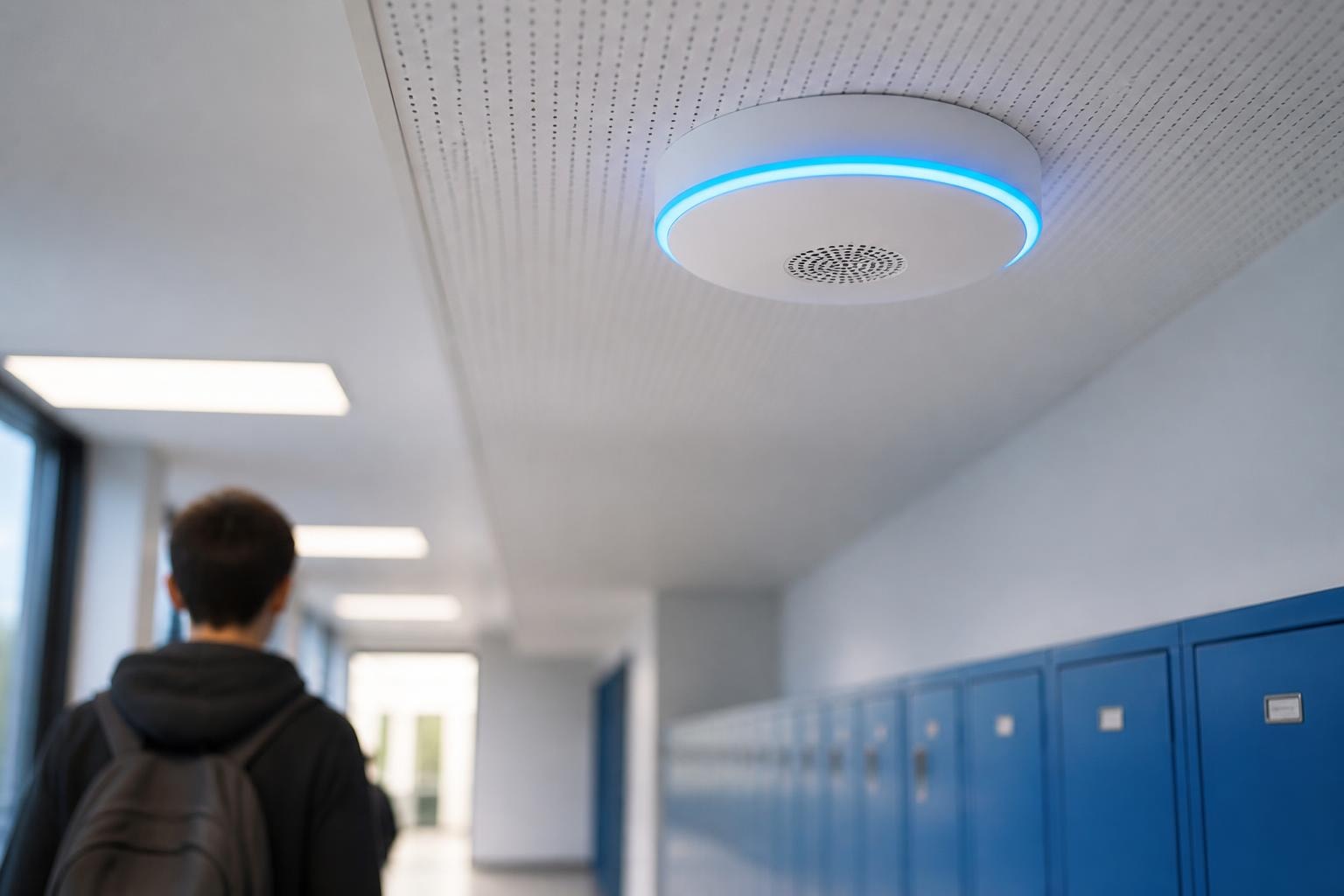
As vaping continues to present challenges in schools, workplaces, and public facilities across the UK, administrators are increasingly looking for reliable detection solutions. While the Halo Smart Sensor has established itself as a recognised option in the market, many organisations are now searching for an alternative to halo vape detector systems that better align with their specific needs, budgets, and operational requirements. The landscape of vape detection technology has evolved considerably over recent years, with several manufacturers offering sophisticated systems that rival or exceed the capabilities of established brands.
Understanding the Vape Detection Technology Landscape
Modern vape detection systems operate through multiple sensing mechanisms designed to identify aerosols, particulates, and chemical signatures associated with vaping products. These devices typically combine air quality monitoring with advanced algorithms that distinguish between vaping activity and normal environmental fluctuations.
Core Detection Methods
Particulate matter sensors measure microscopic particles suspended in the air, detecting the distinctive aerosol clouds produced when someone vapes. Most quality systems monitor PM2.5 and PM10 levels, which spike dramatically when vaping occurs in confined spaces like toilets or changing rooms.
Chemical sensors identify specific compounds found in e-liquids and vapour, including propylene glycol, vegetable glycerin, and various flavouring agents. This multi-layered approach significantly reduces false positives whilst ensuring genuine incidents are captured reliably.
When evaluating any alternative to halo vape detector options, understanding how vape detectors work provides essential context for making informed purchasing decisions. Different manufacturers prioritise different sensing technologies, which directly impacts accuracy and reliability.
Key Features to Compare Across Detection Systems
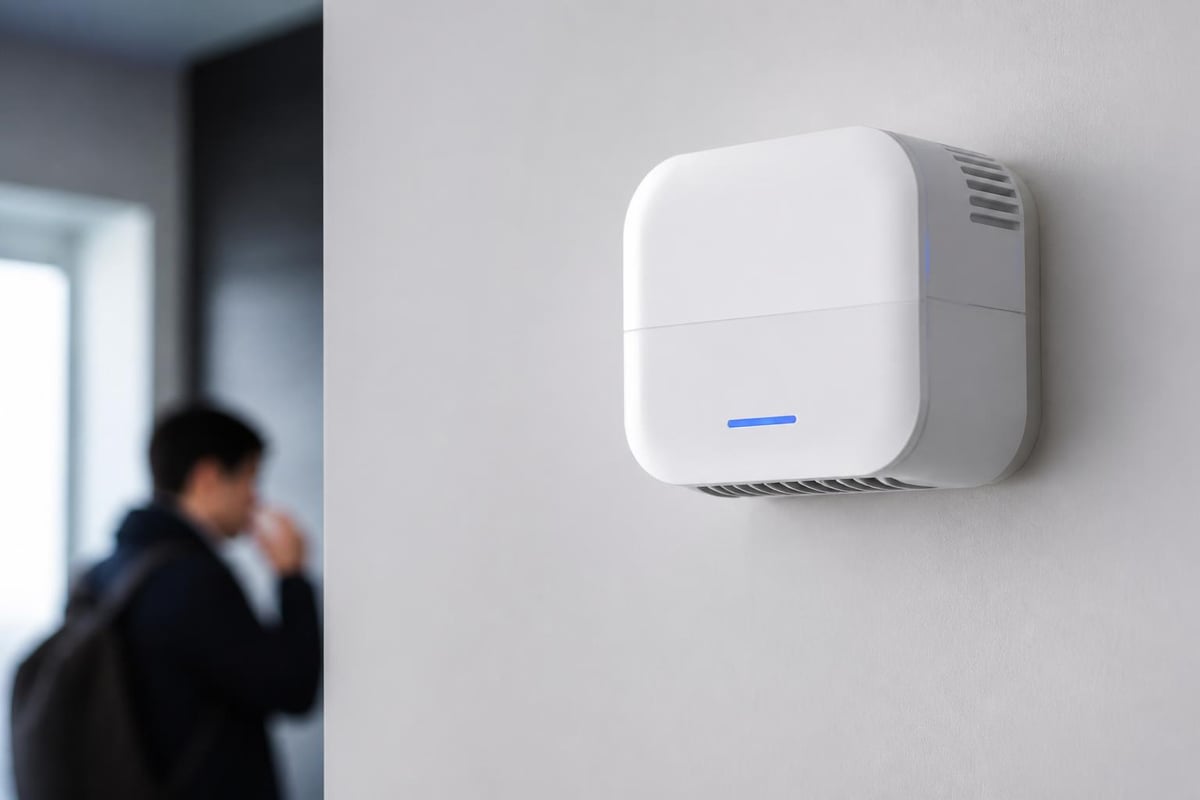
Selecting the right alternative to halo vape detector systems requires careful consideration of features that directly impact effectiveness and operational efficiency. Not all devices offer the same capabilities, and understanding these differences helps organisations make strategic investments.
Essential Detection Capabilities
| Feature Category | What to Look For | Why It Matters |
|---|---|---|
| Sensor Types | Multi-sensor arrays including PM2.5, VOC, chemical detection | Comprehensive coverage reduces false positives |
| Alert Methods | SMS, email, dashboard notifications, audio alarms | Faster response times to incidents |
| Coverage Area | Detection range per device (typically 10-15 square metres) | Determines number of units needed |
| Integration | API access, existing security system compatibility | Streamlines operations and reporting |
Real-time monitoring stands as perhaps the most critical feature for any vape detection solution. Systems that provide instant alerts enable staff to respond whilst incidents are occurring, rather than discovering evidence hours later. This immediate intervention capability proves particularly valuable in tackling vaping in schools.
Advanced Functionality
Beyond basic detection, premium alternatives offer expanded capabilities:
- Tamper detection alerts when devices are covered or physically interfered with
- Sound analytics that identify aggressive behaviour or bullying
- Environmental monitoring tracking temperature, humidity, and overall air quality
- Historical reporting providing trend analysis and incident patterns
- Multi-site management for organisations with distributed locations
The accuracy of vape detection technology varies significantly based on sensor quality and calibration protocols. Leading systems achieve detection accuracy rates exceeding 95%, whilst lower quality alternatives may struggle with consistent performance.
Leading Alternatives Available in 2026
The market now offers several robust options for organisations seeking an alternative to halo vape detector installations. Each brings distinct advantages depending on specific operational requirements and environmental factors.
Vape Guardian Smart Sensor Technology
Vape Guardian has emerged as a particularly strong contender in the UK market, offering comprehensive detection capabilities specifically designed for British schools, offices, and leisure facilities. Their technology detects not only vaping but also drug use and antisocial behaviour through advanced sensor arrays.
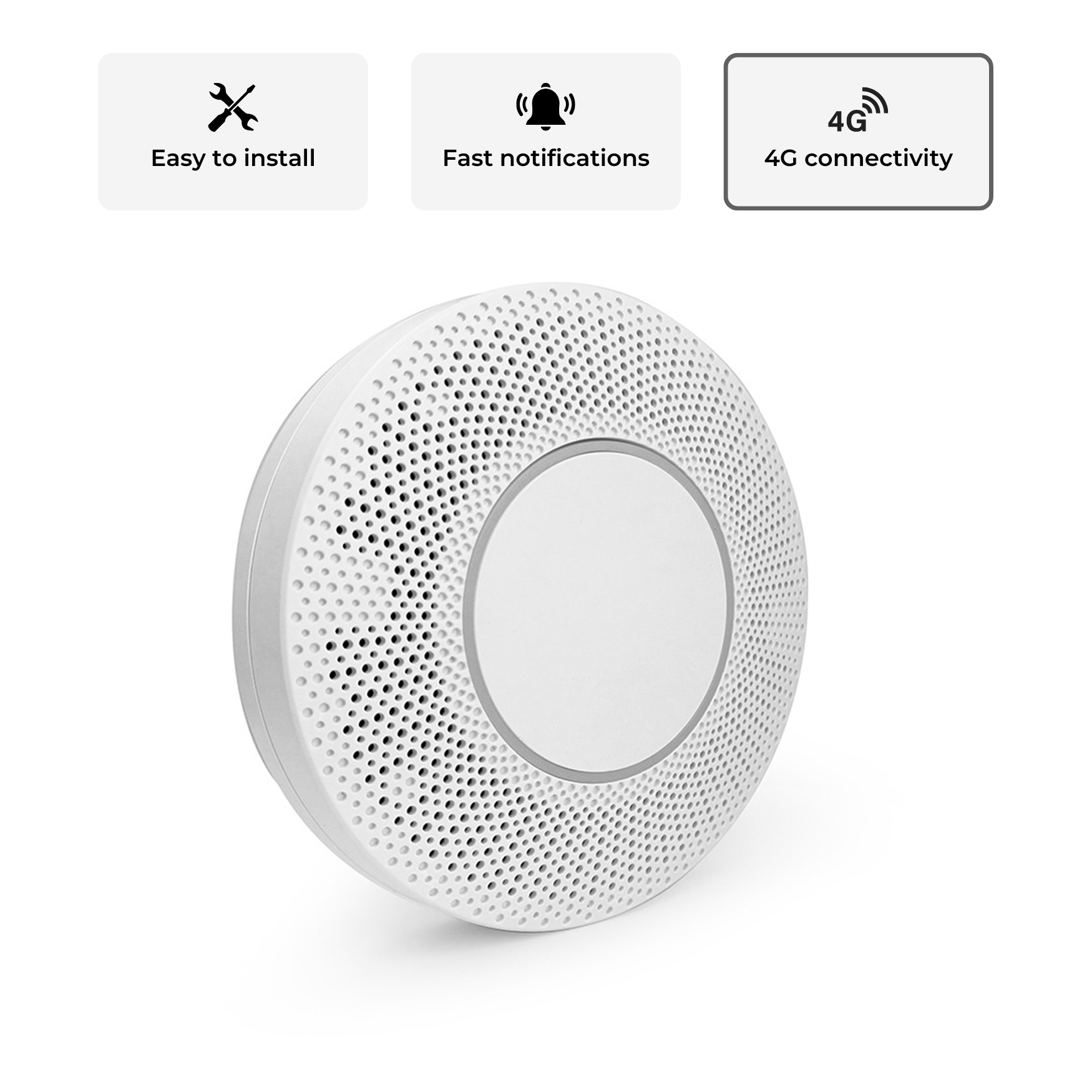
The Vape Detection System from Vape Guardian provides real-time alerts when incidents occur, enabling immediate intervention. With dedicated UK-based customer support and ongoing software updates, the platform addresses the unique compliance requirements facing British institutions.
Comparative Performance Analysis
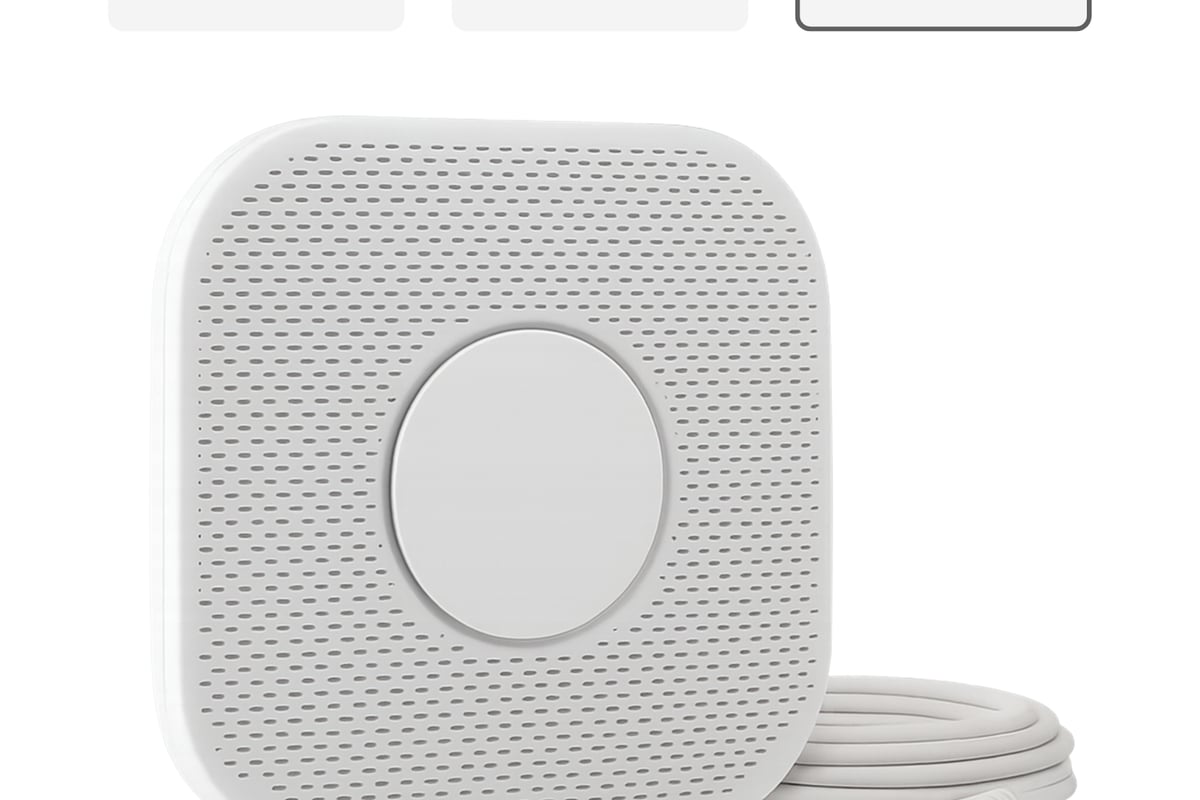
Different manufacturers approach vape detection with varying philosophies. Some prioritise simplicity and ease of installation, whilst others focus on comprehensive environmental monitoring that extends beyond vaping alone.
Budget-conscious alternatives typically offer core detection functionality without extensive integration capabilities. These systems work well for smaller facilities with straightforward monitoring needs but may lack scalability for growing organisations.
Enterprise-grade solutions provide extensive customisation, multi-site management, and sophisticated analytics platforms. These alternatives to halo vape detector systems justify higher price points through reduced operational overhead and comprehensive incident documentation.
Understanding different types of vape detectors helps clarify which technological approach best serves specific environments and use cases.

Installation and Deployment Considerations
Proper installation dramatically impacts the effectiveness of any alternative to halo vape detector systems. Even the most sophisticated technology underperforms when positioned incorrectly or deployed without adequate planning.
Optimal Placement Strategies
- Identify high-risk zones where vaping most commonly occurs, typically toilets, changing rooms, and secluded corridors
- Consider airflow patterns that affect how aerosols disperse within spaces
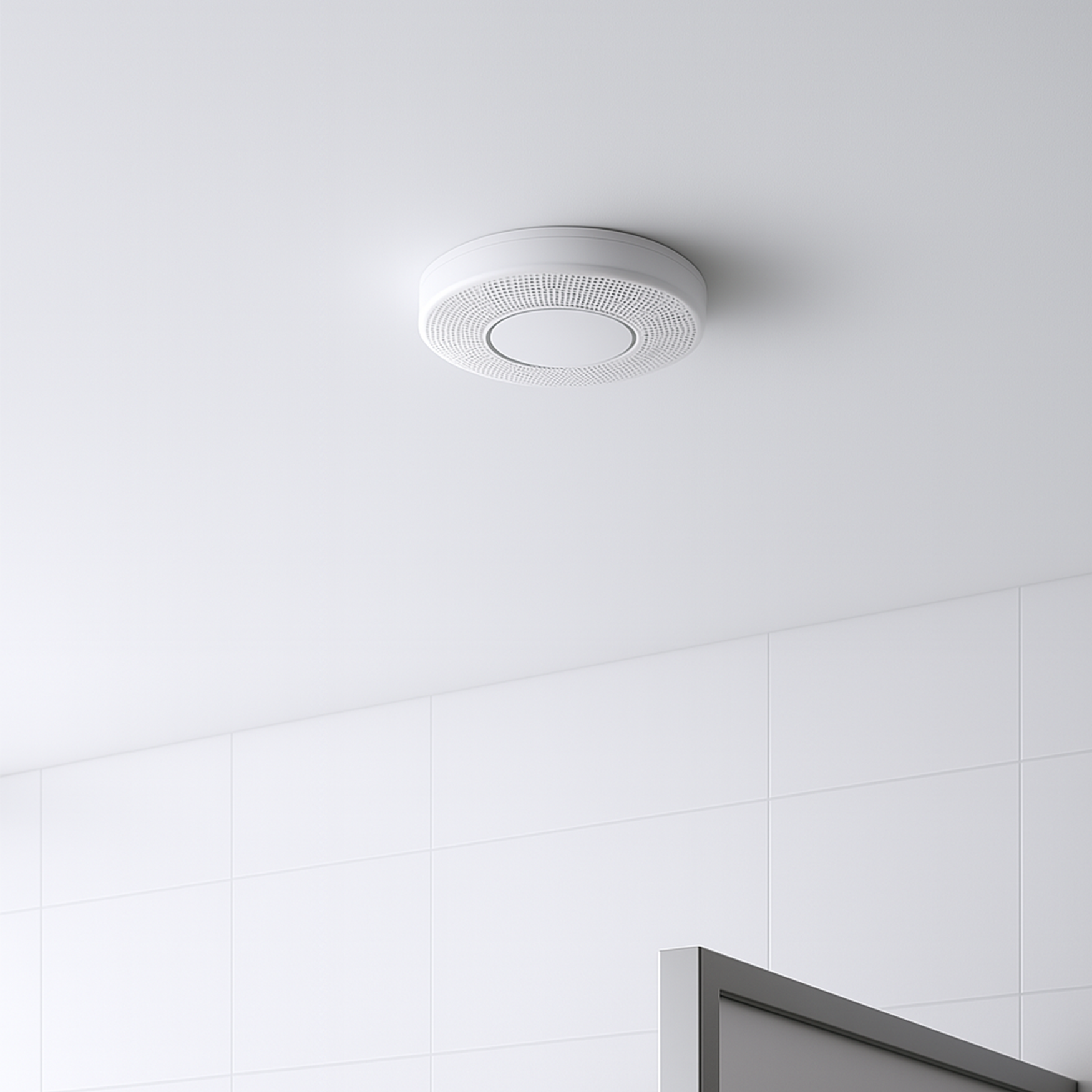
- Account for ceiling height as most detectors perform optimally at 2.5 to 3.5 metres
- Avoid obstructions that might block sensors or prevent proper air circulation
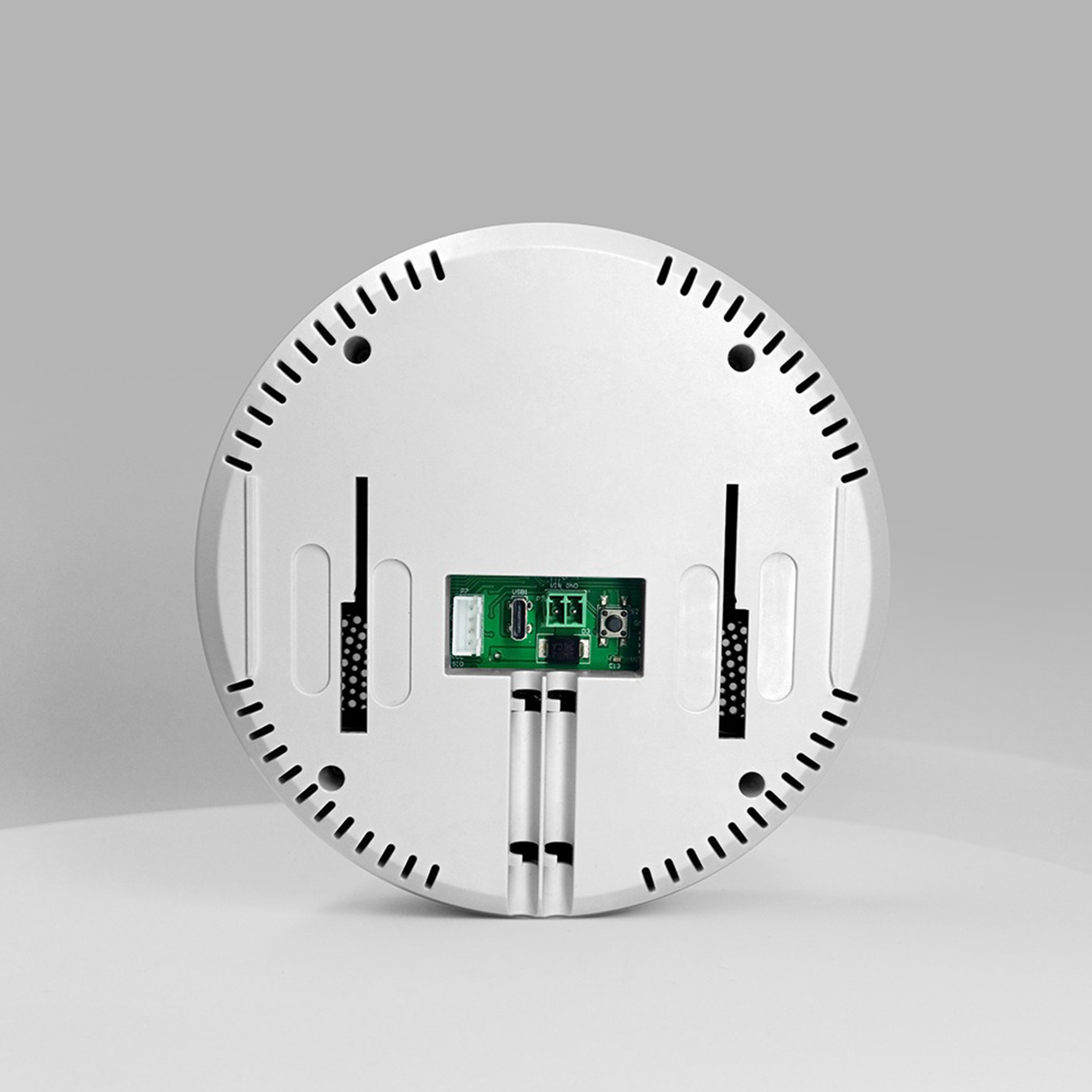
- Plan network connectivity ensuring reliable WiFi or Ethernet access at each location
Questions about whether vape detectors work in bathrooms are common, and evidence confirms that proper bathroom deployment represents one of the most effective deterrents against concealed vaping.
Integration With Existing Systems
Modern alternatives integrate seamlessly with security infrastructure, student management platforms, and building automation systems. This connectivity enables:
- Automatic incident logging in existing databases
- Coordinated responses involving multiple departments
- Comprehensive reporting that combines vaping data with other security metrics
- Remote management across distributed campuses or facilities
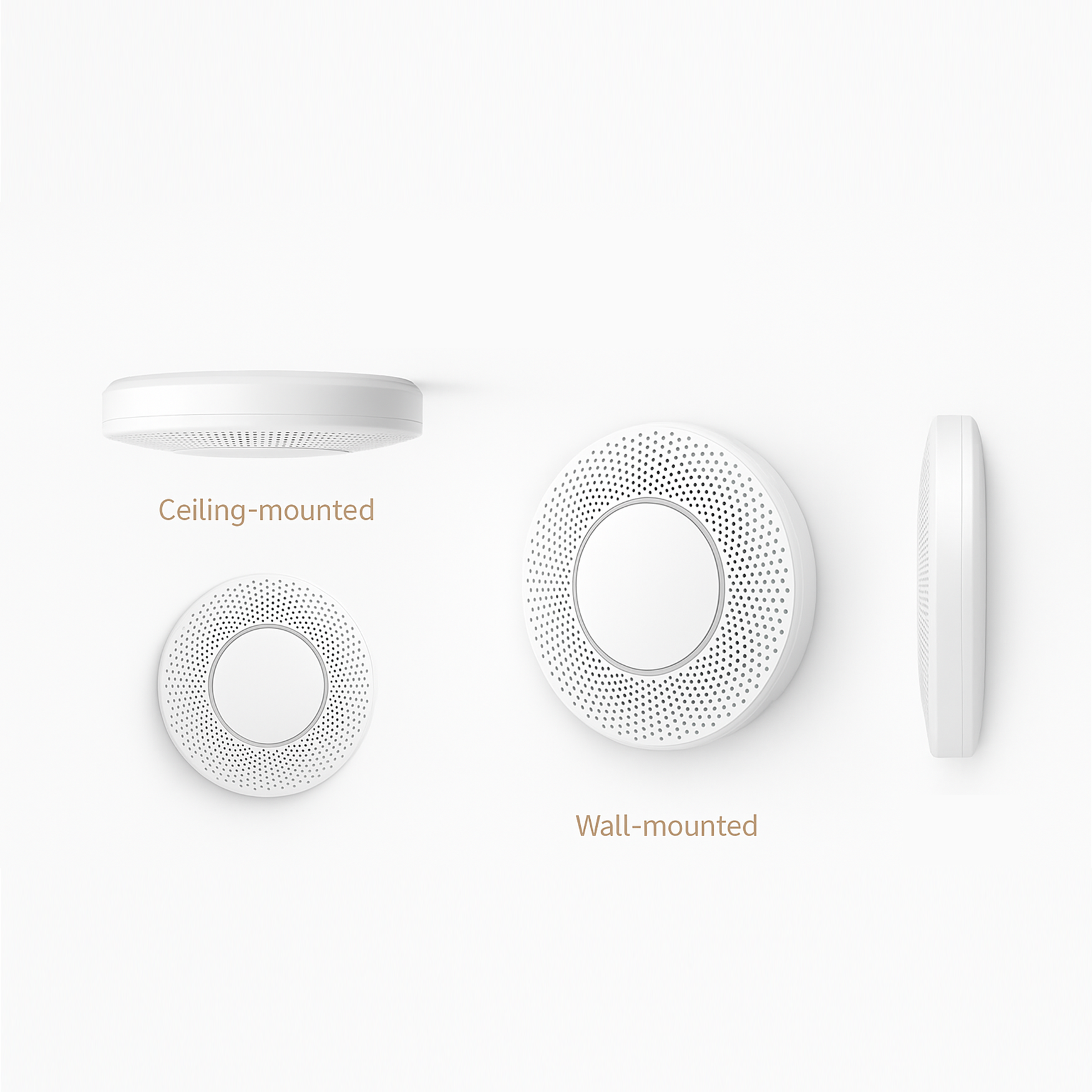
Professional installation services typically ensure optimal positioning whilst minimising aesthetic impact. Wireless options simplify retrofit installations in historic buildings where running new cables proves challenging.
Cost Analysis and Return on Investment
Understanding the total cost of ownership for any alternative to halo vape detector systems requires looking beyond initial purchase prices. Ongoing expenses, maintenance requirements, and operational savings all contribute to true ROI calculations.
Pricing Structure Breakdown
| Cost Component | Typical Range (GBP) | Frequency |
|---|---|---|
| Hardware per unit | £800 - £2,200 | One-time |
| Software licensing | £200 - £600 per unit | Annual |
| Installation | £150 - £400 per unit | One-time |
| Maintenance | £100 - £300 per unit | Annual |
| Training | £500 - £1,500 total | One-time |
Volume discounts significantly reduce per-unit costs for larger deployments. Many suppliers offer tiered pricing that rewards organisations installing systems across multiple buildings or campuses.
The cost breakdown and ROI calculator for schools demonstrates how detection systems typically pay for themselves within 18 to 24 months through reduced disciplinary proceedings, improved air quality, and decreased property damage.
Quantifiable Benefits
- Reduced staff time investigating vaping incidents through automated detection and logging
- Lower cleaning costs from decreased residue accumulation in toilets and enclosed spaces
- Improved compliance with health and safety regulations
- Enhanced reputation demonstrating commitment to wellbeing and safeguarding
Alternative systems with comprehensive environmental monitoring capabilities provide additional value by tracking overall air quality metrics beyond vaping detection alone.
Compliance and Regulatory Alignment
UK institutions face increasing regulatory scrutiny regarding vaping on premises, particularly in educational settings. An effective alternative to halo vape detector systems must support compliance whilst respecting privacy considerations.
Legal Framework Considerations
Data protection requirements under UK GDPR mandate careful handling of any personally identifiable information collected through detection systems. Most modern alternatives address this through:
- Incident logging without video capture
- Anonymous reporting options
- Configurable data retention policies
- Role-based access controls limiting who views sensitive information
Understanding UK school vaping laws in 2026 helps educational administrators ensure their detection approach aligns with current statutory requirements.
Policy Development Support
Leading alternative systems include policy templates and implementation guidance that help organisations establish clear vaping rules. A comprehensive vape-free policy framework should address:
- Clear definitions of prohibited behaviour
- Graduated consequence structures
- Support mechanisms for those trying to quit
- Communication strategies for students, staff, and parents
- Regular review and adjustment protocols
Technical Support and Ongoing Service
The quality of customer support distinguishes truly effective alternatives from basic commodity products. When evaluating any alternative to halo vape detector systems, consider the manufacturer's commitment to long-term partnership.
Support Infrastructure
UK-based support teams provide significant advantages for British organisations, including:
- Same-timezone assistance during critical incidents
- Understanding of local regulations and educational structures
- Faster on-site service when hardware issues occur
- Cultural alignment in customer service approaches
Review sites and independent assessments, such as this evaluation of the Halo Smart Sensor, provide valuable insights into real-world support experiences beyond marketing claims.
Software Updates and Evolution
Technology evolves rapidly, and vaping methods continuously change. Premium alternatives include:
- Regular firmware updates improving detection algorithms
- Feature additions at no extra cost
- Security patches protecting against cyber vulnerabilities
- Reporting enhancements based on user feedback
Systems with strong development roadmaps ensure investments remain effective as new vaping devices and techniques emerge. The shift towards devices containing drugs mixed with vaping liquids represents exactly the type of evolving threat that advanced detection systems must address through ongoing refinement.

Real-World Performance and User Feedback
Theoretical capabilities matter far less than proven performance in demanding environments. When considering an alternative to halo vape detector systems, investigate actual deployment results and user testimonials from comparable organisations.
Educational Institution Experiences
Schools implementing comprehensive detection programmes report significant improvements:
- 60-80% reduction in vaping incidents within first academic term
- Decreased confrontations between staff and students due to objective evidence
- Improved air quality measurements in previously problematic areas
- Enhanced parent confidence in school safeguarding measures
The challenges facing secondary schools regarding vaping dangers require solutions that balance detection effectiveness with educational approaches to behaviour modification.
Corporate and Workplace Applications
Offices and commercial facilities implement vape detection for different but equally valid reasons:
- Maintaining professional environments free from second-hand aerosol exposure
- Protecting sensitive equipment from residue accumulation
- Ensuring compliance with smoke-free workplace policies
- Reducing hidden health risks in office environments
Performance metrics from workplace deployments show that visible detection systems create powerful deterrent effects, often reducing incidents by 70% or more simply through their presence.
Making the Final Selection Decision
Choosing the right alternative to halo vape detector systems ultimately depends on balancing multiple factors specific to your organisation's circumstances, constraints, and objectives.
Decision Framework
| Priority Factor | Questions to Ask | Weight |
|---|---|---|
| Budget | What's the total cost over three years? | High |
| Coverage | How many units needed for complete protection? | High |
| Integration | Does it work with our existing systems? | Medium |
| Support | Is UK-based assistance available? | Medium |
| Scalability | Can we easily expand deployment? | Medium |
| Features | Does it detect beyond just vaping? | Low |
Trial programmes offered by many suppliers allow organisations to test devices in their actual environments before committing to full deployments. These pilots prove invaluable for assessing real-world performance against specific challenges.
Comprehensive guides explaining the full scope of vape detection capabilities help decision-makers understand what's genuinely achievable versus optimistic marketing claims.
Implementation Success Factors
- Stakeholder engagement ensuring buy-in from staff, students, or employees
- Clear communication about why detection systems are being deployed
- Comprehensive training for those responding to alerts
- Regular review of system performance and adjustment of placement or sensitivity
- Integration with support services helping individuals address underlying issues
The most successful deployments treat technology as one component within broader programmes addressing the root causes of vaping behaviour, particularly in educational contexts.
Environmental and Air Quality Benefits
Beyond vaping detection, many alternative systems provide comprehensive indoor air quality monitoring that delivers additional health and safety benefits.
Extended Monitoring Capabilities
Particulate matter tracking identifies not only vaping but also:
- Dust accumulation indicating ventilation problems
- Smoke from actual fires requiring immediate evacuation
- Chemical releases from cleaning products or maintenance activities
- Pollen and allergen levels affecting occupant comfort
Volatile organic compound sensors detect potentially harmful chemicals that conventional systems miss entirely. This broader environmental awareness transforms basic vape detectors into comprehensive smart building sensors that optimise overall facility management.
Research into whether vape detectors truly work effectively confirms that quality systems provide reliable performance whilst simultaneously delivering these valuable secondary benefits.
Health and Wellbeing Impact
The irreversible harm warnings about youth vaping underscore why early detection and intervention matter so critically. Systems that catch vaping early enable support interventions before habits become entrenched.
Clean air contributes to:
- Improved concentration and productivity
- Reduced respiratory complaints
- Lower absenteeism rates
- Enhanced overall satisfaction with facilities
Future Developments in Detection Technology
The vape detection industry continues evolving rapidly, with emerging technologies promising even greater capabilities in coming years. When selecting an alternative to halo vape detector systems today, consider how platforms will adapt to future requirements.
Emerging Capabilities
- Artificial intelligence improving detection accuracy through machine learning
- Network effects where multiple sensors share data to eliminate false positives
- Predictive analytics identifying patterns that suggest when incidents are likely
- Integration with wellness programmes connecting detection to support services
- Enhanced chemical libraries detecting new substances as they appear in vaping products
The continued development of anti-vaping technology reflects both increasing awareness of vaping's impacts and growing demand for effective countermeasures across multiple sectors.
Sustainability Considerations
Modern alternatives increasingly address environmental concerns through:
- Energy-efficient operation reducing ongoing electricity consumption
- Recyclable components minimising waste at end of life
- Long service lives through upgradeable firmware and modular hardware
- Reduced need for disposable testing equipment through continuous automated monitoring
Selecting the right alternative to halo vape detector systems requires careful evaluation of your specific requirements, environmental conditions, and organisational priorities. Quality detection technology delivers measurable improvements in air quality, compliance, and overall facility management when properly deployed and integrated into comprehensive programmes. If you're ready to explore advanced vaping detection solutions designed specifically for UK schools, offices, and leisure spaces, Vape Guardian provides reliable technology backed by dedicated customer support to help you create safer, healthier environments for everyone.

Share:
Office Vape Detector: Complete Guide for UK Workplaces
CO2 Monitor for Schools: Essential Air Quality Guide 2026