

Indoor air quality in educational settings has become a paramount concern for school administrators, teachers, and parents alike. As we increasingly understand the direct correlation between air quality and student performance, the implementation of a CO2 monitor for schools has transitioned from optional to essential. Carbon dioxide monitoring provides real-time insights into ventilation effectiveness, helping schools maintain optimal learning environments whilst ensuring compliance with health and safety standards. This technology serves as an early warning system, indicating when fresh air exchange rates fall below acceptable levels, potentially impacting concentration, cognitive function, and overall wellbeing.
Understanding Carbon Dioxide Levels in Educational Environments
Carbon dioxide concentration serves as a reliable proxy indicator for overall indoor air quality. When students and staff occupy a classroom, they exhale CO2 as part of normal respiration. Without adequate ventilation, these levels accumulate rapidly, creating an environment that can impair cognitive function and reduce learning efficiency.
Research demonstrates that elevated CO2 concentrations correlate with decreased decision-making performance, reduced productivity, and increased absenteeism. For educational institutions, this translates directly into compromised academic outcomes. A properly calibrated CO2 monitor for schools provides objective data, removing guesswork from ventilation management.
Recommended CO2 Thresholds for Classrooms
Understanding appropriate CO2 levels is fundamental to effective monitoring. Outdoor air typically contains approximately 400-450 parts per million (ppm) of carbon dioxide. Indoor environments will naturally exceed this baseline due to occupancy.
| CO2 Level (ppm) | Assessment | Action Required |
|---|---|---|
| Below 800 | Excellent | Maintain current ventilation |
| 800-1000 | Good | Monitor regularly |
| 1000-1500 | Acceptable | Increase ventilation |
| 1500-2000 | Poor | Immediate action needed |
| Above 2000 | Unacceptable | Evacuate and remedy |
The Building Bulletin 101 guidelines suggest that classrooms should maintain CO2 levels below 1500 ppm to ensure adequate air quality. However, many experts recommend targeting levels below 1000 ppm for optimal cognitive performance, particularly in spaces where children spend extended periods.

Key Benefits of Implementing CO2 Monitoring Systems
Schools deploying carbon dioxide monitoring technology report measurable improvements across multiple dimensions. These benefits extend beyond simple air quality metrics, influencing operational efficiency, health outcomes, and educational effectiveness.
Enhanced Student Performance and Wellbeing
Numerous studies confirm that maintaining lower CO2 concentrations improves cognitive function. Students in well-ventilated classrooms demonstrate better concentration, faster problem-solving abilities, and improved test scores. The research on wintertime classroom ventilation provides valuable insights into how point measurements can accurately assess air quality conditions affecting student performance.
Ventilation System Optimisation
A CO2 monitor for schools enables facilities managers to evaluate ventilation system effectiveness objectively. Rather than relying on scheduled maintenance alone, real-time data identifies underperforming systems, air distribution issues, and spaces requiring immediate attention.
Energy Efficiency and Cost Savings
Intelligent ventilation management balances air quality with energy consumption. By monitoring actual occupancy and CO2 levels, schools can adjust HVAC systems dynamically, avoiding unnecessary heating or cooling of unoccupied spaces whilst ensuring adequate fresh air when needed.
Compliance Documentation
Regulatory bodies increasingly require schools to demonstrate adequate ventilation provision. Continuous monitoring creates an auditable trail, documenting compliance efforts and providing evidence-based justification for infrastructure improvements.
Strategic Placement and Installation Considerations
The effectiveness of carbon dioxide monitoring depends significantly on sensor placement. Poorly positioned monitors generate misleading data, potentially prompting inappropriate responses that waste resources or fail to address actual air quality issues.
Optimal Positioning Guidelines
When installing a CO2 monitor for schools, consider these evidence-based recommendations:
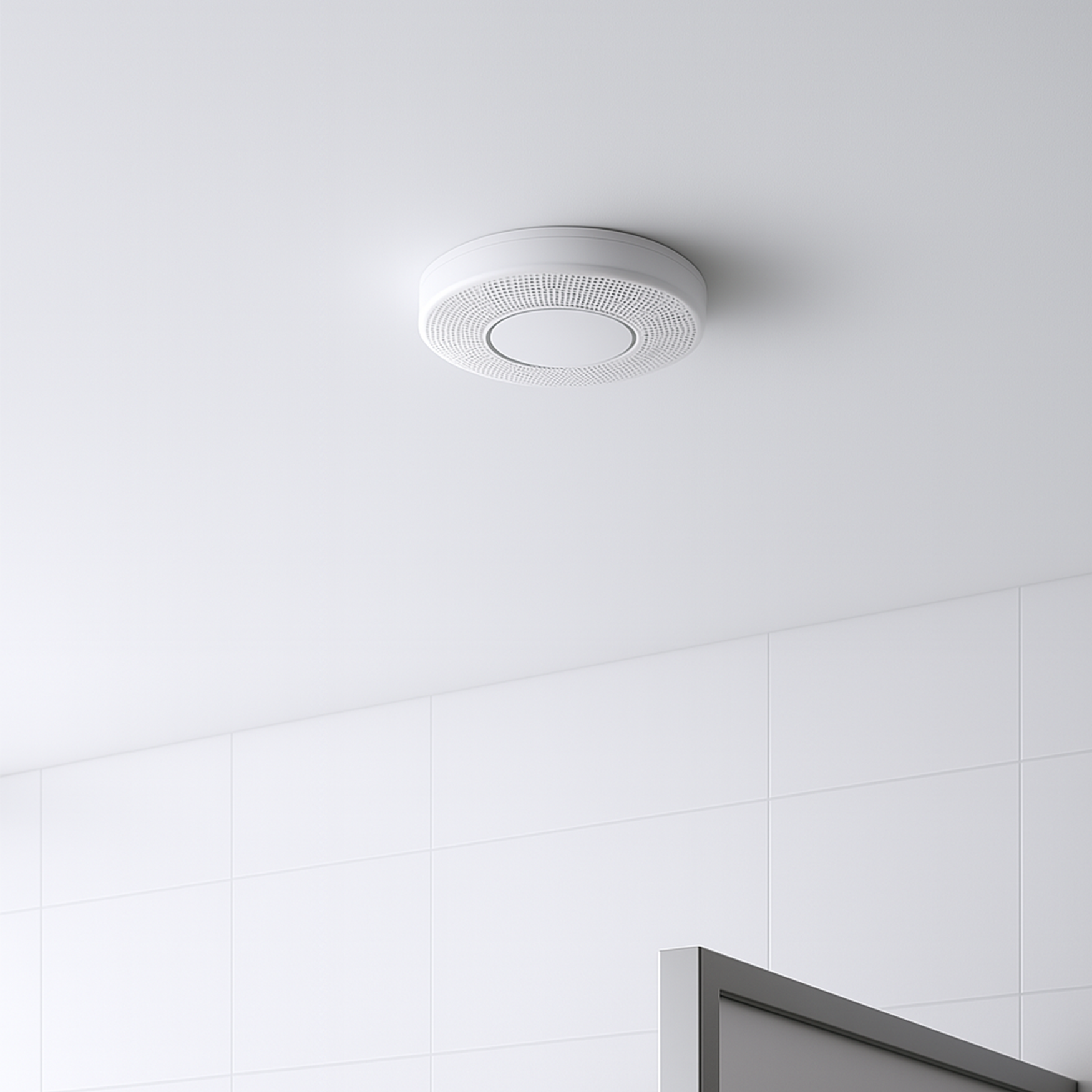
- Height positioning: Mount sensors at breathing zone height, typically 1.2 to 1.5 metres from the floor, where students and staff actually breathe
- Distance from sources: Position monitors away from windows, doors, and HVAC vents that could skew readings with localised air currents
- Representative locations: Select monitoring points that reflect typical classroom conditions, avoiding corners or areas with unusual airflow patterns
- Multiple sensor deployment: In larger classrooms or lecture halls, consider multiple monitoring points to capture spatial variations
Guidance on classroom ventilation assessment emphasises the critical importance of measurement location, noting that poorly positioned sensors can underestimate actual exposure levels by 20-30%.
The research examining optimal CO2 monitor placement in naturally ventilated classrooms provides specific recommendations for achieving accurate ventilation assessments across different classroom configurations.
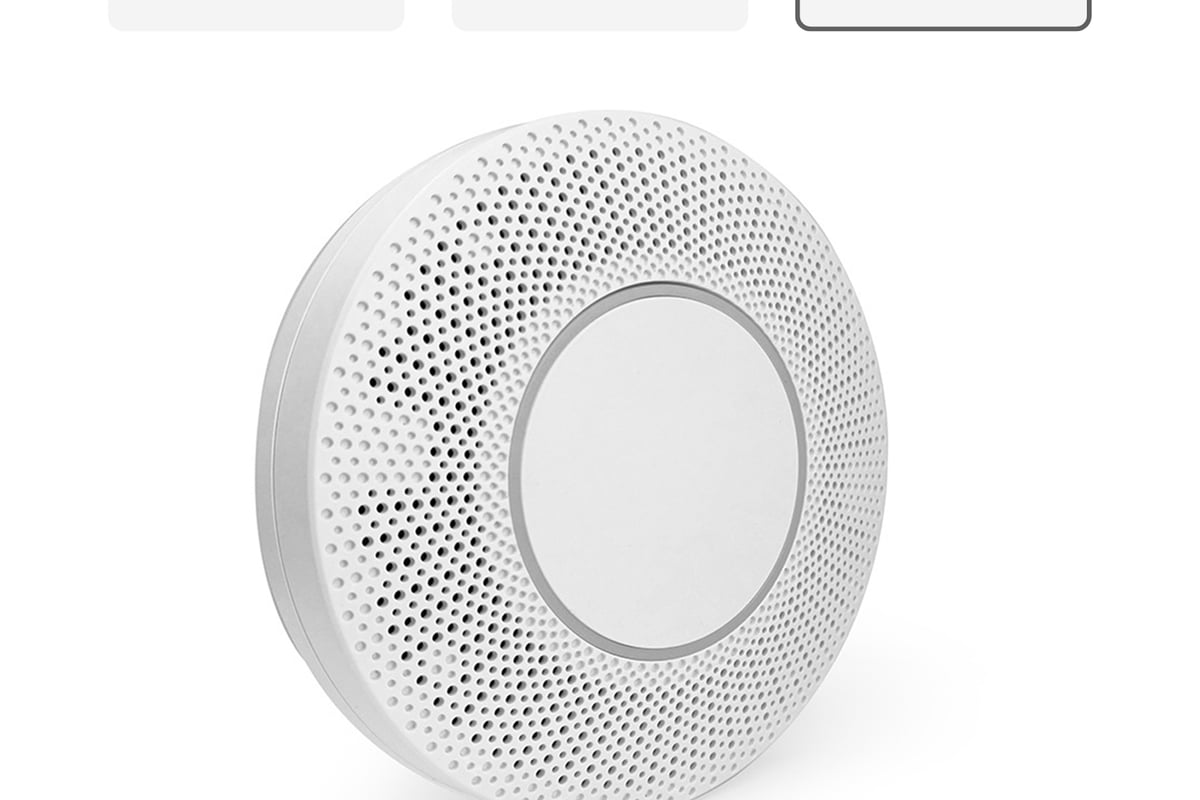
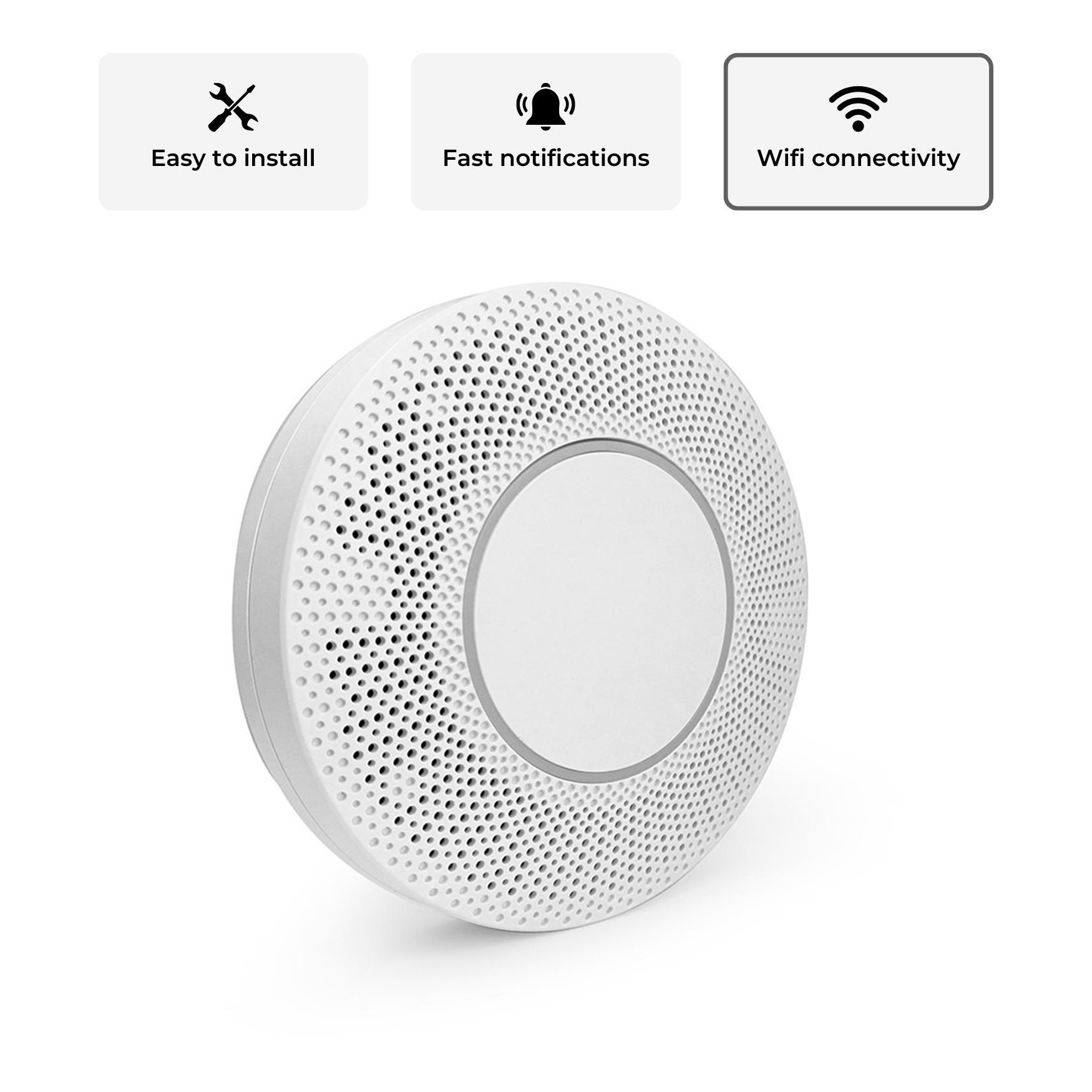
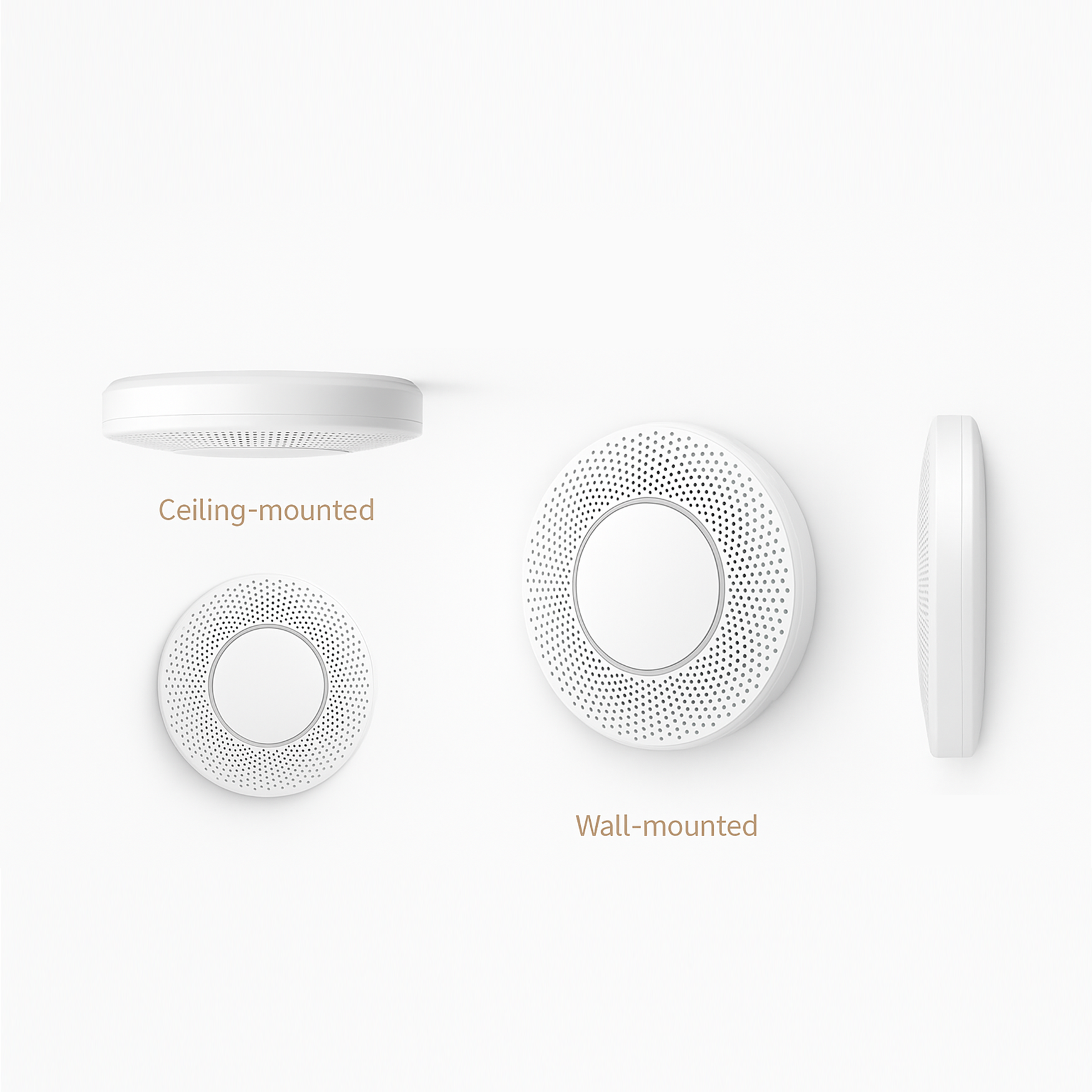
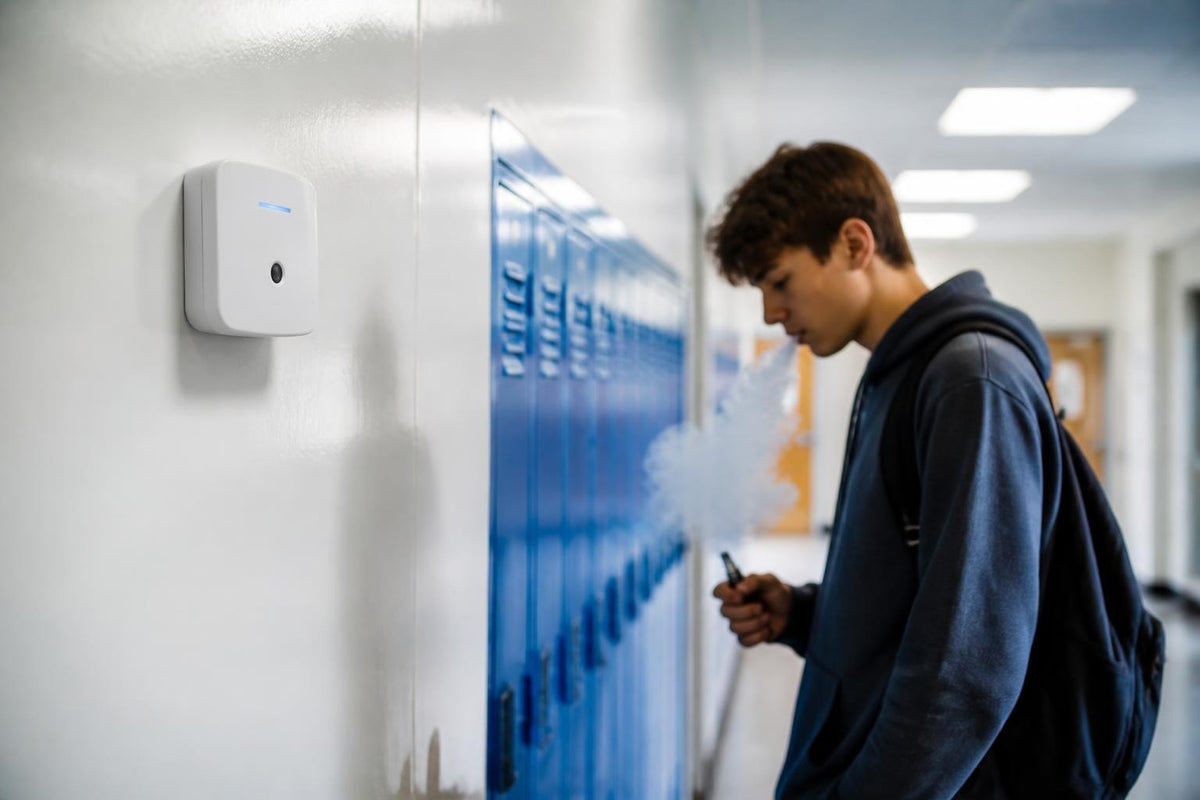
Beyond CO2 monitoring, many schools are implementing comprehensive environmental monitoring systems. For educational institutions concerned about indoor air quality, the Vape Detection System offers integrated monitoring that detects vaping incidents alongside air quality metrics, providing a holistic approach to creating safer, healthier learning environments.
Interpreting Data and Taking Effective Action
Collecting CO2 data represents only the first step. Translating measurements into meaningful interventions requires understanding context, recognising patterns, and implementing appropriate responses.
Creating Action Protocols
Successful CO2 monitoring programmes establish clear protocols linking measurement thresholds to specific actions:
- Immediate responses: When levels exceed 1500 ppm, open windows or doors to increase natural ventilation immediately
- Short-term adjustments: Schedule breaks or outdoor activities when elevated readings persist
- Medium-term solutions: Adjust HVAC system settings, clean filters, or modify occupancy schedules
- Long-term investments: Plan infrastructure upgrades for chronically problematic spaces
Understanding Temporal Patterns
A CO2 monitor for schools reveals temporal patterns that inform strategic planning. Morning readings typically show lower concentrations after overnight ventilation, whilst afternoon measurements often peak during maximum occupancy periods. Seasonal variations also emerge, with winter months typically showing elevated levels due to reduced natural ventilation.
Integration with Broader Air Quality Monitoring
Whilst carbon dioxide serves as an excellent ventilation indicator, comprehensive air quality management considers multiple parameters. Progressive schools combine CO2 monitoring with additional sensors measuring particulate matter, volatile organic compounds, humidity, and temperature.
This integrated approach provides deeper insights into indoor environmental quality. For instance, elevated CO2 alongside high particulate counts might indicate inadequate filtration, whilst normal CO2 with high humidity could signal moisture intrusion issues unrelated to ventilation rates.
Schools focused on student safety increasingly recognise the value of multifunctional monitoring systems. Institutions can explore comprehensive environmental monitoring solutions through Vape Guardian's educational offerings, which address both air quality and behavioural safety concerns within a single integrated platform.
Technology Options and Selection Criteria
The market offers diverse CO2 monitoring solutions ranging from basic standalone units to sophisticated networked systems with cloud-based analytics. Selecting appropriate technology requires evaluating institutional needs, budget constraints, and technical capabilities.
Standalone versus Networked Systems
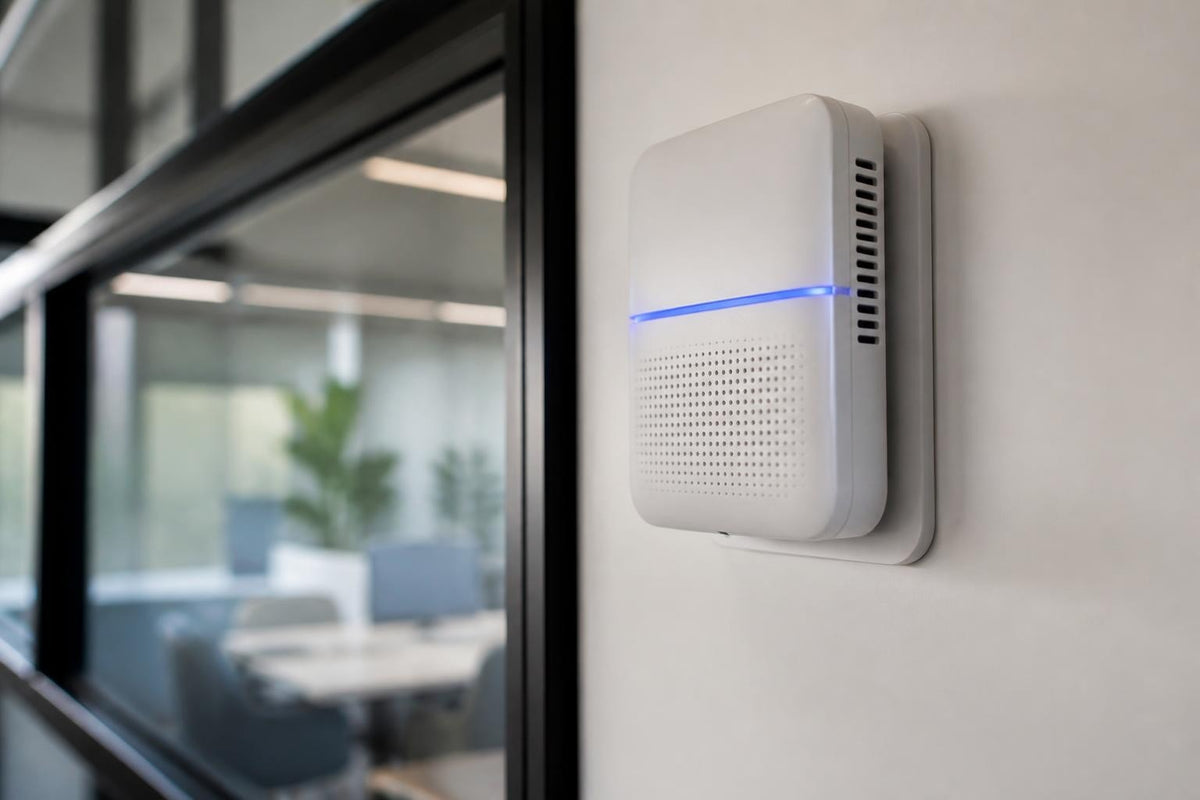
Standalone monitors offer simplicity and lower initial costs. These battery or mains-powered devices display current CO2 readings, often with colour-coded indicators. They suit smaller schools or pilot programmes testing monitoring effectiveness before wider deployment.
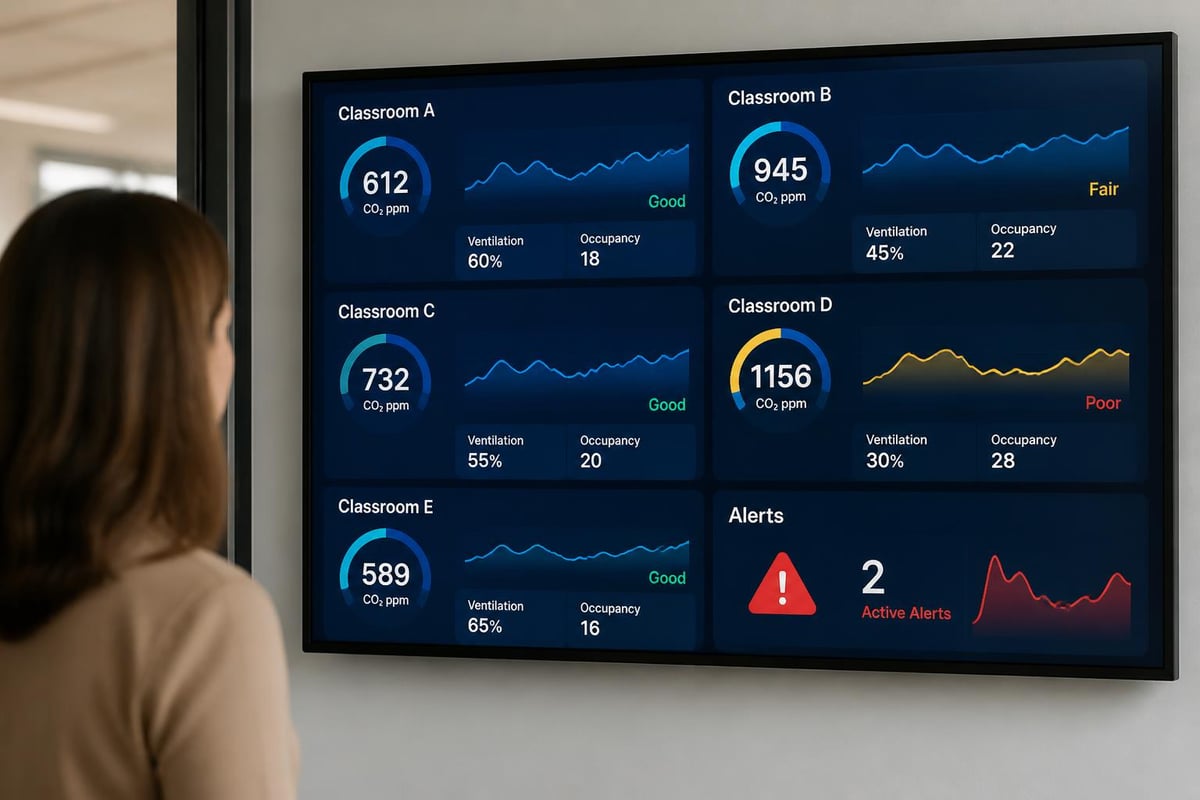
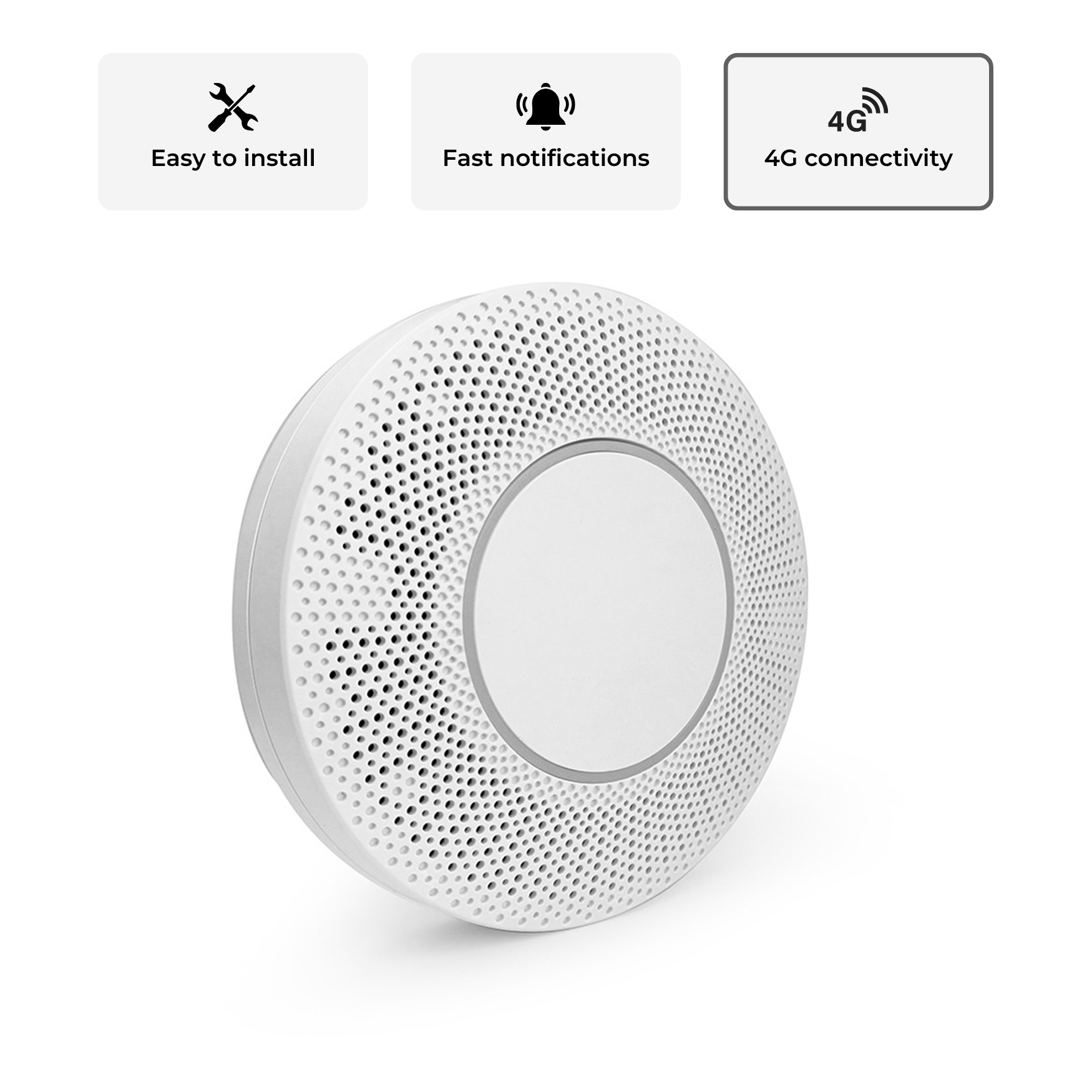
Networked systems provide centralised monitoring across multiple locations. Data flows to cloud platforms enabling remote access, historical analysis, and automated alerting. Facilities managers can monitor entire campuses from a single dashboard, identifying trends and anomalies efficiently.
| Feature | Standalone | Networked |
|---|---|---|
| Initial cost | £50-200 per unit | £150-500 per unit |
| Installation complexity | Minimal | Moderate to high |
| Data accessibility | Local only | Cloud-based, remote access |
| Historical analysis | Limited | Comprehensive |
| Alert capabilities | Visual/audible on device | Email, SMS, dashboard |
| Maintenance requirements | Individual battery checks | Centralised monitoring |
Accuracy and Calibration Requirements
Sensor accuracy directly impacts decision quality. Non-dispersive infrared (NDIR) sensors represent the gold standard for CO2 measurement, offering accuracy within ±50 ppm and minimal drift over time. Lower-cost metal oxide semiconductor sensors may suffice for basic applications but require more frequent calibration.
Professional-grade CO2 monitors for schools should include automatic baseline calibration, compensating for sensor drift without manual intervention. Verify manufacturer specifications for calibration frequency, typically ranging from annual to every five years depending on sensor technology.
Staff Training and Stakeholder Engagement
Technology alone cannot improve air quality without informed users who understand data interpretation and response protocols. Successful implementation requires comprehensive training programmes and ongoing stakeholder engagement.
Building Staff Competency
Facilities managers, teachers, and administrative staff each require tailored training addressing their specific roles:
- Facilities teams: Technical training covering installation, calibration, troubleshooting, and system maintenance
- Teaching staff: Practical guidance on interpreting classroom readings and implementing immediate ventilation improvements
- Administrative leaders: Strategic overview of data trends, compliance requirements, and resource allocation priorities
Schools should establish clear ownership structures defining who monitors data, responds to alerts, and coordinates improvement initiatives. The Boston Public Schools case study demonstrates how decision-making frameworks support effective continuous monitoring programmes.
Communicating with Parents and Governors
Transparency about air quality initiatives builds trust and demonstrates institutional commitment to student wellbeing. Regular reporting to governors and parent communities should highlight:
- Current air quality performance across the school estate
- Identified issues and remediation plans
- Investment in monitoring infrastructure and ventilation improvements
- Measurable outcomes including attendance, health metrics, and academic performance correlations
Visual dashboards and simplified reports make technical data accessible to non-specialist audiences, facilitating informed discussions about resource priorities and infrastructure investments.
Addressing Common Implementation Challenges
Schools deploying CO2 monitoring systems encounter predictable obstacles. Anticipating these challenges and preparing mitigation strategies accelerates successful implementation and maximises return on investment.
Budget Constraints and Phased Deployment
Complete campus coverage may exceed available budgets. Strategic phased implementation prioritises high-risk areas:
- Classrooms with maximum occupancy density
- Spaces with known ventilation deficiencies
- Rooms housing vulnerable populations
- Areas where students spend extended periods
Monitoring data from initial deployments builds the business case for expansion, demonstrating measurable benefits that justify additional investment.
Infrastructure Limitations
Older school buildings often present ventilation challenges that monitoring reveals but budgets cannot immediately remedy. A CO2 monitor for schools in heritage buildings might consistently show elevated readings requiring creative solutions:
- Operational adjustments: Modified scheduling, reduced occupancy, or increased break frequency
- Low-cost interventions: Strategic window opening protocols, portable air purifiers, or fan installations
- Incremental improvements: Prioritised upgrades targeting worst-performing spaces first
Documentation of persistent air quality issues strengthens funding applications to local authorities, demonstrating need through objective evidence rather than anecdotal reports.
Technical Integration and Connectivity
Networked monitoring systems require reliable connectivity infrastructure. Schools with limited Wi-Fi coverage or network security restrictions may need to address technical prerequisites before deployment. Working with IT departments early ensures monitoring systems integrate smoothly with existing networks whilst maintaining cybersecurity standards.
Research on spatial CO2 features for occupancy detection demonstrates how sophisticated analysis of monitoring data can serve dual purposes, supporting both air quality management and space utilisation optimisation when properly integrated with school information systems.
Regulatory Context and Future Developments
The regulatory landscape surrounding school air quality continues to evolve. Understanding current requirements and anticipated changes helps schools future-proof their monitoring investments.
Current UK Guidance and Standards
Building Bulletin 101 provides technical guidance for school ventilation design. Whilst not legally binding for existing buildings, it represents best practice and influences Ofsted evaluations of learning environments. Schools implementing robust CO2 monitoring demonstrate proactive compliance with health and safety obligations.
The Health and Safety Executive emphasises adequate ventilation as a fundamental workplace requirement. For schools as employers, this creates legal obligations to provide healthy working conditions for staff, with monitoring systems providing objective evidence of compliance efforts.
Emerging Trends and Technologies
Next-generation monitoring solutions incorporate artificial intelligence and machine learning, predicting ventilation needs based on occupancy patterns, weather forecasts, and historical data. These predictive systems optimise energy efficiency whilst maintaining air quality, automatically adjusting ventilation rates before CO2 levels rise.
Integration with building management systems enables automated responses, eliminating manual interventions. When a CO2 monitor for schools detects rising concentrations, connected HVAC systems can increase fresh air intake automatically, maintaining optimal conditions without staff action.
The comfort performance gap case study examining new educational buildings highlights how even recently constructed facilities benefit from continuous monitoring, revealing discrepancies between design intentions and operational reality that only measurement can identify.
Practical Implementation Roadmap
Schools embarking on CO2 monitoring initiatives benefit from structured implementation approaches. This roadmap outlines key phases from initial assessment through to sustained operation.
Phase One: Assessment and Planning
Begin with baseline evaluation of current ventilation provision and air quality concerns. Conduct stakeholder consultations involving facilities teams, teaching staff, health and safety representatives, and governing bodies. Define programme objectives, success metrics, and budget parameters.
Phase Two: Pilot Deployment
Select representative spaces for initial monitoring deployment. Choose a mix of classroom types, building ages, and ventilation systems to capture diverse conditions. Run the pilot for a complete term, gathering data across different seasons and occupancy patterns.
Phase Three: Analysis and Refinement
Review pilot data identifying patterns, problem areas, and quick wins. Develop standard operating procedures for data interpretation and response protocols. Refine sensor placement based on empirical results and staff feedback.
Phase Four: Scaled Implementation
Expand monitoring coverage based on pilot learnings and available budget. Prioritise additional locations using risk-based criteria. Implement training programmes ensuring all relevant staff understand their roles.
Phase Five: Continuous Improvement
Establish regular review cycles examining monitoring data trends, system performance, and outcome metrics. Update protocols based on operational experience. Plan infrastructure improvements addressing persistent air quality challenges identified through monitoring.
Schools can access specialised support throughout this journey. Organisations like Vape Guardian understand the unique challenges educational institutions face when implementing environmental monitoring systems, offering expertise that extends beyond product supply to include strategic planning and ongoing operational support.
Implementing a CO2 monitor for schools represents a strategic investment in student health, academic performance, and regulatory compliance. By providing objective data on ventilation effectiveness, these systems empower schools to create optimal learning environments whilst demonstrating accountability to stakeholders. Whether addressing immediate air quality concerns or building comprehensive environmental monitoring capabilities, schools benefit from partnering with experienced providers who understand educational contexts. Vape Guardian combines advanced monitoring technology with dedicated support, helping schools across the UK create safer, healthier environments where students thrive and learning flourishes.

Share:
Alternative to Halo Vape Detector: Complete Guide 2026
Formaldehyde Air Quality Sensor: Complete Guide 2026