
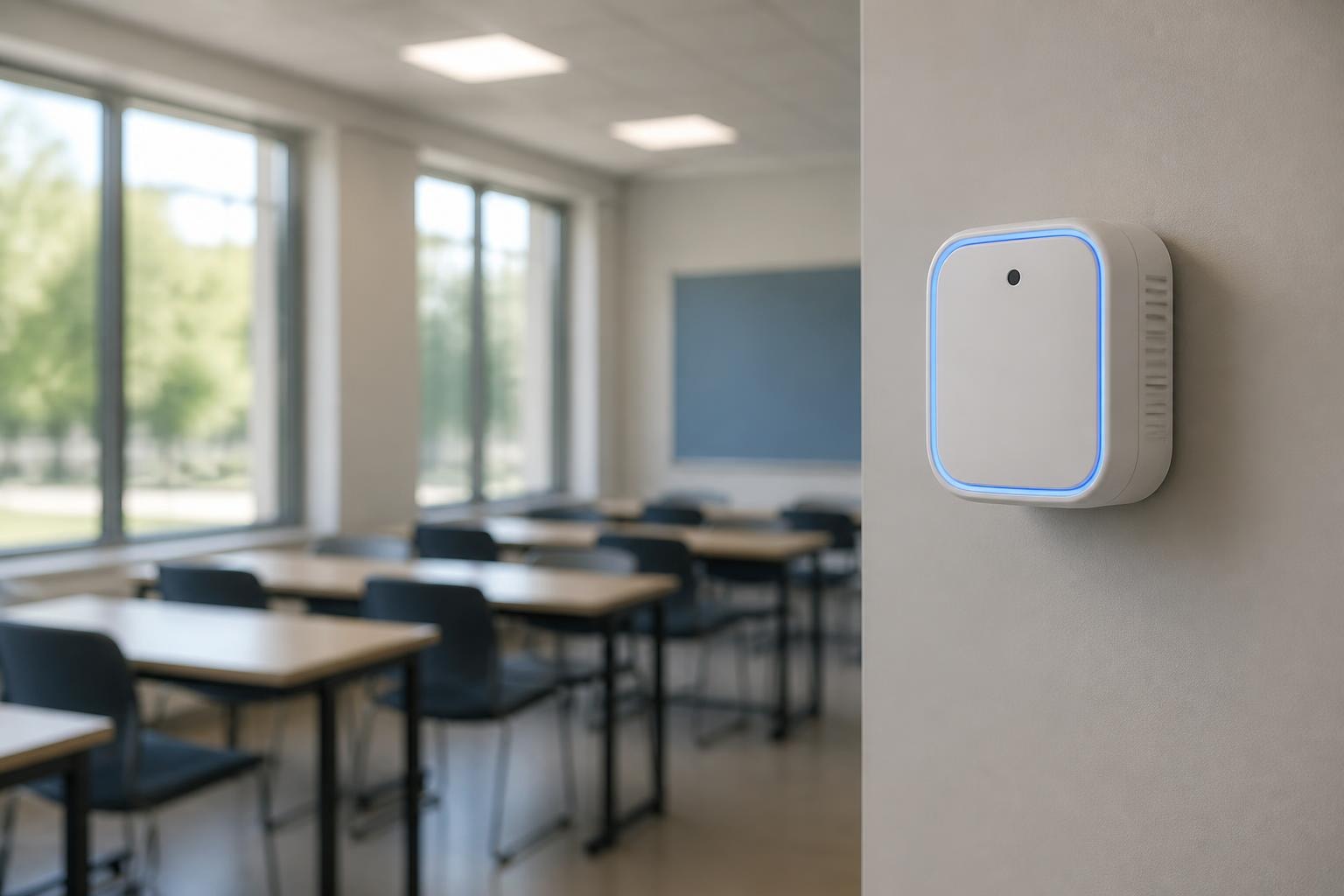
Indoor air quality has emerged as a critical concern for organisations managing educational facilities, commercial spaces, and public buildings throughout the UK. Among the various pollutants that compromise air quality, formaldehyde stands out as particularly challenging because it remains invisible and odourless whilst potentially causing significant health issues. A formaldehyde air quality sensor provides the technological solution needed to monitor this volatile organic compound continuously, enabling facility managers to maintain safer environments for occupants.
Understanding Formaldehyde in Indoor Environments
Formaldehyde exists as a colourless gas with widespread presence in modern buildings. This compound originates from numerous sources that many facility managers fail to recognise initially.
Building materials represent the primary source of indoor formaldehyde emissions. Pressed wood products, including particleboard, plywood, and medium density fibreboard, release formaldehyde gradually over extended periods. Additionally, insulation materials, adhesives, and certain paints contribute to baseline formaldehyde concentrations.
Consumer products also introduce formaldehyde into indoor spaces. These include:
- Household cleaning products
- Personal care items
- Paper products treated with formaldehyde resins
- Permanent press fabrics
- Certain cosmetics
The health effects of formaldehyde exposure range from immediate irritation to long term health concerns. Short term exposure causes eye, nose, and throat irritation, whilst prolonged exposure may lead to respiratory issues and has been classified as a human carcinogen by various health organisations.
Why Traditional Detection Methods Fall Short
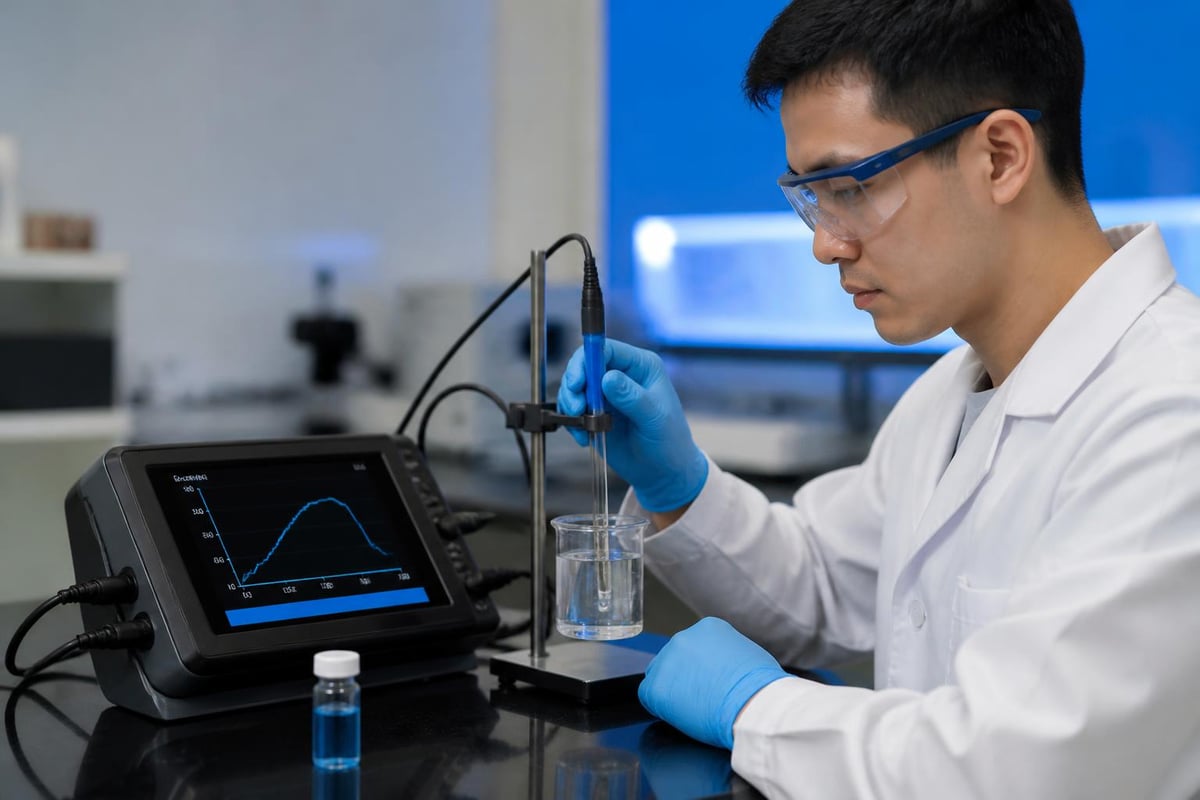
Historical approaches to formaldehyde monitoring relied on periodic sampling and laboratory analysis. These methods suffer from significant limitations that compromise their effectiveness in protecting occupant health.
Laboratory testing requires collecting air samples at specific moments, transporting them to testing facilities, and waiting for results. This process creates substantial time gaps during which formaldehyde concentrations might fluctuate dramatically without detection.
Indicator badges change colour when exposed to formaldehyde but provide only approximate readings. They lack the precision necessary for compliance monitoring and fail to generate the actionable data that modern facility management demands.
Continuous monitoring through a formaldehyde air quality sensor addresses these shortcomings by providing real time data streams that enable immediate response to elevated concentrations.
Types of Formaldehyde Air Quality Sensor Technology
The formaldehyde air quality sensor market encompasses several distinct technologies, each offering specific advantages for different monitoring scenarios.
Electrochemical Sensors
Electrochemical sensors operate through oxidation or reduction reactions when formaldehyde molecules contact the sensor surface. These devices measure the electrical current generated during the chemical reaction, providing quantitative formaldehyde concentration data.
| Feature | Specification | Benefit |
|---|---|---|
| Detection Range | 0.01 to 10 ppm | Suitable for most indoor applications |
| Response Time | 30 to 90 seconds | Quick identification of concentration changes |
| Sensor Lifespan | 2 to 3 years | Reasonable replacement intervals |
| Power Consumption | Low | Enables battery operation |
These sensors excel in portable monitoring applications and fixed installations where reliable, continuous measurement is essential. Their relatively low cost makes them accessible for widespread deployment across facilities.
Photoelectric Sensors
Photoelectric formaldehyde sensors utilise light absorption principles to detect formaldehyde presence. When formaldehyde molecules absorb specific wavelengths of light, the sensor measures the reduction in light intensity to calculate concentration levels.
This technology delivers exceptional accuracy and stability over extended operational periods. Research published in Nature demonstrates how coupled sensor spectrophotometric devices enable continuous formaldehyde measurement with laboratory grade precision.
Semiconductor Sensors
Semiconductor based sensors detect formaldehyde through changes in electrical conductivity when the gas contacts a heated metal oxide surface. These sensors provide cost effective monitoring but may exhibit cross sensitivity to other volatile organic compounds.
Facilities managing multiple air quality parameters often integrate semiconductor sensors with other detection technologies. This approach balances cost considerations against the need for comprehensive air quality monitoring.
Metal Oxide Sensors
Metal oxide sensors represent an evolution in microfabricated formaldehyde detection, offering compact form factors with enhanced sensitivity. These devices measure resistance changes in metal oxide films when exposed to formaldehyde, enabling detection at parts per billion concentrations.
Advanced facilities incorporating smart building systems frequently specify metal oxide sensors for their superior integration capabilities with building management platforms.
Selecting the Right Formaldehyde Air Quality Sensor
Choosing an appropriate formaldehyde air quality sensor requires evaluating multiple factors that influence both performance and operational suitability.
Sensitivity and Detection Range
Formaldehyde concentrations in indoor environments typically range from 0.01 to 0.5 parts per million under normal conditions. However, newly renovated spaces or areas with substantial pressed wood furniture may exhibit concentrations exceeding 1 ppm.
Selection criteria should prioritise sensors capable of detecting concentrations below recommended exposure limits. The World Health Organization suggests keeping formaldehyde levels below 0.08 ppm for 30 minute exposures, whilst guideline values from public health authorities provide additional benchmarks for long term exposure scenarios.
Your sensor should detect formaldehyde at concentrations well below these thresholds to enable preventative action before levels reach concerning ranges.

Response Time and Accuracy
Response time determines how quickly the sensor identifies concentration changes. For environments where occupant protection is paramount, rapid response times become critical.
- Immediate detection sensors identify concentration changes within 30 seconds, suitable for areas with variable formaldehyde sources
- Standard response sensors provide readings within 1 to 3 minutes, appropriate for general monitoring applications
- Slow response sensors requiring 5 minutes or longer suit baseline monitoring where rapid fluctuations are uncommon
Accuracy specifications should match your compliance requirements. Sensors with ±10% accuracy suffice for general monitoring, whilst compliance documentation may necessitate ±5% accuracy or better.
Calibration and Maintenance Requirements
Every formaldehyde air quality sensor requires periodic calibration to maintain accuracy. Understanding calibration intervals and procedures influences total cost of ownership and operational complexity.
Factory calibrated sensors arrive ready for deployment but require return to the manufacturer for recalibration, creating operational interruptions. Field calibrated sensors allow on site calibration, reducing downtime but requiring trained personnel and calibration equipment.
Maintenance schedules typically include:
- Monthly visual inspections
- Quarterly accuracy verification
- Annual comprehensive calibration
- Biennial sensor replacement or refurbishment
Organisations managing multiple locations should prioritise sensors supporting remote calibration verification through their monitoring platforms.
Integration Capabilities
Modern facilities demand sensors that integrate seamlessly with existing building management systems and air quality monitoring platforms. Your formaldehyde air quality sensor should communicate through standard protocols including Modbus, BACnet, or cloud based APIs.
Integration enables automated responses to elevated concentrations, such as increasing ventilation rates or triggering alerts to facility management teams. Organisations implementing comprehensive environmental monitoring solutions, similar to how Vape Guardian's Vape Detection System integrates multiple detection capabilities, benefit from sensors offering robust connectivity options.
This integration approach ensures formaldehyde monitoring contributes to broader air quality management strategies rather than functioning as an isolated system.
Applications Across Different Sectors
Formaldehyde air quality sensors serve diverse sectors, each with unique monitoring requirements and regulatory considerations.
Educational Facilities
Schools face particular challenges with formaldehyde monitoring because children exhibit greater susceptibility to air quality issues than adults. New construction, renovation projects, and furniture installations all introduce potential formaldehyde sources.
Educational facilities implementing formaldehyde monitoring typically focus on classrooms, laboratories, and art rooms where chemical use and new materials concentrate. Continuous monitoring enables administrators to identify problems before students experience symptoms.
Commercial Office Environments
Modern office designs emphasising open floor plans and extensive use of composite materials create conditions where formaldehyde concentrations may exceed recommended levels. Hot desking arrangements and flexible workspace configurations complicate monitoring by creating variable occupancy patterns.
Office environments benefit from distributed sensor networks that account for microclimates within the building. Strategic sensor placement near HVAC returns, in areas with dense furniture concentrations, and within recently renovated spaces provides comprehensive coverage.
Healthcare and Laboratory Settings
Healthcare facilities utilise formaldehyde in various procedures and materials, necessitating stringent monitoring to protect both patients and staff. Pathology laboratories, sterilisation areas, and storage facilities housing formaldehyde based solutions require dedicated monitoring.
Sensor placement in these environments demands consideration of ventilation patterns, formaldehyde use locations, and staff movement patterns. Regular monitoring data supports both occupational health compliance and patient safety initiatives.
Leisure and Retail Spaces
Leisure and retail facilities often feature extensive wood based fixtures, furnishings, and decorative elements that may emit formaldehyde. Shopping centres, entertainment venues, and hospitality establishments all benefit from formaldehyde monitoring to ensure customer and employee wellbeing.
| Sector | Primary Sources | Monitoring Priority | Typical Sensor Count |
|---|---|---|---|
| Education | Furniture, building materials | High | 1 per 500 m² |
| Offices | Workstations, flooring | Medium | 1 per 750 m² |
| Healthcare | Procedures, storage | Critical | 1 per procedure area |
| Retail | Fixtures, displays | Medium | 1 per major zone |
Regulatory Standards and Compliance
Understanding regulatory frameworks governing formaldehyde exposure ensures your monitoring programme meets legal obligations whilst protecting occupants effectively.
UK Health and Safety Requirements
The Health and Safety Executive provides guidance on formaldehyde exposure limits in workplace environments. The Workplace Exposure Limit (WEL) for formaldehyde is 2 ppm as an 8 hour time weighted average, with a 15 minute short term exposure limit of 2 ppm.
Employers must assess formaldehyde exposure risks and implement monitoring where exposure might exceed these limits. A formaldehyde air quality sensor provides the continuous data necessary to demonstrate compliance and identify when control measures require enhancement.
International Guidelines
Beyond UK requirements, international standards offer additional frameworks for formaldehyde management. The EPA provides comprehensive guidance on indoor air quality concerning formaldehyde, whilst WHO guidelines suggest even lower exposure targets for long term health protection.
Organisations with international operations should ensure their formaldehyde monitoring programmes satisfy the most stringent applicable standards. This approach simplifies compliance across multiple jurisdictions and provides consistent protection regardless of location.
Testing Methodologies and Standards
ASTM International has established standards outlining methods for analysing airborne formaldehyde. These standards specify sample collection procedures, analytical techniques, and quality assurance requirements.
When selecting a formaldehyde air quality sensor, verify that the technology aligns with recognised testing methodologies. This alignment ensures data generated by your sensors supports compliance documentation and withstands regulatory scrutiny.
Installation and Deployment Strategies
Effective formaldehyde monitoring depends on strategic sensor placement and proper installation procedures that account for environmental factors influencing readings.
Optimal Sensor Placement
Formaldehyde distribution within indoor spaces varies based on source locations, ventilation patterns, and temperature gradients. Strategic placement maximises monitoring effectiveness whilst minimising sensor requirements.
Source proximity represents the primary placement consideration. Position sensors near known or suspected formaldehyde sources, including:
- Areas with pressed wood furniture concentrations
- Recently renovated spaces
- Storage areas for formaldehyde containing materials
- Locations with poor ventilation
Breathing zone monitoring places sensors at heights corresponding to occupant breathing zones, typically 1.2 to 1.8 metres above floor level. This approach ensures measurements reflect actual exposure rather than concentrations at floor or ceiling level.
Ventilation considerations influence sensor effectiveness significantly. Avoid placing sensors directly in airflow paths from HVAC vents, as this creates artificially low readings. Instead, position sensors in representative locations that experience typical air circulation patterns.
Network Configuration
Deploying multiple sensors across a facility requires careful network planning to ensure reliable data transmission and centralised monitoring capabilities.
- Wireless mesh networks enable sensors to communicate through neighbouring devices, extending range and improving reliability
- Hardwired connections provide the most reliable data transmission but increase installation complexity and cost
- Hybrid approaches combine wireless sensors in accessible areas with hardwired connections in challenging locations
Power supply considerations affect deployment flexibility. Battery powered sensors offer installation simplicity but require regular battery replacement. Mains powered sensors eliminate battery maintenance but constrain placement options.
Commissioning and Verification
After installation, comprehensive commissioning ensures sensors function correctly and provide accurate readings. This process includes:
- Verifying sensor communication with the monitoring platform
- Conducting zero calibration in formaldehyde free environments
- Performing span calibration using known formaldehyde concentrations
- Documenting baseline readings for comparison during ongoing operations
- Establishing alert thresholds aligned with regulatory limits and organisational policies
Documentation created during commissioning supports future troubleshooting and provides evidence of proper installation for compliance purposes.
Data Management and Alert Systems
Raw sensor data becomes valuable only when transformed into actionable intelligence through effective data management and alert protocols.
Real Time Monitoring Platforms
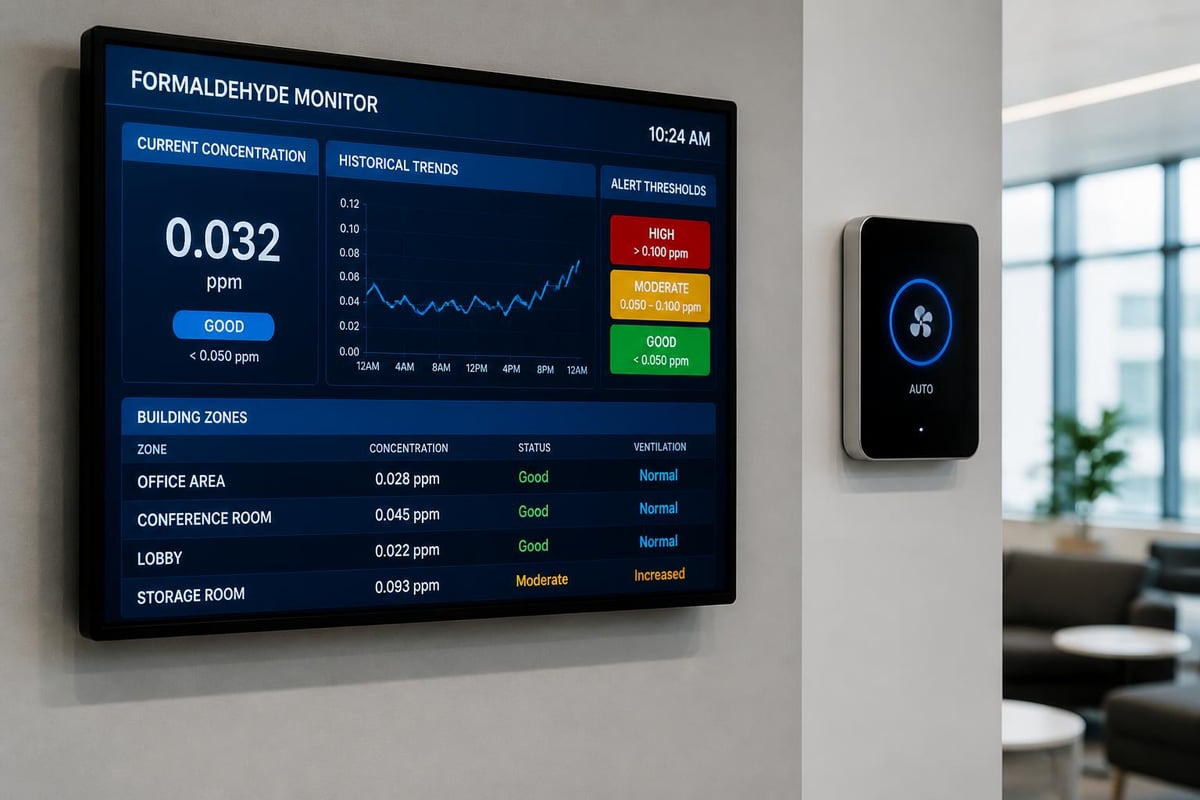
Modern formaldehyde air quality sensors connect to cloud based platforms that aggregate data from multiple sensors, enabling facility wide visibility. These platforms should provide:
- Live dashboards displaying current formaldehyde concentrations across all monitored locations
- Historical trending revealing patterns and identifying gradual concentration increases
- Comparative analysis between different areas, time periods, or facility types
- Automated reporting generating compliance documentation and management summaries
Integration with mobile applications allows facility managers to monitor air quality remotely and receive alerts regardless of location. Questions about air sensor functionality often centre on data accessibility, making robust platform capabilities essential.
Alert Configuration
Effective alert systems balance sensitivity against alert fatigue. Configure thresholds at multiple levels to enable graduated responses:
| Alert Level | Threshold | Response | Notification Method |
|---|---|---|---|
| Advisory | 50% of limit | Monitor closely | Dashboard indicator |
| Warning | 75% of limit | Investigate source | Email to facilities team |
| Critical | 90% of limit | Immediate action | SMS and phone alerts |
| Hazardous | Exceeds limit | Evacuation consideration | All available channels |
Graduated alert systems enable proactive intervention before concentrations reach hazardous levels whilst avoiding unnecessary disruption from minor fluctuations.
Reporting and Compliance Documentation
Regulatory compliance and organisational accountability require comprehensive reporting capabilities. Your monitoring platform should generate reports documenting:
- Maximum, minimum, and average formaldehyde concentrations by location and time period
- Instances where concentrations exceeded threshold values
- Response actions taken following alerts
- Sensor maintenance and calibration activities
- Trend analysis supporting facility improvement initiatives
Automated report generation reduces administrative burden whilst ensuring consistent documentation practices.
Integrating Formaldehyde Monitoring into Comprehensive Air Quality Programmes
Formaldehyde represents just one component of indoor air quality. Comprehensive monitoring programmes address multiple parameters simultaneously.
Multi Parameter Monitoring Systems
Advanced facilities monitor formaldehyde alongside other air quality indicators including particulate matter, carbon dioxide, volatile organic compounds, temperature, and humidity. This holistic approach reveals relationships between different pollutants and environmental conditions.
When evaluating air sensor technology for comprehensive monitoring, prioritise systems offering expandable sensor capabilities. This flexibility allows organisations to begin with formaldehyde monitoring and expand to additional parameters as budgets permit.
Correlation with Ventilation Systems
Formaldehyde concentration data becomes most valuable when integrated with building automation systems controlling ventilation. Automated responses to elevated formaldehyde levels might include:
- Increasing outdoor air intake rates
- Extending HVAC operating hours
- Activating supplementary filtration systems
- Adjusting temperature and humidity to reduce formaldehyde emission rates
This integration transforms passive monitoring into active environmental management, reducing occupant exposure automatically.
Staff Training and Response Protocols
Technology alone cannot ensure effective air quality management. Staff require training on interpreting formaldehyde data, responding to alerts, and investigating elevated concentrations.
Comprehensive training programmes should cover:
- Understanding formaldehyde sources and health effects
- Interpreting sensor readings and recognising abnormal patterns
- Implementing immediate response procedures when thresholds are exceeded
- Conducting investigations to identify concentration sources
- Documenting actions taken and outcomes achieved
Regular drills and scenario exercises ensure staff maintain proficiency in response protocols and can act quickly during actual incidents.
Cost Considerations and Return on Investment
Implementing formaldehyde monitoring requires upfront investment, but the benefits extend beyond regulatory compliance to encompass occupant health, liability reduction, and operational efficiency.
Initial Investment Components
Budget planning should account for all implementation costs, including:
- Sensor hardware purchase or lease costs
- Installation labour and materials
- Monitoring platform subscription fees
- Initial calibration and commissioning services
- Staff training and procedure development
Costs vary significantly based on sensor technology, facility size, and integration complexity. Simple installations with standalone sensors may cost several hundred pounds per monitoring location, whilst comprehensive networked systems with advanced integration capabilities range into thousands of pounds.
Ongoing Operational Expenses
Annual operational costs include sensor calibration, maintenance, replacement of consumable components, and platform subscription fees. Most organisations should budget approximately 15 to 25 percent of initial hardware costs annually for ongoing expenses.
Careful sensor selection influences long term costs substantially. Devices with extended calibration intervals, robust construction, and low maintenance requirements reduce operational expenses over their service life.
Quantifying Benefits
Return on investment calculations should consider both tangible and intangible benefits:
Direct cost avoidance includes reduced health insurance claims, lower absenteeism, decreased liability exposure, and avoided regulatory penalties. Organisations demonstrating proactive air quality management may also benefit from reduced insurance premiums.
Indirect benefits encompass improved occupant satisfaction, enhanced organisational reputation, and competitive advantages when recruiting staff or attracting customers. Schools with robust air quality monitoring programmes differentiate themselves to prospective families, whilst commercial buildings achieve premium rental rates.
Operational efficiencies emerge through optimised ventilation strategies, targeted cleaning protocols, and evidence based decision making regarding building materials and furnishings.
Future Developments in Formaldehyde Sensing Technology
Ongoing research and development promise significant advances in formaldehyde air quality sensor capabilities, accuracy, and affordability.
Miniaturisation and Cost Reduction
Emerging manufacturing techniques enable production of increasingly compact sensors at lower costs. Research into microfabricated sensors demonstrates how advanced materials and fabrication methods create devices smaller than current commercial products whilst maintaining or improving performance.
These developments will enable widespread deployment of formaldehyde monitoring throughout buildings rather than limiting coverage to key locations.
Enhanced Selectivity
Current sensors sometimes exhibit cross sensitivity to other volatile organic compounds, potentially generating false readings. Next generation sensors incorporate advanced materials and signal processing algorithms that distinguish formaldehyde from interfering compounds with greater precision.
Improved selectivity reduces false alerts and increases confidence in monitoring data, supporting more aggressive intervention thresholds.
Artificial Intelligence Integration
Machine learning algorithms analysed alongside formaldehyde concentration data can identify patterns, predict future concentration trends, and recommend proactive interventions. These systems learn from historical data to recognise conditions preceding concentration increases, enabling preventative action.
AI integration also supports predictive maintenance by identifying sensor drift or failure patterns before accuracy degrades significantly.
Internet of Things Ecosystems
Future formaldehyde air quality sensors will participate in broader IoT ecosystems that coordinate air quality monitoring with building systems, occupancy tracking, and external environmental data. This integration enables sophisticated responses accounting for multiple variables simultaneously.
Imagine systems that adjust ventilation based on formaldehyde concentrations, outdoor air quality, occupancy levels, and weather forecasts simultaneously, optimising both air quality and energy efficiency.
Formaldehyde monitoring represents an essential component of comprehensive indoor air quality management, protecting occupant health whilst supporting regulatory compliance across educational, commercial, and leisure environments. Selecting the right formaldehyde air quality sensor technology, implementing strategic deployment plans, and integrating monitoring data with facility management systems transforms raw measurements into actionable intelligence. Whether you're managing schools, offices, or public spaces, Vape Guardian understands the critical importance of maintaining healthy indoor environments through advanced monitoring solutions that detect threats before they compromise occupant wellbeing.

Share:
CO2 Monitor for Schools: Essential Air Quality Guide 2026
Vape Detector with False Alert Filter: Complete Guide