
Vaping is becoming a significant concern in Singapore’s schools, offices, and public spaces. This rise has prompted urgent discussions about how to maintain safe, compliant environments for everyone.
With Singapore’s strict anti-vaping regulations, institutions now rely on advanced solutions like vape detector singapore systems to enforce policy effectively. The need for reliable detection has never been greater.
This guide is your essential 2026 resource for understanding vape detectors, their benefits, and how to implement them with confidence. Explore the latest technology, legal requirements, installation steps, and future trends to stay ahead.
Understanding Vape Detection Technology
Vape detection has become a vital part of ensuring compliance with Singapore’s strict anti-vaping policies. As vaping devices become more discreet, the need for advanced detection methods is growing across schools, offices, and public spaces. Understanding how a vape detector singapore works is essential for organisations aiming to maintain safe and compliant environments.

What is a Vape Detector?
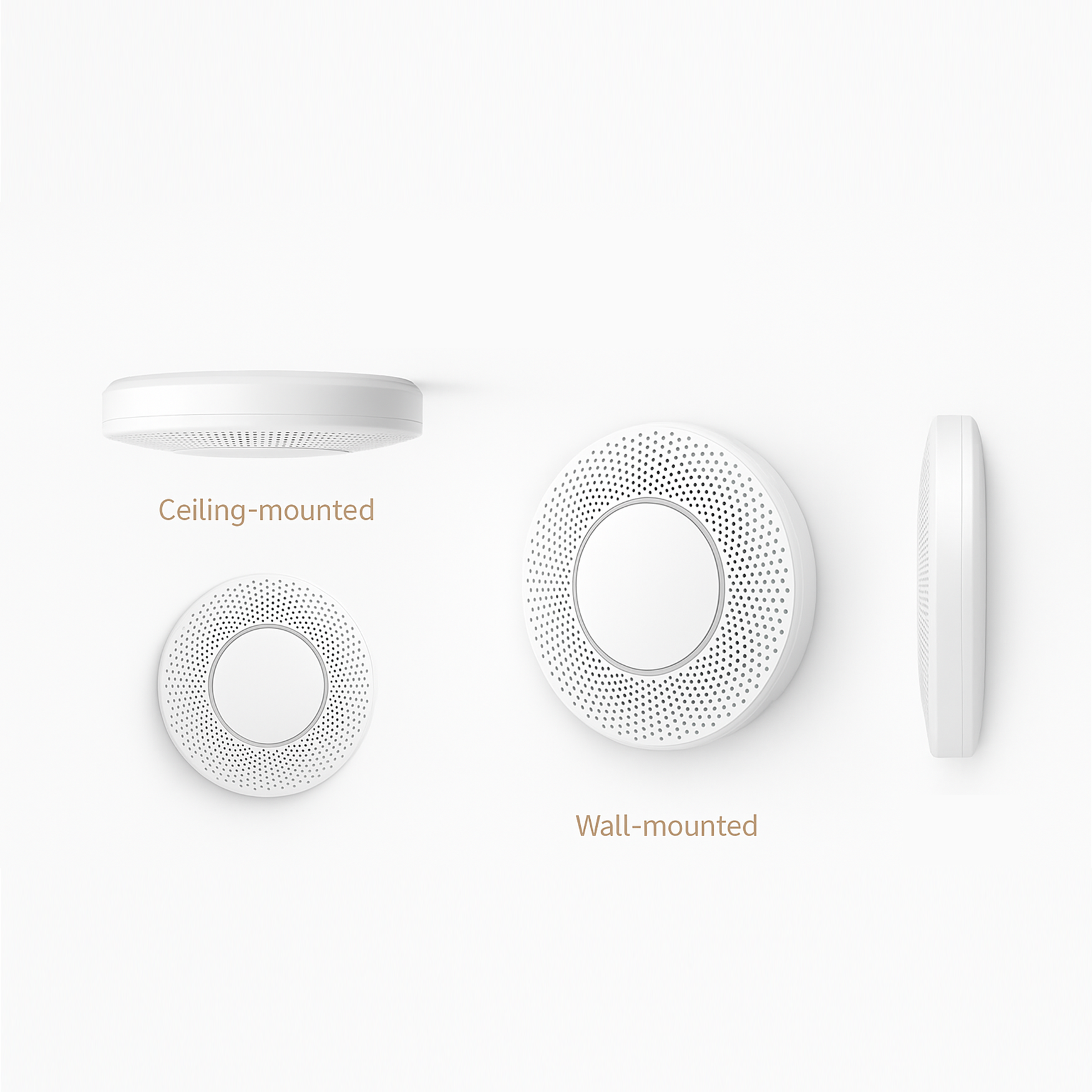
A vape detector singapore is an electronic device designed to sense the presence of vaping aerosols in the air. Unlike traditional smoke detectors or air quality monitors, vape detectors use specialised sensors to target substances specific to e-cigarettes and vaping products.
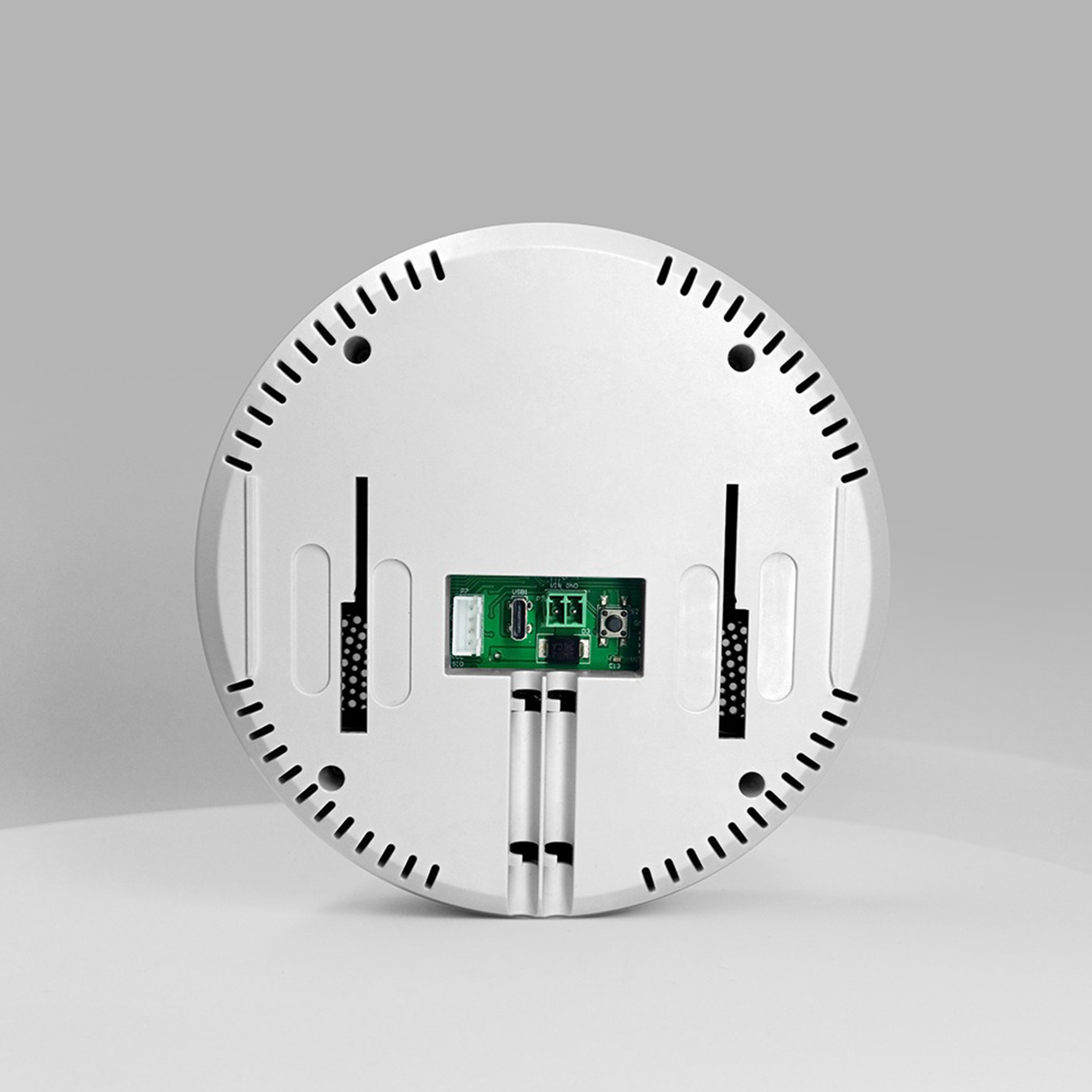
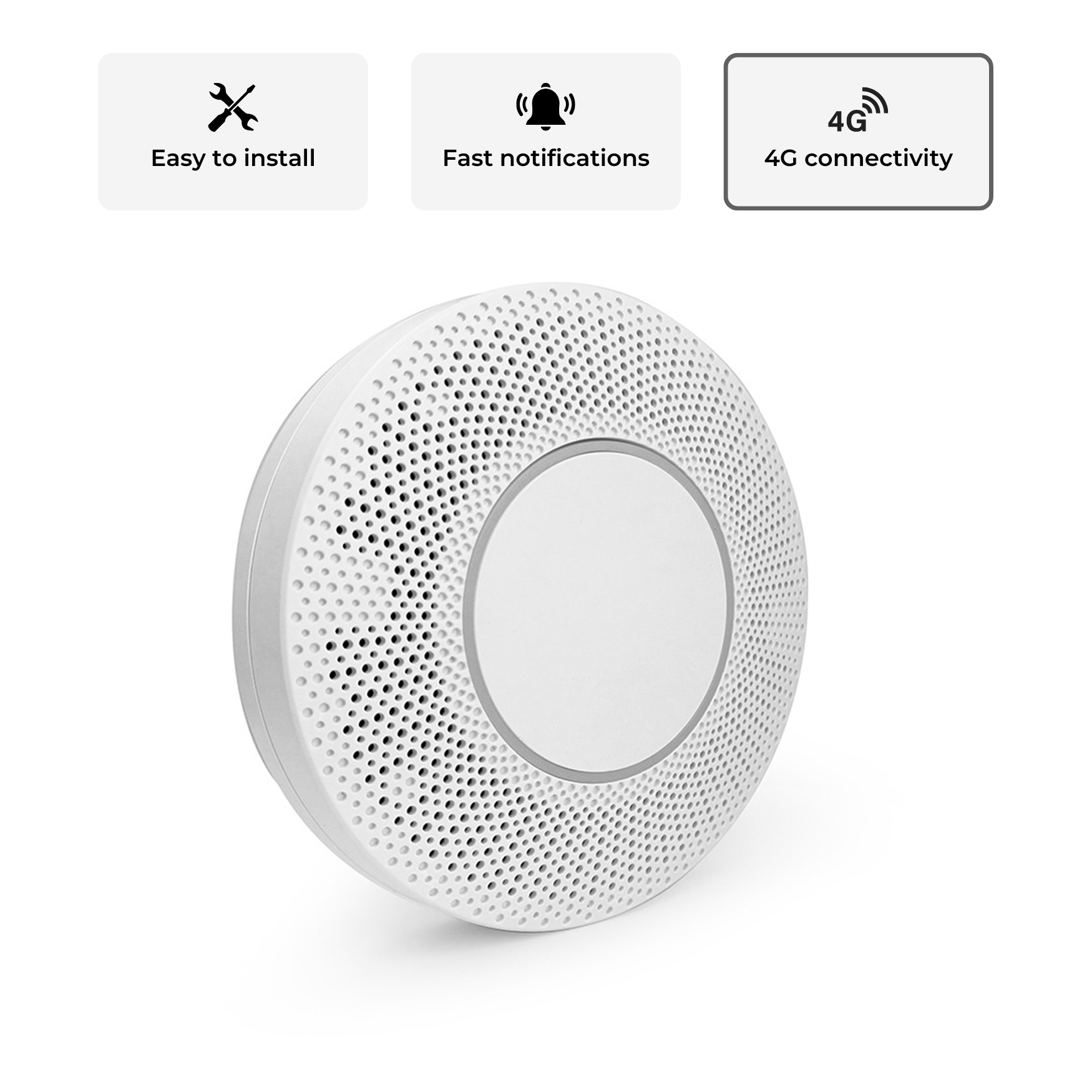
Core components include highly sensitive sensors, connectivity modules for real-time communication, and alert systems that notify staff or management instantly when vaping is detected. Most devices are equipped with digital interfaces, making it easy to monitor data and manage incidents.
Vape detectors are calibrated to identify key substances such as nicotine, THC, flavouring compounds, and other chemicals found in e-liquids. This capability makes them particularly effective in environments where traditional smoke may not be present, but vaping aerosols are a concern.
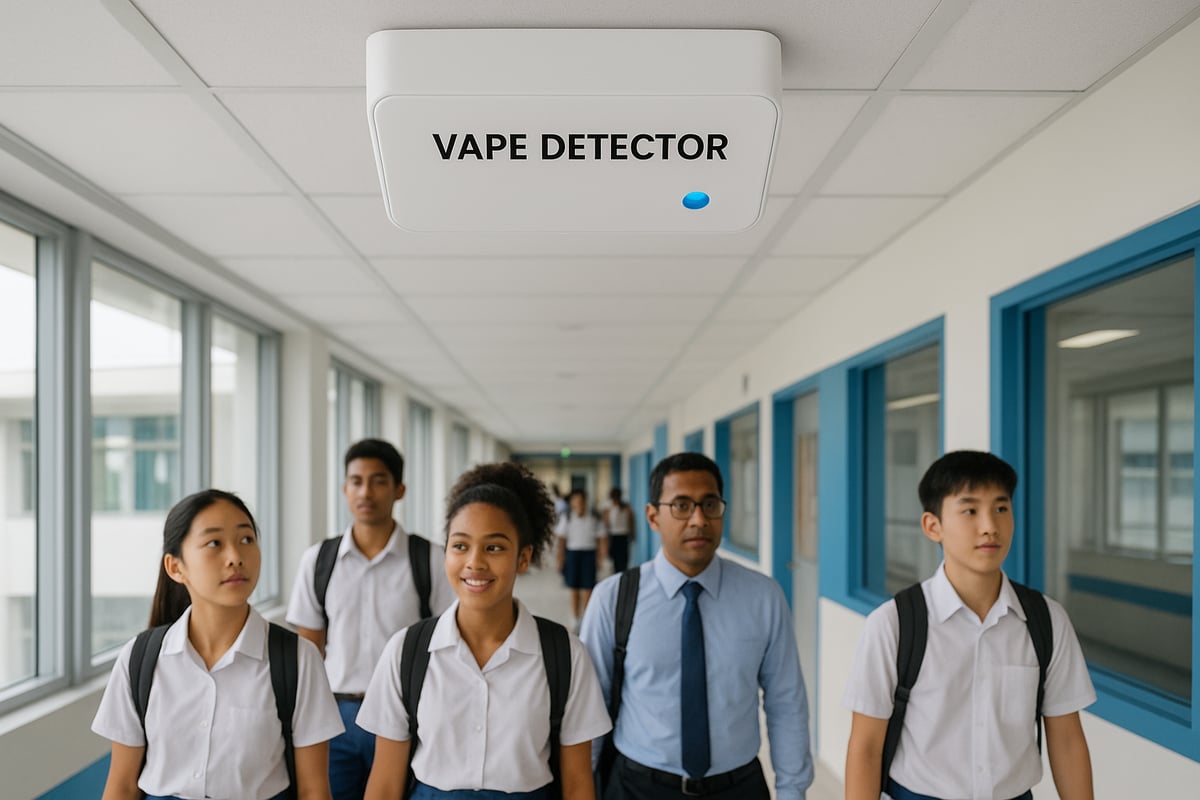
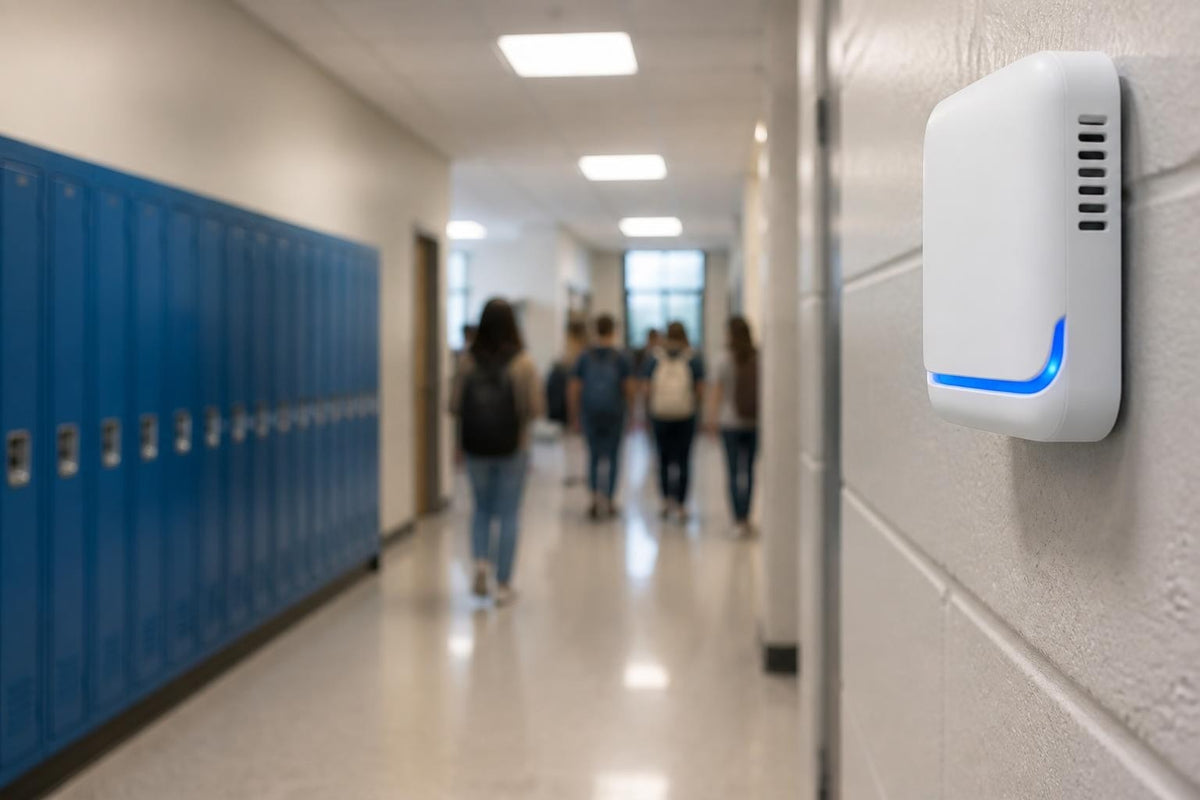
In Singaporean schools, vape detector singapore solutions have been deployed to address rising incidents among students. These detectors help schools respond quickly and maintain a vape-free environment, supporting disciplinary policies and student wellbeing.
| Device Type | Purpose | Key Substances Detected | Typical Use Cases |
|---|---|---|---|
| Vape Detector | Detect vaping aerosols | Nicotine, THC, flavourings | Schools, offices, public areas |
| Smoke Detector | Detect smoke | Combustion particles | Homes, buildings |
| Air Quality Monitor | General air pollutants | PM2.5, CO2, VOCs | Offices, hospitals, homes |
How Vape Detectors Work
The core of any vape detector singapore is its sensing mechanism. These devices use a combination of particulate sensors, chemical analysis tools, and increasingly, AI-driven algorithms to detect and distinguish vaping aerosols from other airborne substances. Sensors capture microscopic particles and volatile organic compounds released during vaping, while onboard processors analyse this data in real time.
When vaping is detected, the system generates instant alerts, which can be customised to notify specific staff members via SMS, mobile apps, or email. This rapid response is crucial for enforcing anti-vaping policies, especially in high-risk areas like school toilets or office stairwells.
Advanced vape detectors in Singapore are designed to integrate seamlessly with building management systems, allowing centralised monitoring and automated incident logging. Accuracy rates have improved significantly, with recent studies showing detection rates above 95 percent and ongoing efforts to minimise false positives.
For a more technical overview of the underlying mechanisms and innovations in this field, you can read the Vape detection technology explained. This resource delves deeper into sensor design, data processing, and the role of artificial intelligence in modern vape detector singapore solutions.
Regular calibration and software updates further enhance reliability, ensuring consistent performance in diverse environments.
Types of Vape Detectors Available in Singapore
Selecting the right vape detector singapore involves understanding the various types on the market. There are standalone units that operate independently, as well as integrated systems that link with broader security or facilities infrastructure.
Options include wired detectors, which are ideal for permanent installations, and wireless devices that offer flexibility for temporary setups or older buildings. Portable vape detectors are also available for spot checks, making them suitable for random inspections in schools or workplaces.
Popular models in Singaporean institutions feature robust connectivity and user-friendly interfaces. Maintenance needs are typically low, but regular testing and occasional sensor cleaning are recommended to maintain peak performance.
Cost is a vital consideration. Standalone detectors are generally more affordable, while integrated systems may require a higher initial investment but provide enhanced scalability and data analytics. Maintenance contracts, software updates, and support services should be factored into long-term budgeting for any vape detector singapore deployment.
| Detector Type | Installation | Connectivity | Typical Cost Range (SGD) | Maintenance Needs |
|---|---|---|---|---|
| Standalone | Easy | Local | 700-1200 | Low |
| Integrated System | Professional | Networked | 2000-5000+ | Moderate |
| Portable | Handheld/mobile | Wireless | 500-1000 | Minimal |
A thoughtful approach to device selection ensures that each environment is equipped with the most effective and sustainable vape detector singapore solution.
Singapore’s Vaping Laws and Compliance Requirements
Singapore maintains some of the world’s strictest regulations on vaping and e-cigarette use. The government has taken a zero-tolerance approach, introducing comprehensive laws to protect public health and deter vaping in all settings. These measures are particularly significant for organisations considering vape detector singapore solutions, as compliance is not optional but a legal necessity.

Overview of Singapore’s Anti-Vaping Legislation
Singapore’s anti-vaping framework is enforced under the Tobacco (Control of Advertisements and Sale) Act. This act prohibits the import, distribution, sale, and possession of vaping devices and e-liquids. Offenders face severe penalties, including fines up to SGD 10,000 or imprisonment. Enforcement actions have intensified in recent years, with authorities conducting regular raids and public awareness campaigns.
Recent statistics show a rise in enforcement, with high-profile cases leading to significant penalties for both individuals and businesses. In 2024 and 2025, authorities reported several notable crackdowns in schools and workplaces. These efforts highlight the importance of understanding the legal landscape before deploying any vape detector singapore solution.
For detailed information on penalties and recent enforcement actions, refer to Singapore's Anti-Vaping Legislation. Staying informed ensures your institution aligns with current laws and avoids costly legal consequences.
Compliance Needs for Schools, Offices, and Public Spaces
The Ministry of Education (MOE) requires all educational institutions to maintain strict no-vaping environments. Schools must conduct regular audits and report incidents, with non-compliance affecting their standing. Workplaces are expected to include anti-vaping measures in HR policies, ensuring a safe environment for all employees. Landlords and public facility managers are also responsible for enforcing anti-vaping regulations on their premises.
Implementing a vape detector singapore system supports these compliance needs by providing real-time monitoring and alerts. Effective compliance includes:
- Conducting risk assessments in high-traffic areas
- Installing detection devices in toilets, stairwells, and secluded spaces
- Training staff on policy enforcement and reporting
- Engaging with parents and the wider community
A recent school compliance audit in Singapore revealed a sharp decline in vaping incidents following the introduction of robust monitoring and detection protocols. This demonstrates the tangible impact of proactive compliance strategies.
The Role of Vape Detectors in Legal Compliance
Deploying a vape detector singapore solution plays a crucial role in supporting legal compliance. These devices enable institutions to detect vaping incidents promptly, collect evidence, and report violations efficiently. As a result, property owners and managers can reduce liability and demonstrate a commitment to public safety.
Incident logs generated by vape detectors are valuable for audits and investigations. Data from monitored schools and offices show a measurable reduction in vaping-related incidents after implementation. This not only ensures adherence to Singapore’s laws but also fosters a healthier, safer environment for students, staff, and visitors.
Regular review of detector data, ongoing staff training, and policy updates are recommended best practices to sustain compliance and maximise the benefits of vape detection technology.
Choosing the Right Vape Detector for Your Needs
Selecting the ideal vape detector singapore can seem overwhelming given the range of options, technical specifications, and compliance needs. Making the right decision is crucial for ensuring safety and upholding Singapore’s strict anti-vaping regulations. This section will guide you through the essential features, evaluation criteria, and budgeting strategies to help you choose a vape detector singapore that fits your environment and goals.
Key Features to Consider
When evaluating a vape detector singapore, it is important to focus on the core features that will impact both performance and compliance. Sensitivity and detection range should be at the top of your checklist. A good vape detector singapore must be able to identify a wide range of substances, from nicotine to THC and flavoured aerosols, with high accuracy.
Real-time alert options are essential. Look for detectors that can send instant notifications via SMS, mobile app, or email to designated staff. Integration with your site’s existing building management and security systems streamlines incident response and reporting.
Other critical factors include:
- Battery life and power options: Choose between wired, wireless, or battery-powered models based on installation constraints.
- User interface and reporting: Easy-to-use dashboards and detailed incident logs help with compliance documentation.
- Maintenance requirements: Opt for models with self-calibration or automated testing to reduce manual checks.
- Support availability: Responsive vendor support ensures timely troubleshooting and minimum downtime.
By considering these features, organisations can ensure their vape detector singapore provides reliable protection and fits seamlessly into their daily operations.
Evaluating Vendors and Product Reviews
Choosing a trusted vendor for your vape detector singapore is as important as selecting the device itself. The supplier should have a proven track record in the Singaporean context, offering products tailored to local regulations and environmental conditions.
What should you look for?
- After-sales support: Comprehensive warranty and responsive customer service are vital for long-term reliability.
- User feedback: Seek reviews from other Singaporean institutions, especially those in education or commercial sectors, to gauge satisfaction and real-world performance.
- Product certifications: Ensure the vape detector singapore meets all relevant standards for safety and effectiveness.
A side-by-side comparison makes decision-making easier:
| Brand/Model | Sensitivity | Alert Options | Integration | Warranty | Price Range |
|---|---|---|---|---|---|
| Brand A | High | SMS, App | Yes | 2 Years | S$1,200–1,600 |
| Brand B | Moderate | Limited | 1 Year | S$900–1,200 | |
| Brand C | High | SMS, Email | Yes | 3 Years | S$1,500–2,000 |
Comparing these factors will help you select a vape detector singapore that is both effective and supported by a reliable vendor.
Cost Considerations and Budget Planning
Budgeting for a vape detector singapore involves more than just the initial purchase price. Institutions need to account for ongoing maintenance, software updates, and potential expansion to additional locations.
Consider the following:
- Upfront costs vs long-term savings: While high-quality detectors may require a larger investment, they often deliver better detection rates and fewer false alarms.
- Bulk purchase options: Schools and organisations may qualify for discounts when ordering multiple units.
- Grants and government support: Some public sector bodies offer financial assistance for technology aimed at health and safety compliance.
To understand these costs in detail and evaluate the potential return on investment, refer to this Vape detector cost breakdown Singapore, which provides a comprehensive overview for schools and institutions.
By planning your budget carefully and considering long-term needs, you can ensure your vape detector singapore delivers value and compliance for years to come.
Step-by-Step Guide to Installing Vape Detectors in Singapore
Implementing a vape detector singapore system requires careful planning and collaboration. Following a structured approach ensures effective monitoring, legal compliance, and a safer environment for everyone. Here is a step-by-step guide tailored to Singapore’s unique needs.
Step 1: Assessing Your Environment
The first step in deploying a vape detector singapore solution is identifying areas with the highest risk of vaping. Common hotspots include school toilets, stairwells, secluded office spaces, and car parks. Begin with a thorough risk assessment, using incident logs or staff feedback to pinpoint problem zones.
Involve key stakeholders such as school administrators, facilities teams, and HR representatives. Their insights help prioritise installation sites and ensure buy-in. A collaborative approach also simplifies future maintenance and policy enforcement.
Document your findings in a simple table:
| Area | Risk Level | Previous Incidents | Stakeholder Input |
|---|---|---|---|
| School Toilets | High | 5 in past month | Yes |
| Stairwells | Medium | 2 in past quarter | No |
This early groundwork sets the stage for a successful vape detector singapore implementation.
Step 2: Selecting the Right Detector and Placement Strategy
Selecting the most suitable vape detector singapore device depends on your environment’s unique requirements. Evaluate models based on sensitivity, reliability, and integration capabilities. For instance, standalone detectors suit small offices, while integrated systems are ideal for large campuses.
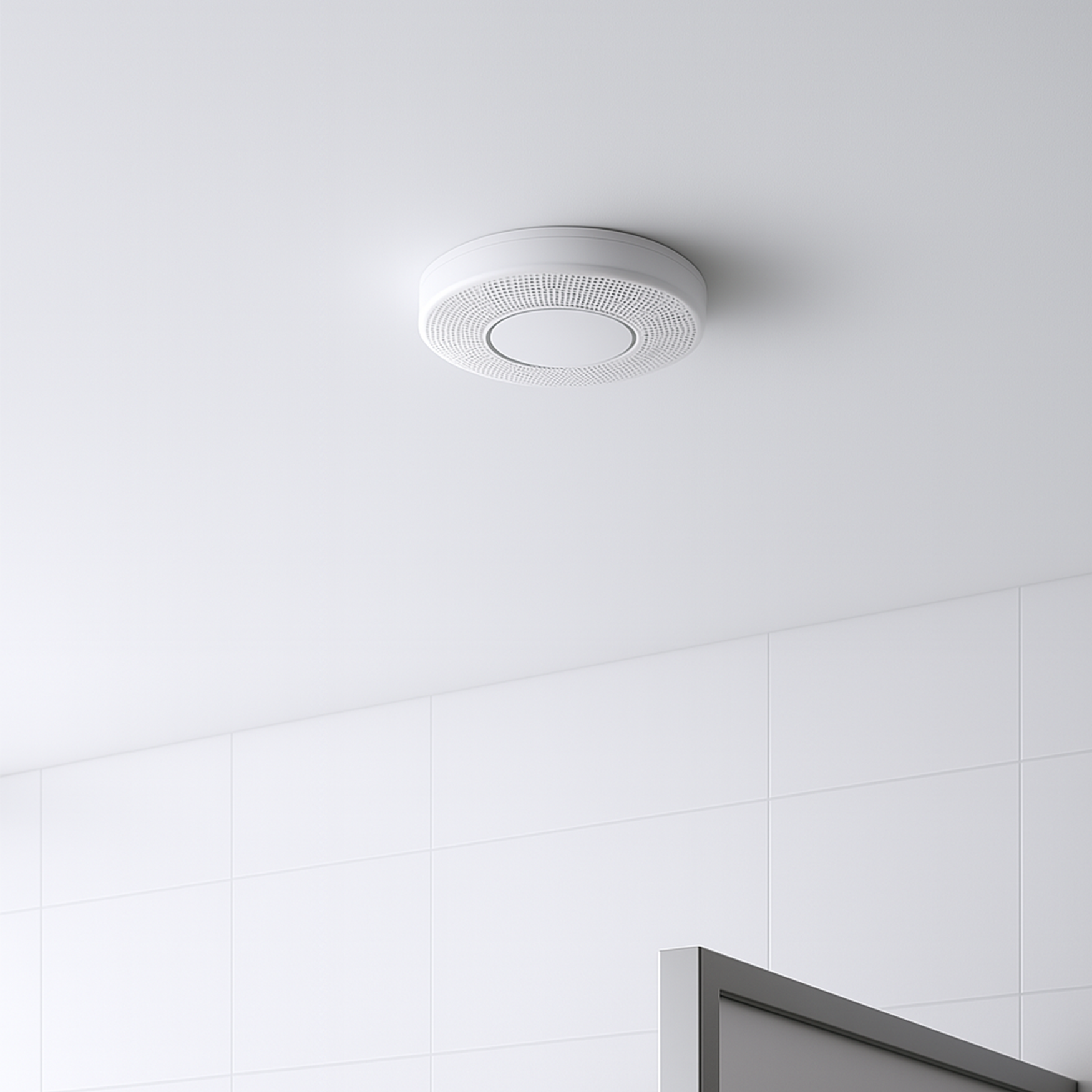
Strategic placement is vital. Install detectors near entrances, in restrooms, and in less visible spots to minimise blind spots. Use floor plans to map out optimal coverage, ensuring every high risk area is monitored.
Institutions often consult specialists like Vape Guardian Singapore solutions for expert advice on device selection and placement tailored to local regulations. This partnership helps streamline the vape detector singapore deployment process and maximises effectiveness.
Step 3: Installation Process
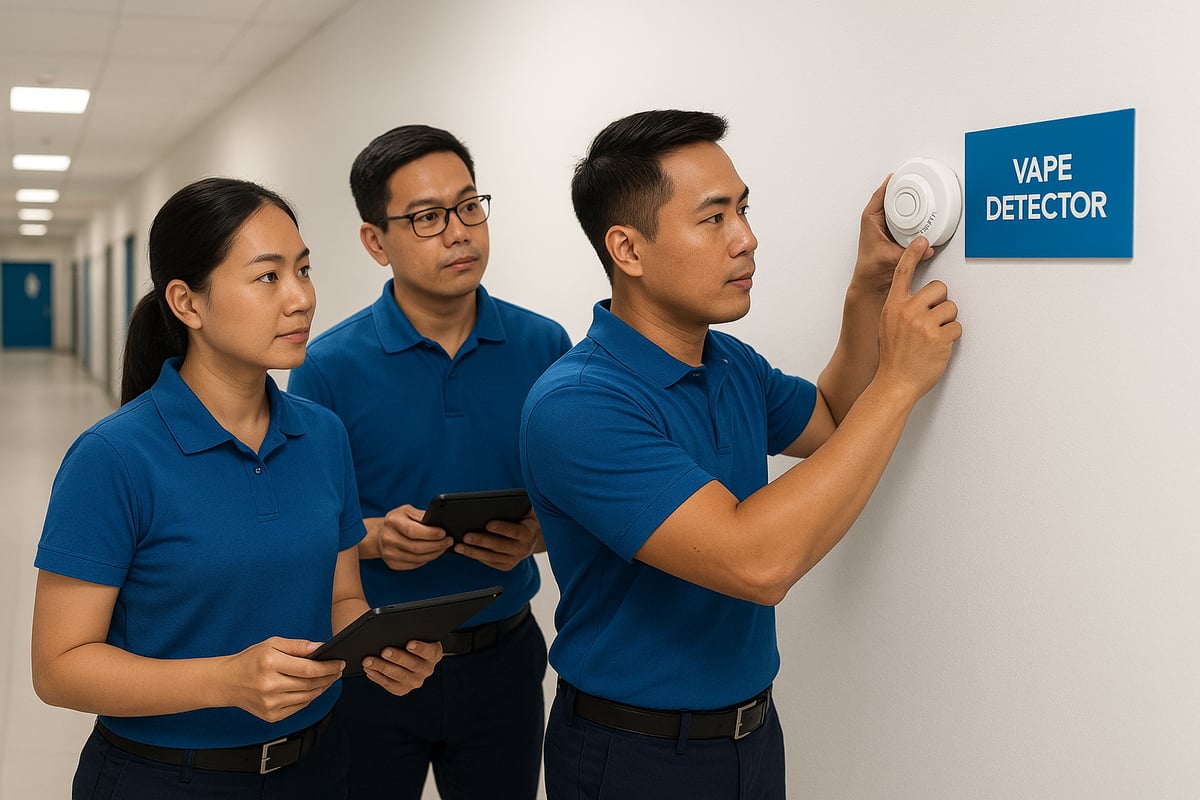
Decide between professional installation or a do-it-yourself approach based on the scale of your vape detector singapore project. Professional installers ensure compliance with Singaporean electrical and safety standards, reducing the risk of technical issues.
Set up power and connectivity according to device requirements. Wired systems offer reliability in permanent spaces, while wireless or battery powered options provide flexibility for temporary or hard to reach areas.
Test each vape detector singapore unit after installation. Confirm that all sensors, alerts, and integrations are functioning correctly. Proper installation is essential for accurate detection and long term performance.
Step 4: Configuring Alerts and Monitoring Systems
Configuring your vape detector singapore system to deliver timely alerts is critical for rapid response. Set preferences for who receives notifications, such as security staff or school leaders, and choose delivery methods like SMS, email, or mobile app.
Integrate the vape detector singapore with existing security and incident management software where possible. This centralises data collection and streamlines incident reporting.
Once set up, conduct calibration and test runs. Adjust sensitivity to minimise false positives and ensure the system recognises genuine vaping events. Regular monitoring ensures ongoing reliability.
Step 5: Training and Awareness for Staff and Users
Effective use of a vape detector singapore system relies on well informed staff and users. Organise training sessions for administrators, facilities teams, and security personnel. These sessions should cover device operation, response protocols, and data privacy guidelines.
Communicate new policies clearly to students, employees, or tenants. Use assemblies, posters, and digital platforms to raise awareness about the vape detector singapore installation and its objectives.
For example, schools might hold an assembly to explain the benefits of the system, address questions, and reinforce anti vaping policies. Ongoing education encourages compliance and fosters a responsible community.
Step 6: Maintenance and Ongoing Support
Maintaining your vape detector singapore system is key to sustained effectiveness. Schedule regular testing and calibration to ensure sensors remain accurate over time.
Develop a troubleshooting checklist for common issues such as connectivity problems or false alarms. Keep user manuals and vendor contact information easily accessible for quick support.
Leverage warranty and after sales support offered by your supplier. Reliable maintenance reduces downtime and ensures your vape detector singapore continues to protect your premises efficiently.
Benefits and Challenges of Vape Detector Implementation
The adoption of vape detector singapore solutions is transforming safety and compliance standards across schools, offices, and public spaces. These systems deliver measurable benefits, supporting the country’s robust anti-vaping stance and safeguarding indoor environments for everyone.
Positive Impact on Safety and Compliance
Implementing vape detector singapore technology leads to a marked reduction in vaping incidents within monitored areas. These devices help maintain air quality, contributing to better health for students, staff, and visitors. Real-time alerts empower swift intervention, reinforcing compliance with Singapore’s strict anti-vaping laws.
Schools and offices report improved adherence to policies and a decrease in repeat offences. The technology also helps property managers document incidents, supporting enforcement and reducing liability. For educational settings, tools like those outlined on Vape detectors for education sector have proven essential for safeguarding young people.
- Fewer vaping incidents in high-risk locations
- Enhanced legal compliance, reducing penalties
- Improved health outcomes and cleaner indoor air
These combined benefits make vape detector singapore systems a strategic investment for any institution prioritising safety and regulation.
Common Challenges and How to Overcome Them
Despite their advantages, vape detector singapore solutions can encounter obstacles. Privacy concerns arise, especially in environments where occupants value discretion. Ensuring user acceptance is crucial, particularly among students or employees who may feel monitored.
False alarms and technical glitches can disrupt daily operations. Regular calibration and staff training are vital to minimise these issues. Budget limitations may pose another challenge, especially for large facilities or public sector organisations.
Singapore’s proactive stance on vaping is reflected in ongoing Government Efforts to Tackle Vaping, which highlight the importance of robust policy frameworks and technology adoption. Addressing these challenges requires clear communication, transparency, and ongoing support from vendors.
- Address privacy transparently with clear policies
- Invest in quality systems to reduce false alerts
- Educate users to foster understanding and cooperation
By planning ahead, organisations can overcome most obstacles associated with vape detector singapore deployment.
Best Practices for Sustained Success
Long-term success with vape detector singapore solutions depends on continuous improvement and stakeholder engagement. Regularly reviewing incident data ensures policies remain effective. Ongoing training helps staff respond quickly and appropriately to alerts.
Engaging parents, students, and community members builds a culture of compliance and shared responsibility. Collaborating with reputable vendors provides access to updates, technical support, and warranty services. Schools have found that involving all stakeholders, as detailed in resources like Vape detectors for education sector, leads to better outcomes and lasting change.
Recommended best practices:
| Practice | Benefit |
|---|---|
| Regular data review | Timely policy adjustments |
| Continuous staff training | Faster, more accurate responses |
| Community engagement | Stronger culture of compliance |
| Scheduled maintenance | Fewer false alarms, longer device lifespan |
Following these strategies ensures vape detector singapore systems remain effective, supporting safety and compliance goals into the future.
Future Trends in Vape Detection Technology and Regulation
Singapore continues to lead the region in adopting advanced strategies to combat vaping in public and private spaces. As technology evolves and legislation tightens, organisations must stay ahead of emerging trends to ensure ongoing compliance and safety. Below, we explore key innovations, regulatory shifts, and practical steps for the future of vape detector singapore solutions.
Technological Innovations on the Horizon
Vape detector singapore technology is rapidly advancing. AI and machine learning are being used to improve detection accuracy, helping devices distinguish between harmless vapour and actual vaping events. Integration with IoT and smart building systems is becoming common, allowing centralised management and instant response across multiple sites.
Modern detectors are now capable of identifying not only nicotine but also THC, synthetic drugs, and other harmful aerosols. Pilot projects in smart schools and offices across Singapore demonstrate the effectiveness of these multi-substance systems. As a result, decision-makers are increasingly adopting solutions that offer real-time alerts, automated reporting, and seamless connectivity with existing security infrastructure.
Anticipated Regulatory Changes in Singapore
Regulation is evolving alongside technology. The Singaporean government has announced stricter rules for e-cigarettes and vaping, with new enforcement measures taking effect from September 2025. These changes are expected to include increased penalties, more frequent inspections, and broader coverage of public spaces. For a detailed overview, see the Stricter E-Cigarette Rules in Singapore.
Authorities are likely to allocate additional funding for detection and prevention, particularly in schools and high-risk environments. Community engagement and educational campaigns will continue to play a vital role, ensuring that the public understands the importance of compliance and the risks associated with vaping.
Preparing for the Future
To remain compliant as laws and technology progress, organisations using vape detector singapore solutions should prioritise regular reviews and upgrades. Ongoing monitoring, staff training, and policy updates are essential for sustained success. Building a proactive culture of health and safety not only reduces liability but also fosters trust among students, employees, and the wider community.
It is recommended to stay informed about regulatory updates, invest in scalable detection technology, and engage stakeholders in long-term planning. By doing so, institutions can ensure they are prepared for both current demands and future developments in this dynamic landscape.
As we’ve explored, staying ahead of vaping trends and compliance requirements in Singapore is more crucial than ever—especially with evolving regulations and the need for safer environments in schools and workplaces. If you want to see exactly how advanced vape detection works in practice, and how it can help you maintain compliance and peace of mind, I recommend diving deeper into the technology that’s making a real difference. You can get a clear, hands-on understanding of the solutions available by visiting Learn more about how it works.



Share:
Vape Detection Reseller Guide: Your Essential 2026 Handbook
Essential Guide To Indoor Environmental Monitoring 2026