
Indoor environmental monitoring is transforming the way we experience our homes, workplaces, and shared spaces in 2026. As awareness of indoor air quality and comfort grows, people are seeking new ways to protect health, boost productivity, and ensure compliance.
This essential guide explains why indoor environmental monitoring is now critical for healthy, safe, and productive environments. Discover how advanced technologies and proven strategies can help you meet regulatory demands, improve well-being, and achieve sustainability goals.
Explore key parameters, regulatory changes, step-by-step implementation advice, emerging innovations, and real-world success stories—all designed to empower your journey towards optimal indoor environments.
Understanding Indoor Environmental Quality (IEQ)
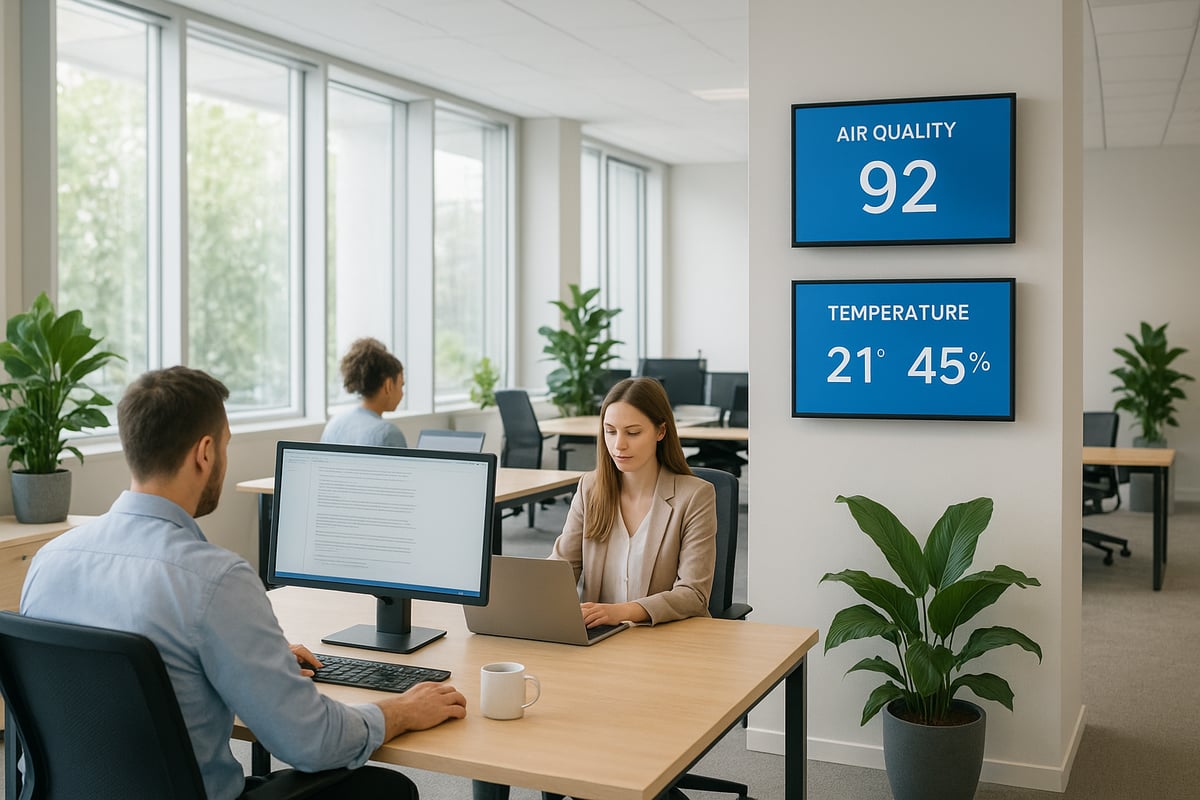
Indoor environmental quality, or IEQ, shapes the health, comfort, and productivity of every indoor space. As people now spend over 90% of their time indoors, the stakes for effective indoor environmental monitoring have never been higher. Understanding what constitutes IEQ and how it affects daily life is the first step to improving any environment.
Defining IEQ and Its Components
IEQ is a comprehensive term that covers several critical aspects of any indoor setting. These include air quality, thermal comfort, lighting, acoustics, and humidity. Each component contributes to the overall experience and well-being of occupants.
Key parameters for indoor environmental monitoring include:
- Carbon dioxide (CO2)
- Volatile organic compounds (VOCs)
- Particulate matter (PM2.5 and PM10)
- Temperature
- Humidity
- Noise levels
- Lighting intensity
A quick summary is shown below:
| Parameter | Typical Source | Health/Comfort Impact |
|---|---|---|
| CO2 | Occupants, poor ventilation | Fatigue, drowsiness |
| VOCs | Paints, cleaning agents, furnishings | Eye/throat irritation |
| PM2.5/PM10 | HVAC, dust, outdoor air | Respiratory issues |
| Temperature | HVAC, outdoor climate | Comfort, productivity |
| Humidity | Showers, leaks, weather | Mould, pathogen growth |
| Noise | Equipment, conversations | Stress, distraction |
| Lighting | Windows, fixtures | Alertness, circadian rhythm |
Poor IEQ can lead to a range of health problems, from allergies and headaches to more severe respiratory conditions. For example, Sick Building Syndrome is a recognised problem in offices where symptoms like eye irritation, headaches, and fatigue become common among staff. Research from CIBSE and Euro Environmental shows that inadequate IEQ can reduce productivity by up to 10%.
The importance of indoor environmental monitoring is further underscored by findings in large-scale studies. A meta-analysis on IEQ and office performance demonstrates measurable links between air quality, lighting, temperature, and workplace output. These results reinforce that IEQ is not only about comfort, but also about meeting compliance and sustainability targets.
The Role of IEQ in Different Environments
IEQ takes on unique significance in various settings. In workplaces, indoor environmental monitoring supports staff health, morale, and retention. Poor air quality or inadequate lighting can lead to higher absenteeism and reduced focus, impacting business outcomes.
In schools, IEQ directly influences student performance, attendance, and well-being. High CO2 or humidity levels can make classrooms uncomfortable and hinder learning. Studies have shown that targeted indoor environmental monitoring in schools helps identify issues early and supports healthier outcomes for both students and teachers.
Healthcare facilities demand rigorous IEQ standards. Clean air and controlled humidity play a vital role in patient recovery and infection control. Inadequate ventilation has been linked to outbreaks of illness, highlighting the importance of robust monitoring systems.
Residential environments also benefit greatly from indoor environmental monitoring. Good IEQ supports restful sleep, reduces allergen exposure, and can lower energy use by optimising heating and cooling. For example, Euro Environmental’s investigations have found that poorly maintained HVAC systems in homes and offices can introduce pollutants and compromise air quality.
Ultimately, the drive to improve IEQ stems from its impact on people’s daily lives. Indoor environmental monitoring is essential for maintaining comfort, supporting health, and achieving organisational goals. As expectations rise and regulations evolve, prioritising IEQ is a key strategy for future-ready spaces.
Regulatory Landscape and Compliance in 2026
Navigating the regulatory landscape is a crucial part of indoor environmental monitoring in 2026. Organisations face growing scrutiny as the UK and EU introduce tighter standards to protect health and ensure safe, productive environments. Understanding these changes is essential for anyone responsible for indoor spaces.

Evolving Standards and Legal Requirements
The framework for indoor environmental monitoring is shaped by various UK and EU regulations, including the Health, Safety and Welfare Regulations, Building Regulations, and international standards such as BREEAM and LEED. In 2026, these rules have become more stringent, with lower acceptable limits for CO2, VOCs, and particulate matter.
Employers are now required to conduct regular risk assessments and maintain documented monitoring protocols. For instance, Regulation 6 mandates that all workplaces must provide sufficient fresh or purified air, ensuring occupant safety at all times. Failure to comply can result in legal action and significant reputational damage.
Certification schemes like BREEAM IAQ, LEED, and the WELL Building Standard play a pivotal role in formalising best practices. These programmes help organisations demonstrate a commitment to health and sustainability. For a detailed overview of how systems and practices support compliance, see this Environmental monitoring system overview.
With over 90 percent of people spending their time indoors, regulatory compliance is not just about avoiding penalties. It is a driver for adopting advanced indoor environmental monitoring technologies and improving overall building performance.
The Business Case for Compliance
Complying with indoor environmental monitoring regulations brings tangible business benefits. First, it reduces liability and insurance costs by lowering the risk of health-related claims. Organisations that prioritise compliance also enhance occupant satisfaction, which supports staff retention and morale.
Demonstrating corporate responsibility through rigorous indoor environmental monitoring can also strengthen an organisation’s reputation. Certification and transparent reporting show stakeholders that the company values health, safety, and sustainability.
Real-world examples highlight the impact of non-compliance. In cases where Sick Building Syndrome has gone unchecked, businesses have faced costly staff turnover and loss of productivity. Proactive monitoring and response can prevent these issues and ensure workplaces remain attractive and competitive.
Ultimately, investing in indoor environmental monitoring is a strategic decision. It helps organisations meet legal requirements, protect their people, and future-proof their operations in a rapidly evolving regulatory environment.
Key Parameters and Factors Impacting Indoor Environments
Understanding the key parameters influencing indoor environments is vital for effective indoor environmental monitoring. Each factor has a direct impact on health, comfort, and productivity. By monitoring these variables, facility managers can identify risks, implement improvements, and ensure compliance with evolving standards.
Air Quality: Pollutants and Their Effects
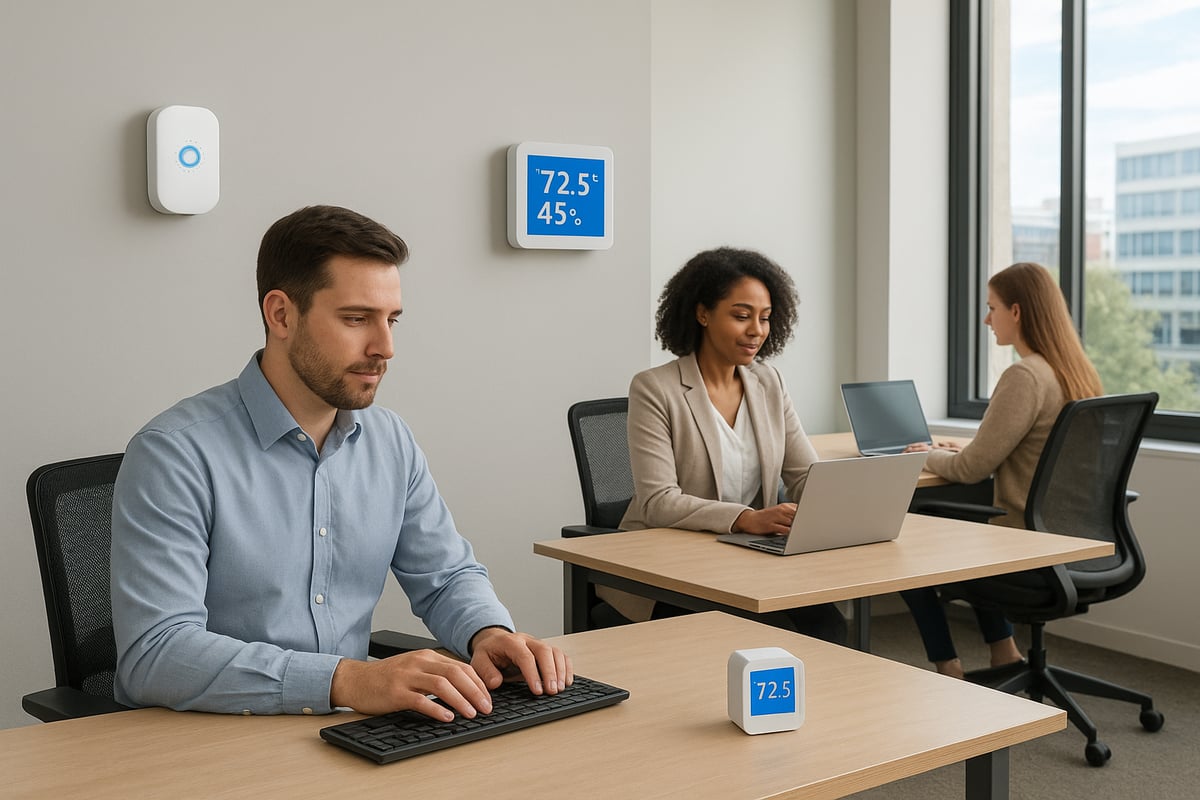
Air quality stands at the forefront of indoor environmental monitoring. Common pollutants include:
- Carbon dioxide (CO2)
- Carbon monoxide (CO)
- Volatile organic compounds (VOCs)
- Particulate matter (PM2.5, PM10)
- Ozone
- Radon
These pollutants originate from sources such as HVAC systems, cleaning agents, furnishings, and outdoor air infiltration. For instance, malfunctioning appliances can lead to dangerous carbon monoxide build-up, while VOCs from paints and office equipment may cause irritation.
Health impacts are significant. High CO2 levels have been linked to a 15 percent decrease in cognitive function, according to CIBSE. Exposure to PM2.5 can result in respiratory illness, fatigue, and allergic reactions. Monitoring these pollutants is crucial for occupant safety and productivity.
A wide range of sensor technologies is available to support indoor environmental monitoring. For a comprehensive overview of suitable solutions, see this Indoor air quality sensors guide.
| Pollutant | Main Source | Health Effect |
|---|---|---|
| CO2 | Occupants, appliances | Fatigue, impaired cognition |
| CO | Faulty equipment | Headache, nausea, death |
| VOCs | Paints, cleaners, furniture | Eye/throat irritation |
| PM2.5/PM10 | Outdoor air, dust | Asthma, allergies |
| Ozone | Printers, outdoor air | Respiratory irritation |
| Radon | Building materials | Cancer risk |
Thermal Comfort and Humidity
Thermal comfort is essential for a healthy and productive indoor environment. Temperature and humidity are the primary factors influencing comfort. Recommended indoor temperatures for workplaces typically fall between 20 and 24 degrees Celsius.
Humidity plays a crucial role in both comfort and health. Maintaining relative humidity between 40 percent and 60 percent reduces the risk of airborne pathogen transmission and prevents mould growth. Excessive humidity, often caused by poor ventilation, can lead to mould outbreaks, particularly in schools and older buildings.
Indoor environmental monitoring should include regular tracking of temperature and humidity to prevent issues. For example, schools with inadequate ventilation may see increased absenteeism due to mould-related health problems.
Continuous monitoring enables early intervention, such as adjusting HVAC settings or improving building insulation. This proactive approach supports compliance with health and safety guidelines and improves overall indoor air quality.
Lighting and Acoustics
Lighting quality directly affects alertness, mood, and circadian rhythm. Both natural and artificial lighting should be optimised to prevent eye strain and maintain occupant well-being. Poor lighting can lead to decreased productivity and increased errors.
Acoustic comfort is another critical parameter in indoor environmental monitoring. Excessive noise disrupts concentration, increases stress, and may even lead to higher error rates, particularly in open-plan offices. Sources of unwanted noise include HVAC systems, office equipment, and external traffic.
Effective indoor environmental monitoring involves assessing light levels and sound pressure to ensure environments remain comfortable. For instance, workplaces that address both lighting and acoustics report higher staff satisfaction and lower turnover.
Monitoring these factors not only enhances comfort but also supports compliance with building regulations and sustainability targets.
Allergens, Bacteria, and Viruses
Biological contaminants are a growing concern in indoor spaces. These include:
- Mould spores
- Bacteria
- Viruses
Poor ventilation and high humidity create ideal conditions for these contaminants to thrive. Outbreaks of illness are often traced to inadequate air circulation, particularly in healthcare and educational settings.
Effective indoor environmental monitoring identifies problem areas, enabling swift action. For example, real time monitoring can detect rising humidity or a spike in particulate matter, prompting immediate intervention.
Regular assessment and maintenance of ventilation systems reduce the risk of allergen build up and infection spread. This holistic approach is vital for maintaining healthy indoor environments and meeting regulatory requirements.
Technologies and Tools for Indoor Environmental Monitoring
The landscape of indoor environmental monitoring is rapidly advancing, offering organisations a range of sophisticated tools to maintain healthy and productive spaces. Selecting the right technologies is crucial, as each environment presents unique challenges. This section explores the latest devices, integration strategies, analytics platforms, certification approaches, and emerging trends shaping indoor environmental monitoring in 2026.
Types of Monitoring Devices and Sensors
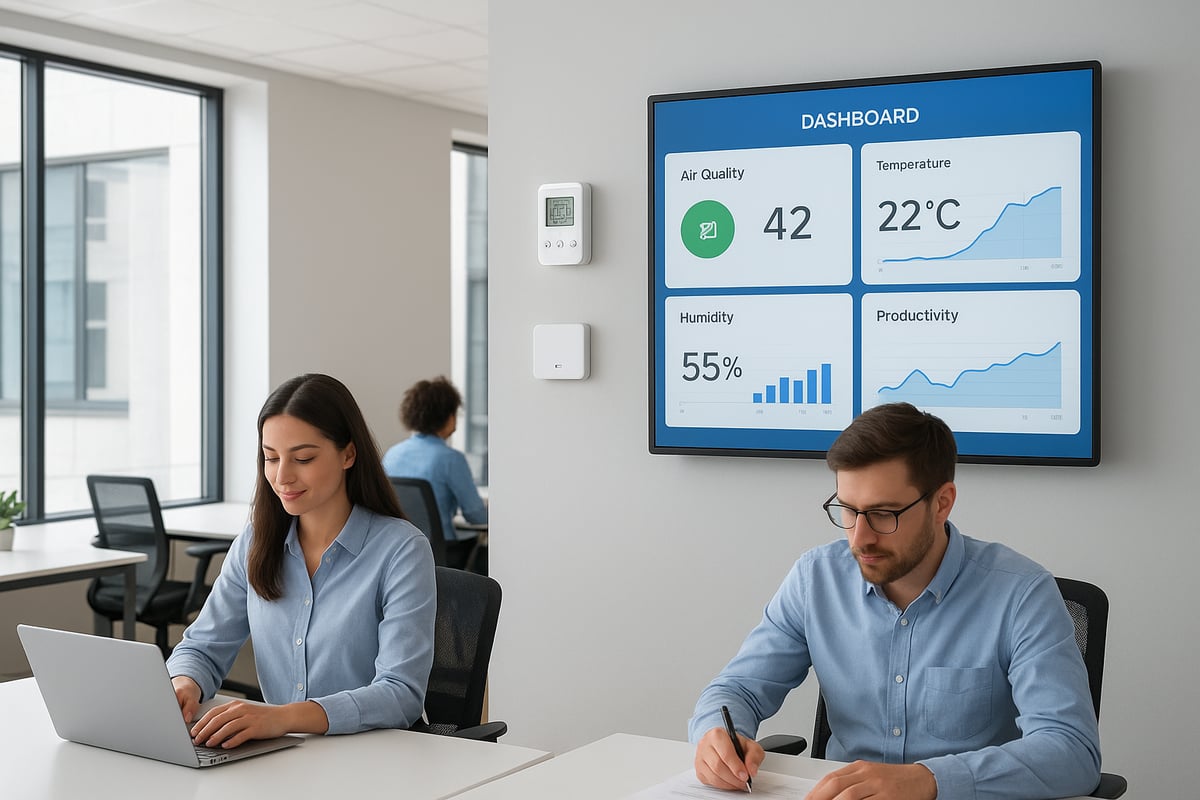
Modern indoor environmental monitoring relies on a variety of devices designed to capture precise data across multiple parameters. These include air quality sensors for CO2, VOCs, PM2.5, and carbon monoxide, as well as temperature and humidity loggers, noise meters, and light meters.
Multi-parameter sensors have become increasingly popular, offering integrated measurements to deliver a comprehensive view of indoor conditions. Real-time sensors can provide instant feedback, supporting immediate action when thresholds are exceeded. For practical examples of device deployment and the benefits in a workplace context, see office air quality monitoring.
Selecting the right combination of sensors is essential for effective indoor environmental monitoring, as it ensures coverage of all relevant environmental factors.
Building Management Systems (BMS) and Integration
Building Management Systems are central to indoor environmental monitoring in large facilities. BMS platforms enable centralised control and monitoring of HVAC, lighting, and air quality systems, creating a unified strategy for maintaining optimal conditions.
Smart integration allows sensor data to trigger automated responses, such as increasing ventilation when CO2 levels rise. This not only helps maintain compliance but also ensures energy efficiency and occupant comfort.
By incorporating BMS into indoor environmental monitoring strategies, organisations can streamline operations, reduce manual intervention, and respond proactively to environmental changes.
Data Analytics and Cloud Platforms
Data analytics platforms are transforming indoor environmental monitoring by enabling facility managers to interpret complex data sets with ease. Cloud-based solutions support long-term trend analysis, compliance reporting, and predictive maintenance.
These platforms collect real-time and historical data, allowing for in-depth analysis and benchmarking across multiple sites. Predictive analytics can identify issues before they impact occupant health or productivity.
Cloud integration also simplifies remote access, empowering decision-makers to manage indoor environmental monitoring from anywhere, and supporting data-driven improvements over time.
Third-Party Testing and Certification
Independent testing and certification play a vital role in indoor environmental monitoring, ensuring that systems meet regulatory and quality standards. Third-party assessments, such as those offered by accredited laboratories, provide objective validation of air quality and other environmental parameters.
Certification schemes like BREEAM IAQ and WELL Building Standard rely on verified data from indoor environmental monitoring to grant credentials. These certifications enhance trust with occupants and stakeholders, demonstrating a commitment to health, safety, and sustainability.
Regular independent testing supports continuous improvement and regulatory compliance in indoor environmental monitoring.
Emerging Technologies for 2026
Innovation continues to push the boundaries of indoor environmental monitoring. AI-powered analytics are now capable of detecting anomalies and predicting potential risks before they escalate.
Portable and wearable monitoring devices make it possible to track personal exposure to pollutants in real time, supporting tailored interventions. Integration with building digital twins allows for simulation and optimisation of environmental strategies, maximising efficiency.
Real-time dashboards provide actionable insights for facility managers, making indoor environmental monitoring more dynamic and effective than ever before.
Vape Guardian: Advanced Vaping and Air Quality Monitoring Solutions
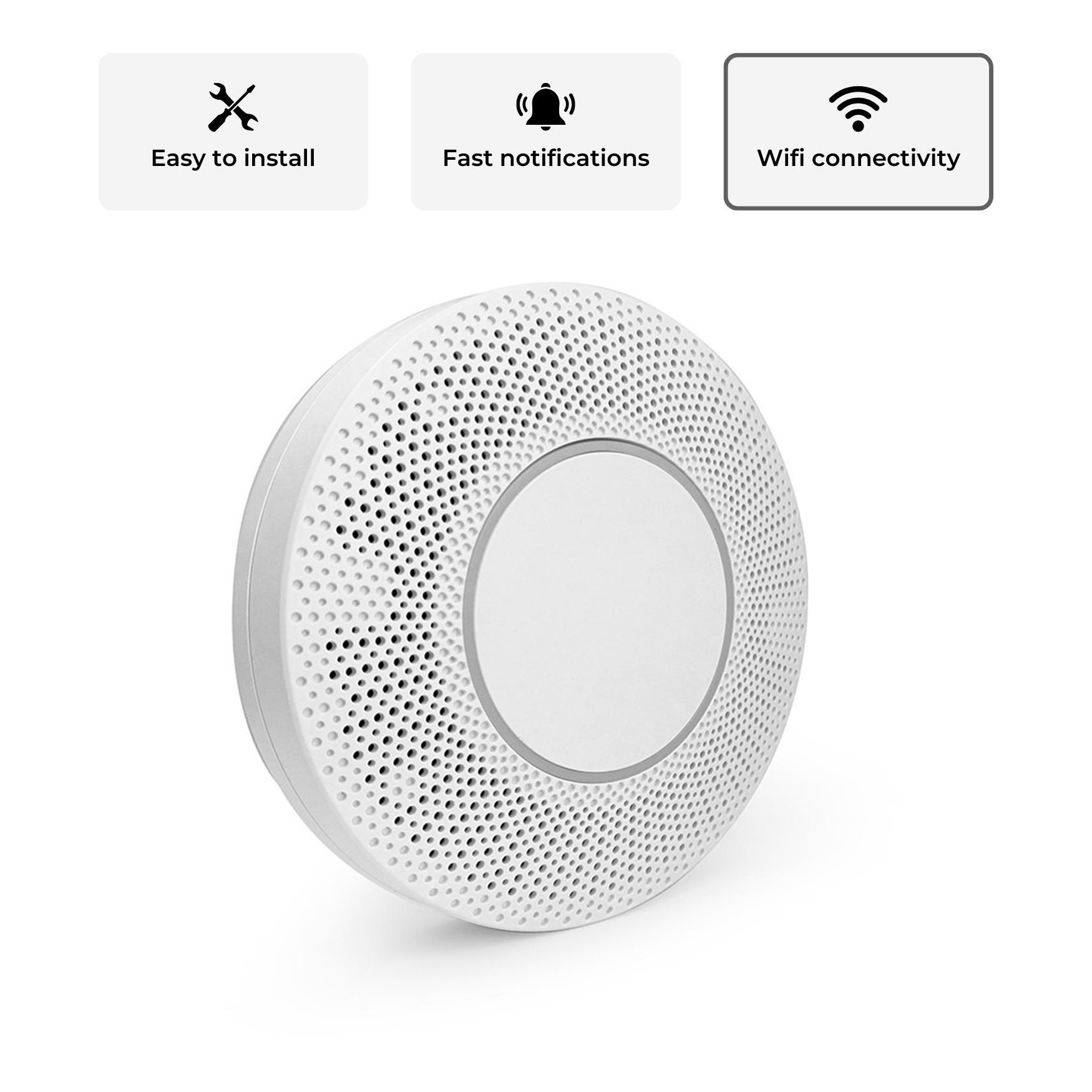
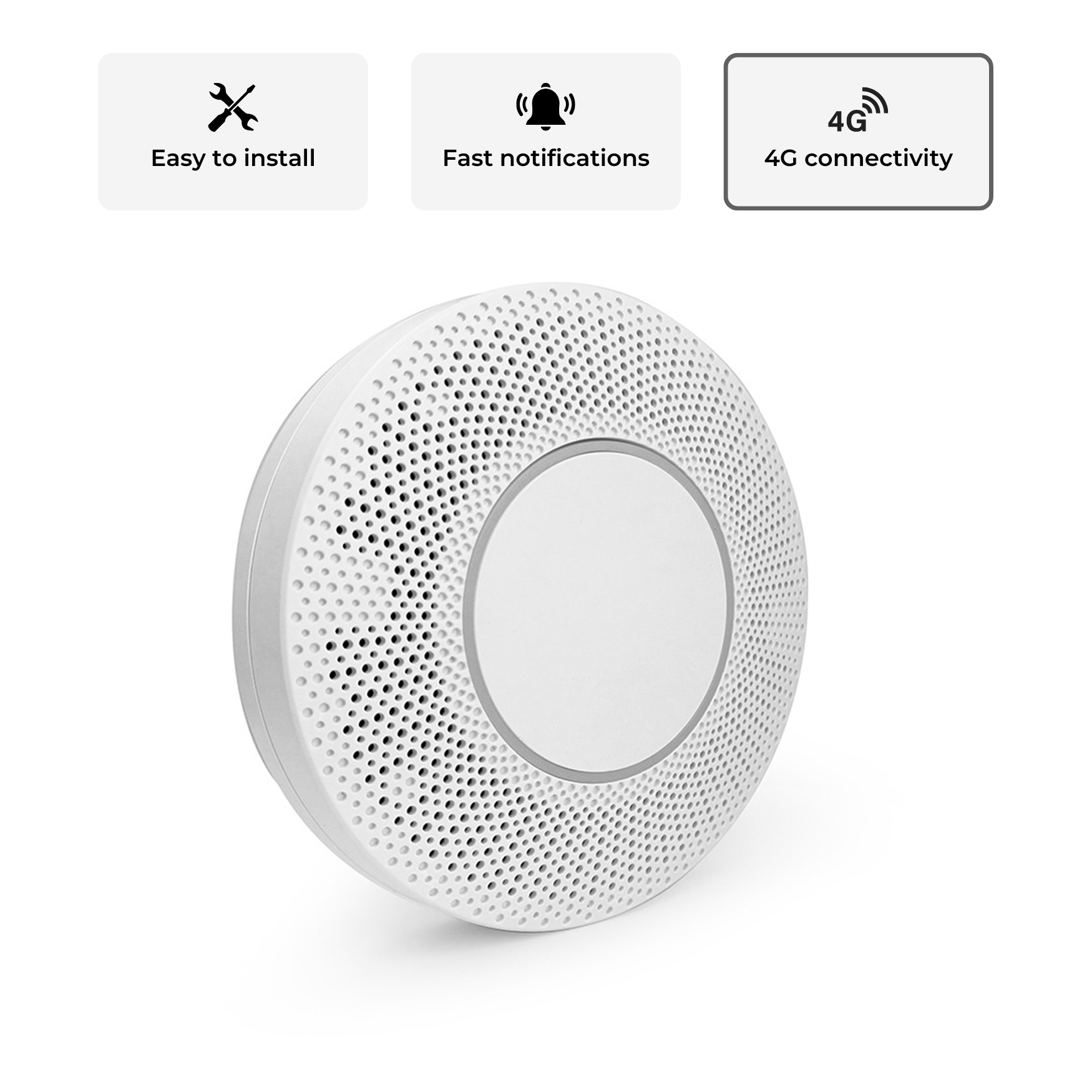
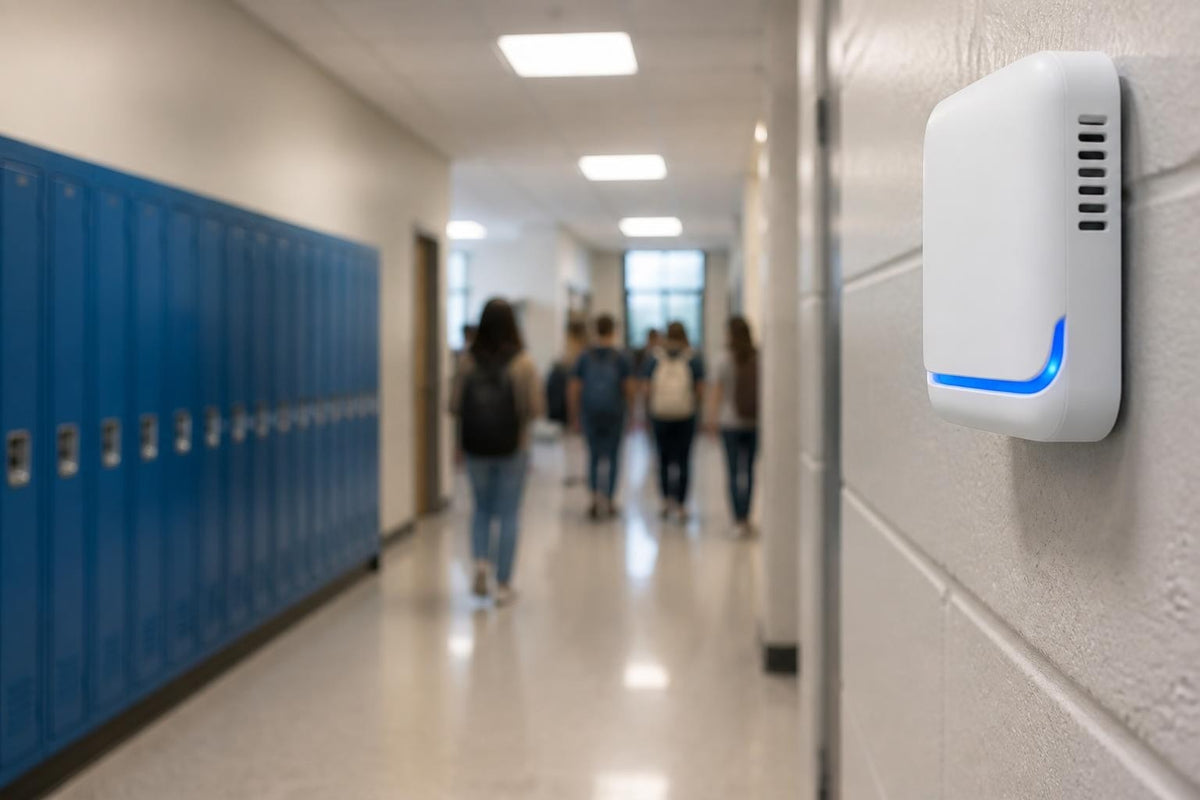
Vape Guardian is setting new standards in indoor environmental monitoring, particularly in addressing vaping, drug use, and air quality in communal spaces. The system uses high-sensitivity sensors to detect vape aerosols, drugs, and airborne pollutants with remarkable accuracy.
Instant alerts and AI-driven insights enable rapid intervention, supporting compliance with school, office, and leisure facility policies. Vape Guardian's technology has demonstrated a 95 percent reduction in vaping incidents within educational environments over just five weeks.
By integrating these solutions, organisations enhance their indoor environmental monitoring approach, creating safer and more supportive environments for all occupants.
Conclusion
The technologies and tools available for indoor environmental monitoring in 2026 are more advanced and accessible than ever. From sensor selection and integration with BMS, to leveraging cloud analytics and third-party certification, each component plays a crucial role in achieving high standards of indoor environmental quality.
Staying informed about emerging trends and adopting innovative solutions like Vape Guardian ensures that organisations can address current challenges and anticipate future needs. Effective indoor environmental monitoring not only safeguards health and productivity, but also supports regulatory compliance and long-term sustainability.
Step-by-Step Guide to Implementing Indoor Environmental Monitoring
Getting started with indoor environmental monitoring can seem daunting, but a clear, methodical approach ensures success. Follow these five steps to build a healthier, more productive indoor space.
Step 1: Assessing Needs and Setting Objectives
Begin by identifying the unique indoor environmental monitoring requirements of your building. Consider the activities, occupancy levels, and any historical issues, such as high absenteeism or frequent complaints about air quality. Set measurable goals, such as achieving regulatory compliance, improving occupant health, or enhancing productivity.
Review recent research, like the Indoor Air Quality in Irish Classrooms and Offices, to understand how pollutants can affect different environments. By clarifying your objectives, you create a strong foundation for effective indoor environmental monitoring.
Step 2: Selecting the Right Technologies
Choose monitoring technologies that align with your objectives, whether air quality sensors, temperature loggers, or integrated systems. Prioritise accuracy, scalability, and ease of use. For large premises, IoT-based solutions offer centralised control and remote access.
Evaluate the specific pollutants to monitor, such as PM2.5 and VOCs. Refer to resources like PM2.5 and air quality reports to compare sensor capabilities and reporting features. Selecting the right tools is crucial for effective indoor environmental monitoring.
Step 3: Installation and Commissioning
Proper installation ensures accurate data collection. Plan sensor placement to cover high occupancy and problem areas, such as meeting rooms or classrooms. Calibrate all devices and record baseline measurements before full deployment.
Engage qualified professionals for commissioning, and document all steps for future reference. This phase establishes the operational backbone of your indoor environmental monitoring strategy, supporting reliable results from day one.
Step 4: Data Collection and Analysis
Set up continuous data logging and real-time alerts to track conditions over time. Use analytics platforms to identify trends, correlations, and anomalies in your environment. Establish clear protocols for data review and response, assigning responsibilities to relevant staff.
Regularly analyse data to spot recurring issues, such as humidity fluctuations or pollutant spikes. Robust data management is essential for indoor environmental monitoring, enabling timely intervention and informed decisions.
Step 5: Responding to Findings and Continuous Improvement
Use your insights to implement corrective actions, such as adjusting ventilation, upgrading equipment, or introducing new cleaning protocols. Encourage regular review and adaptation of your monitoring strategy to address seasonal or operational changes.
Foster occupant engagement by sharing findings and inviting feedback. Continuous improvement ensures that your indoor environmental monitoring evolves with changing needs, delivering lasting benefits for health, compliance, and sustainability.
Real-World Applications and Best Practices
Real-world adoption of indoor environmental monitoring is transforming the quality, safety, and productivity of indoor spaces across every sector. From offices to schools, healthcare, and leisure facilities, organisations are leveraging data-driven insights to improve outcomes. The following examples and practices illustrate how indoor environmental monitoring is delivering tangible benefits.
Case Studies: Success Stories in Different Sectors
Indoor environmental monitoring is making a measurable difference in diverse settings.
- Office buildings: Integrated monitoring systems have reduced Sick Building Syndrome cases by continuously tracking CO2, VOCs, and humidity. Euro Environmental reported a significant drop in staff complaints after implementing real-time air quality sensors in a large office complex.
- Schools: Improved air quality management led to higher student attendance and performance. The NSBA's Initiative on School Indoor Air Quality highlights how targeted monitoring and ventilation upgrades resulted in healthier learning environments and fewer absences.
- Healthcare: Hospitals that adopted indoor environmental monitoring minimised infection risks by tracking airborne particles and optimising ventilation, leading to faster patient recovery and fewer outbreaks.
- Leisure facilities: Gyms and entertainment venues enhanced guest comfort and safety through continuous monitoring, enabling quick response to humidity spikes and pollutant build-up.
These case studies demonstrate that indoor environmental monitoring is not only about compliance but also about achieving real, positive change in occupant well-being and operational efficiency.
Industry Best Practices for 2026
Achieving success with indoor environmental monitoring requires consistent application of proven strategies.
Key best practices include:
- Regular calibration and maintenance of all sensors.
- Transparent communication of monitoring data to building occupants.
- Integration of monitoring with sustainability and energy management initiatives.
- Pursuing third-party certifications such as BREEAM and LEED Certification Overview, which recognise ongoing monitoring as a pillar of healthy, green buildings.
| Best Practice | Description | Outcome |
|---|---|---|
| Sensor Calibration | Routine checks to ensure accuracy | Reliable data |
| Data Transparency | Sharing IEQ data with occupants | Increased trust |
| Certification Pursuit | Aligning with BREEAM, LEED, WELL standards | Recognition, compliance |
| Sustainability Integration | Linking monitoring to energy goals | Lower costs, reduced footprint |
Facilities that follow these best practices and maintain active indoor environmental monitoring report up to 30 percent fewer occupant complaints, according to CIBSE.
Common Challenges and Solutions
Despite its benefits, indoor environmental monitoring can face several obstacles.
- Budget constraints: Prioritise high-impact areas such as meeting rooms or classrooms for initial deployment, then scale as resources allow.
- Data privacy and security: Implement robust protocols for data handling and restrict access to sensitive information.
- Occupant engagement: Encourage feedback through digital dashboards and involve users in reporting issues, fostering a culture of shared responsibility.
By addressing these challenges proactively, organisations ensure that indoor environmental monitoring delivers its full value without compromise.
The Future of Indoor Environmental Monitoring
Looking forward, the landscape of indoor environmental monitoring is evolving rapidly. Artificial intelligence and machine learning are delivering predictive insights, automating responses to air quality events, and reducing manual intervention. Regulatory frameworks are expected to become even more stringent, making proactive monitoring essential for ESG reporting and corporate responsibility.
As monitoring becomes more integral to building management, organisations that invest in advanced indoor environmental monitoring now will be best positioned to meet future health, compliance, and sustainability demands. Those who embrace innovation today are setting the standard for healthier, safer, and more productive environments tomorrow.
As we’ve explored, indoor environmental monitoring is about so much more than just meeting regulations—it’s about creating spaces where people can thrive. With advanced solutions like Vape Guardian, you can proactively detect vaping, track air quality, and address emerging risks like drug use or anti social behaviour, all in real time. This empowers you to protect health, enhance productivity, and ensure long term compliance across your building or organisation. If you’re ready to take the next step and want tailored advice on making your environment safer and smarter, talk to our team and protect your building today.


Share:
Vape Detector Singapore Guide: Your 2026 Expert Handbook
The Expert Guide to Vape Detection Software Platform 2026