

Vaping has surged in popularity across schools, offices, and public venues, raising urgent questions about safety and compliance. Organisations now face the complex challenge of monitoring and managing vaping behaviour in shared environments.
This guide delivers a comprehensive overview of the vape detection software platform landscape for 2026. Here, you will discover the evolution of vape detection, key software features, integration strategies, future industry trends, and proven best practices for seamless implementation.
Ready to tackle vaping incidents with confidence? Gain actionable insights and expert advice to help your organisation choose the right vape detection software platform and create safer, more compliant spaces.
The Evolution of Vape Detection Technology
The rapid growth of vaping in public spaces has challenged organisations to address new safety and compliance risks. Schools, offices, and leisure venues have seen a surge in e-cigarette use and related concerns. The need for a robust vape detection software platform has never been greater. Understanding how detection technology has evolved is crucial for anyone aiming to protect their environment and remain compliant.

Understanding the Vaping Epidemic
Vaping rates among young people and adults have risen sharply, impacting schools, offices, and leisure facilities. The health risks of second-hand vapour and substance misuse are well documented. In 2024, over 25 percent of UK secondary schools reported vaping incidents, underlining the scale of the issue.
Regulatory pressure has intensified, with authorities demanding better monitoring and intervention. For many organisations, adopting a vape detection software platform is now essential to meet compliance standards. The epidemic's reach has made detection technology a priority for safeguarding public health and safety.
Early Detection Methods and Their Limitations
Initial efforts to tackle vaping involved manual monitoring and visual checks. These approaches offered limited coverage and could miss discreet incidents. Standalone sensors provided basic detection but often suffered from high rates of false positives.
A major drawback was the lack of real-time alerting and centralised data. Staff were forced to react after the fact, reducing the effectiveness of interventions. Without a comprehensive vape detection software platform, organisations found it challenging to respond quickly and accurately.
The Shift to Software-Driven Platforms
The landscape has shifted with the emergence of integrated software platforms. These solutions enable centralised monitoring across multiple locations, giving facilities managers a unified view of incidents. Cloud-based dashboards make it possible to manage and analyse data remotely.
Automated alerting systems now notify staff instantly via apps or email, improving response times dramatically. Features such as remote management and advanced analytics have transformed the vape detection software platform into a proactive tool. For a deeper understanding of these advancements, see Vape Detection Technology Explained.
Example: School Adoption and Measurable Impact
A number of UK schools have adopted advanced vape detection software platform solutions with impressive results. After implementation, some institutions reported a reduction in vaping incidents of up to 90 percent.
These measurable outcomes highlight the benefits of real-time alerts and data-driven decision making. Improved compliance and safer learning environments are now achievable goals. Schools have found that robust detection software supports both prevention and enforcement strategies.
Key Drivers for 2026 Platform Adoption
Looking ahead to 2026, several factors are accelerating the adoption of vape detection software platform technology. Increased regulatory requirements and rising health standards are at the forefront. There is also a growing demand for data-driven reporting and analytics.
Organisations require scalable and future-proof solutions that can adapt to new substances and changing regulations. The vape detection software platform is now seen as a vital investment for compliance, safety, and operational efficiency.
Core Features of Leading Vape Detection Software Platforms
Selecting the right vape detection software platform is crucial for safeguarding modern environments. Leading solutions combine advanced technology, robust analytics, and flexible integration to address evolving risks and compliance needs. In this section, we break down the essential features that define the most effective platforms, highlighting their impact on real-world outcomes.

Real-Time Detection and Instant Alerts
A leading vape detection software platform provides continuous air monitoring for multiple substances. These platforms instantly identify vapour from nicotine, THC, and synthetic drugs. When an incident occurs, the system triggers immediate alerts via app, SMS, or email to designated staff.
This real-time approach transforms incident response. Instead of hours or days, teams can act within minutes, reducing disruptions and enhancing safety. The keyword vape detection software platform is central to delivering this speed and reliability.
- Continuous monitoring for immediate threat identification
- Multi-channel notifications ensure no alert is missed
- Drastic reduction in incident response time
Advanced Sensor Integration and Accuracy
The foundation of any effective vape detection software platform is its sensor technology. Leading solutions use multi-sensor arrays to detect various substances and environmental changes. Modern AI-driven algorithms reduce false positives by learning to distinguish vaping from harmless aerosols or steam.
Calibration options allow you to adapt sensitivity to different spaces, such as classrooms, washrooms, or open-plan offices. This adaptability ensures the vape detection software platform remains effective in diverse environments.
- AI algorithms minimise nuisance alerts
- Sensors detect a wide range of substances
- Customisable sensitivity for different facility types
Centralised Management and Reporting
Managing multiple locations becomes straightforward with a centralised vape detection software platform. Cloud-based dashboards allow administrators to monitor all sites in real time and access historical data for trend analysis.
Customisable reporting tools simplify compliance and audit processes. Visual dashboards support quick identification of hotspots and recurring incidents, helping organisations take proactive steps.
- Central dashboard for multi-site oversight
- Automated, customisable reports for audits and compliance
- Data visualisation enables targeted prevention strategies
User Access Controls and Privacy
A robust vape detection software platform incorporates role-based access controls. This ensures only authorised personnel, such as administrators, security, or facilities teams, can view or manage sensitive information.
Compliance with GDPR and other privacy laws is essential, especially in schools and workplaces. Platforms often include privacy settings and detailed audit trails, protecting both users and organisations.
- Role-based permissions for layered security
- GDPR-compliant data handling
- Audit logs for transparency and accountability
Maintenance, Updates, and Support
Ongoing reliability is a hallmark of the best vape detection software platform options. Over-the-air firmware and software updates keep systems up to date with emerging threats and new features.
Dedicated support teams offer training resources, troubleshooting, and technical assistance. This ensures the platform continues to deliver value long after installation.
- Remote updates for continuous improvement
- Comprehensive technical support and training
- Scheduled maintenance alerts to prevent downtime
Example: Measurable Benefits in Real-World Environments
Organisations adopting a vape detection software platform report measurable improvements. For instance, office environments have seen up to 70 percent fewer staff complaints related to vaping.
Retail and leisure venues use analytics to identify high-risk periods and adjust staffing or security accordingly. Schools have documented significant reductions in incidents after system installation. For further insight, real-world Vape Detector Case Studies showcase these outcomes and strategies.
- Reduced incident rates across sectors
- Enhanced staff and visitor confidence
- Data-driven prevention and resource allocation
Vape Guardian: Advanced Vape Detection Solutions
Vape Guardian’s UK-based vape detection software platform stands out for its real-time multi-substance detection and AI-powered analytics. With seamless mobile integration, educational institutions and commercial venues can monitor and respond from anywhere.
Unique features include noise monitoring, robust false alert reduction, and dedicated support for both educational and commercial settings. Schools using Vape Guardian have reported up to a 95 percent reduction in vaping incidents within weeks, demonstrating the platform’s significant impact.
Vape Guardian’s commitment to innovation and reliability positions it as a leader in the field, offering future-proof solutions that adapt to changing regulations and risks.
Integration, Scalability, and Customisation in 2026 Platforms
Seamless integration, robust scalability, and extensive customisation define the new era of vape detection software platform solutions. As organisations seek to future-proof their environments, these capabilities ensure that the technology adapts to complex needs and evolving regulations. Below, we explore each dimension in detail, highlighting practical considerations and real-world applications.

Seamless Integration with Existing Systems
A vape detection software platform must seamlessly connect with existing security, access control, and building management systems. By supporting APIs and standard protocols, these platforms enable real time data sharing and holistic monitoring. This integration allows incident data to trigger camera recordings or adjust ventilation, creating a unified safety ecosystem. Facilities benefit from reduced manual intervention and enhanced situational awareness, making compliance and reporting more efficient. Choosing a platform that prioritises interoperability ensures long term value and adaptability as organisational needs evolve.
Scalability for Multi-Site and Large-Scale Deployments
Modern organisations require a vape detection software platform that scales effortlessly across diverse locations. Centralised dashboards allow facility managers to monitor hundreds of sensors in real time, regardless of site size. Flexible deployment options mean sensors can be added or relocated as needs change, supporting both small schools and sprawling corporate campuses. Automated updates and remote management tools further simplify expansion, ensuring consistent protection and reporting standards. Scalability ensures that the platform grows alongside the organisation, maximising return on investment.
Customisable Alerts and Workflow Automation
A leading vape detection software platform offers customisable alert protocols tailored to different user groups and incident types. Administrators can configure notifications for specific staff, set escalation paths, and automate incident logging. Workflow automation streamlines response, reducing manual workload and ensuring timely intervention. For example, alerts can be routed to on site security during working hours and to remote teams after hours. This flexibility empowers organisations to align detection with their unique operational structures and compliance requirements.
Mobile and Remote Access Capabilities
The ability to monitor and manage a vape detection software platform from anywhere is now essential. Mobile apps for iOS and Android devices deliver instant alerts, real time dashboards, and configuration tools directly to facility managers. Remote troubleshooting and sensor management reduce downtime and support rapid response. These capabilities are especially valuable for organisations with distributed teams or multiple sites, ensuring that every incident is addressed promptly. Mobile access also supports on the go compliance checks and reporting.
Example: Large Education Trusts and Corporate Campuses
Multi site education trusts and corporate campuses are leading adopters of advanced vape detection software platform technology. By deploying hundreds of sensors across diverse buildings, they achieve comprehensive coverage and centralised management. Integration with HR and compliance systems further streamlines incident documentation and policy enforcement. For a detailed look at how these solutions transform educational safety, explore Vape Detection for Education, which highlights best practices and measurable outcomes in school environments. This approach delivers both operational efficiency and improved safety culture.
Future-Ready Architecture
A future ready vape detection software platform is designed with modularity and compliance in mind. Support for emerging sensor types and integration with new regulatory standards ensures ongoing relevance. Modular architectures allow organisations to add functionality as needs evolve, from substance detection to air quality monitoring. Forward looking platforms offer regular updates, robust support, and a clear roadmap for expansion. This ensures that investments today remain effective and compliant in the face of tomorrow’s challenges.
Future Trends: AI, Analytics, and Regulatory Changes
The vape detection software platform landscape is evolving rapidly, driven by cutting-edge technology and new regulatory pressures. For organisations looking ahead to 2026, understanding these future trends is crucial. Let us explore how artificial intelligence, substance detection, analytics, and compliance will shape the next generation of solutions.
AI and Machine Learning Enhancements
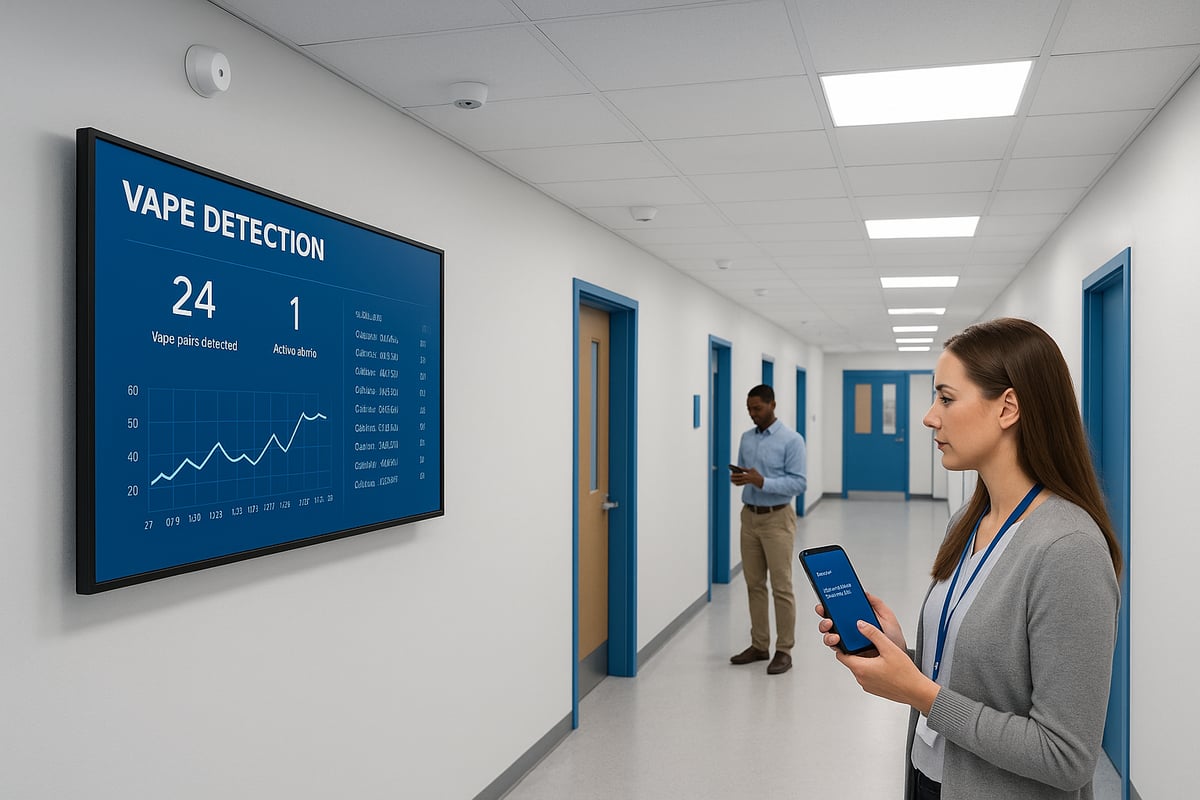
Artificial intelligence is redefining the vape detection software platform, offering smarter and faster responses. AI-driven systems now analyse air quality data in real time, using pattern recognition to identify repeat offenders and detect high-risk periods. Machine learning algorithms improve with every incident, reducing false positives and adapting to each environment.
These enhancements enable proactive intervention, helping schools and businesses address vaping before it escalates. For more insights into the impact of AI, refer to recent AI Integration in Vape Industry statistics, which demonstrate the increasing sophistication of intelligent detection technology.
Enhanced Substance Detection Capabilities
The vape detection software platform is also expanding its ability to identify a wider range of substances. Advanced sensors can now detect synthetic cannabinoids, new drugs, and differentiate between vaping, smoking, and environmental factors. This versatility is vital for staying ahead of emerging threats.
Continuous updates to detection algorithms ensure accuracy as substances evolve. Sensitivity can be tailored to specific locations, reducing false alarms while capturing genuine incidents. This adaptability positions organisations to respond swiftly to new vaping trends and maintain a secure environment.
Data-Driven Insights for Prevention
Modern vape detection software platform solutions provide robust analytics that go beyond incident alerts. Real-time dashboards highlight usage patterns, hotspots, and trends across multiple sites. Customisable reports allow school boards and compliance officers to make data-informed decisions.
These insights enable targeted interventions, such as educational campaigns for students or staff. Analytics also support resource allocation, ensuring monitoring efforts focus on the most vulnerable areas. Effective use of data transforms reactive measures into proactive prevention strategies.
Regulatory Landscape and Compliance
As regulations evolve, the vape detection software platform must keep pace with new requirements. By 2026, the UK and EU are expected to introduce stricter air quality and vaping regulations for public spaces. Platforms are being designed with GDPR compliance, detailed audit trails, and robust incident documentation.
Organisations will need to demonstrate transparent data handling and rapid response to incidents. Automated compliance reporting streamlines audits, while privacy controls protect sensitive information. Staying compliant not only avoids penalties but also builds trust with stakeholders.
Example: Shaping School and Workplace Policies
The adoption of a vape detection software platform is changing how schools and workplaces enforce policies. Schools are leveraging analytics to identify problem areas and launch targeted educational campaigns. Employers use system data to inform staff training and enforce anti-vaping rules.
Integration with broader health and safety programmes is also on the rise. Detection data can be linked to wellness or anti-social behaviour initiatives, providing a holistic approach to prevention. These developments ensure that organisations remain agile and prepared for future challenges.
Step-by-Step Guide: Implementing a Vape Detection Software Platform
Implementing a vape detection software platform requires a structured approach and clear communication. By following these seven key steps, organisations can ensure successful deployment, stakeholder buy-in, and ongoing value from their investment.
Step 1: Needs Assessment and Goal Setting
Begin by identifying the unique challenges your environment faces with vaping. Engage with stakeholders to understand regulatory requirements, historical incident data, and areas of greatest risk.
List key objectives for the vape detection software platform, such as reducing incidents, improving compliance, or gathering actionable data for policy development. A thorough needs assessment ensures that your investment aligns with long-term organisational goals.
Step 2: Solution Evaluation and Vendor Selection
Evaluate available vape detection software platform options by comparing features like detection accuracy, alert mechanisms, and reporting capabilities. Consider scalability, integration potential, and support services as decision factors.
Request product demonstrations, trial periods, and references from similar institutions. For best results, consult resources like Best Practice for Handling Vaping Alerts to inform your criteria for selection and optimisation.
Step 3: Planning and Site Survey
Conduct a detailed site survey to map out optimal sensor locations, including toilets, corridors, and communal areas. Assess current IT and security infrastructure to identify integration points for the vape detection software platform.
Collaborate with facilities, IT, and security teams to ensure comprehensive coverage. Planning at this stage minimises installation disruptions and maximises system effectiveness.
Step 4: Installation and Configuration
Install the vape detection software platform sensors according to the survey plan. Configure software settings for your environment, including detection thresholds, notification channels, and reporting templates.
Set up user roles and access permissions to maintain privacy and control. Thorough documentation at this stage helps with future troubleshooting and onboarding.
- Place sensors in high risk locations
- Configure alert protocols for rapid response
- Test system functionality across different scenarios
Step 5: Training and Onboarding
Provide comprehensive training for all staff who will interact with the vape detection software platform. Cover system operation, privacy considerations, and incident response procedures.
Offer ongoing resources and refresher sessions to ensure new staff are adequately prepared. Well-trained users respond more effectively to alerts and help maintain system integrity.
Step 6: Monitoring, Reporting, and Optimisation
Use the vape detection software platform dashboard to monitor incidents, track trends, and generate reports in real time. Regularly review data visualisations to identify hotspots and evaluate intervention effectiveness.
Adjust detection sensitivity or alert settings as needed to reduce false positives. For further guidance on effective response and ongoing optimisation, consult Best Practice for Handling Vaping Alerts.
Step 7: Ongoing Maintenance and Support
Schedule regular checks and software updates to keep your vape detection software platform running reliably. Leverage vendor support for troubleshooting, firmware upgrades, and access to new features.
Establish a feedback loop with users and stakeholders to identify areas for process improvement. Proactive maintenance extends system lifespan and ensures consistent results.
Example: Successful Implementation in a Multi-Academy Trust
A large UK multi-academy trust implemented a vape detection software platform across several sites. The project began with a thorough needs assessment and site survey. Within eight weeks, all sensors were installed, staff were trained, and reporting protocols were established.
The result was a measurable reduction in incidents, improved staff confidence, and enhanced compliance reporting. This comprehensive approach is now considered a model for other organisations seeking to deploy a vape detection software platform efficiently.
Best Practices and Common Pitfalls in Vape Detection Software Deployment
Deploying a vape detection software platform is a significant step for any organisation prioritising safety and compliance. To maximise the impact of your investment, it is essential to follow industry best practices and avoid common pitfalls. In this section, we will examine critical strategies for success and highlight real-world lessons from early adopters.
Ensuring Data Privacy and Compliance
A vape detection software platform must always adhere to strict privacy and data protection guidelines. Organisations should implement robust policies for handling and storing incident data. It is crucial to ensure compliance with GDPR and local privacy laws.
Transparent communication with all stakeholders, including staff, students, and visitors, helps build trust and sets clear expectations. Regular audits and access reviews can further strengthen your data governance framework.
| Best Practice | Pitfall to Avoid |
|---|---|
| Regular privacy audits | Inadequate communication |
| GDPR-compliant processes | Weak access controls |
Minimising False Positives and Alert Fatigue
False alerts can undermine confidence in your vape detection software platform. Careful calibration of sensors to match specific environments, such as toilets or corridors, is vital. Training staff to interpret alerts accurately is equally important.
Recent advancements like those found in Zeptive's Enhanced Vape Detection Systems help reduce false positives and improve response efficiency. Leveraging these innovations ensures a higher level of user trust and operational reliability.
Engaging Stakeholders for Long-Term Success
A successful vape detection software platform deployment requires buy-in from leadership, IT, facilities, and end users. Engage these groups early in the planning process and maintain open channels for feedback.
Regular stakeholder meetings and clear communication of results help refine procedures and build long-term support. When all parties are invested, the platform is more likely to deliver sustained value.
- Involve key decision-makers from the outset
- Provide regular progress updates
- Encourage staff and user feedback
Leveraging Analytics for Prevention and Education
Modern vape detection software platform solutions offer powerful analytics tools for incident analysis and prevention planning. Use these insights to tailor interventions and target high-risk areas.
For example, platforms like the FRIENDS GUI for Vaping Behavior Analysis enable data collection and visualisation to inform educational campaigns and policy adjustments. Sharing measurable outcomes with stakeholders demonstrates the value of a data-driven approach.
Avoiding Over-Reliance on Technology Alone
While a vape detection software platform is a critical tool, it should not replace education and behavioural support. Combine technology with clear policies, awareness programmes, and staff training.
Recognise that even the most advanced systems have limitations. A holistic approach, blending detection with prevention and support, delivers the strongest results.
- Integrate detection with anti-vaping education
- Offer support resources for those affected
- Regularly review and update policies
Example: Lessons from Early Adopters
Early adopters of vape detection software platform deployments provide valuable insights. Schools that paired detection with awareness initiatives saw greater reductions in incidents. Offices that neglected comprehensive staff training experienced more false alarms and lower system effectiveness.
These experiences highlight the importance of a balanced strategy. Learning from pioneers can help you avoid common mistakes and accelerate your organisation’s success.
Planning for Future Needs and Upgrades
The landscape for vape detection software platform technology is evolving quickly. Build flexibility into your contracts and system architecture to accommodate upgrades. Stay informed about new substances and regulatory changes to ensure your solution remains effective.
Regularly assess your platform’s performance and readiness to integrate emerging features. Forward-thinking planning positions your organisation to stay ahead of new challenges.
As you’ve seen throughout this guide, choosing the right vape detection software is about more than just ticking compliance boxes—it’s about creating a safer, healthier environment for everyone. Whether you manage a school, office, or leisure space, understanding the latest technology and best practices is key to staying ahead of evolving risks and regulations. If you’re ready to take the next step in protecting your building and want tailored advice on the best solution for your needs, why not reach out for a conversation with our experts? Talk to our team and protect your building today






Share:
Essential Guide To Indoor Environmental Monitoring 2026
The Essential AI Vape Detection Guide for 2026