
Vaping is now a common sight in both public and private spaces, raising urgent concerns about health, safety, and policy enforcement. With incidents on the rise, organisations face mounting pressure to identify and manage vaping effectively.
This guide explores ai vape detection as it stands in 2026, equipping you with the knowledge needed to understand, implement, and benefit from these cutting edge solutions.
Discover how ai vape detection works, the latest breakthroughs, practical steps for deployment, and what to expect from future innovations. Make informed decisions and safeguard your environment with confidence.
The Evolution of Vape Detection Technology
The journey of ai vape detection has transformed rapidly over the last decade. Early efforts to identify vaping indoors relied on observation and basic environmental sensors. These approaches often struggled with accuracy, leaving schools and offices searching for more reliable solutions.
From Manual Detection to AI Systems
In the early 2020s, vape detection meant vigilant staff, periodic room checks, and simple particulate sensors. These manual approaches faced significant hurdles. Visual checks were subjective and often missed discreet vaping. Basic sensors frequently triggered false alarms from aerosols or dust, undermining trust in the system.
Educational institutions and businesses found it challenging to maintain vaping-free environments. The introduction of sensor-based detection marked a turning point. Facilities began integrating chemical and particulate sensors into their management systems, allowing for automated alerts. Still, these early detectors lacked the intelligence to distinguish between harmless environmental changes and genuine vaping incidents.
By 2023, artificial intelligence started reshaping the landscape. Machine learning algorithms enabled systems to recognise patterns unique to vaping, dramatically reducing false positives. Key milestones included the first cloud-connected detectors and adaptive learning features that improved with each incident logged.
A case study from a large secondary school demonstrated a 70 percent drop in false alarms after switching to ai vape detection powered by machine learning. Global adoption rates soared, with industry data showing a 60 percent increase in installations from 2024 to 2026. Facility managers and educators reported greater confidence in these intelligent systems, citing their ability to adapt to evolving vaping behaviours.
For a deeper dive into the technological journey, the Evolution of vape detection technology offers further insights into the shift from manual checks to advanced ai vape detection platforms.
Key Components of Modern AI Vape Detection
Modern ai vape detection relies on a suite of sophisticated sensors and intelligent software. Particulate sensors measure airborne particles, while chemical sensors detect specific compounds like nicotine or THC. Noise sensors can identify the subtle sounds of vaping devices. Together, these tools create a multi-layered detection network.
Artificial intelligence is the engine behind real-time analysis and learning. Modern systems process sensor data instantly, identifying vaping events and filtering out common triggers such as deodorant sprays or steam. Adaptive algorithms refine detection criteria over time, increasing accuracy with every new data point.
Connectivity is another cornerstone. Cloud-based monitoring enables instant alerts to staff smartphones or facility dashboards. Integration with existing alarms, cameras, and building management systems ensures a coordinated response to incidents. Privacy and data security, especially in 2026, are key priorities, with organisations adopting strict controls over data access and retention.
A recent example saw a multi-sensor ai vape detection system outperform traditional detectors during a large event. The system maintained high accuracy and low false alert rates, demonstrating the advantages of coordinated, intelligent monitoring.
The evolution of ai vape detection has empowered organisations to safeguard their environments with unprecedented precision and efficiency.
How AI Vape Detection Works: Core Mechanisms and Capabilities
Understanding how ai vape detection operates in real-world environments is essential for organisations seeking to maintain safe and compliant spaces. The following sections break down the core mechanisms—sensors, AI algorithms, and real-time reporting—that power these advanced systems.

Sensor Technologies and Data Collection
At the heart of ai vape detection are sophisticated sensors designed to identify vaping incidents quickly and accurately. These devices use a combination of particulate, chemical, and noise sensors to detect the presence of substances such as nicotine, THC, and synthetic cannabinoids. By continuously sampling the air, these sensors establish environmental baselines, making it possible to spot deviations that signal vaping activity.
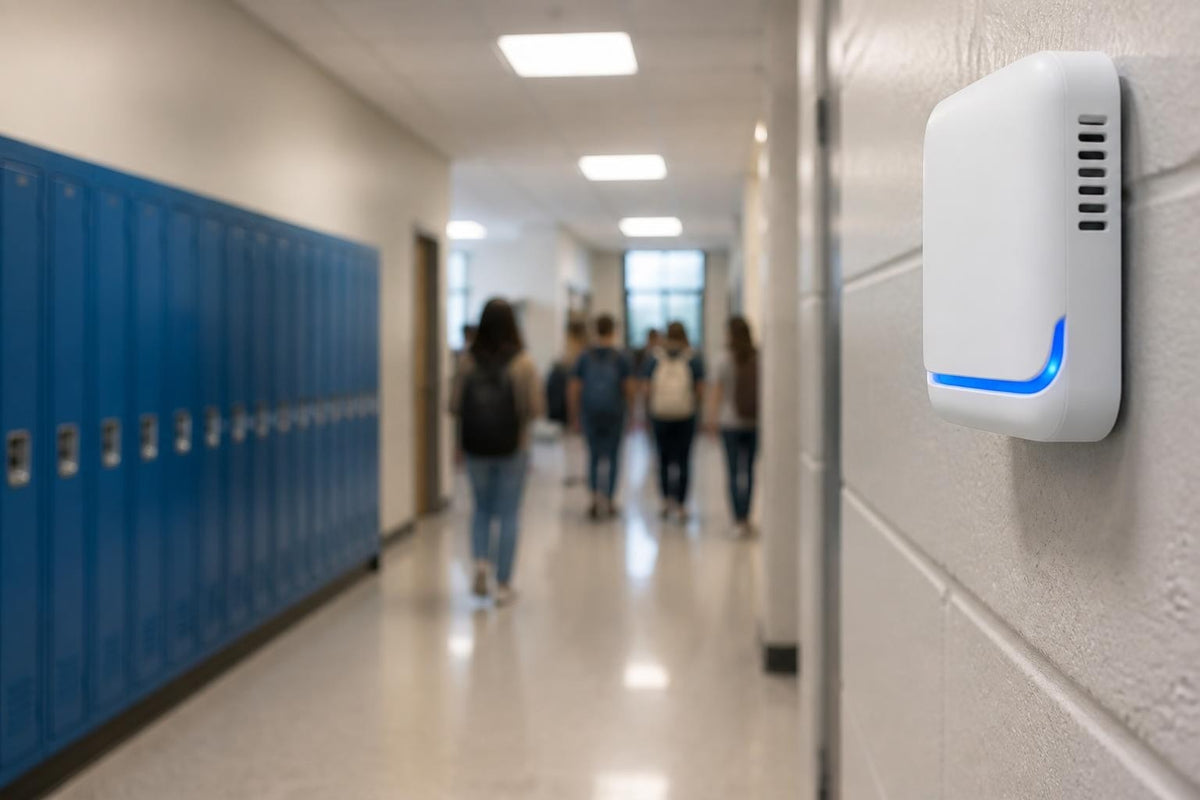
Environmental factors like humidity, temperature, and airflow can affect detection accuracy. Therefore, optimal sensor placement is crucial. Facilities often deploy sensors in high-risk areas such as bathrooms and corridors, ensuring comprehensive coverage while respecting privacy.
Modern solutions not only monitor for illicit substances but also track air quality, providing added value for overall health and safety. Integration with building management systems is now standard practice, allowing seamless communication with security and facility teams.
For those considering system integration and best practices, resources like Developing an Effective Vape Detection Solution offer detailed guidance on sensor selection and deployment.
AI Algorithms and Machine Learning
The intelligence behind ai vape detection lies in its machine learning algorithms. These models analyse data from multiple sensors, distinguishing vape aerosols from harmless particles like dust or cleaning sprays. Pattern recognition enables the system to identify the unique signatures of e-cigarette vapour, traditional smoke, or even new synthetic substances.
Adaptive learning is a key feature. Over time, the ai vape detection system refines its algorithms based on real-world data, reducing false positives and enhancing reliability. This capability is especially valuable in dynamic environments where new vaping devices and substances frequently emerge.
Handling multi-substance detection is a growing requirement. Advanced systems can now differentiate between various types of vaping products, even in complex settings like schools or offices where multiple aerosol sources exist. As a result, the accuracy and responsiveness of ai vape detection continue to improve each year.
Real-Time Alerts and Reporting
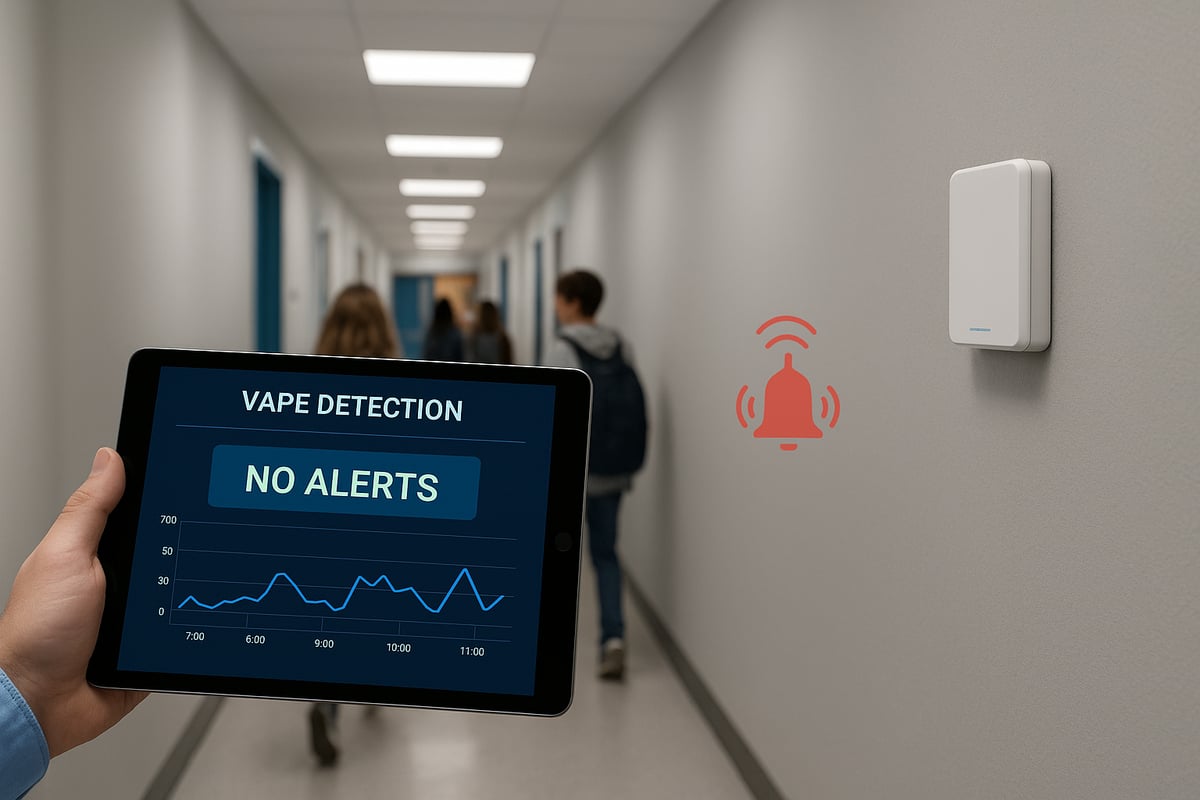
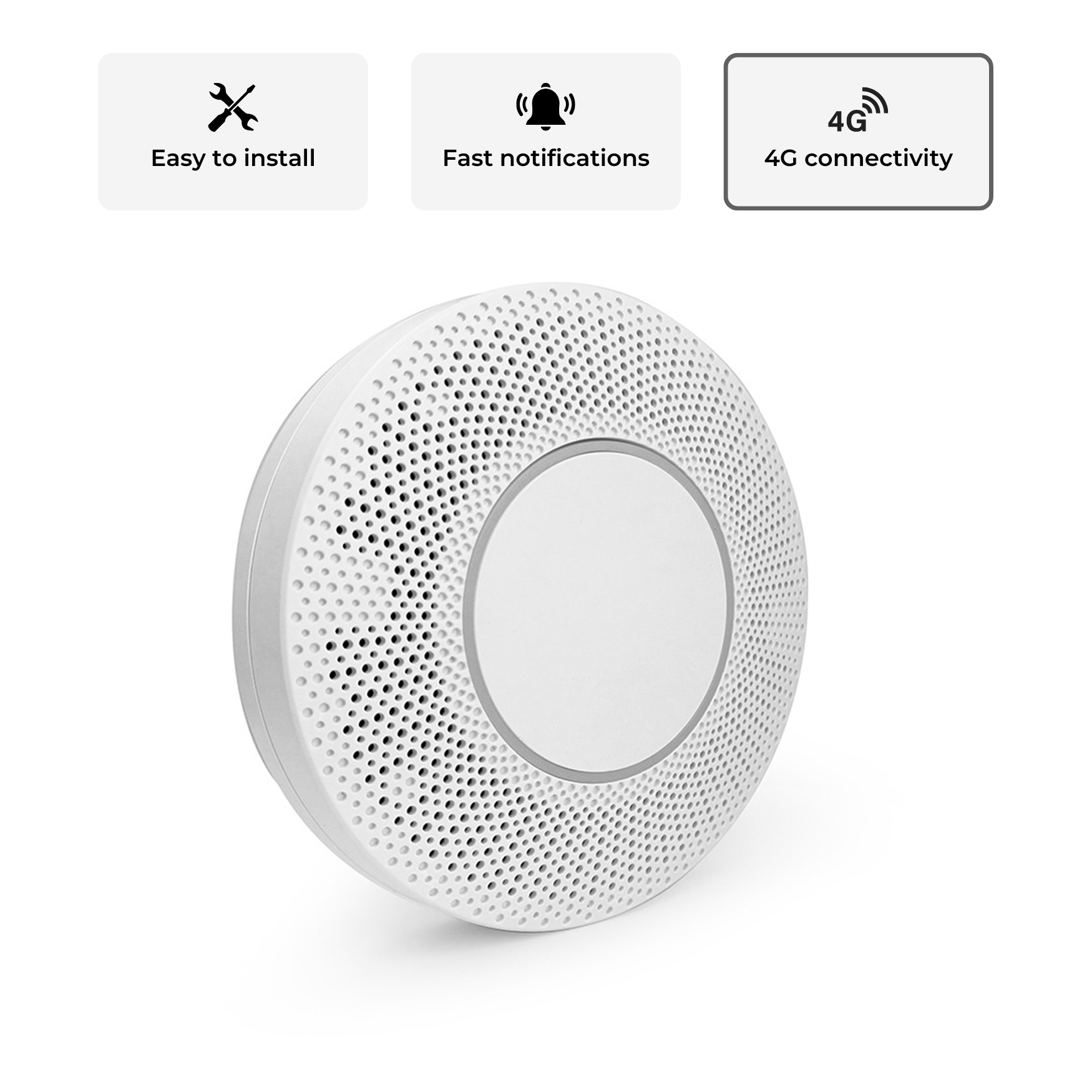
One of the most powerful aspects of ai vape detection is its ability to deliver instant notifications to relevant personnel. These alerts can be sent via mobile apps, email, or integrated building alarms, ensuring a swift response when vaping is detected.
Customisable alert thresholds and escalation protocols allow organisations to tailor their response based on specific needs. Analytics dashboards provide incident logs, trend analysis, and compliance reporting, making it easy to monitor patterns over time.
Integration with mobile devices means facility managers can oversee multiple locations remotely, intervening as needed. For example, in a school setting, real-time alerts from ai vape detection have enabled staff to address incidents almost immediately, significantly reducing repeated offences.
By combining advanced sensors, intelligent algorithms, and actionable reporting, ai vape detection empowers organisations to create safer, healthier environments for everyone.
Implementing AI Vape Detection: Step-by-Step Guide
Deploying an effective ai vape detection system requires a strategic, stepwise approach. Each stage, from initial assessment to ongoing optimisation, plays a pivotal role in ensuring robust protection and compliance. The following guide walks you through each key phase, equipping your organisation to select, implement, and maintain a solution that truly works.
Assessing Your Environment and Needs
Begin by evaluating your facility’s unique layout, usage patterns, and risk zones. Identify high-priority areas such as bathrooms, corridors, and shared break spaces where vaping is most likely to occur. Consider factors like foot traffic density, air flow, and privacy requirements to determine optimal sensor placement.
Define your objectives for ai vape detection. Are you aiming for prevention, regulatory compliance, or safeguarding vulnerable populations? Understanding these priorities will guide your system configuration and response protocols.
Engage key stakeholders early in the process. Facilities managers, safeguarding leads, and IT support can provide valuable insights on infrastructure and operational needs. By assessing your environment thoroughly, you lay a strong foundation for the next steps in the ai vape detection journey.
Selecting the Right AI Vape Detection Solution
Choosing the right ai vape detection system hinges on several critical criteria. Evaluate detection accuracy, false alert rates, scalability, and vendor support. Look for solutions that offer regular software updates and future-proofing to keep pace with evolving vaping devices and substances.
A side-by-side comparison of market leaders is essential. Consider reviewing a Comparison of vape detection systems to understand how each vendor’s features, alert mechanisms, and support services stack up.
Be sure to factor in integration capabilities with your existing infrastructure. Seamless compatibility with alarms, access control, and building management systems ensures a smooth rollout. A well-chosen ai vape detection solution will deliver measurable results and long-term value.
| Feature | Vendor A | Vendor B | Vendor C |
|---|---|---|---|
| Detection Accuracy | 98% | 95% | 92% |
| False Alert Rate | Low | Moderate | High |
| Integration Options | Extensive | Basic | Moderate |
| Support & Updates | Yes | Yes | No |
Installation and Integration
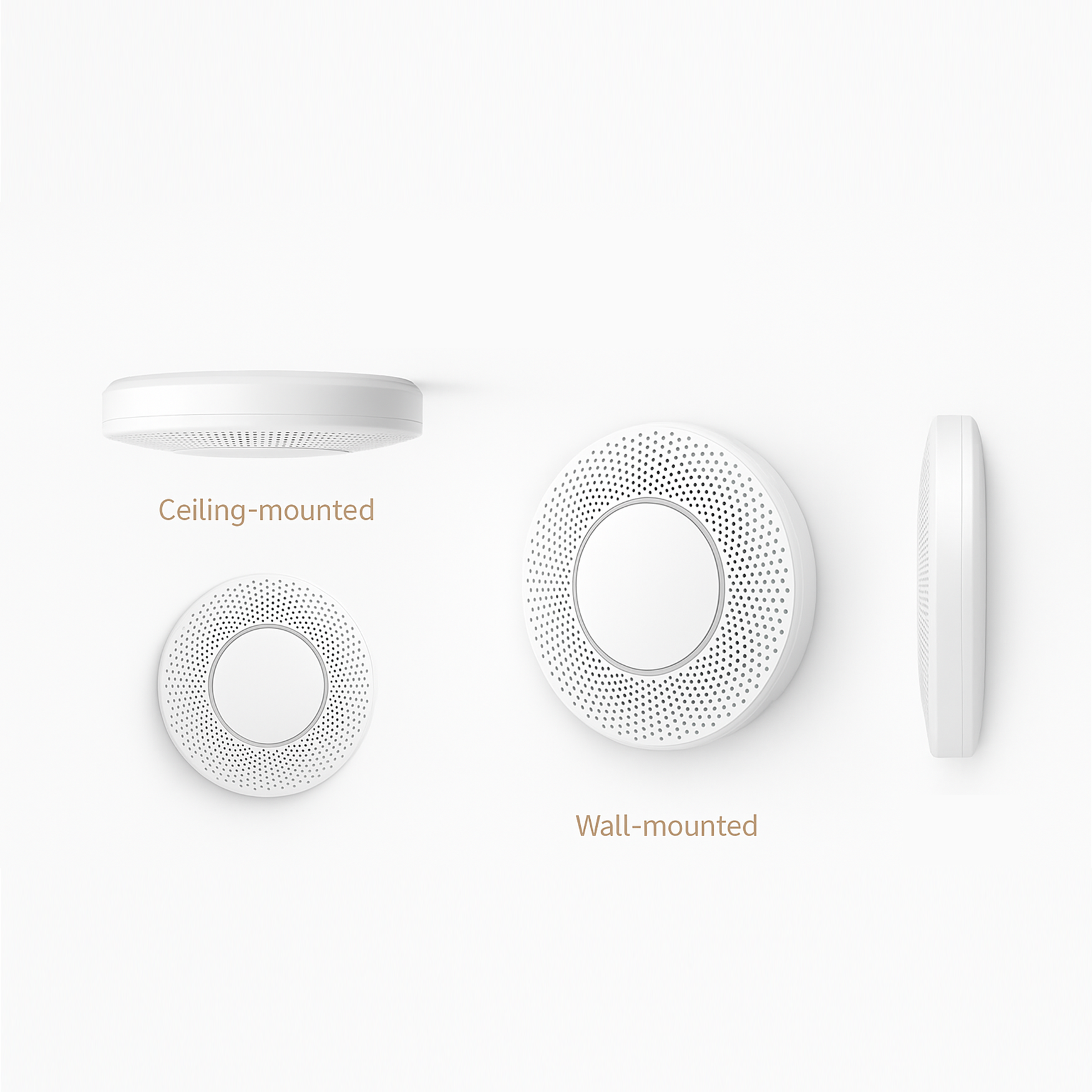
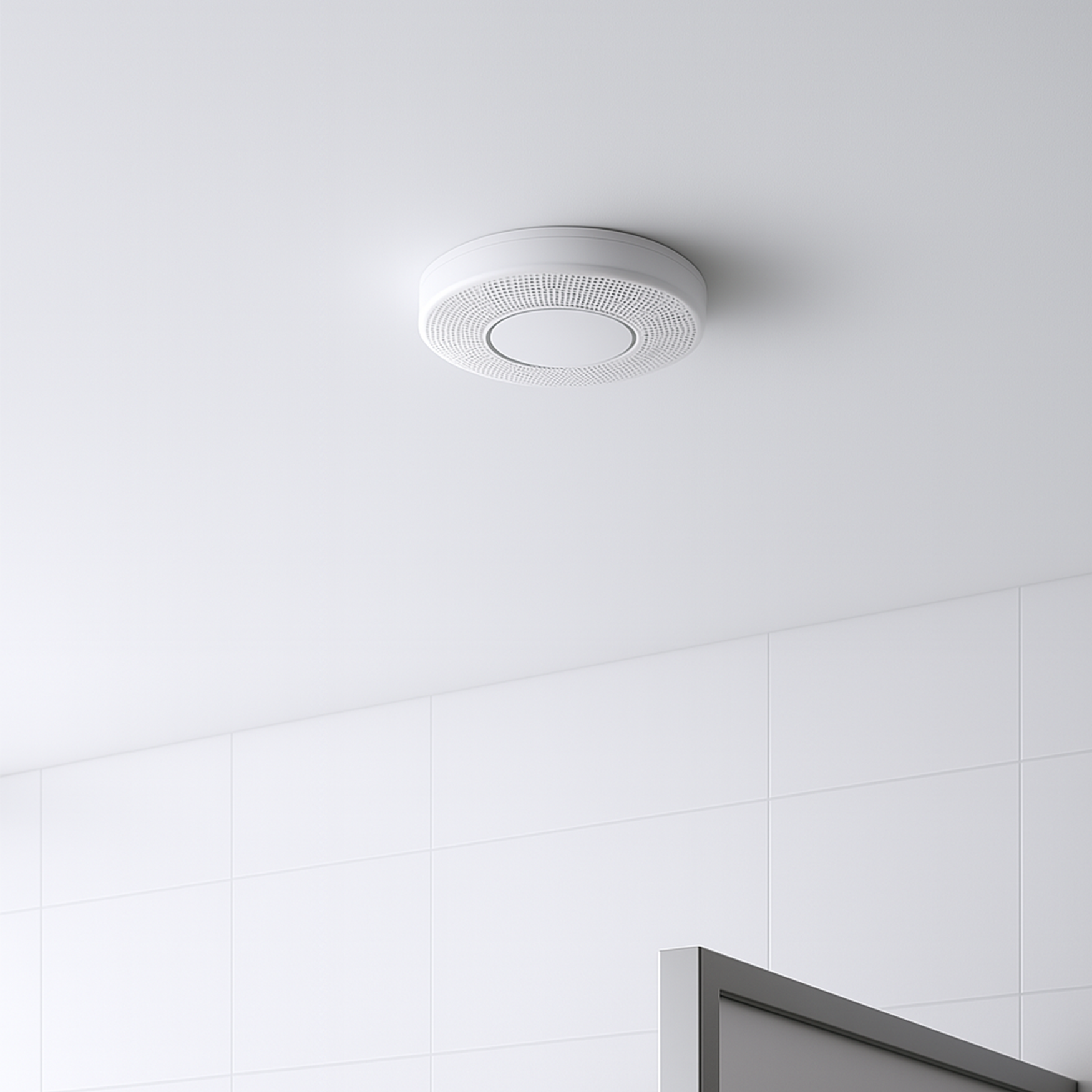
Effective installation is crucial for maximising the performance of your ai vape detection system. Start with a comprehensive site survey to map out sensor locations and ensure full coverage of target areas. Prioritise ceiling-mounted sensors in high-risk or poorly ventilated spaces.
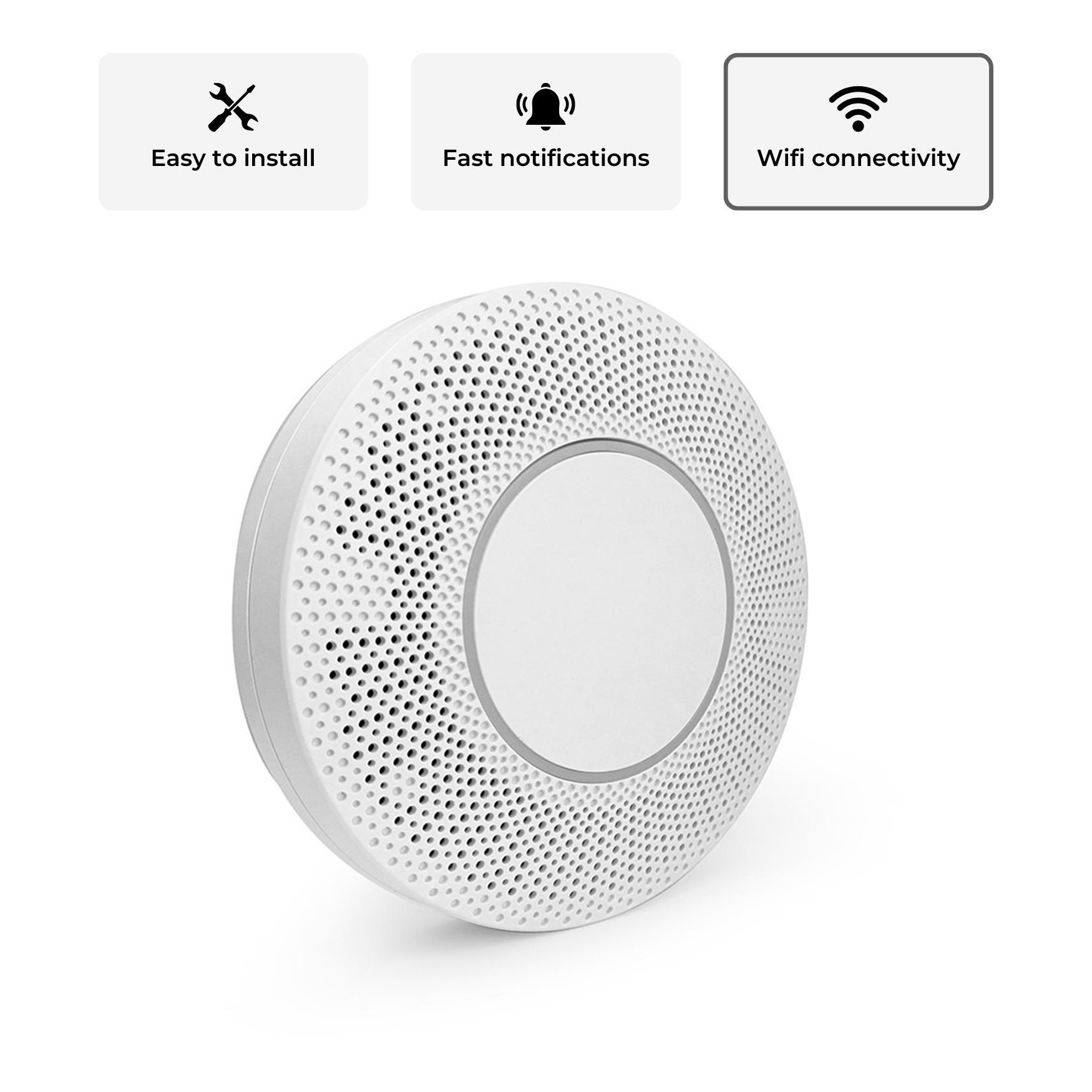
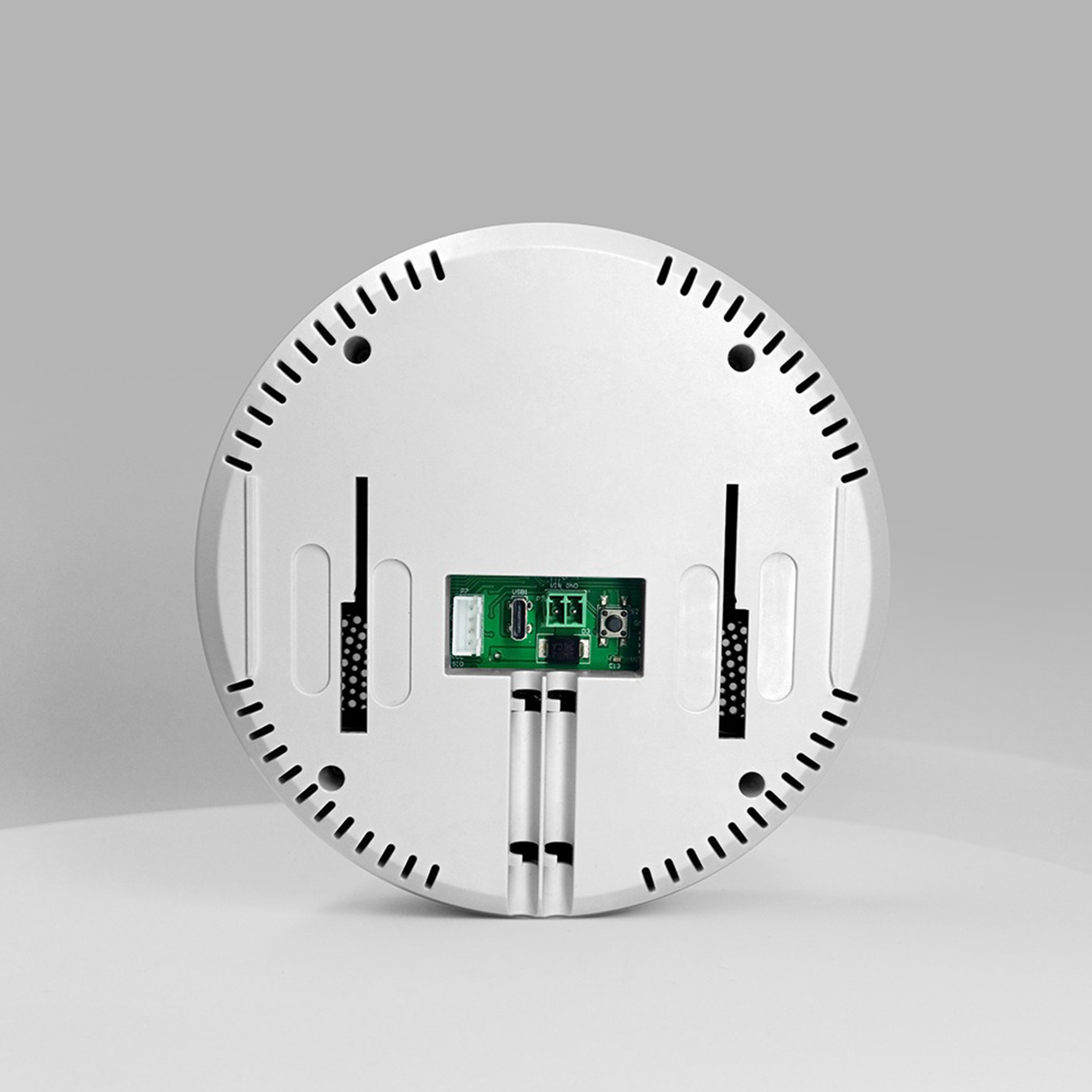
Check power and connectivity requirements. Most ai vape detection devices need reliable Wi-Fi or wired connections for real-time alerts and data transmission. Always verify compatibility with your current security and building management systems to avoid disruptions.
Follow best practices for sensor placement:
- Position sensors away from direct airflow vents.
- Avoid placing units near sources of steam or cleaning sprays.
- Ensure unobstructed detection zones for each device.
A well-executed installation sets the stage for accurate, timely detection and rapid incident response.
Staff Training and Awareness
Training your team is essential for the successful adoption of ai vape detection technology. Facility managers and relevant staff should receive thorough instruction on system operation, alert interpretation, and response protocols.
Develop a clear response plan outlining steps to take when an alert is triggered. Assign roles for verifying incidents, documenting events, and escalating issues as needed. Consistency in handling alerts builds trust and ensures compliance with organisational policies.
Provide educational materials to occupants, students, or employees. Raise awareness of the system’s presence, its purpose for safety, and privacy considerations. Well-informed staff and users contribute to the effectiveness and acceptance of ai vape detection initiatives.
Monitoring, Maintenance, and Optimisation
Ongoing monitoring and maintenance are vital to sustain high performance from your ai vape detection solution. Schedule regular system checks to verify sensor calibration and connectivity. Use analytics dashboards to review incident logs, spot trends, and identify vaping hotspots.
Optimise system settings based on real-world data. Adjust alert thresholds or sensor placement to reduce false positives and enhance detection accuracy. Update protocols as new patterns or challenges emerge.
Establish a routine for software updates and technical support. Proactive maintenance minimises downtime and ensures your ai vape detection infrastructure remains robust, reliable, and compliant with current standards.
Vape Guardian: Leading AI Vape Detection Solutions
Vape Guardian stands at the forefront of ai vape detection, offering advanced, multi-sensor systems tailored for schools, offices, and leisure venues. Their solution detects vaping, THC, and synthetic cannabinoids with remarkable accuracy, while keeping false alerts to a minimum.
Real-time alerts reach staff instantly via mobile app, email, or on-site alarms, enabling swift intervention. Vape Guardian’s analytics platform provides actionable insights, supporting compliance and prevention strategies.
Schools implementing Vape Guardian have reported up to a 95 percent reduction in vaping incidents within five weeks. The company also provides comprehensive support, free educational resources, and regular updates, making it a trusted choice for organisations seeking proven ai vape detection results.
Regulatory, Compliance, and Privacy Considerations in 2026
The rapid adoption of ai vape detection across schools, workplaces, and public spaces has brought regulatory, compliance, and privacy issues to the forefront. In 2026, organisations must navigate a complex landscape of legislation and ethical expectations to ensure their ai vape detection strategies are both effective and responsible.

Relevant Laws and Standards
Regulations governing vaping and ai vape detection have evolved rapidly. In the UK, the legal framework for vaping in educational and public settings has become more stringent, with strict rules around sensor deployment and data handling. Internationally, jurisdictions differ in their approach, but most require clear policies and consent regarding surveillance technologies.
Organisations must comply with a range of requirements, including:
- Ensuring ai vape detection systems do not infringe on personal privacy
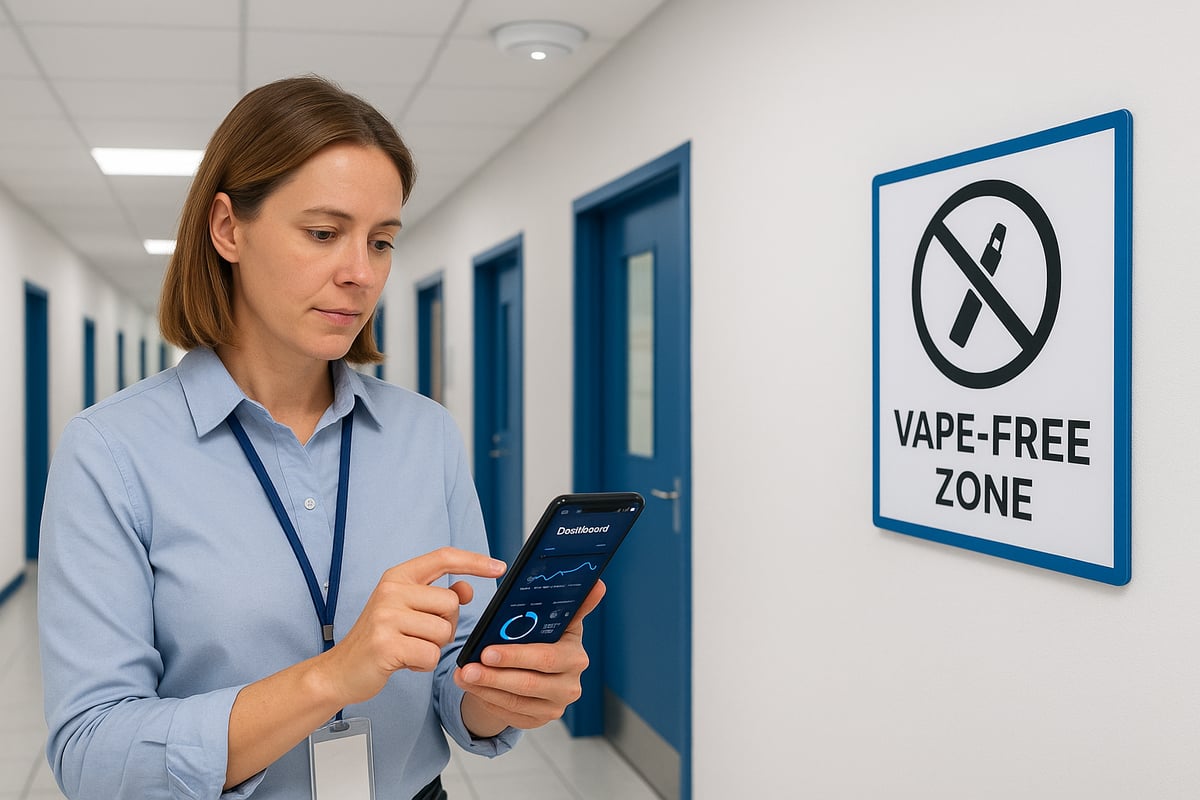
- Providing clear signage and notification to all occupants
- Storing and processing sensor data in accordance with GDPR and local privacy laws
A comparison of compliance requirements:
| Environment | Key Regulation | Data Requirements |
|---|---|---|
| Schools | Statutory guidance, safeguarding duties | Parental consent, secure storage |
| Offices | Workplace surveillance laws | Employee notice, data minimisation |
| Public spaces | Local council by-laws | Public notification, anonymisation |
For educators, understanding the latest UK school vaping laws 2025 is crucial when implementing ai vape detection, as these laws detail the obligations around consent, notification, and reporting.
Ethical and Privacy Implications
Deploying ai vape detection raises important questions about balancing safety and privacy. Sensor placement must avoid sensitive areas, such as changing rooms, to respect personal boundaries. Data minimisation is vital, collecting only what is necessary for detection and compliance.
Transparency is key. Occupants should be informed about the presence and function of ai vape detection devices, with accessible policies outlining data use. Responsible use of analytics is essential, ensuring no profiling or misuse of collected information.
Reporting and Documentation
Accurate documentation and reporting are central to ai vape detection compliance. Incident logs serve as evidence for audits and support safeguarding or disciplinary procedures. Modern systems offer automated dashboards, making it easier to track usage trends and ensure regulatory adherence.
Integrating ai vape detection logs with existing safeguarding processes helps organisations demonstrate due diligence and respond swiftly to incidents. Regulatory changes in 2025 introduced mandatory record-keeping for many environments, reinforcing the need for robust documentation.
Challenges and Solutions
Implementing ai vape detection comes with challenges. Some stakeholders may resist perceived surveillance, while others worry about inclusivity and accessibility. To address these concerns:
- Engage with stakeholders early to explain the benefits and safeguards
- Ensure systems are accessible for all, including those with disabilities
- Regularly review policies to align with new regulations and best practices
A recent case study showed that a multi-site organisation succeeded by combining clear communication with ongoing training, ensuring their ai vape detection policy was both compliant and supported by staff and users.
Future Trends and Innovations in AI Vape Detection
The landscape of ai vape detection is evolving rapidly as new technologies emerge. In 2026, organisations are witnessing a transformation driven by smarter sensors, adaptive AI, and expanded applications. This section explores the future direction of ai vape detection, highlighting key innovations, new use cases, and the challenges that lie ahead.
Advances in Sensor and AI Technology
The foundation of ai vape detection is built on ongoing improvements in sensor sensitivity and AI capabilities. Next-generation sensors are now capable of detecting minute concentrations of vape aerosols, including nicotine, THC, and emerging synthetic cannabinoids. These devices often combine particulate, chemical, and acoustic sensing to create a comprehensive profile of the environment.
AI advancements have enabled real-time pattern recognition and adaptive learning. Algorithms are now designed to differentiate between harmless aerosols and genuine vaping incidents, reducing false alerts. Integration with broader air quality monitoring systems is also becoming standard, providing a holistic approach to facility safety.
For a deeper dive into these innovations, see the Next-generation vape detection trends shaping the industry in 2026.
Expansion to New Environments and Use Cases
The reach of ai vape detection is expanding beyond traditional settings like schools and offices. Transport hubs, including airports and train stations, increasingly rely on these systems to ensure compliance and passenger safety. Healthcare environments, such as hospitals and clinics, use ai vape detection to maintain air quality for vulnerable patients.
Hospitality and leisure sectors are adopting custom solutions to address unique architectural challenges. Large-scale events and smart cities are leveraging networked sensors for real-time monitoring across vast spaces. This expansion demonstrates the adaptability and scalability of ai vape detection, meeting the needs of diverse environments.
Data-Driven Prevention and Behavioural Insights
Analytics are at the heart of the next generation of ai vape detection. Facilities now use incident logs, trend analysis, and behavioural insights to inform prevention strategies. Predictive analytics can identify patterns, anticipate high-risk periods, and enable early intervention.
Collaboration with educational and health authorities is key to developing targeted responses. For example, schools are using ai vape detection data to guide awareness campaigns and policy adjustments. To learn more about how predictive analytics is transforming intervention strategies, explore AI-Powered Predictive Analytics in Vape Detection.
Market Growth and Industry Outlook
The market for ai vape detection is poised for significant growth through 2026. Adoption rates are rising across sectors, driven by regulatory requirements and a growing focus on occupant safety. Leading vendors are investing in research and development to enhance detection accuracy and reduce operational costs.
Industry analysts project a steady increase in market size as organisations seek integrated solutions for air quality and compliance. The competitive landscape is marked by innovation, with companies focusing on user-friendly interfaces and robust support services.
| Year | Global Adoption Rate (%) | Projected Market Size (£m) |
|---|---|---|
| 2023 | 35 | 180 |
| 2026 | 62 | 340 |
Potential Challenges and Solutions
Despite progress, ai vape detection faces ongoing challenges. The rapid evolution of vaping devices and substances requires constant system updates and algorithm refinement. Ensuring interoperability between different platforms is essential for multi-site organisations.
Education and stakeholder engagement remain priorities to maximise the effectiveness of these systems. Addressing privacy concerns, maintaining transparency, and adapting to regulatory changes are critical for sustainable implementation. By focusing on innovation and inclusive policy development, organisations can overcome these challenges and realise the full benefits of ai vape detection.
As we have explored throughout this guide, understanding and implementing AI vape detection is crucial for creating safer, compliant environments in 2026. With advanced solutions like Vape Guardian, you can confidently address vaping, drug use, and anti social behaviour, ensuring the wellbeing of everyone in your building. If you are ready to take the next step or simply want expert advice tailored to your unique needs, I encourage you to talk to our team and protect your building today. We are here to support you every step of the way.



Share:
The Expert Guide to Vape Detection Software Platform 2026
Vape Detection Installation Guide: Expert Insights for 2026