
Imagine a future where the next generation vape detection is so seamless and accurate that it becomes essential for every school, workplace, and public venue. The risks of undetected vaping are real, impacting health, safety, and compliance. This expert guide will explore the breakthroughs shaping next generation vape detection, the strategies organisations can use in 2026, and the actionable steps to create safer, vape-free environments. Discover the latest advancements, learn how to implement effective solutions, and gain expert recommendations to ensure your facility is always one step ahead.
The Evolution of Vape Detection Technology
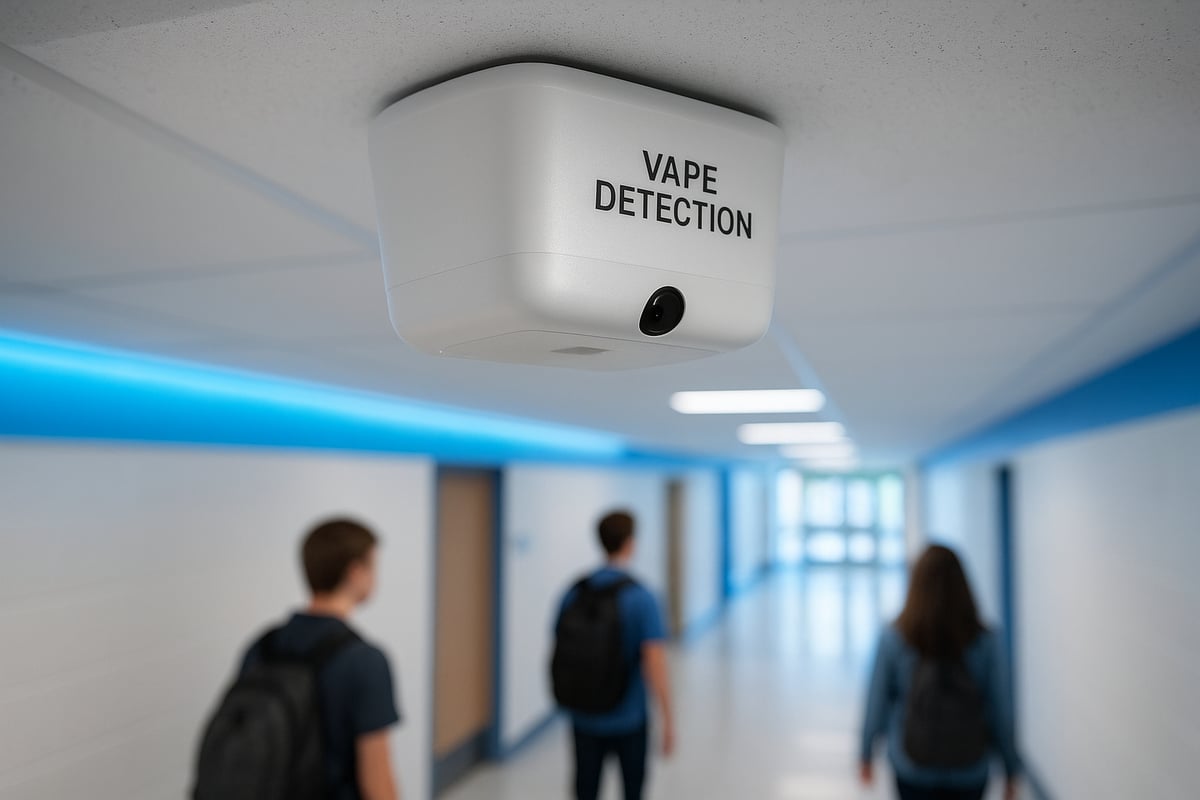
The journey towards next generation vape detection began in response to a growing public health concern. As vaping became widespread, organisations needed reliable ways to monitor and deter its use, especially in sensitive environments. Over the past decade, vape detection technology has rapidly matured, moving from basic sensors to advanced, AI-powered systems that are now essential in schools, offices, and public spaces.
From Early Sensors to Advanced AI
Since 2015, vape detection solutions have evolved tremendously. Early systems relied on basic particulate sensors that struggled with low sensitivity and frequent false positives. These limitations often led to frustration among staff and unreliable incident reporting.
With the introduction of AI and machine learning, next generation vape detection has achieved a new level of accuracy. AI-based platforms can now distinguish between harmless vapour, aerosols, and actual vaping events. Early deployments in schools faced challenges, but they paved the way for robust, data-driven solutions that adapt to changing environments.
Key Milestones: 2020-2025
The years 2020 to 2025 marked significant progress for next generation vape detection. Multi-sensor arrays capable of detecting particulates, chemicals, and even sound were integrated into compact devices. This innovation enabled detection not just of nicotine, but also THC and synthetic substances.
Adoption grew rapidly in schools, offices, and public spaces. According to competitor case studies, monitored schools reported up to a 95 percent reduction in vaping incidents. UK schools, in particular, have led the way with successful implementations, demonstrating the real-world impact of these advancements. For a detailed look at these developments, see Evolution of Vape Detection Technology.
- Multi-sensor integration
- Real-time incident alerts
- Significant reduction in vaping events
The Role of Data Analytics
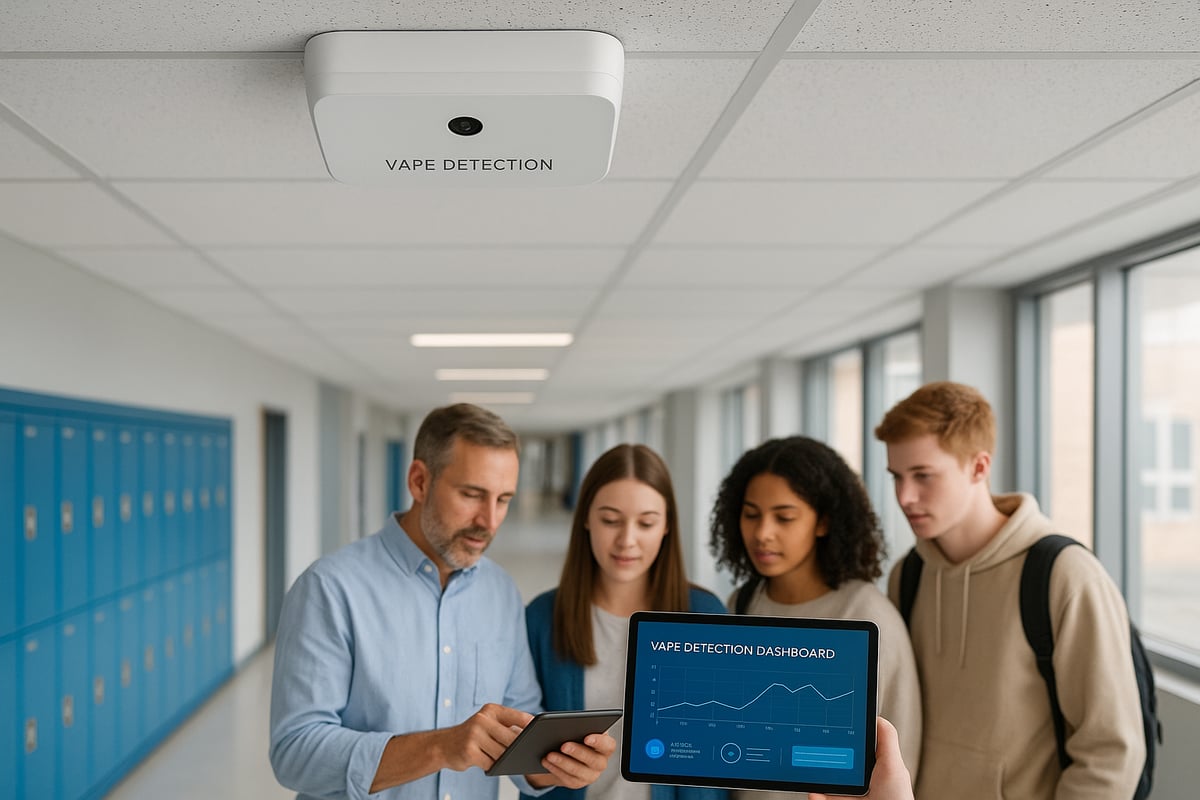
Data analytics has transformed next generation vape detection from simple alert systems to intelligent platforms. Real-time incident reporting allows for immediate interventions, while long-term trend analysis helps organisations identify patterns and adapt policies.
Cloud-based dashboards provide facility managers with compliance insights and intervention opportunities. In US high schools, analytics-driven insights have directly influenced policy changes, resulting in more targeted prevention strategies.
- Real-time reports
- Trend tracking
- Policy adaptation
Addressing False Positives and Privacy
Technological advancements have focused on minimising false alerts in next generation vape detection systems. Proprietary algorithms now verify multiple data points before triggering notifications, reducing unnecessary disruptions for staff.
At the same time, privacy concerns have shaped device design. Detection systems avoid collecting personal identifiers, ensuring compliance with regulations. Recent regulatory shifts continue to influence how these systems balance accuracy with the right to privacy, keeping both staff and users protected.
Future-Proofing Detection Systems
To stay ahead of emerging threats, next generation vape detection platforms are built with modular hardware. They can be upgraded to detect new substances like THC or Spice without replacing the entire system. Over-the-air updates ensure that detection algorithms evolve as vaping trends change.
| Feature | Benefit |
|---|---|
| Modular hardware | Supports new substances |
| Over-the-air updates | Adapts to evolving threats |
| Analytics integration | Prepares for unknown challenges |
By preparing for the unknown, organisations can ensure their detection systems remain effective well into 2026 and beyond.
Core Features of Next Generation Vape Detection Systems
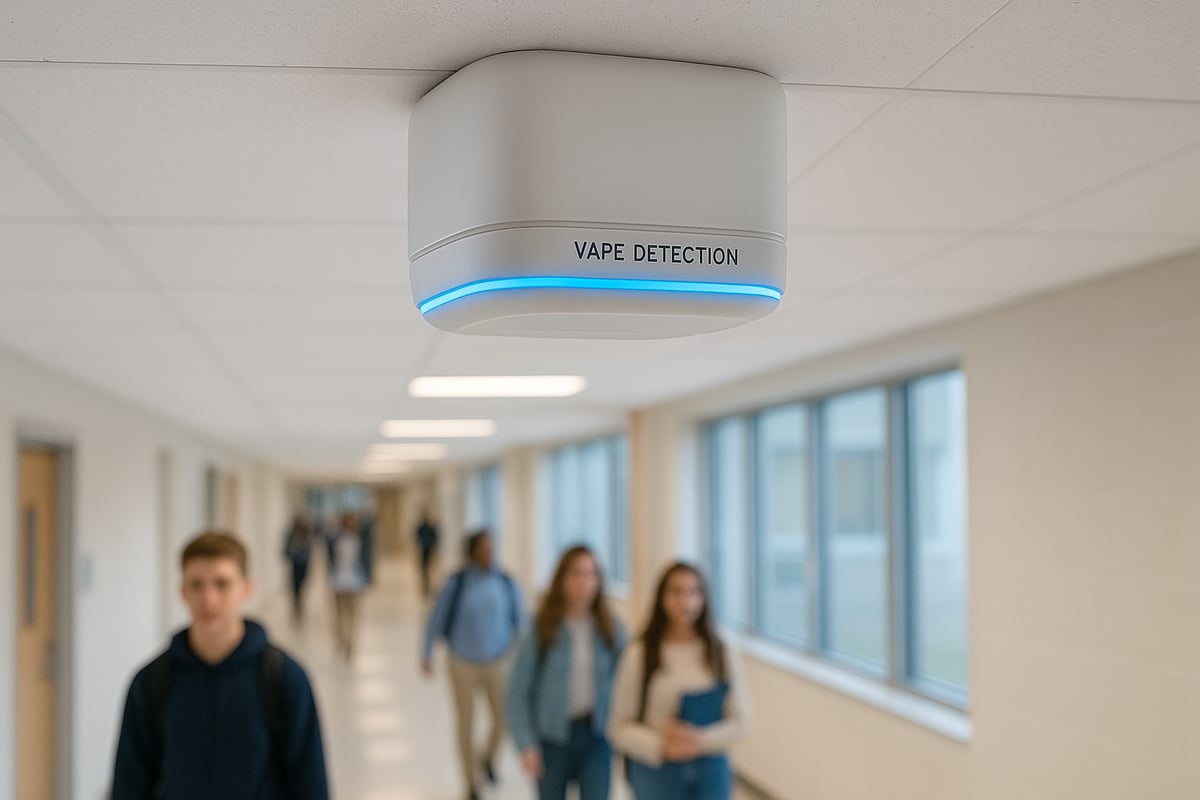
The rapid evolution of next generation vape detection is reshaping the landscape for facility safety and compliance. These systems now offer powerful new capabilities, designed to address the complex challenges posed by vaping in schools, offices, and public spaces. Below, we explore the core features that define the future of vape detection technology for 2026.
Multi-Substance and Multi-Environment Detection
Next generation vape detection systems are engineered to recognise a broad spectrum of substances beyond traditional nicotine. Modern sensors can identify THC, synthetic cannabinoids, and emerging compounds with impressive precision.
These solutions also adapt seamlessly to varied settings, from busy secondary schools to open plan offices and leisure venues. Their versatility means facilities can protect diverse user groups without the need for different devices.
Key advantages:
- Detect multiple substances including nicotine, THC, and Spice
- Adapt to changing environmental conditions
- Provide consistent coverage across all facility types
By leveraging next generation vape detection, organisations can futureproof against new vaping trends and substances.
AI-Powered Real-Time Alerts
A defining feature of next generation vape detection is the integration of artificial intelligence for instant response. Machine learning algorithms analyse sensor data to distinguish vape events from normal environmental changes.
Facilities benefit from:
- Pattern recognition for accurate event detection
- Immediate alerts to staff via mobile apps or cloud dashboards
- Reduction in incident response times to mere seconds
For example, UK secondary schools have seen significant improvements in intervention speed due to AI-powered systems. Next generation vape detection ensures that staff are empowered to act fast, minimising disruption and risk.
Advanced Air Quality and Noise Monitoring
Beyond substance detection, next generation vape detection platforms continuously monitor air quality and ambient noise. This dual capability provides early warnings for anti-social behaviour, drug use, and air pollution.
Recent data shows a 40 percent increase in adoption of these systems in shared workspaces during 2024, driven by the need for comprehensive monitoring.
Features include:
- Continuous analysis of airborne particulates and gases
- Detection of abnormal noise patterns linked to vaping or tampering
- Actionable insights for facility managers
Next generation vape detection enables proactive management of both health and safety risks.
False Alert Reduction Mechanisms
False positives have long plagued traditional vape sensors. Next generation vape detection addresses this with proprietary algorithms and multi-point verification processes.
Leading systems now use up to a 10 point formula to verify incidents, dramatically improving accuracy and reducing unnecessary staff interventions.
Benefits:
- Fewer false alerts and callouts
- Enhanced trust in system data
- Improved staff morale and resource allocation
By implementing next generation vape detection, organisations can focus on real incidents, streamlining reporting and response.
Integration and Connectivity Options
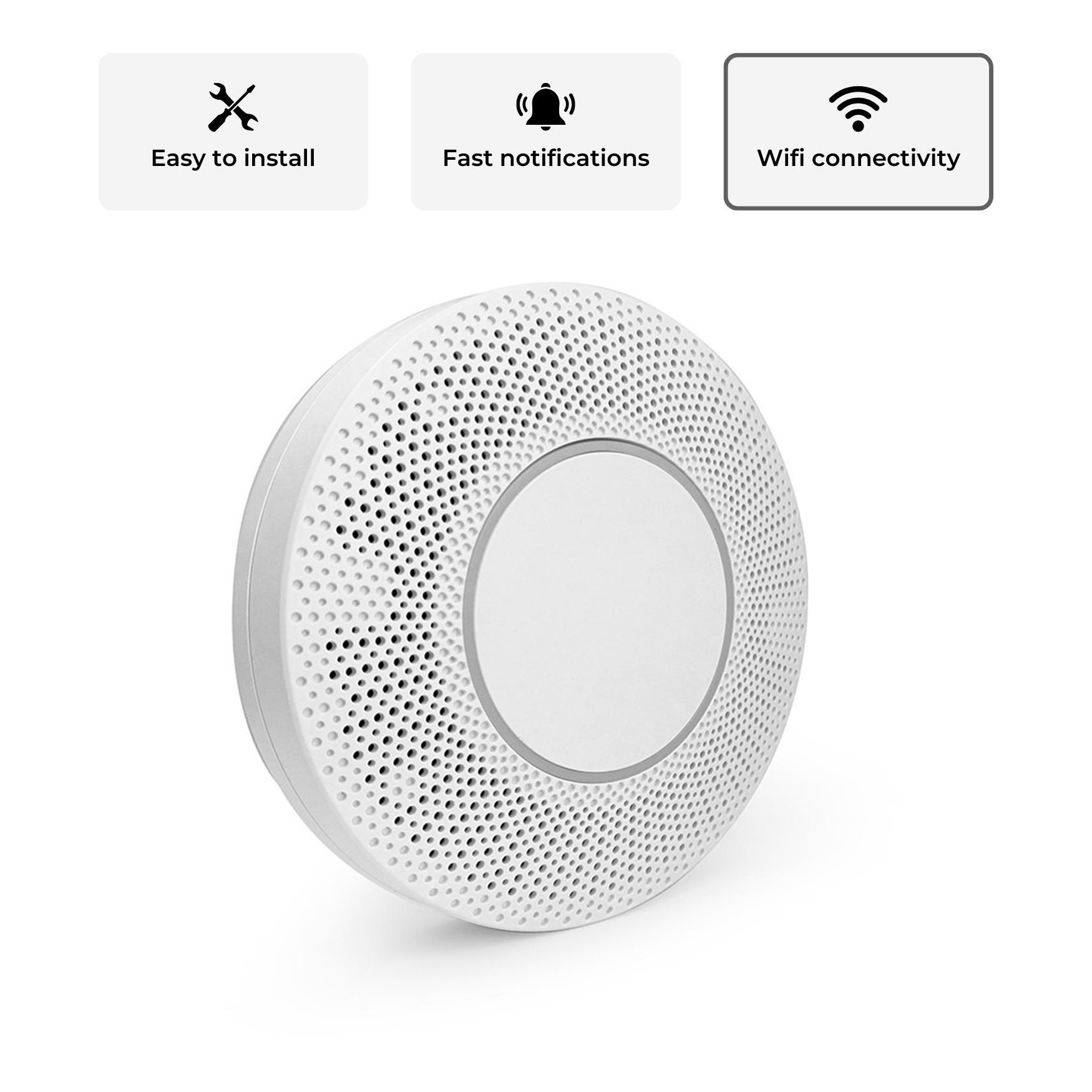
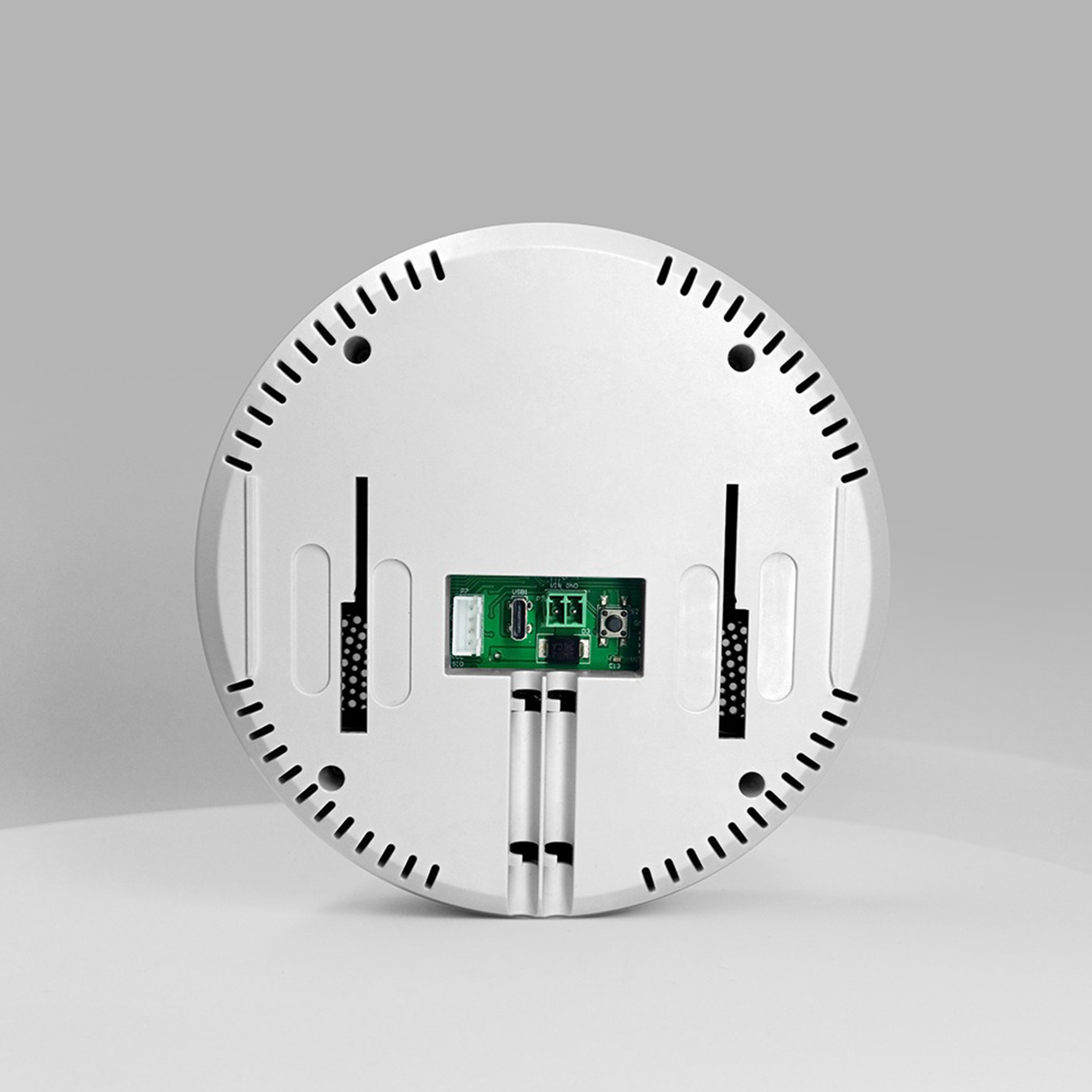
Modern vape detection devices are designed for seamless integration with existing security and building management systems. Flexible connectivity options such as WiFi, power over ethernet, and cellular ensure reliable operation in any environment.
Effective integration allows:
- Connection to alarms, CCTV, and access controls
- Centralised management from a single dashboard
- Scalable deployment across multiple sites
To compare leading systems and their integration capabilities, review the Best Vape Detectors for Schools. These next generation vape detection solutions make it easier than ever to create safer, smarter facilities.
Implementing Vape Detection in 2026: Step-by-Step Guide
Adopting next generation vape detection requires a clear, methodical approach. Whether you manage a school, office, or leisure venue, following best practices ensures effective implementation and long-term results. This step-by-step guide demystifies the process, from initial assessment to continuous improvement, so your organisation can create a safer, vape-free environment.
Step 1: Assessing Organisational Needs
Start by evaluating your organisation’s unique requirements for next generation vape detection. Identify high-risk areas such as toilets, changing rooms, or stairwells where vaping incidents are most likely. Engage key stakeholders, including staff, students, parents, and facility managers, to gather insights and build support.
Conduct a policy review to understand existing measures and gaps. Consider the diversity of your population and any specific needs, such as accessibility or language support. Use site maps and traffic flow data to prioritise locations for sensor placement.
A thorough needs assessment lays the foundation for successful deployment. It ensures your next generation vape detection strategy is tailored, effective, and aligned with safeguarding policies. Document your findings and keep stakeholders informed throughout the process.
Step 2: Choosing the Right Technology
Selecting appropriate technology is crucial for next generation vape detection. Evaluate sensor options based on sensitivity, range of substances detected, and integration capabilities. Look for solutions that cover nicotine, THC, and emerging synthetic substances.
Compare leading vendors by reviewing product specifications, case studies, and customer feedback. Assess data analytics features, such as real-time incident alerts and trend analysis, which support proactive interventions. Ensure the system supports cloud-based dashboards for remote management.
Request demonstrations and pilot trials to see how each solution performs in your environment. Prioritise platforms that offer regular updates and support, ensuring your investment remains future proof. The right choice will help your next generation vape detection efforts deliver measurable results.
Step 3: Planning Deployment and Installation
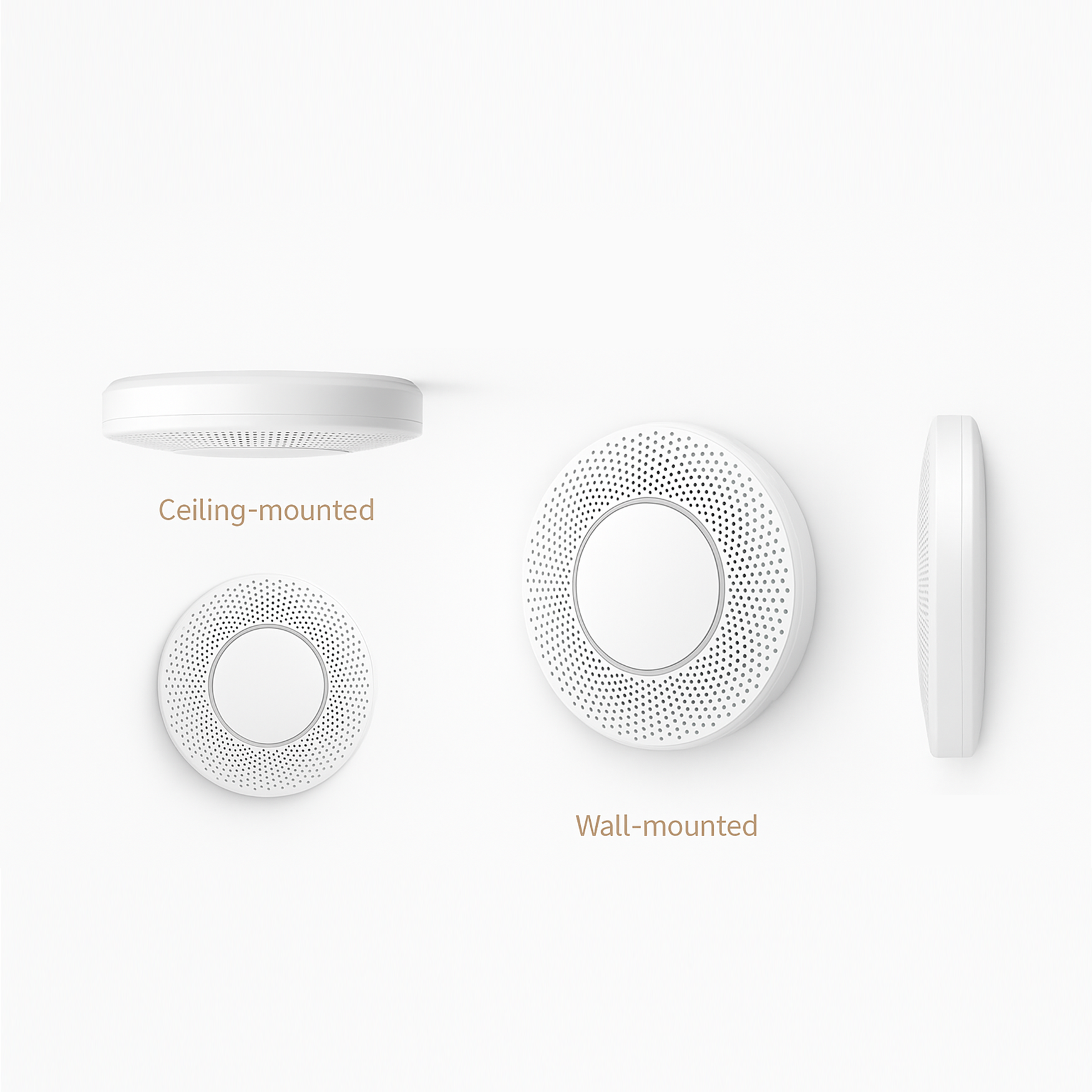
Meticulous planning is essential for next generation vape detection rollouts. Begin with site surveys to identify optimal sensor locations, considering airflow, obstructions, and electrical access. Map out installation points to maximise coverage and minimise blind spots.
Work with certified installers familiar with your chosen system. Develop an installation schedule that avoids disruption to daily operations. Prepare contingency plans for unexpected challenges, such as building restrictions or IT compatibility issues.
Document installation procedures and communicate timelines to staff and stakeholders. Ensure signage and awareness campaigns accompany the rollout, reinforcing the purpose and benefits of next generation vape detection. This planning phase sets the stage for effective monitoring and compliance.
Step 4: Integrating with Security and Compliance Systems
Integration is a critical step in maximising the value of next generation vape detection. Link detection devices to your existing alarms, CCTV, and access control systems to enable coordinated responses. Confirm compatibility with building management platforms for seamless operation.
Prioritise GDPR and privacy compliance by limiting data access and anonymising incident records where possible. Collaborate with IT and legal teams to ensure all requirements are met. For detailed guidance, consider resources like Developing an Effective Vape Detection Solution, which outlines best practices for integrating detection with security frameworks.
Regularly review integration points to keep systems updated and secure. Effective integration enhances the reliability and impact of next generation vape detection across your organisation.
Step 5: Staff Training and Response Protocols
Empowering staff is vital to next generation vape detection success. Develop clear response protocols outlining actions for different incident types. Train staff to interpret alerts, follow escalation procedures, and communicate effectively with affected individuals.
Use scenario-based exercises to build confidence and competence. Provide digital resources, such as quick reference guides and video tutorials, for ongoing learning. Encourage a culture of vigilance and support, where all staff understand their role in maintaining a vape-free environment.
Regular feedback sessions help refine protocols and address emerging challenges. Well trained staff ensure next generation vape detection delivers swift, appropriate interventions, protecting health and wellbeing.
Step 6: Monitoring, Reporting, and Continuous Improvement
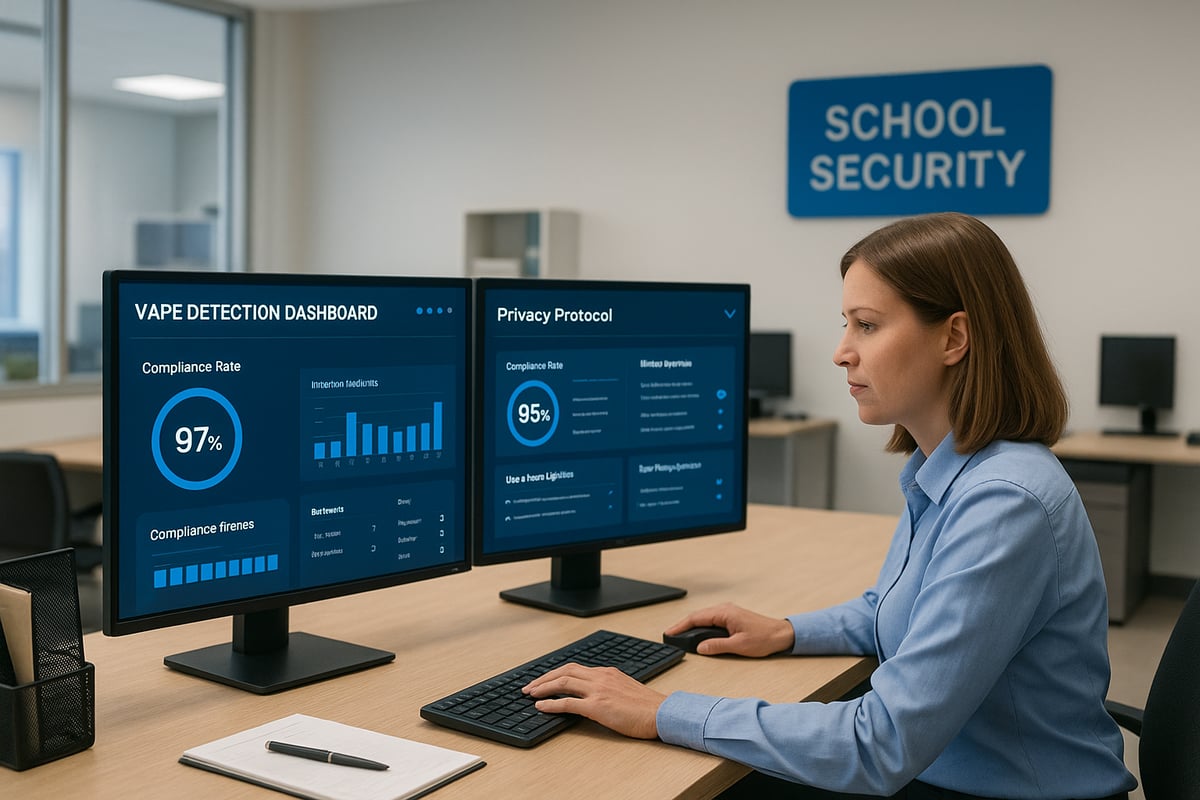
Ongoing monitoring is essential for optimising next generation vape detection. Utilise analytics dashboards to track incidents, identify trends, and inform policy updates. Schedule regular system checks and software updates to maintain peak performance.
Establish reporting routines that align with compliance standards and organisational goals. Use data to measure effectiveness, allocate resources, and demonstrate impact to stakeholders. Encourage feedback from staff and users to identify areas for refinement.
Continuous improvement ensures your next generation vape detection strategy remains resilient, adaptive, and ready for future threats. Regular reviews and updates will keep your environment safe and responsive.
Compliance, Privacy, and Policy Considerations for 2026
As next generation vape detection becomes a standard across public and private environments, compliance, privacy, and policy frameworks must keep pace with rapid technological change. Organisations need clear strategies to navigate evolving legal requirements, safeguard privacy, and ensure fair, effective implementation. This section explores the essential considerations for 2026, providing actionable insights for leaders adopting next generation vape detection.
Evolving Legal and Regulatory Landscape
The regulatory landscape for next generation vape detection is shifting rapidly in the UK and globally. New legislation is anticipated for 2026, aiming to standardise detection practices and ensure safety in educational, corporate, and public venues.
Regulators are focusing on defining what constitutes lawful monitoring, specifying requirements for notification, consent, and reporting. Internationally, there are moves towards harmonising standards, which will impact vendors and users of next generation vape detection systems.
Organisations must stay abreast of these developments. Regular legal reviews and collaboration with compliance experts are essential to anticipate and address changes. Proactive adaptation ensures that detection initiatives remain both effective and lawful.
Data Privacy and Ethical Use
With wider adoption of next generation vape detection, data privacy is a critical concern. Devices often collect detailed environmental and incident data, making GDPR compliance non-negotiable. Organisations must implement robust data minimisation, access controls, and transparent policies to protect individuals.
Ethical use requires balancing safety with privacy. Stakeholders are increasingly aware of the risks of over-surveillance. Recent discussions, such as those highlighted in Unproven Vape Detection Tech Expands Surveillance in Schools, Threatening Privacy, underline the importance of clear boundaries and accountability.
By prioritising privacy from the outset, organisations can foster trust and reduce the risk of legal or reputational harm. Regular audits and ongoing staff training further strengthen ethical standards.
Policy Development and Stakeholder Engagement
Effective anti-vaping policies must align with the capabilities of next generation vape detection systems. Policy development should be collaborative, incorporating input from students, staff, parents, and facility managers.
A structured approach involves:
- Defining clear objectives and enforcement protocols
- Communicating detection practices transparently
- Providing support for those affected by policy changes
Resources such as School Vape Policy Solutions offer guidance on crafting practical, compliant policies. Regular reviews and stakeholder feedback ensure policies remain relevant and effective as technology evolves.
Addressing Equity and Accessibility
Ensuring equitable access to next generation vape detection technology is paramount. Disparities in funding or technical resources can create gaps in protection, particularly in under-resourced schools or community facilities.
Strategies to address equity include:
- Prioritising high-risk areas for initial deployment
- Seeking grant funding or public-private partnerships
- Simplifying installation and training to lower barriers
By considering accessibility from planning to rollout, organisations can deliver the benefits of next generation vape detection to all communities, supporting a safer and healthier environment for everyone.
Incident Management and Reporting
Standardising incident management protocols is crucial for compliance and effectiveness. Next generation vape detection systems enable real-time alerts, detailed logs, and analytics-driven reporting.
Key elements of robust incident management include:
- Clear escalation procedures for detected incidents
- Secure documentation and evidence retention
- Regular analysis of trends to inform interventions
Leveraging analytics allows organisations to adapt responses, measure policy impact, and demonstrate compliance to regulators. Consistent reporting also supports continuous improvement and risk reduction.
Future-Proofing Compliance Efforts
As vaping trends and substances evolve, compliance frameworks must remain agile. Next generation vape detection hardware and software are increasingly modular, allowing for updates as new risks are identified.
Forward-thinking organisations:
- Monitor emerging substances and usage patterns closely
- Update policies and training in sync with technology upgrades
- Build adaptive processes that anticipate regulatory changes
By embedding flexibility and responsiveness, organisations can ensure that compliance efforts remain robust, relevant, and aligned with the ongoing evolution of next generation vape detection technology.
The Future of Vape Detection: Trends and Expert Predictions
The landscape for next generation vape detection is evolving at an unprecedented pace. New technologies are reshaping how organisations protect their environments and respond to emerging threats. In this section, we explore the most significant trends and expert predictions set to define vape detection in 2026 and beyond.
AI and Predictive Analytics
Artificial intelligence is revolutionising next generation vape detection. Modern systems use machine learning to analyse patterns, detect vaping events, and even anticipate incidents before they occur. Predictive analytics enables facility managers to pinpoint hotspots and deploy targeted interventions. Real time dashboards provide actionable insights, allowing organisations to react swiftly and reduce risks.
For a deep dive into how data and analytics are transforming vape detection, explore Vape Detection and Data Analytics. As AI continues to advance, expect detection systems to become even more proactive and accurate, making prevention strategies smarter and more efficient.
Expansion Beyond Vaping: Comprehensive Air Quality Monitoring
The capabilities of next generation vape detection systems now extend far beyond simple vape identification. Advanced detectors monitor a broad spectrum of airborne substances, including pollutants, allergens, and synthetic compounds. This holistic approach supports wider health and safety initiatives across schools, offices, and leisure spaces.
By integrating comprehensive air quality sensors, organisations can address multiple risks simultaneously. These systems deliver continuous updates and alerts, ensuring that any deviation from baseline air conditions is quickly addressed. The future is moving towards unified environmental monitoring, where vape detection is just one part of a much larger safety ecosystem.
The Rise of Smart Buildings and IoT
Next generation vape detection is becoming a core component of smart building management. IoT integration allows sensors to communicate with HVAC systems, security cameras, and access controls for automated responses. For example, when vape is detected, ventilation can be increased and alerts sent instantly to designated staff.
This seamless connectivity reduces manual intervention and enhances overall building intelligence. Facility managers benefit from centralised control and data-driven insights, leading to more responsive and adaptive environments. As IoT adoption grows, vape detection will be tightly woven into the fabric of modern smart facilities.
User Experience and Community Impact
User experience remains central to the success of next generation vape detection. The most effective systems are discreet, blending into the environment without causing disruption or anxiety. Students, staff, and visitors benefit from improved wellbeing and peace of mind, knowing their spaces are monitored for harmful substances.
Case studies consistently show reductions in vaping incidents and positive feedback from communities. By prioritising privacy, transparency, and education, organisations foster trust and drive lasting behavioural change. The impact of advanced vape detection extends well beyond security, contributing to healthier, more inclusive environments.
Global Adoption and Standardisation
The market for next generation vape detection is expanding rapidly across the globe. Countries such as Australia, Germany, and the United States are adopting unified standards and regulations to ensure consistency and reliability. This trend promotes interoperability and encourages manufacturers to innovate while meeting strict compliance requirements.
According to the Vape Detection Sensors Market Research Report 2033, international demand is expected to surge as more regions prioritise air quality and safety. Global harmonisation will drive further advancements, making cutting edge vape detection accessible to a wider range of organisations.
Preparing for the Unknown: Adaptive Technologies
Future proofing is a key focus for next generation vape detection. Systems are now designed with modular hardware and software that can be updated remotely to counter new substances and threats. This adaptability ensures ongoing protection, even as vaping products and usage patterns evolve.
Continuous learning is built into modern detection platforms, enabling them to respond to emerging risks with minimal disruption. Organisations can rely on regular updates, firmware enhancements, and expert support to stay ahead of the curve. Preparing for the unknown is no longer optional, it is an essential part of maintaining safe and compliant spaces in 2026.
As we look ahead to 2026, it’s clear that staying ahead of vaping trends and ensuring safer environments requires the right technology and informed strategy. You’ve just explored the latest advancements in vape detection, from AI-powered sensors to seamless integration and real-time alerts—tools designed to support schools, offices, and public spaces in the UK and beyond. If you’re ready to take the next step in protecting your organisation, why not reach out for tailored advice? We’re here to help you create a safer, healthier environment for everyone.
Talk to our team and protect your building today





Share:
Top 7 Most Reliable Vape Detector Choices for 2026
Vape Detection Reseller Guide: Your Essential 2026 Handbook