Vaping has rapidly become a major concern in both public and private spaces, with incidents rising sharply by 2026. Schools, offices, and leisure venues are all searching for effective ways to address this growing challenge.
In response, vape detection technology has advanced quickly, driven by new regulations and changing societal expectations. The market now offers innovative solutions that promise more accuracy and easier compliance.
This expert guide will show you how to evaluate and select the right vape detection company, ensuring your environment stays safe and compliant. Discover the latest trends, proven strategies, and actionable steps for lasting results.
The Evolution of Vape Detection Technology
The landscape of vape detection technology has transformed dramatically over recent years. As the challenge of vaping in diverse environments intensifies, the need for a reliable vape detection company has never been greater. Understanding how detection systems have evolved provides essential context for any organisation considering an upgrade.
Key Milestones in Vape Detection (2018–2026)
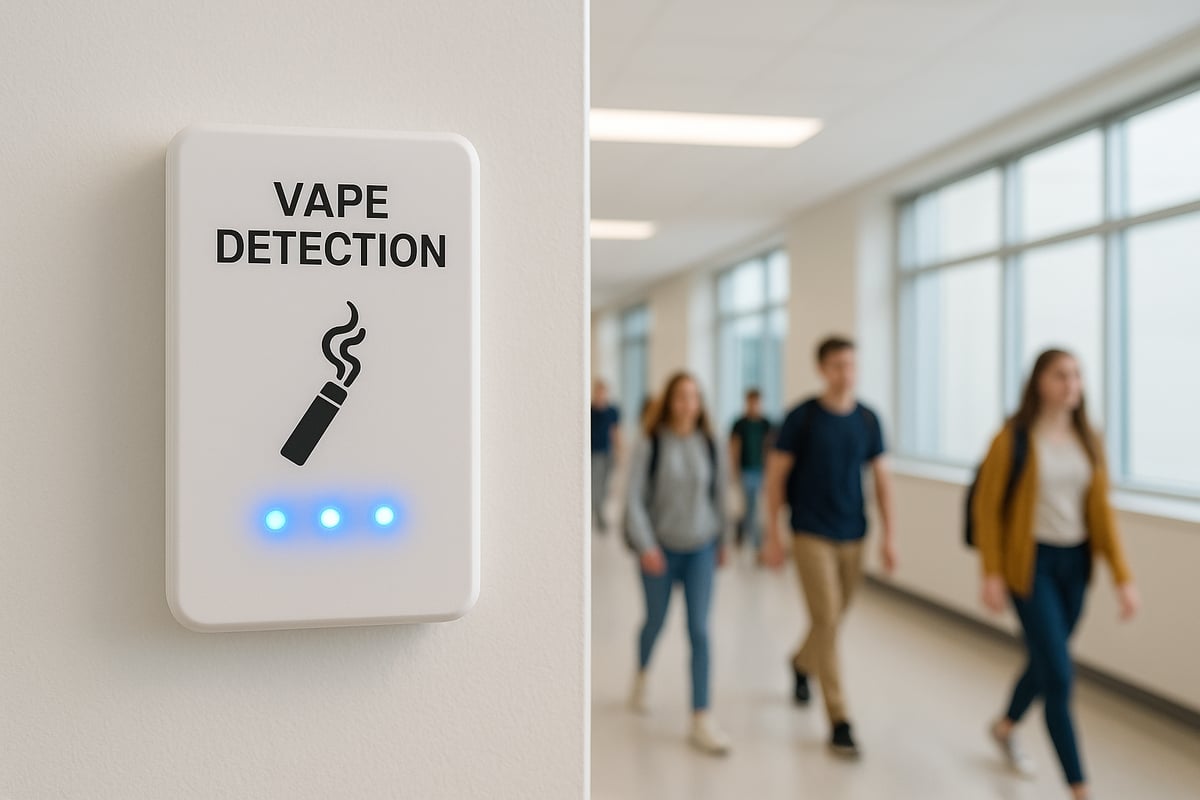
The journey from basic smoke sensors to intelligent vape detection has been marked by significant milestones. Early systems relied on simple particulate sensors, which often failed to distinguish between vapour and smoke, resulting in frequent false alarms. As vaping devices became more sophisticated, the demand for a more advanced vape detection company increased.
By 2020, chemical and particulate sensors emerged, offering improved accuracy and the ability to identify specific compounds in vapour. The integration of these sensors marked a turning point, enabling organisations to respond more effectively. In recent years, the adoption of AI and machine learning has allowed for substance identification and a dramatic reduction in false alerts. These advancements have empowered schools to reduce vaping incidents by over 90 percent.
For a deeper dive into these vape detection technology advancements, industry leaders provide detailed insights into the latest innovations shaping the market.
AI and Data Analytics in Vape Detection
Artificial intelligence has become the heartbeat of modern detection systems. A leading vape detection company now leverages AI to enable real-time monitoring, pattern recognition, and predictive analytics. These systems not only detect vaping but also identify high risk periods or locations within a building.
Automated reporting tools are now standard, producing compliance documentation with minimal manual input. According to recent statistics, over 80 percent of new installations in 2026 feature AI driven analytics. This shift has empowered organisations to make informed decisions, optimising their policies and procedures based on actionable data.
The integration of advanced data analytics ensures that a vape detection company remains ahead of evolving user behaviours, delivering both accuracy and reliability.
Multi-Substance Detection and Air Quality Monitoring
The scope of modern systems has expanded beyond nicotine. Today, a leading vape detection company offers sensors that can identify THC, synthetic cannabinoids, and other illicit substances. This multi substance capability is vital for environments like leisure centres, where anti social behaviour is a concern.
In addition to substance detection, air quality monitoring has become a key feature. Facilities now benefit from holistic safety, as these systems track overall air quality alongside vaping incidents. For example, leisure centres have successfully curbed unwanted behaviour by deploying multi substance sensors, improving both safety and user experience.
Organisations seeking comprehensive solutions are increasingly turning to a vape detection company that can deliver both targeted detection and broader environmental monitoring.
Connectivity and User Experience Enhancements
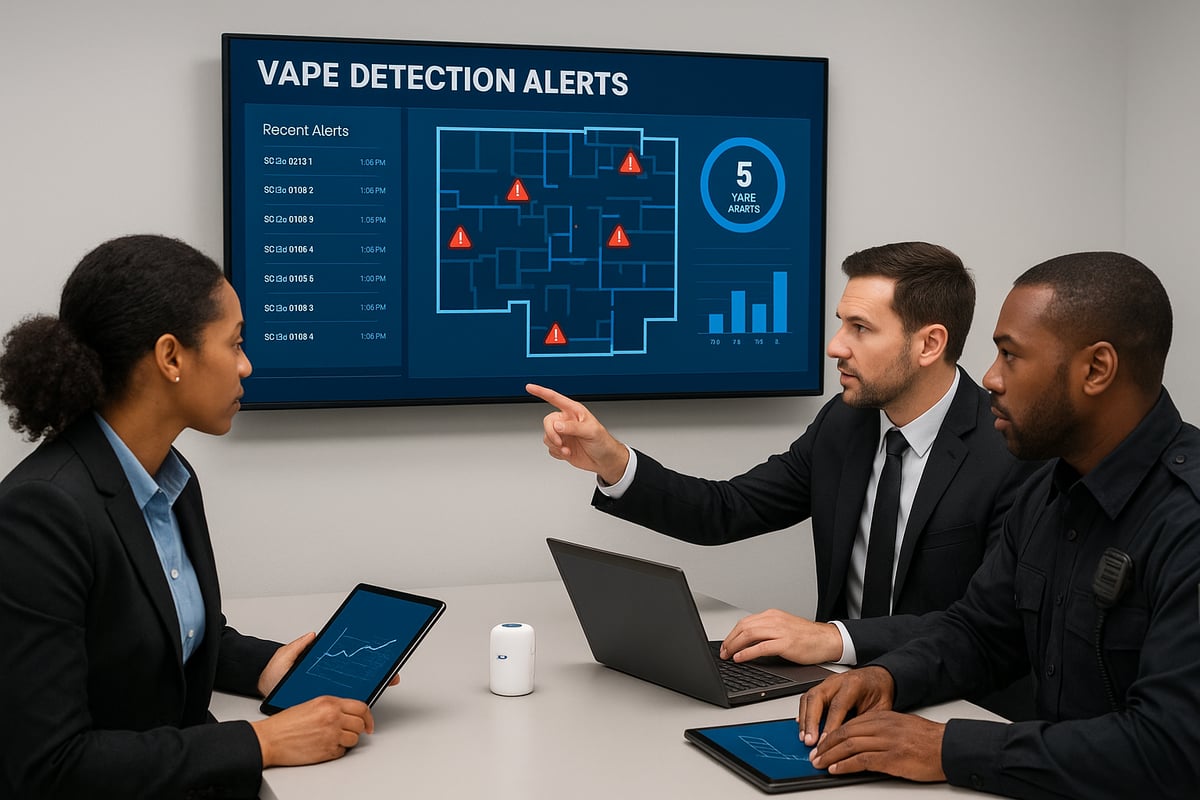
The modern vape detection company prioritises seamless connectivity and user friendly experiences. Mobile apps, cloud dashboards, and remote management tools are now standard offerings, allowing facility managers to monitor activity from anywhere.
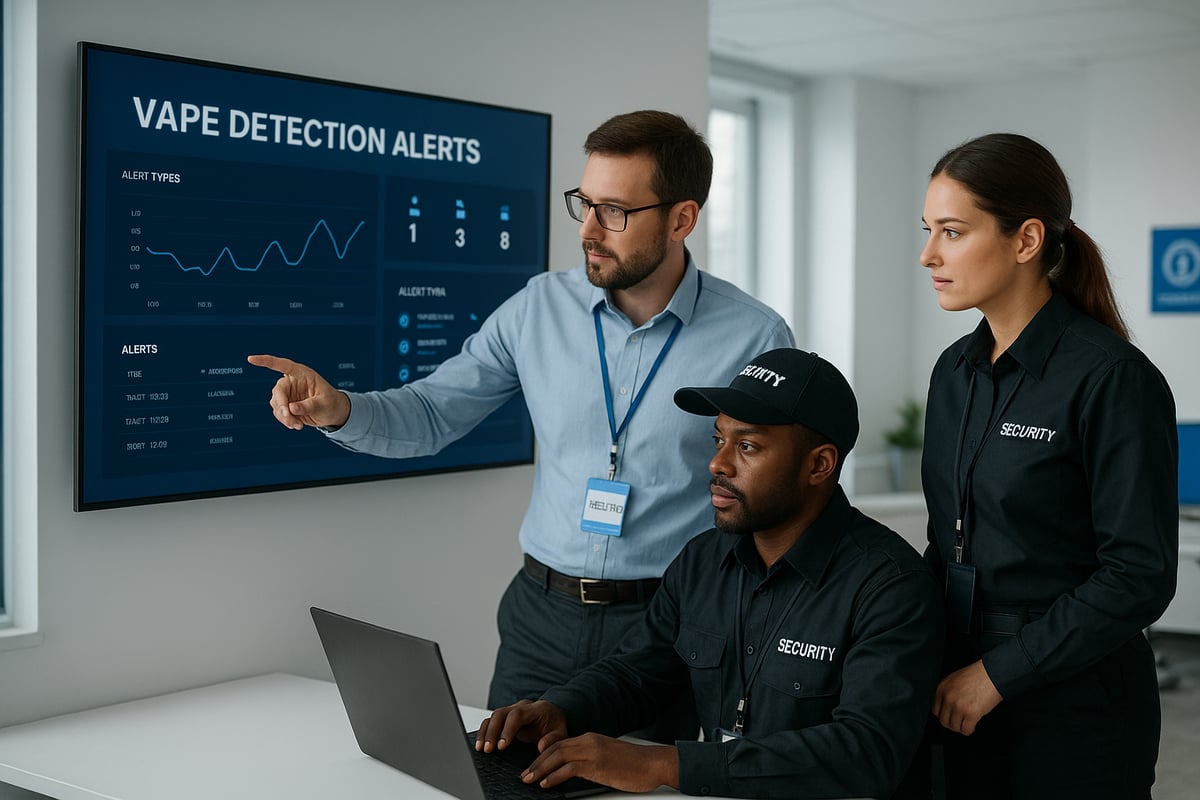
User interfaces have become more intuitive, enabling rapid response to incidents. Offices, for example, are leveraging instant alerts to security teams, ensuring swift action and minimal disruption. These connectivity enhancements not only streamline operations but also support proactive risk management.
Selecting a vape detection company with robust connectivity features ensures organisations can adapt quickly to incidents and maintain a safe environment.
Regulatory Influence and Compliance Drivers
Regulatory frameworks have been instrumental in shaping the evolution of vape detection technology. Legislation has driven innovation, compelling every vape detection company to adhere to strict data privacy and reporting standards. GDPR compliance is now a core requirement, especially across the UK and Europe.
Demand for compliant solutions continues to rise, with organisations prioritising vendors that align with current and anticipated regulations. Trends indicate a growing emphasis on transparent data management and secure reporting, influencing both product design and market adoption.
As regulations evolve, choosing a vape detection company with a proven track record in compliance is essential for future proofing organisational safety strategies.
Choosing the Right Vape Detection Company in 2026
Selecting the right vape detection company is more critical than ever in 2026. The market is saturated with new entrants, each promising advanced technology and flawless integration. Yet, not all solutions deliver equal accuracy, reliability or compliance. To make a confident decision, organisations must weigh several key factors, from technical sophistication to long term support and proven results. Below, we break down the essential criteria and practical steps to help you choose a vape detection company that truly protects your environment.
Key Criteria for Evaluation
When evaluating a vape detection company, technology should be your starting point. The most advanced providers deliver precise sensor accuracy, robust AI capabilities, and the versatility to detect both nicotine and other substances such as THC or synthetic cannabinoids.
Customisation matters. Ensure your chosen vape detection company offers solutions tailored to your environment, whether you manage a school, office, or leisure facility. Integration with existing safety and security systems is also vital for seamless operations.
Reliability is non negotiable. Compare false alert rates, detection accuracy, and uptime guarantees. For a detailed comparison of leading vendors, consult this Comparison of vape detection systems resource, which benchmarks real world performance.
| Criteria | Why It Matters | What to Ask Vendors |
|---|---|---|
| Sensor Accuracy | Reduces false alarms | What is your detection accuracy rate? |
| AI Capabilities | Identifies patterns | Is your system AI powered? |
| Multi Substance | Broader protection | Can you detect THC and other substances? |
| Integration | Streamlines response | Do you support existing security systems? |
Support, Training, and Education
A leading vape detection company invests in more than just hardware. Comprehensive support, tailored training, and educational resources ensure your staff can respond effectively to incidents and maintain compliance.
Look for providers who offer:
- Initial and ongoing staff training
- Clear user manuals and troubleshooting guides
- Educational materials for students or employees
- Dedicated UK based support and maintenance packages
For example, schools that partnered with vendors delivering hands on training reported higher policy compliance and quicker incident response. A vape detection company that acts as a true partner, not just a supplier, can make all the difference.
Pricing Models and Return on Investment
Understanding the pricing structure is vital when choosing a vape detection company. Most vendors now offer flexible subscription models or one off purchase options, allowing organisations to align costs with operational budgets.
Evaluate the total cost of ownership, including installation, maintenance, and upgrades. Calculate expected return on investment by considering reductions in vaping incidents, avoidance of compliance fines, and potential improvements in air quality. In 2025, organisations adopting advanced solutions reported average cost savings of over 30 percent within the first year.
When assessing value, request transparent pricing breakdowns and real world ROI case studies. This ensures you choose a vape detection company that delivers measurable results.
Vendor Reputation and Industry Recognition
Reputation is more than marketing claims. Prioritise a vape detection company with third party certifications, industry awards, and verified testimonials from similar organisations.
Look for media coverage, published case studies, and recognition by government or educational bodies. Leading companies proudly share their track record of success and industry impact.
A proven reputation signals reliability, ongoing innovation, and a commitment to customer satisfaction. Before finalising your choice, seek out independent reviews and talk to existing clients to validate your decision.
Vape Guardian: Leading the UK in Vape Detection Solutions
Vape Guardian stands out as a vape detection company trusted by hundreds of organisations across the UK and beyond. Its AI powered sensors, real time alerts, and multi substance detection capabilities have delivered up to 95 percent reduction in vaping incidents in schools, offices, and leisure venues within just five weeks.
With dedicated UK based support, GDPR compliant data management, and tailored solutions for every sector, Vape Guardian offers free trials and a 100 day money back guarantee. Their industry recognition and media features underscore their position as a leader in the vape detection company landscape.
Implementing Vape Detection: Step-by-Step Guide
Introducing a vape detection company into your organisation requires a clear, structured approach. Each step is essential for maximising safety, compliance, and return on investment. This guide walks you through the exact process to achieve successful implementation.
Step 1: Assessing Organisational Needs
Start by evaluating your premises to identify areas most at risk of vaping. Pinpoint locations such as restrooms, corridors, or communal spaces where incidents are likely.
Engage key stakeholders early. Facility managers, compliance officers, and IT professionals should collaborate to shape the requirements for a vape detection company.
Mapping high-traffic zones and reviewing incident reports will help prioritise sensor placement. For example, schools often designate student gathering areas as top priorities. Accurately defining your needs ensures the vape detection company can tailor their solution to your environment.
Step 2: Selecting Suitable Technology and Vendor
With organisational needs defined, focus on matching detection technology to your environment. Evaluate the vape detection company’s sensor accuracy, AI capabilities, and ability to detect multiple substances.
Prepare a checklist of critical questions:
- Does the system integrate with your existing security infrastructure?
- How does the vape detection company manage data privacy and compliance?
- What ongoing support and training do they provide?
Review vendor credentials and industry recognition. Comparing performance metrics and testimonials will help you select a partner with proven reliability and expertise.
Step 3: Installation and Integration
Proper installation is crucial for optimal performance. The vape detection company should conduct a thorough site survey, identifying ideal sensor locations and planning for minimal disruption.
Work with your IT and security teams to connect new sensors to existing alarm and monitoring systems. This ensures seamless incident escalation and centralised management. For a detailed breakdown of installation best practices, refer to this implementing vape detection solutions resource.
A well-executed installation enables the vape detection company to deliver fast, accurate alerts and efficient coverage across your premises.
Step 4: Staff Training and Awareness Programmes
Staff engagement is critical for a successful rollout. The vape detection company should provide comprehensive training sessions, enabling staff to recognise alerts, respond effectively, and maintain the system.
Supplement live training with clear educational materials. Posters, digital guides, and quick-reference cards reinforce awareness and drive compliance. In leisure centres, targeted educational outreach has led to measurable reductions in vaping-related incidents.
Ongoing knowledge sharing helps your team adapt to evolving risks and ensures the technology remains effective.
Step 5: Monitoring, Reporting, and Policy Enforcement
Once operational, leverage the vape detection company’s real-time monitoring tools to track incidents and trends. Automated reporting simplifies compliance and enables data-driven policy updates.
Establish protocols for prompt response and follow-up when alerts are triggered. Use monthly incident reports to refine policies and demonstrate a proactive approach to safety.
Continuous monitoring and transparent enforcement create a culture of accountability, supporting your organisation’s commitment to a vape-free environment.
Vape Detection in Key Sectors: Schools, Offices, and Public Spaces
The need for a trusted vape detection company has never been greater across education, corporate, leisure, and public sectors. Each environment faces unique challenges from vaping, requiring bespoke solutions for detection, reporting, and compliance. Let us explore how these sectors are using modern vape detection technology to ensure safer, healthier spaces for everyone.
Education Sector
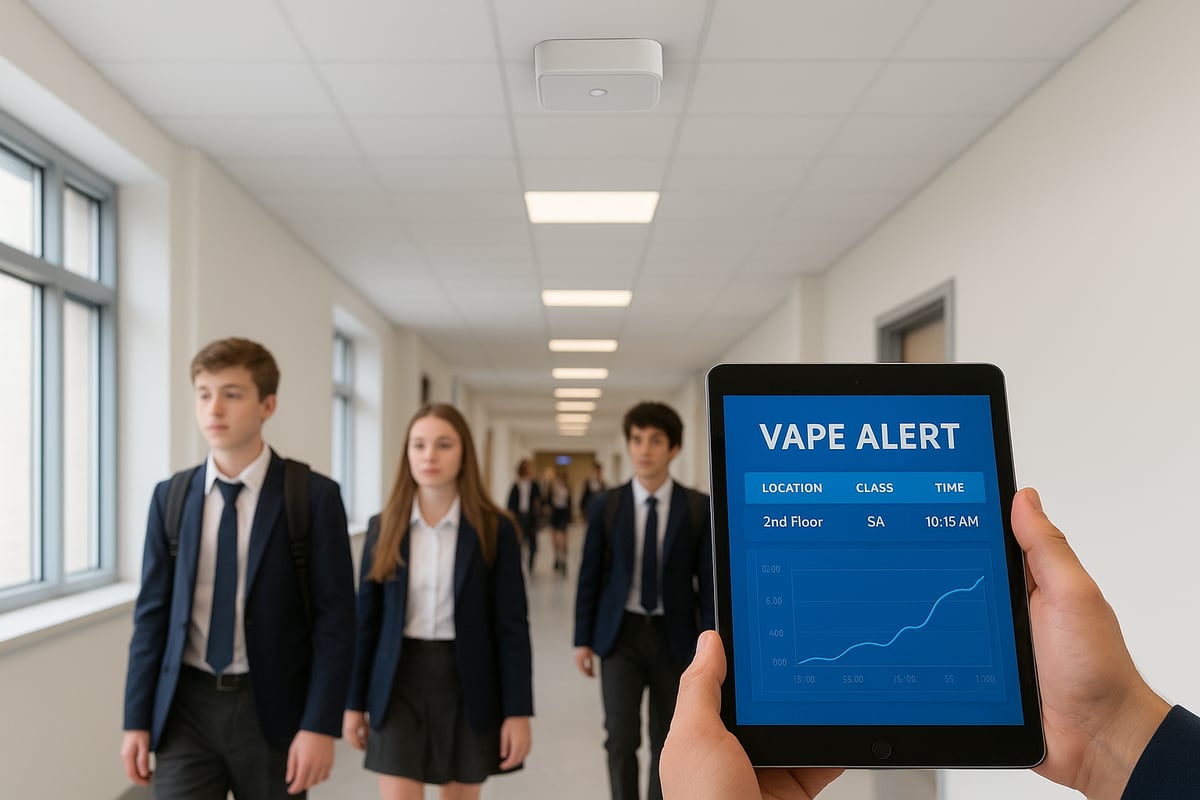
Vaping among students is a growing concern, making the role of a vape detection company essential for schools. With more students accessing vaping products, schools have struggled to enforce bans and protect student wellbeing. Advanced vape detection systems are now addressing these challenges head-on.
Modern sensors, featuring AI and multi-substance detection, can pinpoint vaping incidents in bathrooms, corridors, and other high-risk areas. These systems provide immediate alerts and detailed reporting, enabling staff to respond swiftly and effectively. Some UK schools have reported over 90 percent reductions in incidents within weeks of installation, transforming their approach to student safety.
A recent report on advancements in vape detection technology highlights how smart sensors and real-time analytics are now standard in educational settings. By partnering with a leading vape detection company, schools can achieve compliance, deter vaping, and foster a healthier learning environment.
Corporate Offices and Workspaces
Workplaces are not immune to vaping, especially in shared environments where air quality and employee wellbeing matter. A vape detection company brings peace of mind to employers by offering solutions tailored for office layouts, open-plan areas, and meeting spaces.
Detection systems discreetly monitor for vape aerosols, ensuring compliance with workplace safety regulations. They integrate seamlessly with building management and security platforms, providing real-time alerts to HR or facilities teams. This proactive approach helps organisations enforce no-vaping policies, avoid fines, and support a culture of health and responsibility.
Companies often benefit from automated reporting, which streamlines policy enforcement and incident tracking. By investing in a reputable vape detection company, offices can maintain professional standards and create a safer, more productive workplace for all.
Leisure, Retail, and Public Venues
Leisure centres, cinemas, gyms, and shopping centres present unique challenges for vape detection company solutions. High footfall and diverse visitor groups require robust, multi-sensor technology capable of detecting various substances and monitoring air quality.
Facility managers use detection systems to address anti-social behaviour and maintain a welcoming atmosphere. Instant alerts allow security teams to act quickly, while comprehensive data helps refine policies and educate staff. Retail centres, for example, have seen significant drops in vaping and related incidents after deploying advanced systems.
The adaptability of a modern vape detection company is crucial in these environments. Customisable solutions can be fine-tuned for different spaces, ensuring coverage in changing layouts and high-traffic zones. This flexibility supports venue reputation and enhances customer experience.
Healthcare and Transport Environments
Protecting vulnerable individuals in hospitals and clinics is a top priority, making the support of a vape detection company indispensable. Healthcare settings require highly accurate, low-false-alarm solutions to maintain air quality and comply with stringent regulations.
Public transport hubs, such as train stations and airports, also benefit from advanced detection systems. These environments demand rapid incident response and robust data privacy standards. The growing adoption of vape detection is reflected in recent market growth reports, highlighting increased investment by healthcare and transport sectors.
For both healthcare and transport, a vape detection company delivers peace of mind through reliable technology, ongoing support, and compliance with the latest industry standards. This ensures that patients, staff, and passengers are safeguarded from the risks associated with vaping in public settings.
The Future of Vape Detection: Trends and Predictions for 2026 and Beyond
As organisations look ahead to 2026, the vape detection company landscape is set for transformative growth. New technologies, regulatory shifts and user demands are shaping the future of detection systems. Forward-thinking businesses are already preparing for the next wave of innovation. This section explores the trends and predictions that will define the industry and help you make informed decisions for your environment.
Integration with Smart Building Ecosystems
Smart buildings are no longer a futuristic concept. By 2026, vape detection company solutions are increasingly integrated with IoT devices and automation systems. This integration allows real-time data flow between vape detection sensors, lighting, HVAC, and security controls.
Facilities benefit from automated responses. For example, a detected vaping incident can trigger air purification, adjust ventilation, and notify security. This seamless connectivity enhances both safety and operational efficiency for any organisation seeking a holistic solution from a vape detection company.
Many campuses and offices now deploy centralised dashboards. These dashboards aggregate vape detection data with other building metrics, offering a unified view for facility managers. As a result, predictive maintenance and energy optimisation become possible, driving cost savings and sustainability.
AI, Machine Learning, and Predictive Analytics
Artificial intelligence is at the heart of next-generation vape detection company systems. AI-driven sensors use machine learning to identify vaping signatures, reduce false positives, and adapt to new substances. Predictive analytics enable organisations to anticipate high-risk periods or locations, allowing for proactive policy enforcement.
Real-time monitoring supports incident pattern recognition. Automated reporting provides actionable insights for compliance and safety teams. According to recent industry data, over 80 percent of new vape detection company deployments in 2026 feature AI-powered analytics, helping organisations stay ahead of emerging threats.
For further insights into how AI is transforming detection accuracy and predictive capabilities, see AI integration in vape detection. These advancements empower decision makers to respond swiftly and effectively.
Regulatory Shifts and Global Compliance Standards
Compliance is a top priority for every vape detection company. Regulatory frameworks in the UK and EU are tightening, with new standards for data privacy, reporting, and device certification. Organisations must choose solutions that meet evolving GDPR and international requirements.
Anticipated legislative changes will affect how vape detection company products are designed and deployed. International standards are bringing greater consistency to reporting and enforcement, making it easier for global businesses to implement best practices.
To understand the broader impact of regulatory changes, explore Regulatory trends in vaping. Staying informed about these shifts helps organisations remain compliant and future ready.
Expanding Scope: Beyond Vaping Detection
The modern vape detection company is no longer limited to e-cigarette vapour. Multi-sensor platforms now monitor a range of substances, including THC, synthetic cannabinoids and even air quality indicators. This expanded scope is vital for schools, offices, and public venues seeking comprehensive risk management.
Unified systems can detect noise, monitor air quality, and flag anti-social behaviour. By combining data streams, facility managers gain deeper insights into environmental risks. This holistic approach supports safer, healthier spaces and strengthens overall facility policies.
As technology evolves, expect more vape detection company offerings to bundle these features, providing value far beyond simple vaping alerts.
User Experience and Accessibility Enhancements
User experience is central to the next phase of vape detection company solutions. Intuitive mobile apps, cloud dashboards, and instant alerts are now standard, ensuring that stakeholders can respond quickly and efficiently.
Accessibility is also improving. Platforms are being designed for self service, enabling staff and administrators to manage incidents, view reports, and update settings without technical expertise. Training resources and onboarding tools are more comprehensive, supporting widespread adoption.
By 2026, demand for user friendly vape detection company interfaces will grow. The focus on accessibility and engagement ensures that organisations can maintain compliance and safety with minimal disruption.
As you’ve seen throughout this guide, choosing the right vape detection company in 2026 comes down to trusted technology, tailored support, and proven results across a range of environments. If you’re looking to protect your school, office, or leisure space and want to understand how advanced sensing and real-time alerts can make a real difference, we’re here to help. Take the next step and talk to our team and protect your building today — let’s work together to create a safer, healthier space for everyone.





Share:
Air Quality Compliance Report Guide: Your 2026 Roadmap
Guide to PM10 Monitoring Sensor Selection and Use 2026